Showing Posts From
The good earth
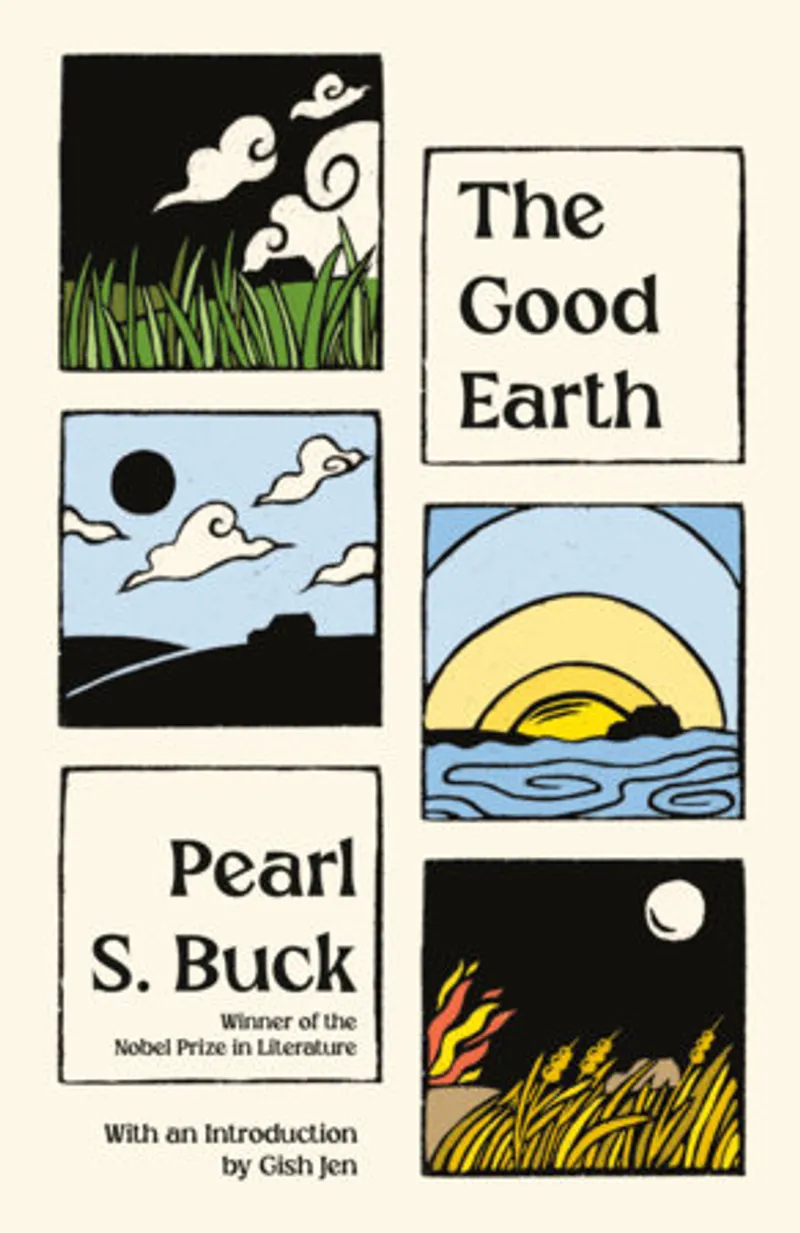
The Good Earth Author: Pearl S. BuckPage Count: UnknownPublication Date: 2027-PRH Pearl S. Buck’s The Good Earth is a masterpiece of quiet devastation, a novel that burrows into the soul of rural China like the roots of an ancient tree, unyielding and deep. First published in 1931 (though the given year here is likely a typographical error), this Pulitzer Prize-winning work remains a towering testament to the resilience of the human spirit in the face of relentless change. Buck, who spent much of her life in China as the daughter of missionaries, crafts a story that is at once a love letter to the land and a stark indictment of the cycles of poverty, tradition, and modernity that shape lives. At its core, The Good Earth is a meditation on the land—its power, its cruelty, and its unbreakable hold over those who till it. The novel follows Wang Lung, a poor farmer whose life is defined by the earth he works, the seasons he endures, and the family he struggles to feed. Buck’s prose is deceptively simple, mirroring the rhythms of Wang Lung’s existence: the toil of planting, the anxiety of drought, the relief of harvest. Yet beneath this unadorned surface lies a searing exploration of human nature—ambition, greed, love, and the corrosive weight of social hierarchy. Wang Lung begins as a man of humble means, his happiness tied to the earth’s bounty and the modest joys of his wife, O-lan, a former slave whose strength and quiet dignity anchor the story. Their early years are marked by hardship, but also by a deep, unspoken bond. Buck’s genius lies in her ability to convey the full spectrum of human emotion through sparse, vivid details. When Wang Lung finally saves enough to buy land—a dream that defines his life—the reader feels the weight of his triumph as if it were their own. Yet this victory is fleeting. As Wang Lung’s fortunes rise, so too does his hunger for more, revealing the insidious nature of greed and the way prosperity can erode the very values that once sustained him. The novel’s power lies in its refusal to romanticize poverty or condemn wealth outright. Buck presents Wang Lung’s transformation with a clinical, almost detached realism. He becomes a man who clings to tradition even as he is seduced by the trappings of wealth, a man who loves his land but also covets the comforts of the city. His relationship with O-lan, once a partnership of equals, becomes strained as he takes concubines and abandons the simplicity that once defined their life. Buck does not judge; she observes, and in doing so, she exposes the universal tensions between duty and desire, stability and ambition. One of the most striking aspects of The Good Earth is its portrayal of women. O-lan, in particular, is a character of profound depth and resilience. A former slave, she is sold into marriage to Wang Lung, yet she becomes the backbone of his household, bearing children, managing the home, and even saving the family during a famine. Her quiet strength is contrasted with the frivolity of Wang Lung’s concubines, who represent the hollow allure of luxury. Buck’s depiction of O-lan is revolutionary for its time, offering a nuanced look at the sacrifices and quiet heroism of women in a patriarchal society. Buck’s style is immersive, her descriptions so vivid that the reader can almost feel the dust of the fields or the chill of a winter’s night. Yet her greatest achievement is in making Wang Lung’s journey feel like a universal one. His struggles—with land, with family, with the pull of the past and the push of progress—are timeless. The novel’s themes resonate far beyond its historical setting, speaking to the human condition itself: the fear of losing what we have, the allure of what we desire, and the fragile balance between contentment and ambition. The Good Earth is not a book that offers easy answers. It is a story of endurance, of the land that gives and takes, and of the people who are shaped by it. Buck’s prose is unadorned but never dull, her narrative as steady and unyielding as the earth itself. In an era where the world is increasingly disconnected from the land that sustains it, The Good Earth serves as a poignant reminder of the ties that bind us to the soil—and to each other. #TheGoodEarth #PearlSBuck #ClassicLiterature #FarmLife #HistoricalFiction #Resilience Related InsightsAn Expert Witness: The Story of Forensic Science in the Courtroom Book Review and Summary The Book Thief Book Review and Summary Catching Fire Book Review and Summary{ "@context": "https://schema.org", "@type": "FAQPage", "mainEntity": [ { "@type": "Question", "name": "What is the main focus of The Good Earth Book Review and Summary?", "acceptedAnswer": { "@type": "Answer", "text": "Everything you need to know about The Good Earth with our detailed review." } }, { "@type": "Question", "name": "Who authored the comprehensive guide on The Good Earth Book Review and Summary?", "acceptedAnswer": { "@type": "Answer", "text": "This detailed article and its insights were carefully researched and authored by Pearl S. Buck." } }, { "@type": "Question", "name": "Where can I find more related content about Books?", "acceptedAnswer": { "@type": "Answer", "text": "You can explore more articles, detailed reviews, and similar insights by browsing the Related Insights section at the bottom of this article or visiting our dedicated Books category page." } } ] }