Showing Posts From
The house at the end
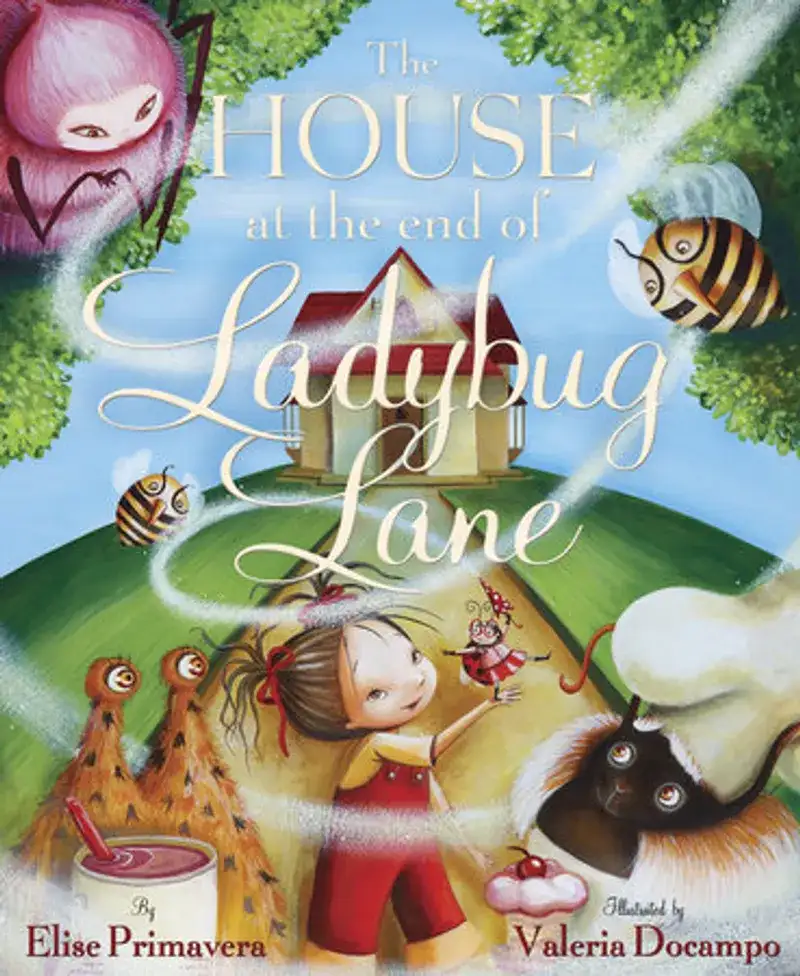
The House at the End of Ladybug Lane Author: Valeria DocampoPage Count: UnknownPublication Date: 2012-PRH The House at the End of Ladybug Lane is a whimsical delight that blends humor, heart, and a touch of magic to deliver a story about defying expectations and embracing the messiness of life. Valeria Docampo’s debut children’s book is a breath of fresh air—both literally and figuratively—celebrating individuality in a world that often prizes perfection. At its core, the story revolves around Angelina Neatolini, a spirited girl born into a family obsessed with order. Her ancestors invented the garbage can, her mother irons linguini, and her father vacuums the grass—all while Angelina, the rebellious black sheep, finds joy in rolling in the dirt. The contrast between her family’s rigid neatness and her love for chaos sets the stage for a charming battle of wills. When Angelina’s fairy godmother—a quirky, hard-of-hearing ladybug—grants her wish for a pet, the result is a delightful explosion of fur, feathers, and foliage that turns their pristine home into a playful disaster zone. What makes this book so endearing is its unapologetic celebration of imperfection. Angelina’s parents represent the stifling pressure to conform, while Angelina embodies the freedom of self-expression. Docampo’s narrative isn’t just about rejecting cleanliness; it’s about rejecting the idea that cleanliness equals happiness. The magic in the story isn’t just in the fairy godmother’s antics but in the way it validates a child’s need to make a mess—to explore, to play, and to be unapologetically themselves. Docampo’s art is a visual feast, perfectly complementing the story’s playful tone. Her whimsical illustrations, filled with exaggerated expressions and vibrant colors, bring Angelina’s world to life. The fairy godmother ladybug, with her daffy charm and misheard spells, is a standout character, adding layers of humor and warmth. The contrast between the Neatolini’s sterile, angular home and the wild, organic chaos of Angelina’s adventures is striking, reinforcing the book’s themes visually. The pacing is tight, with just enough mischief to keep young readers engaged without overwhelming them. The themes of tolerance and self-acceptance are woven seamlessly into the plot, making it more than just a funny story—it’s a gentle nudge toward embracing one’s quirks. Angelina’s journey is relatable, whether a child is struggling against parental expectations or simply learning to enjoy the beauty of imperfection. One of the book’s strengths is its ability to balance humor with deeper messages. The Neatolinis’ obsession with tidiness is played for laughs, but it also serves as a subtle critique of unrealistic standards. Angelina’s messiness isn’t portrayed as destructive but as a form of creativity, which is a refreshing perspective in a world that often glorifies cleanliness over spontaneity. In a market saturated with picture books about conformity, The House at the End of Ladybug Lane stands out for its fresh voice and joyful defiance. It’s a story that reminds both children and adults that life isn’t meant to be tidy—it’s meant to be lived. #ChildrensBooks #WhimsicalStories #EmbraceMessiness #FairyTales #KidsLit #BookReview Related InsightsThe Whispers Within Pages: Unearthing the Secret Art of Fore-Edge Painting Ready Player One Book Review and Summary The Heart of the Deal Book Review and Summary{ "@context": "https://schema.org", "@type": "FAQPage", "mainEntity": [ { "@type": "Question", "name": "What is the main focus of The House at the End of Ladybug Lane Book Review and Summary?", "acceptedAnswer": { "@type": "Answer", "text": "Everything you need to know about The House at the End of Ladybug Lane with our detailed review." } }, { "@type": "Question", "name": "Who authored the comprehensive guide on The House at the End of Ladybug Lane Book Review and Summary?", "acceptedAnswer": { "@type": "Answer", "text": "This detailed article and its insights were carefully researched and authored by Carmen Martinez." } }, { "@type": "Question", "name": "Where can I find more related content about Books?", "acceptedAnswer": { "@type": "Answer", "text": "You can explore more articles, detailed reviews, and similar insights by browsing the Related Insights section at the bottom of this article or visiting our dedicated Books category page." } } ] }