Showing Posts From
The invention of hug
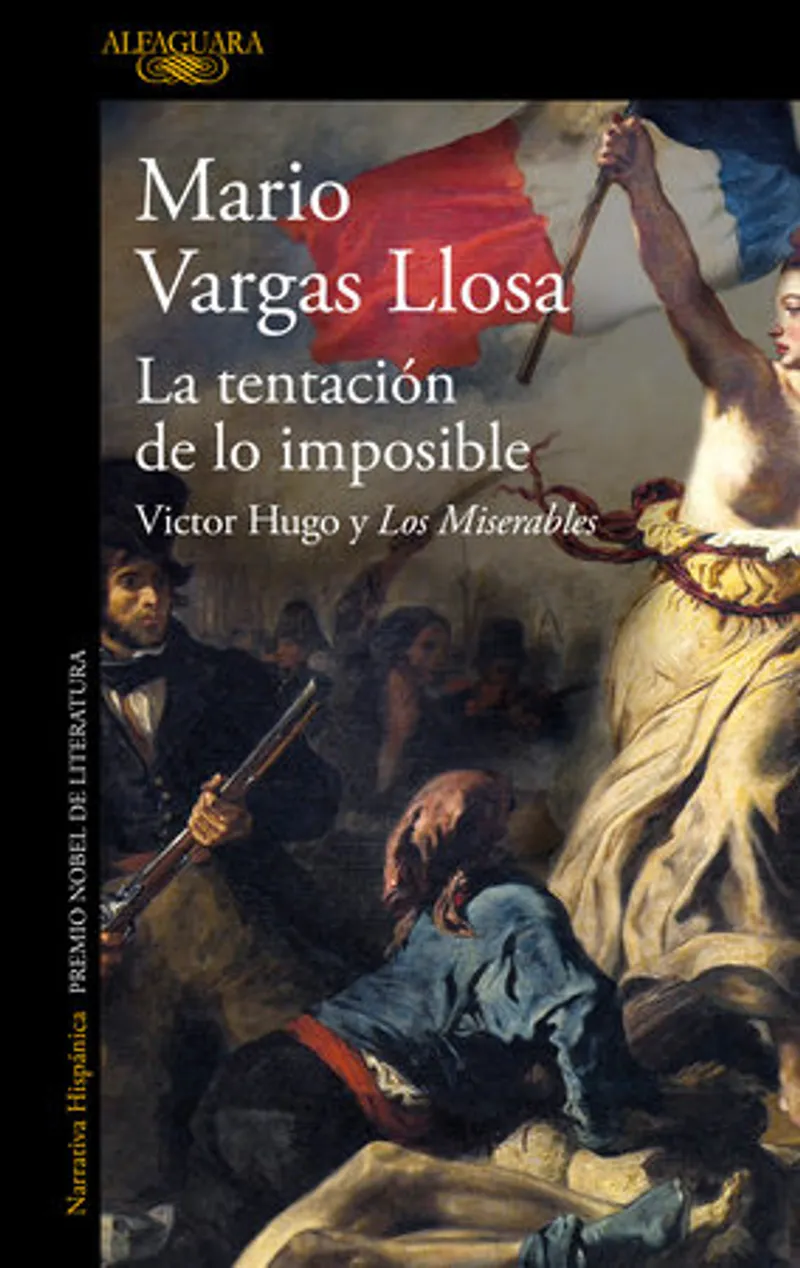
La tentación de lo imposible: Victor Hugo y Los Miserables / The Temptation of the Impossible: Victor Hugo and Les Misérables Author: Mario Vargas LlosaPage Count: UnknownPublication Date: 2025-PRH Mario Vargas Llosa’s *The Temptation of the Impossible: Victor Hugo and Les Misérables is not just a literary analysis—it is a passionate love letter to a novel that has shaped the modern imagination. Published in 2025, this book arrives at a moment when the world, much like the France of Hugo’s time, is torn between revolutionary ideals and crushing inequality. Llosa, a Nobel laureate in literature, turns his razor-sharp intellect and lyrical prose toward Les Misérables, not to dissect it as a relic of the past, but to reveal it as a living, breathing force—a novel that dares to confront the impossible and, in doing so, changes the way we see justice, mercy, and redemption. At its core, The Temptation of the Impossible is about the seductive power of literature itself. Llosa argues that Les Misérables is not merely a great book; it is a necessary one. It tempts us with its grand moral vision, its unapologetic sentimentality, and its refusal to accept the world as it is. Hugo’s novel, Llosa suggests, is a rebellion against cynicism—a reminder that even in the darkest times, the human spirit can be redeemed through compassion and sacrifice. This is the "temptation" of the title: the allure of believing that a single story can alter the course of history, that a character like Jean Valjean can embody a moral truth so powerful it transcends fiction. Llosa’s style is as expansive and uncompromising as Hugo’s own. He writes with the confidence of a man who has spent a lifetime wrestling with the giants of literature, and his prose crackles with intellectual energy. There are no half-measures here—no cautious academic hedging. Instead, Llosa embraces the same boldness that defines Les Misérables, weaving biography, criticism, and personal reflection into a single, intoxicating argument. He traces Hugo’s life with a novelist’s eye, showing how the author’s exile, his political battles, and his personal demons all seeped into the pages of his masterpiece. The result is a book that feels less like a study and more like a conversation between two titans, one looking back from the 19th century, the other from the 21st. What makes Llosa’s approach so compelling is his refusal to treat Les Misérables as a sacred text. He admires it deeply, but he is not blind to its flaws. He acknowledges its melodrama, its occasional sentimentality, even its occasional excesses—yet he defends them as essential to its power. For Llosa, the novel’s grandeur is inseparable from its imperfections. It is a work that dares to be both epic and intimate, political and personal, a mirror held up to society and a window into the human soul. The book’s most striking insight is its exploration of the novel’s enduring relevance. Llosa writes that Les Misérables is not just a product of its time but a prophecy—a warning about the dangers of unchecked power, the fragility of justice, and the eternal struggle between law and mercy. In an era of rising authoritarianism, widening inequality, and moral fatigue, Hugo’s novel feels less like a historical artifact and more like a manifesto. Llosa’s argument is urgent: if we are to resist the temptation of despair, we must heed the lessons of Valjean, Cosette, and Javert—not as characters in a story, but as archetypes of the human condition. Llosa’s prose is as muscular as Hugo’s, but it is also deeply personal. He doesn’t just analyze Les Misérables; he confesses his own relationship with it. There are moments where his admiration borders on reverence, and others where he challenges Hugo’s assumptions. This duality makes the book feel alive, as if Llosa is not just writing about a novel but engaging in a lifelong dialogue with it. His style is unapologetically grand, mirroring Hugo’s own rhetorical flourishes, but it is also precise, never losing sight of the human heart at the center of the story. The Temptation of the Impossible is, above all, a celebration of literature’s power to transform. Llosa reminds us that great novels are not just entertainment; they are acts of rebellion, of hope, of defiance. Les Misérables is a book that dares to believe in the impossible—that a single act of kindness can change a life, that a society can be remade through justice, that redemption is always within reach. In an age where so much art is content to be cynical or ironic, Llosa’s book is a necessary corrective. It is a reminder that literature, at its best, is not just a reflection of the world but a force that can reshape it. For anyone who has ever been moved by Les Misérables—or for anyone who has ever doubted whether a novel can truly matter—this book is a revelation. Llosa doesn’t just explain why Hugo’s masterpiece endures; he makes you believe in the impossible again. #LesMiserables #VictorHugo #MarioVargasLlosa #LiteraryCriticism #ClassicNovels #BookRecommendation Related InsightsCaptive Traitor King (Braided Fate, #2) Book Review and Summary In Patagonia Book Review and Summary All Systems Red / Artificial Condition / Rogue Protocol / Exit Strategy Book Review and Summary{ "@context": "https://schema.org", "@type": "FAQPage", "mainEntity": [ { "@type": "Question", "name": "What is the main focus of The Invention of Hugo Cabret Book Review and Summary?", "acceptedAnswer": { "@type": "Answer", "text": "Everything you need to know about The Invention of Hugo Cabret with our detailed review." } }, { "@type": "Question", "name": "Who authored the comprehensive guide on The Invention of Hugo Cabret Book Review and Summary?", "acceptedAnswer": { "@type": "Answer", "text": "This detailed article and its insights were carefully researched and authored by Brian Selznick." } }, { "@type": "Question", "name": "Where can I find more related content about Books?", "acceptedAnswer": { "@type": "Answer", "text": "You can explore more articles, detailed reviews, and similar insights by browsing the Related Insights section at the bottom of this article or visiting our dedicated Books category page." } } ] }