Showing Posts From
The jungle books
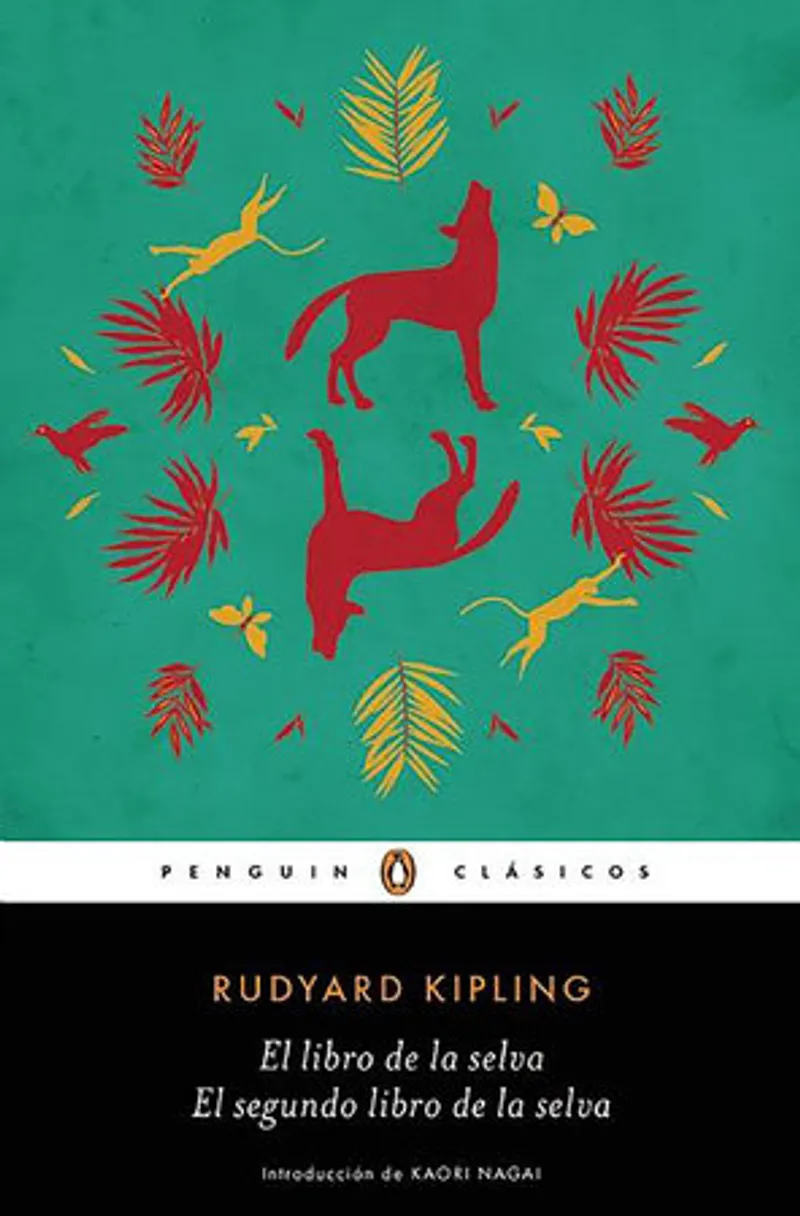
El libro de la selva / El segundo libro de la selva / The Jungle Books Author: Rudyard KiplingPage Count: UnknownPublication Date: 2016-PRH Rudyard Kipling’s The Jungle Books is more than a children’s classic—it is a masterful tapestry of myth, morality, and the raw beauty of the wild. Compiled in this edition are the two volumes that have captivated readers for over a century: The Jungle Book (1894) and The Second Jungle Book (1895). Together, they weave a narrative that transcends age, blending adventure with profound philosophical undertones. Kipling, a Nobel laureate, crafts a world where the jungle speaks in many tongues, and where the line between human and animal blurs in the most unexpected ways. At its heart, The Jungle Books is a coming-of-age story wrapped in the mystique of the Indian jungle. The central figure, Mowgli, is a human child raised by wolves, a "man-cub" who must navigate the duality of his nature—part civilized, part wild. His journey is not merely one of survival but of identity, as he learns the "Law of the Jungle" from his animal mentors: Baloo the bear, Bagheera the panther, and the wise but fearsome Kaa the python. Yet, the true antagonist is Shere Khan, the lame tiger whose hatred for man drives the narrative forward. Kipling’s genius lies in his ability to personify the jungle’s inhabitants, giving them voices, laws, and a code of honor that rivals any human society. The theme of belonging is pervasive. Mowgli is torn between the wolf pack, which represents freedom and instinct, and the human village, which offers safety and community. This duality is mirrored in other stories within the collection, such as "Rikki-Tikki-Tavi," where a mongoose defends a human family from a cobra, or "Toomai of the Elephants," which explores the bond between man and beast. Kipling’s jungle is not just a backdrop but a living, breathing entity—a place where every creature, no matter how small, plays a role in the grand design. The Law of the Jungle is not just about survival; it is about balance, justice, and the consequences of breaking that balance. Kipling’s prose is rich and evocative, painting the Indian jungle with vivid strokes. His descriptions are lush yet precise, capturing the scent of rain on dry earth, the rustle of leaves in the night, and the eerie stillness before a hunt. Yet, his style is never overly sentimental. There is a gritty realism to his storytelling, a recognition that the jungle is both beautiful and brutal. The animals are not cuddly caricatures; they are predators and prey, bound by instinct and necessity. This realism grounds the fantastical elements, making Mowgli’s world feel tangible. One of the most striking aspects of Kipling’s work is his use of language. He employs a rhythmic, almost poetic cadence in his dialogue, particularly in the songs and proverbs that punctuate the stories. The famous line, "The jungle has many tongues. I know them all," encapsulates this. Kipling’s animals speak in a language that is both archaic and lyrical, lending an air of timelessness to the tales. This linguistic richness is not just stylistic flair; it reinforces the theme of communication and understanding across species and cultures. The stories also serve as moral fables, though Kipling never preaches. Instead, he allows the reader to draw their own conclusions. The Law of the Jungle is not a set of rigid rules but a philosophy of mutual respect and consequence. Mowgli’s growth is not just physical but moral—he learns that power must be tempered with wisdom, and that true strength lies in community. The inclusion of "In the Rukh," a lesser-known tale that introduces Mowgli in a different context, adds depth to his character, showing him as an adult navigating the complexities of human society. Kipling’s work is often criticized for its colonial undertones, particularly in its portrayal of India and its people. While this edition does not shy away from that context, it is important to read The Jungle Books as a product of its time—a time when the British Empire was at its height, and Kipling himself was a product of that worldview. Yet, to reduce the stories to mere imperialist propaganda is to overlook their universal appeal. The themes of belonging, justice, and the struggle between nature and civilization resonate far beyond any political context. This edition, with its insightful introduction by Kaori Nagai, is a treasure for both new readers and longtime fans. Nagai’s scholarly perspective adds layers to the text, highlighting Kipling’s influences and the cultural significance of the stories. The inclusion of "In the Rukh" is a thoughtful addition, offering a glimpse into Mowgli’s later years and reinforcing the cyclical nature of his journey. The Jungle Books endure because they are more than just stories—they are a reflection of the human condition. They remind us that we are all, in some way, part of the jungle, bound by its laws and its mysteries. Kipling’s genius lies in his ability to make us believe in a world where animals speak, where children are raised by wolves, and where the line between man and beast is not a barrier but a bridge. For anyone who has ever felt the pull of the wild, who has ever wondered about their place in the world, or who simply loves a tale well told, The Jungle Books is a must-read. It is a story that grows with the reader, revealing new layers of meaning with each rereading. #JungleBooks #RudyardKipling #Mowgli #ClassicLiterature #AnimalTales #ComingOfAge Related InsightsRed rising, sons of Ares Book Review and Summary Demon's Bluff Book Review and Summary Harry Potter y la cámara secreta (Edición con ilustraciones de Xavier Bonet) / Harry Potter and the Chamber of Secrets Book Review and Summary{ "@context": "https://schema.org", "@type": "FAQPage", "mainEntity": [ { "@type": "Question", "name": "What is the main focus of The Jungle Books Book Review and Summary?", "acceptedAnswer": { "@type": "Answer", "text": "Everything you need to know about The Jungle Books with our detailed review." } }, { "@type": "Question", "name": "Who authored the comprehensive guide on The Jungle Books Book Review and Summary?", "acceptedAnswer": { "@type": "Answer", "text": "This detailed article and its insights were carefully researched and authored by Rudyard Kipling." } }, { "@type": "Question", "name": "Where can I find more related content about Books?", "acceptedAnswer": { "@type": "Answer", "text": "You can explore more articles, detailed reviews, and similar insights by browsing the Related Insights section at the bottom of this article or visiting our dedicated Books category page." } } ] }