Showing Posts From
The karmapa s middle
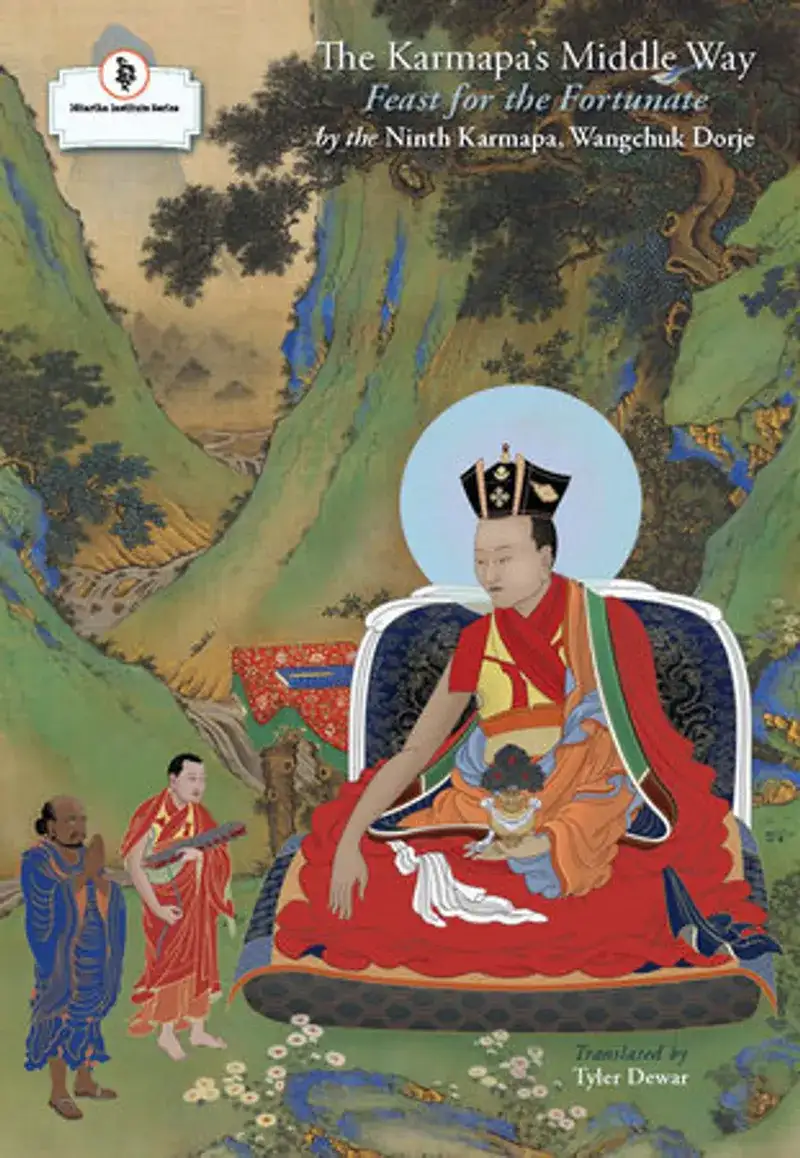

The Karmapa's Middle Way Author: The Ninth Karmapa Wangchuk DorjePage Count: UnknownPublication Date: 2019-PRH The Karmapa’s Middle Way is not merely a book—it is a revelation, a philosophical odyssey that invites the reader into the heart of one of Tibetan Buddhism’s most profound debates. Penned by the Ninth Karmapa Wangchuk Dorje, this work is a masterful synthesis of razor-sharp logic, poetic devotion, and unflinching insight, offering a rare glimpse into the Middle Way (Madhyamaka) tradition through the lens of one of its greatest exponents. At its core, the book is a commentary on Chandrakirti’s Madhyamakāvatāra (Entrance to the Middle Way), but it transcends mere exegesis to become a living transmission of wisdom, a bridge between centuries of contemplative thought and the modern seeker’s yearning for truth. Wangchuk Dorje’s style is nothing short of electrifying. Marked by eloquence that dances between rigorous analysis and heartfelt poetry, he dismantles the veils of confusion with a precision that feels both surgical and soaring. His prose is not dry scholasticism but a living dialogue, where every argument pulses with the urgency of liberation. He writes not as a detached scholar but as a realized master, guiding the reader through the labyrinth of conceptual mind with the patience of a seasoned guide and the clarity of a visionary. The text is dense, uncompromising in its depth, yet it never loses sight of its ultimate aim: to awaken the reader to the nature of reality itself. One of the book’s most striking features is its historical richness. Wangchuk Dorje situates Chandrakirti’s work within a vibrant tradition of Middle Way debate, offering readers a rare window into a philosophically charged era of Tibetan Buddhism. His commentary, Feast for the Fortunate, is an abridgement of the Eighth Karmapa’s own magnum opus, revealing the Karmapas’ lineage of insight and their unbroken thread of transmission. This lineage is not just academic heritage; it is a living current of realization, and Wangchuk Dorje ensures that its power is not lost on the reader. The book’s structure is meticulous yet accessible. It includes Chandrakirti’s root text, Wangchuk Dorje’s commentary, an illuminating introduction that contextualizes the Middle Way tradition, and even an annotated translation of Chandrakirti’s Lucid Words—a bonus for those eager to delve deeper. The appendices and reference materials are invaluable, turning the book into a veritable treasure trove for scholars and practitioners alike. Whether you are a philosopher, a meditator, or simply a curious mind, this book offers something irreplaceable: a direct encounter with the mind of a realized being. What makes The Karmapa’s Middle Way truly exceptional is its balance between intellectual rigor and devotional warmth. Wangchuk Dorje does not shy away from the most abstruse philosophical points, but he grounds them in the lived experience of awakening. His arguments are not just theoretical; they are invitations to see for oneself, to break through the fog of dualistic thinking. This is the essence of the Middle Way: not a middle ground between extremes, but the direct realization of the empty, luminous nature of all phenomena. For those familiar with Tibetan Buddhist literature, this book is a revelation. It is rare to find a commentary that is both philosophically rigorous and deeply personal, where the weight of centuries of debate does not overshadow the immediacy of spiritual truth. Wangchuk Dorje’s voice is distinct—urgent, poetic, and unapologetically direct. He writes as if the very fate of the reader’s mind depends on understanding these truths, and in a sense, it does. If you are seeking a book that will challenge your intellect, stir your heart, and transform your understanding of reality, The Karmapa’s Middle Way is an indispensable companion. It is not a casual read but a transformative one, a work that demands engagement and rewards it with the rarest of gifts: clarity. #Karmapa #MiddleWay #Madhyamaka #TibetanBuddhism #Chandrakirti #BuddhistPhilosophy Related InsightsPeregrine Hill Book Review and Summary El árbol del ahorcado Book Review and Summary Knight of the God King Book Review and Summary{ "@context": "https://schema.org", "@type": "FAQPage", "mainEntity": [ { "@type": "Question", "name": "What is the main focus of The Karmapa's Middle Way Book Review and Summary?", "acceptedAnswer": { "@type": "Answer", "text": "Everything you need to know about The Karmapa's Middle Way with our detailed review." } }, { "@type": "Question", "name": "Who authored the comprehensive guide on The Karmapa's Middle Way Book Review and Summary?", "acceptedAnswer": { "@type": "Answer", "text": "This detailed article and its insights were carefully researched and authored by Carmen Martinez." } }, { "@type": "Question", "name": "Where can I find more related content about Books?", "acceptedAnswer": { "@type": "Answer", "text": "You can explore more articles, detailed reviews, and similar insights by browsing the Related Insights section at the bottom of this article or visiting our dedicated Books category page." } } ] }