Showing Posts From
The last unicorn
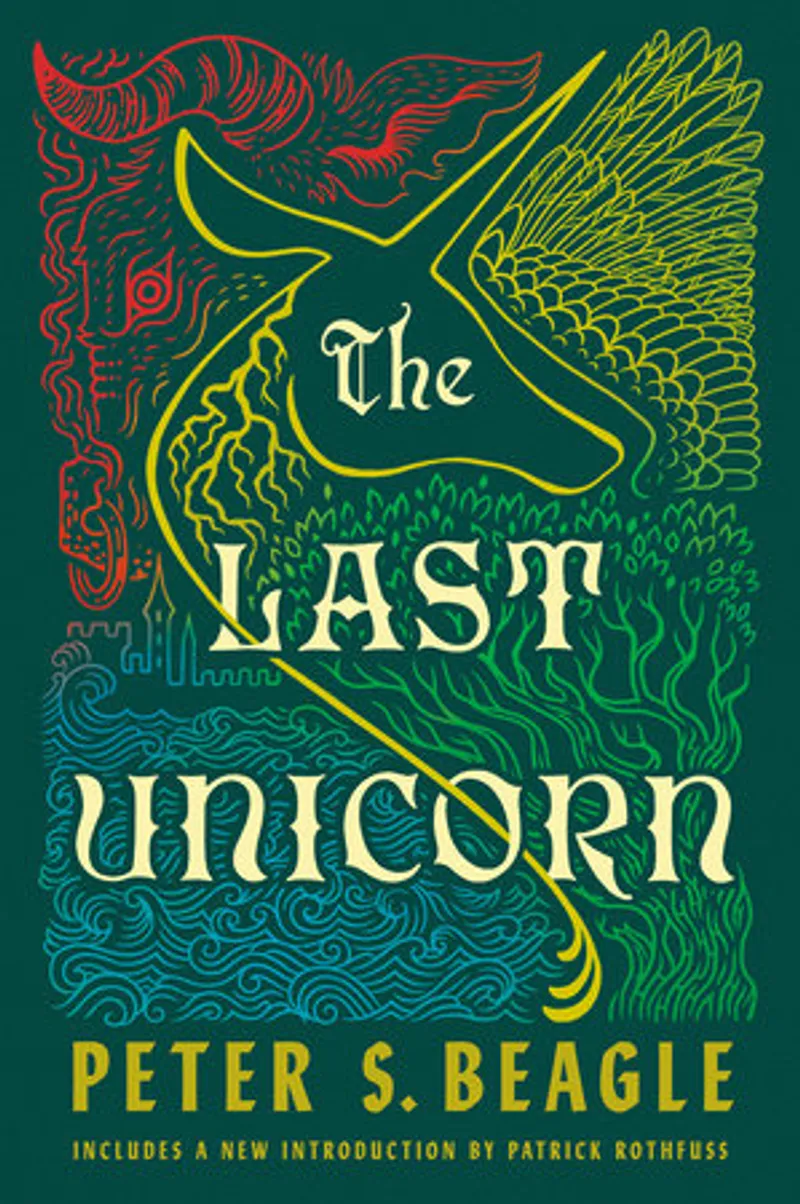
The Last Unicorn Author: Peter S. BeaglePage Count: UnknownPublication Date: 1991-PRH Peter S. Beagle’s The Last Unicorn is more than a fantasy novel—it is a meditation on the passage of time, the ache of loss, and the quiet resilience of hope. First published in 1968 but reissued with a new introduction by Patrick Rothfuss in 1991, this slender yet profound book has endured because it speaks to something universal: the fear of being the last of one’s kind. Beagle’s prose is as delicate as a unicorn’s horn, yet as sharp as a blade, weaving a tale that is at once whimsical and deeply melancholic. At its heart, The Last Unicorn is a story about identity and extinction. The unicorn, who believes she is the last of her kind, embarks on a journey not just to find others like her, but to understand what it means to exist in a world that no longer believes in magic. Her quest is both literal and existential, a search for meaning in a world that has grown cynical and indifferent. Alongside her travels a bumbling magician, Schmendrick, whose magic is as unreliable as his self-confidence, and Molly Grue, a woman whose youthful fire has been tempered by hardship and sorrow. Together, they form an unlikely trio, each carrying their own burdens of regret and longing. Beagle’s genius lies in his ability to balance the fantastical with the profoundly human. The unicorn is not just a mythical creature; she is a metaphor for all things rare and beautiful that slip through our fingers. Her innocence is both her strength and her vulnerability, and as she encounters the world outside her enchanted forest, she learns that love and sorrow are inseparable. The novel’s most haunting moment comes when she realizes that the creatures she seeks may no longer exist—not because they were hunted, but because belief in them has faded. It is a quiet tragedy, one that lingers long after the last page. Beagle’s writing is lyrical, almost musical, with a rhythm that feels like a spell being cast. His descriptions are vivid yet uncluttered, allowing the reader to see the lilac wood and the desolate castle of King Haggard with equal clarity. The dialogue crackles with wit and wisdom, particularly in the exchanges between Schmendrick and Molly, whose banter masks a deep affection for one another. Even the villain, the monstrous red bull that pursues the unicorn, is more than a mere antagonist—it is a force of inevitability, a symbol of the unstoppable march of time. What makes The Last Unicorn timeless is its refusal to offer easy answers. The unicorn’s journey does not end with a triumphant reunion or a magical restoration of her kind. Instead, she finds a different kind of fulfillment—one that acknowledges the pain of loss while still embracing the beauty of what remains. It is a bittersweet conclusion, one that resonates because it mirrors our own experiences of growing older, of watching the world change, and of clinging to the things that make life magical even when they seem to be slipping away. Beagle’s style is deceptive in its simplicity. He writes with a clarity that makes the fantastical feel tangible, yet beneath the surface, there is a depth of emotion that lingers. The novel is not just about a unicorn’s quest; it is about the human condition, about the stories we tell ourselves to make sense of our lives. In this way, The Last Unicorn transcends its genre, becoming a tale that speaks to anyone who has ever felt out of place in a world that no longer seems to believe in wonder. For those who love fantasy, The Last Unicorn is a masterclass in world-building and character development. For those who appreciate literature, it is a reminder that the most powerful stories are those that explore the human heart. And for anyone who has ever felt like the last of their kind, it is a balm, a whisper that says even in darkness, there is still magic to be found. #TheLastUnicorn #PeterSBeagle #FantasyClassic #UnicornTale #MagicalRealism #TimelessFantasy Related InsightsThe Very Hungry Caterpillar Book Review and Summary Last Sacrifice Book Review and Summary Birthday Girl Book Review and Summary{ "@context": "https://schema.org", "@type": "FAQPage", "mainEntity": [ { "@type": "Question", "name": "What is the main focus of The Last Unicorn Book Review and Summary?", "acceptedAnswer": { "@type": "Answer", "text": "Everything you need to know about The Last Unicorn with our detailed review." } }, { "@type": "Question", "name": "Who authored the comprehensive guide on The Last Unicorn Book Review and Summary?", "acceptedAnswer": { "@type": "Answer", "text": "This detailed article and its insights were carefully researched and authored by Peter S. Beagle." } }, { "@type": "Question", "name": "Where can I find more related content about Books?", "acceptedAnswer": { "@type": "Answer", "text": "You can explore more articles, detailed reviews, and similar insights by browsing the Related Insights section at the bottom of this article or visiting our dedicated Books category page." } } ] }