Showing Posts From
The lion the witch a
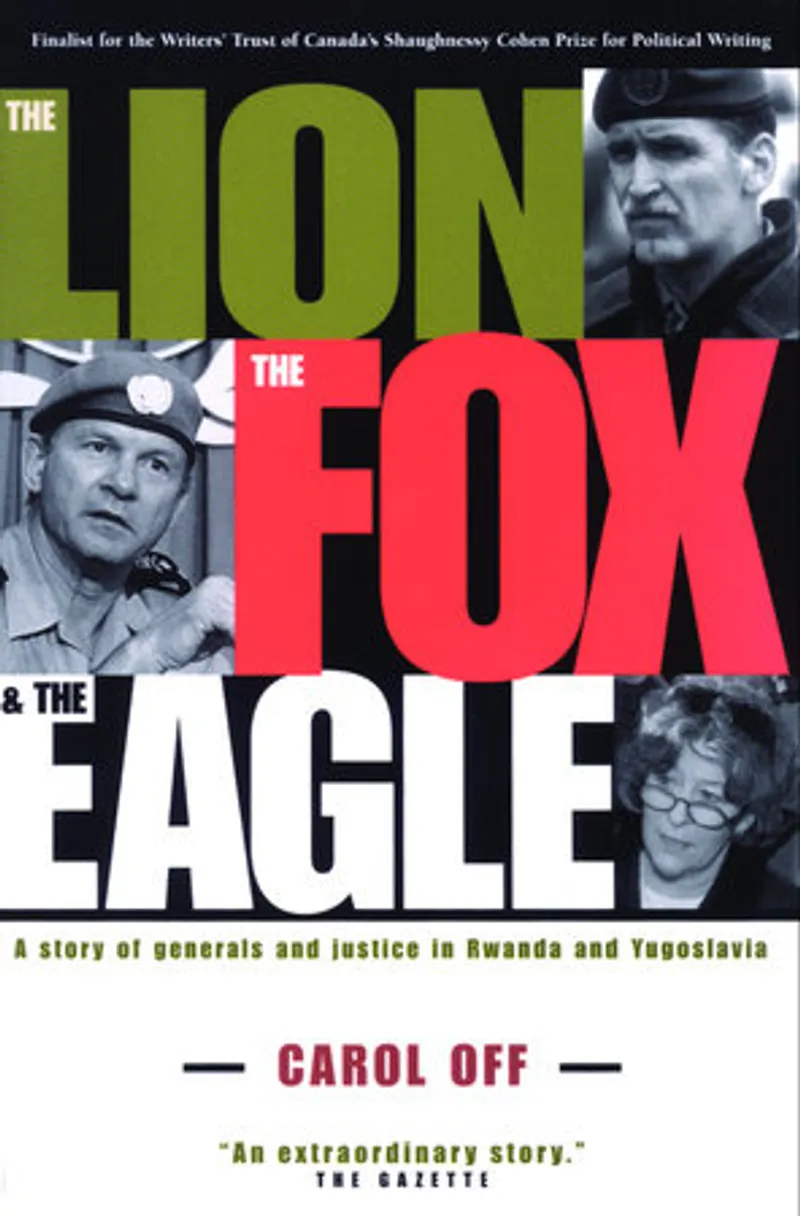
The Lion, the Fox and the Eagle Author: Carol OffPage Count: UnknownPublication Date: 2010-PRH Carol Off’s The Lion, the Fox and the Eagle is a searing indictment of international inaction and moral failure, woven through the lives of three Canadians whose roles in the 1990s tragedies of Bosnia and Rwanda could not have been more divergent—or more consequential. At its core, this book is about the chasm between what should have been done and what was done, between the ideals of peacekeeping and the brutal reality of geopolitical indifference. Off, a seasoned journalist with a sharp eye for human drama, crafts a narrative that is as much a personal reckoning as it is a historical exposé, exposing the hypocrisy of a world that claims to uphold justice while turning a blind eye to genocide. The title itself is a masterstroke of symbolism. Romeo Dallaire, the lion, is the moral force—his instincts for intervention in Rwanda were as fierce as his frustration with the UN’s paralysis. Lewis MacKenzie, the fox, is the pragmatist, a man whose military cunning in Sarajevo was matched only by his later justifications for inaction. And Louise Arbour, the eagle, is the relentless pursuer of justice, her legal battles against war criminals serving as the closest thing to redemption in a story otherwise devoid of it. Off uses these archetypes not just to label her subjects but to critique the systems they inhabited—systems that reward caution over courage, procedure over principle, and self-preservation over humanity. What makes this book so compelling is Off’s refusal to let her readers look away. She doesn’t just recount the events of the Bosnian war and the Rwandan genocide; she immerses us in them, drawing on interviews, declassified documents, and the personal testimonies of survivors to paint a picture that is both vivid and devastating. Her prose is crisp and unflinching, avoiding the dry detachment of academic history in favor of a narrative that crackles with tension. When she describes Dallaire’s desperate pleas to the UN for reinforcements—pleas that went unanswered—her frustration is palpable. When she recounts MacKenzie’s controversial tactics in Sarajevo, she doesn’t just present his side; she forces us to question whether his "realism" was anything more than a euphemism for complicity. Off’s greatest strength is her ability to humanize her subjects without excusing their flaws. Dallaire, for all his heroism, is portrayed as a man broken by the weight of his failures, his later struggles with PTSD serving as a stark reminder of the personal cost of systemic betrayal. MacKenzie, meanwhile, emerges as a figure of tragic contradiction—a man who saved lives through clever diplomacy but later became a symbol of the very inaction that allowed mass atrocities to continue. And Arbour, though the least controversial of the three, is depicted as a lone warrior in a legal system that was often as toothless as the peacekeeping missions it sought to redeem. The book’s most damning revelation is how little has changed since the 1990s. Off draws parallels between the failures of the UN in Rwanda and Bosnia and its later paralysis in Syria, Ukraine, and other conflicts, suggesting that the lessons of the past have been willfully ignored. This is not just a book about the past; it’s a warning about the present. Off’s indictment is not just of individuals but of institutions—of a world order that prioritizes sovereignty over suffering, bureaucracy over urgency, and politics over people. Her style is journalistic in the best sense: rigorous, investigative, and unafraid to challenge conventional wisdom. She doesn’t just present facts; she interrogates them, asking why certain voices were heard while others were silenced, why some lives were deemed expendable while others were protected. The result is a book that is as much about the failures of leadership as it is about the resilience of those who survived—and those who fought, against impossible odds, to hold the perpetrators accountable. The Lion, the Fox and the Eagle is a necessary book, not just for its historical insights but for its moral urgency. It forces us to confront uncomfortable truths: that peacekeeping is often a euphemism for abandonment, that justice is a luxury reserved for the powerful, and that the line between heroism and complicity is thinner than we’d like to admit. Off’s work is a testament to the power of storytelling to expose injustice, but it’s also a reminder of how easily history repeats itself when the world looks away. #GenocideInRwanda #PeacekeepingFailures #RomeoDallaire #BosnianWar #InternationalJustice #NeverAgain Related InsightsTales from the Folly Book Review and Summary Brideshead Revisited Book Review and Summary Battle Ground Book Review and Summary{ "@context": "https://schema.org", "@type": "FAQPage", "mainEntity": [ { "@type": "Question", "name": "What is the main focus of The Lion, the Witch and the Wardrobe Book Review and Summary?", "acceptedAnswer": { "@type": "Answer", "text": "Everything you need to know about The Lion, the Witch and the Wardrobe with our detailed review." } }, { "@type": "Question", "name": "Who authored the comprehensive guide on The Lion, the Witch and the Wardrobe Book Review and Summary?", "acceptedAnswer": { "@type": "Answer", "text": "This detailed article and its insights were carefully researched and authored by C.S. Lewis." } }, { "@type": "Question", "name": "Where can I find more related content about Books?", "acceptedAnswer": { "@type": "Answer", "text": "You can explore more articles, detailed reviews, and similar insights by browsing the Related Insights section at the bottom of this article or visiting our dedicated Books category page." } } ] }