Showing Posts From
The lost symbol
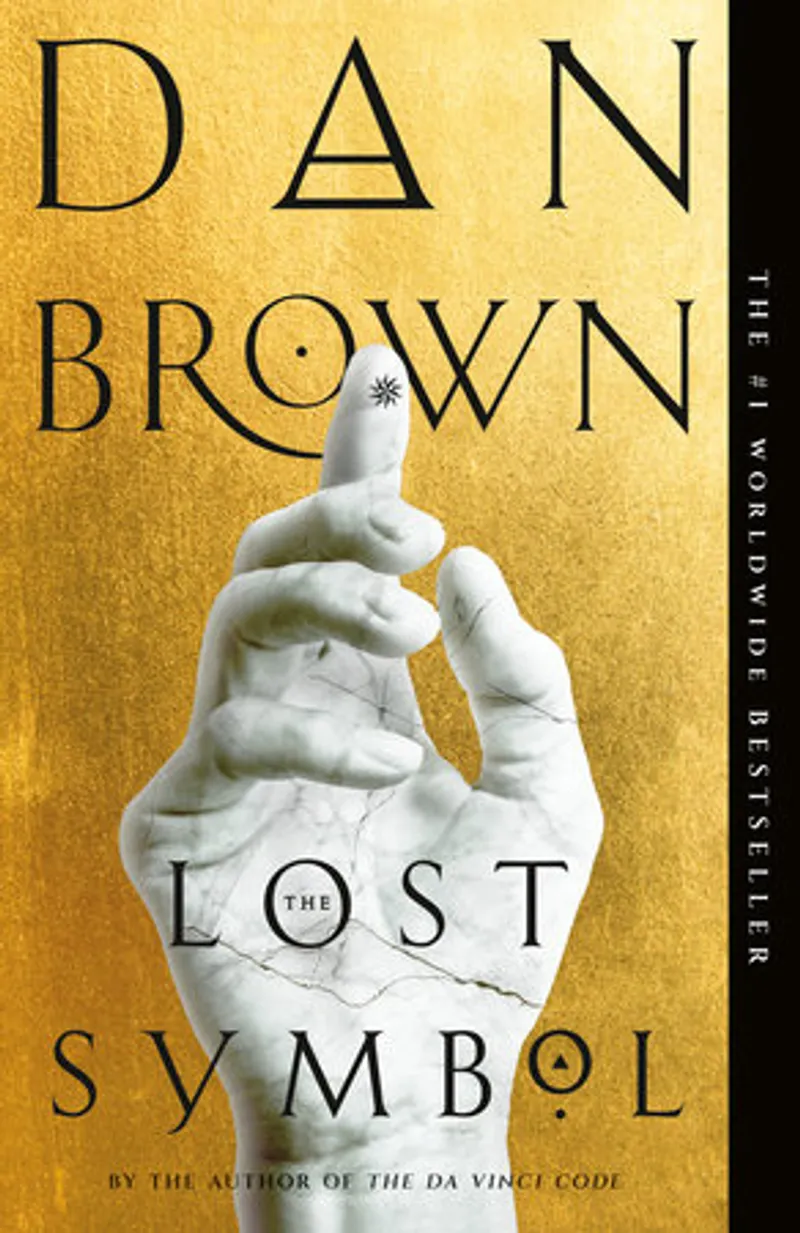
The Lost Symbol Author: Dan BrownPage Count: UnknownPublication Date: 2012-PRH Dan Brown’s The Lost Symbol is a masterclass in high-stakes suspense, blending history, conspiracy, and cryptic symbolism into a relentless narrative that never lets go of its reader. Set against the iconic backdrop of Washington, D.C.—a city steeped in secrets and power—the novel thrusts Robert Langdon, Brown’s everyman symbologist, into a labyrinth of Masonic lore, ancient wisdom, and modern intrigue. At its core, the book is a meditation on the duality of knowledge: how it can liberate, but also how it can destroy. Brown doesn’t just tell a story; he constructs a puzzle, inviting readers to decode symbols alongside Langdon, making the experience as much about participation as it is about entertainment. The central theme revolves around the age-old tension between enlightenment and secrecy. The Freemasons, a fraternity shrouded in myth and misinformation, serve as the perfect vehicle for this exploration. Brown doesn’t shy away from the controversies surrounding the Masons, instead using them as a springboard to delve into deeper questions about hidden knowledge, power structures, and the human desire to uncover what has been deliberately concealed. The novel’s villain, a chillingly intelligent antagonist, embodies the dark side of this pursuit—a reminder that not all secrets are meant to be found. This moral ambiguity elevates The Lost Symbol beyond the typical thriller, forcing readers to confront whether the truth is always worth the cost. Brown’s signature style is on full display here: rapid-fire pacing, short chapters that end on cliffhangers, and a relentless sense of urgency that keeps pages turning. His prose is efficient, devoid of unnecessary flourish, which is both a strength and a limitation. While it ensures the story never drags, it sometimes sacrifices depth in favor of momentum. The dialogue, particularly Langdon’s exchanges with other characters, can feel stilted, but this is a minor quibble in a book designed to be devoured in a single sitting. Brown’s real genius lies in his ability to weave real-world history and architecture into the narrative, making the reader feel as though they are walking the streets of D.C. alongside Langdon, piecing together clues in real time. One of the book’s most compelling aspects is its use of Washington, D.C., as a character in its own right. Brown transforms the nation’s capital into a treasure trove of hidden symbols, from the Capitol’s underground tunnels to the Smithsonian’s lesser-known exhibits. The city’s neoclassical grandeur becomes a metaphor for the layers of history beneath its polished surface—each monument, each street, a potential clue. This setting isn’t just a backdrop; it’s an active participant in the story, adding a layer of authenticity that makes the fantastical elements feel grounded. The novel’s structure is meticulously designed, with each chapter revealing a new piece of the puzzle. Brown’s reliance on cryptic symbols—five in total—ties into the broader theme of hidden knowledge, but it also serves a practical purpose: it gives readers a tangible way to engage with the story. The symbols aren’t just plot devices; they’re invitations to think critically, to question what we’re being shown. This interactive element is one of the book’s most engaging features, making it feel less like a passive read and more like an intellectual treasure hunt. However, The Lost Symbol isn’t without its flaws. Brown’s tendency to rely on exposition dumps can feel heavy-handed, particularly when Langdon explains complex historical or philosophical concepts. While these moments are necessary to keep the story accessible, they occasionally disrupt the flow, pulling the reader out of the action. Additionally, the novel’s resolution, while satisfying in its own way, leans heavily on coincidence and last-minute revelations—a hallmark of Brown’s style, but one that can feel contrived to more discerning readers. Despite these minor drawbacks, The Lost Symbol is a triumph of the thriller genre. It’s a book that demands to be read in one sitting, its pages crackling with tension and intrigue. Brown’s ability to blend fact and fiction, history and conspiracy, is unparalleled, and his creation of Robert Langdon—a character who is both brilliant and relatable—ensures that readers will root for him every step of the way. The novel’s exploration of secrecy and knowledge is timely, resonating in an era where information is both currency and weapon. In the end, The Lost Symbol is more than just a page-turner; it’s a meditation on the power of secrets and the human drive to uncover them. It’s a reminder that the most dangerous knowledge isn’t always the one we seek—sometimes, it’s the one that seeks us. #TheLostSymbol #DanBrown #RobertLangdon #MasonicSecrets #ThrillerBooks #ConspiracyTheory Related InsightsGreat and Precious Things Book Review and Summary Nebula Awards Showcase 56 Book Review and Summary Lucy Kline, Necromancer Book Review and Summary{ "@context": "https://schema.org", "@type": "FAQPage", "mainEntity": [ { "@type": "Question", "name": "What is the main focus of The Lost Symbol Book Review and Summary?", "acceptedAnswer": { "@type": "Answer", "text": "Everything you need to know about The Lost Symbol with our detailed review." } }, { "@type": "Question", "name": "Who authored the comprehensive guide on The Lost Symbol Book Review and Summary?", "acceptedAnswer": { "@type": "Answer", "text": "This detailed article and its insights were carefully researched and authored by Dan Brown." } }, { "@type": "Question", "name": "Where can I find more related content about Books?", "acceptedAnswer": { "@type": "Answer", "text": "You can explore more articles, detailed reviews, and similar insights by browsing the Related Insights section at the bottom of this article or visiting our dedicated Books category page." } } ] }