Showing Posts From
The magus
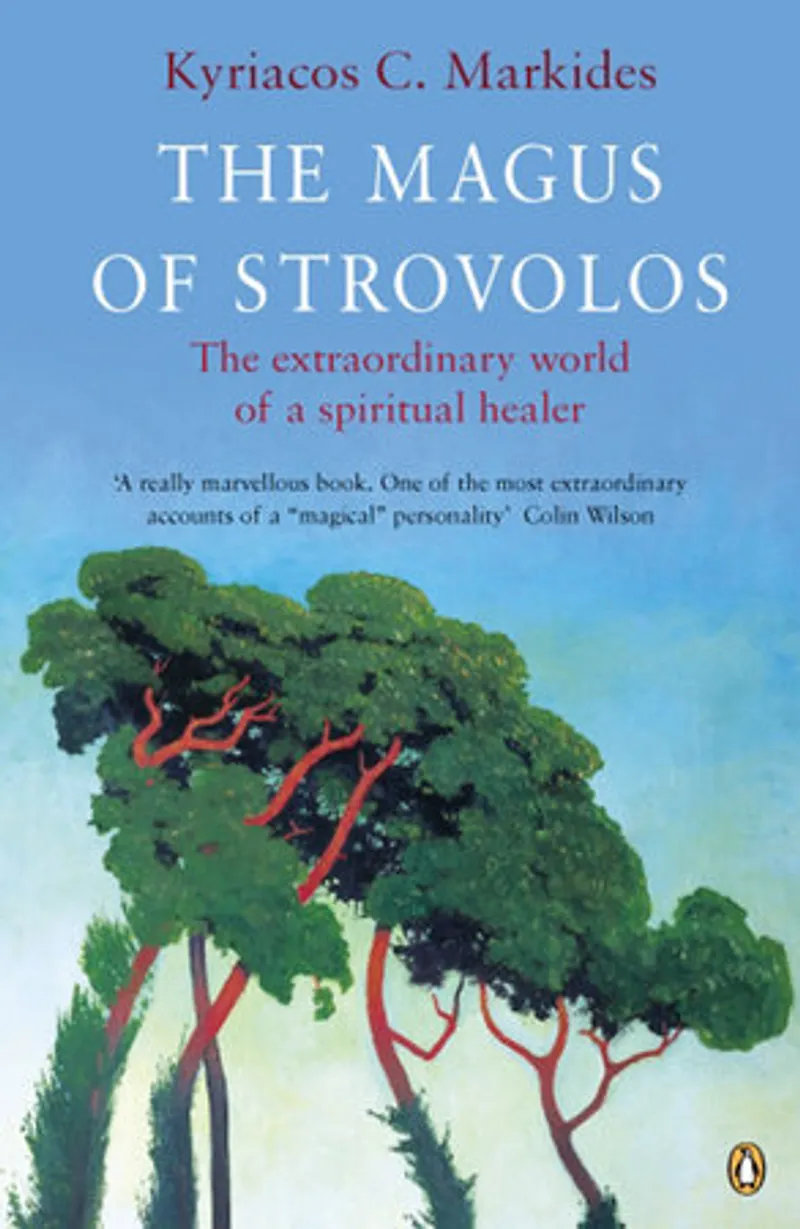
The Magus of Strovolos Author: Kyriacos C. MarkidesPage Count: UnknownPublication Date: 1989-PRH The Magus of Strovolos is not just a book—it is a doorway into a world where the material and the mystical collide, where skepticism meets the supernatural, and where the ordinary brushes against the extraordinary. Kyriacos C. Markides, a sociologist by training, approaches his subject with the rigor of a scholar and the curiosity of a seeker, making this memoir both a compelling investigation and a spiritual awakening. At its core, the book is about the clash between Western rationalism and ancient wisdom, embodied in the enigmatic figure of the Magus, a healer and mystic from Cyprus who defies conventional understanding. Markides’ journey begins with childhood whispers about the Magus—rumors of a man who could heal the sick, commune with spirits, and unravel the mysteries of the unseen world. When he finally meets this elusive figure, he does so as a skeptic, armed with the tools of his academic discipline. Yet what unfolds is far from the dry analysis of a sociologist. Instead, Markides becomes a participant in a living tradition, one that challenges the very foundations of modern thought. The Magus, with his quiet wisdom and dry humor, dismantles the walls of materialism, offering instead a vision of reality that is vast, interconnected, and deeply spiritual. The book’s strength lies in its duality—Markides never abandons his critical mind, yet he allows himself to be transformed by what he witnesses. His account of the Magus’s exorcism of a Jewish girl haunted by Nazi ghosts is particularly haunting, a vivid demonstration of how trauma can linger across lifetimes, binding souls to the past. The Magus’s theory of reincarnation is not presented as dogma but as a living philosophy, one that explains suffering, healing, and the cyclical nature of existence. In an era where science often dismisses such ideas as superstition, Markides presents them with a rare balance of openness and discernment. Markides’ writing style is engaging and fluid, blending personal narrative with philosophical inquiry. He avoids the dryness of academic prose, instead crafting a story that feels intimate and alive. His skepticism is palpable, but so is his wonder, making the book accessible to both the curious skeptic and the spiritual seeker. The Magus emerges not as a saintly figure but as a deeply human one—flawed, humorous, and profoundly wise. His teachings are not preachy but lived, demonstrated through stories of healing, prophecy, and the quiet power of presence. What makes The Magus of Strovolos so compelling is its refusal to simplify. The Magus does not offer easy answers; he points to a reality that is complex, mysterious, and often beyond words. Markides, in turn, does not force conclusions but invites the reader to question, to wonder, and perhaps to believe—not blindly, but with an open heart. This is a book that lingers, long after the last page. It challenges the reader to reconsider what is possible, what is real, and what lies beyond the veil of the material world. In an age where science and spirituality often seem at odds, The Magus of Strovolos is a reminder that the deepest truths may not be found in laboratories or textbooks, but in the stories of those who have walked the path before us. #SpiritualJourney #Mysticism #HealingTraditions #Reincarnation #EsotericWisdom #BeyondMaterialism Related InsightsCorrupt Book Review and Summary The Art of John Harris: Beyond the Horizon Book Review and Summary In Cold Blood Book Review and Summary{ "@context": "https://schema.org", "@type": "FAQPage", "mainEntity": [ { "@type": "Question", "name": "What is the main focus of The Magus Book Review and Summary?", "acceptedAnswer": { "@type": "Answer", "text": "Everything you need to know about The Magus with our detailed review." } }, { "@type": "Question", "name": "Who authored the comprehensive guide on The Magus Book Review and Summary?", "acceptedAnswer": { "@type": "Answer", "text": "This detailed article and its insights were carefully researched and authored by John Fowles." } }, { "@type": "Question", "name": "Where can I find more related content about Books?", "acceptedAnswer": { "@type": "Answer", "text": "You can explore more articles, detailed reviews, and similar insights by browsing the Related Insights section at the bottom of this article or visiting our dedicated Books category page." } } ] }