Showing Posts From
The memory keeper s
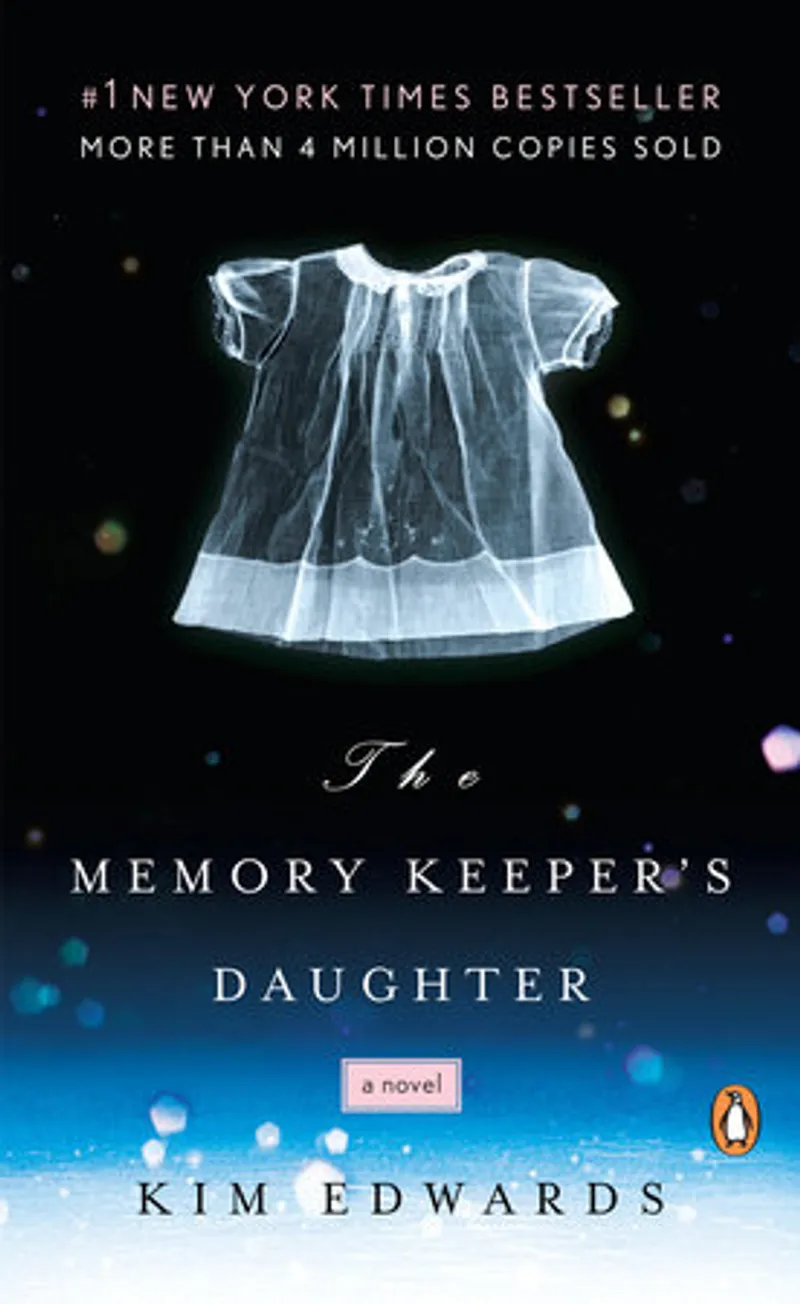
The Memory Keeper's Daughter Author: Kim EdwardsPage Count: UnknownPublication Date: 2006-PRH Kim Edwards’ The Memory Keeper’s Daughter is a haunting exploration of secrets, sacrifice, and the unbreakable bonds of family. Published in 2006, this #1 New York Times bestseller weaves a tale of two lives irrevocably altered by a single, impulsive decision—a decision that echoes through decades, shaping destinies in ways no one could have foreseen. At its core, the novel grapples with the weight of choices and the consequences they unleash. On a blizzard-lashed night in 1964, Dr. David Henry delivers his own twins. His son, Paul, is healthy, but his daughter, Phoebe, is born with Down syndrome. In a moment of cold rationality, David makes a devastating choice: he instructs his nurse, Caroline, to take Phoebe away to an institution and never tell his wife, Norah. What follows is not just a story of deception but a meditation on love, loss, and the fragile nature of human connection. Edwards crafts her narrative with a delicate balance of emotional depth and restraint. The prose is lyrical yet unadorned, allowing the story’s gravity to resonate without melodrama. She shifts perspectives seamlessly—from David’s guilt-ridden existence to Norah’s slow unraveling, and from Caroline’s quiet rebellion to Phoebe’s vibrant, unknowing life—each voice distinct yet intertwined. The parallel timelines converge only gradually, mirroring the way secrets fester beneath the surface before erupting into the light. The novel’s power lies in its refusal to simplify its characters. David is not a villain but a man paralyzed by fear, his decision born of a misguided attempt to shield his wife from pain. Norah, in her grief, becomes a woman unrecognizable to herself, her identity eroded by loss. Caroline, too, is flawed—her act of defiance a mix of compassion and self-preservation. And Phoebe, the silent thread binding them all, grows into a figure of quiet resilience, her presence a silent accusation and a testament to love’s enduring force. Edwards’ exploration of motherhood is particularly poignant. The novel asks: What does it mean to be a mother? Is it blood, or is it the choice to nurture, to fight, to endure? Norah’s journey is one of devastation, but also of unexpected strength, as she rediscovers herself in the absence of her daughter. Meanwhile, Caroline’s devotion to Phoebe is a quiet rebellion against the medical and societal norms of the time, a defiance that speaks to the lengths to which love can drive a person. The prose is rich with sensory detail—the biting cold of the blizzard, the sterile whiteness of a hospital room, the warmth of a child’s laughter—each element grounding the story in a tangible reality. Edwards’ ability to evoke emotion through subtlety is masterful; a glance, a silence, a half-remembered dream can carry more weight than pages of exposition. Yet, for all its emotional intensity, the novel never veers into sentimentality. The secrets and lies that drive the plot are not resolved with neat resolutions or grand gestures. Instead, Edwards allows the consequences to linger, the scars to remain, the questions to persist. It is a story about the past’s inescapable grip and the fragile hope of redemption. The Memory Keeper’s Daughter is ultimately a story about the stories we tell ourselves to survive—and the ones we bury that end up defining us. It is a testament to the idea that some wounds never fully heal, but that love, in its many forms, can still find a way to endure. #MemoryKeepersDaughter #KimEdwards #FamilySecrets #DownSyndromeAwareness #LiteraryFiction #EmotionalJourney Related InsightsThe Radiance Book Review and Summary Atonement Sky Book Review and Summary L'Odyssée de l'Âme : Plongée Abyssale dans la Comédie Divine de Dante Alighieri{ "@context": "https://schema.org", "@type": "FAQPage", "mainEntity": [ { "@type": "Question", "name": "What is the main focus of The Memory Keeper's Daughter Book Review and Summary?", "acceptedAnswer": { "@type": "Answer", "text": "Everything you need to know about The Memory Keeper's Daughter with our detailed review." } }, { "@type": "Question", "name": "Who authored the comprehensive guide on The Memory Keeper's Daughter Book Review and Summary?", "acceptedAnswer": { "@type": "Answer", "text": "This detailed article and its insights were carefully researched and authored by Kim Edwards." } }, { "@type": "Question", "name": "Where can I find more related content about Books?", "acceptedAnswer": { "@type": "Answer", "text": "You can explore more articles, detailed reviews, and similar insights by browsing the Related Insights section at the bottom of this article or visiting our dedicated Books category page." } } ] }