Showing Posts From
The memory police
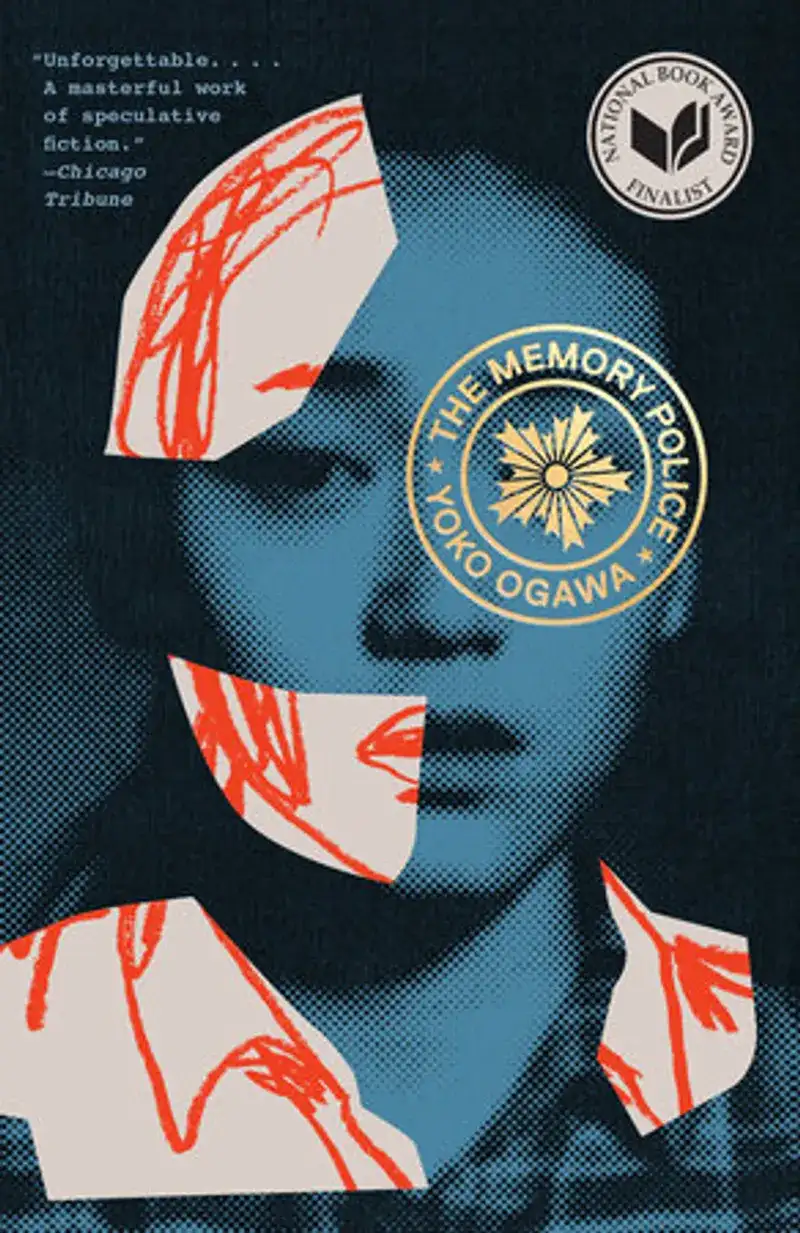

The Memory Police Author: Yoko OgawaPage Count: UnknownPublication Date: 2020-PRH The Memory Police: A Chilling Ode to the Fragility of Memory and the Tyranny of Forgetting Yoko Ogawa’s The Memory Police is a dystopian masterpiece that burrows into the mind like a slow, insidious chill. Neither a full-blown sci-fi allegory nor a straight-laced political thriller, it exists in the unsettling space between Orwellian dread and Kafkan absurdity, asking a question that gnaws at the edges of consciousness: What happens when the past is erased not by fire, but by the quiet, relentless work of collective forgetting? Set on an unnamed island where objects—hats, ribbons, birds, roses—mysteriously vanish, the novel unfolds with the quiet inevitability of a tide receding. Most inhabitants accept these disappearances as natural, their memories dissolving along with the things themselves. But a small, terrified minority retain the lost objects in their minds, hunted by the faceless Memory Police, who ensure that what is forgotten stays forgotten. Into this oppressive stillness steps our unnamed narrator, a novelist whose work becomes both her salvation and her curse as she grapples with the erasure of her own past. At its core, The Memory Police is a meditation on the nature of memory itself—how it is both a prison and a sanctuary. Ogawa treats memory not as a fixed archive but as a living, breathing thing, subject to erosion, manipulation, and violent erasure. The island’s inhabitants don’t just forget; they let go, as if the act of remembering were a betrayal of some unspoken social contract. The Memory Police, then, are not just enforcers of state power but the embodiment of collective complicity in self-erasure. Their existence raises a chilling question: Is forgetting a choice—or a survival tactic in a world where clinging to the past invites punishment? Ogawa’s prose is deceptively simple, lulling the reader with a dreamlike, almost fairy-tale cadence before the horror seeps in like ink in water. Her sentences are precise, measured, and devoid of melodrama, which makes the novel’s quiet devastation all the more powerful. There are no grand speeches, no overt acts of rebellion—just the slow, suffocating realization that resistance is itself a disappearing act. The narrator’s relationship with her editor, whom she hides beneath her floorboards, becomes a poignant metaphor for the struggle to preserve meaning in a world that demands silence. Their whispered conversations, their shared acts of defiance through writing, feel like the last embers of a dying fire. The novel’s greatest strength lies in its ambiguity. Is the island a physical place or a state of mind? Are the disappearances a metaphor for censorship, historical revisionism, or the natural decay of human connection? Ogawa refuses to provide easy answers, instead letting the reader sit with the unease. The Memory Police are never fully explained; they are a force as intangible as the memories they destroy. This deliberate vagueness makes the book feel timeless, as if it could be set in any era where power dictates what is remembered—and what is buried. Ogawa’s style is reminiscent of classic Japanese literary minimalism, where restraint amplifies the emotional weight. There are no gratuitous descriptions, no overburdened metaphors—just the steady, inexorable march toward oblivion. The novel’s structure, too, is a masterclass in tension. The disappearances escalate in ways that feel both random and inevitable, mirroring the way trauma seeps into life, altering it in ways that are impossible to predict. Yet for all its bleakness, The Memory Police is not without hope. The narrator’s act of writing—her stubborn insistence on recording what others forget—becomes an act of defiance. In a world where memory is policed, literature becomes resistance. The novel asks: If words are the last bastion of truth, what happens when language itself is at risk? Ogawa doesn’t offer redemption, but she does suggest that the impulse to remember, to create, is itself an act of rebellion. This is a book that lingers, not because it shocks with spectacle, but because it worms its way into your mind, making you question what you’ve already forgotten. In an age of misinformation, algorithmic curation, and the relentless rewriting of history, The Memory Police feels less like fiction and more like a warning. It reminds us that the most insidious form of control isn’t the erasure of books or monuments, but the slow, collective decision to stop caring about what was lost. Ogawa’s novel is a haunting, beautifully crafted nightmare—one that lingers like the memory of a dream half-remembered at dawn. It doesn’t just ask you to confront the past; it forces you to ask whether you’d even recognize it if it disappeared before your eyes. #TheMemoryPolice #DystopianFiction #BookReview #YokoOgawa #MemoryAndLoss #OrwellianNightmare Related InsightsTwo Can Play That Game Book Review and Summary Bitterroots Book Review and Summary Normal People, the scripts Book Review and Summary{ "@context": "https://schema.org", "@type": "FAQPage", "mainEntity": [ { "@type": "Question", "name": "What is the main focus of The Memory Police Book Review and Summary?", "acceptedAnswer": { "@type": "Answer", "text": "Everything you need to know about The Memory Police with our detailed review." } }, { "@type": "Question", "name": "Who authored the comprehensive guide on The Memory Police Book Review and Summary?", "acceptedAnswer": { "@type": "Answer", "text": "This detailed article and its insights were carefully researched and authored by Marta Wisniewska." } }, { "@type": "Question", "name": "Where can I find more related content about Books?", "acceptedAnswer": { "@type": "Answer", "text": "You can explore more articles, detailed reviews, and similar insights by browsing the Related Insights section at the bottom of this article or visiting our dedicated Books category page." } } ] }