Showing Posts From
The name of the wind
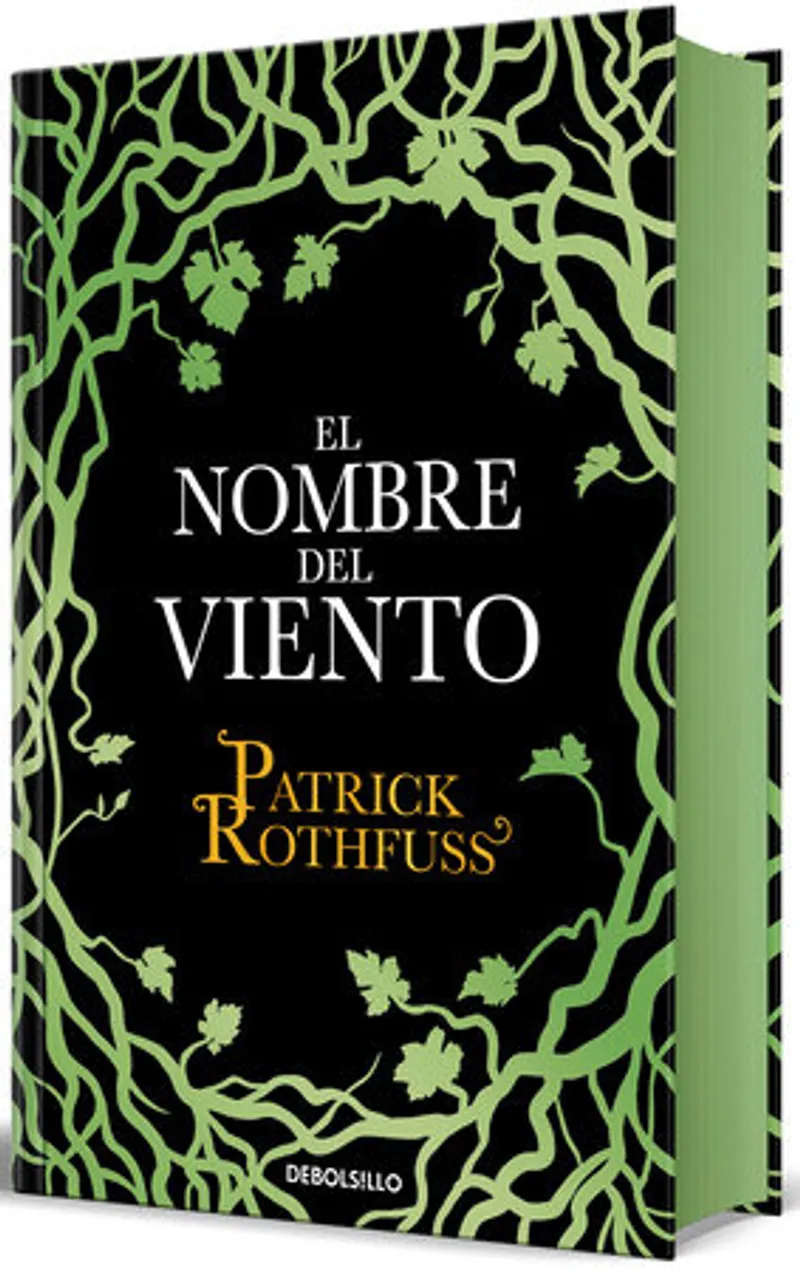
El nombre del viento (Edición especial cantos pintados) / The Name of the Wind (Special Edition Sprayed Edges) Author: Patrick RothfussPage Count: UnknownPublication Date: 2024-PRH Patrick Rothfuss’s The Name of the Wind (Special Edition Sprayed Edges) is more than a book—it’s an experience. A masterclass in storytelling that weaves myth, memory, and raw emotion into a tapestry so vivid, you’ll forget you’re reading and not listening to Kvothe himself, hunched by a fire in some forgotten inn, spinning his life into legend. This isn’t just fantasy; it’s a confession, a lament, and a triumph, all delivered in prose so lush it feels like silk sliding between your fingers. At its core, the novel is a meditation on identity and the stories we tell to survive them. Kvothe isn’t just a hero—he’s a man haunted by the gap between myth and truth, between the legend he’s become and the boy he once was. The book opens with him, an innkeeper now, reluctantly sharing his true story after years of being mythologized into something he never intended to be. “I have stolen princesses back from sleeping barrow kings,” he declares, not with arrogance, but with the weary acceptance of someone who’s heard the lies so often they’ve become part of the air he breathes. This duality—between the man who burned down a town and the boy who couldn’t even light a candle without trembling—is the beating heart of the novel. Rothfuss forces us to question: How much of a legend is real, and how much is the price of being remembered? The prose is Rothfuss’s greatest weapon. His writing is poetic without being pretentious, dense with detail yet never overwhelming. A single paragraph can linger on the scent of rain on cobblestones or the way a lute’s strings hum under a musician’s fingers, immersing the reader so completely that the real world fades away. Yet for all its beauty, the language never feels indulgent. Every word serves the story, whether it’s building Kvothe’s world—the University with its arcane laws and rival factions, the Fae realms where time bends like smoke—or revealing the cracks in his armor. When Kvothe speaks of his love for Denna, the ache in his voice is palpable, a wound that never quite heals. When he recounts his failures, the shame is so raw it’s almost unbearable. Rothfuss doesn’t just describe emotions; he makes you feel them, as if Kvothe’s heart is beating against your own ribs. The structure of the novel is equally masterful. It’s framed as a single, uninterrupted narrative—Kvothe’s confession over three days—but within that, Rothfuss embeds smaller stories: tales of his childhood with the troupe of traveling performers, his years as a street urchin in Tarbean, his rise (and near-fall) at the University. These vignettes aren’t just backstory; they’re miniature tragedies and triumphs in their own right. The story of his time with the Edema Ruh, a family of wandering performers, is a love letter to art and freedom, while his years in Tarbean are a brutal, Dickensian descent into survival. Even the University, with its ivory towers and cutthroat politics, feels like a character itself—a place that both elevates and devours those who enter it. Yet for all its strengths, The Name of the Wind is also a book that lingers in the mind because of what it doesn’t say. Rothfuss is a master of implication. He drops hints—about the Chandrian, about the Amyr, about the true nature of magic—that simmer beneath the surface, never fully explained. This isn’t laziness; it’s brilliance. The mystery isn’t just a plot device; it’s a reflection of Kvothe’s own life, where answers are always just out of reach, where every revelation births new questions. The result is a novel that rewards close reading, where a single line about a character’s smile or a flicker of candlelight can suddenly take on ominous weight in hindsight. Some critics argue that the pacing sags in the middle, that Kvothe’s early years are too meandering. But this misses the point. The slow burn isn’t a flaw—it’s the point. Kvothe’s life isn’t a series of grand battles or instant victories; it’s a series of small, hard-won moments that shape him into the man who will one day be called a hero. The magic of the book lies in its unhurried revelation of Kvothe’s soul, in the way Rothfuss makes you care about a boy who starts as nothing more than a scrap of a thing with a stolen loaf of bread and a stolen lute. And then there’s the ending—a cliffhanger so devastating that it’s become the stuff of legend among readers. Without spoiling anything, Rothfuss crafts a finale that is both inevitable and shocking, a moment where the weight of Kvothe’s past crashes into his present with the force of a storm. It’s a testament to Rothfuss’s skill that by the last page, you’re not just invested in the story; you’re desperate for the next installment, even as you dread the answers it might bring. The Name of the Wind is a book that demands to be read slowly, savored like a fine wine. It’s a story about the cost of being remembered, about the lies we tell to protect ourselves and the truths we bury to survive. It’s a fantasy novel, yes, but it’s also a human one—a tale of love and loss, of ambition and failure, of the quiet moments that define us more than the grand ones ever could. If you’ve ever lost yourself in a story so completely that the real world blurs at the edges, if you’ve ever wanted to reach through the pages and shake a character by the shoulders just to make them stop, then this book is for you. If you haven’t, then you’re in for a revelation. Kvothe’s voice will haunt you long after the last page, a whisper in the dark: You may have heard of me. #KvotheForever #KingkillerChronicle #FantasyMasterpiece #PatrickRothfuss #BookTokMustRead #EpicFantasy Related InsightsCrown & Captive Book Review and Summary Fleet of Ghosts Book Review and Summary Darling, You're Next Book Review and Summary{ "@context": "https://schema.org", "@type": "FAQPage", "mainEntity": [ { "@type": "Question", "name": "What is the main focus of The Name of the Wind Book Review and Summary?", "acceptedAnswer": { "@type": "Answer", "text": "Everything you need to know about The Name of the Wind with our detailed review." } }, { "@type": "Question", "name": "Who authored the comprehensive guide on The Name of the Wind Book Review and Summary?", "acceptedAnswer": { "@type": "Answer", "text": "This detailed article and its insights were carefully researched and authored by Patrick Rothfuss." } }, { "@type": "Question", "name": "Where can I find more related content about Books?", "acceptedAnswer": { "@type": "Answer", "text": "You can explore more articles, detailed reviews, and similar insights by browsing the Related Insights section at the bottom of this article or visiting our dedicated Books category page." } } ] }