Showing Posts From
The personal history
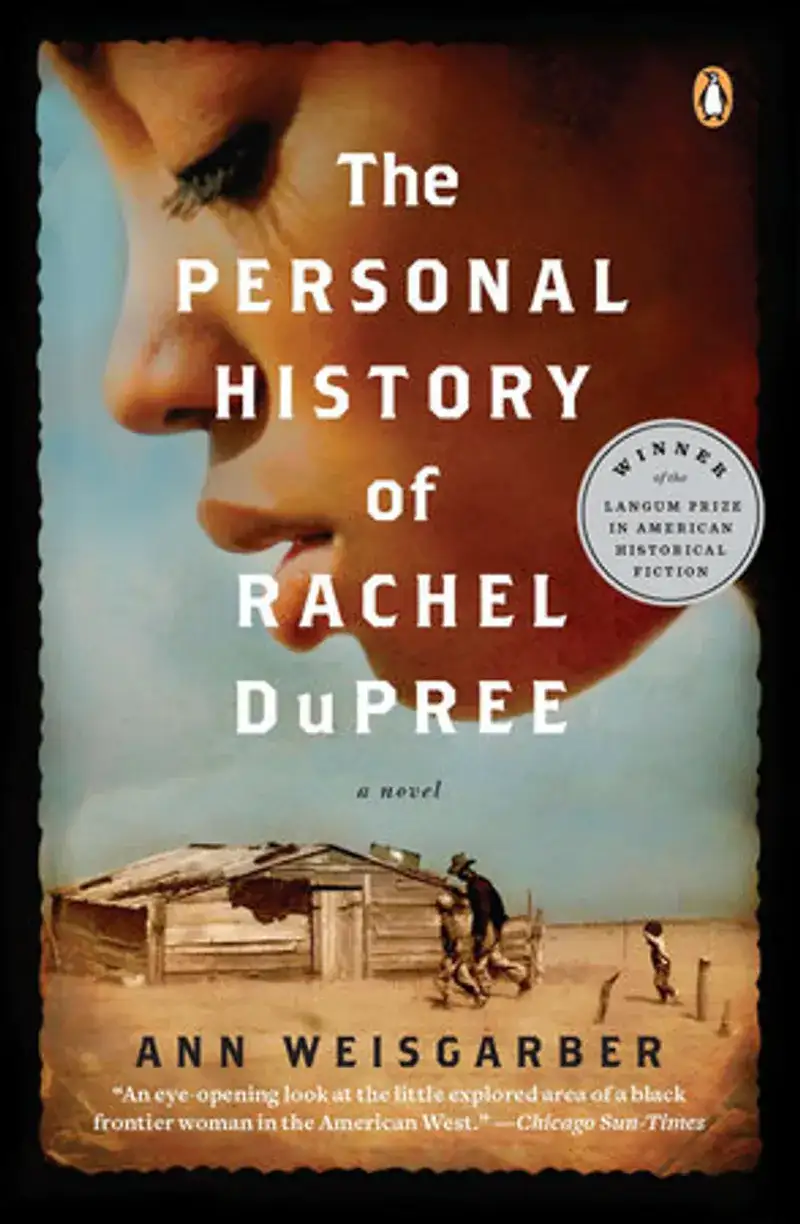
The Personal History of Rachel DuPree Author: Ann WeisgarberPage Count: UnknownPublication Date: 2011-PRH The Personal History of Rachel DuPree is a quietly devastating masterpiece, a book that lingers long after the last page because it refuses to let you look away from the truths it uncovers. Ann Weisgarber’s 2011 debut novel is not just another frontier tale—it’s a searing, intimate excavation of resilience, sacrifice, and the silent battles fought by Black women in a land that rarely acknowledged their existence. At its heart, this is a story about land, legacy, and the price of survival, told through the unfiltered voice of Rachel DuPree, a woman whose strength is as vast as the prairie she calls home but whose burdens are heavier than the dust that clings to her skin. Weisgarber’s prose is deceptive in its simplicity. There are no purple passages or overwrought metaphors here; instead, the writing feels like a slow, steady wind moving across the plains—unhurried but relentless, carrying with it the weight of Rachel’s world. The novel unfolds through Rachel’s first-person narration, a choice that immerses the reader in her perspective so completely that her joys and sorrows become our own. Rachel is not a woman who indulges in self-pity or grand declarations. Her voice is practical, often dry, but beneath it hums a current of quiet fury and deep, abiding love. When she speaks of her husband Isaac’s decision to stake a claim on the South Dakota Badlands—a place so harsh it’s called “the bone-dry desert”—she doesn’t romanticize it. She calls it what it is: a gamble that could kill them all. “We were fools,” she admits, “but we were hungry fools.” That single line encapsulates the novel’s central tension: the desperate hope that drives pioneers to endure the unendurable. The Badlands, with their “cliffs that looked like they’d been sliced by a giant knife,” serve as more than a setting—they are a character, a silent judge watching Rachel’s family unravel. The land is both enemy and provider, a paradox that Rachel navigates with a farmer’s pragmatism and a mother’s heartbreak. Weisgarber’s genius lies in how she contrasts the beauty of the prairie with its cruelty. Rachel describes sunsets that paint the sky “like God dipped his brush in wine,” but those same skies bring blizzards that bury livestock alive and summers that scorch the earth into cracks wide enough to swallow a child’s foot. The land does not care for her; it only tests her, and Rachel, in turn, refuses to be broken by it. What makes The Personal History of Rachel DuPree so extraordinary is its unflinching gaze at the intersection of race, gender, and survival in the American West. Rachel and Isaac are part of the little-documented history of Black homesteaders, pioneers who staked claims under the Homestead Act—a law that, in theory, promised land to anyone willing to work it, but in practice often excluded or cheated marginalized families. Rachel’s story is one of perseverance in a world that sees her as invisible. She cooks, cleans, tends the garden, delivers babies, and fights off predators, all while carrying the knowledge that if her family fails, no one will mourn them beyond their own four walls. There is no cavalry coming to save her; the only justice she knows is the one she carves out with her own hands. Weisgarber’s style is particularly effective in how it mirrors Rachel’s own emotional restraint. There are no dramatic confrontations, no villainous antagonists—just the slow, grinding reality of a marriage under strain, of children lost to fever and starvation, of a woman who must decide how much of herself she can give before she, too, cracks. The novel’s power lies in its quiet moments: Rachel teaching her daughter to read by firelight, the way she folds laundry with trembling hands after a miscarriage, the silent exchange of glances with Isaac when they both know the well is drying up and the bank is coming for their land. These are not scenes designed to elicit gasps or tears; they are the stuff of real life, and that makes them all the more heartbreaking. Rachel DuPree is a heroine for the ages—not because she is flawless, but because she is human. She makes mistakes. She fails. She resents her husband’s absentmindedness and his pride. She wonders, in the darkest hours, if God has forgotten her. But she also loves fiercely, works tirelessly, and finds a kind of grace in the chaos of her existence. Her resilience is not the kind that comes from grand speeches or heroic deeds; it is the stubborn, day-to-day refusal to lie down and die. In that, she embodies the spirit of the American West in all its brutal, beautiful complexity. Weisgarber’s novel is a corrective to the sanitized pioneer narratives we’ve inherited, a reminder that the West was not won by noble pioneers alone but by people—Black, white, Indigenous, immigrant—who fought tooth and nail to carve out a place in a land that often wanted them dead. Rachel’s story is a testament to the women who built America with calloused hands and weary hearts, women whose names never made the history books but whose lives shaped the country nonetheless. If you read one frontier novel this year, make it this one. It will break you. It will humble you. And it will leave you with Rachel’s voice echoing in your mind, a whisper of steel: “We were fools, but we were hungry fools.” #BlackFrontierHistory #WomenOfTheWest #HiddenFigures #HistoricalFiction #ResilienceInLiterature #AnnWeisgarber Related InsightsThe Fault in Our Stars Book Review and Summary Caraval Book Review and Summary Dark Tracks Book Review and Summary{ "@context": "https://schema.org", "@type": "FAQPage", "mainEntity": [ { "@type": "Question", "name": "What is the main focus of The Personal History of Rachel DuPree Book Review and Summary?", "acceptedAnswer": { "@type": "Answer", "text": "Everything you need to know about The Personal History of Rachel DuPree with our detailed review." } }, { "@type": "Question", "name": "Who authored the comprehensive guide on The Personal History of Rachel DuPree Book Review and Summary?", "acceptedAnswer": { "@type": "Answer", "text": "This detailed article and its insights were carefully researched and authored by Emma Thompson." } }, { "@type": "Question", "name": "Where can I find more related content about Books?", "acceptedAnswer": { "@type": "Answer", "text": "You can explore more articles, detailed reviews, and similar insights by browsing the Related Insights section at the bottom of this article or visiting our dedicated Books category page." } } ] }