Showing Posts From
The picture of doria
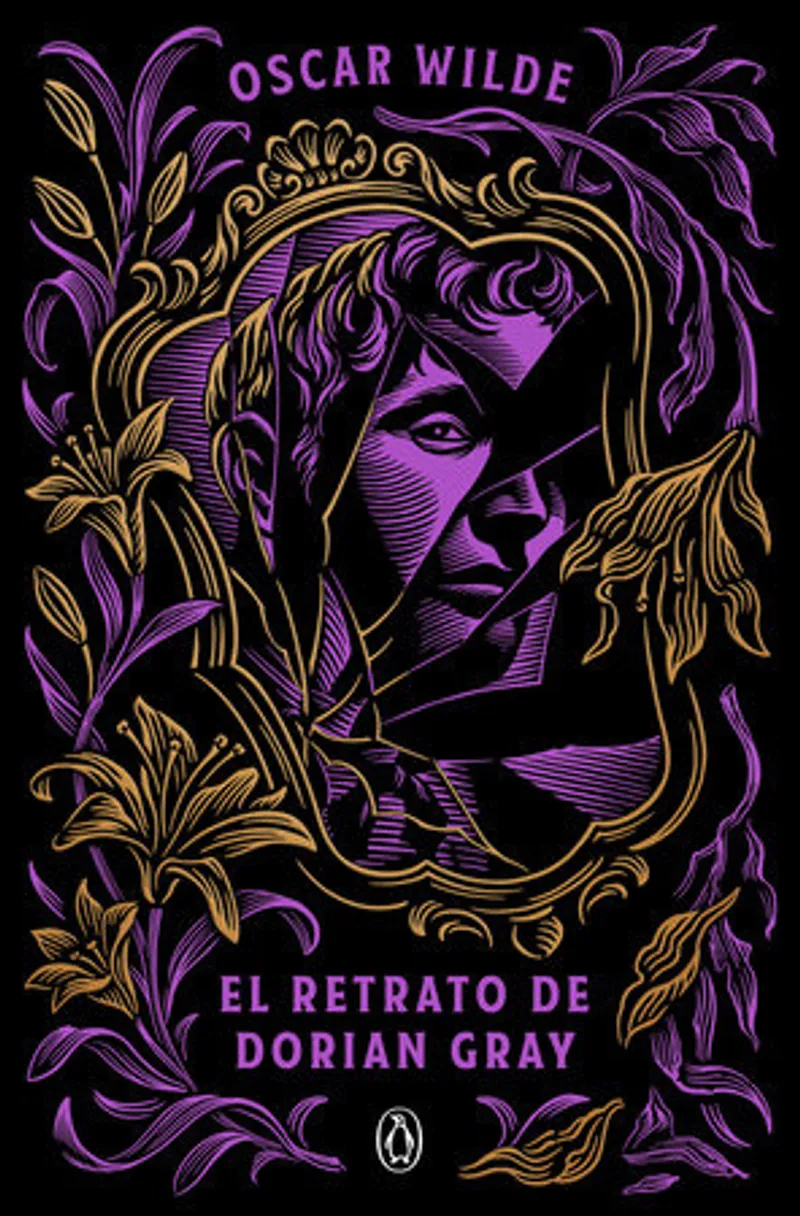
El retrato de Dorian Gray / The Picture of Dorian Gray Author: Oscar WildePage Count: UnknownPublication Date: 2025-PRH Oscar Wilde’s The Picture of Dorian Gray is a masterpiece of Gothic decadence, a novel that dares to ask what happens when beauty and morality collide. First published in 1890, it remains a chilling exploration of vanity, corruption, and the duality of human nature. This edition, meticulously translated by Alejandro Palomas and introduced by Robert Mighall, reaffirms its status as a timeless cautionary tale—one that shocked Victorian society and continues to haunt readers today. At its core, The Picture of Dorian Gray is a Faustian bargain wrapped in aesthetic perfection. The young Dorian, a man of unparalleled beauty, becomes the subject of a portrait painted by his friend Basil Hallward. Enchanted by his own image, Dorian wishes that the portrait would age instead of him—a wish that is granted, with horrifying consequences. As Dorian indulges in a life of hedonism, cruelty, and moral decay, his outward appearance remains untouched, while the portrait bears the grotesque marks of his sins. The novel thus becomes a study of the soul’s corruption, hidden beneath a mask of youth and charm. Wilde’s prose is as lush as it is razor-sharp, dripping with epigrams and paradoxes that define his signature style. Lord Henry Wotton, the novel’s most seductive villain, delivers lines that are both witty and venomous: "The only way to get rid of a temptation is to yield to it." His influence over Dorian is the catalyst for the young man’s downfall, illustrating Wilde’s belief in the power of art—and the artist—to shape reality. The dialogue crackles with intellectual provocation, making Dorian Gray as much a philosophical debate as it is a narrative. Yet beneath the glittering surface lies a darker truth. Wilde himself was no stranger to scandal; his trial for "gross indecency" in 1895 was partly fueled by the perceived immorality of this novel. The book’s themes of hidden vice and the perils of unchecked desire were radical for their time, and they remain unsettling today. Dorian’s descent into cruelty—culminating in the murder of Basil Hallward—is a stark reminder that beauty without conscience is a hollow victory. The novel’s enduring power lies in its ambiguity. Is Dorian a victim of Lord Henry’s manipulations, or does he embrace his own corruption? Is the portrait a metaphor for the hidden self, or a literal manifestation of guilt? Wilde leaves these questions unanswered, inviting readers to confront their own judgments. The result is a work that feels both timeless and urgently modern—a story about the masks we wear and the price of eternal youth. This edition, with its insightful introduction and fluid translation, is a treasure for both new readers and longtime admirers. Palomas’ translation captures the novel’s elegance without losing its edge, while Mighall’s introduction provides crucial historical context, linking Wilde’s work to the Gothic tradition and the Decadent movement. The Picture of Dorian Gray is more than a Gothic horror story; it is a mirror held up to society’s obsession with appearances. Wilde’s genius lies in making us complicit in Dorian’s fall, forcing us to ask: Would we make the same bargain? The answer, whispered in the pages of this book, is far more disturbing than we’d like to admit. #DorianGray #OscarWilde #GothicLiterature #DarkRomance #VictorianDecadence #FaustianBargain Related InsightsWhiteout Book Review and Summary Joker Moon Book Review and Summary Do I Have to Wear a Coat? Book Review and Summary{ "@context": "https://schema.org", "@type": "FAQPage", "mainEntity": [ { "@type": "Question", "name": "What is the main focus of The Picture of Dorian Gray Book Review and Summary?", "acceptedAnswer": { "@type": "Answer", "text": "Everything you need to know about The Picture of Dorian Gray with our detailed review." } }, { "@type": "Question", "name": "Who authored the comprehensive guide on The Picture of Dorian Gray Book Review and Summary?", "acceptedAnswer": { "@type": "Answer", "text": "This detailed article and its insights were carefully researched and authored by Oscar Wilde." } }, { "@type": "Question", "name": "Where can I find more related content about Books?", "acceptedAnswer": { "@type": "Answer", "text": "You can explore more articles, detailed reviews, and similar insights by browsing the Related Insights section at the bottom of this article or visiting our dedicated Books category page." } } ] }