Showing Posts From
The pillars of the e
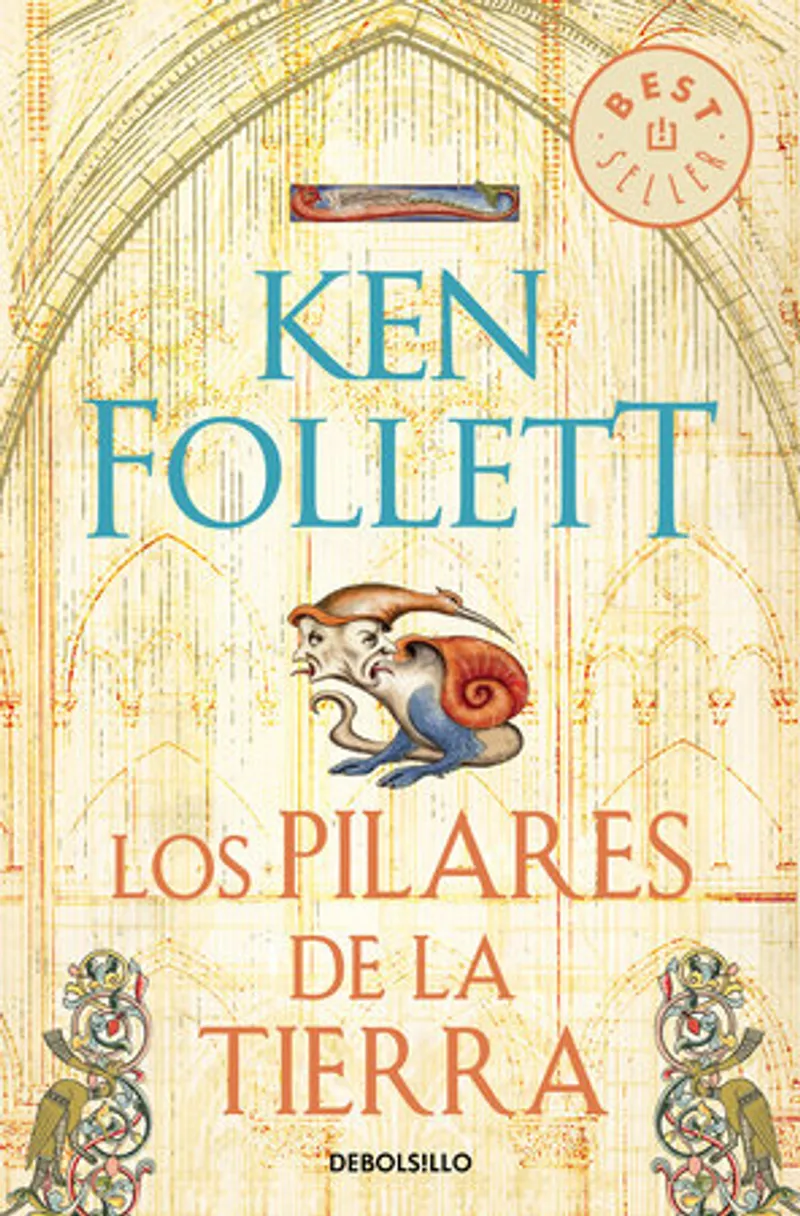
Los pilares de la tierra / The Pillars of the Earth Author: Ken FollettPage Count: UnknownPublication Date: 2018-PRH Ken Follett’s The Pillars of the Earth: A Monumental Tapestry of Power, Faith, and Human Ambition Few historical novels achieve the rare balance between sweeping grandeur and intimate human drama, but Ken Follett’s The Pillars of the Earth does so with unparalleled mastery. Published in 1989 and reissued with a new prologue for its 25th anniversary, this 900-page epic is less a book and more a cathedral itself—stone by stone, character by character, Follett constructs a world so vivid that the medieval England of the 12th century feels not like a distant past but a living, breathing reality. At its core, The Pillars of the Earth is a story about the clash of human ambition against the immutable forces of fate, faith, and power. The novel’s central ambition—the construction of a Gothic cathedral in the fictional town of Kingsbridge—serves as both a literal and metaphorical foundation for Follett’s exploration of human endeavor. The cathedral is more than a building; it is a symbol of hope, a testament to perseverance, and a battleground for the spiritual and political forces of the era. Through the eyes of its builders—monks, masons, nobles, and outcasts—Follett examines what it means to strive for something greater than oneself, even when the world conspires against you. The novel’s protagonist, Prior Philip, is a man of quiet faith and steely resolve, driven by a divine vision to create a house of God that will inspire awe and devotion. His counterpart, Tom Builder, is a master mason whose life is defined by both his craft and his personal tragedies. Together, they embody the duality of human nature: the spiritual and the practical, the idealistic and the flawed. Their partnership is one of the novel’s most compelling dynamics, a dance between vision and execution that unfolds over decades, fraught with setbacks, betrayals, and moments of transcendent triumph. Yet Follett’s genius lies not just in his ability to weave a complex narrative but in his capacity to make history feel personal. The novel’s true power emerges from its characters—each flawed, vivid, and deeply human. Lady Aliena, a noblewoman stripped of her lands and honor, is a figure of resilience and quiet defiance, her journey one of survival and redemption. Her brother, Richard, embodies the destructive force of unchecked ambition, while the villainous William Hamleigh represents the brutality of feudal power. Even minor characters, like the cunning Waleran Bigod or the tragic Agnes, leave indelible marks on the reader’s memory. Follett’s prose is deceptively simple, yet it carries the weight of a master storyteller. He avoids the pitfalls of dry historical exposition, instead immersing the reader in the sights, sounds, and smells of the medieval world. The construction of the cathedral is described with such tactile detail that one can almost feel the roughness of the stone under Tom’s calloused hands. The political intrigues of kings and bishops are rendered with the same urgency as a battlefield skirmish, ensuring that the reader is never lulled into passive observation. This is a novel that demands engagement, rewarding those who lose themselves in its labyrinthine plot with moments of breathtaking payoff. What elevates The Pillars of the Earth beyond mere historical fiction is its unflinching examination of morality. Follett does not shy away from depicting the hypocrisy of the Church, the cruelty of feudalism, or the fragility of human virtue. The novel’s most haunting passages are those that force the reader to confront uncomfortable truths: the way power corrupts, the ease with which violence becomes normalized, and the quiet heroism of those who refuse to surrender to despair. In this, Follett echoes the great moralists of literature, from Dickens to Hugo, while carving out a space uniquely his own. The novel’s structure is another of its strengths. Spanning nearly 40 years, The Pillars of the Earth unfolds in a series of dramatic arcs that intersect and collide with the precision of a well-constructed arch. Each chapter feels like a self-contained story, yet the cumulative effect is one of inexorable momentum. The reader is swept along by the sheer force of the narrative, compelled to keep turning pages not just to see what happens next, but to understand how these lives—so different in station, so alike in struggle—will ultimately converge. Follett’s ability to balance multiple storylines without losing coherence is nothing short of extraordinary. The political machinations of King Stephen and the Empress Maud, the personal vendettas of the Hamleighs, the spiritual trials of Philip, and the romantic entanglements of Aliena and Jack Builder all weave together into a tapestry that is as intricate as the stained glass of a Gothic cathedral. The novel’s climax—a moment of both triumph and tragedy—is a masterclass in pacing, delivering an emotional punch that lingers long after the final page. In an era where historical fiction often prioritizes spectacle over substance, The Pillars of the Earth stands as a rare achievement: a novel that is both a page-turner and a profound meditation on the human condition. It is a testament to Follett’s skill that a story about medieval builders can feel as urgent and relevant as a modern thriller. This is not just a book about the past; it is a book about the timeless struggles that define us all—our search for meaning, our capacity for both cruelty and kindness, and our relentless, often futile, pursuit of permanence in an impermanent world. For readers who crave more than just escapism, The Pillars of the Earth offers something rarer: a story that nourishes the soul while thrilling the mind. It is a cathedral of words, a monument to the power of storytelling, and a reminder that even in the darkest of times, humanity’s greatest achievements are built not by gods or kings, but by ordinary people who dare to dream. #PillarsOfTheEarth #KenFollett #HistoricalFiction #MedievalEpic #BookReview #MustRead Related InsightsDeadlock Book Review and Summary The Ocean at the End of the Lane Book Review and Summary Alternative Medicines for Diabetes Management Book Review and Summary{ "@context": "https://schema.org", "@type": "FAQPage", "mainEntity": [ { "@type": "Question", "name": "What is the main focus of The Pillars of the Earth Book Review and Summary?", "acceptedAnswer": { "@type": "Answer", "text": "Everything you need to know about The Pillars of the Earth with our detailed review." } }, { "@type": "Question", "name": "Who authored the comprehensive guide on The Pillars of the Earth Book Review and Summary?", "acceptedAnswer": { "@type": "Answer", "text": "This detailed article and its insights were carefully researched and authored by Ken Follett." } }, { "@type": "Question", "name": "Where can I find more related content about Books?", "acceptedAnswer": { "@type": "Answer", "text": "You can explore more articles, detailed reviews, and similar insights by browsing the Related Insights section at the bottom of this article or visiting our dedicated Books category page." } } ] }