Showing Posts From
The poet and the bee
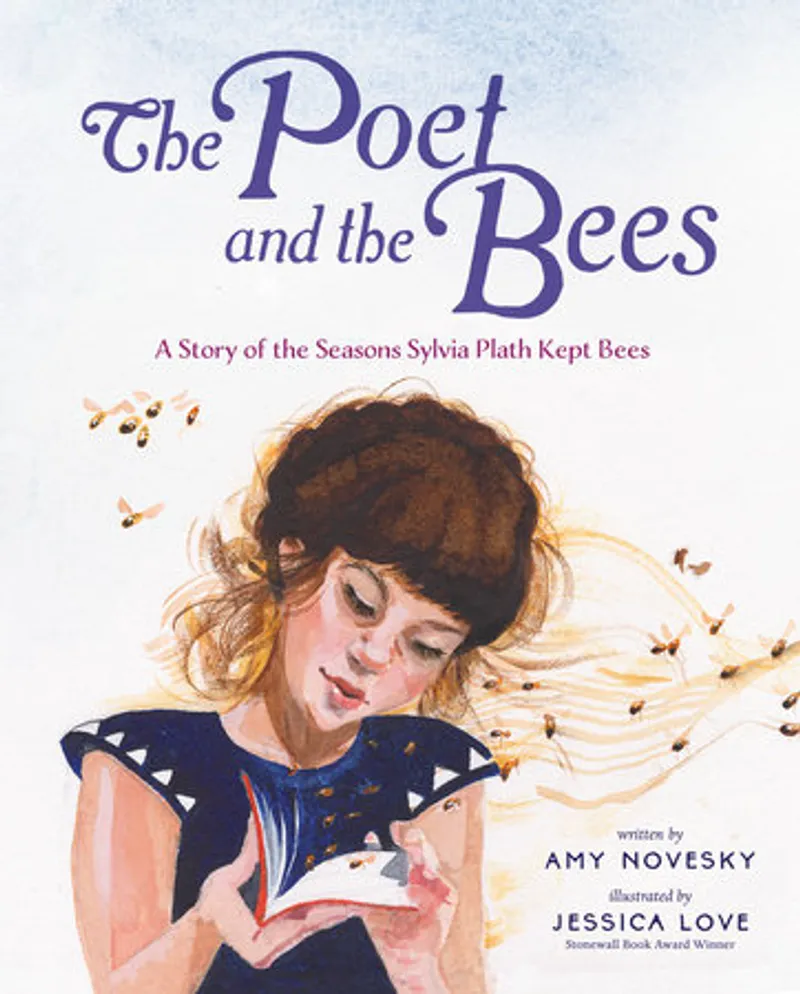
The Poet and the Bees Author: Amy NoveskyPage Count: UnknownPublication Date: 2025-PRH A Hive of Light: Sylvia Plath’s Last Seasons in The Poet and the Bees Amy Novesky’s The Poet and the Bees is a luminous meditation on creativity, mortality, and the quiet resilience of nature—seen through the eyes of one of America’s most haunting literary voices. At its heart, this picture book is not just a biography but a tender elegy, weaving together the final years of Sylvia Plath’s life with the industrious, fleeting lives of her bees. It’s a work that asks: What do we leave behind when our time is short? And how does the natural world—so ephemeral, so tenacious—inspire us to make our mark? Novesky, herself a beekeeper, approaches Plath’s story with a bee’s precision and a poet’s intuition. She doesn’t shy away from the darkness that shrouds Plath’s legacy—the depression, the tragic end—but instead, she frames it within the cyclical rhythm of the hive. The bees, with their brief lives and eternal honey, become a metaphor for Plath’s own artistry: fleeting in its physical presence, but enduring in its resonance. The book’s epigraph, "Love, bees don’t live long. But honey lives forever. Words, too," sets the tone—a reminder that even in the face of impermanence, creation persists. What makes The Poet and the Bees so striking is its refusal to reduce Plath to a single narrative. Novesky doesn’t dwell on the sensationalized aspects of her life; instead, she focuses on the small, vivid moments: Plath kneeling in the dirt, her hands dusted with pollen; the way the bees’ hum might have drowned out the noise of her own thoughts; the honey she harvested, thick and golden, as she wrote her final poems. It’s a portrait of a woman not as a myth, but as a gardener of words and wings, tending to both with equal care. Jessica Love’s illustrations are nothing short of revelatory. A Stonewall Book Award winner, Love brings a painterly warmth to the pages, her brushstrokes as delicate as a bee’s wing. She captures Plath in quiet repose—her face often half-hidden by hair or shadow, her expressions a mix of exhaustion and quiet joy. The bees, rendered in swirling golds and ambers, seem to dance across the page, their bodies almost luminous. Love’s use of color is particularly masterful: the greens of the garden, the blues of the sky, and the deep, honeyed tones of the hive create a sensory experience that feels like stepping into a memory. Novesky’s prose is equally evocative. She writes in short, lyrical bursts, mirroring the way bees move—quick, purposeful, but never without grace. There’s a musicality to her sentences, a rhythm that feels intentional, like the hum of wings. She doesn’t over-explain; instead, she trusts the reader to sit with the silences, to feel the weight of Plath’s solitude and the solace she found in the natural world. The book’s pacing is deliberate, slow as honey dripping from a spoon, allowing each moment to linger. One of the most poignant themes in The Poet and the Bees is the idea of legacy—not as something fixed, but as something alive, something that grows and changes. Plath’s final poems, written while she tended to her bees, are a testament to this. They were not the work of a woman resigned to despair, but of one who found a strange, fleeting peace in the company of creatures that, like her, knew the brevity of life. Novesky doesn’t romanticize Plath’s struggles, but she does highlight the quiet defiance in her art: the way she turned her pain into something sweet, something that would outlast her. This book is a gift for anyone who has ever found solace in nature’s cycles or who has turned to art in times of darkness. It’s a reminder that even in the face of mortality, there is beauty in the doing—the tending, the writing, the living. And perhaps, most importantly, it’s a testament to the idea that our most fragile moments can give rise to the most enduring things. The Poet and the Bees is more than a picture book; it’s a meditation on how we choose to spend our short time on earth, and how even the smallest creatures can teach us to make it count. #SylviaPlath #PoetryLives #Beekeeping #LiteraryLegacy #AmyNovesky #JessicaLove Related InsightsAlma Vampires (The Icarus University, #1) Book Review and Summary Shadowfever Book Review and Summary Bared to You Book Review and Summary{ "@context": "https://schema.org", "@type": "FAQPage", "mainEntity": [ { "@type": "Question", "name": "What is the main focus of The Poet and the Bees Book Review and Summary?", "acceptedAnswer": { "@type": "Answer", "text": "Everything you need to know about The Poet and the Bees with our detailed review." } }, { "@type": "Question", "name": "Who authored the comprehensive guide on The Poet and the Bees Book Review and Summary?", "acceptedAnswer": { "@type": "Answer", "text": "This detailed article and its insights were carefully researched and authored by Tiago Silva." } }, { "@type": "Question", "name": "Where can I find more related content about Books?", "acceptedAnswer": { "@type": "Answer", "text": "You can explore more articles, detailed reviews, and similar insights by browsing the Related Insights section at the bottom of this article or visiting our dedicated Books category page." } } ] }