Showing Posts From
The seventh ribbon
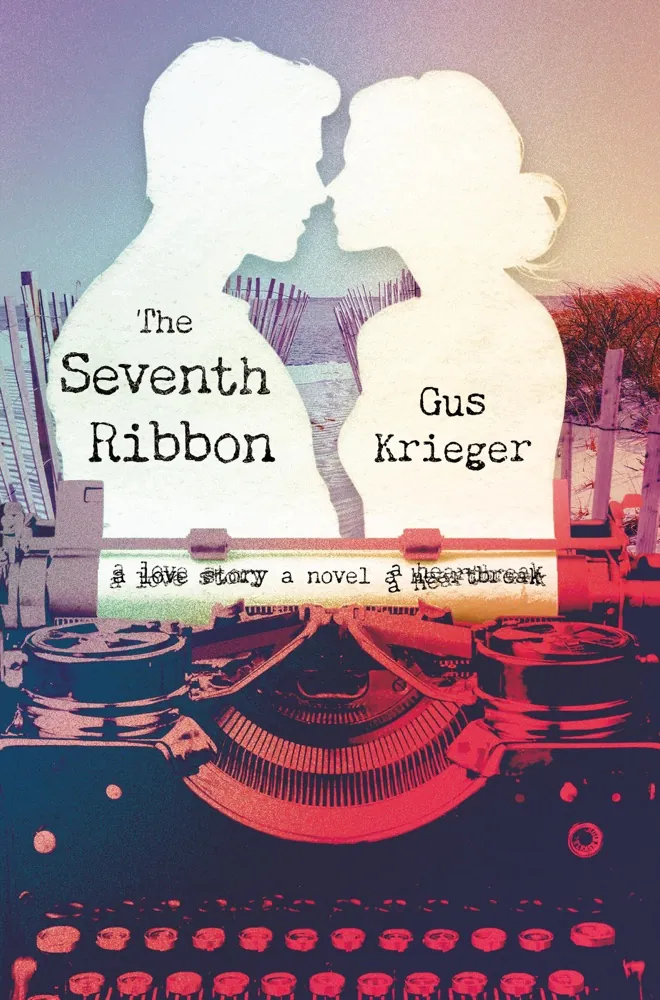

Author: Gus KriegerPage Count: UnknownPublication Date: Expected publication 2026-10-27 APL The synopsis of The Seventh Ribbon is a glittering, if deliberately opaque, invitation into a genre that’s been quietly thriving in the literary margins—what I call the grieving genre, where loss isn’t just a plot device but the atmospheric pressure that warps everything else. And yet—and yet—this isn’t just another Me Before You wannabe. The typewriter ribbons? That’s the kind of specificity that makes me sit up. Because magic in literature isn’t about grand gestures; it’s about the friction of the mundane. Think of The Night Circus’s ribbon-like tent threads, but here, the magic is the act of writing itself, the way ink bleeds into reality like a bad metaphor. Or like the way grief bleeds into your coffee cup at 3 AM. The synopsis leans hard into the what if framework—Caroline’s attic discovery isn’t just a MacGuffin; it’s a structural choice. The typewriter ribbons force us to interrogate the very mechanics of storytelling. But here’s the rub: the synopsis doesn’t tell us how the magic works. Is it a literal spell? A psychological projection? A metaphor for the way grief rewrites memory? The vagueness is deliberate—it’s the same trick The Invisible Life of Addie LaRue pulls with its time-loop ambiguity. And yet, unlike Addie, which leans into existential dread, The Seventh Ribbon seems to want to be funny. The synopsis mentions "riveting, funny and heartbreaking by turns"—which is a bold claim. Because the grieving genre has a reputation for being either maudlin or nihilistic. To pull off humor here, Krieger would need to channel the dry wit of The Unhoneymooners or the absurdist levity of The House in the Cerulean Sea, but with the emotional core of Where’d You Go, Bernadette. That’s a tightrope. The character of Caroline Ora is already a fascinating study in liminal grief—that space between mourning and acceptance where you’re neither fully dead to the world nor fully alive in it. The snowbound cottage? Classic gothic isolation, but the oceanfront detail adds a layer of restlessness, like the sea is pulling her under even as she’s trying to hold onto the shore. And Forest’s death—hit-and-run, violent, sudden—is the kind of tragedy that demands a rewrite. But here’s where the synopsis stumbles. It doesn’t tell us why Caroline is a poet. Was she a romantic? A cynic? A woman who believed in love as a verb, not just a noun? That detail would ground her entire arc. Right now, she’s just a blank slate, which is fine for a debut, but it also means the book risks feeling like a projection of the reader’s own grief rather than a distinct narrative. The thematic tension here is control vs. chaos—Caroline’s attempt to rewrite reality is a classic feminist fairy tale trope, but with a twist. Most stories about women rewriting fate (The Time Traveler’s Wife, The Night Circus) end in tragedy because the system is rigged. But the synopsis hints at something more subversive. The ribbons aren’t just tools; they’re limits. Every wish has a cost, every miracle a reckoning—this sounds like The Perks of Being a Wallflower meets Practical Magic, but with the mechanical metaphor of typewriter ribbons. And that’s where the book could get interesting: if the magic isn’t just about love, but about language itself. Can you rewrite a life? Or are you just rewriting the story you tell yourself? The comparison to In Five Years is telling—both books play with temporal grief, but The Seventh Ribbon feels like it wants to be more playful. The synopsis’s mention of "whimsical" is either a promise or a red flag. Whimsy in grief stories often feels like a cop-out, like the author’s way of saying, "It’s okay to laugh, just don’t look too closely." But if Krieger pulls it off—if the humor isn’t just surface-level but structural—this could be the next big thing in emotional sci-fi, the kind of book that makes you question whether magic is just another word for hope. I predict this will be a cult favorite, not a blockbuster. It’s too specific, too personal to go mainstream. But in the right hands—like the hands of a reader who’s lost someone and needs to believe, just for a moment, that the universe might bend—it could be devastating. And that’s the mark of great art: it doesn’t just entertain. It haunts. Now, if you’ll excuse me, I have to remember to thaw the chicken. Again. Related InsightsRebel in the Deep Book Review and Summary Are You My Mother? Book Review and Summary From the Mixed-up Files of Mrs. Basil E. Frankweiler Book Review and Summary{ "@context": "https://schema.org", "@type": "FAQPage", "mainEntity": [ { "@type": "Question", "name": "What is the main focus of The Seventh Ribbon Book Review and Summary?", "acceptedAnswer": { "@type": "Answer", "text": "Everything you need to know about The Seventh Ribbon with our detailed review." } }, { "@type": "Question", "name": "Who authored the comprehensive guide on The Seventh Ribbon Book Review and Summary?", "acceptedAnswer": { "@type": "Answer", "text": "This detailed article and its insights were carefully researched and authored by Hannah Schmidt." } }, { "@type": "Question", "name": "Where can I find more related content about Books?", "acceptedAnswer": { "@type": "Answer", "text": "You can explore more articles, detailed reviews, and similar insights by browsing the Related Insights section at the bottom of this article or visiting our dedicated Books category page." } } ] }