Showing Posts From
The shell seekers
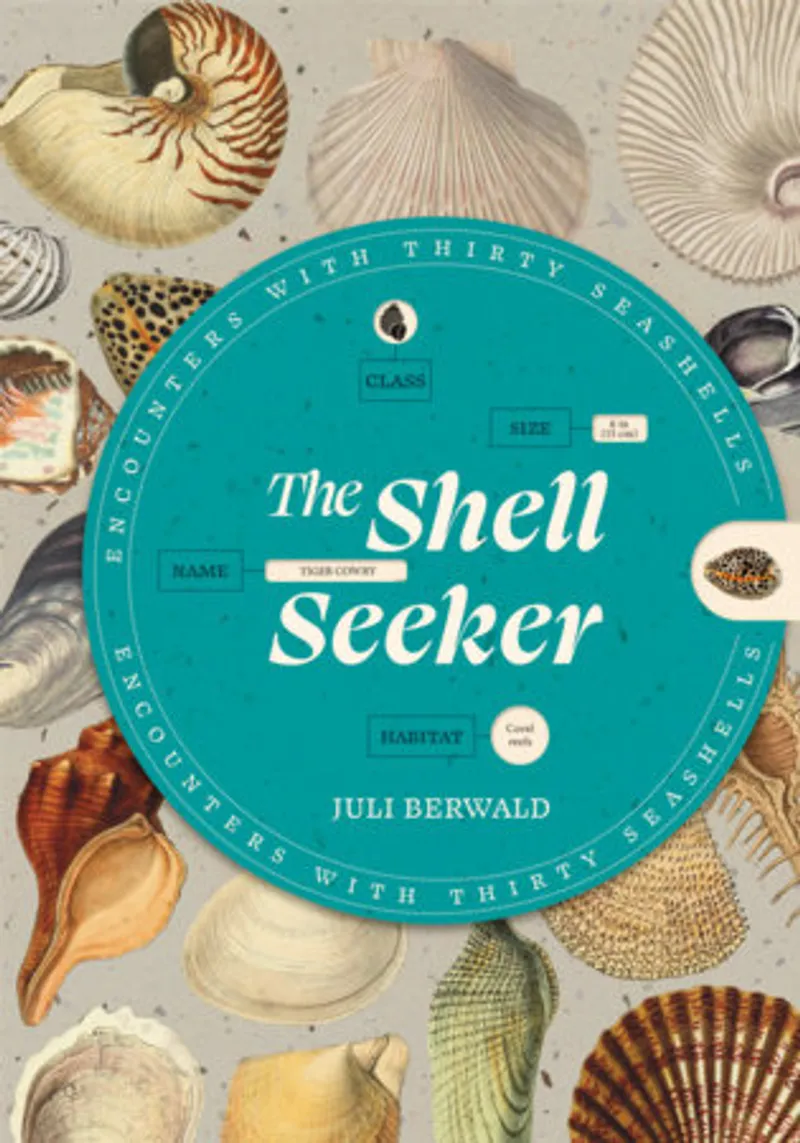
The Shell Seeker Author: Juli BerwaldPage Count: UnknownPublication Date: 2026-PRH Juli Berwald’s The Shell Seeker is a mesmerizing dive into the hidden lives of mollusks, where science meets poetry and the ocean’s smallest creatures reveal the largest truths about resilience, fragility, and the delicate balance of life on Earth. Slated for release in 2026, this book arrives at a critical moment—when the world’s oceans are under siege from climate change, overfishing, and pollution—making Berwald’s exploration not just timely, but essential. With a prose style that is both lyrical and rigorously researched, she transforms what could be a dry scientific treatise into a gripping narrative that reads like a detective story, where the clues are shells and the culprit is humanity itself. At its core, The Shell Seeker is a meditation on survival. Berwald, a marine biologist turned writer, follows the journey of the Pacific geoduck—a clam so ancient it has outlived civilizations—through the lens of its own extraordinary lifespan. These mollusks, which can live for over 150 years, carry within their shells the scars of time: growth rings that record environmental shifts, chemical signatures that betray the health of their habitats, and a stubborn tenacity that defies the odds. But the book is more than a celebration of longevity; it’s a lament for what we stand to lose. As Berwald traces the geoduck’s path from the muddy depths of Puget Sound to the high-end seafood markets of Asia, she uncovers a web of exploitation, cultural erasure, and ecological collapse. The shell, once a symbol of protection and endurance, becomes a metaphor for the fragility of nature in the face of human greed. Berwald’s writing is a masterclass in blending hard science with human storytelling. She doesn’t just describe the anatomy of a clam or the chemistry of ocean acidification; she makes the reader feel the weight of these processes. Her prose is rich with sensory detail—whether she’s describing the “slimy, muscular foot” of a geoduck burrowing into the seabed or the “chalky white” of a dying oyster’s shell—but it’s her ability to weave personal narrative into the scientific that truly sets this book apart. We meet fishermen whose livelihoods depend on the geoduck trade, Indigenous communities fighting to protect their ancestral waters, and scientists racing to save species before they vanish. These voices give the book a moral urgency, grounding the ecological warnings in the real, human consequences of environmental neglect. One of the most striking aspects of The Shell Seeker is its refusal to offer easy answers. Berwald doesn’t preach, nor does she resort to doomsday rhetoric. Instead, she presents the complexities of conservation with nuance: the tension between tradition and sustainability, the unintended consequences of well-meaning policies, and the quiet heroism of those who refuse to give up. Her style is immersive, pulling the reader into the murky, mysterious world beneath the waves. At times, the book reads like a love letter to the ocean’s underdwellers, at others like a eulogy for what we’ve already lost. It’s a tonal balancing act that only a writer with Berwald’s depth of knowledge and empathy could pull off. What lingers most after reading The Shell Seeker is the sense that we are all, in some way, shell seekers—searching for meaning in the remnants of a world that is rapidly changing. The mollusks Berwald writes about are not just survivors; they are witnesses, their shells holding stories we are only beginning to decipher. This book is a call to listen, to learn, and to act before the last shell falls silent. #ShellSeeker #MarineConservation #OceanLiterature #ClimateChange #Geoduck #EcoFiction Related InsightsIf the Sun Never Sets Book Review and Summary Dream Girl Drama Book Review and Summary Romeo and Juliet Book Review and Summary{ "@context": "https://schema.org", "@type": "FAQPage", "mainEntity": [ { "@type": "Question", "name": "What is the main focus of The Shell Seekers Book Review and Summary?", "acceptedAnswer": { "@type": "Answer", "text": "Everything you need to know about The Shell Seekers with our detailed review." } }, { "@type": "Question", "name": "Who authored the comprehensive guide on The Shell Seekers Book Review and Summary?", "acceptedAnswer": { "@type": "Answer", "text": "This detailed article and its insights were carefully researched and authored by Rosamunde Pilcher." } }, { "@type": "Question", "name": "Where can I find more related content about Books?", "acceptedAnswer": { "@type": "Answer", "text": "You can explore more articles, detailed reviews, and similar insights by browsing the Related Insights section at the bottom of this article or visiting our dedicated Books category page." } } ] }