Showing Posts From
The soul catchers
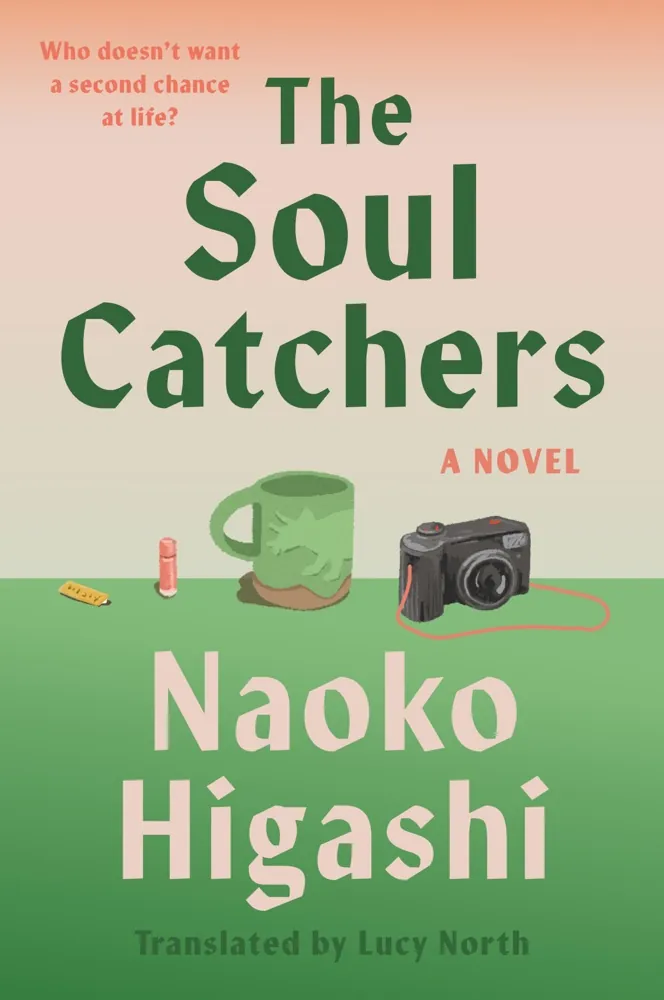
Author: Naoko HigashiPage Count: UnknownPublication Date: Expected publication 2026 APL The air in this gala’s ballroom is thick with the scent of overpriced champagne and the faint, cloying sweetness of regret—like the kind of regret you feel when you realize you’ve just spent three hundred euros on a silk scarf that will gather dust in your closet. Outside, the autumn wind rattles the windows, a reminder that even the most polished events have a shelf life. And yet, here we are, pretending to care about some Japanese author’s latest foray into the sentimental, because of course the market demands it. The Soul Catchers—oh, how delightfully vague. Eleven souls, eleven objects, eleven chances to linger like a ghost in a favorite mug or a child’s jungle gym. It’s the kind of premise that makes you wonder if the author has ever actually lived, if she’s ever had to confront the quiet, suffocating weight of loss without the crutch of a neat, folkloric solution. The synopsis leans heavily on the idea that objects can harbor spirits—because, of course, they can’t. Because, of course, the real magic isn’t in the objects, but in the people who loved them enough to miss them. But no, we get a cozy little myth instead, one that smells faintly of The Little Prince’s sugar-coated nostalgia, only with the emotional depth of a Hallmark card left unopened. And the characters—oh, the characters. A homeless man, a five-year-old boy. How quaint. It’s almost as if the author is trying to signal her own moral superiority by including them, as if their presence alone will elevate the story beyond the realm of the saccharine. But let’s be honest: the real tragedy isn’t that they’re dead; it’s that they’re being reduced to plot devices in a story that seems more concerned with its own charm than with the actual lives of its protagonists. It’s the literary equivalent of a Michelin-starred restaurant serving you a dish that’s been microwaved—you know it’s supposed to be special, but the execution is so lazy it’s almost insulting. The synopsis also drops the name of a 2021 Japanese film adaptation, as if that’s supposed to lend some gravitas. But films and novels are different beasts, and the fact that this story was first a movie—one that, I’m sure, was as sentimental as a Titanic remake—only underscores how little originality we’re being offered here. The whole thing reads like a love letter to the kind of comfort fiction that exists solely to make readers feel warm and fuzzy, not to challenge them. And in a world where even the most sentimental stories are supposed to have some bite, this feels like a step backward, like the literary equivalent of watching The Notebook for the third time and pretending it’s profound. The thematic exploration, such as it is, hinges on the idea of connection—because, of course, the real horror of death isn’t the end itself, but the idea that we’re cut off from those we love. But where’s the tension? Where’s the conflict? Where’s the humanity? Instead, we get a story that seems to exist solely to make us feel good about our own mortality, as if the act of reading it will somehow bridge the gap between us and the dead. It’s the literary equivalent of a self-help book for people who’ve never actually had to deal with loss, who’ve never had to sit in a quiet room and wonder if they’ll ever stop missing someone. And the sensuality? Oh, the sensuality. The synopsis mentions it as if it’s some kind of hidden gem, some secret spice in an otherwise bland dish. But sensuality isn’t a plot point—it’s not something you can sprinkle on top of a story like cinnamon on a latte. It’s not clear what, exactly, the author thinks she’s doing with that line, unless she’s trying to signal that she’s read some modern literature and knows that even the most sentimental stories can have a little edge. But if that’s the case, she’s failed miserably, because the edge here is as sharp as a butter knife. I can already see the reviews: "A heartwarming tale of love and loss." "A soothing, magical realism masterpiece." But none of that matters, because the real question is whether this book will do anything more than sit on a shelf, gathering dust like the silk scarf I bought at this gala. And honestly? I’d rather read about the real magic of loss—the kind that doesn’t require a neat, folkloric solution, the kind that leaves you raw and unguarded. The kind that doesn’t need to be wrapped in a bow. I have a reservation at Le Bernardin at eight. I’d better go. The chef’s tasting menu is the only thing that’s going to make me forget about this. Related InsightsOne of Us Is Back Book Review and Summary Habila Book Review and Summary Kissing Cowboys Book Review and Summary{ "@context": "https://schema.org", "@type": "FAQPage", "mainEntity": [ { "@type": "Question", "name": "What is the main focus of The Soul Catchers Book Review and Summary?", "acceptedAnswer": { "@type": "Answer", "text": "Everything you need to know about The Soul Catchers with our detailed review." } }, { "@type": "Question", "name": "Who authored the comprehensive guide on The Soul Catchers Book Review and Summary?", "acceptedAnswer": { "@type": "Answer", "text": "This detailed article and its insights were carefully researched and authored by Tiago Silva." } }, { "@type": "Question", "name": "Where can I find more related content about Books?", "acceptedAnswer": { "@type": "Answer", "text": "You can explore more articles, detailed reviews, and similar insights by browsing the Related Insights section at the bottom of this article or visiting our dedicated Books category page." } } ] }