Showing Posts From
The white tiger
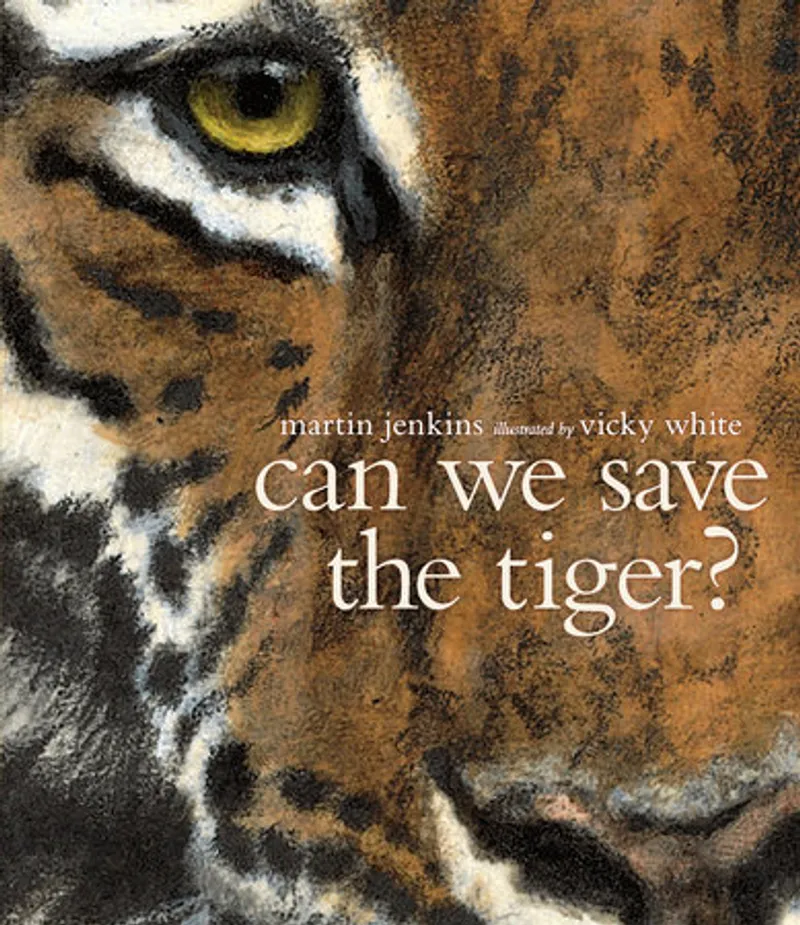
Can We Save the Tiger? Author: Vicky WhitePage Count: UnknownPublication Date: 2014-PRH Can We Save the Tiger? is not just a book—it’s a wake-up call wrapped in the quiet elegance of endangered beauty. Martin Jenkins and Vicky White deliver a masterclass in environmental storytelling, blending urgency with artistry to confront one of humanity’s most pressing questions: Can we, will we, save the tiger? At its core, the book is a plea for empathy disguised as a field guide. Jenkins doesn’t preach; he invites. Through the lives of four critically endangered species—the tiger, the Partula snail, the white-rumped vulture, and the radiant pink iguana—he traces the invisible threads that bind human actions to ecological collapse. Each creature serves as a mirror, reflecting how our choices—habitat destruction, pollution, careless introductions of invasive species—rip through ecosystems with devastating precision. The tiger, the book’s namesake, is more than a symbol; it’s a keystone species, a guardian of forests whose disappearance unravels entire communities. Yet Jenkins avoids sensationalism. Instead, he grounds the narrative in tangible consequences: fewer tigers mean more deer, more deer mean more crop damage, more crop damage means more poisoned vultures. It’s a domino effect, and we’re the ones who tipped the first tile. What elevates this book beyond a simple conservation tract is Vicky White’s artwork. Her portraits are not mere illustrations; they are lifelines. Each creature is rendered with such tenderness and detail that you can almost feel the texture of a tiger’s fur or the delicate spiral of a Partula snail’s shell. The illustrations do more than decorate—they testify. They force the reader to pause, to linger, to confront the fragility of these animals not as statistics, but as individuals with lives worth fighting for. White’s use of light and shadow adds a haunting depth, as if each creature is caught in a fleeting moment before slipping into extinction. The contrast between the vibrancy of the subjects and the looming shadow of their end is nothing short of heartbreaking. Jenkins’ prose is equally masterful. He writes with the clarity of a scientist and the warmth of a storyteller, avoiding jargon without dumbing down the science. His tone is measured but never detached; there’s a palpable urgency beneath the calm surface. He doesn’t just tell us that tigers are disappearing—he shows us how and why, making the abstract tangible. For instance, his explanation of how diclofenac, a painkiller given to livestock, wiped out 99% of India’s white-rumped vultures in just over a decade is both horrifying and galvanizing. It’s a reminder that extinction isn’t always dramatic; sometimes it’s a slow, chemical poisoning, hidden in plain sight. The book’s structure is deceptively simple. Jenkins introduces each species with a brief, lyrical profile before zooming out to examine the broader patterns of human impact. This approach makes the content accessible to younger readers while still offering depth for adults. There’s no moralizing, no finger-wagging—just a quiet insistence that we see these animals, know their stories, and then decide what we’re willing to do. The final chapter shifts from despair to cautious hope, outlining conservation success stories (like the recovery of the Mauritius kestrel) that prove extinction isn’t inevitable. It’s a masterstroke of narrative design, leaving the reader with a fragile but vital sense of possibility. Can We Save the Tiger? is ultimately a book about responsibility—not just to the animals, but to the future. Jenkins and White don’t offer easy answers, but they do something more valuable: they make the problem personal. By the time you close the book, you’re not just worried about tigers; you’re worried about your role in their survival. And that’s the power of great environmental writing—it doesn’t just inform; it transforms. If this book has a flaw, it’s that it might leave you feeling helpless. But that’s also its greatest strength. By the end, you’re not just informed—you’re implicated. And that’s where change begins. #SaveTheTiger #EndangeredSpecies #ConservationMatters #WildlifeProtection #BiodiversityCrisis #ReadForThePlanet