Showing Posts From
This is what happens
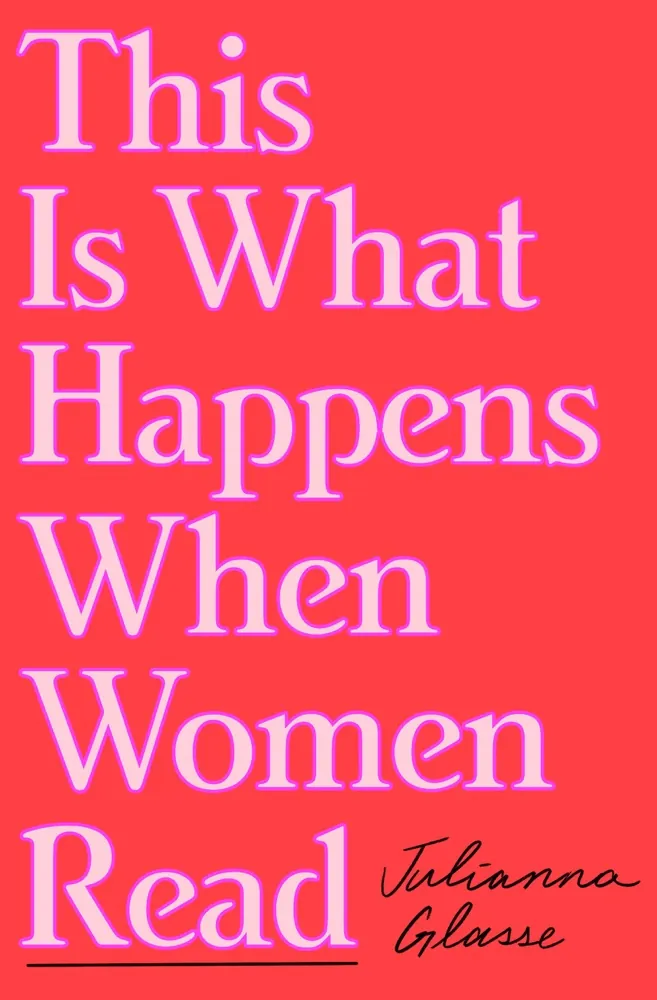
Author: Julianna GlassePage Count: UnknownPublication Date: Expected publication 2026-10-13 APL The synopsis for This Is What Happens When Women Read is so deliberately sparse it reads like a confession scribbled in the margins of a library book—deliberately unpolished, as if the author knows the real story is in the gaps. There’s a certain Brené Brown vulnerability here, but with the kind of evangelical precision that suggests Glasse isn’t just writing a memoir; she’s crafting a testimony—the kind that gets passed around in small, smoky rooms where people nod and say, “I’ve been there.” Yet the absence of specifics is maddening. Where’s the Rebecca Solnit razor edge? The Eula Biss clinical detachment? Instead, we get the Oprah Winfrey Book Club version of a crisis—cleaned up, sanitized, and sold as a self-help manual for the spiritually exhausted. The most interesting line isn’t the one about Oxford or the divorce—it’s the one about “the books she started to read opened doors she could not shut.” That’s the kind of metaphor that makes you wonder if Glasse is channeling Virginia Woolf’s ghost, or if she’s just really into Goodreads discussion boards. The phrasing is too cinematic, like a Hallmark movie where the heroine finally picks up The Bell Jar and suddenly sees the world in color. But here’s the thing: if this is a memoir about intellectual liberation, why does it feel like a Christianity Today article with a side of existential dread? Where’s the bell curve of the breakdown? The messy middle where the protagonist isn’t just “transformed” but unraveled? The synopsis reads like a TED Talk outline, not a novel or even a particularly gripping essay. And yet—there’s a dangerous potential here. Glasse’s background as a Christian pop star is the kind of backstory that could make this into the Megan Fox of memoirs—equal parts celebrity scandal and intellectual awakening. Imagine if she’d leaned into the Ann Patchett style of self-deprecating brilliance, where the reader gets the juicy details of the evangelical machine’s inner workings, the way faith is sold like a timeshare. But no. Instead, we get the safe version: the divorce, the depression, the a-ha! moment at Oxford. It’s the Netflix Original of spiritual autobiography—polished, marketable, and just slightly too neat. The real question is whether Glasse can resist the temptation to turn this into a self-help book disguised as a memoir. Because if she does, she’ll end up like Jen Hatmaker—loved for her story, but forgotten once the next woke influencer comes along with a sharper critique. The synopsis hints at something more subversive, something that could riff on Susan Sontag’s idea of “the imagination as resistance.” But right now, it reads like a book club pick rather than a cultural reset. And then there’s the Oxford bit—because let’s be real, no one goes to Oxford for the tea. They go for the intellectual arms race, the elite gaslighting of the uninitiated. If Glasse actually lived there, she probably got roasted by undergrads who saw her as the evangelical tourist. That’s the kind of gritty detail that could make this book unforgettable. Instead, we’re stuck with the safe version: the happy ending where the protagonist becomes autonomous and independent. Where’s the dark twist? The irony? The moment where she realizes the books didn’t save her—the people did, or the system did, or she just outgrew the need for salvation entirely? But perhaps that’s the point. Maybe this is exactly what we need—a gentle unraveling, a soft rebellion. A book that doesn’t shatter the system but slips through the cracks. If so, then fine. But don’t expect blood and thunder. Don’t expect the raw edge of Cheryl Strayed or the scathing wit of Rebecca Traister. This is the lifestyle memoir of the quiet revolution—polished, elegant, and just slightly too clean. I’m logging off now to enjoy a cigar on my private terrace, wondering if this book will be the next Big Little Lies of spiritual memoirs—or just another Netflix Original that gets canceled after one season. #BookTok #MemoirSeason #OxfordVibes #ChristianPopCrisis #WhyIsEverythingSoPolished