Showing Posts From
Thriller
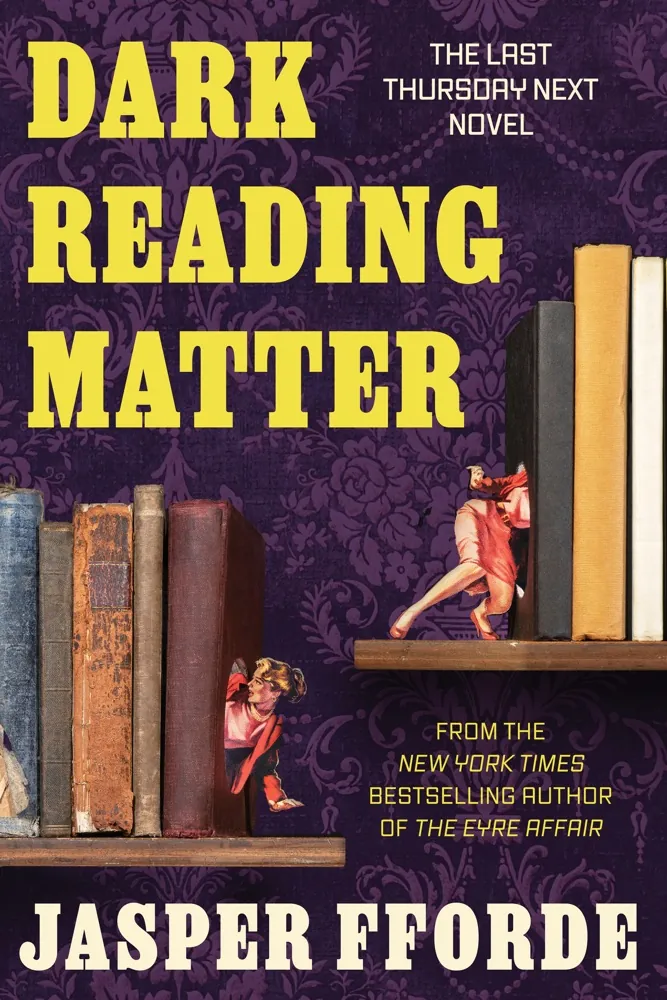
Author: Jasper FfordePage Count: UnknownPublication Date: Expected publication 2026-10-06 APL Jasper Fforde expects us to simply accept that Dark Reading Matter will neatly tie up a narrative arc spanning a quarter-century. As if human attention spans in the current year can handle closure without a complete structural collapse. My kitchen smells faintly of burnt fish fingers because the timer failed again—or perhaps because I stared at a blank wall for twenty minutes calculating the exact chronological trauma of watching a small child unlearn fear through three hundred viewings of Bluey, an animated masterpiece that understands emotional regulation better than any contemporary literary fiction writer currently clogging the bestseller lists. Anyway, Thursday Next is back. Or she is trying to be. The Metatextual Minefield of Finality The premise leans heavily on meta-fiction—because nothing screams desperation quite like a fictional character realizing they are in their final installment and immediately panicking about the word count. Fforde’s official synopsis promises Martians breaking containment, a literal Gateway to Hell at a second-rate Shakespeare theme park, and the terrifying weaponization of Enid Blyton by ultra-right-wing nationalists. And yet. Every single one of these ridiculous hazards feels engineered in a sterile laboratory to distract us from the sheer terror of things ending. We cling to absurdities because the alternative—actually sitting with the quiet, devastating realization that a beloved companion of a book series is going dark forever—requires an emotional bandwidth I currently allocate entirely toward keeping a fragile household from splintering into jagged pieces. Erasure and the Politics of the Unwritten Look closely at that synopsis. A partially redacted donkey. Big Tech draining imaginative energy from the BookWorld. A murderous stamp collector. It is pure, unfiltered narrative chaos masquerading as plot. But beneath the whimsy lies an acute anxiety about erasure. What happens when the stories we use to anchor ourselves—the fictional worlds we built out of desperation to survive the mundane brutality of actual existence—get audited, redacted, or optimized by algorithms? Fforde touches a raw nerve here, even if he hides it behind a clown suit of puns and literary gags. We are all just desperately trying to protect our internal landscapes from hostile corporate takeovers. Some days, defending an imaginary realm populated by literary special ops agents feels marginally more productive than negotiating why a nine-year-old refuses to wear socks in November. Yet I remain deeply suspicious of this whole enterprise. Fforde has painted himself into a conceptual corner where the only way out is a massive deus ex machina wrapped in self-referential irony. Terry Pratchett used to pull this off with a bittersweet grace that cut straight to the bone. Whether Fforde can stick the landing without resorting to cheap narrative gymnastics remains entirely unproven. The synopsis is vague where it counts, hiding behind a barrage of wacky set-pieces because the author is just as terrified of the final page as we are. Someone just adjusted the thermostat. I heard the distinct click in the hallway, and I am going to find out who touched the dial before the ambient temperature drops another fraction of a degree. #DarkReadingMatter #JasperFforde #BookWorld #LiteraryInsanity Related InsightsIf Not You Book Review and Summary Lanetli Kral [HC] Book Review and Summary Final Girls Book Review and Summary{ "@context": "https://schema.org", "@type": "FAQPage", "mainEntity": [ { "@type": "Question", "name": "What is the main focus of Dark Reading Matter (Thursday Next, #8) Book Review and Summary?", "acceptedAnswer": { "@type": "Answer", "text": "Everything you need to know about Dark Reading Matter (Thursday Next, #8) with our detailed review." } }, { "@type": "Question", "name": "Who authored the comprehensive guide on Dark Reading Matter (Thursday Next, #8) Book Review and Summary?", "acceptedAnswer": { "@type": "Answer", "text": "This detailed article and its insights were carefully researched and authored by Michael Brown." } }, { "@type": "Question", "name": "Where can I find more related content about Books?", "acceptedAnswer": { "@type": "Answer", "text": "You can explore more articles, detailed reviews, and similar insights by browsing the Related Insights section at the bottom of this article or visiting our dedicated Books category page." } } ] }
-
 Michael Brown
 - 10 Aug, 2026 14:07
The Exorcism of Faeries (Morbid Realities, #1) Book Review and Summary
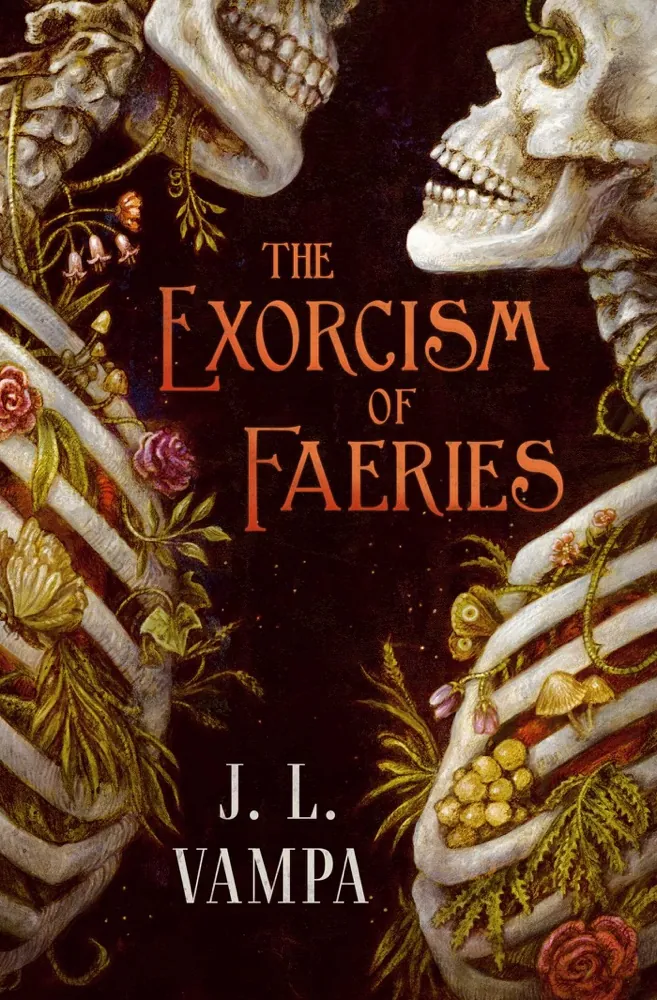
Author: J.L. VampaPage Count: UnknownPublication Date: Expected publication 2026-02-26 APL As a father who has spent countless hours holding the hand of a child learning how to reclaim their fractured sense of safety after trauma, I look at dark academia through a very specific lens. And The Exorcism of Faeries by J.L. Vampa—slated for early 2026—hits a nerve. Why? Because true recovery requires staring directly into the rot, not pretending it isn't there. The Pathology of Obsession The synopsis introduces us to Atta Morrow, a Trinity College botany grad student chasing a horrific plague that literally roots beneath human skin. Yet what fascinates me isn't the body horror—it's the psychology of relentless pursuit. When trauma shatters a young person's world, their coping mechanism often manifests as hyper-fixation. Atta's covert research is an obsession. But is it a quest for truth, or is it an avoidance strategy? And then we have Professor Sonder Murdoch. Morbid anatomy. Infamous. Brilliant. A dangerous temptation. It's the classic institutional power dynamic, wrapped in formaldehyde and folklore. But beneath the seductive gothic window dressing, what story are we actually being told about mentorship? When a young person seeks validation from a volatile, older authority figure, they are often unconsciously trying to rewrite an old script of emotional abandonment. Vampa—alongside comparative peers like Leigh Bardugo in Ninth House or Harper Woods—is leaning heavily into this trope. Will the narrative reward this dependency, or will it deconstruct it? As a parent, I watch kids struggle every day to untangle their self-worth from the approval of impenetrable mentors. Secrets Older Than Science Folklore always demands a blood sacrifice. The synopsis vaguely hints that Atta and Murdoch must confront ancient secrets before the city consumes them. Admittedly, the blurb suffers from standard genre vagueness—we get plenty of moody atmosphere, but very little concrete mechanics about how this plague actually functions or why a botanist and an anatomy professor are uniquely qualified to stop it. Yet, the thematic core remains potent. Recovery demands integration of the shadow. You cannot excise the parts of yourself—or your history—that you deem monstrous. You have to look at them. Vampa's pairing of botany (life, cultivation, growth) with morbid anatomy (decay, death, dissection) is a brilliant symbolic dichotomy. Growth requires death. Healing requires rupture. My bold prediction? This book will either brilliantly subvert the toxic professor-student romance dynamic into a mutual excavation of shared trauma, or it will lean too hard into lazy dark academia aesthetics. I am betting on the former. Vampa has the setup for a sharp exploration of how youth desperately attempts to dissect and control the chaotic plagues handed down by older generations. Excuse me for a second. I just burned my tongue on hot tea. Related InsightsThe Heights Book Review and Summary Never Greater Slaughter Book Review and Summary Emerald Blaze Book Review and Summary{ "@context": "https://schema.org", "@type": "FAQPage", "mainEntity": [ { "@type": "Question", "name": "What is the main focus of The Exorcism of Faeries (Morbid Realities, #1) Book Review and Summary?", "acceptedAnswer": { "@type": "Answer", "text": "Everything you need to know about The Exorcism of Faeries (Morbid Realities, #1) with our detailed review." } }, { "@type": "Question", "name": "Who authored the comprehensive guide on The Exorcism of Faeries (Morbid Realities, #1) Book Review and Summary?", "acceptedAnswer": { "@type": "Answer", "text": "This detailed article and its insights were carefully researched and authored by Michael Brown." } }, { "@type": "Question", "name": "Where can I find more related content about Books?", "acceptedAnswer": { "@type": "Answer", "text": "You can explore more articles, detailed reviews, and similar insights by browsing the Related Insights section at the bottom of this article or visiting our dedicated Books category page." } } ] }
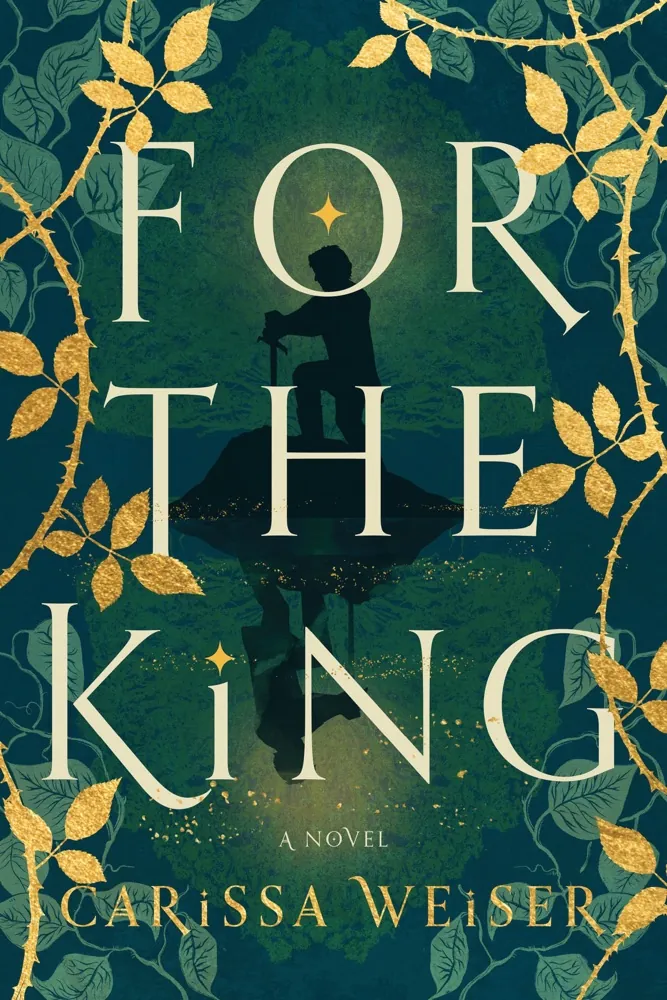
Author: Carissa WeiserPage Count: UnknownPublication Date: Expected publication 2026-12-01 APL Look, I am a tired dad sitting in a kitchen that smells faintly of spilled apple juice and existential dread, desperately hunting for something—anything—that might make me laugh today. Instead, I am staring down Carissa Weiser’s upcoming For the King. Do I find a comedy? Absolutely not. I find a grim, blood-soaked playground of childhood trauma and psychological reconstruction. God give me strength. The Father’s Audit on Abandoned Youths Every time I open one of these grimdark fantasy doorstoppers, I am looking for the exact same thing: a kid who has to unlearn the garbage handed down by a manipulative guardian. Arthur is a boy king trying to bury his past before the people closest to him realize how he got his throne. Sound familiar? It is the universal adolescent panic. He is carrying a terrifying amount of emotional baggage, and—let us be entirely honest—having a shady, reality-bending weirdo like Merlin whispering in your ear while you rule is basically the medieval equivalent of an unsupervised iPad. Yet, I am genuinely exhausted. Can we please let a fictional teenager just build a birdhouse or eat a sandwich? Must every young protagonist grapple with the catastrophic fallout of systemic anarchy and parental absence? Weiser is cohosting the Myths and Legends podcast, meaning she knows the source material inside and out. But historical and mythical retellings right now—think Madeline Miller’s Circe or Claire North’s work—tend to lean heavily into the psychological damage of being raised by immortal narcissists. Merlin shaping kingdoms like clay while manipulating kids? That is not just a fantasy trope. That is a textbook boundary violation. Seeking Humor in the Abyss And then there is Morgan, fleeing a comfortable life to find Merlin’s cave because she desperately wants to learn the mystic arts. Good grief. Teenagers running away to live in damp, magical holes to escape suburban boredom. My own kid refuses to put shoes on before walking out to the driveway, so I suppose running away to study dark sorcery is just the logical escalation of teenage rebellion. The Verdict on the Pitch The synopsis itself? It is infuriatingly vague. It tells us Logris is torn asunder, that destinies are braided, and that a sword exists in a rock. Classic fantasy bingo card material. But Weiser’s background implies a sharp, academic deconstruction of the Arthurian mythos that might actually bypass the usual genre fatigue. If she focuses on the frantic, messy rehabilitation of these broken kids rather than just endless geopolitical slaughter, she might have something special on her hands. I need to go grease the squeaky garage door track before the noise wakes the toddler and ruins the thirty seconds of quiet I managed to carve out for myself today. Related InsightsOur Not-So-Lonely Planet Travel Guide, Volume 7 Book Review and Summary Lover Avenged Book Review and Summary A Perfect Day to Put Your Head in the Oven Book Review and Summary{ "@context": "https://schema.org", "@type": "FAQPage", "mainEntity": [ { "@type": "Question", "name": "What is the main focus of For the King: A Novel (For the King, #1) Book Review and Summary?", "acceptedAnswer": { "@type": "Answer", "text": "Everything you need to know about For the King: A Novel (For the King, #1) with our detailed review." } }, { "@type": "Question", "name": "Who authored the comprehensive guide on For the King: A Novel (For the King, #1) Book Review and Summary?", "acceptedAnswer": { "@type": "Answer", "text": "This detailed article and its insights were carefully researched and authored by Michael Brown." } }, { "@type": "Question", "name": "Where can I find more related content about Books?", "acceptedAnswer": { "@type": "Answer", "text": "You can explore more articles, detailed reviews, and similar insights by browsing the Related Insights section at the bottom of this article or visiting our dedicated Books category page." } } ] }
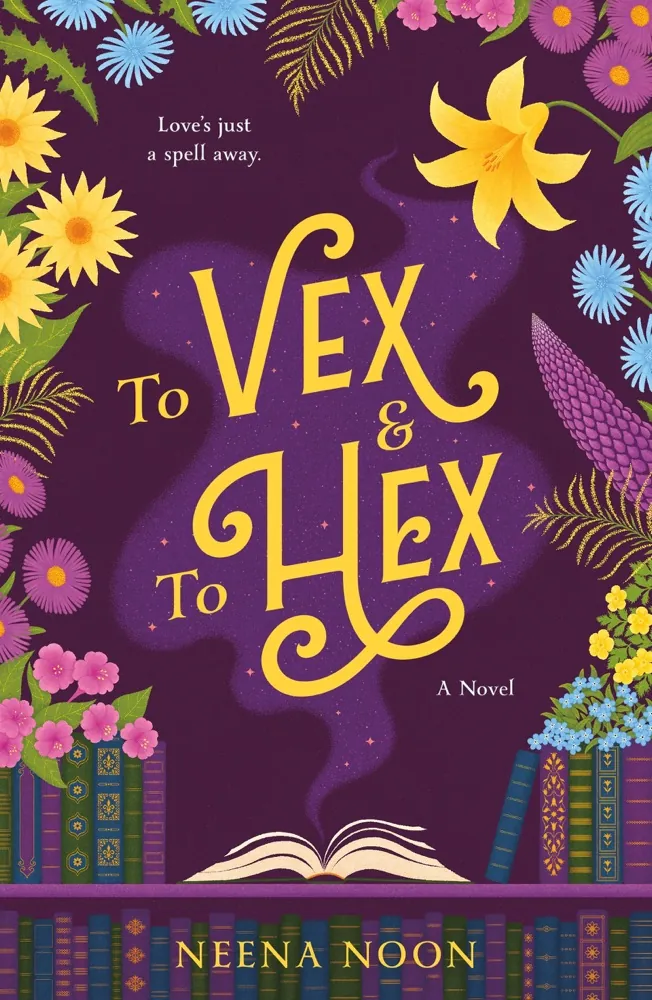
Author: Neena NoonPage Count: UnknownPublication Date: Expected publication 2026-11-03 APL The Coleman stove is hissing a frantic, blue-rimmed tune while ten feet away, a tetherball pole rattles like a loose tooth in the autumn wind. And I am sitting here on a blue nylon folding chair with three missing leg caps, staring at a printout of Neena Noon’s upcoming 2026 release, To Vex & To Hex. My youngest just tried to roast a hot dog wrapper over the embers. Kids are loud. God, they are loud. So excuse me if my mind immediately glommed onto the synopsis's promise of sanctuary, quiet stacks of paper, and an old man named Charles who needs protecting. We all look for safe houses. Sometimes they are brick-and-mortar secondhand bookstores. Sometimes they are just a moment of silence between the juice-box distribution and the tent zipper jams. The Architecture of the Shield Lucy Ansari is a bookseller witch. But look past the magical prose for a second. What is she actually doing? She is erecting a barricade. An estranged grandson—Grayson—arrives from Ireland because the patriarch is hurt. And what does Lucy do? She goes into hyper-vigilant, defensive lockdown. She wants to hex him. Why? Because when the people who anchor our safe spaces get broken or old, we lash out at the new variables. We build moats. And Grayson doesn't break down the door with an axe. He uses annoyance. He vexes her. It is a classic push-pull dynamic that feels less like a manufactured rom-com trope and more like the defensive posturing humans adopt when they are terrified of being displaced. Or worse—disappointed. Noon is trading on comfort here, leaning heavily into the vibe of Laurie Gilmore’s The Pumpkin Spice Café or Sawyer Bennett. Yet I suspect the emotional core relies entirely on whether Noon can make that sudden shift from "protective warden" to "vulnerable human" feel earned rather than rushed. Healing Through Friction Can we talk about the utility of a good argument? Adults hiding behind snark and "heated banter" are usually just scared kids wearing oversized coats. Yet the synopsis hints at suppression. Desperate to suppress. That phrase is doing heavy lifting. If a childhood teaches us anything, it is that suppression is just a pressure cooker waiting for a campfire spark. We read books like this not for the magic—though book magic sounds delightful when your own reality involves scraping melted marshmallows off a fleece jacket—but for the friction. Two stubborn people orbiting an injured elder, bumping their bruised elbows together until the armor cracks. Will it be deep? Probably not. It is marketed as cozy and high-spice, which means the emotional stakes will likely resolve right before a tidy, predictable sunset. And honestly? I can respect the architecture of a safe landing. The Blueprint of Softness Let us be real for a second. The synopsis is painfully sparse on actual plot mechanics. It relies entirely on the enemies-to-lovers beats we could write in our sleep. But sometimes, mid-camping trip, you don't want Dostoevsky. You want a warm mug and a predictable trajectory where the prickly exterior yields to a tender touch. My ten-year-old just asked if he can eat a marshmallow off the dirt. I need to go handle that before the raccoon population moves in. And then, frankly, I need to go home and water my dying cactus. #BookTwitter #RomCom #CozyRomance #NeenaNoon
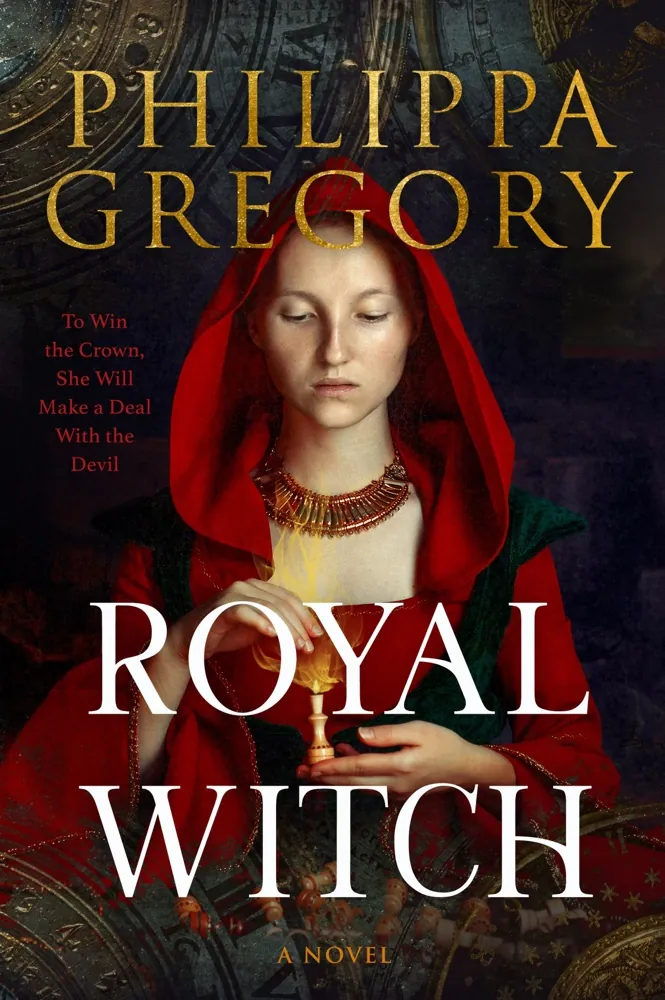
Author: Philippa GregoryPage Count: UnknownPublication Date: Expected publication 2026-10-20 APL The central AC is wheezing like an old retriever in this August humidity, pushing eighty degrees of sticky dead air across my desk while I stare at Philippa Gregory’s latest pitch. My chest still aches—a dull, stubborn fracture from the kind of loss that leaves furniture sitting too heavy in empty rooms—and yet here I am, parsing historical fiction about fourteenth-century court intrigue. Or fifteenth-century, technically. The synopsis says 1420. Not that accuracy changes the weight of the thing. Gregory is returning to her stomping grounds with Royal Witch, tracking Eleanor Cobham from a nobody girl at Henry V’s court to a woman eyeing the English crown itself. And how does she get there? Ambition, sorcery, treason. The usual trifecta for a Tudor-adjacent bloodbath, even if we are backing up a bit chronologically from her usual stomping grounds. Thematic Analysis of Power and Survival What catches my eye through the haze of this heat is the psychological survival arc. The synopsis outlines a classic trauma-adjacent pivot—the moment a young woman realizes the nice, safe domestic future she dreamed up is a fairy tale whispered by men who intend to sell her out. Working for a Countess who commands an army does something to a person's neurology. It forces a hard recalibration. Suddenly, compliance looks less like virtue and more like suicide. Yet Gregory’s synopsis relies heavily on generic thriller beats. Sorcery and darker arts. It is a bit lazy, frankly. We have seen this playbook before from Hilary Mantel or Sharon Penman, where female agency gets hand-waved away by a sudden dabble in witchcraft when the historical record gets too narrow to climb out of otherwise. Does Eleanor actually practice the occult, or is it just the label stuck on her by hostile men terrified of a sharp mind? The synopsis refuses to say. A Critical Look at the Pitch Fascinating in theory. Frustratingly vague in execution. Gregory knows how to construct a fast-paced historical ride—think Philippa Gregory meets Alison Weir at a particularly cutthroat dinner party—but I worry about the character psychology here. When a person survives a broken system, when their foundational expectations shatter into jagged pieces, they do not usually pivot straight to ruling the country via black magic. They stutter. They adapt. They break down behind closed doors while keeping up appearances in the grand halls. Will Gregory grant Eleanor that messy, human interiority, or will she flatten her into a pantomime villain riding high on ambition alone? Time will tell. October is a long way off, and this apartment is not getting any cooler. How many more manuscripts will I read this afternoon while waiting for the compressor outside to kick back on? Related InsightsLover Revealed Book Review and Summary The Two Towers Book Review and Summary A Light in the Attic Book Review and Summary{ "@context": "https://schema.org", "@type": "FAQPage", "mainEntity": [ { "@type": "Question", "name": "What is the main focus of Royal Witch Book Review and Summary?", "acceptedAnswer": { "@type": "Answer", "text": "Everything you need to know about Royal Witch with our detailed review." } }, { "@type": "Question", "name": "Who authored the comprehensive guide on Royal Witch Book Review and Summary?", "acceptedAnswer": { "@type": "Answer", "text": "This detailed article and its insights were carefully researched and authored by Michael Brown." } }, { "@type": "Question", "name": "Where can I find more related content about Books?", "acceptedAnswer": { "@type": "Answer", "text": "You can explore more articles, detailed reviews, and similar insights by browsing the Related Insights section at the bottom of this article or visiting our dedicated Books category page." } } ] }
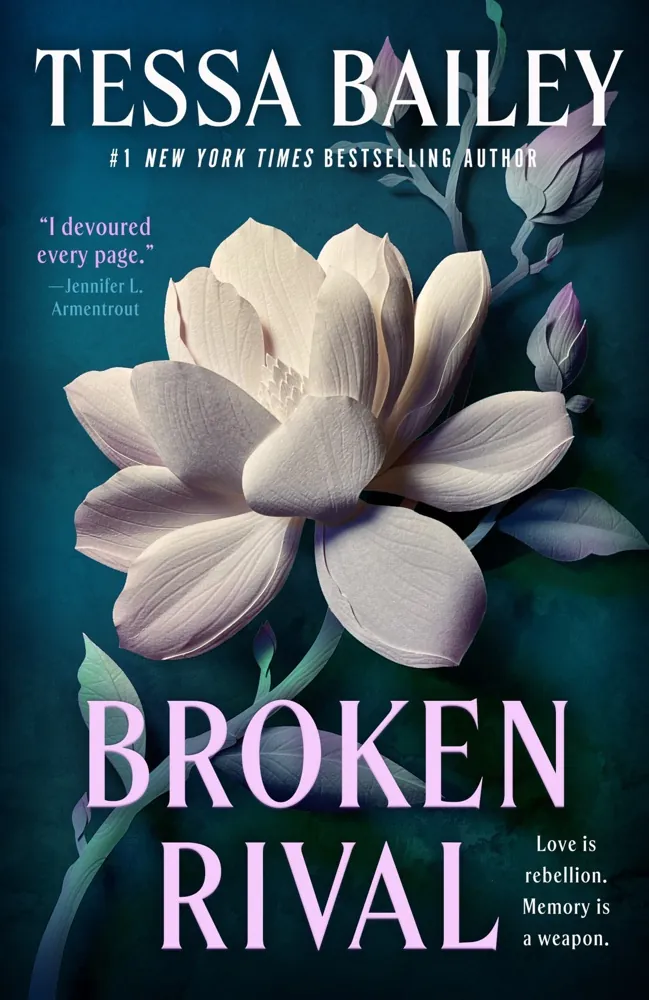
Author: Tessa BaileyPage Count: UnknownPublication Date: Expected publication 2026-10-06 APL Whiskey’s warm glow catches the edge of my notebook as I stare at the synopsis for Broken Rival — Tessa Bailey’s latest swing into sci‑fi tinged romance. A girl ripped from fifty years ahead, landing in 2026 Kansas, tangled between a golden‑boy quarterback and a militia commander sworn to erase her kind. The premise feels like a dare: take the classic love‑triangle, inject time‑travel lawbreakers, and see if the chemistry can survive the paradox. But wait — does the synopsis give us enough to sink our teeth into, or is it just a glossy teaser that hides the real meat? It tells us Magnolia’s parents invented time travel, got executed, and left her stranded. It hints that Fallon hides secrets, Ramsey prowls with hunger‑filled eyes, yet never tells us what those secrets actually are or why Ramsey’s militia exists beyond “hunting criminals like her.” That vagueness is both a promise and a pitfall — promising layered tension, risking a trope‑filled filler if the author leans on shorthand instead of substance. And yet, Bailey’s track record makes me hopeful. She’s proven she can turn a faux‑mance into something that feels lived‑in (Fix Her Up), and she’s not afraid to let desire crackle against danger (It Happened One Summer). If she channels that same grit here, we could Related InsightsEverything You Need to Know: How Philosophy Can Set You Free Book Review and Summary Circe Book Review and Summary Woodland Warrior Book Review and Summary{ "@context": "https://schema.org", "@type": "FAQPage", "mainEntity": [ { "@type": "Question", "name": "What is the main focus of Broken Rival Book Review and Summary?", "acceptedAnswer": { "@type": "Answer", "text": "Everything you need to know about Broken Rival with our detailed review." } }, { "@type": "Question", "name": "Who authored the comprehensive guide on Broken Rival Book Review and Summary?", "acceptedAnswer": { "@type": "Answer", "text": "This detailed article and its insights were carefully researched and authored by Michael Brown." } }, { "@type": "Question", "name": "Where can I find more related content about Books?", "acceptedAnswer": { "@type": "Answer", "text": "You can explore more articles, detailed reviews, and similar insights by browsing the Related Insights section at the bottom of this article or visiting our dedicated Books category page." } } ] }
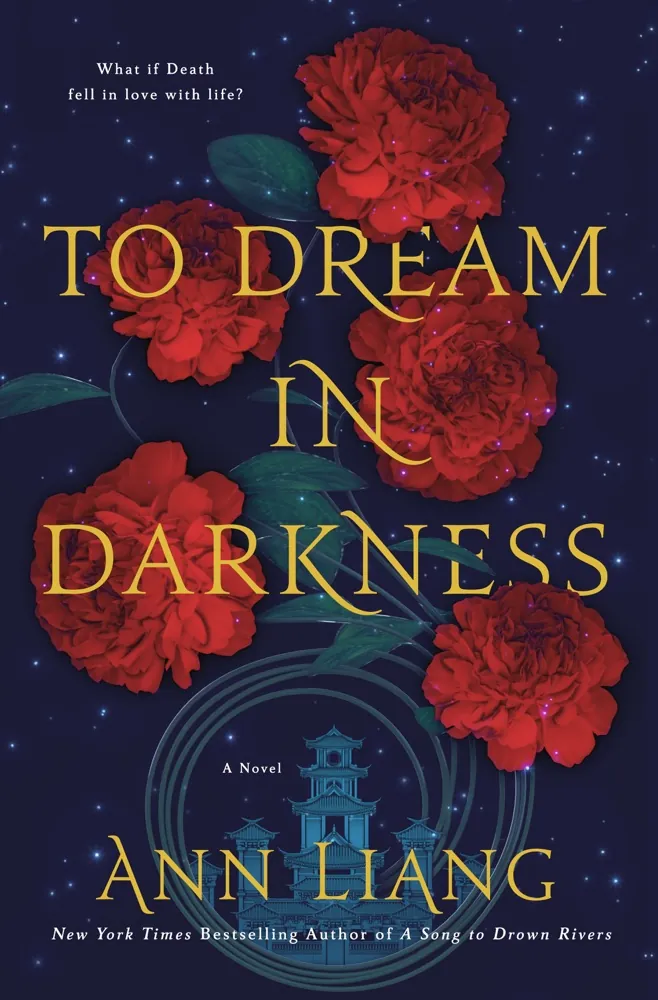
To Dream in Darkness Author: Ann LiangPage Count: UnknownPublication Date: Expected publication 2026-10-27 APL Exclusive Preview: To Dream in Darkness by Ann Liang – A Lush, High-Stakes Fantasy Where Gods Bargain with Fate Ann Liang’s To Dream in Darkness, set to arrive on October 27, 2026, promises to be a dazzling, morally complex fantasy that reimagines the divine with the weight of consequence and the allure of forbidden passion. Drawing from the rich tapestry of Chinese mythology, Liang—already a New York Times bestselling author with The Kingdom of Liars and The Kingdom of Ash—delivers a story where gods are not just distant figures but flawed, vengeful, and deeply human in their contradictions. At its heart, To Dream in Darkness is a tale of bargains, betrayal, and the cost of defying the heavens. The story follows Death God, a being whose very purpose is to collect souls without fail—until he encounters Rujia, the noble god of healing, who is the one fate has marked for his own hand. Their uneasy alliance begins with a deal: Rujia will lift the curse that has tormented Death for a century if he grants her a single month’s reprieve. But what starts as a transaction spirals into chaos when their interference triggers catastrophic consequences—the collapse of the Celestial Palace, the disappearance of the beloved crown prince, and the wrath of the other gods. What unfolds is a perilous journey across realms, where the line between savior and villain blurs. Death, bound by his oath to kill Rujia, finds his resolve weakening as their bond deepens. Meanwhile, Rujia, who claims to be the "noble" god she’s portrayed as, is revealed to have her own hidden motives—one that could unravel the very order of the heavens. The stakes are nothing short of apocalyptic: a plague, a flood, a thousand deaths rising to restore balance. And if Rujia survives against the will of the gods, the consequences may only be the beginning. Liang’s signature blend of lush world-building and psychological depth shines in this narrative, where power is both a gift and a curse. Fans of The Kingdom of Liars—where a woman’s survival hinges on her cunning and the gods’ whims—will find echoes here, but To Dream in Darkness expands into uncharted territory. The dynamic between Death and Rujia is electric, a push-and-pull of duty versus desire that feels both timeless and fresh. Liang’s ability to weave mythic grandeur with intimate character moments ensures this won’t just be a fantasy adventure—it will be a story that lingers long after the final page. With its richly textured setting, morally ambiguous characters, and a premise that balances high-stakes action with profound existential questions, To Dream in Darkness is poised to be one of Liang’s most ambitious works yet. If you’ve been waiting for her next masterpiece, this is the book to mark on your calendar. #ToDreamInDarkness #AnnLiang #FantasyBook #ChineseMythology #GodsAndDeals #ComingSoon2026
- Michael Brown
- 02 Aug, 2026 00:43
The Last King of Faerie (The Wicked Powers, #1) Book Review and Summary
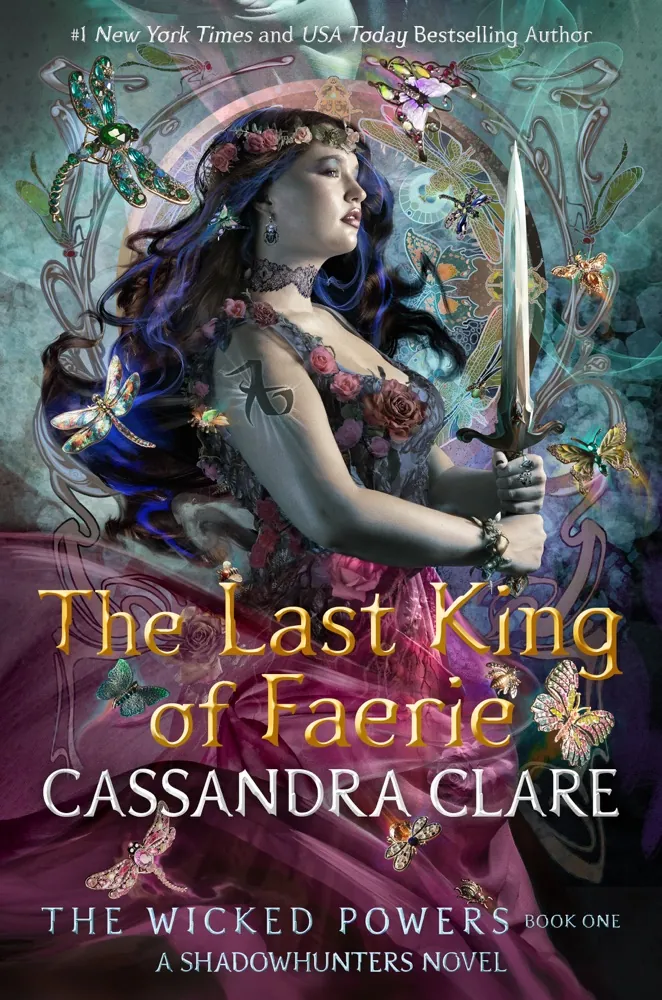
The Last King of Faerie (The Wicked Powers, #1) Author: Cassandra ClarePage Count: UnknownPublication Date: Expected publication 2026-11-03 APL The highly anticipated first book of The Wicked Powers—Cassandra Clare’s concluding trilogy to the Shadowhunter Chronicles—is set to arrive on November 3, 2026. Though the exact page count remains unknown, the original synopsis offers a tantalizing glimpse into what fans can expect. Drusilla Blackthorn, now in her fourth year at the Shadowhunter Academy, finds her routine shattered after a seemingly innocuous night out at a club. A chance encounter spirals into a kidnapping, thrusting Dru into the perilous yet mesmerizing realm of Faerie, where she becomes a prisoner of Prince Ash Morgenstern. Despite the danger, she feels an undeniable pull toward Ash and the darkness that surrounds him, a tension that promises both romance and high stakes. Meanwhile, the Shadowhunter world is rocked by a shocking disappearance that forces former rivals Kit Herondale and Ty Blackthorn to set aside their bitterness. Together they embark on a perilous quest to protect everything they hold dear, their uneasy alliance adding another layer of intrigue to the unfolding narrative. As the opening act of The Wicked Powers, this novel marks the final chapter of a saga that began with The Mortal Instruments. Clare’s trademark blend of nail‑biting adventure, heart‑pounding romance, and sharp humor—qualities that have cemented her status as a #1 New York Times bestseller—are promised to return in full force. Readers who have followed the journeys of Jace, Clary, Tessa, Emma, and Julian will find familiar threads woven into this new, darker tapestry, while fresh faces like Dru, Ash, Kit, and Ty invite fresh possibilities. If you loved Clare’s previous bestsellers—City of Bones, Clockwork Angel, Lord of Shadows—prepare to return to a world where love, loyalty, and danger intertwine once more. The Last King of Faerie is poised to be a must‑read for both longtime fans and newcomers eager to see how the Shadowhunter legacy reaches its breathtaking conclusion. #CassandraClare #Shadowhunters #TheWickedPowers #LastKingOfFaerie #YAFantasy #Romantasy Related InsightsAdam and Eve Book Review and Summary The Steel Prince Book Review and Summary Ciudad de las Almas perdidas : Cazadores de sombras Book Review and Summary{ "@context": "https://schema.org", "@type": "FAQPage", "mainEntity": [ { "@type": "Question", "name": "What is the main focus of The Last King of Faerie (The Wicked Powers, #1) Book Review and Summary?", "acceptedAnswer": { "@type": "Answer", "text": "Everything you need to know about The Last King of Faerie (The Wicked Powers, #1) with our detailed review." } }, { "@type": "Question", "name": "Who authored the comprehensive guide on The Last King of Faerie (The Wicked Powers, #1) Book Review and Summary?", "acceptedAnswer": { "@type": "Answer", "text": "This detailed article and its insights were carefully researched and authored by Michael Brown." } }, { "@type": "Question", "name": "Where can I find more related content about Books?", "acceptedAnswer": { "@type": "Answer", "text": "You can explore more articles, detailed reviews, and similar insights by browsing the Related Insights section at the bottom of this article or visiting our dedicated Books category page." } } ] }
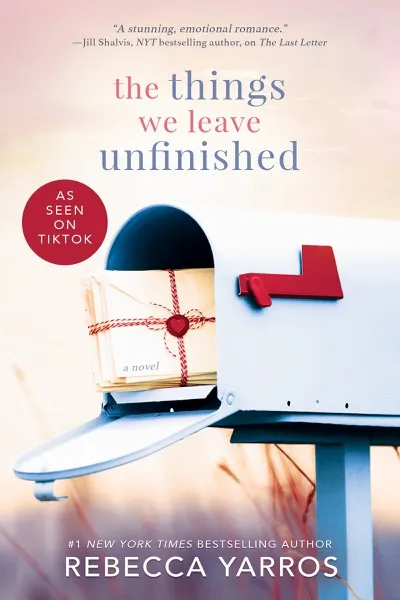
The Things We Leave Unfinished Author: Rebecca YarrosPage Count: UnknownPublication Year: 2021-GB In the realm of contemporary fiction, few authors have managed to weave a narrative as captivating as Rebecca Yarros in her 2021 global bestseller, The Things We Leave Unfinished. This poignant tale is a masterful exploration of the human experience, delving into the intricacies of love, loss, and the unrelenting passage of time. At its core, The Things We Leave Unfinished is a story about the choices we make and the consequences that follow. Yarros's writing is akin to a gentle breeze on a summer's day – soothing, yet laced with an undercurrent of complexity. Her prose is evocative, transporting readers to the sun-drenched landscapes of Italy and the rugged coastlines of England, where the narrative unfolds with the elegance of a fine wine. The author's style is characterized by a keen sense of observation, imbuing her characters with a depth that is both relatable and authentic. The protagonists, Georgia and Marco, are skillfully crafted to embody the fragility and resilience of the human spirit. Their story is a testament to the power of love and the unspoken understanding that can exist between two people. Yarros's exploration of the human condition is both nuanced and profound. She tackles themes of grief, regret, and the what-ifs that haunt us, rendering them with a sensitivity that is nothing short of remarkable. The narrative is peppered with subtle insights into the human psyche, making it a compelling read for those who appreciate character-driven fiction. One of the most striking aspects of The Things We Leave Unfinished is its non-linear narrative structure. Yarros employs a clever use of flashbacks and alternating perspectives, expertly weaving together the past and present to create a rich tapestry of emotions. This narrative device not only adds depth to the story but also serves to underscore the themes of memory, loss, and the passage of time. If there is one criticism to be made, it is that the pacing can be somewhat uneven at times. However, this is a minor quibble in an otherwise exceptional novel. Yarros's writing is engaging, and her characters are so well-developed that it is easy to become fully invested in their stories. In conclusion, The Things We Leave Unfinished is a triumph of contemporary fiction. Rebecca Yarros's masterful storytelling, coupled with her evocative prose, makes for a compelling read that will resonate with fans of character-driven fiction. This is a novel that will linger in the reader's mind long after the final page has been turned, its themes and characters leaving an indelible mark on the heart. #TheThingsWeLeaveUnfinished #RebeccaYarros #ContemporaryFiction #GlobalBestseller #BookLovers #RomanceNovels Related InsightsCreature of the Night (Monster Hunter, #5) Book Review and Summary With All My Haunted Heart Book Review and Summary AQA GCSE 9-1 Food Preparation and Nutrition Workbook Book Review and Summary{ "@context": "https://schema.org", "@type": "FAQPage", "mainEntity": [ { "@type": "Question", "name": "What is the main focus of The Things We Leave Unfinished Book Review and Summary?", "acceptedAnswer": { "@type": "Answer", "text": "Everything you need to know about The Things We Leave Unfinished with our detailed review." } }, { "@type": "Question", "name": "Who authored the comprehensive guide on The Things We Leave Unfinished Book Review and Summary?", "acceptedAnswer": { "@type": "Answer", "text": "This detailed article and its insights were carefully researched and authored by Michael Brown." } }, { "@type": "Question", "name": "Where can I find more related content about Books?", "acceptedAnswer": { "@type": "Answer", "text": "You can explore more articles, detailed reviews, and similar insights by browsing the Related Insights section at the bottom of this article or visiting our dedicated Books category page." } } ] }
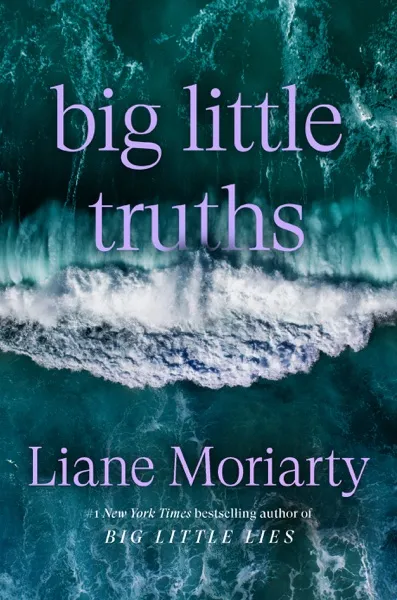
Big Little Truths Author: Liane MoriartyPage Count: UnknownPublication Year: 2026-GB Big Little Truths, the latest novel by the inimitable Liane Moriarty, is a masterful exploration of the human condition, delving into the intricacies of relationships, family dynamics, and the complexities of truth. Moriarty's signature style, a unique blend of wit, empathy, and unflinching honesty, makes this book an unputdownable read. At its core, Big Little Truths is a story about the power of secrets and the devastating consequences of their revelation. Moriarty expertly weaves together multiple narratives, each one a nuanced and thought-provoking examination of the ways in which truth can both unite and divide us. With her characteristic insight, she exposes the fault lines that exist within families, friendships, and communities, revealing the often-shocking consequences of our attempts to conceal, manipulate, or distort the truth. One of Moriarty's greatest strengths as a writer is her ability to craft relatable, multidimensional characters. In Big Little Truths, she presents a diverse cast of individuals, each one grappling with their own secrets, lies, and half-truths. From the outwardly confident but inwardly fragile matriarch to the rebellious teenager struggling to assert her independence, Moriarty's characters are richly drawn and utterly believable. Throughout the book, Moriarty's prose is, as always, engaging, witty, and effortlessly readable. Her writing is infused with a deep understanding of human psychology, and she tackles even the most sensitive topics with sensitivity and compassion. Her use of language is economical yet evocative, conjuring vivid images and emotions with remarkable ease. What sets Big Little Truths apart from other novels, however, is its thought-provoking exploration of the nature of truth itself. Moriarty raises important questions about the consequences of our actions, the impact of our words, and the devastating effects of our silence. In doing so, she challenges her readers to confront their own complicity in the web of secrets and lies that often binds us. Ultimately, Big Little Truths is a novel about the transformative power of honesty and the redemptive potential of forgiveness. Moriarty's conclusion is both satisfying and thought-provoking, leaving readers with much to ponder long after the final page has been turned. In short, Big Little Truths is a triumph, a testament to Liane Moriarty's skill as a storyteller and her profound understanding of the human heart. If you're a fan of character-driven fiction, nuanced family dramas, or simply great storytelling, then this book is an absolute must-read. #LianeMoriarty #BigLittleTruths #FamilyDrama #RelationshipGoals #ThePowerOfTruth #BookLoversUnite Related InsightsThis is Why We Don't Date Serial Killers (A Killer Romcom, #1) Book Review and Summary Close to Midnight Book Review and Summary A Room with a View Book Review and Summary{ "@context": "https://schema.org", "@type": "FAQPage", "mainEntity": [ { "@type": "Question", "name": "What is the main focus of Big Little Truths Book Review and Summary?", "acceptedAnswer": { "@type": "Answer", "text": "Everything you need to know about Big Little Truths with our detailed review." } }, { "@type": "Question", "name": "Who authored the comprehensive guide on Big Little Truths Book Review and Summary?", "acceptedAnswer": { "@type": "Answer", "text": "This detailed article and its insights were carefully researched and authored by Michael Brown." } }, { "@type": "Question", "name": "Where can I find more related content about Books?", "acceptedAnswer": { "@type": "Answer", "text": "You can explore more articles, detailed reviews, and similar insights by browsing the Related Insights section at the bottom of this article or visiting our dedicated Books category page." } } ] }
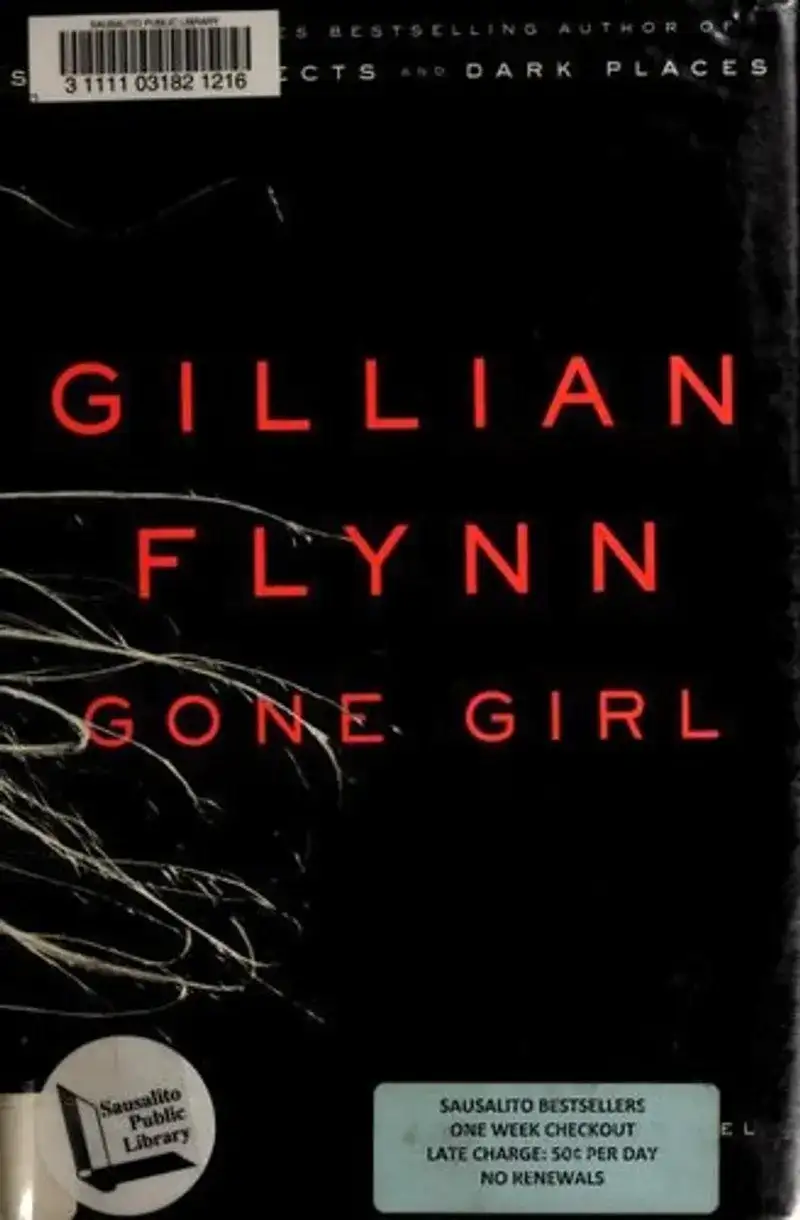
Gone Girl Author: Gillian FlynnPage Count: UnknownPublication Date: 2011-OL -OL In the masterfully crafted novel "Gone Girl," Gillian Flynn weaves a complex web of suspense, deception, and psychological intrigue, delving into the darker aspects of marriage, media manipulation, and the unreliability of appearances. Published in 2012, this gripping thriller catapulted to the top of the New York Times Best Seller list, and for good reason – its thought-provoking themes and Flynn's razor-sharp writing continue to captivate readers to this day. At its core, "Gone Girl" is a scathing critique of the societal pressures that shape our perceptions of marriage, relationships, and identity. Flynn expertly dissects the façade of the perfect couple, exposing the rotting underbelly of a union that appears flawless to outsiders. Nick and Amy Dunne, the protagonists, are a couple whose seemingly idyllic marriage turns out to be a meticulously constructed illusion. As the narrative unfolds, Flynn skillfully manipulates the reader's perspective, forcing us to question everything we thought we knew about the Dunnes and their world. One of the most striking aspects of Flynn's writing is her ability to craft relatable, yet deeply flawed characters. Nick, the husband, is a quintessential everyman – likable, yet insipid; Amy, on the other hand, is a masterfully drawn enigma, whose diary entries and inner monologues reveal a calculating, Machiavellian mind. Through these characters, Flynn probes the darkest recesses of the human psyche, laying bare the secrets, lies, and half-truths that we all conceal. Flynn's prose is economical, yet evocative, with a keen eye for detail that adds depth and texture to the narrative. Her writing is also laced with a wicked sense of humor, which serves to underscore the absurdity and superficiality of the world the Dunnes inhabit. The author's use of language is deliberate and calculated, mirroring the precision with which Amy orchestrates her disappearance. As the mystery unfolds, Flynn expertly ratchets up the tension, deploying a series of clever plot twists that will keep even the most seasoned thriller enthusiasts on the edge of their seats. Yet, "Gone Girl" is more than just a cleverly constructed whodunit – it's a searing commentary on the ways in which we present ourselves to the world, and the devastating consequences that can result when our carefully constructed masks begin to slip. In conclusion, "Gone Girl" is a gripping, thought-provoking thriller that will appeal to fans of psychological suspense and literary fiction alike. Flynn's masterful writing, coupled with her keen insight into the human condition, makes for a reading experience that is both unsettling and unforgettable. If you haven't already, do yourself a favor and immerse yourself in the twisted world of the Dunnes – but be warned: nothing is as it seems. #GoneGirl #GillianFlynn #PsychologicalThriller #MarriageAndDeceit #BestSeller #BookReview Related InsightsNormal People Book Review and Summary What a Nightmare Book Review and Summary Death Wish Book Review and Summary{ "@context": "https://schema.org", "@type": "FAQPage", "mainEntity": [ { "@type": "Question", "name": "What is the main focus of Gone Girl Book Review and Summary?", "acceptedAnswer": { "@type": "Answer", "text": "Everything you need to know about Gone Girl with our detailed review." } }, { "@type": "Question", "name": "Who authored the comprehensive guide on Gone Girl Book Review and Summary?", "acceptedAnswer": { "@type": "Answer", "text": "This detailed article and its insights were carefully researched and authored by Michael Brown." } }, { "@type": "Question", "name": "Where can I find more related content about Books?", "acceptedAnswer": { "@type": "Answer", "text": "You can explore more articles, detailed reviews, and similar insights by browsing the Related Insights section at the bottom of this article or visiting our dedicated Books category page." } } ] }
Midnight Myths and Magic Author: Donna GrantPage Count: UnknownPublication Year: 2025-GB "Midnight Myths and Magic" by Donna Grant is a mesmerizing tale that delves into the realm of the unknown, weaving a spellbinding narrative that will captivate readers from start to finish. As a global bestseller, this book has already garnered widespread acclaim, and it's easy to see why. Grant's writing style is nothing short of enchanting, transporting readers to a world of magic and mystery that's both alluring and unsettling. Her use of language is masterful, with a keen attention to detail that brings the characters and their world to vivid life. The pacing is expertly handled, with a narrative that flows effortlessly from one scene to the next, keeping readers on the edge of their seats. At its core, "Midnight Myths and Magic" is a story about the power of myth and legend to shape our understanding of the world and ourselves. Grant draws on a rich tapestry of folklore and mythology, crafting a narrative that's both deeply rooted in tradition and freshly imaginative. Her characters are multidimensional and complex, with motivations that are both relatable and surprising. One of the standout features of Grant's writing is her ability to balance light and darkness, creating a narrative that's both hopeful and ominous. Her world-building is meticulous and immersive, with a keen sense of atmosphere that draws readers in and refuses to let go. Whether she's describing the mist-shrouded landscapes of the mystical realm or the treacherous underbelly of the mortal world, Grant's prose is evocative and compelling. Throughout the book, Grant explores themes of identity, community, and the human condition, raising important questions about the nature of reality and our place within it. Her characters are on a journey of self-discovery, navigating treacherous landscapes both physical and emotional as they seek to uncover the truth about themselves and their world. What sets "Midnight Myths and Magic" apart from other books in the fantasy genre is its unique blend of mythology, folklore, and fairy tale elements. Grant's world is richly detailed and meticulously researched, drawing on a deep well of cultural and historical references that add depth and complexity to the narrative. Overall, "Midnight Myths and Magic" is a triumph of storytelling, a book that will appeal to fans of fantasy, mythology, and fairy tales alike. Grant's writing is captivating, her world-building is meticulous, and her characters are memorable and relatable. If you're looking for a book that will transport you to another world and keep you up late into the night, then this is the perfect choice. #MidnightMythsAndMagic #FantasyFiction #MythologyAndFolklore #FairyTaleInspired #GlobalBestseller #DonnaGrantAuthor Related Insights1984 Book Review and Summary A Confederacy of Dunces Book Review and Summary A Domestication: A Novel Book Review and Summary{ "@context": "https://schema.org", "@type": "FAQPage", "mainEntity": [ { "@type": "Question", "name": "What is the main focus of Midnight Myths and Magic Book Review and Summary?", "acceptedAnswer": { "@type": "Answer", "text": "Everything you need to know about Midnight Myths and Magic with our detailed review." } }, { "@type": "Question", "name": "Who authored the comprehensive guide on Midnight Myths and Magic Book Review and Summary?", "acceptedAnswer": { "@type": "Answer", "text": "This detailed article and its insights were carefully researched and authored by Michael Brown." } }, { "@type": "Question", "name": "Where can I find more related content about Books?", "acceptedAnswer": { "@type": "Answer", "text": "You can explore more articles, detailed reviews, and similar insights by browsing the Related Insights section at the bottom of this article or visiting our dedicated Books category page." } } ] }
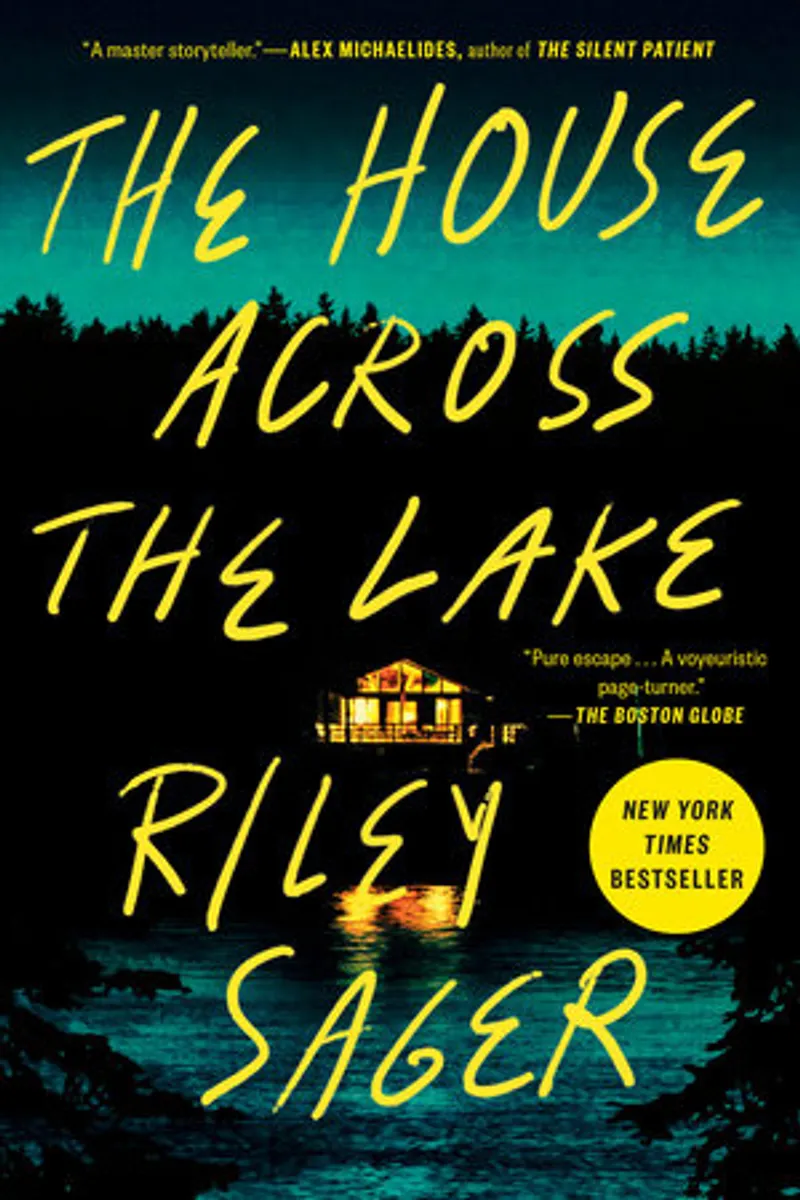
The House Across the Lake Author: Riley SagerPage Count: UnknownPublication Date: 2023-PRH The House Across the Lake, the latest thriller from bestselling author Riley Sager, is a masterclass in psychological suspense that will keep you on the edge of your seat from start to finish. This gripping tale of secrets, lies, and deception is a must-read for fans of the genre. At its core, The House Across the Lake is a story about the dangers of making assumptions and the unreliability of appearances. Casey Fletcher, a recently widowed actress, has retreated to her family's lake house in Vermont to escape the paparazzi and the constant scrutiny of the public eye. With her trusty binoculars and a steady supply of bourbon, she spends her days watching the glamorous couple across the lake, Tom and Katherine Royce. But as she gets to know Katherine better, Casey begins to realize that the perfect facade of their marriage is just that – a facade. Sager's writing is as sharp as ever, with a keen eye for detail and a deep understanding of the human psyche. He masterfully weaves together multiple storylines, expertly dropping clues and red herrings that will keep you guessing until the very end. The characters are complex and multi-dimensional, with Casey being a particularly standout protagonist. Her wit and sarcasm make her a joy to read, and her vulnerability and empathy make her relatable and human. One of the most striking aspects of The House Across the Lake is its exploration of the theme of surveillance. Casey's binoculars become a symbol of her own voyeuristic tendencies, as well as the ways in which we all watch and judge each other. Sager raises important questions about the ethics of watching and the consequences of our actions, and the answers are not always easy or clear-cut. The pacing of the book is expertly handled, with a slow-burning tension that builds to a shocking climax. Sager's plot twists are legendary, and this book is no exception. Just when you think you know where the story is going, he throws in a curveball that will leave you reeling. Overall, The House Across the Lake is a gripping and unputdownable thriller that will appeal to fans of Ruth Ware, Paula Hawkins, and Gillian Flynn. With its sharp characters, psychological suspense, and gasp-worthy plot twists, it's the perfect summer read. So grab a copy, sit back, and get ready to be hooked. #TheHouseAcrossTheLake #RileySager #PsychologicalThriller #SummerReads #LakeHouseMystery #ThrillerThursday Related InsightsBelieve Me Book Review and Summary Meet Me at Midnight: A Novel Book Review and Summary Girl Number 8 Book Review and Summary{ "@context": "https://schema.org", "@type": "FAQPage", "mainEntity": [ { "@type": "Question", "name": "What is the main focus of The House Across the Lake Book Review and Summary?", "acceptedAnswer": { "@type": "Answer", "text": "Everything you need to know about The House Across the Lake with our detailed review." } }, { "@type": "Question", "name": "Who authored the comprehensive guide on The House Across the Lake Book Review and Summary?", "acceptedAnswer": { "@type": "Answer", "text": "This detailed article and its insights were carefully researched and authored by Michael Brown." } }, { "@type": "Question", "name": "Where can I find more related content about Books?", "acceptedAnswer": { "@type": "Answer", "text": "You can explore more articles, detailed reviews, and similar insights by browsing the Related Insights section at the bottom of this article or visiting our dedicated Books category page." } } ] }
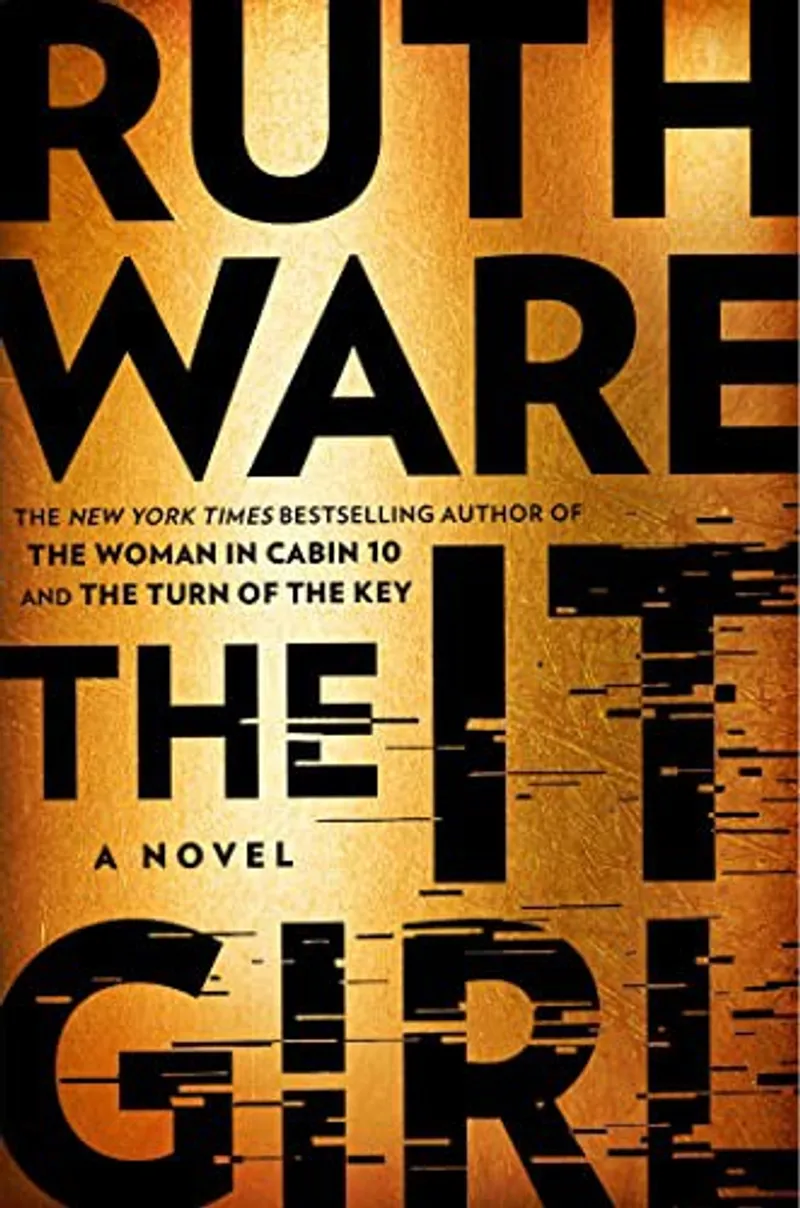
The It Girl Author: Ruth WarePage Count: UnknownPublication Date: 2022-OL In "The It Girl," Ruth Ware masterfully weaves a complex web of secrets, lies, and deceit, delving into the darker aspects of human relationships and the devastating consequences of unchecked ambition. The story revolves around Hannah Jones, who, a decade after the tragic death of her charismatic friend April, is forced to confront the possibility that the man convicted of the crime may have been innocent. Ware's writing style is as captivating as it is unsettling, effortlessly shifting between the past and present to create a sense of unease and tension. Her vivid descriptions of Oxford's picturesque landscape serve as a stark contrast to the dark, sinister events that unfold, adding to the overall sense of foreboding. The author's ability to craft relatable, multidimensional characters is on full display, as Hannah's narrative is interwoven with the perspectives of her former friends, each hiding secrets and struggling with their own demons. At its core, "The It Girl" is an exploration of the destructive nature of privilege, class, and the pressure to conform to societal expectations. April, the enigmatic and alluring It girl, embodies the very essence of this world, where appearance and reputation are everything, and the lines between truth and deception are constantly blurred. As the story unfolds, Ware skillfully exposes the cracks in the facade, revealing a complex web of relationships built on manipulation, coercion, and ultimately, murder. One of the most striking aspects of the novel is its thought-provoking commentary on the long-lasting effects of trauma and the ease with which the past can come back to haunt us. Hannah's journey is a poignant reminder that the memories we try to bury often have a way of resurfacing, forcing us to confront the parts of ourselves we'd rather forget. Ware's prose is as elegant as it is evocative, making "The It Girl" a gripping page-turner that will keep you on the edge of your seat until the very end. With its intricate plot, complex characters, and scathing social commentary, this novel is sure to appeal to fans of psychological thrillers and mystery enthusiasts alike. In short, "The It Girl" is a masterful exploration of the human psyche, a dark and twisted tale of obsession, class, and the devastating consequences of our actions. If you're looking for a book that will keep you up all night, questioning everything and everyone, then this is the perfect read for you. #TheItGirl #RuthWare #PsychologicalThriller #MysteryNovel #OxfordSetting #DarkAcademia Related InsightsWinter Song Book Review and Summary Serial Killer Wanted Book Review and Summary Seasonal Fears Book Review and Summary{ "@context": "https://schema.org", "@type": "FAQPage", "mainEntity": [ { "@type": "Question", "name": "What is the main focus of The It Girl Book Review and Summary?", "acceptedAnswer": { "@type": "Answer", "text": "Everything you need to know about The It Girl with our detailed review." } }, { "@type": "Question", "name": "Who authored the comprehensive guide on The It Girl Book Review and Summary?", "acceptedAnswer": { "@type": "Answer", "text": "This detailed article and its insights were carefully researched and authored by Michael Brown." } }, { "@type": "Question", "name": "Where can I find more related content about Books?", "acceptedAnswer": { "@type": "Answer", "text": "You can explore more articles, detailed reviews, and similar insights by browsing the Related Insights section at the bottom of this article or visiting our dedicated Books category page." } } ] }
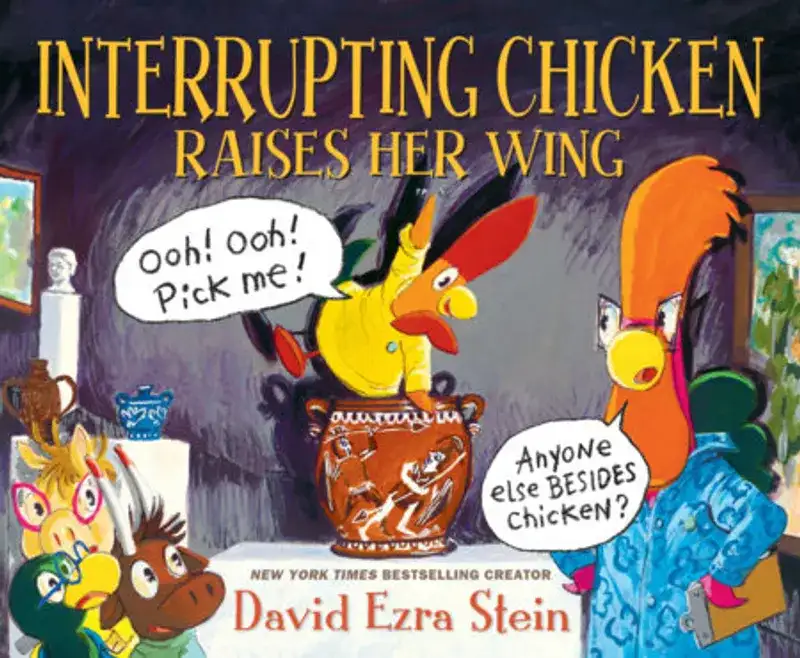
Interrupting Chicken Raises Her Wing Author: David Ezra SteinPage Count: UnknownPublication Date: 2026-PRH In the latest addition to the beloved Interrupting Chicken series, David Ezra Stein once again showcases his mastery of storytelling with Interrupting Chicken Raises Her Wing. As a seasoned book reviewer, I was thrilled to dive into this new installment and explore the main theme of growing up and learning to navigate the complexities of relationships. The story follows our feisty and lovable heroine, Interrupting Chicken, as she raises her own wing and takes on new challenges. Stein's signature style shines through in his use of simple yet evocative language, perfectly capturing the emotional ups and downs of childhood. With each turn of the page, we are treated to a visually stunning and humorous exploration of what it means to be a parent, a child, and a friend. One of the standout aspects of Stein's writing is his ability to tackle complex themes in a way that is both accessible and engaging for young readers. In Interrupting Chicken Raises Her Wing, he delves into the intricacies of family dynamics, exploring the push-and-pull of relationships and the importance of communication. The result is a narrative that is both entertaining and thought-provoking, inviting readers of all ages to reflect on their own experiences and relationships. Stein's distinctive illustrations are, as always, a highlight of the book. His use of bold lines, vibrant colors, and expressive characters brings the story to life in a way that is both whimsical and genuine. The artwork is full of clever details and visual humor, adding an extra layer of depth and complexity to the narrative. Throughout the book, Stein's passion for storytelling and his commitment to creating relatable, flawed, and ultimately lovable characters shine through. Interrupting Chicken Raises Her Wing is more than just a charming tale about a plucky chicken – it's a deeply human story about growth, empathy, and connection. As a reviewer, it's a joy to encounter a book that so effortlessly balances humor, heart, and intelligence. Stein's latest offering is a testament to his skill as a storyteller and his dedication to crafting stories that resonate with readers of all ages. Whether you're a longtime fan of the Interrupting Chicken series or just discovering Stein's work, Interrupting Chicken Raises Her Wing is sure to delight and inspire. In short, Interrupting Chicken Raises Her Wing is a triumphant addition to the series, showcasing Stein's unique voice, style, and talent for storytelling. With its uplifting message, stunning illustrations, and endearing characters, this book is sure to become a favorite among readers of all ages. #InterruptingChicken #DavidEzraStein #ChildrensBooks #FamilyStories #GrowingUp #KidsLit Related InsightsThe Complete Maus Book Review and Summary Queenie Is Working on It (Queenie, #2) Book Review and Summary Percy Jackson and the Olympians Book Review and Summary{ "@context": "https://schema.org", "@type": "FAQPage", "mainEntity": [ { "@type": "Question", "name": "What is the main focus of Interrupting Chicken Raises Her Wing Book Review and Summary?", "acceptedAnswer": { "@type": "Answer", "text": "Everything you need to know about Interrupting Chicken Raises Her Wing with our detailed review." } }, { "@type": "Question", "name": "Who authored the comprehensive guide on Interrupting Chicken Raises Her Wing Book Review and Summary?", "acceptedAnswer": { "@type": "Answer", "text": "This detailed article and its insights were carefully researched and authored by Michael Brown." } }, { "@type": "Question", "name": "Where can I find more related content about Books?", "acceptedAnswer": { "@type": "Answer", "text": "You can explore more articles, detailed reviews, and similar insights by browsing the Related Insights section at the bottom of this article or visiting our dedicated Books category page." } } ] }
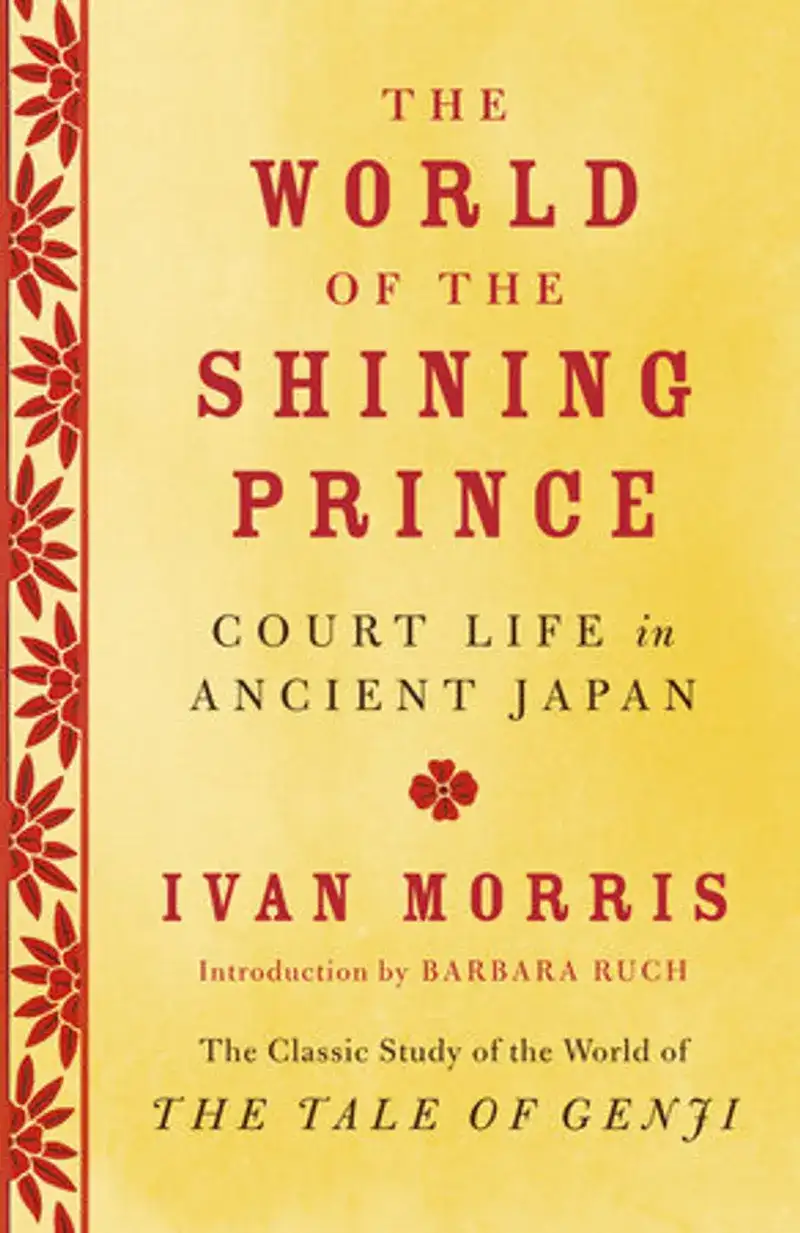
The World of the Shining Prince Author: Ivan MorrisPage Count: UnknownPublication Date: 2013-PRH Ivan Morris’s The World of the Shining Prince is not merely a book about ancient Japan—it is a portal to a lost world, a time when beauty was power, poetry was politics, and the subtlest gestures could shape destinies. First published decades ago but still luminous in its insight, this masterful work transports readers to the Heian period (794–1185), a golden age of refined sensibility often romanticized but rarely understood with such depth and clarity. Morris, a scholar of rare discernment, crafts a portrait that is as scholarly as it is evocative, blending meticulous research with a narrative grace that makes the past feel intimate and alive. At its core, the book explores the paradoxical world of the imperial court, where elegance was currency and melancholy was a cultural virtue. Morris anchors his exploration in The Tale of Genji, Murasaki Shikibu’s 11th-century masterpiece, but he transcends mere literary analysis. He recreates the rhythms of daily life—the swish of silk robes, the flicker of candlelight in dim corridors, the hushed whispers behind folding screens. This was a society ruled by aesthetics: calligraphy, scent, the arrangement of flowers, even the tilt of a sleeve conveyed meaning. A woman’s beauty was not just admired; it was a form of influence, a silent language in a world where direct speech was often frowned upon. Morris is particularly adept at illuminating the paradox of power in this era. The emperor, though revered, was often a distant figure, his authority mediated by courtiers who maneuvered through courtly rituals as deftly as courtesans navigated love affairs. The women of the court, cloistered behind screens and veiled by convention, wielded extraordinary cultural influence. They composed poetry, shaped fashion, and decided the fate of men through subtle emotional manipulation. In one striking passage, Morris describes how a woman’s refusal to acknowledge a lover—even through a mere glance—could ruin a man’s reputation overnight. Such was the power of passive resistance in a society that prized restraint over direct confrontation. The author’s style is a blend of precision and poetry. He writes with the rigor of a historian but the flair of a novelist. His prose is never dense or academic; instead, it unfolds like a scroll painting, revealing layers of meaning with each turn of the page. He has a knack for distilling complex social structures into vivid scenes. For instance, he describes a court ceremony not as a dry historical event but as a drama of glances and gestures, where the slightest misstep could cause a scandal. This approach makes the book accessible to general readers while satisfying the curiosity of specialists. Morris also excels in exploring the spiritual landscape of the Heian period. He delves into the syncretic blend of Shinto and Buddhism that colored daily life, where omens, dreams, and ghostly apparitions were taken as seriously as political edicts. He recounts tales of curses, possession, and prophetic dreams with the same seriousness he applies to courtly intrigue. It’s this balance—between the mundane and the mystical—that gives the book its depth. The reader comes away not just knowing about the Heian court but feeling its atmosphere: the scent of incense, the weight of tradition, the quiet ache of unfulfilled longing that permeates even its most joyous moments. One of the book’s most enduring strengths is its refusal to idealize its subject. Morris does not shy away from the darker aspects of Heian society: the political scheming, the emotional cruelty, the suffering of women trapped in polygamous marriages. He portrays the court as a glittering cage, where beauty was both a shield and a prison. This nuance elevates the book beyond mere nostalgia. It’s a reminder that even in the most refined cultures, power is often a fragile illusion, and happiness is a fleeting dream. In an era obsessed with progress and utility, The World of the Shining Prince offers a counterpoint—a world where artistry mattered more than efficiency, where subtlety was a virtue, and where the soul was nurtured through contemplation rather than consumption. Morris’s book is not just a historical study; it’s an elegy for a lost way of being, a culture that valued the ephemeral over the permanent. Reading it is like stepping into a time when life was lived at the pace of a poem, when every gesture held meaning, and when the heart’s quietest whispers could echo through the centuries. For anyone drawn to Japan’s past, to the interplay of art and power, or simply to the timeless human longing for beauty and connection, The World of the Shining Prince is essential. It is a book that lingers, like the memory of a perfect moonlit night in a garden long vanished. #HeianJapan #ClassicalLiterature #JapaneseHistory #MurasakiShikibu #IvanMorris #AncientCourts
- Michael Brown
- 21 Jan, 2026 17:10
Millennium Vol. 1: The Girl With The Dragon Tattoo Book Review and Summary
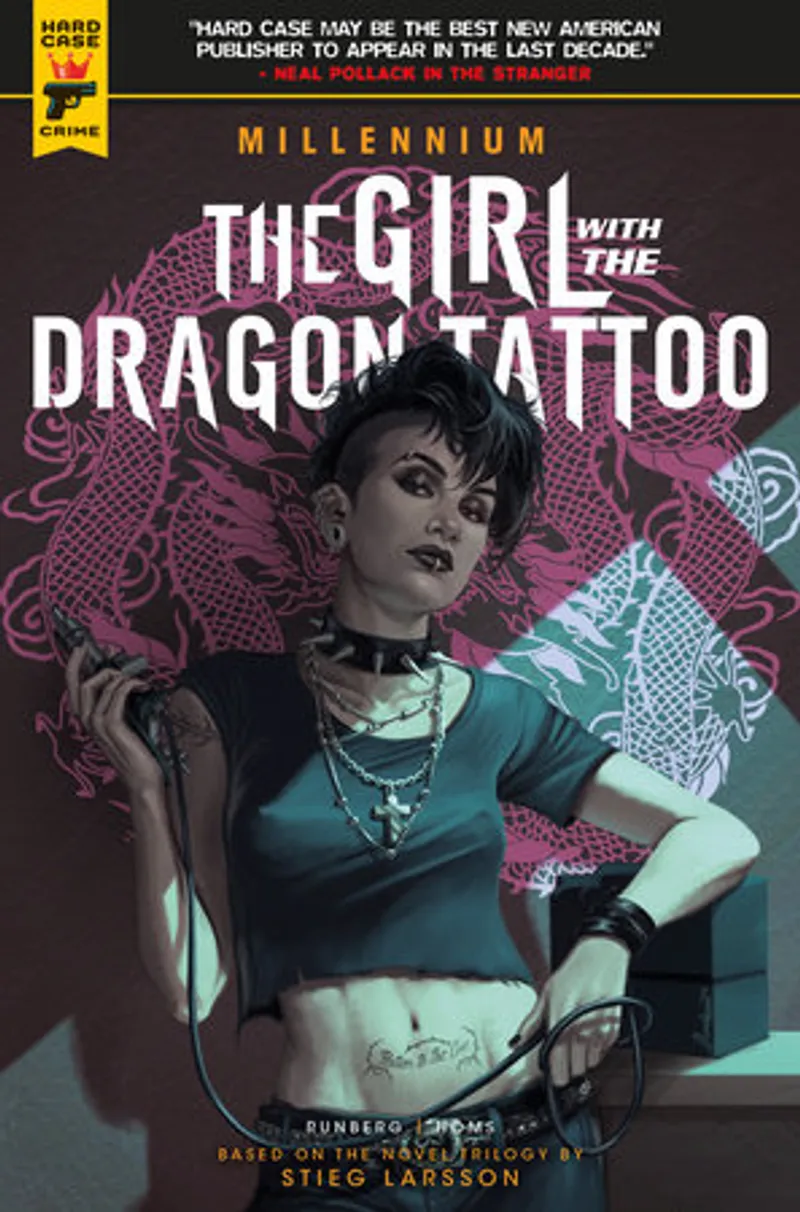
Millennium Vol. 1: The Girl With The Dragon Tattoo Author: Manolo CarotPage Count: UnknownPublication Date: 2017-PRH A Dark, Gritty Masterpiece: Millennium Vol. 1: The Girl With The Dragon Tattoo – A French Comic Adaptation That Stings Steig Larsson’s The Girl With The Dragon Tattoo is a literary juggernaut—a chilling exploration of corruption, misogyny, and the rot beneath Sweden’s pristine surface. Now, in Manolo Carot’s French comic adaptation, the story leaps from page to panel with a visceral intensity that lingers like the scent of blood in a cold basement. This isn’t just a retelling; it’s a reinvention, a visual dissection of Larsson’s themes that claws at the reader’s conscience. At its core, Millennium Vol. 1 is a story about secrets—buried, swallowed, or weaponized. Blomkvist, the disgraced journalist clinging to his last shred of credibility, is a man drowning in his own failures. His investigation into the decades-old disappearance of Harriet Vanger isn’t just professional; it’s existential. He’s hunting for redemption, and in doing so, he stumbles upon a family whose sins are as grotesque as they are systemic. The Vangers aren’t just wealthy—they’re a dynasty of monsters, their power built on violence, silence, and the exploitation of the vulnerable. Enter Lisbeth Salander, the titular "girl with the dragon tattoo." Carot’s portrayal of her is electric—a feral, ink-and-paper avatar of Larsson’s original. She’s not just a hacker; she’s a force of nature, a survivor who turns the tables on her abusers with a precision that borders on poetic justice. Her tattoos aren’t just decoration; they’re scars, declarations, and armor. Carot’s art captures her duality: the fragile exterior masking a mind that’s razor-sharp and unapologetically ruthless. When she’s on the page, the air crackles with tension. She’s the id to Blomkvist’s ego, the chaos to his order, and the reader’s darkest fascination. Carot’s style is a masterclass in mood. His linework is jagged, his shadows deep, and his pacing relentless. The comic doesn’t shy away from the novel’s brutality—instead, it amplifies it. A rape scene isn’t just described; it’s felt, the panels distorting under the weight of horror. The Vanger estate looms like a gothic nightmare, its halls lined with portraits of men who smile while their hands are stained. The contrast between the aristocratic veneer and the squalor beneath is stark, almost suffocating. Carot doesn’t just adapt the story; he translates its dread into a visual language that lingers. Themes of misogyny and systemic abuse are woven into every page. Harriet Vanger’s disappearance isn’t just a mystery—it’s a symptom of a society that enables predators. Lisbeth’s backstory isn’t just backstory; it’s a indictment of a system that fails the broken and the brilliant. The comic forces the reader to confront uncomfortable truths: that evil isn’t always a monster in the dark, but often a man in a suit, a woman in denial, or a society that looks the other way. Blomkvist, for all his flaws, is a compelling anchor. He’s not a hero—he’s a man with a conscience, a failing career, and a desperate need to prove himself. His partnership with Lisbeth is the heart of the story. Their dynamic isn’t romantic; it’s transactional, almost sibling-like in its friction. He respects her; she tolerates him. Together, they’re an unstoppable (if unlikely) duo, each compensating for the other’s weaknesses. Carot’s adaptation is a triumph not just of fidelity, but of reinvention. He captures Larsson’s themes with a clarity that the prose sometimes struggles to achieve, using the comic medium to expose the rot beneath the surface. The result is a story that’s as much about the present as it is about the past—a reminder that the sins of the fathers are never truly buried. If you loved the novel, this comic will haunt you in a new way. If you’ve never read Larsson’s work, this is the perfect entry point—a dark, gripping tale that refuses to let go. #GirlWithTheDragonTattoo #MillenniumSeries #CrimeThriller #GraphicNovel #LisbethSalander #SteigLarsson Related InsightsThe Firm Book Review and Summary The Mirror of Infinite Endings (Once Upon a Broken Heart, #3.5) Book Review and Summary Woodland Warrior Book Review and Summary{ "@context": "https://schema.org", "@type": "FAQPage", "mainEntity": [ { "@type": "Question", "name": "What is the main focus of Millennium Vol. 1: The Girl With The Dragon Tattoo Book Review and Summary?", "acceptedAnswer": { "@type": "Answer", "text": "Everything you need to know about Millennium Vol. 1: The Girl With The Dragon Tattoo with our detailed review." } }, { "@type": "Question", "name": "Who authored the comprehensive guide on Millennium Vol. 1: The Girl With The Dragon Tattoo Book Review and Summary?", "acceptedAnswer": { "@type": "Answer", "text": "This detailed article and its insights were carefully researched and authored by Michael Brown." } }, { "@type": "Question", "name": "Where can I find more related content about Books?", "acceptedAnswer": { "@type": "Answer", "text": "You can explore more articles, detailed reviews, and similar insights by browsing the Related Insights section at the bottom of this article or visiting our dedicated Books category page." } } ] }

- Michael Brown
- 25 Dec, 2025 20:54
Las nueve revelaciones / The Celestine Prophecy : An Adventure Book Review and Summary
Las nueve revelaciones / The Celestine Prophecy : An Adventure Author: James RedfieldPage Count: UnknownPublication Date: 2024-PRH A Spiritual Odyssey That Rewrites Destiny: The Celestine Prophecy Few books have the power to shift a reader’s worldview in a single sitting, but The Celestine Prophecy does just that—with the quiet authority of a whisper that grows into a roar. Published in 1993 and hailed as a modern spiritual classic, James Redfield’s masterpiece is not merely a book; it’s an awakening, a map for those lost in the labyrinth of modern existence, and a testament to the idea that our lives are governed by forces far greater than coincidence. Redfield, a former therapist turned seeker, crafts a narrative that is as much a thriller as it is a philosophical revelation. The story follows an unnamed protagonist—a man on the cusp of midlife crisis—who embarks on a journey to Peru in search of an ancient manuscript hidden in the depths of the Amazon rainforest. This manuscript, he learns, contains nine revelations, cosmic insights that, if understood in sequence, could unlock the meaning of human existence and propel society toward a new era of spiritual enlightenment. The catch? The revelations are not mere theories; they are destined to be experienced one after another, each building upon the last like the rungs of a ladder to the divine. At its core, The Celestine Prophecy is about synchronicity—the idea that everything in life is interconnected, orchestrated by an unseen intelligence. Redfield argues that the universe is alive, pulsing with energy, and that our purpose is to align ourselves with this flow, to become aware beings who recognize the "energy currents" shaping their lives. The book doesn’t just preach this philosophy; it embodies it. The prose is deceptively simple, laced with the rhythm of a parable, making complex spiritual concepts accessible without dumbing them down. Redfield’s writing is unpretentious, almost conversational, as if he’s sharing secrets over a campfire rather than delivering a lecture. The first revelation—"The world is fundamentally a spiritual energy system"—sets the stage. It posits that all matter is energy, and that human consciousness is the key to tapping into this infinite source. The second, "The deeper truth of our lives is that we are connected to everyone and everything" introduces the idea of "energy connections," the threads that bind us to others in ways we often ignore. By the time we reach the ninth revelation—"We are evolving toward a spiritual culture"—the book has transformed from an adventure into a manifesto for personal and collective transformation. What makes The Celestine Prophecy enduring is its refusal to be pigeonholed. It’s not a religious text, yet it draws from mysticism, quantum physics, and indigenous wisdom. It’s not a self-help guide, yet it offers life-altering insights. It’s not a novel, yet it reads like a gripping quest. Redfield’s genius lies in his ability to weave these disparate threads into a cohesive narrative that feels both timeless and urgently relevant. In an age of distraction and disconnection, the book whispers: Wake up. You are part of something greater. Critics, however, have not been unanimous in their praise. Some dismiss it as New Age fluff, too simplistic to tackle the depths of human consciousness. Others argue that its sequential revelations impose an artificial structure on spirituality, as if enlightenment can be neatly packaged into nine steps. But these detractors miss the point. The Celestine Prophecy isn’t meant to be a rigid doctrine; it’s a mirror. The revelations resonate differently for each reader, and what feels profound to one may feel trite to another. That’s the beauty of it—the book doesn’t demand belief; it invites experience. Reading The Celestine Prophecy is like staring into a pond and seeing your own reflection ripple back at you. It doesn’t just tell you that you’re connected to the universe; it makes you feel it. By the final pages, you’re left with a gnawing question: What if this is true? And that, perhaps, is the book’s greatest magic. If you’ve ever felt the weight of life’s absurdity, if you’ve ever wondered whether there’s more to existence than the mundane, or if you’ve simply craved a story that stirs the soul—this is your book. It’s not a quick fix, but a slow burn, a fire that starts as a spark and grows into an inferno of understanding. Six million readers can’t be wrong. The manuscript is out there. The question is: Are you ready to find it? #CelestineProphecy #SpiritualAwakening #JamesRedfield #Synchronicity #NewAgeClassics #ConsciousnessEvolution Related InsightsFreakonomics (Spanish Edition) Book Review and Summary Tidelands Book Review and Summary Look Closer Book Review and Summary{ "@context": "https://schema.org", "@type": "FAQPage", "mainEntity": [ { "@type": "Question", "name": "What is the main focus of Las nueve revelaciones / The Celestine Prophecy : An Adventure Book Review and Summary?", "acceptedAnswer": { "@type": "Answer", "text": "Everything you need to know about Las nueve revelaciones / The Celestine Prophecy : An Adventure with our detailed review." } }, { "@type": "Question", "name": "Who authored the comprehensive guide on Las nueve revelaciones / The Celestine Prophecy : An Adventure Book Review and Summary?", "acceptedAnswer": { "@type": "Answer", "text": "This detailed article and its insights were carefully researched and authored by Michael Brown." } }, { "@type": "Question", "name": "Where can I find more related content about Books?", "acceptedAnswer": { "@type": "Answer", "text": "You can explore more articles, detailed reviews, and similar insights by browsing the Related Insights section at the bottom of this article or visiting our dedicated Books category page." } } ] }
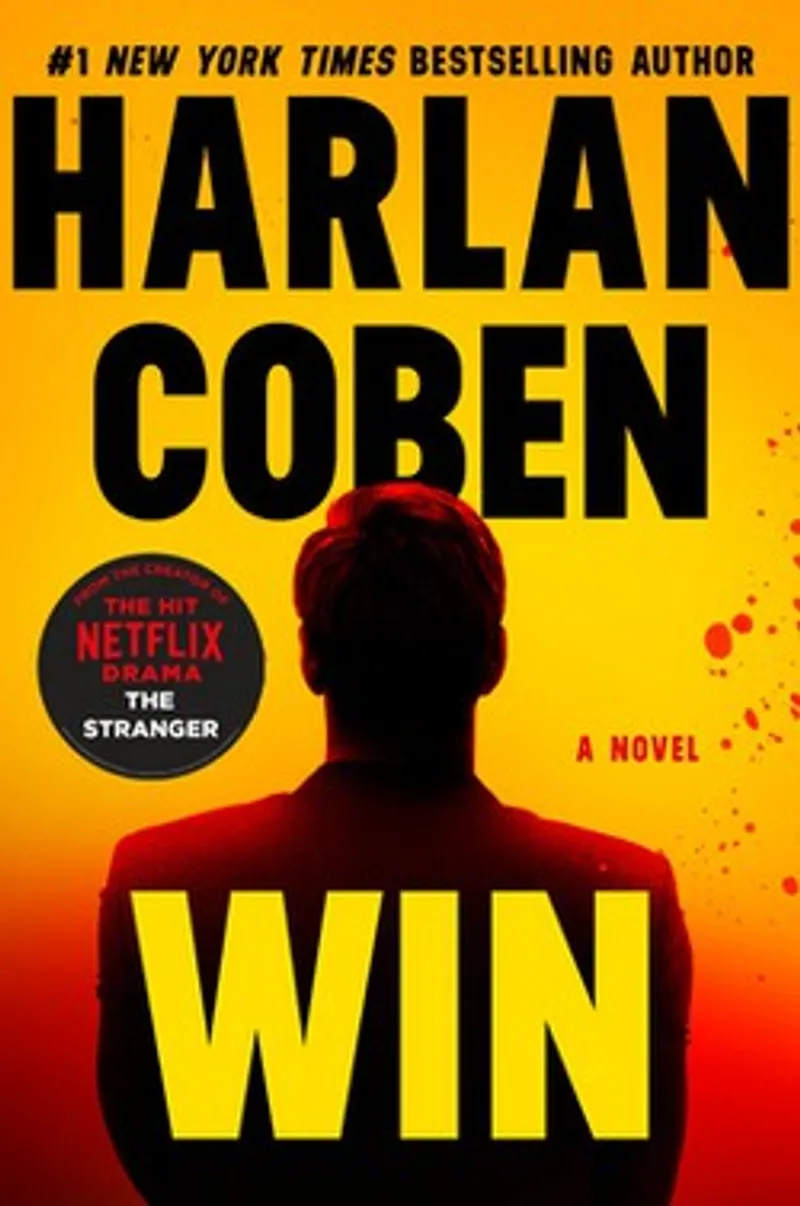
Win Author: Harlan CobenPage Count: UnknownPublication Date: 2021-OL Win, the latest thriller by master storyteller Harlan Coben, is a gripping tale that delves into the complexities of family dynamics, the blurred lines between truth and deception, and the unrelenting pursuit of justice. Coben, known for his skillful plotting and unexpected twists, weaves a narrative that is both captivating and thought-provoking. At the heart of the story is Windsor Horne Lockwood III, a wealthy and influential man with a dark past. When a mysterious figure from his family's history resurfaces, Lockwood's carefully constructed world begins to unravel. As the story unfolds, Coben expertly exposes the intricate web of secrets and lies that have haunted the Lockwood family for generations. Coben's writing style is, as always, engaging and accessible. His use of short, punchy chapters and multiple narrative threads keeps the reader on the edge of their seat, eager to piece together the puzzle. The author's ability to craft relatable characters, each with their own distinct voice and motivations, adds depth and complexity to the story. One of the standout aspects of Win is its exploration of the theme of identity. Coben raises important questions about the nature of self and how our experiences shape us. Through Lockwood's character, we see a man struggling to come to terms with his past and the choices he has made. This introspection serves as a catalyst for the plot, driving the story forward and keeping the reader invested in the outcome. Coben also explores the concept of privilege and the corrupting influence of power. The Lockwood family's wealth and status have allowed them to hide their secrets and avoid accountability for far too long. As the truth begins to surface, the family's carefully constructed facade starts to crumble, revealing the dark underbelly of their world. Throughout the book, Coben's trademark twists and turns keep the reader guessing. Just when you think you have a handle on the story, he throws in a curveball, sending you careening down a new path. This is what makes Win such a compelling read – the constant sense of uncertainty and the need to know what happens next. In conclusion, Win is a masterful thriller that showcases Harlan Coben's skill as a storyteller. With its intricate plot, complex characters, and thought-provoking themes, this book is sure to appeal to fans of the genre. If you're looking for a gripping read that will keep you on the edge of your seat, look no further than Win. #HarlanCoben #Thriller #Mystery #FamilyDrama #TwistyPlot #Win
Mammoth Adventure Author: Philippa GregoryPage Count: UnknownPublication Year: 2021-GB Philippa Gregory’s Mammoth Adventure is not just another historical novel—it is a sweeping, immersive journey that blends the raw power of nature with the indomitable spirit of human endurance. Published in 2021, this highly acclaimed bestseller cements Gregory’s reputation as a master storyteller who can transform even the most remote settings into vivid, breathing characters. While the exact page count remains unknown, the depth of the narrative suggests a book that lingers long after the final page, much like the mammoth herds it follows. At its heart, Mammoth Adventure is a tale of survival, adaptation, and the unbreakable bond between humans and the natural world. Set in the Ice Age, the story follows a band of early humans as they embark on a perilous migration in search of a mythical land where mammoths roam in abundance. Gregory’s genius lies in her ability to make this ancient world feel tangible—every gust of wind, every frozen breath, every crack of ice underfoot becomes an intimate part of the reader’s experience. The mammoths themselves are not mere beasts but majestic, almost mythical figures, their presence driving the plot forward as both a symbol of hope and a source of danger. What sets this novel apart is Gregory’s unparalleled skill in balancing historical detail with emotional resonance. She doesn’t just describe the Ice Age; she makes it alive. The descriptions of the landscape are so vivid that you can almost feel the bite of the Arctic wind or the crunch of snow beneath your boots. Yet, Gregory never loses sight of the human element. Her characters are deeply flawed, fiercely loyal, and driven by primal instincts, making their struggles feel both epic and deeply personal. The protagonist, a young hunter named Kael, is a particularly compelling figure—his journey from a reckless youth to a seasoned leader is as much about self-discovery as it is about survival. Gregory’s writing style is deceptively simple, yet it carries a weight that lingers. She avoids excessive ornamentation, instead favoring a direct, almost lyrical prose that immerses the reader in the moment. There are no long-winded expositions here; every word serves a purpose, whether it’s to advance the plot, deepen character, or evoke a sense of place. This economy of language makes Mammoth Adventure a fast-paced read, even as it delves into the complexities of human nature. The dialogue crackles with authenticity, and the pacing is relentless, with tension that builds like the gathering storm on the horizon. One of the novel’s most striking achievements is its portrayal of the mammoths. Gregory doesn’t anthropomorphize these creatures—instead, she imbues them with a quiet majesty that commands respect. They are not secondary to the human story but integral to it, their migrations shaping the destiny of the tribe. This approach elevates the novel beyond a mere adventure story into something more profound: a meditation on humanity’s place in the natural order. The mammoths become a metaphor for resilience, their herds a symbol of unity in the face of oblivion. Gregory’s attention to historical accuracy is also noteworthy. While the novel is a work of fiction, it is grounded in meticulous research. The tools, customs, and challenges faced by Kael’s people feel authentic, from the flint-knapping of weapons to the rituals surrounding death and rebirth. This attention to detail lends the story a level of credibility that makes the fantastical elements—like the mythical mammoth grazing grounds—feel plausible rather than fanciful. Yet, Mammoth Adventure is not without its flaws. Some readers might find the pacing uneven, with moments of intense action bookended by quieter, more introspective scenes. Others may critique the lack of diversity in the cast of characters, as the story largely focuses on a single tribe. However, these are minor quibbles in the face of a novel that succeeds so resoundingly in its ambitions. Ultimately, Mammoth Adventure is a triumph of storytelling—a novel that entertains, educates, and inspires in equal measure. Philippa Gregory has crafted a tale that is as much a love letter to the past as it is a thrilling adventure, proving once again why she remains one of the most celebrated authors of historical fiction. If you’re looking for a book that will transport you to another time and place, where the stakes are as high as the windswept tundra, this is it. #MammothAdventure #HistoricalFiction #IceAgeSurvival #PhilippaGregory #AdventureNovel #PrehistoricFiction Related InsightsUnspeakable Things Book Review and Summary Blue Jean Summer (Wilder Estate #1) Book Review and Summary Corelli’s Mandolin Book Review and Summary{ "@context": "https://schema.org", "@type": "FAQPage", "mainEntity": [ { "@type": "Question", "name": "What is the main focus of Mammoth Adventure Book Review and Summary?", "acceptedAnswer": { "@type": "Answer", "text": "Everything you need to know about Mammoth Adventure with our detailed review." } }, { "@type": "Question", "name": "Who authored the comprehensive guide on Mammoth Adventure Book Review and Summary?", "acceptedAnswer": { "@type": "Answer", "text": "This detailed article and its insights were carefully researched and authored by Michael Brown." } }, { "@type": "Question", "name": "Where can I find more related content about Books?", "acceptedAnswer": { "@type": "Answer", "text": "You can explore more articles, detailed reviews, and similar insights by browsing the Related Insights section at the bottom of this article or visiting our dedicated Books category page." } } ] }
Kill the Farm Boy: The Tales of Pell Author: Kevin HearnePage Count: UnknownPublication Year: 2018-GB Kill the Farm Boy: The Tales of Pell is a wild, irreverent, and wildly entertaining romp through fantasy tropes that gleefully stabs clichés in the back while wearing a party hat and chugging mead. Kevin Hearne, best known for his Iron Druid Chronicles, takes a wrecking ball to traditional fantasy storytelling with a book that feels like a satire written by someone who genuinely loves the genre—think Terry Pratchett meets Robert Jordan, but with more anarchic humor and less brooding. The core theme of Kill the Farm Boy is the subversion of classic fantasy archetypes. Hearne doesn’t just poke fun at the genre’s conventions; he gleefully dismantles them with gleeful abandon. The story follows a group of misfits brought together by destiny (or something like it) after the titular farm boy is mistakenly identified as the prophesied hero meant to defeat the dark lord. The twist? The farm boy is, in fact, utterly useless. He can’t swing a sword, he’s terrified of danger, and his only real talent seems to be getting lost. Meanwhile, the true heroes are the people no one expected: a disgraced knight who can’t remember his own name, a thief with a heart of gold (and a love of shiny objects), a sentient, foul-mouthed horse, and a sorceress who’s more interested in gossip than spells. Hearne’s approach is not merely comedic but deeply humanizing. By stripping away the gloss of heroism, he reveals the absurdity and messiness of fantasy quests. The characters aren’t just parodies; they’re deeply relatable, each grappling with their own insecurities and flaws. The farm boy isn’t just incompetent—he’s painfully aware of it, and his journey isn’t about proving himself but learning to accept his limitations while contributing in unexpected ways. This theme resonates far beyond the pages: in a world obsessed with greatness, Kill the Farm Boy champions the idea that heroism isn’t about being the strongest, smartest, or most destined—it’s about showing up, even when you’re terrified. Hearne’s writing style is a masterclass in tone and voice. His prose is sharp, witty, and brimming with personality. He has a knack for punchy dialogue, especially in his banter between characters. The sentient horse, Pell, steals every scene with his sarcastic, no-nonsense attitude, delivering lines like a stand-up comedian who’s had one too many pints. The humor isn’t just surface-level; it’s layered with clever wordplay and references that reward attentive readers. Yet, beneath the laughs, Hearne weaves in genuine emotional moments, making the stakes feel real despite the absurdity. One of the book’s standout strengths is its pacing. Hearne doesn’t linger too long on any one scene, keeping the energy high and the plot moving. The story unfolds like a series of vignettes, each chapter introducing a new absurdity or twist, from a kingdom ruled by a sentient turnip to a magical artifact that’s less “staff of power” and more “overpriced paperweight.” The world of Pell is a patchwork of delightful weirdness, where magic feels unpredictable and traditions are delightfully nonsensical. Yet, for all its humor, Kill the Farm Boy isn’t without heart. The characters’ relationships feel authentic, built on trust, humor, and mutual respect rather than forced camaraderie. The farm boy’s growth isn’t about becoming a legendary warrior but about finding his place among a found family that values him for who he is, not who he’s supposed to be. It’s a refreshing take in a genre often dominated by chosen ones and destined heroes. Hearne’s love for fantasy shines through, even as he pokes fun at it. This isn’t a book that hates fantasy; it’s a book that loves it enough to play with it, to twist it, and to celebrate it in all its gloriously messy, unpredictable glory. Kill the Farm Boy is proof that genre fiction can be both smart and silly, both heartfelt and hilarious. If you’re a fan of fantasy but tired of the same old tropes, this book will feel like a breath of fresh air. If you love satire but crave substance beneath the jokes, you’ll find it here. And if you just want a rollicking good time with a group of misfits who somehow manage to save the world despite themselves, well, you’re in luck. Kill the Farm Boy is a reminder that sometimes, the best heroes are the ones who never expected to be. #FantasyHumor #LiteraryDeconstruction #SubvertedExpectations #FoundFamilyFantasy #HearneMagic #PellTheHorse Related InsightsA Thousand Mornings Book Review and Summary The Beach Book Review and Summary The Elite Book Review and Summary{ "@context": "https://schema.org", "@type": "FAQPage", "mainEntity": [ { "@type": "Question", "name": "What is the main focus of Kill the Farm Boy: The Tales of Pell Book Review and Summary?", "acceptedAnswer": { "@type": "Answer", "text": "Everything you need to know about Kill the Farm Boy: The Tales of Pell with our detailed review." } }, { "@type": "Question", "name": "Who authored the comprehensive guide on Kill the Farm Boy: The Tales of Pell Book Review and Summary?", "acceptedAnswer": { "@type": "Answer", "text": "This detailed article and its insights were carefully researched and authored by Michael Brown." } }, { "@type": "Question", "name": "Where can I find more related content about Books?", "acceptedAnswer": { "@type": "Answer", "text": "You can explore more articles, detailed reviews, and similar insights by browsing the Related Insights section at the bottom of this article or visiting our dedicated Books category page." } } ] }