Showing Posts From
Tidelands
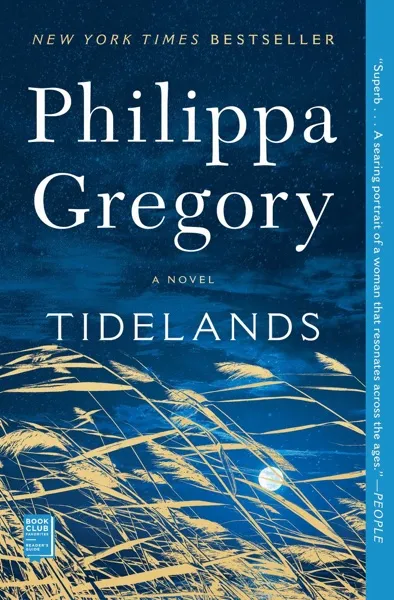
Tidelands Author: Philippa GregoryPage Count: UnknownPublication Year: 2020-GB Philippa Gregory’s Tidelands is a masterclass in historical fiction, weaving a tale of ambition, survival, and the treacherous waters of power that divide women as much as they divide classes. Set in the marshy, salt-laden landscape of the English coast in the mid-1600s—a time of political upheaval, witch trials, and the fading remnants of the medieval world—this novel plunges readers into a world where the tide dictates both fate and fortune. Gregory, renowned for her meticulous historical research and her ability to resurrect the voices of women long silenced by history, crafts a story that is as atmospheric as it is gripping. At its core, Tidelands is a story about agency—who holds it, who seeks it, and what they are willing to sacrifice to claim it. The protagonist, Alinor (a name redolent of the marsh itself—rooted, resilient, and ever shifting), is a healer, a widow, and a woman navigating a world that offers her little autonomy. She lives on the fringes of society, her knowledge of herbs and remedies both revered and reviled, her body and labor commodified. Gregory does not romanticize Alinor’s struggles; instead, she presents them with raw honesty, painting a portrait of a woman who survives not through heroics, but through cunning, endurance, and an unshakable connection to the land that sustains her. The marsh is more than a setting—it is a character in its own right. Gregory’s prose captures its eerie beauty and harsh reality with vivid precision. The tidal rhythms dictate life and death, washing away evidence and burying secrets beneath layers of silt. Alinor moves through this world like the marsh itself—fluid, adaptable, yet always aware of the depths beneath. The tension between land and sea mirrors the tension between the characters: the wealthy who seek to control the tides of power, and the poor who are swept away by them. What makes Tidelands particularly compelling is Gregory’s nuanced portrayal of female solidarity and competition. Alinor’s relationships with other women—her sister Alys, her rival and protector Lady Sussex, and the enigmatic and dangerous James—are fraught with complexity. There are no clear villains or saints here, only women making impossible choices in a world that offers them few options. Alinor’s resilience is not born of invincibility, but of necessity; she lies to protect herself, bargains with her body, and navigates a web of secrets that could ruin her if uncovered. In this, Gregory subverts the traditional narratives of female victimhood, instead presenting Alinor as a survivor who uses every tool at her disposal—intelligence, sexuality, fear—without apology. Gregory’s style is both immersive and economical. She avoids excessive exposition, trusting the reader to infer context from dialogue and action. Her prose is rich in sensory detail—salt on the skin, the smell of decaying reeds, the cold bite of winter—but never indulgent. Every word serves the story, driving forward a plot that is as much about political intrigue as it is about personal survival. The pacing is relentless, with a sense of foreboding that lingers long after the final page. You are never quite sure who to trust, and that uncertainty is part of the novel’s power. One of the most striking aspects of Tidelands is its exploration of witchcraft—not as a supernatural phenomenon, but as a label used to control and silence women. Alinor’s knowledge of healing makes her a target, and Gregory draws a chilling parallel between the accusations leveled against her and the broader persecution of women during this era. The novel doesn’t shy away from the brutality of the time, but it also doesn’t wallow in it. Instead, it focuses on the quiet defiance of women who refuse to be broken, even when the world is stacked against them. The historical backdrop—Cromwell’s England, the fading of feudal power, the rise of a new merchant class—is rendered with authenticity. Gregory doesn’t bog down the narrative with excessive historical detail, but the world feels lived-in and real. The political maneuvering, the religious tensions, and the economic struggles all seep into the story, shaping the characters’ fates without overwhelming them. Ultimately, Tidelands is a story about the cost of freedom. Alinor’s journey is not one of triumph, but of hard-won survival. She does not defeat her enemies; she outlasts them. She does not change the world; she carves out a space within it. In this, Gregory offers a refreshing counterpoint to the grand, redemptive arcs of many historical novels. This is a story about women who are flawed, desperate, and resourceful—not because they are exceptional, but because they have no other choice. Philippa Gregory has long been celebrated for her ability to give voice to the silent women of history, and Tidelands is a triumph in that tradition. It is a novel that lingers, not just for its haunting setting or its compelling characters, but for its unflinching portrayal of resilience in the face of oppression. If you love historical fiction that is as intellectually stimulating as it is emotionally gripping, Tidelands will leave you breathless. #Tidelands #PhilippaGregory #HistoricalFiction #WitchcraftHistory #ResilientWomen #SeventeenthCentury