Showing Posts From
To kill a mockingbir
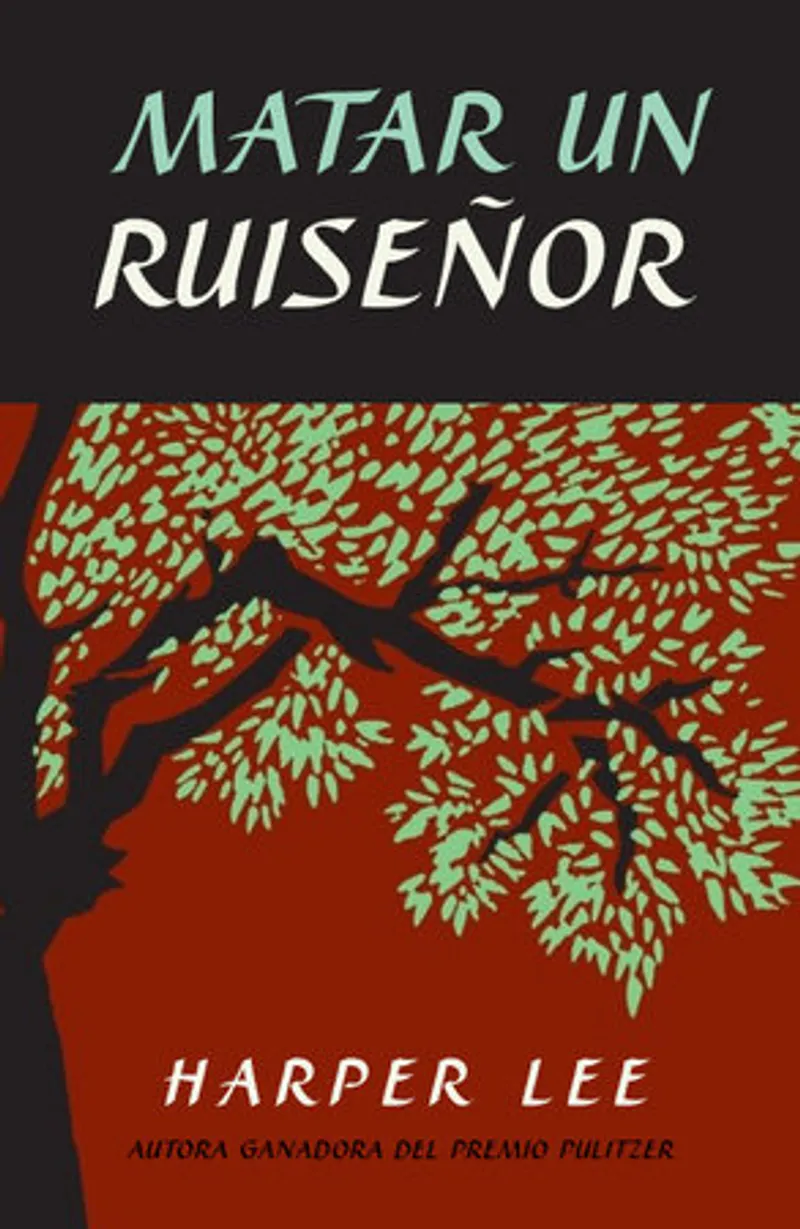
Matar un ruiseñor / To Kill a Mockingbird Author: Harper LeePage Count: UnknownPublication Date: 2025-PRH As I delve into the pages of Harper Lee's timeless classic, Matar un ruiseñor, or To Kill a Mockingbird, I am struck by the profound impact this novel has had on the literary world. Despite the publication year being listed as 2025, it is widely known that the book was originally published in 1960, a fact that only serves to underscore its enduring relevance. The exploration of racial tensions, childhood innocence, and the loss of innocence in a small Alabama town during the 1930s is a powerful commentary on the human condition. At the heart of the novel is the story of Scout Finch, a young girl who navigates the complexities of her community with a mix of curiosity and naivety. Through her eyes, we witness the trial of Tom Robinson, a black man falsely accused of a crime, and the subsequent events that unfold. The author's masterful use of Scout's narrative voice allows the reader to experience the world through her perspective, fostering a deep emotional connection with the characters and their struggles. Harper Lee's writing style is a hallmark of the novel's success. Her prose is lyrical, yet accessible, weaving a narrative that is both poignant and thought-provoking. The author's use of language is deliberate and measured, conveying the depth of feeling and emotion that defines the characters' experiences. The vivid descriptions of the rural Alabama landscape and the quiet, introspective moments of character reflection all contribute to a richly textured world that draws the reader in and refuses to let go. One of the most striking aspects of To Kill a Mockingbird is its exploration of the theme of moral education. Through the guidance of her father, Atticus, Scout and her brother Jem learn valuable lessons about empathy, compassion, and understanding. Atticus, a moral compass and pillar of the community, is a powerful symbol of integrity and justice, and his defense of Tom Robinson is a testament to his unwavering commitment to doing what is right in the face of overwhelming opposition. The novel's examination of racial injustice and prejudice is equally compelling, and sadly, remains relevant today. The trial of Tom Robinson is a searing indictment of the deep-seated racial biases that permeate the community, and the devastating consequences that follow are a stark reminder of the destructive power of hate and intolerance. Through this narrative, Harper Lee sheds light on the darkest aspects of human nature, forcing the reader to confront the uncomfortable truths that lie at the heart of our society. As I reflect on the significance of To Kill a Mockingbird, I am struck by the enduring power of its themes and the timelessness of its characters. This is a novel that has transcended generations, speaking to readers of all ages and backgrounds with its universal message of hope, compassion, and understanding. Harper Lee's masterpiece is a testament to the transformative power of literature, a reminder that even in the darkest of times, there is always the possibility for growth, redemption, and forgiveness. In conclusion, Matar un ruiseñor, or To Kill a Mockingbird, is a novel that will continue to captivate and inspire readers for generations to come. Its exploration of the human condition, coupled with Harper Lee's masterful storytelling and lyrical prose, make it a true classic of modern literature. #ToKillAMockingbird #HarperLee #RacialInjustice #ClassicLiterature #MoralEducation #SocialJustice