Showing Posts From
Traditional cuisine
-
 Marcus Vance
 - 01 Aug, 2026 08:42
Fermented Foods Around the World: From Korean Kimchi to German Sauerkraut – A Global Journey Through Tradition and Health
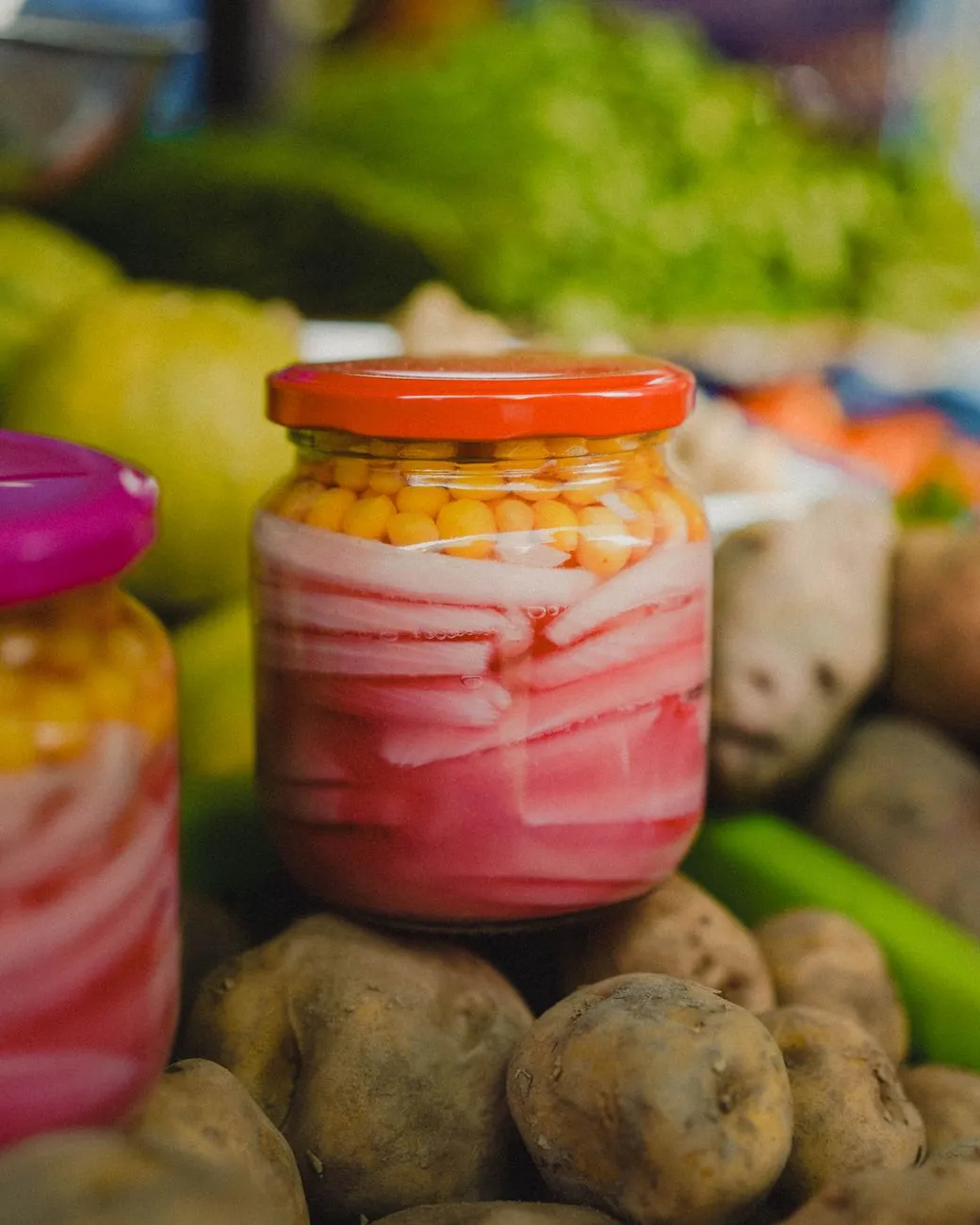
Fermented foods are more than just culinary delights—they are living testaments to human ingenuity, preserving the bounty of harvests, enhancing flavors, and nurturing health across millennia. From the fiery tang of Korean kimchi to the crisp acidity of German sauerkraut, these foods represent a global tapestry of tradition, science, and gastronomy. But what makes fermented foods so universally revered? At their core, they are the result of microbial alchemy, where beneficial bacteria and yeasts transform raw ingredients into complex, nutrient-dense masterpieces. Recent research highlights their role not only in flavor development but also in promoting gut health, immune function, and even mental well-being. As we embark on this global journey, we’ll explore the origins, science, and cultural significance of fermented foods, uncovering why they remain indispensable in kitchens from Seoul to Berlin.The process of fermentation is ancient, predating recorded history. Archaeological evidence suggests that early humans fermented grains and fruits as early as 10,000 BCE, long before the advent of refrigeration or modern food preservation techniques. This method allowed communities to store food safely, enhance its nutritional value, and create flavors that could not be achieved through cooking alone. Today, fermented foods are celebrated not only for their taste but also for their probiotic properties, which support a healthy gut microbiome—a cornerstone of overall wellness. In this article, we’ll delve into five iconic fermented foods, examining their unique characteristics, health benefits, and the science behind their transformation.The Science of Fermentation: How Microbes Transform Food Fermentation is a metabolic process where microorganisms—primarily bacteria and yeasts—convert carbohydrates into acids, gases, or alcohol in the absence of oxygen. This transformation is not merely a culinary trick; it’s a biochemical revolution that enhances food’s nutritional profile, digestibility, and shelf life. The OpenAlex research data underscores the diversity of microorganisms involved in fermentation, with species like Lactobacillus, Leuconostoc, and Saccharomyces playing pivotal roles across different cuisines. At its simplest, fermentation begins with the natural microbes present on raw ingredients or introduced via a starter culture. For example, kimchi relies on Lactobacillus kimchii, a bacterium that thrives in the spicy, cabbage-rich environment, producing lactic acid that gives kimchi its signature tang. Similarly, sauerkraut fermentation involves Leuconostoc mesenteroides and Lactobacillus plantarum, which work sequentially to break down sugars and create a stable, probiotic-rich product. The health benefits of fermentation are profound. Fermented foods are rich in live cultures, which act as probiotics, supporting gut health by restoring microbial balance. Studies cited in the OpenAlex research highlight that these foods can improve digestion, boost immunity, and even reduce inflammation. Additionally, fermentation enhances the bioavailability of nutrients. For instance, the fermentation of soybeans into miso increases the availability of amino acids and antioxidants, making it a more nutritious protein source.To ferment food at home, the process is straightforward but requires attention to detail. Start with fresh, high-quality ingredients—cabbage for sauerkraut, radishes for kimchi, or soybeans for miso. Submerge the ingredients in a brine solution (typically 2-3% salt by weight) to create an anaerobic environment that favors beneficial microbes while inhibiting harmful ones. Keep the mixture at room temperature (ideally 65-75°F) for 3-10 days, depending on the desired level of sourness. Taste-test regularly, and once the flavor is to your liking, transfer the ferment to the refrigerator to slow down the process. Understanding the science behind fermentation empowers us to experiment with flavors and textures while ensuring safety and quality. Whether you’re a seasoned fermenter or a curious beginner, mastering this process opens a world of culinary possibilities.Korean Kimchi: A Spicy, Probiotic Powerhouse Kimchi is more than Korea’s national dish—it’s a cultural icon, a symbol of resilience, and a nutritional powerhouse. Dating back to the 7th century, kimchi was originally a way to preserve vegetables through harsh winters, but today, it’s celebrated worldwide for its bold flavors and health benefits. The OpenAlex research highlights kimchi’s microbial diversity, with over 200 bacterial species identified in traditional preparations, including Lactobacillus brevis and Weissella cibaria. The primary ingredient in kimchi is napa cabbage, which is salted and left to ferment for several days. The fermentation process is divided into two stages: the initial lactic acid fermentation by Leuconostoc species, followed by a secondary fermentation dominated by Lactobacillus species. This dual-phase process creates a complex flavor profile, ranging from mildly tangy to intensely pungent, depending on the fermentation time. Kimchi’s signature spiciness comes from gochugaru, a Korean red pepper flake that not only adds heat but also contributes to the fermentation process by inhibiting the growth of undesirable microbes. Other key ingredients include garlic, ginger, scallions, and sometimes seafood like jeotgal (salted shrimp), which adds umami depth. The combination of these ingredients creates a symphony of flavors—sour, spicy, sweet, and umami—that make kimchi a versatile condiment.Beyond its culinary appeal, kimchi is a nutritional powerhouse. A single serving (about 100 grams) contains approximately 23 calories, 2 grams of fiber, and 1 gram of protein. It’s also rich in vitamins A, B, and C, as well as minerals like iron and calcium. The probiotics in kimchi, particularly Lactobacillus, have been shown to improve gut health, reduce cholesterol levels, and even enhance immune function. Some studies suggest that regular kimchi consumption may lower the risk of obesity and type 2 diabetes, thanks to its high fiber content and low calorie count. To make kimchi at home, start with 2 pounds of napa cabbage, cut into quarters and rinsed thoroughly. Dissolve ½ cup of coarse sea salt in 8 cups of water, then submerge the cabbage in the brine for 2 hours, flipping halfway through. Rinse the cabbage thoroughly and drain. In a separate bowl, mix 1 cup of gochugaru, ½ cup of minced garlic, 1 tablespoon of grated ginger, 4 scallions (chopped), and 1 tablespoon of fish sauce (optional). Combine the spice paste with the cabbage, massaging it thoroughly to ensure even coating. Pack the kimchi into a clean jar, pressing down to remove air pockets, and leave it at room temperature for 1-2 days before refrigerating. The flavor will continue to develop over the next few weeks. Kimchi’s versatility extends beyond the traditional side dish. It can be used in soups, stews, fried rice, or even as a topping for tacos and burgers. Its bold flavors and probiotic benefits make it a must-try for anyone looking to explore the world of fermented foods.German Sauerkraut: The Tangy Treasure of Northern Europe Sauerkraut, or "sour cabbage," is one of the oldest fermented foods in Europe, with roots tracing back to the 4th century BCE. Legend has it that the nomadic tribes of Central Asia first fermented cabbage to preserve it during long journeys, and the technique spread to Germany via the Mongols. By the Middle Ages, sauerkraut had become a staple in German cuisine, prized for its long shelf life and nutritional value. Today, it remains a beloved side dish, often served alongside sausages, pork, or potatoes. The fermentation process for sauerkraut is straightforward but requires patience. Thinly shredded cabbage is mixed with salt (typically 2% of the cabbage’s weight) and massaged to release its natural juices. The cabbage is then packed tightly into a fermentation vessel, such as a crock or jar, and weighted down to keep it submerged in its brine. Over the course of 1-4 weeks, lactic acid bacteria like Leuconostoc mesenteroides and Lactobacillus plantarum break down the sugars in the cabbage, producing lactic acid that gives sauerkraut its signature tang. Sauerkraut’s health benefits are well-documented. A 100-gram serving contains approximately 22 calories, 4 grams of fiber, and 1 gram of protein. It’s also rich in vitamins C and K, as well as minerals like potassium and iron. The probiotics in sauerkraut support gut health by promoting the growth of beneficial bacteria, which can improve digestion and boost immunity. Additionally, sauerkraut is low in calories and high in fiber, making it a great addition to weight management diets.Sauerkraut’s versatility extends beyond the traditional German plate. It can be used as a topping for hot dogs, a filling for dumplings, or even as a base for soups and stews. In modern cuisine, chefs are experimenting with sauerkraut in unexpected ways, such as incorporating it into tacos, sandwiches, or even vegan "cheese" spreads. To make sauerkraut at home, start with 2 pounds of green or red cabbage, thinly shredded. Mix the cabbage with 1 tablespoon of salt (or 2% of the cabbage’s weight) and massage it thoroughly to release its juices. Pack the cabbage into a clean jar or crock, pressing down firmly to remove air pockets. Cover the cabbage with a fermentation weight or a smaller jar filled with water to keep it submerged. Leave the jar at room temperature for 1-2 weeks, then transfer it to the refrigerator to slow down the fermentation process. The sauerkraut will continue to develop flavor over time, becoming tangier and more complex. Sauerkraut’s cultural significance is also worth noting. In Germany, it’s often served during Oktoberfest celebrations, paired with hearty dishes like bratwurst and pretzels. In the United States, sauerkraut gained popularity among German immigrants in the 19th century and has since become a staple in dishes like Reuben sandwiches and Reubenesque salads.Japanese Miso: The Umami-Rich Fermented Soybean Paste Miso is a cornerstone of Japanese cuisine, a fermented soybean paste that adds depth, umami, and complexity to soups, marinades, and sauces. Dating back to the 8th century, miso was introduced to Japan from China via Buddhist monks, who valued it for its nutritional and medicinal properties. Today, miso is a staple in Japanese households, with regional variations like white miso (shiro miso), red miso (aka miso), and barley miso (mugi miso) each offering unique flavors and uses. The fermentation process for miso begins with koji, a culture of Aspergillus oryzae grown on steamed rice or barley. The koji is mixed with soybeans, salt, and sometimes additional grains like barley or wheat, then left to ferment for months or even years. During this time, enzymes from the koji break down the proteins and carbohydrates in the soybeans, creating a rich, savory paste. The longer the fermentation, the deeper and more complex the flavor becomes. Miso’s nutritional profile is impressive. A 100-gram serving contains approximately 195 calories, 12 grams of protein, and 6 grams of fiber. It’s also rich in vitamins B2, B12, and E, as well as minerals like manganese and zinc. The fermentation process enhances the bioavailability of these nutrients, making miso a highly nutritious food. Additionally, miso contains probiotics that support gut health and may reduce the risk of certain cancers, thanks to its high content of antioxidants and isoflavones.Miso’s versatility in the kitchen is unparalleled. It can be used to make miso soup, a comforting and nourishing dish often served for breakfast in Japan. Miso can also be used as a marinade for fish or meat, a glaze for roasted vegetables, or a base for salad dressings. In modern cuisine, chefs are experimenting with miso in unexpected ways, such as incorporating it into desserts, cocktails, or even ice cream. To make miso at home, start with 2 cups of soybeans, soaked overnight and steamed until tender. Mix the soybeans with 1 cup of koji (available at Asian markets or online), ½ cup of salt, and ¼ cup of miso starter (optional). Pack the mixture into a clean jar, pressing down to remove air pockets, and cover it with a fermentation weight. Leave the jar at room temperature for 6-12 months, then transfer it to the refrigerator to slow down the fermentation process. The miso will continue to develop flavor over time, becoming richer and more complex. Miso’s cultural significance extends beyond Japan. In Korea, a similar fermented soybean paste called doenjang is used in soups and stews, while in China, a fermented soybean paste called douchi is used as a seasoning. These variations highlight the global appeal of fermented soybean pastes and their role in traditional cuisines.Indian Idli and Dosa Batter: Fermented Rice and Lentil Delights Idli and dosa are iconic South Indian dishes made from fermented rice and lentil batter. Idli is a steamed rice cake, while dosa is a thin, crispy pancake, both of which rely on fermentation to achieve their signature textures and flavors. The fermentation process for idli and dosa batter begins with a mixture of rice and urad dal (black gram lentils), which are soaked, ground into a batter, and left to ferment overnight. During fermentation, lactic acid bacteria like Leuconostoc mesenteroides and Lactobacillus species break down the carbohydrates in the batter, creating a light, fluffy texture and a slightly tangy flavor. The fermentation process is crucial to the success of idli and dosa. Without proper fermentation, the batter will not rise, resulting in dense, flat cakes. The ideal fermentation time is 8-12 hours, depending on the temperature and humidity. In South India, where idli and dosa are staples, families often prepare batter in large quantities and ferment it overnight, allowing the flavors to develop and the texture to become airy. Idli and dosa are not only delicious but also highly nutritious. A single idli contains approximately 39 calories, 1 gram of protein, and 0.5 grams of fiber. Dosa is slightly higher in calories, with a single dosa containing approximately 120 calories, 3 grams of protein, and 1 gram of fiber. Both dishes are rich in carbohydrates and low in fat, making them a great option for those looking for a light, nutritious meal. Additionally, the fermentation process enhances the bioavailability of nutrients, making the protein and fiber in idli and dosa more easily digestible.Idli and dosa are often served with accompaniments like coconut chutney, sambar (a lentil-based vegetable stew), and tomato chutney. These dishes are not only a staple in South Indian cuisine but also a symbol of the region’s rich culinary heritage. In recent years, idli and dosa have gained popularity worldwide, with Indian restaurants and food trucks offering these dishes as part of their menus. To make idli and dosa batter at home, start with 2 cups of parboiled rice and 1 cup of urad dal. Soak the rice and dal separately for 4-6 hours, then grind them into a smooth batter. Mix the batter with salt and a pinch of baking soda (optional), then leave it to ferment overnight at room temperature. The batter is now ready to use for making idli or dosa. For idli, pour the batter into greased molds and steam for 10-12 minutes. For dosa, spread a thin layer of batter onto a hot griddle and cook until crispy. The fermentation process for idli and dosa batter is a testament to the ingenuity of South Indian cooks, who have perfected the art of fermentation over centuries. Today, idli and dosa are enjoyed by millions of people worldwide, a delicious reminder of the power of fermentation to transform simple ingredients into culinary masterpieces.Nutritional Comparison: Kimchi vs. Sauerkraut vs. Miso vs. Idli/DosaFermented Food Calories (per 100g) Protein (g) Fiber (g) Probiotics Key NutrientsKimchi 23 1 2 High Vitamins A, B, C; Iron, CalciumSauerkraut 22 1 4 High Vitamins C, K; Potassium, IronMiso 195 12 6 Moderate Vitamins B2, B12, E; ManganeseIdli (1 piece) 39 1 0.5 High Carbohydrates, ProteinDosa (1 piece) 120 3 1 High Carbohydrates, ProteinData sourced from OpenAlex research and nutritional databases.Fermented foods are a testament to humanity’s ability to harness the power of microbes for culinary and health benefits. From the spicy, probiotic-rich kimchi of Korea to the tangy, fiber-packed sauerkraut of Germany, these foods offer a glimpse into the rich tapestry of global cuisine. Whether you’re drawn to the umami depth of Japanese miso or the airy texture of South Indian idli, there’s a fermented food to suit every palate and dietary need. The science behind fermentation is equally fascinating. Microorganisms like Lactobacillus and Leuconostoc not only preserve food but also enhance its nutritional value, making fermented foods a valuable addition to any diet. Research continues to uncover the health benefits of these foods, from improved gut health to reduced inflammation and enhanced immunity. As we’ve seen, fermentation is more than a preservation technique—it’s a gateway to a world of flavor, tradition, and wellness. For those new to fermented foods, the journey begins with a single jar of sauerkraut or a bowl of miso soup. Experiment with flavors, textures, and techniques, and don’t be afraid to make mistakes. Fermentation is as much an art as it is a science, and every batch is a unique expression of time, temperature, and microbial activity. Whether you’re a seasoned fermenter or a curious beginner, the world of fermented foods offers endless possibilities for exploration and discovery. As we look to the future, fermented foods are poised to play an even greater role in global cuisine and health. With growing interest in gut health, plant-based diets, and sustainable food practices, fermented foods offer a delicious and nutritious solution. So, why not start your own fermentation journey today? Your gut—and your taste buds—will thank you.#FermentedFoods #GutHealth #TraditionalCuisine #Probiotics #GlobalCuisine Related InsightsHar Gow: The Translucent Shrimp Dumpling Masterpiece L'Alchimie du Levant : Quand l'Histoire se Déguste en Mezze Steel-Cut Oats with Chia Seeds and Blueberries: A Delicious and Nutritious Breakfast Option{ "@context": "https://schema.org", "@type": "FAQPage", "mainEntity": [ { "@type": "Question", "name": "What is the main focus of Fermented Foods Around the World: From Korean Kimchi to German Sauerkraut – A Global Journey Through Tradition and Health?", "acceptedAnswer": { "@type": "Answer", "text": "Discover the rich history, health benefits, and cultural significance of fermented foods like Korean kimchi and German sauerkraut, backed by science and tradition." } }, { "@type": "Question", "name": "Who authored the comprehensive guide on Fermented Foods Around the World: From Korean Kimchi to German Sauerkraut – A Global Journey Through Tradition and Health?", "acceptedAnswer": { "@type": "Answer", "text": "This detailed article and its insights were carefully researched and authored by Marcus Vance." } }, { "@type": "Question", "name": "Where can I find more related content about Food?", "acceptedAnswer": { "@type": "Answer", "text": "You can explore more articles, detailed reviews, and similar insights by browsing the Related Insights section at the bottom of this article or visiting our dedicated Food category page." } } ] }