Showing Posts From
Turkishcuisine
-
 Kenji Sato
 - 14 Sep, 2026 21:59
The Fire and the Flesh: Unveiling the Eternal Alchemy of the Turkish Kebab
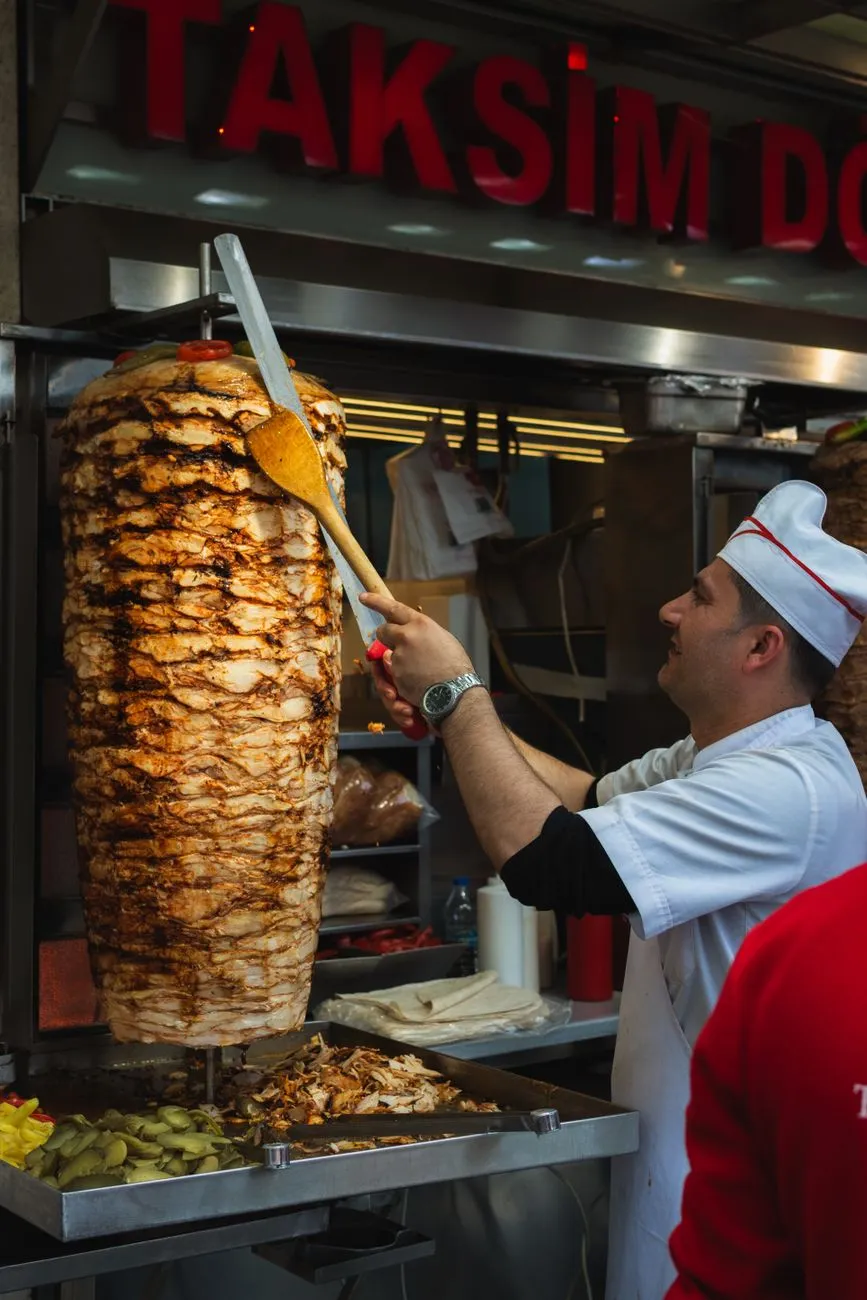
The Culinary Architecture of the Silk Road To understand the Turkish kebab is to understand the very history of human migration and the engineering of flavor. We often perceive travel writing through the lens of the "tourist versus the traveler," a tension explored in creative nonfiction that defines how we document our experiences. While the tourist might view a kebab as a simple, late-night convenience, the traveler—and the true culinary aficionado—recognizes it as a complex manifestation of environmental engineering and nomadic necessity. The word "kebab" derives from the Aramaic "kabab," meaning to char or burn, a testament to the primal relationship between early civilizations and fire. Long before the bustling streets of Istanbul or the high-end eateries of London, kebab culture began in the heart of Anatolia. Nomadic tribes, constantly on the move, required a cooking method that was efficient, portable, and capable of transforming tough cuts of meat into tender, succulent delicacies using only the heat of an open flame. This evolution is fundamentally a story of cultural transmission. As populations moved along the Silk Road, the technique of skewering meat—ironically, often using their own swords—became a standardized practice. The engineering of the kebab is precise; it relies on the Maillard reaction, the chemical interaction between amino acids and reducing sugars that gives browned food its distinctive flavor. When heat hits the surface of the meat, it creates a crisp, savory exterior that acts as a vessel for the rendered juices trapped within. Whether it is the vertical rotisserie of the Doner or the horizontal perfection of the Shish, the core principle remains identical: the mastery of thermal radiation. We are essentially dealing with an edible engineering project, where the protein structure is broken down by carefully managed heat, seasoned by the smoke of charcoal—preferably oak or fruitwood—and elevated by the specific geography of the spice blends utilized in the marination process. Every bite carries the DNA of those ancient caravans, serving as a reminder that food is the most reliable vessel of human history.The Anatomy of the Perfect Skewer Creating a professional-grade kebab is not merely a matter of throwing meat onto a grate; it requires an intimate knowledge of protein chemistry and fat distribution. The gold standard for a traditional Shish Kebab is typically lamb, specifically from the hindquarter or shoulder, where the ratio of lean muscle to intramuscular fat provides the necessary moisture during the intense heat of the grill. In professional kitchens, we speak of the "15-20% fat rule." If the meat is too lean, the kebab dries out before the char develops; if it is too fatty, the flare-ups from the charcoal become unmanageable, leading to a bitter, soot-heavy finish. The marination process is where the artistry truly takes hold. In Anatolian traditions, the marinade is surprisingly minimalist: olive oil, salt, perhaps a hint of onion juice, and the essential Turkish pepper paste, Biber Salçası. Unlike the heavy, yogurt-based marinades of other regions, the authentic Turkish style focuses on elevating the flavor of the meat itself rather than masking it. The preparation phase involves "resting" the meat, a step often overlooked by home cooks. By allowing the seasoned protein to sit, the salt denatures the proteins slightly, allowing them to retain more juice under the extreme pressure of the grill. When skewering, the density of the meat placement matters. We aim for a balance that allows heat to circulate between the pieces, ensuring that the kebab cooks evenly from the center out. The skewer itself is an engineering instrument; flat, wide metal skewers are superior to round ones because they prevent the meat from rotating when you turn the kebab, ensuring that the weight of the protein doesn’t cause it to slip. In the professional setting, we maintain an intense heat profile—high enough to sear the outer layer immediately, sealing in the juices, while the inner core reaches an optimal medium-rare to medium temperature. The resulting experience is a texture contrast: the snap of the outer crust followed by the almost buttery tenderness of the interior. This is the hallmark of the true master: a kebab that is cooked through, yet never toughened. The Vertical Revolution and the Doner Legacy While the Shish is the ancestor, the Doner kebab is the modern giant, a triumph of vertical engineering that transformed street food forever. Invented in the 19th century, the vertical spit solved the issue of gravity and heat distribution. By arranging thinly sliced, marinated layers of meat around a rotating axis, the chef creates a self-basting machine. As the heat radiates from the side—typically gas or electric in modern kitchens, though charcoal remains the supreme, if labor-intensive, choice—the fat from the upper layers slowly melts and drips over the meat below. This constant basting process keeps the outer layers moist even as they crisp under the heat source. The blade work is equally critical; a master "Doner Ustası" slices the meat with an almost surgical precision, ensuring that each shave of the kebab contains both the perfectly browned edge and the succulent, tender heart of the stack. This is where the distinction between "tourist" and "traveler" becomes most apparent in food criticism. The tourist seeks the kebab that is easily available, often pre-processed and mass-produced. The traveler seeks the authentic "Yaprak Doner," where the meat is stacked as individual thin leaves (yaprak) of marinated lamb, rather than a processed, sausage-like log. The quality of a Doner can be measured by the transparency of its sourcing. When you eat a high-quality Doner in a Turkish metropolis, you are tasting the history of the animal, the specific region it was raised in, and the generational knowledge of the butcher who balanced the ratio of leg meat to lamb tail fat—the "kuyruk yağı." This specific fat is the secret weapon of the Turkish kebab; it has a high melting point and a unique, deep flavor that permeates the meat as it renders. To ignore the role of this specific fat is to ignore the foundational flavor profile that makes the Doner, and by extension the Turkish kebab, a world-class culinary icon that remains unmatched by its international imitators.Comparative Data: The Kebab Spectrum To better understand the variance in these grilled delicacies, we must analyze the specific components that define each type of kebab. Below is a comparative look at the three most influential styles found across the Turkish culinary landscape.Kebab Type Primary Meat Fat Content Cooking Method Heat Source Texture ProfileShish Kebab Lamb/Beef 15-20% Horizontal Spit Charcoal/Coal Firm, Charred ExteriorAdana Kebab Hand-minced Lamb 25-30% Flat Metal Skewer Open Charcoal Juicy, Spicy, SoftYaprak Doner Sliced Layers 20% Vertical Rotisserie Radiant Heat Thinly Shaved, TenderIskender Kebab Doner Slices Variable Vertical + Pan Butter/Tomato Base Rich, Soaked, HeartyCop Shish Small Cubes 10-15% Mini Skewers Intense Flame Crisp, SnackableThis table illustrates the technical diversity within the category. The Adana kebab, for instance, requires a much higher fat content because it is hand-minced; the extra fat is necessary to hold the meat together on the skewer without it falling into the coals, a technique that requires significant manual dexterity and a deep understanding of protein binding. Conversely, the Yaprak Doner relies on the structural integrity of the stacked slices, requiring a different set of physical principles to maintain its shape during the extended cooking process. The Geography of Spice and Accompaniment The soul of the kebab is not found in the protein alone, but in the harmonious marriage of spice and the traditional side dishes that cleanse the palate. In regions like Gaziantep, a city renowned for its culinary output, the use of Aleppo pepper (pul biber) and dried mint is not just a flavor choice—it is a mandatory cultural practice. The heat of the kebab requires the cooling contrast of "cacik," a yogurt-based cucumber dip, or the acidity of a "gavurdagi" salad, which typically features finely chopped tomatoes, walnuts, and pomegranate molasses. These accompaniments are functional: the acidity of the pomegranate molasses cuts through the richness of the animal fat, while the cool yogurt neutralizes the capsaicin of the hot peppers. This is a deliberate, ancient sensory strategy. Furthermore, the bread—often "Pide" or "Lavaş"—is rarely just a side dish. In the case of the Iskender Kebab, the bread is used as a foundation, absorbing the rendered fat, tomato sauce, and browned butter, effectively becoming a conduit for the flavor of the meat. In many traditional establishments, the bread is placed on the grill for the final few seconds of the meat’s cooking time, allowing it to soak up the drippings and the smoky aroma of the charcoal. This is the quintessence of the Turkish kebab experience: a holistic approach where every component serves a technical or sensory purpose. When you are eating a kebab in this manner, you are not just consuming protein; you are engaging in a highly refined interaction of temperature, texture, and flavor profiles that have been polished over centuries. It is an exploration of the landscape, the livestock, and the ingenuity of a people who turned the simple act of grilling into a high-art performance.The Future of the Grilled Icon As we look toward the future of global gastronomy, the Turkish kebab stands as a resilient bastion of traditional technique. While the modern world leans toward speed and industrialization, the kebab remains deeply tethered to the physical presence of the artisan. You cannot replicate the soul of an Adana kebab in a microwave or a convection oven; it demands the charcoal, the heat, and the human hand. The "tourist or traveler" dichotomy mentioned earlier is the final filter for the future of this food. As travelers seek deeper, more authentic experiences, the demand for high-quality, heritage-focused kebab shops increases. This is a positive development, as it incentivizes chefs to return to older, more labor-intensive methods—using specific breeds of sheep, hand-chopping meat with a "zirh" (a double-handled curved knife), and utilizing traditional charcoal rather than gas. The engineering of the kebab is a testament to the fact that simple, elegant solutions to human needs often withstand the test of time better than complex, synthetic alternatives. As we continue to document our journeys, let us look closer at the food we consume. Let us appreciate the engineering behind the char, the geography of the spice, and the history embedded in the skewer. The Turkish kebab is not just a meal; it is a profound lesson in how humanity adapts to its environment, refines its resources, and transforms the raw elements of nature into something that is not just edible, but truly transcendental. Whether you are walking the streets of Istanbul or seeking the best local outpost in your home city, remember that the true kebab is a conversation between the past and the present—one that is best enjoyed slowly, with respect for the fire that forged it. May your next experience with this iconic delight be as deep, satisfying, and revelatory as the centuries of tradition that paved the way to your plate. #TurkishCuisine #CulinaryHeritage #FoodEngineering #KebabMastery #GastronomicTravel Related InsightsThe Alchemy of Appetite: Decoding the Molecular Soul of Our Sustenance Mumbai's Sizzling Soul: The Spice, Sweet, and Chaotic Heartbeat of Street Food Bombay Sandwich: The Iconic Triple-Layered Delight{ "@context": "https://schema.org", "@type": "FAQPage", "mainEntity": [ { "@type": "Question", "name": "What is the main focus of The Fire and the Flesh: Unveiling the Eternal Alchemy of the Turkish Kebab?", "acceptedAnswer": { "@type": "Answer", "text": "Journey through the ancient smoke of the Silk Road to master the art of the perfect Turkish kebab, where history, heat, and heritage collide on the skewer." } }, { "@type": "Question", "name": "Who authored the comprehensive guide on The Fire and the Flesh: Unveiling the Eternal Alchemy of the Turkish Kebab?", "acceptedAnswer": { "@type": "Answer", "text": "This detailed article and its insights were carefully researched and authored by Kenji Sato." } }, { "@type": "Question", "name": "Where can I find more related content about Food?", "acceptedAnswer": { "@type": "Answer", "text": "You can explore more articles, detailed reviews, and similar insights by browsing the Related Insights section at the bottom of this article or visiting our dedicated Food category page." } } ] }