Showing Posts From
Uglies
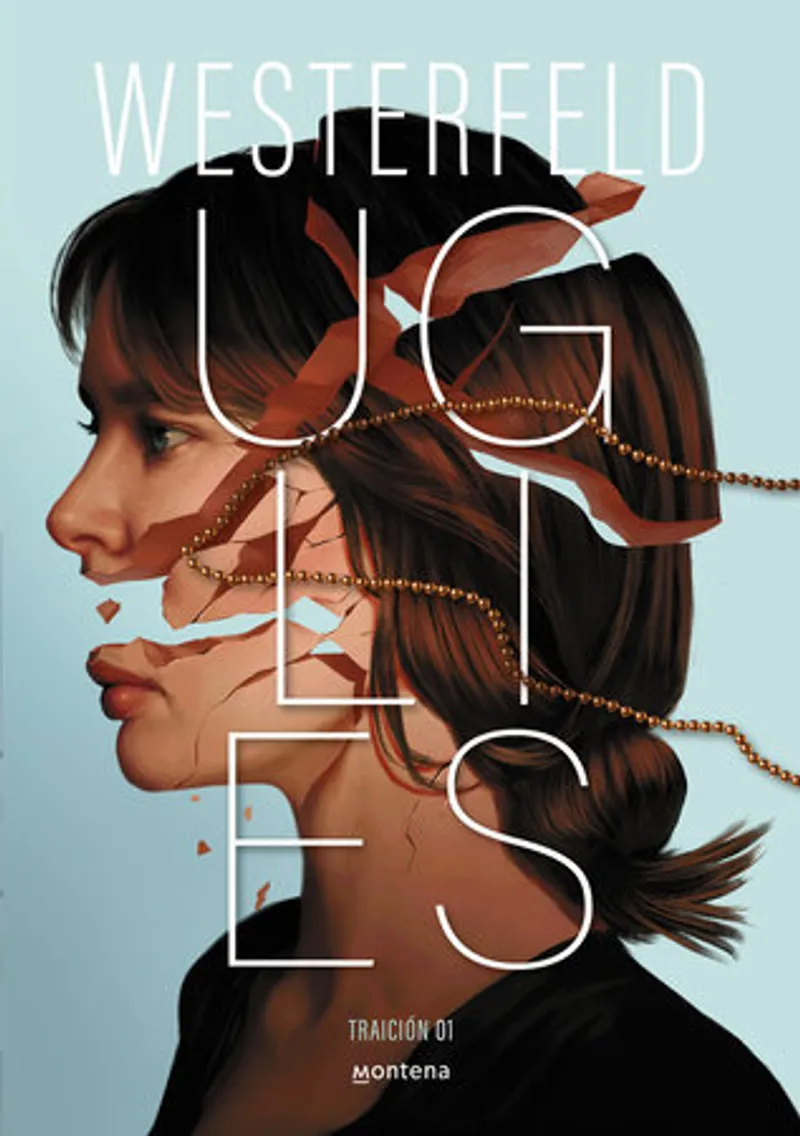
Uglies (Spanish Edition) Author: Scott WesterfeldPage Count: UnknownPublication Date: 2025-PRH Scott Westerfeld’s Uglies (Spanish Edition) is a razor-sharp dystopian thriller that slices through superficiality to expose the terrifying cost of conformity. Set in a future where society enforces physical perfection through mandatory surgery at 16, the novel follows Tally Youngblood, a rebellious teenager on the cusp of transformation. But when her best friend Shay flees to join the "Smoke," a secret enclave of "uglies" who reject the surgery, Tally is forced into a brutal moral dilemma: betray her friend or remain forever ostracized. The stakes are high, the tension palpable, and the questions it raises—about identity, freedom, and the price of beauty—linger long after the last page. Westerfeld’s genius lies in his ability to craft a world that feels both fantastical and eerily plausible. The society he envisions is one where individuality is crushed under the weight of collective approval, where rebellion isn’t just discouraged but actively hunted. The "Pretty" operation isn’t just cosmetic; it’s a psychological reset, erasing the flaws that make people human. Tally’s journey from eager participant to reluctant dissenter mirrors the reader’s own unease with the idea of perfection being mandatory. The book’s strength is in its subtlety—Westerfeld doesn’t preach; he lets the horror unfold naturally through Tally’s eyes. The author’s style is deceptively simple, with prose that flows like a fast-moving river, pulling the reader along without ever feeling rushed. His dialogue crackles with tension, especially in the exchanges between Tally and Shay, where loyalty and betrayal hang in the balance. The world-building is meticulous, with details like hoverboards, extreme sports, and the "Pretty" aesthetic adding layers of immersion. Westerfeld also excels at balancing action with introspection, ensuring that the plot never feels hollow. When Tally finally reaches the Smoke, the sense of discovery is electric, and the reader is left questioning: Would I have made the same choices? Thematically, Uglies is a scathing critique of societal pressures and the illusion of perfection. It forces us to confront uncomfortable truths about how we define beauty and worth, and whether the cost of fitting in is too high. The novel’s climax is a masterclass in suspense, as Tally grapples with her own complicity in a system that values appearance over substance. The ending is bittersweet, leaving room for the sequel while delivering a punch that lingers. Westerfeld’s work is often compared to The Hunger Games, and for good reason—both explore dystopian societies where the young are both the victims and the potential saviors of their worlds. But Uglies carves its own path with a more intimate, character-driven narrative. Tally is a protagonist who evolves from selfishness to self-awareness, making her journey deeply relatable. The book’s exploration of adolescence—where identity is fluid and rebellion is a rite of passage—adds another layer of depth. If there’s a flaw, it’s in the pacing of the middle act, where the journey to the Smoke occasionally drags. However, this is a minor quibble in an otherwise tightly constructed narrative. The real triumph of Uglies is its ability to entertain while provoking thought, making it far more than just a dystopian adventure. In a world obsessed with image, Uglies is a necessary wake-up call. It asks us to look beyond the surface and question the systems that shape our desires. Westerfeld’s novel isn’t just a story about rebellion; it’s a mirror held up to society, reflecting our own obsessions back at us. And that’s what makes it unforgettable. #Uglies #DystopianFiction #ScottWesterfeld #YABooks #BookReview #PerfectlyImperfect