Showing Posts From
Ulysses
-
 Emily Page
 - 19 Jul, 2026 11:55
Unlocking the Odyssey: A Deep Dive into James Joyce's Modernist Masterpiece
The Birth of a Literary Icon James Joyce's Ulysses, first published in 1922, is a novel that has left an indelible mark on the literary world. This modernist masterpiece is a deeply personal and philosophical work, weaving together elements of realism, stream-of-consciousness, and mythological allusions to create a rich tapestry of Dublin life in the early 20th century. As we delve into the world of Leopold Bloom, Stephen Dedalus, and Molly Bloom, we find ourselves immersed in a complex web of themes and characters that continue to captivate readers to this day. Pioneering a New Literary Style Ulysses was a groundbreaking work that pushed the boundaries of what was considered acceptable in literary circles at the time. Joyce's innovative use of stream-of-consciousness narration, where the inner monologues of his characters are presented in a fluid, unstructured manner, was a radical departure from traditional narrative techniques. This technique allowed readers to experience the inner lives of his characters in a way that was both intimate and immediate, creating a sense of immediacy and authenticity.A Homage to Homer One of the most striking aspects of Ulysses is its nods to Homer's Odyssey, which serves as the novel's loose framework. Joyce draws parallels between the ancient Greek hero's journey and the daily struggles of his modern-day counterparts, Leopold Bloom and Stephen Dedalus. This interweaving of myth and reality creates a rich tapestry of meaning, inviting readers to explore the connections between ancient and modern, myth and reality.A Portrait of Dublin Ulysses is perhaps best known for its vivid portrayal of Dublin life in the early 20th century. Joyce's Dublin is a city of contrast, where the grandeur of Trinity College and the Dublin Castle rubs shoulders with the poverty and squalor of the city's working-class neighborhoods. Through his characters, Joyce reveals the city's inhabitants, from the middle-class professionals to the street vendors and petty criminals, creating a rich and nuanced picture of urban life.A World of Themes and Motifs Ulysses is a novel that defies easy summary, as it explores a wide range of themes and motifs that intersect and overlap in complex ways. From the search for identity and belonging to the struggle for artistic expression and creative freedom, Joyce's novel is a rich tapestry of ideas and emotions. His characters grapple with the complexities of nationality, language, and culture, creating a world that is at once deeply Dublin and quintessentially human.Legacy and Influence Ulysses has had a profound influence on modern literature, paving the way for future innovators and revolutionizing the form of the novel. Its influence can be seen in the works of writers such as Samuel Beckett, Virginia Woolf, and Gabriel Garcia Marquez, to name just a few. As a work of modernist literature, Ulysses has transcended the boundaries of time and place, speaking to readers across cultures and generations. A Timeless Masterpiece As we celebrate the legacy of Ulysses, we recognize its timelessness as a masterpiece of modern literature. This novel continues to captivate readers with its complex characters, innovative style, and profound themes, offering a rich and immersive experience that invites us to explore the world of Dublin and the human condition.#hashtag1 #hashtag2 #hashtag3 #JamesJoyce #Ulysses #ModernistLiterature #DublinLife #LiteraryClassics #StreamOfConsciousness #HomerOdyssey #DublinLandmarks #IrishHistory #HistoricUniversities #LiteraryCharacters #ModernNovels #StreamOfConsciousness
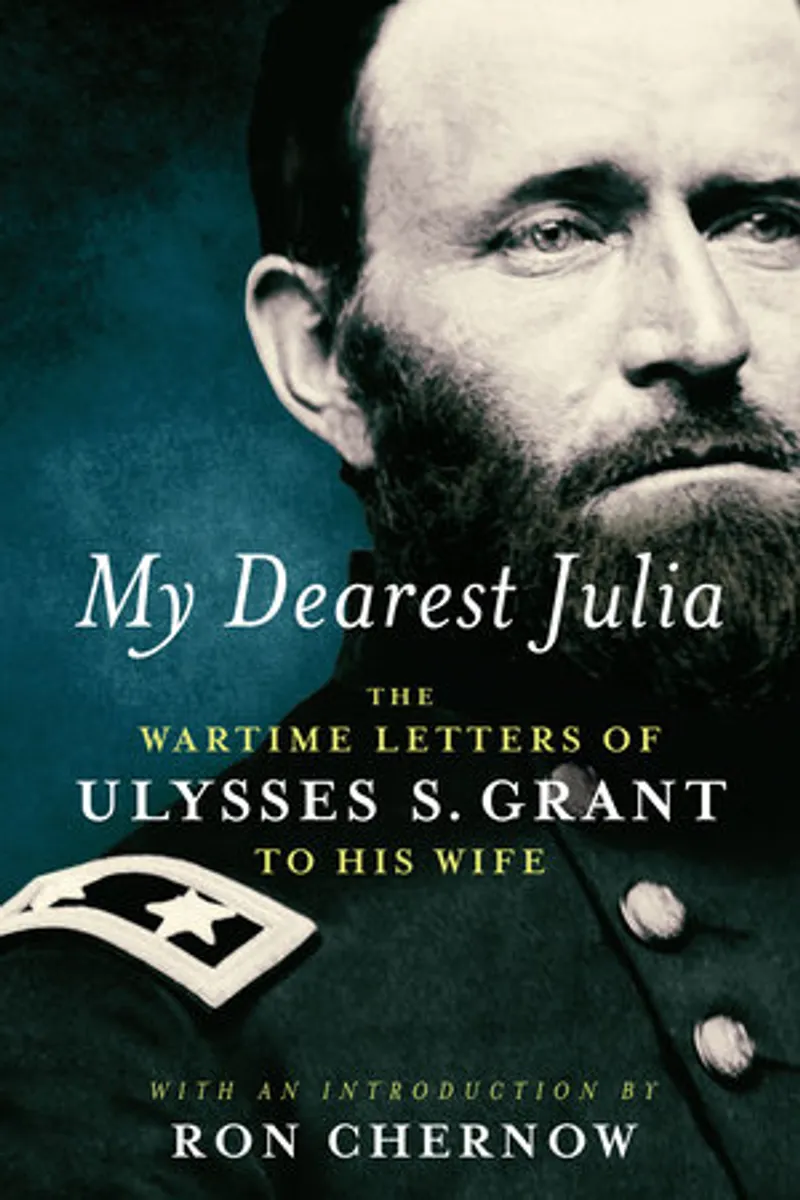
My Dearest Julia: The Wartime Letters of Ulysses S. Grant to His Wife Author: Ulysses S. GrantPage Count: UnknownPublication Date: 2018-PRH "My Dearest Julia: The Wartime Letters of Ulysses S. Grant to His Wife" is a captivating collection of intimate letters written by the Civil War's greatest general to his beloved wife, Julia. This book offers a unique glimpse into the personal life of Ulysses S. Grant, showcasing his remarkable evolution from an insecure young soldier to a capable, self-confident general. The letters, spanning over two decades from 1844 to 1865, provide a candid and unfiltered look at Grant's experiences during the War in Mexico and the Civil War. With an introduction by acclaimed biographer Ron Chernow, this compilation of over eighty letters is a treasure trove for American history buffs and those interested in the personal side of a legendary figure. One of the most striking aspects of Grant's letters is their immediacy and vulnerability. Written in haste, often within earshot of gunfire, these letters convey the uncertainty and intensity of war. Grant's words paint a vivid picture of the chaos and destruction surrounding him, yet they also reveal a deep sense of longing and love for his wife. His letters are a testament to the enduring power of human connection, even in the midst of unimaginable turmoil. Grant's writing style is refreshingly candid and unpretentious. His letters are free from the ornate language and grandiose posturing often associated with military leaders. Instead, they are characterized by a simple, direct, and honest tone that makes the reader feel like they are experiencing the events firsthand. Whether he is describing the horrors of war or the mundane details of army life, Grant's writing is engaging, relatable, and deeply human. Throughout the letters, Grant's growth and development as a military leader are evident. His early letters reveal a young soldier struggling with insecurity and self-doubt, while his later letters showcase a confident and self-assured general. This transformation is all the more remarkable given the tumultuous and often brutal context in which it took place. One of the most poignant aspects of Grant's letters is their ability to convey the emotional toll of war. His words capture the aching homesickness, the fear of death, and the moral complexity of conflict. In one particularly striking passage, Grant writes, "The world has never seen so bloody or so protracted a battle as the one being fought, and I hope never will again." This sentiment, written from the trenches of Spotsylvania in 1864, is a powerful reminder of the devastating consequences of war and the enduring impact it has on those who fight it. In conclusion, "My Dearest Julia" is a remarkable collection of letters that offers a unique perspective on the life and experiences of Ulysses S. Grant. With its candid and unflinching portrayal of war, love, and personal growth, this book is a must-read for anyone interested in American history, military leadership, or the human experience. Grant's letters are a testament to the power of human connection and the enduring legacy of one of America's greatest generals. #UlyssesSGrant #CivilWar #AmericanHistory #MilitaryLeadership #HistoricalNonFiction #WartimeLetters