Showing Posts From
Underwater photography
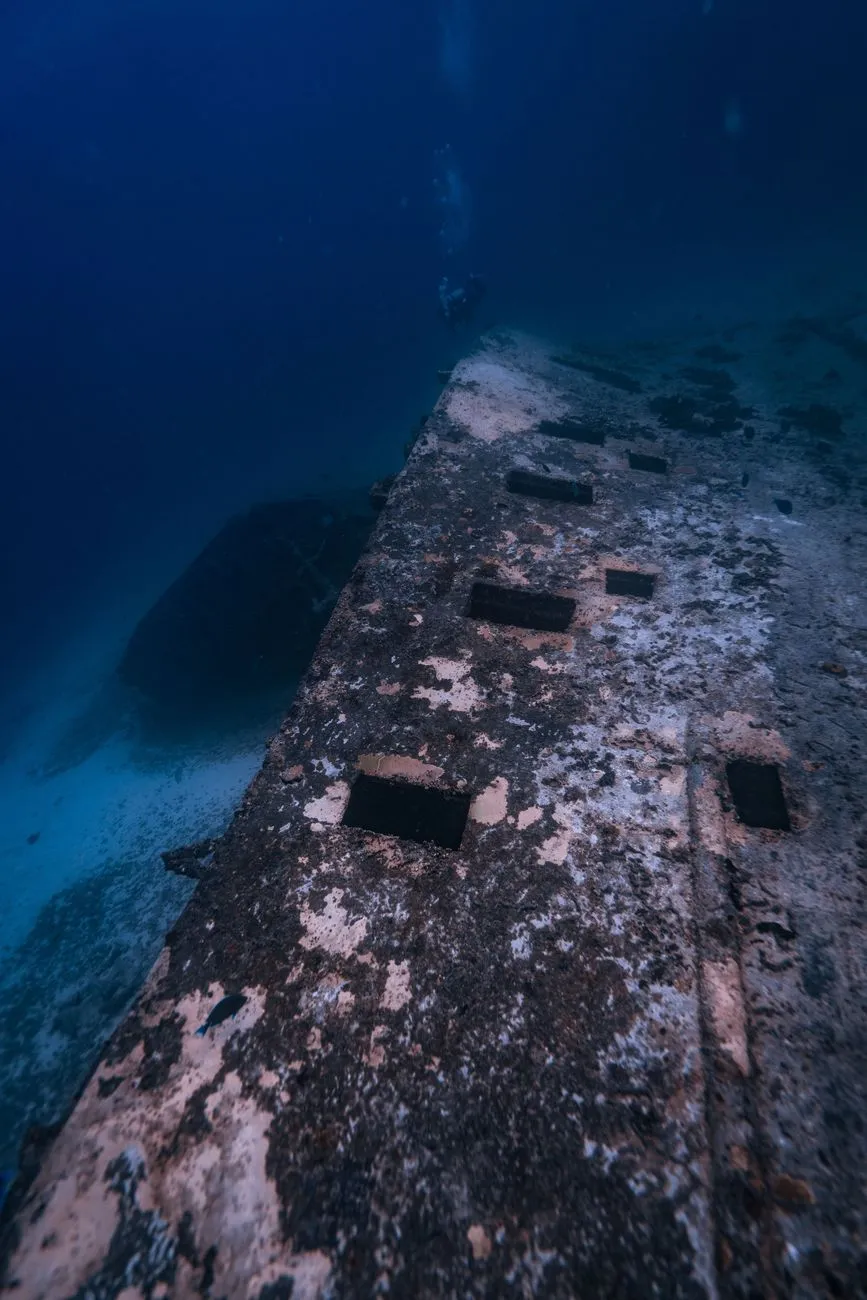
Iron Bottom Sound: The Graveyard of the Pacific Iron Bottom Sound, the narrow channel between Guadalcanal and the Florida Islands, earned its grim nickname during the ferocious naval battles of 1942‑43. Over fifty ships — Japanese destroyers, American cruisers, and merchant vessels — now rest on the sandy floor, their steel ribs draped in soft corals and sponges. For an underwater photographer, this concentration of wrecks offers an unparalleled canvas: each hull tells a story of fire, flood, and the slow reclamation by marine life. Visibility typically ranges from 15 to 30 metres during the dry season (May‑October), and water temperatures hover around 27 °C, allowing comfortable long‑bottom times with a 5 mm wetsuit. The most iconic subjects include the Japanese destroyer Yūdachi, the American heavy cruiser USS Northampton, and the merchant Kawachi Maru, each lying at depths between 20 and 40 metres — ideal for both wide‑angle reef scenes and intimate macro details of encrusting fauna.When planning a shoot, treat the sound as a series of distinct “stations.” Begin at the shallow Yūdachi (≈22 m) where ambient light still paints the superstructure in turquoise hues. Move deeper to Northampton (≈38 m) for dramatic silhouettes against the open water column. A final stop at Kawachi Maru (≈30 m) reveals a cargo hold teeming with schooling fish, perfect for capturing the interplay of life and rust. Because currents can be unpredictable, always dive with a local guide who knows the slack‑water windows — usually mid‑morning and late afternoon — when the water is calmest and particulate matter settles, giving you the cleanest frames. Ghost Ships of Guadalcanal: Mapping the Wrecks Beyond Iron Bottom Sound, the northern coast of Guadalcanal hides a second tier of wrecks that are less visited but equally photogenic. The USS Aaron Ward (DD‑483) rests near the village of Tassafaronga at 35 metres, its bow torn open by a torpedo hit. Further east, the Japanese transport Kōtoku Maru lies on its side at 28 metres, its deck cargo of trucks and ammunition now a playground for lionfish and nudibranchs. Mapping these sites requires a blend of historical research and modern sonar data. The Solomon Islands National Museum in Honiara archives original naval charts, while the local dive operator “Solomons Dive Adventures” maintains a GPS‑referenced database updated after each survey dive. Carry a waterproof slate with the coordinates, depth, and bearing for each wreck; this reduces bottom time spent searching and maximizes creative shooting windows.A practical workflow: start each day with a 30‑minute briefing on the target wreck’s orientation, notable features (gun turrets, propeller shafts, cargo hatches), and known marine life hotspots. Use a dive computer with a built‑in compass to verify headings. For wide‑angle work, a 16‑35 mm rectilinear lens behind a dome port captures the full hull in a single frame, while a 60 mm macro lens reveals the texture of corroded rivets colonized by tunicates. Remember that many wrecks are war graves; the Solomon Islands government enforces a “look but don’t touch” policy. Penetration is prohibited without a special permit, and any disturbance of artifacts can result in heavy fines and loss of diving privileges. Light, Color, and Composition at Depth The physics of light in the Solomon Sea dictates every creative decision. Below 15 metres, red wavelengths vanish, leaving a monochrome blue‑green world. To restore the palette of rusted steel and vibrant coral, photographers rely on two strategies: artificial lighting and white‑balance mastery. Dual strobes positioned at 45° angles from the housing eliminate backscatter and provide even illumination across the wreck’s broad surfaces. Set strobe power to ½–¾ for wide‑angle shots; for macro, drop to ¼ to avoid blowing out delicate polyps. Custom white balance, measured off a neutral gray slate at the working depth, yields natural tones without heavy post‑processing. Compositionally, treat each wreck as an architectural element. Use the rule of thirds to place the bow or stern on a vertical third, allowing the open water to breathe. Leading lines — anchor chains, gun barrels, fractured bulkheads — guide the viewer’s eye toward the vanishing point. Incorporate marine life for scale: a passing reef shark or a school of fusiliers juxtaposed against a 150‑metre hull conveys the enormity of the scene. Shoot in RAW, bracket exposures (±1 EV) for HDR blending later, and keep ISO as low as possible (100–200) to preserve dynamic range. A 1/125 s shutter speed generally freezes gentle surge while still allowing enough ambient light for background detail.Logistics, Permits, and Local Dive Operators Successful expeditions hinge on meticulous logistics. International flights arrive at Honiara International Airport (HIR) via Brisbane, Nadi, or Port Moresby. From Honiara, a 30‑minute domestic hop on Solomon Airlines reaches Gizo (GZO) or Munda (MUA), the two main gateways to the wreck sites. Most operators run live‑aboard vessels (7‑10 days) or day‑trip speedboats from Gizo. Permits are mandatory: the Solomon Islands Ministry of Culture and Tourism issues a “Wreck Diving Permit” (USD 150 per diver, valid 30 days) and a “Photography Permit” (USD 75) for commercial use. Applications require a copy of your dive certification (minimum Advanced Open Water), a detailed dive plan, and proof of insurance covering hyperbaric treatment.Operator Base Vessel Type Typical Package (7 days) Includes Price (USD)Solomons Dive Adventures Gizo 30 m live‑aboard 12 wreck dives + 2 night dives Tanks, weights, meals, permits 4,850Dive Munda Munda 25 m catamaran 10 wreck dives + 1 cultural tour Tanks, weights, meals, permits 4,200Pacific Blue Divers Honiara Day‑boat (2 × day) 6 wreck dives Tanks, weights, lunch, permits 1,950Coral Sea Charters Gizo 28 m live‑aboard 14 wreck dives + 3 macro sessions Tanks, weights, meals, permits, Nitrox 5,300Accommodation ranges from budget guesthouses (USD 30‑50/night) to eco‑lodges (USD 120‑180/night). Budget an additional USD 200‑300 for domestic flights, USD 100 for gear rental (if not bringing your own), and USD 150 for contingency (weather delays, extra dives). Travel insurance covering dive activities up to 40 metres is non‑negotiable; policies from DAN or World Nomads are widely accepted. Preserving History: Ethics of Underwater Documentation The allure of these wrecks carries a responsibility that transcends aesthetics. Each site is a war grave, a cultural heritage asset, and an ecological habitat. The Solomon Islands’ 2018 “Underwater Cultural Heritage Act” aligns with UNESCO’s 2001 Convention, mandating that any imaging for commercial publication undergo a review by the National Heritage Council. Photographers must submit a portfolio of intended shots, describe lighting techniques, and confirm no physical contact will occur. Violations can lead to permit revocation and legal action. Beyond legal compliance, ethical practice means minimizing impact. Use buoyancy control to avoid fin kicks that stir sediment onto fragile coral colonies. Keep strobe arms tucked when not firing to prevent accidental strikes. Share images with local schools and museums — many communities have never seen the wrecks that rest off their shores. Collaborative projects, such as the “Iron Bottom Sound Digital Archive,” combine photogrammetry models with oral histories from veterans’ families, creating a living record that honors both the fallen and the living stewards of the reef. Beyond the Viewfinder: A Diver’s Reflection Emerging from a dive on Northampton at twilight, the surface mirrors the last amber light while the wreck below glows faintly under a diver’s torch. In that moment the camera becomes a bridge — connecting the silence of 1942 with the pulse of today’s reef. The photographs you bring home are more than portfolio pieces; they are testimony to resilience, both human and marine. As you edit, let the colors breathe, let the shadows linger, and let the stories surface. The Solomon Islands’ sunken fleet awaits not just your lens, but your respect.#UnderwaterPhotography #WWIIHistory #SolomonIslands #TravelPhotography #DiveAdventures Related InsightsFalling for Peachtree Bluff (Peachtree Bluff #5) Book Review and Summary Swann’s Way Book Review and Summary Do Androids Dream of Electric Sheep? Book Review and Summary