Showing Posts From
Volcano trekking
-
 Chloe Tremblay
 - 22 Jul, 2026 17:50
Ethiopia’s Danakil Depression: A Journey to Earth’s Hottest and Most Alien Landscape (Part 2)
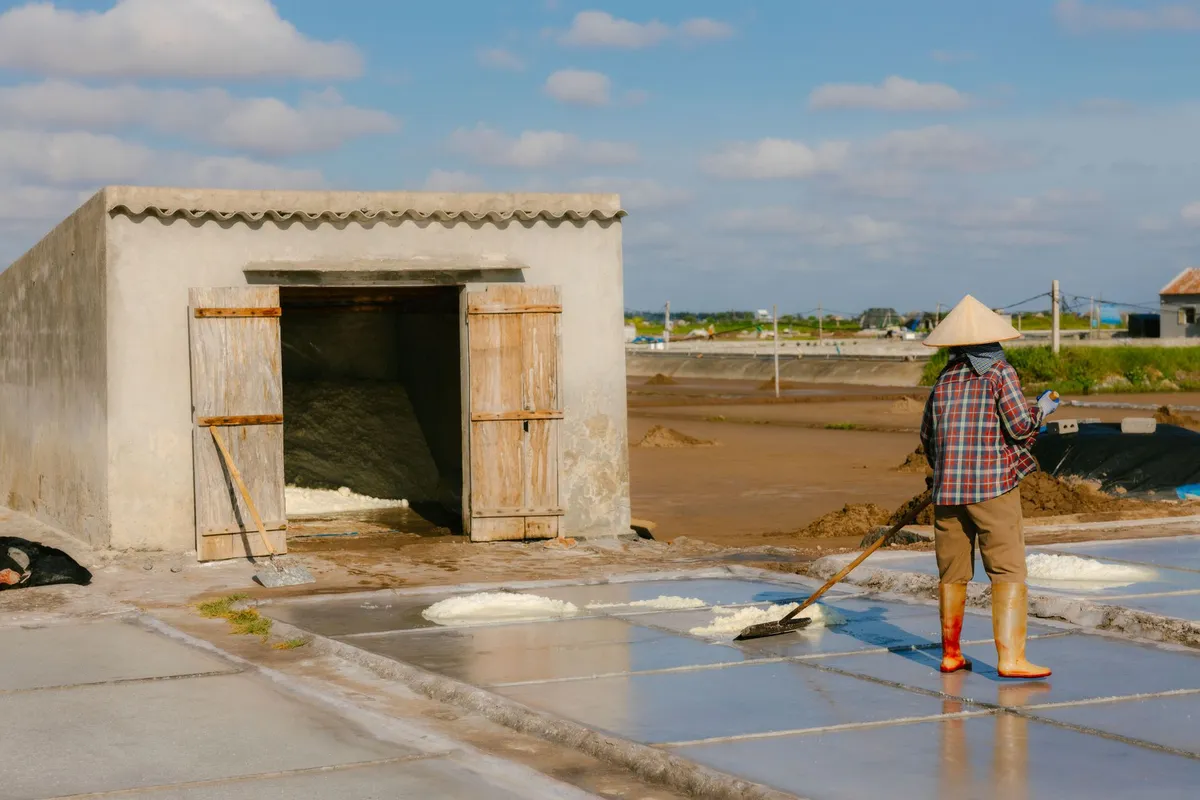
This is Part 2 of the series. Read Part 1 here.The Salt Caravans: A Journey Through Time The salt caravans of the Danakil Depression are a spectacle of human endurance and tradition. Each caravan consists of hundreds of camels, each laden with salt blocks weighing up to 30 kilograms (66 pounds). The journey is grueling, with temperatures often exceeding 50°C (122°F) and the terrain being treacherous. Yet, the caravans continue to operate, a testament to the resilience of the Afar people. For travelers, encountering a salt caravan is a rare and unforgettable experience. The sight of hundreds of camels trudging across the salt flats, their bells jingling in the distance, is like stepping back in time. Some tour operators include a visit to a salt mine or a caravan stop as part of their itinerary, giving visitors a glimpse into this ancient way of life. The Cultural Significance of Salt In Afar culture, salt is more than just a commodity—it’s a symbol of wealth, status, and even spirituality. The Afar people believe that the salt flats are sacred, and they perform rituals to honor the spirits that dwell there. Salt is also used in traditional medicine, with Afar healers prescribing it for everything from digestive issues to skin ailments. For visitors, the salt caravans offer a unique opportunity to engage with Afar culture. Many tour operators arrange meetings with local miners and traders, allowing travelers to learn about their traditions and way of life. Purchasing salt directly from the miners is also a way to support the local economy and bring home a piece of this extraordinary place.Surviving the Danakil Depression: Health Risks, Safety Tips, and Practical Advice The Danakil Depression is not a destination for the faint of heart. With temperatures that can melt asphalt, air thick with toxic fumes, and a landscape that seems designed to test human limits, survival here requires preparation, caution, and respect for the environment. In this section, we’ll cover the key health risks, safety tips, and practical advice to ensure your expedition is as safe as it is unforgettable. Health Risks: What to Watch Out For The Danakil Depression poses several health risks, the most immediate of which is heatstroke. With temperatures often exceeding 50°C (122°F), the risk of dehydration and heat exhaustion is extremely high. Symptoms of heatstroke include dizziness, nausea, confusion, and a rapid pulse. If left untreated, heatstroke can be fatal. To prevent it:Drink water constantly, even if you’re not thirsty. Avoid alcohol and caffeine, as they dehydrate you. Take frequent breaks in shaded areas. Wear lightweight, breathable clothing to help regulate body temperature.Another major health concern is respiratory issues caused by the sulfur fumes from the hydrothermal vents. Inhaling sulfur dioxide can irritate the lungs and throat, leading to coughing, wheezing, and shortness of breath. People with asthma or other respiratory conditions should consult a doctor before visiting. If you experience difficulty breathing, move to an area with fresher air and seek medical attention immediately. Safety Tips: Navigating the Extreme Landscape The Danakil Depression is a hazardous environment, and safety should be your top priority. Here are some essential tips to keep in mind:Never wander off alone: Always stay with your guide and group. The terrain is treacherous, and getting lost is a real risk. Avoid touching hot surfaces: The ground in the hydrothermal areas can reach temperatures of over 100°C (212°F). Even a brief touch can cause severe burns. Wear sturdy footwear: The salt flats and volcanic terrain are sharp and uneven. Proper hiking boots are a must. Carry a first-aid kit: Include bandages, antiseptic wipes, rehydration salts, and any personal medication. Stay hydrated: Dehydration can set in quickly, so drink water regularly, even if you’re not thirsty.Practical Advice: What to Expect on the Ground Your expedition will likely begin in Mekelle, the capital of the Tigray region, which serves as the gateway to the Danakil Depression. From there, you’ll travel by 4x4 vehicle to Semera, the regional capital of the Afar region. The journey takes about 6-8 hours, depending on road conditions. Along the way, you’ll pass through arid landscapes, small villages, and the occasional camel caravan. Once in the Danakil Depression, your itinerary will typically include visits to:Erta Ale volcano: A night hike to the crater’s edge to witness the lava lake. Dallol hydrothermal field: A surreal landscape of acidic hot springs and mineral deposits. Salt flats and caravans: An opportunity to see the salt mining process and interact with local traders.Accommodation during your expedition will be basic but comfortable. Most tours include stays in campsites with tents or simple lodges. Expect basic amenities like shared bathrooms and limited electricity. Meals are usually prepared by the tour crew and consist of local dishes like injera (a sourdough flatbread) and wat (a spicy stew). Money-Saving Tips for Budget-Conscious Travelers While the Danakil Depression is not a budget destination, there are ways to reduce costs without compromising safety or experience. Here are some tips:Travel during the off-season: The best time to visit is between October and March, when temperatures are slightly cooler. Avoid the peak summer months (June-August), when the heat is unbearable. Book a group tour: Sharing a tour with other travelers can significantly lower the per-person cost. Bring your own snacks and water: While meals are usually included, bringing extra snacks and a reusable water bottle can save money. Negotiate extras: Some tour operators may include additional stops or activities for a small fee, so ask about package deals.The Danakil Depression Through the Lens: Photography and Cultural Immersion The Danakil Depression is a photographer’s paradise—a landscape so alien and vibrant that it feels like another world. From the neon-yellow sulfur fields of Dallol to the glowing lava lake of Erta Ale, every corner of this extreme environment offers a unique visual experience. But capturing its beauty requires more than just a good camera—it demands patience, respect for the environment, and an understanding of the cultural significance of the land. Photography Tips for the Danakil Depression The Danakil Depression presents several challenges for photographers, the most obvious being the extreme heat and harsh light. Here are some tips to help you capture the best shots:Shoot during golden hour: The light is softest and most flattering during sunrise and sunset, making it the ideal time for landscape photography. Use a polarizing filter: This helps reduce glare and enhance the colors of the mineral deposits. Bring extra batteries: The heat drains batteries quickly, so pack spares and keep them in a cool place. Protect your gear: Dust and sand are constant companions in the Danakil Depression. Use a lens cloth to clean your equipment regularly and store your camera in a dust-proof bag when not in use.Cultural Immersion: Engaging with the Afar People The Danakil Depression is not just a geological wonder—it’s also home to the Afar people, one of Ethiopia’s most resilient ethnic groups. Engaging with the local community is a highlight of any visit, offering insights into their traditions, way of life, and deep connection to the land. Many tour operators arrange meetings with Afar miners, traders, and guides, allowing visitors to learn about their culture firsthand. Some tours even include homestays in Afar villages, where you can experience traditional food, music, and hospitality. The Afar people are warm and welcoming, but it’s important to approach interactions with respect and humility. Ask for permission before taking photos of people or their homes, and consider purchasing salt or other local crafts as a way to support their economy. Ethical Considerations: Responsible Tourism in the Danakil Depression The Danakil Depression is a fragile ecosystem, and tourism can have a significant impact on the environment and local communities. To minimize your footprint, follow these guidelines:Stay on marked paths: The terrain is fragile, and straying from designated routes can damage the landscape. Avoid littering: Pack out all your trash, including food wrappers and water bottles. Respect local customs: Dress modestly, ask before taking photos, and follow your guide’s instructions. Support local businesses: Purchase salt, crafts, or other goods directly from Afar traders to ensure your money goes back into the community.Cost Breakdown: What to Expect When Visiting the Danakil DepressionExpense Cost (USD) NotesEthiopian e-Visa $52 Single-entry, 30-day validity.Danakil Depression Permit $50-$100 Usually included in tour packages.3-Day Tour Package $450-$700 Includes transport, accommodation, meals, and guide.Flights to Ethiopia $800-$1,500 Varies by departure city and season.Travel Insurance $100-$200 Essential for medical evacuation coverage.Vaccinations $50-$150 Includes yellow fever, hepatitis A, and typhoid.Gear and Supplies $100-$200 Includes hiking boots, sunscreen, and a reusable water bottle.Total Estimated Cost $1,552-$2,852 Excludes souvenirs and extra activities.Conclusion: Is the Danakil Depression Worth the Journey? The Danakil Depression is not a destination for the casual traveler. It is a place of extremes—where the heat can melt the soles of your shoes, the air can burn your lungs, and the landscape looks like it belongs on another planet. Yet, for those who make the journey, the rewards are unparalleled. To stand on the edge of Erta Ale’s lava lake, to walk through the neon sulfur fields of Dallol, to witness the ancient salt caravans of the Afar people—these are experiences that transcend the ordinary. But the Danakil Depression is more than just an adventure—it’s a lesson in resilience, both human and geological. It’s a reminder of the raw power of nature and the fragility of human existence. It’s a place where the Earth’s crust is thin enough to glimpse the molten heart beneath, where the air is thick with the scent of sulfur and the echoes of ancient trade routes. If you’re willing to brave the heat, the bureaucracy, and the physical demands, the Danakil Depression will reward you with memories that last a lifetime. Just remember: this is not a trip to be taken lightly. It requires preparation, respect for the environment, and a willingness to embrace the unknown. But for those who do, the Danakil Depression offers an adventure unlike any other—a journey to the edge of the world and back. So, are you ready to step into the fire?#EthiopiaAdventure #ExtremeTravel #VolcanoTrekking #SaltFlats #DanakilDepression Related InsightsMachu Picchu : Quand les Pierres Éternelles des Incas Murmurent l'Histoire Oubliée au Sommet des Andes 'Australiens verborgene Schätze: Wie der Tourismus das Land neu erfindet' The Arctic's Whispering Skies: Your Ultimate Guide to Unlocking Scandinavia's Northern Lights Mystique (Part 2){ "@context": "https://schema.org", "@type": "FAQPage", "mainEntity": [ { "@type": "Question", "name": "What is the main focus of Ethiopia’s Danakil Depression: A Journey to Earth’s Hottest and Most Alien Landscape (Part 2)?", "acceptedAnswer": { "@type": "Answer", "text": "Explore Ethiopia’s Danakil Depression, a surreal, otherworldly landscape where temperatures soar, volcanoes erupt, and salt caravans traverse ancient trade routes." } }, { "@type": "Question", "name": "Who authored the comprehensive guide on Ethiopia’s Danakil Depression: A Journey to Earth’s Hottest and Most Alien Landscape (Part 2)?", "acceptedAnswer": { "@type": "Answer", "text": "This detailed article and its insights were carefully researched and authored by Chloe Tremblay." } }, { "@type": "Question", "name": "Where can I find more related content about Travel?", "acceptedAnswer": { "@type": "Answer", "text": "You can explore more articles, detailed reviews, and similar insights by browsing the Related Insights section at the bottom of this article or visiting our dedicated Travel category page." } } ] }