Showing Posts From
War of the wolf
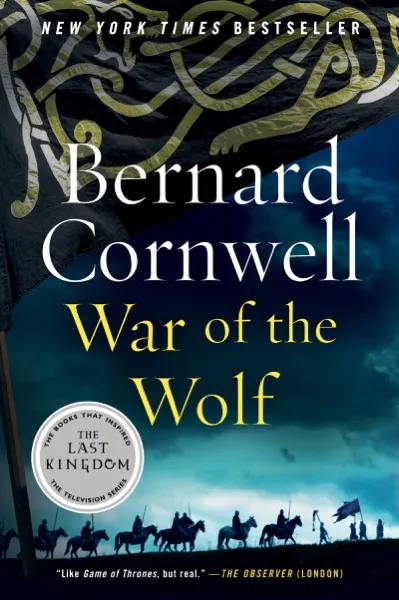

War of the wolf Author: Bernard CornwellPage Count: UnknownPublication Year: 2018-GB War of the Wolf: A Masterclass in Historical Fiction Bernard Cornwell’s War of the Wolf (2018) is a gripping entry in the Saxon Stories series, a saga that has captivated readers worldwide with its relentless blend of history, warfare, and human drama. As the twelfth installment in the series, set in the tumultuous 9th century, this novel continues the epic tale of Uhtred of Bebbanburg—a man caught between two worlds: the pagan Northumbria of his birth and the Christian Kingdom of Wessex, fighting to unite a fractured England. At its core, War of the Wolf is a story about identity, loyalty, and the cost of war. Uhtred, now an old warrior but still fierce in battle, faces his greatest challenge yet: reclaiming Bebbanburg, the fortress of his ancestors, from the treacherous Scots. But beyond the physical battle, the novel delves into Uhtred’s internal struggle—his love for his wife, his loyalty to King Alfred’s dream of a united England, and his unshakable belief in his own destiny. Cornwell masterfully weaves these themes into a narrative that is as much about the soul as it is about the sword. What sets Cornwell apart is his unparalleled ability to make history feel alive. The 9th century was a time of brutal conflict, shifting allegiances, and fragile alliances. The author doesn’t just recount these events—he immerses the reader in them. The battles are visceral, the politics intricate, and the characters deeply human. Uhtred, with his sharp wit, unyielding pride, and occasional recklessness, remains one of literature’s most compelling heroes. His flaws make him real, his victories hard-won, and his failures heartbreaking. Cornwell’s prose is lean and direct, devoid of unnecessary flourish but rich in detail. He doesn’t waste words on flowery descriptions; instead, he lets the action and dialogue drive the story forward. The dialogue, in particular, crackles with authenticity—whether it’s the banter between warriors, the cunning words of kings, or the quiet exchanges of lovers. This style ensures that the reader is always engaged, never bogged down by superfluous prose. The novel’s pacing is relentless. From the opening chapter, where Uhtred leads a daring raid against the Scots, to the climactic siege of Bebbanburg, the tension never wanes. Cornwell excels at building suspense, dropping the reader into the heart of the action with vivid descriptions of combat. The battles are not glorified; they are brutal, chaotic, and often tragic. This realism makes the victories sweeter and the losses more poignant. One of the standout elements of War of the Wolf is its exploration of legacy. Uhtred, now an aging warrior, grapples with what he will leave behind. His son, his followers, and even the land itself become central to his journey. Cornwell doesn’t shy away from the darker aspects of war—betrayal, loss, and the erosion of ideals—making the story feel grounded and emotionally resonant. For fans of historical fiction, War of the Wolf is a must-read. For those new to Cornwell, it serves as a thrilling introduction to a master storyteller. The novel is more than just a tale of battles and kings; it’s a meditation on what it means to fight for something greater than oneself. If you love sweeping historical epics, complex characters, and stories that grip you from the first page to the last, War of the Wolf will not disappoint. #WarOfTheWolf #BernardCornwell #HistoricalFiction #SaxonStories #UhtredOfBebbanburg #MedievalWarfare