Showing Posts From
Wine tasting
-
 Marcus Vance
 - 17 Aug, 2026 19:10
Sip, Savor, and Swoon: The Art of French Wine and Cheese Pairings That Will Transport You to the Vineyards of Bordeaux
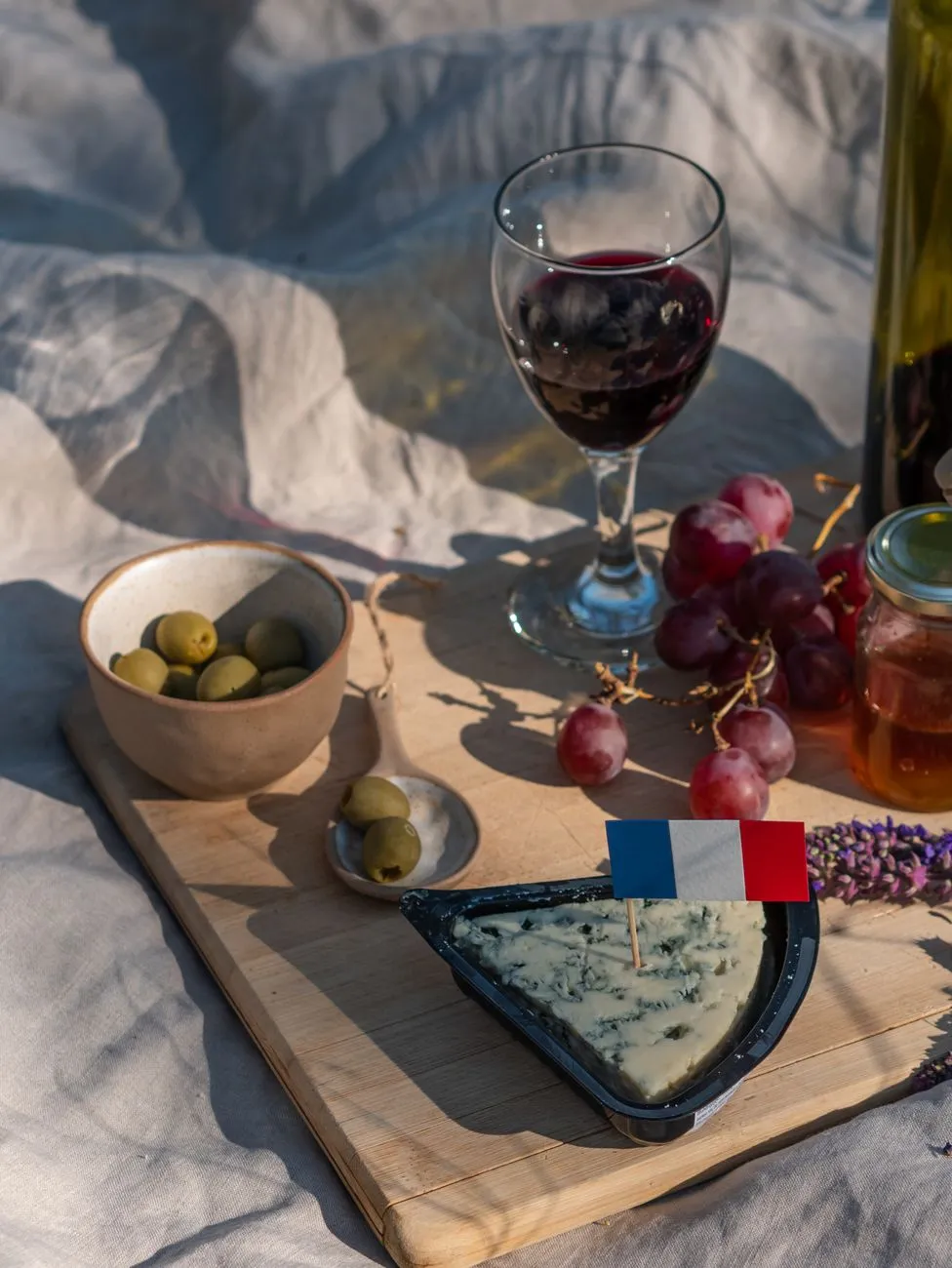
The Golden Rules of French Wine and Cheese Pairings: A Sommelier’s Secret Handbook Pairing French wine and cheese is less about rigid rules and more about harmony—balancing flavors, textures, and regional origins to create a symphony on your palate. The French have elevated this art to near-religious status, and for good reason. A well-chosen pairing can elevate a simple snack into a transcendent experience, revealing layers of flavor that neither component could achieve alone. The first rule is regional alignment. Wines and cheeses from the same region naturally complement each other because they share the same terroir—the unique combination of soil, climate, and tradition that shapes their character. For example, a creamy Brie de Meaux pairs effortlessly with a Champagne from the same region, as both reflect the chalky soils of Île-de-France. Similarly, the bold tannins of a Cahors Malbec harmonize with the earthy, aged flavors of a Cantal cheese from Auvergne. The second rule is texture and intensity. Delicate wines like a Sancerre demand cheeses with subtle flavors, such as a young Chèvre, while robust reds like a Syrah from the Northern Rhône can stand up to the pungent funk of a Munster. The key is to match the weight of the wine with the weight of the cheese. A light-bodied wine will be overwhelmed by a dense, aged cheese, just as a heavy, full-bodied wine can overpower a delicate fresh cheese. Finally, acidity and fat balance is crucial. The acidity in a wine like a Sauternes cuts through the richness of a buttery Comté, while the fat in the cheese softens the wine’s tannins, creating a smooth, balanced finish. This interplay is what makes French pairings so magical. To master this art, start with regional pairings, then experiment with contrasting textures and intensities. Keep a tasting journal to track your preferences—you’ll soon develop an intuitive sense for what works.Bordeaux and Beyond: The Terroir-Driven Art of French Wine RegionsThe concept of terroir is the heartbeat of French wine and cheese pairings. Terroir encompasses everything from the mineral composition of the soil to the microclimate of a vineyard, all of which imprints a distinct character on both wine and cheese. Nowhere is this more evident than in Bordeaux, where the gravelly soils of the Left Bank produce bold, structured reds like a Pauillac, while the clay-limestone soils of the Right Bank yield softer, fruit-forward Merlots like a Saint-Émilion. Bordeaux is divided into two primary regions: the Left Bank (Médoc, Graves, and Sauternes) and the Right Bank (Saint-Émilion and Pomerol). The Left Bank’s Cabernet Sauvignon-dominant blends thrive in the well-drained gravel soils, producing wines with firm tannins and dark fruit flavors that pair beautifully with aged cheeses like a mature Ossau-Iraty from the Basque Country. The Right Bank’s Merlot-based wines, with their lush plum and cherry notes, are perfect with creamy, buttery cheeses such as a Saint-Nectaire. Moving east to Burgundy, the terroir shifts to limestone and clay, yielding elegant Pinot Noirs and Chardonnays. A Burgundy Pinot Noir, with its red fruit and earthy undertones, pairs exquisitely with a Époisses de Bourgogne, a pungent, washed-rind cheese that mirrors the wine’s complexity. Meanwhile, a Chablis, with its crisp acidity and mineral notes, is a match made in heaven with a fresh, tangy Chèvre. In the Rhône Valley, the terroir ranges from the steep, granite slopes of the Northern Rhône to the sun-drenched, galet-strewn vineyards of the Southern Rhône. A Syrah from Hermitage, with its peppery, smoky notes, demands a cheese with depth, such as a Bleu de Gex. Conversely, a Southern Rhône Grenache-based blend, with its ripe red fruit and spice, pairs wonderfully with a Tomme de Provence, a semi-hard cheese with a nutty, herbal profile. The Loire Valley offers a diverse terroir, from the chalky soils of Sancerre to the schist of Chinon. A Sancerre Sauvignon Blanc, with its zesty citrus and herbal notes, is a natural partner for a Crottin de Chavignol, a small, tangy goat cheese from the region. Meanwhile, a Chinon Cabernet Franc, with its bell pepper and raspberry aromas, pairs beautifully with a Sainte-Maure de Touraine, a cylindrical goat cheese with a wrinkled rind. Understanding terroir is the key to unlocking the perfect pairing. By aligning wine and cheese from the same region, you honor the unique expression of that place, creating a harmonious balance that transcends the sum of its parts.From Brie to Bleu: A Cheese Lover’s Tour of France’s FinestFrance is home to over 1,000 varieties of cheese, each with its own story, texture, and flavor profile. To navigate this dairy paradise, it’s helpful to categorize cheeses into broad families based on their milk type, aging process, and texture. Fresh Cheeses are unaged, soft, and mild, with a high moisture content. Examples include Boursin, a creamy garlic-and-herb cheese, and Faisselle, a delicate, slightly tangy fresh goat cheese. These cheeses pair best with light, crisp wines like a Muscadet or a Champagne Blanc de Blancs, which won’t overpower their delicate flavors. Soft-Ripened Cheeses are aged for a short period, developing a bloomy rind and creamy interior. Brie de Meaux and Camembert de Normandie are quintessential examples. These cheeses, with their buttery, mushroomy notes, shine when paired with Champagne or a light-bodied red like a Beaujolais. The effervescence of Champagne cuts through the richness, while the red wine’s acidity balances the cheese’s creaminess. Semi-Soft Cheeses have a firmer texture and a more pronounced flavor. Saint-Nectaire, a cow’s milk cheese from Auvergne, and Tomme de Savoie, a nutty, alpine cheese, fall into this category. These cheeses pair well with medium-bodied reds like a Crozes-Hermitage or whites like a Viognier. The wine’s body complements the cheese’s texture, while its acidity refreshes the palate. Hard Cheeses are aged for months or years, resulting in a dense, crumbly texture and concentrated flavors. Comté, a Jura cheese with caramel and nutty notes, and Beaufort, a buttery alpine cheese, are prime examples. These cheeses demand full-bodied wines like a Jura Vin Jaune or a bold red like a Cahors Malbec. The wine’s tannins and intensity stand up to the cheese’s complexity, creating a harmonious pairing. Blue Cheeses are characterized by veins of mold that give them a sharp, tangy flavor. Roquefort, made from sheep’s milk, and Bleu d’Auvergne, a cow’s milk blue, are iconic French blues. These cheeses pair best with sweet wines like a Sauternes or a Banyuls, which balance their saltiness and pungency. The contrast between the sweet wine and the salty, funky cheese is a match made in heaven. Washed-Rind Cheeses are aged in brine or alcohol, developing a pungent aroma and creamy texture. Époisses de Bourgogne, washed in Marc de Bourgogne, and Munster, a strong-smelling cheese from Alsace, are standout examples. These cheeses require bold, aromatic wines like a Gewürztraminer or a Pinot Gris. The wine’s spice and fruit notes complement the cheese’s funk, creating a dynamic pairing. To create a balanced cheese board, include a variety of textures and milk types. Start with a fresh cheese, move to a soft-ripened, then a semi-soft, and finish with a hard or blue cheese. Pair each with a wine that complements its intensity, and you’ll have a tasting experience that’s both educational and delicious.The Science of Pairing: How Acidity, Tannins, and Fat Create Culinary MagicThe magic of French wine and cheese pairings lies in the science of flavor interaction. Three key components—acidity, tannins, and fat—play a crucial role in determining how a wine and cheese will harmonize on your palate. Acidity is the backbone of many French wines, from the crisp Sancerre to the lively Champagne. Acidity in wine acts like a palate cleanser, cutting through the richness of cheese and refreshing your taste buds. For example, a high-acid white wine like a Chablis will slice through the creaminess of a Camembert, preventing the cheese from feeling overly heavy. Similarly, a sparkling wine’s effervescence enhances the perception of freshness, making it an ideal pairing for salty cheeses like a Feta or a young Pecorino. Tannins are the compounds in red wine that create a dry, astringent sensation. They bind to proteins in cheese, softening the wine’s structure and enhancing its fruit flavors. This is why bold reds like a Bordeaux or a Syrah pair so well with aged cheeses like a Comté or a Parmigiano-Reggiano. The tannins in the wine interact with the fat and protein in the cheese, creating a smooth, balanced finish. However, tannins can clash with soft, creamy cheeses like Brie, making the wine taste overly astringent. In such cases, opt for a lighter red or a white wine with higher acidity. Fat is the unsung hero of cheese pairings. The fat in cheese coats your palate, softening the impact of tannins and acidity in wine. This is why a buttery Brie pairs so well with a Champagne— the fat in the cheese mellows the wine’s acidity, while the acidity in the wine cuts through the cheese’s richness. Similarly, the fat in a mature Gouda enhances the fruitiness of a Rioja, creating a harmonious balance. When pairing, consider the fat content of the cheese: aged cheeses are higher in fat and pair better with full-bodied wines, while fresh cheeses are lower in fat and require lighter wines. Another scientific principle to consider is umami, the savory taste found in aged cheeses like Parmesan and aged Gouda. Umami enhances the perception of sweetness in wine, making it a natural partner for off-dry or sweet wines like a Sauternes or a Jurançon. The interaction between umami and sweetness creates a complex, layered flavor profile that’s both satisfying and intriguing. Finally, temperature plays a crucial role in pairing. Serving wine and cheese at the correct temperature enhances their flavors and textures. Red wines should be served slightly below room temperature (around 60-65°F or 15-18°C), while white wines and Champagnes are best served chilled (around 45-50°F or 7-10°C). Cheese should be served at room temperature to fully express its flavors. A chilled wine will taste flat and dull, while a room-temperature cheese will taste overly sharp and intense. By understanding the science behind these interactions, you can make informed pairing choices that elevate your tasting experience from good to extraordinary.The Ultimate French Wine and Cheese Pairing Cheat SheetWine Cheese Pairing Why It Works Price Range (USD)Champagne Brie de Meaux The acidity cuts through the creaminess, while the effervescence refreshes the palate. $40-$150Sancerre (Sauvignon Blanc) Crottin de Chavignol The wine’s herbal notes complement the goat cheese’s tanginess. $20-$50Bordeaux (Cabernet Sauvignon) Ossau-Iraty The wine’s tannins soften the cheese’s nutty, aged flavors. $25-$80Burgundy (Pinot Noir) Époisses de Bourgogne The wine’s earthy notes mirror the cheese’s funky, washed-rind character. $30-$100Sauternes Roquefort The sweetness balances the cheese’s saltiness and pungency. $35-$200Syrah (Northern Rhône) Bleu de Gex The wine’s peppery notes complement the blue cheese’s tangy, creamy texture. $25-$70Muscadet Faisselle The wine’s crisp acidity enhances the fresh cheese’s delicate flavors. $15-$30This table serves as a quick reference for pairing French wines and cheeses. Use it as a starting point, but don’t be afraid to experiment—sometimes the most unexpected pairings yield the most delightful results.A Toast to Tradition: How to Host the Perfect French Wine and Cheese EveningHosting a French wine and cheese evening is about more than just serving food and drink—it’s about creating an experience that transports your guests to the vineyards and fromageries of France. To host the perfect evening, start with the essentials: a well-curated selection of wines and cheeses, the right accompaniments, and a thoughtful presentation. Step 1: Select Your Wines and Cheeses Choose a variety of wines and cheeses that represent different regions and styles. Aim for a mix of reds, whites, and sparkling wines, along with a diverse selection of cheeses—soft, hard, blue, and fresh. For example, you might include a Champagne, a Sancerre, a Bordeaux, a Burgundy Pinot Noir, and a Sauternes, paired with Brie, Comté, Roquefort, Chèvre, and Époisses. Step 2: Prepare the Cheese Board Arrange the cheeses on a large wooden board or slate platter, leaving space between each variety to avoid overwhelming the senses. Use small knives or spreaders for each cheese, and label them with tent cards to guide your guests. Serve the cheeses at room temperature, as this allows their flavors to fully develop. Step 3: Pair with Accompaniments French cheese boards are often served with simple accompaniments that enhance the flavors of the cheese and wine. Include a fresh baguette or crusty bread, as the bread’s texture and mild flavor won’t compete with the cheese. Add nuts like walnuts or almonds for crunch, and dried fruits like figs or apricots for sweetness. Olives, cornichons, and charcuterie like jambon de Bayonne or saucisson sec are also excellent additions. Step 4: Serve the Wine Properly Serve white wines and Champagnes chilled (around 45-50°F or 7-10°C), and red wines slightly below room temperature (around 60-65°F or 15-18°C). Use proper glassware—white wine glasses for whites and sparkling wines, and larger red wine glasses for reds. Pour the wine generously but not excessively, leaving room in the glass for swirling and sniffing. Step 5: Guide the Tasting Encourage your guests to engage their senses. Have them observe the wine’s color and clarity, sniff its aromas, and take a sip to assess its body and finish. For the cheese, ask them to note the texture, aroma, and flavor profile. Discuss the pairings—why does the Champagne work so well with the Brie? How does the Sauternes balance the Roquefort? This interactive approach makes the tasting more engaging and educational. Step 6: Create a Relaxed Atmosphere French wine and cheese evenings are all about leisure and conversation. Play soft jazz or classical music in the background, and keep the lighting warm and inviting. Provide small plates and cheese knives, and encourage guests to serve themselves. The goal is to create an atmosphere where everyone feels comfortable exploring the flavors and sharing their thoughts. By following these steps, you’ll host an evening that’s not just a meal, but a celebration of French culture and culinary artistry.The Last Sip: Why French Wine and Cheese Pairings Are a Timeless Love StoryFrench wine and cheese pairings are more than just a culinary tradition—they are a testament to the art of living well. For centuries, the French have understood that food and drink are not merely sustenance but a way to connect with the land, the seasons, and the people who produce them. A perfectly paired wine and cheese can evoke memories of a sun-drenched afternoon in Provence, the crisp air of an alpine pasture, or the bustling markets of Paris. What makes this tradition so enduring is its adaptability. While the basics of terroir and balance remain constant, there’s always room for experimentation. Perhaps you’ll discover that a bold Cahors Malbec pairs surprisingly well with a tangy Chèvre, or that a crisp Alsace Pinot Gris enhances the funk of a Munster. The beauty of French wine and cheese pairings lies in their ability to surprise and delight, even as they honor tradition. As you embark on your own journey through the world of French wine and cheese, remember that the best pairings are those that bring you joy. Whether you’re enjoying a simple picnic in the park or hosting a lavish tasting for friends, let your palate be your guide. Savor each sip and bite, and let the flavors transport you to the heart of France.#FrenchWinePairing #CheeseLover #WineAndDine #TerroirMagic #SavorTheMoment Related InsightsVeganismo: Una Rivoluzione Morale, Ambientale e Gastronomica che Sta Ridisegnando il Mondo Das Herz des Dampfes: Die Kunst und Philosophie hinter der Dim Sum Kultur Exploring the Delightful World of Cheese Pairings (Part 2){ "@context": "https://schema.org", "@type": "FAQPage", "mainEntity": [ { "@type": "Question", "name": "What is the main focus of Sip, Savor, and Swoon: The Art of French Wine and Cheese Pairings That Will Transport You to the Vineyards of Bordeaux?", "acceptedAnswer": { "@type": "Answer", "text": "Unlock the secrets of perfect French wine and cheese pairings with this expert guide. Discover regional pairings, tasting tips, and the science behind terroir." } }, { "@type": "Question", "name": "Who authored the comprehensive guide on Sip, Savor, and Swoon: The Art of French Wine and Cheese Pairings That Will Transport You to the Vineyards of Bordeaux?", "acceptedAnswer": { "@type": "Answer", "text": "This detailed article and its insights were carefully researched and authored by Marcus Vance." } }, { "@type": "Question", "name": "Where can I find more related content about Food?", "acceptedAnswer": { "@type": "Answer", "text": "You can explore more articles, detailed reviews, and similar insights by browsing the Related Insights section at the bottom of this article or visiting our dedicated Food category page." } } ] }

-
 Klaus Weber
 - 15 Jul, 2026 05:27
Wine: A Journey Through 8000 Years of History, Science, and Enjoyment
The Birth of Wine: How the First Grapes Changed the World The history of wine is older than the pyramids, older than the first written characters, older than most of our modern civilizations. It does not begin in the sun-drenched hills of Tuscany or on the banks of the Rhine, but in the barren, yet fertile valleys of the Caucasus, where Georgia is located today. Archaeological claims prove: About 8,000 years ago – long before the Sumerians invented their cuneiform script or the Egyptians carved their first hieroglyphics – people pressed wild grapes into an intoxicating juice that fermented in clay jugs. Researchers found the oldest traces of this ancient intoxication near Tbilisi, where ceramic shards from around 6000 BC had preserved residues of tartaric acid and organic acids. But Georgia is not only the cradle of wine – it is also home to the oldest known winery in the world. In the Areni-1 cave in Armenia, just a few hundred kilometers away, archaeologists discovered in 2011 a complete wine press, storage tanks, and even grape seed remains dating back to 4100 BC. This discovery refuted the long-held assumption that viticulture was an achievement of classical antiquity. Instead, it shows: The art of turning grapes into alcohol was from the very beginning a profoundly human – and divine – practice. Because wine was never just a drink. It was simultaneously offering, medicine, currency, and symbol of civilization. The Phoenicians, those brilliant seafarers and traders of the Mediterranean, made it a global commodity from 1000 BC. Their wines from Byblos – a city in present-day Lebanon – were so famous that even the Romans still praised them centuries later as the "wine of kings". The Greeks in turn refined the art of viticulture and exported it to Italy, where it became the foundation of the Roman wine tradition. Pliny the Elder wrote enthusiastically in the 1st century AD about the wines from Falernum, an ancient wine-growing region in Campania, which was considered one of the first "premium wines" in history.But wine was not only a luxury good of the elites. It was also a political tool. The Romans used it to consolidate their rule – vineyards were planted in the conquered provinces, and the trade with the "liquid gold" financed entire armies. When the Goths and Vandals overthrew the Western Roman Empire in the 5th century, the arts of viticulture survived primarily in the monasteries. Monks – above all the Benedictines and Cistercians – not only preserved the knowledge of the vines but perfected it. Their monastery gardens in Burgundy, Bordeaux, and the Rhine Valley laid the foundation for some of the most famous wine regions in the world today.From Monasteries to the New World: How Wine Conquered the Continents The Middle Ages were a time of silent revolution in viticulture. While Europe sank into religious wars and feudal rule, the monks created something lasting: Systematic cultivation methods, targeted vine breeding, and the first quality standards. A particularly impressive example is Bordeaux, which in the 12th century under the rule of the English kings (as Dukes of Aquitaine) became one of the most important wine trade centers in Europe. The wines from this region were so coveted that they became known even in England as "Claret" – a synonym for red Bordeaux. But the true turning point came with the discovery of the New World. When European settlers set off for America, Africa, and Australia in the 16th century, they brought not only their language and religion but also vines and the knowledge of their care. The first documented vineyards in the New World emerged:Mexico (1530) – shortly after the Spanish conquest Peru (1550s) – where Jesuit missionaries grew wine for mass Chile (1560s) – which remains one of the most stable wine-growing regions in the world today South Africa (1655) – thanks to the Dutch East India Company, which established a supply base at the Cape of Good Hope California (1670s) – where Spanish missionaries planted the first vines that would later lead to the legendary Napa and Sonoma wines Australia (1788) – when Arthur Phillip, the founder of the Sydney penal colony, introduced the first European vines New Zealand (1819) – thanks to the missionary Samuel Marsden, who planted the first Sauvignon Blanc vinesThese colonial wines were initially simple, often acidic drops that mainly served religious practices. But over time they developed their own identity. Especially Chile and Argentina became global wine powers in the 19th century, while California revolutionized the wine world in the 20th century with the "Judgment of Paris" in 1976 – a blind tasting victory of Californian wines against French ones.The Greatest Disaster of Viticulture: Phylloxera and the Rescue by the Root But viticulture faced its greatest challenge: Phylloxera, an aphid introduced from America, which destroyed European vineyards in the 19th century. The pest, whose larvae fed on the roots of the vines, spread at breathtaking speed. By 1880, almost all European vineyards were infected – an economic and cultural disaster that drove entire regions to ruin. The solution came from an unexpected direction: America. There, the vines of the species Vitis labrusca and Vitis riparia had developed a natural resistance to Phylloxera over the course of evolution. European winemakers began to graft their noble Vitis vinifera varieties (like Cabernet Sauvignon or Chardonnay) onto American rootstocks – a procedure that is still standard today. Only a few regions like Chile, parts of Australia, and the Canary Islands were spared because they were geographically isolated. This "grafting revolution" saved viticulture, but it changed it forever. Suddenly, winemakers were forced to rethink their methods. The traditional mixed cultures gave way to monocultures, and quality control became stricter. In France, this led in 1947 to the founding of the Institut national de l'origine et de la qualité (INAO), which introduced the first Appellation d'Origine Contrôlée (AOC) laws. These rules – which determined which grape varieties could be grown in which region, how high the yield could be, and which vinification methods were allowed – became the gold standard of the wine world and inspired similar systems in Italy (DOC), Spain (DO), and Germany (VDP).The Art of Winemaking: From the Grape to the Glass Wine is not a simple drink. It is the result of a complex symbiosis of nature, science, and craftsmanship. The process begins long before the harvest – with viticulture, the art of winegrowing. The Choice of Vines: Vitis vinifera and its Infinite Possibilities Over 99% of all wines come from the species Vitis vinifera, a European vine that has been cultivated for millennia. But within this species, there are thousands of varieties, each with its own characteristics:Red wine varieties: Cabernet Sauvignon (tannic, structured), Pinot Noir (elegant, fruity), Syrah (spicy, strong) White wine varieties: Chardonnay (buttery, complex), Riesling (fresh, mineral), Sauvignon Blanc (citrus-driven, grassy) Rosé varieties: Grenache, Cinsault, Mourvèdre (often used for Provence rosés)But not all grapes are suitable for wine. Wild vines or American varieties like Vitis labrusca (known for the "foxy" taste) may have resistance but a completely different flavor profile. The winemaker's art is to choose the right variety for the right soil and the right climate. Terroir: Why a Wine from Burgundy Tastes Different than One from California The term Terroir (French for "soil") describes how soil composition, microclimate, slope inclination, and even the surrounding flora shape the taste of a wine. A Chardonnay from Burgundy tastes different from one from the Sonoma Valley because:Burgundy: Limestone soils, cool climate → mineral, elegant wines with citrus notes Sonoma: Volcanic soils, warm climate → fruit-driven, opulent wines with vanilla notes (through oak barrel aging)Even within a region, parcels just a few meters apart can produce completely different wines. This explains why premium wines are often named after single vineyards (e.g., "Chambertin" in Burgundy or "Hill of Grace" in Australia). Fermentation: When Sugar Becomes Alcohol The magical moment when grape juice becomes wine is alcoholic fermentation. Yeast fungi (mostly Saccharomyces cerevisiae) convert the sugars of the grapes into alcohol and carbon dioxide. But this process is anything but simple:White wines: The grapes are pressed, the juice fermented – the skins are usually left out (except in Orange Wines, where they are fermented together). Red wines: The skins remain in the must during fermentation to extract color, tannins, and aromas. Rosés: A short maceration (12–48 hours) of the skins to achieve a delicate pink color.The fermentation temperature plays a crucial role:Cool fermentation (12–18°C): Preserves fruity aromas (ideal for white wines like Riesling or Sauvignon Blanc) Warm fermentation (20–30°C): Emphasizes body and tannins (typical for red wines like Cabernet Sauvignon or Syrah)Aging: Oak Barrel vs. Stainless Steel After fermentation comes aging, which can take months or even years. This is where it is decided whether a wine remains fresh and fruity or becomes complex and structured. The choice of container is crucial:Stainless steel tanks: Neutral taste, preserve the freshness of the wine (typical for German Rieslings or Portuguese Vinho Verde) Oak barrels (Barrique): Give off vanilla, coconut, and spice aromas, structure the wine through tannins (typical for Bordeaux, Rioja, or Californian Cabernets) Amphorae (Qvevri): Traditional Georgian method where the wine ages in clay vessels – results in mineral, tannin-driven winesThe Diversity of Wine Styles: From Dry to Sweet, from Still to Sparkling Wine is not a homogeneous product. The spectrum ranges from bone-dry mineral wines to sweet dessert wines, from still red wines to sparkling Champagne. Dry vs. Sweet Wines: The Balance of Sugar The sweetness of a wine depends on the amount of residual sugar left after fermentation:Dry wines (< 4 g/L residual sugar): Most red wines (e.g., Chianti, Barolo) and many white wines (e.g., Chablis, Grüner Veltliner) Off-dry wines (4–12 g/L): Often referred to as "feinherb" or "demi-sec" (e.g., German Riesling Kabinett) Sweet wines (> 45 g/L): Dessert wines like Sauternes (from noble rot grapes), Tokaji (from Hungary, with "Aszú" berries), or Icewine (from frozen grapes)Sparkling Wines: The Art of the Second Fermentation Sekt, Prosecco, Cava, Champagne – they all have one thing in common: carbonation, which is created through a second fermentation. The methods differ:Traditional Method (Champagne Method): The fermentation takes place in the bottle, the yeast sediment is removed by riddling ("Remuage"). Result: Fine, complex perlage (e.g., Champagne, Crémant, Cava). Charmat Method: The second fermentation takes place in large tanks (e.g., Prosecco, Asti Spumante). Result: Fresh, fruity aromas. Transfer Method: A mixture of both – the bottle fermentation is interrupted, the wine transferred into tanks, and then rebottled.Fruit Wines: When Grapes Aren't the Only Option Although grape wine is the dominant form, there are fruit wines from other fruits worldwide:Apple wine (Cider/Cidre): Especially popular in Normandy and Asturias Pear wine (Perry/Poiré): Traditional in Switzerland and France Mead (Honey wine): One of the oldest alcoholic beverages in the world, already popular with the Vikings and Celts Berry wines: From currants, blackberries, or elderberries (common in Scandinavia)However, these wines are usually less age-worthy and complex than grape wines, as other fruits are often too acidic or not sugary enough.Wine and Health: Curse or Blessing? Wine is not only a luxury food – it also has medical and cultural impacts. But as with all alcoholic beverages: The dose makes the poison. The Positive Effects: Heart Protection and Longevity Studies suggest that moderate wine consumption (1 glass per day for women, 2 for men) may be associated with the following benefits:Cardiovascular Health: The resveratrol content in red wine can inhibit inflammation and increase "good" HDL cholesterol. Antioxidant Effect: Polyphenols like quercetin and epicatechin protect against oxidative stress. Longevity: In regions with high wine consumption like Sardinia (Italy) or Ikaria (Greece), people live particularly long – a phenomenon associated with the Mediterranean diet and moderate wine enjoyment.The Risks: When Enjoyment Becomes a Danger But wine is also a poison – if consumed in excess:Liver Cirrhosis: Alcohol breakdown strains the liver, especially with regular consumption. Cancer Risk: Ethanol is classified as carcinogenic by the WHO. In particular, mouth, throat, and esophageal cancer are associated with excessive alcohol consumption. Addiction Risk: Wine, like all alcohol, can lead to dependence.The World Health Organization (WHO) therefore warns against hazardous consumption – and emphasizes that no alcohol is medically safe.Wine as an Investment: When Bottles Become Collector's Items For some, wine is not just a drink, but an investment. The prices for rare vintages can reach astronomical heights:Bordeaux Premier Cru Classé: A Château Lafite Rothschild 1787 was sold in 2017 for over 100,000 Euros. Burgundy Grand Cru: A Domaine de la Romanée-Conti 1945 fetched over 500,000 Euros in 2018. Champagne: A 1907 Krug Clos du Mesnil was auctioned in 2020 for over 20,000 Euros.But investments in wine carry risks:Forgeries: Famous wines are frequently counterfeited – even experts fall for high-quality fakes. Storage Conditions: Incorrect temperature or humidity can destroy the wine. Market Fluctuations: Not every vintage increases in value – some wines age faster than expected.Anyone who wants to invest in wine should turn to auction houses like Sotheby’s or Christie’s or invest in wine funds that are professionally managed.Wine and Culture: From Religion to Pop Culture Wine is more than just a drink – it is a cultural phenomenon that has shaped literature, art, and religion for millennia. Wine in Religion: From the Christian Eucharist to the Jewish KiddushChristianity: Wine plays a central role in the Eucharist, where it symbolizes the blood of Christ. The Chalice Controversy in the Middle Ages even led to bloody conflicts. Judaism: During the Kiddush on Shabbat and holidays, wine is drunk to bring blessings upon the day. Islam: Alcohol is forbidden in Islam, but some Sufi movements interpret wine as a metaphorical love for God. Ancient Mythology: Dionysus (Greek) or Bacchus (Roman) was the god of wine – and of ecstasy.Wine in Art: From Caravaggio's "Bacchus" to van Gogh's "Vineyard"Literature: Shakespeare had the spirit of wine invoked as a "bloody draught" in "Macbeth". Goethe immortalized wine in "Faust" ("Gray, dear friend, is all theory..."). Painting: Caravaggio's "Bacchus" (1596) shows the god of wine as a sensual young man. Vincent van Gogh painted the rugged beauty of the Provençal vines in "The Red Vineyard at Arles" (1888). Film: Films like "Sideways" (2004) or "A Good Year" (2006) celebrate the culture of wine.Wine in Modern Society: From Wine Bars to Wine Tours Today, wine is a lifestyle product:Wine Bars: In metropolises like Paris, New York, or Berlin, wine bars are booming, presenting natural wines and small producers. Wine Tourism: Regions like Tuscany, Bordeaux, or Napa Valley thrive on tourism – visitors can not only taste wine but also plant vineyards, harvest grapes, and work in wineries. Wine Education: Certifications like WSET (Wine & Spirit Education Trust) or sommelier training turn hobby wine drinkers into true connoisseurs. Wine Accessories: From decanters to wine thermometers to vacuum pumps – the industry is booming.Conclusion: Why Wine is More Than Just a Drink Wine is a living archive of human history. It tells of migration and trade, of religion and science, of art and craftsmanship. It is a symbol of luxury and modesty at the same time – because while a glass of Château Margaux 1870 costs millions, there are simple but delicious wines for a few euros. But wine is also a mirror of our time. The climate crisis threatens traditional growing regions, while natural wines (without additives and with minimal sulfur) revolutionize the wine world. At the same time, in an increasingly digital world, wine becomes a refuge of sensuality – a drink that we experience with all our senses: the scent of ripe grapes, the crunch of the skin under the teeth, the slow fading of aromas on the tongue. Whether you are a novice just tasting your first sip of red wine, or an experienced collector looking for the perfect vintage – wine remains an endless adventure. And perhaps that is the greatest magic of this ancient drink: There is always something new to discover.#WineCulture #WineHistory #WineProduction #WineTasting #Vinology #FoodAndWine #FineWine #WineLovers