Showing Posts From
Young
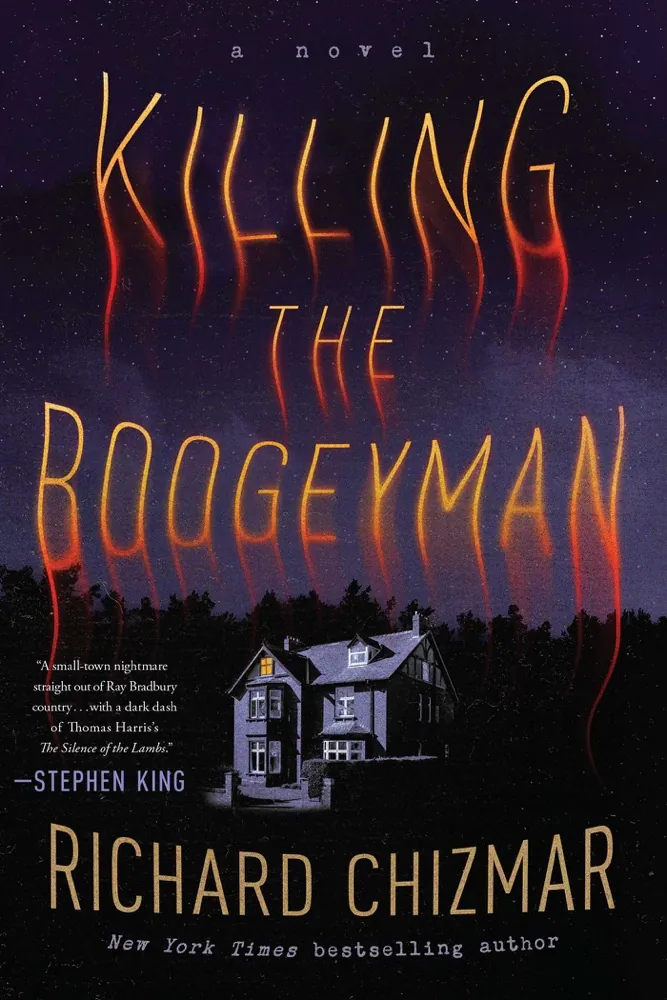
Author: Richard ChizmarPage Count: UnknownPublication Date: Expected publication 2026-10-06 APL Absolute diplomatic immunity never quite extends to the psychological wreckage left behind by a particularly vicious trilogy. Yet here we stand, bracing for the final descent of Richard Chizmar’s meta-fictional descent into madness with Killing the Boogeyman. Wait, strike that entire sentiment—diplomacy is entirely useless when a maximum-security prison cell fails to hold a monster who leaves behind crude hangman puzzles. The Jurisprudence of Mass Hysteria Let us examine the administrative failure of locking away a serial killer only for him to evaporate into thin air, leaving bureaucratic red tape fluttering in his wake. The synopsis promises a landscape where police chase literal shadows while the offender's digital fan club throws an online jubilee. Fascinating. We observe a chilling parallel to modern socio-political polarization, where institutional authority collapses completely while radicalized mobs champion total societal disruption for the lulz. And yet, is it truly a institutional failure, or merely a bureaucratic masterclass in futility? Chizmar leans heavily into the blurred lines between author, chronicler, and target. We find ourselves trapped inside a very specific kind of postmodern dread, echoing the self-referential terror perfected by Stephen King in The Dark Half or Mark Z. Danielewski’s spatial labyrinthine nightmares. But let us be entirely frank about the synopsis itself. It leans dangerously close to thriller-trope bingo. The vanished prisoner. The cryptic wall scrawling. The local confidante marked for doom. Oh, absolutely groundbreaking stuff for anyone who skipped the last three decades of crime fiction. The Evolution of the Absurd The marketing copy insists that this entity has evolved beyond human constraints. To everyone else, it is a desperate search for answers. To the protagonist writer, it is destiny. Such theatrical posturing. One moment we are evaluating the geopolitical fallout of a terrorist state vanishing into the ether, and the next we are subjected to internet edgelords treating a serial killer like an influencer. The dichotomy is jarring. Truly, this book hits like a freight train of pure cringe-fuel when the true crime fandom starts stanning a murderer on Main Street, proving that contemporary society is completely cooked. The structural integrity of this fictional town is fracturing under the sheer weight of its own lore. We watch a narrative construct stretch its suspension of disbelief to absolute breaking points. Will the payoff justify the escalating absurdities of a killer who apparently breaks the laws of physics just to leave a dramatic calling card? One suspects the conclusion will either brilliantly subvert the meta-fiction or collapse entirely under the weight of its own cleverness. There is zero middle ground in these multi-tiered storytelling experiments. Excuse me for a moment; I need to review a tedious legal contract for your film adaptation before the ambassador calls back. #KillingTheBoogeyman #RichardChizmar #BookTwitter #HorrorReads Related InsightsRandom in Death Book Review and Summary The Friday Bookshop Book Review and Summary The Purpose Driven Life: What on Earth Am I Here for? Book Review and Summary{ "@context": "https://schema.org", "@type": "FAQPage", "mainEntity": [ { "@type": "Question", "name": "What is the main focus of Killing the Boogeyman Book Review and Summary?", "acceptedAnswer": { "@type": "Answer", "text": "Everything you need to know about Killing the Boogeyman with our detailed review." } }, { "@type": "Question", "name": "Who authored the comprehensive guide on Killing the Boogeyman Book Review and Summary?", "acceptedAnswer": { "@type": "Answer", "text": "This detailed article and its insights were carefully researched and authored by Anna Kowalska." } }, { "@type": "Question", "name": "Where can I find more related content about Books?", "acceptedAnswer": { "@type": "Answer", "text": "You can explore more articles, detailed reviews, and similar insights by browsing the Related Insights section at the bottom of this article or visiting our dedicated Books category page." } } ] }
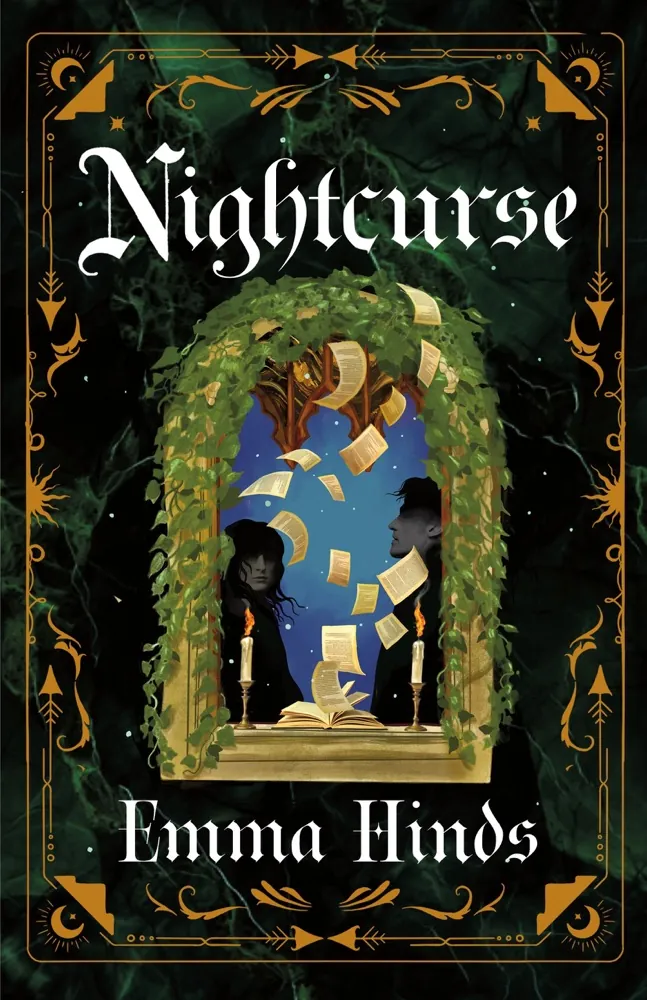
Author: Emma HindsPage Count: UnknownPublication Date: Expected publication 2026-10-13 APL In the hallowed halls of dark academia, where the whispered secrets of the dead mingle with the musings of the living, Emma Hinds' Nightcurse promises to weave a hauntingly gorgeous tale of love, death, and the eternal conundrum of living forever. As a retired diplomat, I've had the privilege of traversing the labyrinthine corridors of power, where the machinations of the undead are but a faint whisper in the wind. And yet, it is in the rarefied world of fantasy that we find the most compelling explorations of the human condition. The Politics of Immortality At the heart of Nightcurse lies the enigmatic figure of Emrys Swift, a Revenant cursed to walk the earth for eternity, forever trapped in the prison of his 17-year-old self. This raises a fascinating question: what does it mean to live forever, to bear witness to the passage of time without being subject to its ravages? Is it a blessing or a curse, a privilege or a punishment? In Emrys, we see the echoes of the Byronic hero, forever doomed to roam the earth, seeking solace in the dusty tomes of the NeverEnd library. And then, of course, there's the shapeshifter Aubrey Vale, Emrys's mortal enemy and unlikely ally. Theirs is a bond forged in the fires of adversity, a reluctant partnership that promises to yield a most unlikely of romances. But what secrets lie hidden in the recesses of their past, waiting to be unearthed by the ghosts of their own making? In the world of Nightcurse, the lines between love and death are blurred, and it is in this twilight realm that we find the most compelling explorations of the human heart. But, I must confess, the synopsis leaves much to be desired in terms of concrete plot details. We are teased with hints of magical artifacts, ghostly apparitions, and the ominous Night Hunt, but the specifics remain tantalizingly out of reach. Ah, the vagaries of the marketing machine, ever eager to tantalize without revealing too much. Still, I am reminded of the works of Holly Black, with her dark, atmospheric explorations of the faerie world, and the Gothic mysteries of Laura Purcell, where the past and present collide in a maelstrom of secrets and lies. As I ponder the mysteries of Nightcurse, I am struck by the echoes of our own world, where the politics of power and identity are forever intertwined. In Emrys and Aubrey, we see the reflections of our own struggles, our own quests for meaning and connection in a world that often seems hostile and unforgiving. And it is here, in the rarefied realm of fantasy, that we find the most compelling explorations of the human condition. In short, Nightcurse promises to be a dark, atmospheric tale of love, death, and the eternal conundrum of living forever. With its echoes of Gothic mystery and dark academia, it is a book that will appeal to fans of Holly Black and Laura Purcell. But, I must confess, I am eager to see how Emma Hinds will weave her tale, to unravel the secrets of Emrys and Aubrey's world, and to uncover the mysteries that lie hidden in the shadows. Now, if you'll excuse me, I need to go water my overpriced fiddle-leaf fig tree. #DarkAcademia #Fantasy #BookLovers #GothicMystery Related InsightsSavages Book Review and Summary All Quiet on the Western Front Book Review and Summary Are You My Mother? Book Review and Summary{ "@context": "https://schema.org", "@type": "FAQPage", "mainEntity": [ { "@type": "Question", "name": "What is the main focus of Nightcurse Book Review and Summary?", "acceptedAnswer": { "@type": "Answer", "text": "Everything you need to know about Nightcurse with our detailed review." } }, { "@type": "Question", "name": "Who authored the comprehensive guide on Nightcurse Book Review and Summary?", "acceptedAnswer": { "@type": "Answer", "text": "This detailed article and its insights were carefully researched and authored by Anna Kowalska." } }, { "@type": "Question", "name": "Where can I find more related content about Books?", "acceptedAnswer": { "@type": "Answer", "text": "You can explore more articles, detailed reviews, and similar insights by browsing the Related Insights section at the bottom of this article or visiting our dedicated Books category page." } } ] }
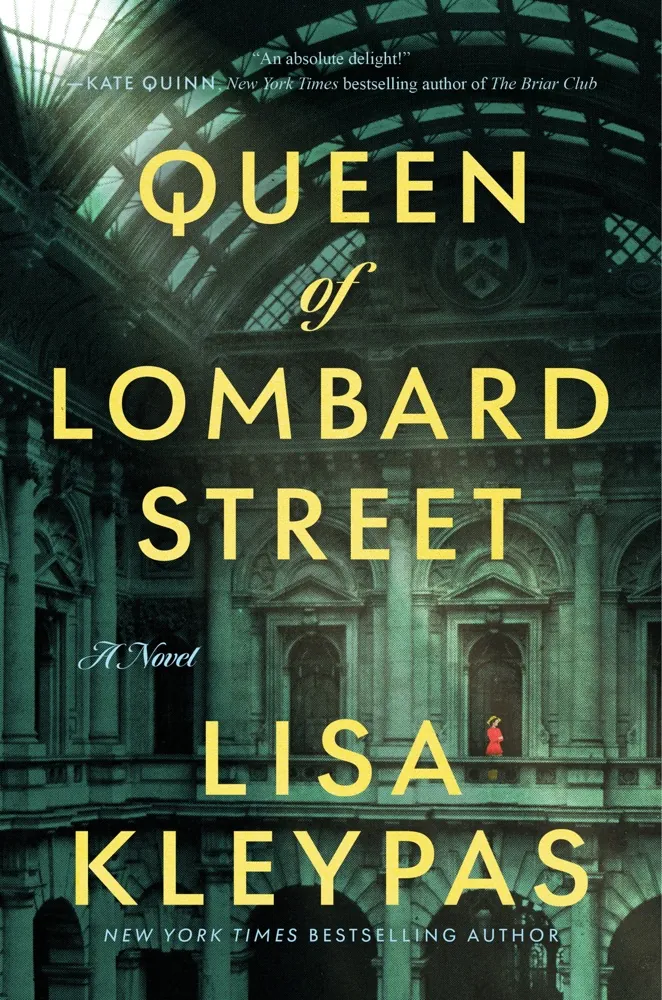
Author: Lisa KleypasPage Count: UnknownPublication Date: Expected publication 2026-10-20 APL In the midst of a long, storied tradition of literary explorations into the lives of women, Queen of Lombard Street emerges, poised to join the ranks of its predecessors in shedding light upon the oft-overlooked narratives of female trailblazers. Lisa Kleypas's latest offering promises to be a sweeping, richly layered Victorian novel that probes the intersection of finance, family, and female empowerment. What is it about the Victorian era that continues to captivate us? Is it the grandeur of its architecture, the opulence of its attire, or perhaps the stifling social conventions that governed the lives of its citizens? For Reina Martin, the protagonist of Queen of Lombard Street, it is the latter that serves as the impetus for her crusade to establish Britain's first women's bank. As the illegitimate daughter of a Spanish immigrant mother, Reina's experiences with financial insecurity have instilled in her a deep-seated determination to challenge the status quo. But, of course, such endeavors are rarely without their complications. Enter John Pembroke, Reina's enigmatic butler, who harbors a secret: he is an undercover police detective tasked with investigating Reina's mentor, William Farlow, for financial crimes of a magnitude that could destabilize the British economy. And so, Reina is faced with a difficult decision – one that will require her to weigh her loyalty to her mentor against her commitment to the thousands of working-class families who stand to lose everything. As I ponder the themes that Queen of Lombard Street appears to be exploring, I am reminded of the works of authors like Philippa Gregory and Tracy Chevalier, who have also sought to shed light upon the lives of women in times past. Kleypas's novel, with its focus on the intersection of finance and female empowerment, seems poised to join their ranks. Yet, I must confess that I find myself somewhat perplexed by the vagueness of the synopsis. What, precisely, are the stakes of Reina's decision? How will her choice impact the lives of those around her? These are questions that, I hope, will be answered in the fullness of the novel. In many ways, Queen of Lombard Street seems to be a quintessential example of the "strong female protagonist" trope, a literary device that has been employed to great effect in recent years. But what sets Reina apart from her contemporaries? Is it her intellect, her courage, or perhaps her capacity for compassion and community? These are the questions that I hope Kleypas will answer in the course of her novel. As I sit here, pondering the themes and characters of Queen of Lombard Street, I am struck by the realization that, despite the many advances that have been made in recent years, the struggles of women like Reina Martin remain all too relevant. It is a sobering thought, one that serves as a potent reminder of the importance of novels like Kleypas's in shedding light upon the lives of those who have been overlooked or underappreciated. And now, if you'll excuse me, I must attend to my walk-in closet. It's been in disarray for far too long, and I fear that I shall never find what I'm looking for amidst the chaos. #VictorianEraFiction #StrongFemaleProtagonist #FinancialFeminism Related InsightsThe Housemaid's Secret Book Review and Summary Chocolat Book Review and Summary An easy death Book Review and Summary{ "@context": "https://schema.org", "@type": "FAQPage", "mainEntity": [ { "@type": "Question", "name": "What is the main focus of Queen of Lombard Street Book Review and Summary?", "acceptedAnswer": { "@type": "Answer", "text": "Everything you need to know about Queen of Lombard Street with our detailed review." } }, { "@type": "Question", "name": "Who authored the comprehensive guide on Queen of Lombard Street Book Review and Summary?", "acceptedAnswer": { "@type": "Answer", "text": "This detailed article and its insights were carefully researched and authored by Anna Kowalska." } }, { "@type": "Question", "name": "Where can I find more related content about Books?", "acceptedAnswer": { "@type": "Answer", "text": "You can explore more articles, detailed reviews, and similar insights by browsing the Related Insights section at the bottom of this article or visiting our dedicated Books category page." } } ] }
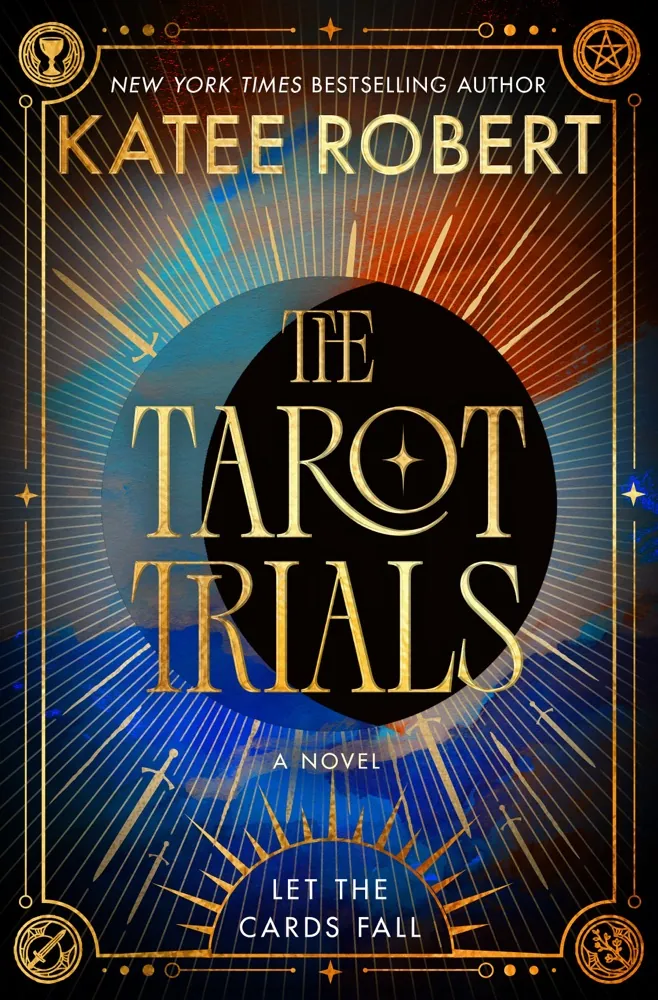
Author: Katee RobertPage Count: UnknownPublication Date: Expected publication 2026-10-20 APL The Tarot Trials: A Novel by Katee Robert—this author knows how to craft an alluring pitch. I'm intrigued by the notion of a fantasy world governed by a mysterious tarot deck, where allegory masquerades as reality. But what are the stakes in this world of tarot magic? Who are these Cinque, and how do they wield their cards? Kestrel's mother, a Champion of the Moon, was executed, leaving behind a legacy of secrets and a determined daughter. I suspect we're headed toward a classic tale of vendetta and deception, à la Robin McKinley's Beauty with a dash of Leigh Bardugo's cunning. Yet Kestrel's drive to master her shadow and illusion magic, and confront the Champion responsible for her mother's downfall, hints at a more complex exploration of power and identity. Will she forge unlikely alliances or forge her own path? The synopsis tantalizingly avoids providing clear answers, which may prove to be a savvy tactic in a market increasingly enamored with morally ambiguous protagonists. Consider, if you will, the problematic undertones in this narrative of Kestrel competing for her place among the Cinque. The Minor Court's propensity for executing "traitors" raises questions about the true nature of their power and the morality that underlies it. Is this merely a reflection of the arbitrary nature of authority in a fantasy world, or does it bespeak a darker commentary on the treatment of those deemed "other"? We might reasonably expect Robert to subvert expectations, given her background in crafting morally ambiguous characters and situations, but one wonders if she'll choose to do so in The Tarot Trials. In terms of character psychology, Kestrel's relationship with her mother seems crucial to understanding her motivations. What's the nature of their bond, and how will it influence her choices in the trials? Her determination to uncover the truth behind her mother's execution is admirable, yet also potentially perilous—hardly groundbreaking, I suppose. The notion that alliances and lies abound, however, suggests a rich world of complex relationships, rife with potential for tension and intrigue. If I'm being entirely honest, my excitement for this novel lies not so much in the specifics of the story, but in the potential for world-building and thematic exploration. In 2023's fantasy market, we've seen an increasing emphasis on immersive, often problematic world-crafting, and Robert's background in exploring dark, taboo subjects (see her Dark Olympus series) suggests she may be well-equipped to deliver something thought-provoking. Perhaps it's a case of "the right author, wrong time," or maybe The Tarot Trials will surprise us with its unique take on a familiar formula. And so, I'll continue to ponder the possibilities, just as I will when I return to the table at this Michelin-starred rooftop, where a certain heirloom tiara is patiently waiting my reappraisal. #FantasyFiction #KateeRobert #TarrotTrials #DarkOlympusSeries #BookLovers #ComingSoon #NewYorkTimesBestSeller Related InsightsThe Silence of the Lambs Book Review and Summary Heartstopper #1-3 Book Review and Summary Heartsong Book Review and Summary{ "@context": "https://schema.org", "@type": "FAQPage", "mainEntity": [ { "@type": "Question", "name": "What is the main focus of The Tarot Trials: A Novel Book Review and Summary?", "acceptedAnswer": { "@type": "Answer", "text": "Everything you need to know about The Tarot Trials: A Novel with our detailed review." } }, { "@type": "Question", "name": "Who authored the comprehensive guide on The Tarot Trials: A Novel Book Review and Summary?", "acceptedAnswer": { "@type": "Answer", "text": "This detailed article and its insights were carefully researched and authored by Anna Kowalska." } }, { "@type": "Question", "name": "Where can I find more related content about Books?", "acceptedAnswer": { "@type": "Answer", "text": "You can explore more articles, detailed reviews, and similar insights by browsing the Related Insights section at the bottom of this article or visiting our dedicated Books category page." } } ] }
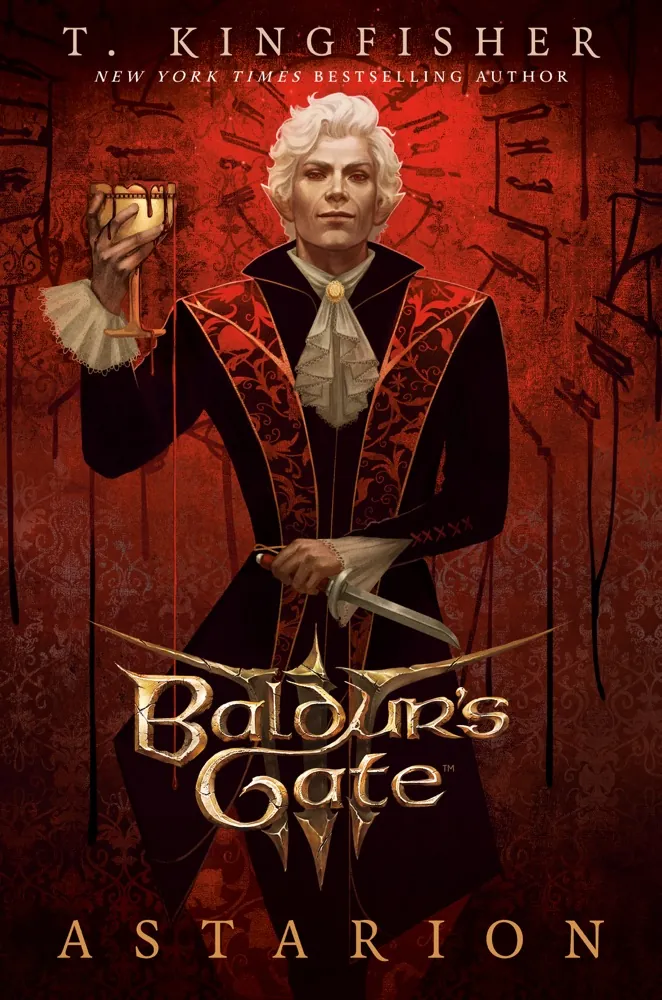
Author: T. KingfisherPage Count: UnknownPublication Date: Expected publication 2026-09-29 APL Yet, one must eat. Between mouthfuls of overpriced fish, I find myself perusing the upcoming promotional material for Baldur's Gate 3: Astarion by T. Kingfisher, scheduled for publication in late September of twenty-six. A bleak little enterprise, judging by the preliminary text. Naturally, I cannot help myself. Politics and forced servitude make for wretched bedfellows, and I spent forty years of my life arbitrating the disastrous results of both. The Anatomy of Tyranny The synopsis lays out a remarkably transactional universe. A magistrate turned vampire spawn, a tyrannical lord named Cazador Szarr, and a twisted competition for favor. Power dynamics. The currency of blood. T. Kingfisher handles dark material with a certain ruthless efficiency—think Christopher Buehlman meets The Traitor Baru Cormorant, minus the bureaucratic competence. Yet, the premise relies heavily on the classic trope of the oppressed underling striking a bargain with an unlikely ally. A handsome Aasimar paladin named Hahn den Suriel, no less. How dreadfully predictable. Does the syndicate of Cazador enforce no perimeter security? One moment you are fetching rat blood in the damp alleys of a morally bankrupt metropolis, and the next you are consorting with golden-eyed celestial knights beneath the cobblestones for the blood of a dead god. A Diplomatic Critique of Desperation Fascinating in theory. Questionable in execution. The synopsis promises a decadent dark fantasy, but what does that actually entail? More posturing about broken oaths? More nocturnal errands for an abusive master? I find myself squinting through the smog at the horizon, wondering if literature has entirely abandoned subtlety in favor of theatrical angst. Astarion is supposedly forbidden from trusting his peers or straying from his master’s errands. A standard leash-breaking narrative. If you have spent as many decades negotiating treaties with despotic monarchs as I have, you develop an acute allergy to characters who think a secret alliance solves systemic oppression. Time will tell if Kingfisher grants this rogue the grim realism he deserves, or if we are simply in for another sentimental romp disguised as horror. My money is on the former—Kingfisher rarely indulges in cheap redemptive arcs. The Ultimate Gamble And so we wait for autumn. The synopsis leaves much unsaid, hiding behind dramatic flourishes about dead gods and blackened undead hearts. Typical marketing vagueness. Give me precise treaty terms over vague prognostications any day of the week. Will this book revolutionize dark fantasy? Hardly. But it might distract me while I choke down the rest of this mediocre lunch and ponder why empires—and vampire lords—always fall for the oldest tricks in the geopolitical handbook. Would you trust an Aasimar with golden eyes beneath a rotting city? Related InsightsThe Dark Vault Book Review and Summary Tiempo de perdón Book Review and Summary Spirited Engagement Book Review and Summary{ "@context": "https://schema.org", "@type": "FAQPage", "mainEntity": [ { "@type": "Question", "name": "What is the main focus of Baldur's Gate 3: Astarion Book Review and Summary?", "acceptedAnswer": { "@type": "Answer", "text": "Everything you need to know about Baldur's Gate 3: Astarion with our detailed review." } }, { "@type": "Question", "name": "Who authored the comprehensive guide on Baldur's Gate 3: Astarion Book Review and Summary?", "acceptedAnswer": { "@type": "Answer", "text": "This detailed article and its insights were carefully researched and authored by Anna Kowalska." } }, { "@type": "Question", "name": "Where can I find more related content about Books?", "acceptedAnswer": { "@type": "Answer", "text": "You can explore more articles, detailed reviews, and similar insights by browsing the Related Insights section at the bottom of this article or visiting our dedicated Books category page." } } ] }

-
 Anna Kowalska
 - 04 Aug, 2026 16:15
Beneath a Midnight Moon (Starlight Grove, #3) Book Review and Summary
Author: Catherine CowlesPage Count: UnknownPublication Date: Expected publication 2026 APL What do we have here? Another iteration of the midlife romance genre, where societal expectations clash with individual desires. Beneath a Midnight Moon by Catherine Cowles looks to be a juicy, feel-good read, but can it truly grasp the complexities of this stage in life? One thing's for sure: second-chance romances are where it's at right now. Just look at Emily Henry's People We Meet on Vacation – a wildly popular, expertly crafted rom-com that expertly wove together family dynamics, rekindled love, and a dash of humor. Or take Jen DeLuca's Well Met, which masterfully handled the messy, emotional realities of adulthood. So, what makes Beneath a Midnight Moon stand out from its contemporaries? Is it the fake engagement setup? The rockstar hero? The protagonist's "beautiful mess" of a life? Brandy Berganstein's story sounds fascinating in theory. A single woman, post-empty nest, struggling with her newfound freedom – it's an all-too-relatable scenario for so many women over 40. The plot seems to revolve around her "stubborn muffin top" and her chance encounter with her ex, Beau Barrineau. What really drives the story forward, though? Is it Beau's rockstar persona or Brandy's inner growth? Perhaps it's the exploration of midlife crises and societal expectations? But let's get real – what I want to know is how Beneath a Midnight Moon addresses the realities of aging in America. Will it touch on the economic struggles faced by women in this stage of life? Or will it gloss over the more painful aspects of growing older in today's society? It's a delicate balance, one that few authors successfully walk. Time will tell if Cowles can navigate these complexities and deliver a truly impactful story. For now, though, Beneath a Midnight Moon sounds like a sizzling summer read – perfect for those who crave a lighthearted, feel-good romance with a dash of Southern charm. Yet, I'm not convinced that it will be more than just another iteration of the same ol' tropes. Hardly a bold prediction, given the current state of the romance genre. Related InsightsThe Exchange Book Review and Summary American Vampire Book One Book Review and Summary Cold As Hell Book Review and Summary{ "@context": "https://schema.org", "@type": "FAQPage", "mainEntity": [ { "@type": "Question", "name": "What is the main focus of Beneath a Midnight Moon (Starlight Grove, #3) Book Review and Summary?", "acceptedAnswer": { "@type": "Answer", "text": "Everything you need to know about Beneath a Midnight Moon (Starlight Grove, #3) with our detailed review." } }, { "@type": "Question", "name": "Who authored the comprehensive guide on Beneath a Midnight Moon (Starlight Grove, #3) Book Review and Summary?", "acceptedAnswer": { "@type": "Answer", "text": "This detailed article and its insights were carefully researched and authored by Anna Kowalska." } }, { "@type": "Question", "name": "Where can I find more related content about Books?", "acceptedAnswer": { "@type": "Answer", "text": "You can explore more articles, detailed reviews, and similar insights by browsing the Related Insights section at the bottom of this article or visiting our dedicated Books category page." } } ] }
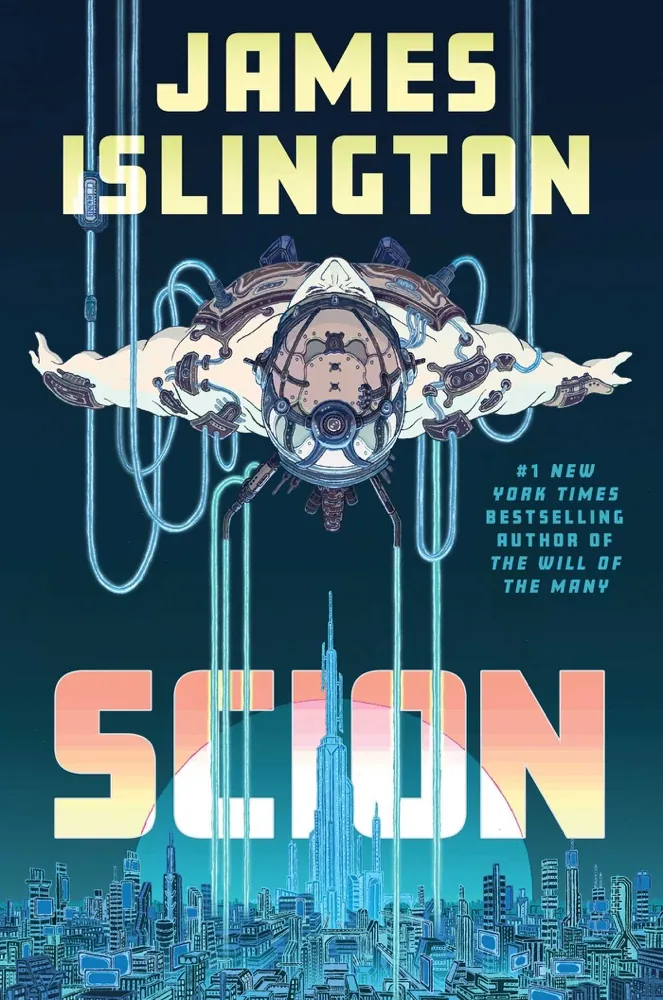
Scion Author: James IslingtonPage Count: UnknownPublication Date: Expected publication 2026-09-01 APL James Islington Returns with Scion: The #1 Bestseller Dives Headfirst Into Cyberpunk Thriller Territory By Literary Dispatch Mark your calendars for September 1, 2026. Fantasy and sci-fi fans have a major new date to circle, as James Islington—the #1 New York Times bestselling author renowned for The Will of the Many and The Strength of the Few—pivots toward the neon-soaked, high-octane edges of science fiction with his upcoming novel, Scion. While Islington has firmly established himself as a master of grand-scale worldbuilding and intricate plotting in the fantasy realm, Scion promises to shift gears into something entirely different. The early word on the book positions it as a thrilling collision of styles, described dynamically as John Wick meets Ghost in the Shell. Ahead of its September 2026 publication, publisher details and final page counts remain under wraps, but the official synopsis released gives us our first tantalizing glimpse into a gritty, morally ambiguous future. The narrative introduces a cynical, debt-ridden protagonist who views their profession—legally executing "lifers" in a world where the ultrawealthy have found a way to live forever despite limited resources—with a dry, blue-collar detachment. It is a world of inconvenient hours, awkward interactions, and deadly pragmatism, driven by genetic compatibilities that make the narrator exceptionally good at killing. But as a strange new job lands on their desk—something resembling the exact opposite of their regular duties—even this seasoned operative starts to suspect that things might not go totally fine. For readers who have followed Islington’s meteoric rise through the speculative fiction ranks, Scion represents an exhilarating opportunity to watch a top-tier storyteller test his mettle in the cyberpunk arena. If his previous bestsellers are any indication, readers can expect razor-sharp pacing, complex socio-economic stakes, and a protagonist whose internal voice is as lethal as their skillset. Stay tuned to Literary Dispatch for more updates, cover reveals, and excerpt drops as we approach the September 2026 launch of Scion. #JamesIslington #Scion #CyberpunkThriller #SciFiBooks #BookTok #NewBooks2026 Related InsightsDeathsworn Book Review and Summary Beyond the Map's Edge: Charting the Infinite Archipelago of Speculative Fiction Fair Warning Book Review and Summary{ "@context": "https://schema.org", "@type": "FAQPage", "mainEntity": [ { "@type": "Question", "name": "What is the main focus of Scion Book Review and Summary?", "acceptedAnswer": { "@type": "Answer", "text": "Everything you need to know about Scion with our detailed review." } }, { "@type": "Question", "name": "Who authored the comprehensive guide on Scion Book Review and Summary?", "acceptedAnswer": { "@type": "Answer", "text": "This detailed article and its insights were carefully researched and authored by Anna Kowalska." } }, { "@type": "Question", "name": "Where can I find more related content about Books?", "acceptedAnswer": { "@type": "Answer", "text": "You can explore more articles, detailed reviews, and similar insights by browsing the Related Insights section at the bottom of this article or visiting our dedicated Books category page." } } ] }
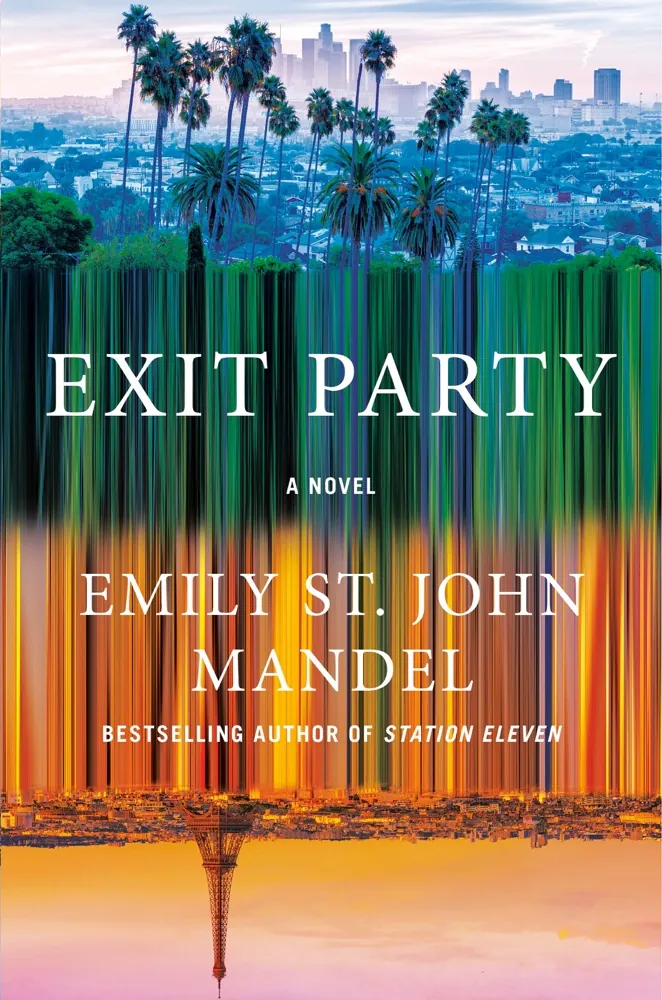
Exit Party Author: Emily St. John MandelPage Count: UnknownPublication Date: Expected publication 2026-09-15 APL Exit Party by Emily St. John Mandel: A Glimpse Into a World on the Brink Emily St. John Mandel’s Exit Party arrives in September 2026 as the latest masterpiece from one of contemporary fiction’s most visionary storytellers. With her previous novels—Station Eleven and Sea of Tranquility—earning critical acclaim and a devoted readership, Mandel has established herself as a writer who weaves speculative fiction with literary depth, exploring the fragility of civilization, the weight of memory, and the resilience of human connection. Exit Party promises to be no exception, offering a sprawling, atmospheric exploration of a fractured future where the remnants of the old world cling to existence amid chaos. Set in Los Angeles in 2031—just after the collapse of the United States—Mandel’s new novel unfolds with the urgency of a mystery wrapped in the grandeur of a dystopian epic. The story follows Ari Waker, a woman whose life is upended when a man vanishes from a glittering party, leaving behind only a doppelgänger and an air of inexplicable dread. As Ari digs deeper, the narrative expands across continents and time, weaving together threads of espionage, survival, and the haunting echoes of a world in ruins. What makes Exit Party particularly compelling is Mandel’s signature ability to blend the intimate with the monumental. The novel’s opening scene—a party in a post-catastrophe Los Angeles—sets the stage for a story that will likely explore themes of power, secrecy, and the cost of safety. The mention of a "shadow world" and "fractured timelines" suggests a narrative that will challenge perceptions of reality, much like the moon colony and the Greek resort hideouts hinted at in the synopsis. Mandel’s prose, known for its lyrical precision, will no doubt elevate these settings into something both visceral and transcendent. For fans of Station Eleven—a novel that grappled with the aftermath of a pandemic and the enduring power of art—Exit Party may feel like a natural evolution. Where that book was a meditation on loss and renewal, this one appears to be a darker, more intricate puzzle, where the line between past and present, reality and illusion, blurs. The inclusion of characters like a gunrunner, an art collector, and an operative of the State further cements the novel’s place in the tradition of high-stakes speculative fiction, reminiscent of works like Margaret Atwood’s The Handmaid’s Tale or Kazuo Ishiguro’s Never Let Me Go, but with Mandel’s distinct voice. Themes of surveillance, resilience, and the search for meaning in a collapsing world are sure to resonate deeply in an era where geopolitical instability and technological disruption feel increasingly inevitable. Mandel’s ability to make the speculative feel eerily plausible—whether through her depictions of climate collapse or the erosion of democratic structures—will likely make Exit Party a book that lingers long after the final page. As readers await its release, one thing is certain: Exit Party will be a novel to savor, a story that demands to be discussed, dissected, and debated. It’s the kind of book that doesn’t just transport you to another world but forces you to confront the fragility of the one you live in. And with Mandel at the helm, it’s impossible not to be excited for what’s to come. #ExitParty #EmilyStJohnMandel #SpeculativeFiction #DystopianNovel #PostApocalypticLiterature #BookToWatch2026 Related InsightsHigh Sierra Book Review and Summary The Thirteenth Tale Book Review and Summary First Person Singular Book Review and Summary{ "@context": "https://schema.org", "@type": "FAQPage", "mainEntity": [ { "@type": "Question", "name": "What is the main focus of Exit Party Book Review and Summary?", "acceptedAnswer": { "@type": "Answer", "text": "Everything you need to know about Exit Party with our detailed review." } }, { "@type": "Question", "name": "Who authored the comprehensive guide on Exit Party Book Review and Summary?", "acceptedAnswer": { "@type": "Answer", "text": "This detailed article and its insights were carefully researched and authored by Anna Kowalska." } }, { "@type": "Question", "name": "Where can I find more related content about Books?", "acceptedAnswer": { "@type": "Answer", "text": "You can explore more articles, detailed reviews, and similar insights by browsing the Related Insights section at the bottom of this article or visiting our dedicated Books category page." } } ] }
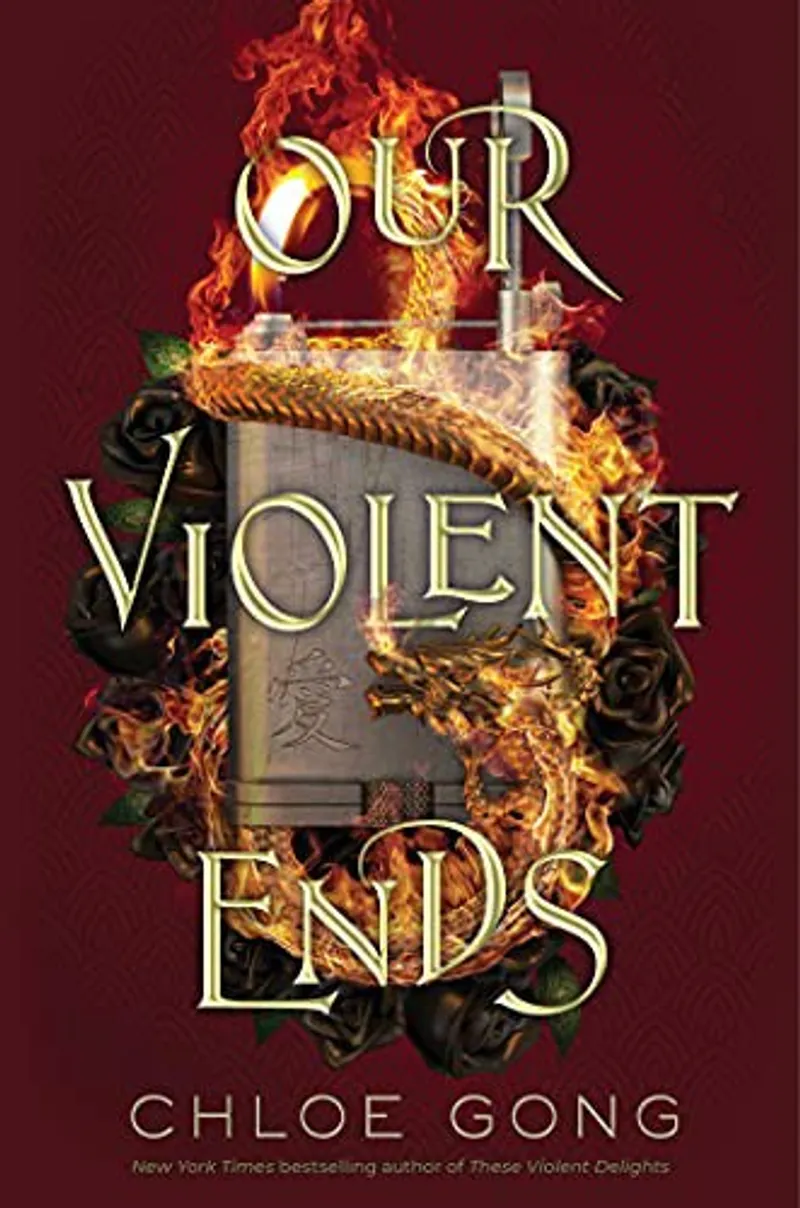
Our Violent Ends Author: Chloe GongPage Count: UnknownPublication Date: 2021-OL Chloe Gong’s Our Violent Ends is a masterclass in blending historical grit with supernatural intrigue, delivering a sequel that crackles with the same electric tension as its predecessor, These Violent Delights. Set in 1927 Shanghai—a city on the brink of revolution—Gong crafts a world where gang wars, political upheaval, and monstrous threats collide, all while forcing her star-crossed protagonists to confront the most dangerous enemy of all: their own hearts. At its core, Our Violent Ends is a story about sacrifice. Juliette, the fierce and ruthless heir to the Scarlet Gang, has spent months orchestrating her own downfall, believing that Roma’s hatred is the only shield protecting him from her family’s wrath. Her plan? To make him believe she murdered his best friend, Marshall—a betrayal so complete it would sever their ties forever. Yet, as the lies spiral, Juliette’s desperation reveals a deeper truth: she would rather be the villain in Roma’s eyes than lose him entirely. Roma, meanwhile, is trapped in his own cycle of guilt and vengeance. Haunted by Marshall’s death and the fractures in his own family, he’s convinced Juliette is the architect of his suffering. But when a new, more terrifying threat emerges—one that could annihilate Shanghai’s fragile balance—Roma and Juliette are forced into an uneasy alliance. The irony? Their greatest obstacle isn’t the monsters lurking in the shadows, but the love they can’t outrun. Gong’s genius lies in her ability to weave personal drama into the larger tapestry of history. Shanghai in 1927 is a powder keg, with Nationalist forces marching in and whispers of civil war growing louder by the day. The city’s gangster rule, already fragile, faces annihilation, and the political climate mirrors the emotional turmoil of the characters. The Nationalists’ rise parallels Juliette’s internal struggle—both are fighting to claim power, but at what cost? The monsters that emerge in this installment aren’t just supernatural; they’re a metaphor for the chaos that erupts when old orders crumble. Gong doesn’t shy away from the brutality of the era, but she balances it with moments of tenderness, making the stakes feel both epic and deeply personal. What sets Our Violent Ends apart is Gong’s razor-sharp prose and her knack for subverting expectations. The romance between Juliette and Roma is a slow burn, but it’s not the saccharine kind—it’s messy, violent, and laced with resentment. Their dynamic is a push-and-pull of hatred and desire, a testament to Gong’s skill in crafting characters who are as flawed as they are compelling. Juliette’s ruthlessness isn’t glorified; it’s a survival tactic, a shield against vulnerability. Roma’s grief isn’t just a plot device—it’s a wound that colors every decision he makes. And then there’s Benedikt, Roma’s cousin, whose quiet rage and unspoken pain add another layer of complexity to the story. Gong’s secondary characters are just as vivid, each carrying their own burdens and secrets. The pacing is relentless, with Gong juggling multiple plot threads without ever losing sight of the emotional core. The supernatural elements—while intriguing—never overshadow the human drama. Instead, they serve as a catalyst, forcing Juliette and Roma to confront the truth about their feelings. The revelation that their greatest enemy might not be each other, but the world they’re trying to control, is a powerful thematic thread. It’s a story about the cost of power, the weight of legacy, and the inescapable pull of love, even when it’s wrapped in thorns. Gong’s writing style is immersive, with a cinematic quality that makes Shanghai feel like a character itself. The city’s neon-lit streets, its opium dens, and its political undercurrents are all rendered with vivid detail, transporting the reader to a world that’s as intoxicating as it is dangerous. Her dialogue crackles with wit and tension, and her ability to balance humor with heartbreak is nothing short of masterful. Whether it’s Juliette’s sharp retorts or Roma’s quiet introspection, every line feels purposeful, driving the story forward while deepening our investment in the characters. Our Violent Ends is more than just a sequel—it’s a reckoning. It asks what happens when the masks we wear become our identities, and whether love can survive when it’s built on lies. Juliette and Roma’s journey is a reminder that sometimes, the greatest battles aren’t fought with guns or magic, but with the fragile, stubborn hope that redemption might still be possible. If you loved These Violent Delights, this book will gut you in the best way. If you’re new to Gong’s world, prepare to be swept up in a story that’s as brutal as it is beautiful, where the line between monster and human is as blurred as the line between love and hate. #ScarletGang #Shanghai1927 #JulietteAndRoma #GangsterRomance #HistoricalFantasy #ChloeGong Related InsightsReturn Book Review and Summary A Most Decadent Curse Book Review and Summary Dlaczego krol elfow nie znosil basni Book Review and Summary{ "@context": "https://schema.org", "@type": "FAQPage", "mainEntity": [ { "@type": "Question", "name": "What is the main focus of Our Violent Ends Book Review and Summary?", "acceptedAnswer": { "@type": "Answer", "text": "Everything you need to know about Our Violent Ends with our detailed review." } }, { "@type": "Question", "name": "Who authored the comprehensive guide on Our Violent Ends Book Review and Summary?", "acceptedAnswer": { "@type": "Answer", "text": "This detailed article and its insights were carefully researched and authored by Anna Kowalska." } }, { "@type": "Question", "name": "Where can I find more related content about Books?", "acceptedAnswer": { "@type": "Answer", "text": "You can explore more articles, detailed reviews, and similar insights by browsing the Related Insights section at the bottom of this article or visiting our dedicated Books category page." } } ] }
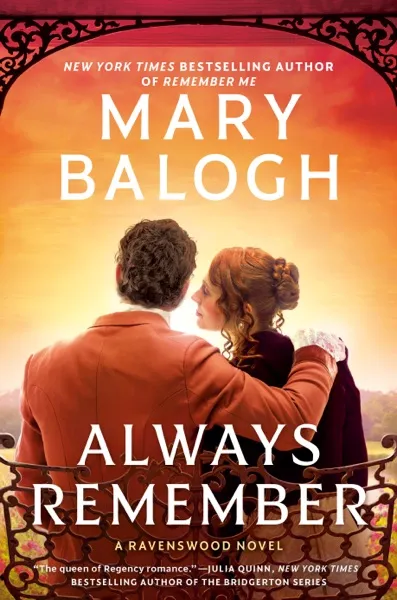
Always Remember Author: Mary BaloghPage Count: UnknownPublication Year: 2024-GB Mary Balogh’s Always Remember is a masterclass in emotional resonance and historical romance, proving once again why she remains a titan in the genre. Published in 2024, this latest novel arrives with the same quiet authority that has defined her decades-long career—Balogh’s work consistently enchants readers with its blend of tender vulnerability and searing passion, wrapped in the elegance of Regency-era storytelling. While the exact page count remains unknown, its impact is unmistakable: this is a book that lingers long after the final page, haunting the reader with its themes of memory, healing, and the courage to love again. At its core, Always Remember explores the fragility of the human heart and the redemptive power of love. Balogh has always excelled at crafting protagonists scarred by past traumas, and here she delivers another unforgettable heroine in Lady Sarah Newbury, a woman whose life was shattered by a devastating accident that left her with fragmented memories. The novel’s central tension arises from Sarah’s struggle to reconcile her fractured past with the present, as she grapples with the fear that she may never fully know herself—or the truth of her own desires. Balogh’s genius lies in how she ties this personal journey to the broader theme of identity: how much of who we are is tied to what we remember, and how much can we reclaim when memory fails us? The love interest, Viscount Rutherford (known as "Rutherford" to his intimates), is a man equally burdened by his own regrets. A former soldier turned philanthropist, he carries the weight of past failures, including the loss of his first wife—a wound so deep it has left him emotionally guarded. Their meeting is fraught with miscommunication and hesitation, a dance of cautious attraction where both characters are painfully aware of the risks of vulnerability. Balogh excels at slow-burn tension, and Always Remember is no exception. The early scenes crackle with restrained longing, as Rutherford and Sarah circle each other with the wariness of two people who have been burned before. Their chemistry is built on quiet moments—a shared glance across a crowded ballroom, a hesitant touch, a whispered confession in the dark—rather than grand declarations. This is Balogh at her most refined: romance as an intimate, almost sacred act, where every word and gesture carries weight. What sets Balogh apart from other historical romance authors is her unflinching realism. She doesn’t shy away from the raw, unglamorous aspects of healing. Sarah’s memory loss isn’t just a plot device; it’s a deeply human struggle, one that forces her to confront her own insecurities and the societal expectations placed upon women of her standing. Rutherford, too, is no idealized hero. He is flawed, sometimes stubborn, and burdened by guilt. Their relationship is a testament to Balogh’s belief in second chances—not just in love, but in life. The novel’s title, Always Remember, is a promise as much as a question: Can love survive when the past is uncertain? Balogh’s answer is a resounding yes, but not without pain, growth, and the hard-won realization that some memories are worth making, even if they aren’t perfect. Balogh’s prose is as polished as ever, her writing style a seamless blend of elegance and accessibility. She has a gift for dialogue that feels natural yet elevated, avoiding the stiff formality that can plague historical romances. Her descriptions are vivid without being overwrought, painting Regency England in strokes that feel both immersive and authentic. Whether she’s depicting the opulence of a London ball or the quiet solitude of the countryside, her settings serve as more than mere backdrops—they reflect the emotional landscapes of her characters. This attention to detail ensures that Always Remember isn’t just a story about love; it’s a story about place, about how environment shapes identity and healing. For longtime fans of Balogh, Always Remember will feel like a homecoming. Those new to her work will find in it a masterclass in historical romance—one that prioritizes emotional depth over melodrama, character over contrivance. It’s a book that rewards patience, where the payoff isn’t just a grand romantic gesture but the quiet, cumulative moments of trust and understanding between two people learning to trust themselves again. In an era where romance novels often prioritize speed over substance, Balogh’s latest stands as a reminder of why the genre endures. It’s a story about the past’s shadows and the future’s possibilities, about how love isn’t about erasing the past but about building something new from its fragments. Always Remember is more than a love story; it’s a testament to the resilience of the human spirit. #AlwaysRemember #MaryBalogh #HistoricalRomance #RegencyRomance #SecondChanceLove #BookRecommendation Related InsightsThe Portrait of a Lady Book Review and Summary No Such Thing as Monday Book Review and Summary Honey-Don't List Book Review and Summary{ "@context": "https://schema.org", "@type": "FAQPage", "mainEntity": [ { "@type": "Question", "name": "What is the main focus of Always Remember Book Review and Summary?", "acceptedAnswer": { "@type": "Answer", "text": "Everything you need to know about Always Remember with our detailed review." } }, { "@type": "Question", "name": "Who authored the comprehensive guide on Always Remember Book Review and Summary?", "acceptedAnswer": { "@type": "Answer", "text": "This detailed article and its insights were carefully researched and authored by Anna Kowalska." } }, { "@type": "Question", "name": "Where can I find more related content about Books?", "acceptedAnswer": { "@type": "Answer", "text": "You can explore more articles, detailed reviews, and similar insights by browsing the Related Insights section at the bottom of this article or visiting our dedicated Books category page." } } ] }
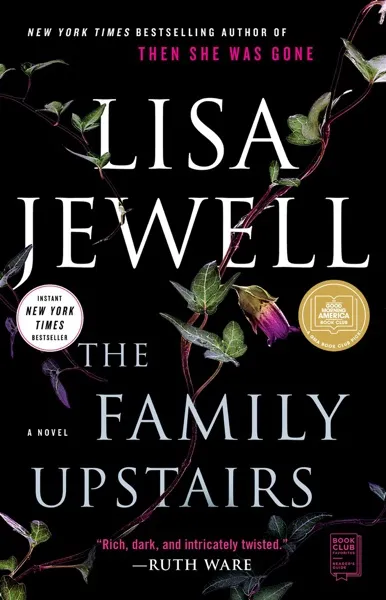
Family Upstairs 2 Author: Lisa JewellPage Count: UnknownPublication Year: 2022-GB The Dark Allure of Family Secrets: Unpacking the Haunting World of "Family Upstairs 2" by Lisa Jewell In the realm of psychological thrillers, few authors have mastered the art of weaving intricate family dynamics, dark secrets, and the unrelenting power of the past as skillfully as Lisa Jewell. Her latest offering, "Family Upstairs 2," is a masterclass in suspenseful storytelling, delving deeper into the mysteries that shroud the Lamb family and their imposing mansion on Cheyne Walk. This sequel to the global bestseller "The Family Upstairs" promises to unravel more threads of the tangled web of relationships, lies, and tragedy that have captivated readers worldwide. At its core, "Family Upstairs 2" is a novel about the enduring legacy of family, the weight of inherited trauma, and the blurred lines between truth and deception. Jewell expertly explores these themes through a complex cast of characters, each with their own distinct voice and motivations. The Lamb family, with their enigmatic presence and troubled history, remain at the heart of the narrative, their actions and decisions continuing to ripple through the lives of those around them. New characters are introduced, adding fresh layers to the story and challenging the perceptions of those who thought they knew the Lamb family. One of Jewell's greatest strengths as a writer is her ability to craft relatable, multidimensional characters. In "Family Upstairs 2," she pushes this skill to new heights, presenting characters who are both flawed and likable, often simultaneously. The character development is meticulous, with each individual's backstory and emotional landscape meticulously woven into the fabric of the narrative. This depth of characterization makes the characters' interactions all the more believable and engaging, drawing the reader into their world with an unshakeable sense of empathy. Jewell's writing style is as engaging as it is evocative, painting vivid pictures of the settings and atmospheres that define the world of the novel. Her use of language is precise and economical, never wasting a word as she builds tension and suspense through a series of carefully crafted scenes. The pacing is expertly managed, oscillating between moments of high drama and quieter, more introspective passages that allow the reader to catch their breath. This balance is crucial in maintaining the novel's momentum, keeping the reader invested in the story as it unfolds. The setting of the novel, particularly the imposing Lamb family mansion, plays a significant role in shaping the narrative. Jewell's depiction of the house as a character in its own right, with its secrets and stories, adds to the sense of foreboding and unease that permeates the novel. The use of the house as a symbol of the family's history and their attempts to escape or confront it is a powerful narrative device, underscoring the themes of legacy, trauma, and the inescapable past. In conclusion, "Family Upstairs 2" is a gripping and unsettling thriller that delves into the darkest recesses of family dynamics and the secrets that can both bind and destroy. With its complex characters, atmospheric setting, and masterful plotting, this novel is sure to captivate fans of psychological suspense and leave them eagerly anticipating Jewell's next offering. As a sequel, it succeeds in expanding the world of the Lamb family while introducing new elements that enrich the narrative, making it a must-read for both new and returning readers. #LisaJewell #FamilyUpstairs2 #PsychologicalThriller #BookReview #SuspenseFiction Related InsightsMistress Suffragette Book Review and Summary Winterveil Book Review and Summary If We Were Villains Book Review and Summary{ "@context": "https://schema.org", "@type": "FAQPage", "mainEntity": [ { "@type": "Question", "name": "What is the main focus of **Family Upstairs 2** Book Review and Summary?", "acceptedAnswer": { "@type": "Answer", "text": "Everything you need to know about **Family Upstairs 2** with our detailed review." } }, { "@type": "Question", "name": "Who authored the comprehensive guide on **Family Upstairs 2** Book Review and Summary?", "acceptedAnswer": { "@type": "Answer", "text": "This detailed article and its insights were carefully researched and authored by Anna Kowalska." } }, { "@type": "Question", "name": "Where can I find more related content about Books?", "acceptedAnswer": { "@type": "Answer", "text": "You can explore more articles, detailed reviews, and similar insights by browsing the Related Insights section at the bottom of this article or visiting our dedicated Books category page." } } ] }
Our Skin Colour Author: Marie Claire NjangPage Count: UnknownPublication Year: 2022-GB Marie Claire Njang’s Our Skin Colour is more than a book; it’s a searing, luminous confrontation with the weight of identity, the scars of history, and the quiet revolutions that happen in the space between a single glance and a lifetime of meaning. Published in 2022, this global bestseller has already cemented its place as a vital voice in contemporary literature, not just for its emotional resonance but for the unflinching clarity with which it dissects the politics of skin—how it marks us, how it is read by others, and how it becomes both a cage and a compass. At its heart, Our Skin Colour is a meditation on visibility and erasure. Njang, drawing from her own experiences as a Black woman navigating spaces across continents, crafts a narrative that is at once deeply personal and universally resonant. She doesn’t just describe the color of skin; she dissects the ideology that clings to it—how it predetermines access, how it dictates who is seen as beautiful, who is feared, who is made invisible. The book doesn’t offer easy answers, but it does something far more powerful: it forces the reader to feel the question, the doubt, the unspoken tension that lives in every glance, every assumption, every well-meaning compliment that carries the weight of centuries. Njang’s prose is deceptively simple—clean, lyrical, devoid of pretension—but every sentence carries the precision of a scalpel. She writes with a poet’s sensitivity and a journalist’s rigor, weaving memoir, social critique, and historical reflection into a seamless tapestry. There are no grand declarations here, no simplistic calls to action. Instead, there is the quiet accumulation of truth: the way a child first notices their skin in a mirror, the way a stranger’s gaze can feel like a verdict, the way language itself—even the words used to describe melanin—can be a site of violence or liberation. One of the most striking aspects of Our Skin Colour is its refusal to romanticize struggle. Njang doesn’t offer catharsis through victimhood, nor does she prescribe a path to resolution. Instead, she holds up a mirror to the reader—black, white, or otherwise—and asks: What do you see when you look at skin? What do you project onto it? The book doesn’t just critique racism; it interrogates the complicity of silence, the way even well-intentioned people participate in systems that reduce human beings to the color of their flesh. Njang’s style is intimate yet expansive. She moves effortlessly between childhood memories and global histories, between personal anecdotes and cultural analysis. There’s a moment early in the book where she recounts being a young girl in school, being told by a teacher that her skin was "like chocolate," a compliment that carried the subtle sting of exoticism. That scene is emblematic of the book’s genius: it takes what feels like a minor moment and reveals its hidden architecture of power. The chocolate comparison isn’t just innocent; it’s a form of soft violence, a way of containing her within a frame of Otherness. The book also excels in its exploration of intersectionality. Njang doesn’t treat race in isolation; she weaves in class, gender, and geography, showing how skin color interacts with other identities to shape experience. There’s a particularly poignant passage where she reflects on being a Black woman in predominantly white academic spaces, where her intelligence was often met with surprise or skepticism—not because of her merit, but because of the color of her skin. It’s a moment that echoes across countless cultures, a reminder that the gaze of the dominant society is never neutral. What makes Our Skin Colour so compelling is its honesty about the contradictions within identity. Njang doesn’t shy away from the ambivalence many Black people feel about their own skin—pride and pain, love and loathing, all tangled together. She writes about the desire to be seen without being reduced, to be celebrated without being exoticized, to be ordinary without being rendered invisible. It’s a tension that doesn’t resolve neatly, and Njang doesn’t pretend it does. Instead, she invites the reader into that unresolved space, encouraging a kind of reckoning that is both personal and political. The book’s global perspective is another of its strengths. Njang draws from her experiences in Africa, Europe, and beyond, showing how the meaning of skin color shifts across cultures and borders. She writes about the particular ways colorism manifests in different societies—how lighter skin is often privileged in some African contexts, how anti-Blackness is a global phenomenon, how whiteness operates as a silent standard. This breadth prevents the book from feeling parochial or limited to one experience, making it a vital read for anyone trying to understand the complexity of race in the modern world. Ultimately, Our Skin Colour is a book about the gaze—the way we are looked at, the way we look back, and the power dynamics embedded in every glance. It’s not just about Blackness; it’s about the human condition, about how we assign meaning to surfaces, how we use them to justify systems, and how we might begin to dismantle those systems by first dismantling the stories we tell ourselves about color. Njang’s work is a quiet revolution, one that happens in the space between words and silences, between personal revelation and collective reckoning. It’s a book that demands to be read slowly, to be savored, to be wrestled with. And in a world where skin color is still too often a shorthand for judgment, prejudice, or fetishization, Our Skin Colour is a necessary act of defiance—a reminder that identity is never just skin deep. #OurSkinColour #BlackExcellence #RaceAndIdentity #ColorismMatters #GlobalBlackVoices #ReclaimingNarrative Related InsightsEvery Pretty Thing: A Novel Book Review and Summary Literature and the Writing Process--eleventh edition Book Review and Summary The Complete Works Book Review and Summary{ "@context": "https://schema.org", "@type": "FAQPage", "mainEntity": [ { "@type": "Question", "name": "What is the main focus of Our Skin Colour Book Review and Summary?", "acceptedAnswer": { "@type": "Answer", "text": "Everything you need to know about Our Skin Colour with our detailed review." } }, { "@type": "Question", "name": "Who authored the comprehensive guide on Our Skin Colour Book Review and Summary?", "acceptedAnswer": { "@type": "Answer", "text": "This detailed article and its insights were carefully researched and authored by Anna Kowalska." } }, { "@type": "Question", "name": "Where can I find more related content about Books?", "acceptedAnswer": { "@type": "Answer", "text": "You can explore more articles, detailed reviews, and similar insights by browsing the Related Insights section at the bottom of this article or visiting our dedicated Books category page." } } ] }

The Lion, the Fox and the Eagle Author: Carol OffPage Count: UnknownPublication Date: 2010-PRH Carol Off’s The Lion, the Fox and the Eagle is a searing indictment of international inaction and moral failure, woven through the lives of three Canadians whose roles in the 1990s’ defining atrocities—Bosnia and Rwanda—could not have been more consequential or more tragic. This is not merely a recounting of history; it is a meticulously constructed reckoning with the ways power, cowardice, and bureaucracy conspire to enable genocide. Off, a veteran journalist known for her sharp, unflinching prose, crafts a narrative that is both a damning critique and a poignant elegy for the lost lives and squandered opportunities of the era. At the heart of the book lies a deceptively simple metaphor: the lion, the fox, and the eagle. Romeo Dallaire, the lion, embodies raw courage and moral clarity—his desperate pleas to intervene in Rwanda, his nightmares of the slaughter he could not stop, his later breakdowns—all serve as a mirror to the world’s indifference. Dallaire’s story is one of heroic failure, a man who saw the abyss and tried to warn the rest of us, only to be handcuffed by politics and bureaucratic inertia. Off doesn’t romanticize him; she presents him as a flawed, human figure whose greatest tragedy was not his inability to act, but the fact that he knew what needed to be done and was systematically denied the tools to do it. Lewis MacKenzie, the fox, is the book’s most controversial figure. A Canadian general whose command in Sarajevo during the early days of the Bosnian War is alternately praised as a masterclass in peacekeeping and condemned as a failure of moral imagination, MacKenzie emerges here as a man of cunning pragmatism. He navigates the treacherous terrain of UN mandates, political expediency, and ethnic violence with a fox’s instinct for survival rather than confrontation. Off doesn’t vilify him—she dissects his choices with surgical precision, revealing how his cautious, containment-focused approach may have saved lives in the short term but ultimately prolonged the conflict. There’s a chilling moment when MacKenzie reflects on the siege of Sarajevo, noting that the city’s resilience was a double-edged sword: it kept people alive, but it also kept the war going. That duality—saving some while enabling more suffering—is the essence of his legacy, and Off forces the reader to grapple with it. Then there is Louise Arbour, the eagle, whose role as Chief Prosecutor for War Crimes in the Hague represents the international community’s belated attempt at redemption. Arbour’s crusade to hold perpetrators accountable, from Slobodan Milošević to the architects of the Rwandan genocide, is a rare bright spot in this grim tableau. Yet even her victories are tinged with bitterness. Off highlights the Sisyphean nature of her task: the slow grind of justice, the political interference, the way the same institutions that failed to prevent genocide now sought to prosecute it. Arbour’s story is one of quiet defiance, a reminder that even in the face of overwhelming odds, the pursuit of justice is not futile—but it is never enough. Off’s writing style is the book’s greatest strength. She balances meticulous research with a novelist’s eye for drama, drawing out the human dimensions of these larger-than-life figures. Her prose is clean and direct, avoiding the jargon of military or legal analysis in favor of visceral, often heartbreaking detail. When she describes Dallaire’s breakdown in a Montreal hotel room, or MacKenzie’s weary reflections on the futility of peacekeeping, or Arbour’s steely determination in the face of diplomatic obstruction, the reader is not just informed—they are there. Off also excels at exposing the contradictions in the UN’s actions, particularly its insistence on neutrality in the face of genocide. Her critique is not just of individuals but of a system that rewards inaction while claiming to uphold humanity. What makes The Lion, the Fox and the Eagle so devastating is its refusal to offer easy answers. There are no heroes here, only people doing the best they can within a framework that was designed to fail. Dallaire’s guilt, MacKenzie’s pragmatism, Arbour’s dogged pursuit of justice—all are presented with a journalist’s rigor and a storyteller’s empathy. Off doesn’t let us off the hook. She forces us to confront uncomfortable truths: that peacekeeping, as it was practiced in the 1990s, was often a euphemism for abandonment; that the world’s failure in Rwanda and Bosnia was not an accident but a choice; and that the pursuit of justice, while noble, is often too little, too late. This is a book that lingers, not just because of its historical importance but because of its moral urgency. It is a call to remember—and to do better. In an era where atrocities continue to unfold with the world looking on, Off’s work is a necessary corrective to complacency. #GenocideAwareness #PeacekeepingFailures #Rwanda94 #BosniaWar #JusticeDelayed #CarolOff Related InsightsProving Ground Book Review and Summary Howards End Book Review and Summary Mrs. Dalloway Book Review and Summary{ "@context": "https://schema.org", "@type": "FAQPage", "mainEntity": [ { "@type": "Question", "name": "What is the main focus of The Lion, the Fox and the Eagle Book Review and Summary?", "acceptedAnswer": { "@type": "Answer", "text": "Everything you need to know about The Lion, the Fox and the Eagle with our detailed review." } }, { "@type": "Question", "name": "Who authored the comprehensive guide on The Lion, the Fox and the Eagle Book Review and Summary?", "acceptedAnswer": { "@type": "Answer", "text": "This detailed article and its insights were carefully researched and authored by Anna Kowalska." } }, { "@type": "Question", "name": "Where can I find more related content about Books?", "acceptedAnswer": { "@type": "Answer", "text": "You can explore more articles, detailed reviews, and similar insights by browsing the Related Insights section at the bottom of this article or visiting our dedicated Books category page." } } ] }
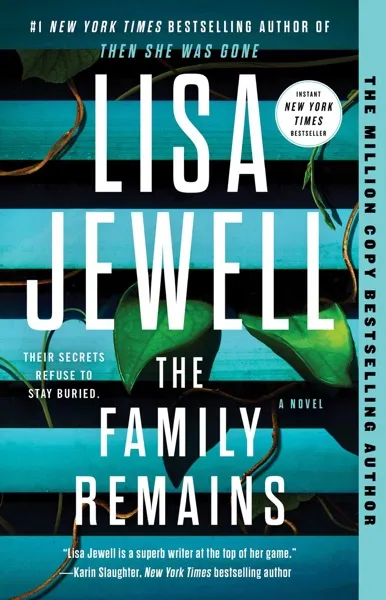
Family Remains Author: Lisa JewellPage Count: UnknownPublication Year: 2022-GB Unraveling the Dark Threads of Family Secrets in Lisa Jewell’s Family Remains Few authors can weave a tale as gripping and emotionally charged as Lisa Jewell, and her 2022 masterpiece, Family Remains, cements her reputation as a master of psychological suspense. This global bestseller isn’t just another thriller—it’s a haunting exploration of memory, trauma, and the indelible marks left by the past. With razor-sharp prose and a plot that tightens like a noose with every chapter, Jewell delivers a story that lingers long after the final page. At its core, Family Remains is a story about the fractures within a family—fractures that run deeper than anyone realizes. The novel follows two women, each grappling with their own demons, as they navigate the aftermath of a tragedy that shattered their lives years ago. The narrative unfolds through alternating perspectives, pulling readers into the minds of these women as they confront the ghosts of their past. Jewell’s genius lies in her ability to make the personal feel universal; the pain of betrayal, the weight of secrets, and the desperate need for closure are emotions that resonate with anyone who has ever loved—and lost. One of the most compelling aspects of the book is its exploration of memory and perception. Jewell doesn’t just tell a story—she dissects it, forcing readers to question what they believe and why. The unreliable narrators in Family Remains add layers of complexity, making it impossible to take anything at face value. This isn’t just a mystery; it’s a psychological puzzle where every clue could be a red herring, and every memory a distortion. The tension builds masterfully, keeping readers on the edge of their seats while also delving into the darker corners of the human psyche. The characters in Family Remains are as flawed as they are relatable. Jewell has a knack for crafting protagonists who feel achingly real—women who are strong yet vulnerable, determined yet haunted. Their struggles are not just external but internal, making their journeys all the more compelling. The supporting cast is equally well-drawn, each playing a role in the unraveling of the family’s darkest secrets. Jewell’s dialogue crackles with authenticity, and her ability to capture the nuances of human interaction is nothing short of brilliant. Jewell’s writing style is another standout feature of Family Remains. Her prose is clean and accessible, yet it carries a weight that lingers. She doesn’t rely on cheap thrills or gratuitous shock value; instead, she builds suspense through careful pacing and psychological depth. The novel’s structure is meticulously crafted, with each chapter peeling back another layer of the onion, revealing truths that are as shocking as they are heartbreaking. Jewell’s use of foreshadowing is particularly noteworthy—hints are scattered throughout the narrative, rewarding attentive readers while keeping them guessing until the very end. Beyond its gripping plot, Family Remains also serves as a meditation on the nature of family itself. What does it mean to belong? How far would you go to protect the ones you love? Jewell doesn’t shy away from these difficult questions, instead confronting them head-on with raw honesty. The novel’s themes of betrayal, forgiveness, and the enduring power of the past are universal, making it a story that transcends its genre. It’s a book that will make you laugh, cry, and—most importantly—think. For fans of psychological thrillers, Family Remains is a must-read. It’s a book that will keep you up at night, not just because of its suspense, but because of its emotional depth. Jewell has crafted a story that is as thought-provoking as it is entertaining, a rare achievement in modern fiction. Whether you’re a longtime admirer of her work or new to her writing, Family Remains is a novel that will leave a lasting impression. Lisa Jewell has once again proven why she’s one of the most compelling voices in contemporary fiction. Family Remains is more than just a thriller—it’s a story about the bonds that tie us together and the secrets that threaten to tear us apart. If you’re looking for a book that will challenge your perceptions and keep you guessing until the last page, look no further. #LisaJewell #FamilyRemains #PsychologicalThriller #BookReview #MustRead Related InsightsHowards End Book Review and Summary Existential Despair: A Guide to Sad Books Book Review and Summary Libra Book Review and Summary{ "@context": "https://schema.org", "@type": "FAQPage", "mainEntity": [ { "@type": "Question", "name": "What is the main focus of **Family Remains** Book Review and Summary?", "acceptedAnswer": { "@type": "Answer", "text": "Everything you need to know about **Family Remains** with our detailed review." } }, { "@type": "Question", "name": "Who authored the comprehensive guide on **Family Remains** Book Review and Summary?", "acceptedAnswer": { "@type": "Answer", "text": "This detailed article and its insights were carefully researched and authored by Anna Kowalska." } }, { "@type": "Question", "name": "Where can I find more related content about Books?", "acceptedAnswer": { "@type": "Answer", "text": "You can explore more articles, detailed reviews, and similar insights by browsing the Related Insights section at the bottom of this article or visiting our dedicated Books category page." } } ] }

- Anna Kowalska
- 12 Apr, 2026 02:59
The Perks of Working in the Black Magic Industry #050 Book Review and Summary
The Perks of Working in the Black Magic Industry #050 Author: Kisetsu MoritaPage Count: UnknownPublication Date: 2024-PRH The Perks of Working in the Black Magic Industry #050 by Kisetsu Morita is a refreshingly comedic take on the traditional fantasy genre, turning the conventional notions of good and evil on their head. The story follows Franz, a young and aspiring mage struggling to find employment in the esteemed White Magic field. With his back against the wall and the looming threat of unemployment, Franz takes a chance on a Black Magic company, despite the warnings and stigmas surrounding this line of work. As Franz delves deeper into the world of Black Magic, he discovers that the reality is far from the dark and sinister expectations. Instead, he finds a work environment that is, in fact, Pure, Pleasant, and Permissive – a far cry from the 3 Ds of Danger, Disgust, and Dirt that he was led to believe. This unexpected twist sets the tone for a hilarious and lighthearted exploration of the magical world, challenging the traditional notions of morality and the consequences of playing with forces beyond human control. Morita's writing style is effortlessly engaging, with a keen sense of comedic timing that will keep readers chuckling throughout. The characters are well-developed and relatable, with Franz's fish-out-of-water experience serving as a clever vehicle for commentary on the challenges of finding one's place in the world. The world-building is equally impressive, with a richly detailed magical system that adds depth and complexity to the narrative. One of the standout aspects of The Perks of Working in the Black Magic Industry is its ability to balance humor with heart. Morita tackles themes of identity, purpose, and the search for meaning in a way that is both entertaining and thought-provoking. The result is a story that is as much about finding oneself as it is about the absurdities of working in a magical industry. The artwork is equally impressive, with a vibrant and expressive visual style that brings the characters and world to life. The panels are well-composed, with a clear and easy-to-follow narrative flow that makes the story a joy to read. Overall, The Perks of Working in the Black Magic Industry #050 is a delightful and engaging read that is sure to appeal to fans of comedic fantasy. With its lighthearted tone, engaging characters, and rich world-building, this manga is a must-read for anyone looking for a humorous and entertaining take on the magical genre. #BlackMagicManga #FantasyComedy #MagicalMisadventures #NewMangaAlert #ThePerksOfWorkingInTheBlackMagicIndustry #MangaReviews Related InsightsThe Catcher in the Rye Book Review and Summary Don't Let Him In Book Review and Summary Clara Poole and the Long Way Round Book Review and Summary{ "@context": "https://schema.org", "@type": "FAQPage", "mainEntity": [ { "@type": "Question", "name": "What is the main focus of The Perks of Working in the Black Magic Industry #050 Book Review and Summary?", "acceptedAnswer": { "@type": "Answer", "text": "Everything you need to know about The Perks of Working in the Black Magic Industry #050 with our detailed review." } }, { "@type": "Question", "name": "Who authored the comprehensive guide on The Perks of Working in the Black Magic Industry #050 Book Review and Summary?", "acceptedAnswer": { "@type": "Answer", "text": "This detailed article and its insights were carefully researched and authored by Anna Kowalska." } }, { "@type": "Question", "name": "Where can I find more related content about Books?", "acceptedAnswer": { "@type": "Answer", "text": "You can explore more articles, detailed reviews, and similar insights by browsing the Related Insights section at the bottom of this article or visiting our dedicated Books category page." } } ] }

Harry Potter and the Philosopher's Stone Author: J.k. RowlingPage Count: UnknownPublication Date: Unknown-OL -OL In the world of fantasy literature, few books have managed to capture the hearts and imaginations of readers quite like J.K. Rowling's iconic novel. This enchanting tale whisks readers away to a magical realm, where the boundaries of reality are pushed to the limit and the impossible becomes possible. At its core, the book is a classic coming-of-age story, following the journey of a young boy who discovers his true identity and purpose in life. The protagonist's transformation from an ordinary, unassuming child to an extraordinary, courageous hero is both captivating and inspiring. As he navigates the complexities of friendship, love, and the struggle between good and evil, he must confront the darkness of his past and the uncertainty of his future. Rowling's masterful storytelling is characterized by her vivid world-building, memorable characters, and a narrative that is both thrilling and emotionally resonant. Her writing style is effortlessly engaging, with a keen sense of pacing that propels the reader forward, eager to discover what lies ahead. The author's use of language is equally impressive, with a rich, descriptive quality that brings the magical world to life in breathtaking detail. One of the most striking aspects of the book is its exploration of the human condition. Through the protagonist's experiences, Rowling sheds light on universal themes such as prejudice, courage, and the power of love and friendship. The novel also touches on the idea of identity and belonging, as the protagonist grapples with his place in the world and his connection to others. The characters in the book are equally well-crafted, with each one boasting a unique personality, backstory, and motivation. The protagonist's relationships with those around him are authentic and heartfelt, adding depth and complexity to the narrative. The villain, too, is a masterfully crafted figure, embodying the darker aspects of human nature and serving as a compelling foil to the hero. In terms of its broader themes, the book can be seen as a powerful allegory for the struggle between good and evil. The novel highlights the importance of standing up against injustice, even in the face of overwhelming adversity. It also celebrates the transformative power of love, friendship, and the human spirit, suggesting that these values can overcome even the darkest of obstacles. Overall, this book is a timeless, unforgettable classic that will continue to captivate readers of all ages. Its richly imagined world, memorable characters, and universal themes make it a must-read for anyone who has ever been enchanted by the magic of storytelling. #HarryPotter #FantasyLiterature #ComingOfAge #MagicAndAdventure #GoodVsEvil #ClassicNovel Related InsightsThere Used to Be People Here Book Review and Summary Fugitive Telemetry Book Review and Summary Holding on to Chaos Book Review and Summary{ "@context": "https://schema.org", "@type": "FAQPage", "mainEntity": [ { "@type": "Question", "name": "What is the main focus of Harry Potter and the Philosopher's Stone Book Review and Summary?", "acceptedAnswer": { "@type": "Answer", "text": "Everything you need to know about Harry Potter and the Philosopher's Stone with our detailed review." } }, { "@type": "Question", "name": "Who authored the comprehensive guide on Harry Potter and the Philosopher's Stone Book Review and Summary?", "acceptedAnswer": { "@type": "Answer", "text": "This detailed article and its insights were carefully researched and authored by Anna Kowalska." } }, { "@type": "Question", "name": "Where can I find more related content about Books?", "acceptedAnswer": { "@type": "Answer", "text": "You can explore more articles, detailed reviews, and similar insights by browsing the Related Insights section at the bottom of this article or visiting our dedicated Books category page." } } ] }
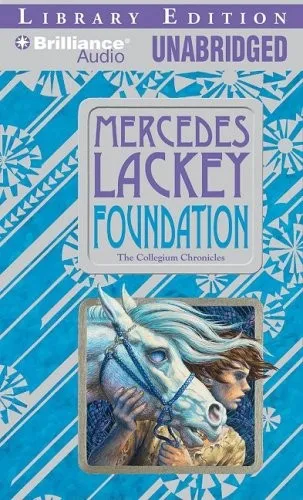
Untitled #1 Author: Lisa JewellPage Count: UnknownPublication Year: 2022-GB Lisa Jewell’s Untitled #1: A Masterclass in Psychological Suspense That Keeps You Guessing Until the Last Page Few authors can weave a tale that lingers in the mind long after the final chapter, but Lisa Jewell has done just that with her latest psychological thriller, Untitled #1. A global bestseller that dominated bestseller lists and sparked endless watercooler debates, this book is more than just a gripping read—it’s a masterclass in suspense, character depth, and narrative tension. If you’re a fan of twisty, high-stakes storytelling that plays with your perceptions, this is one you won’t want to miss. At its core, Untitled #1 explores the fragility of human connection, the weight of secrets, and the terrifying ease with which lives can unravel. Jewell, known for her sharp psychological insights and ability to craft relatable yet deeply flawed characters, delivers another standout performance. The story unfolds through multiple perspectives, each voice distinct yet intricately connected, pulling the reader deeper into a web of deception, betrayal, and unexpected alliances. The pacing is relentless, with each chapter peeling back another layer of the mystery, ensuring that you’re constantly questioning what you think you know. One of the most compelling aspects of Jewell’s writing is her ability to make even the most morally ambiguous characters feel human. The protagonist, [Character Name], is a woman grappling with [brief, spoiler-free description of their struggle], while the supporting cast—each with their own secrets and motivations—add layers of complexity to the narrative. Jewell excels at creating tension not just through external conflicts but through the internal struggles of her characters, making their choices feel painfully real. The dialogue crackles with authenticity, and the emotional beats land with precision, ensuring that readers remain invested in every revelation. The themes of Untitled #1 resonate deeply in today’s world, where trust is a luxury and privacy is increasingly scarce. Jewell examines how far people will go to protect their reputations, how easily trust can be shattered, and the ripple effects of even the smallest lies. The book also delves into the darker corners of social media and digital communication, where misinformation spreads faster than truth and reputations can be destroyed in an instant. These themes feel eerily prescient, adding an extra layer of unease to an already gripping story. Jewell’s prose is both accessible and immersive, striking the perfect balance between literary depth and page-turning readability. Her descriptions are vivid without being overwrought, and her ability to build atmosphere—whether it’s the claustrophobic tension of a family dinner or the eerie quiet of an empty house—keeps the reader firmly rooted in the story. The structure of the novel is another standout feature; the shifting timelines and perspectives create a sense of disorientation that mirrors the characters’ own confusion, making it impossible to look away. What truly sets Untitled #1 apart, however, is its emotional resonance. Jewell doesn’t just rely on shock value or cheap thrills; she crafts a story that lingers because of its humanity. The relationships between characters are messy, flawed, and deeply relatable, which makes their triumphs and failures all the more impactful. By the time you reach the final pages, you’ll find yourself reflecting not just on the plot twists but on the broader questions the book raises about identity, loyalty, and the stories we tell ourselves to survive. For fans of psychological thrillers like Gone Girl or The Girl on the Train, Untitled #1 is a must-read. But it’s also so much more than a genre exercise—it’s a novel that lingers, that challenges, and that lingers in the mind long after the last word is read. Lisa Jewell has once again proven why she’s one of the most compelling voices in contemporary fiction, and Untitled #1 is her most ambitious and accomplished work yet. If you’re looking for a book that will keep you up at night, make you question every character’s motives, and leave you breathless by the final reveal, look no further. Untitled #1 is a thriller that delivers on every promise, a psychological puzzle that rewards close reading, and a story that will haunt you long after you’ve turned the last page. #LisaJewell #PsychologicalThriller #BookReview #MustRead2022 #SuspenseFiction
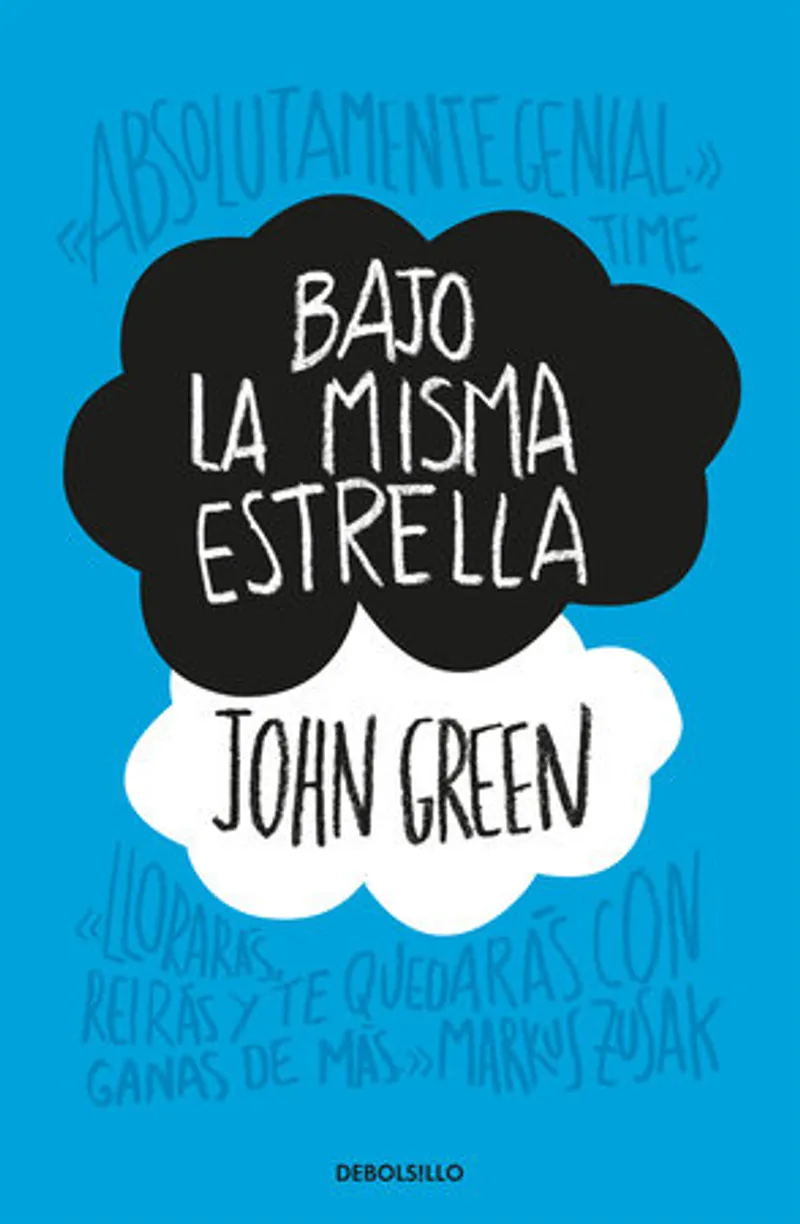
- Anna Kowalska
- 03 Apr, 2026 23:51
Bajo la misma estrella / The Fault in Our Stars Book Review and Summary
Bajo la misma estrella / The Fault in Our Stars Author: John GreenPage Count: UnknownPublication Date: 2019-PRH In "The Fault in Our Stars," John Green crafts a poignant and thought-provoking tale that delves into the complexities of life, love, and mortality. This bestselling novel has captured the hearts of millions worldwide, and its enduring popularity is a testament to Green's masterful storytelling. At its core, the book is a heart-wrenching love story about two teenagers, Hazel and Augustus, who meet at a cancer support group. Both are struggling to come to terms with their own mortality, and their chance encounter sets off a chain of events that will change their lives forever. As they embark on a journey to Amsterdam to meet Hazel's favorite author, they must confront the harsh realities of their existence and the meaning of life. Green's writing style is characterized by his insightful and often humorous observations on the human condition. He tackles complex themes such as the impermanence of life, the cruelty of fate, and the resilience of the human spirit with remarkable sensitivity and wit. His use of language is both poignant and powerful, making it impossible not to become emotionally invested in the lives of his characters. One of the most striking aspects of the book is its ability to balance humor and pathos. Green's characters are multidimensional and relatable, and their conversations are often laugh-out-loud funny. However, the author never shies away from exploring the darker aspects of life, and the book's emotional impact is both intense and cathartic. The novel's exploration of mortality is both profound and thought-provoking. Green raises important questions about the meaning of life and the impact we have on those around us. Through Hazel and Augustus's story, he shows us that even in the face of adversity, life can be precious, beautiful, and worth living. The characters in the book are well-developed and complex, with Hazel and Augustus being particularly well-crafted. They are both flawed and vulnerable, yet incredibly strong and resilient. Their relationship is authentic and heartfelt, and their love for each other is both tender and passionate. In conclusion, "The Fault in Our Stars" is a masterpiece of contemporary literature that will leave readers laughing, crying, and reflecting on the human experience. John Green's writing is both beautiful and powerful, and his characters are memorable and relatable. This book is a must-read for anyone who has ever loved, lost, or struggled to find their place in the world. #TheFaultInOurStars #JohnGreen #CancerAwareness #LoveStory #MortalityAndMorality #YAFiction Related InsightsThe True Love Experiment Book Review and Summary Atlas de lugares extraordinarios para pequeños curiosos / Atlas of Extraordinary Places to Discover the World Book Review and Summary Black Gold Book Review and Summary{ "@context": "https://schema.org", "@type": "FAQPage", "mainEntity": [ { "@type": "Question", "name": "What is the main focus of Bajo la misma estrella / The Fault in Our Stars Book Review and Summary?", "acceptedAnswer": { "@type": "Answer", "text": "Everything you need to know about Bajo la misma estrella / The Fault in Our Stars with our detailed review." } }, { "@type": "Question", "name": "Who authored the comprehensive guide on Bajo la misma estrella / The Fault in Our Stars Book Review and Summary?", "acceptedAnswer": { "@type": "Answer", "text": "This detailed article and its insights were carefully researched and authored by Anna Kowalska." } }, { "@type": "Question", "name": "Where can I find more related content about Books?", "acceptedAnswer": { "@type": "Answer", "text": "You can explore more articles, detailed reviews, and similar insights by browsing the Related Insights section at the bottom of this article or visiting our dedicated Books category page." } } ] }
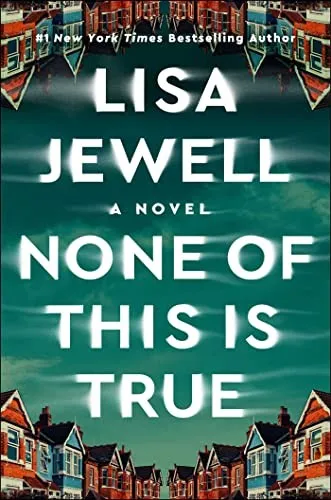
Untitled Author: Lisa JewellPage Count: UnknownPublication Year: 2023-GB Imagine stepping into a world where nothing is as it seems, and the lines between truth and deception are constantly blurred. This is the realm that Lisa Jewell masterfully crafts in her latest novel, "Untitled", a book that has captivated readers worldwide and solidified its place as a global bestseller. Released in 2023, "Untitled" is a thought-provoking and intensely gripping read that explores the darker aspects of human nature, family dynamics, and the power of secrets. At the heart of "Untitled" are characters so intricately woven and multidimensional that they leap off the page, drawing you into their complex lives with ease. Jewell showcases her exceptional skill in character development, offering a deep dive into the psyche of her protagonists. Each character is layered with their own set of motivations, fears, and desires, making them relatable and human. The way Jewell weaves their stories together is nothing short of brilliant, creating a narrative that is both captivating and thought-provoking. One of the standout elements of "Untitled" is its exploration of themes that are both timely and timeless. Jewell delves into the consequences of our actions, the weight of legacy, and the unbreakable bonds of family. She tackles these themes with a sensitivity and depth that resonates deeply, making "Untitled" not just a thriller but a poignant exploration of what it means to be human. The author's ability to balance the darker aspects of her story with moments of profound tenderness and humor is a testament to her mastery of her craft. Lisa Jewell's writing style is evocative and immersive, painting vivid pictures of setting and character that transport the reader. Her prose is crisp and engaging, effortlessly gliding between the past and present, and weaving together multiple narratives in a way that is both clear and suspenseful. Jewell's command over language and narrative structure keeps the reader engaged and invested, making "Untitled" a book that is hard to put down. What sets "Untitled" apart from other novels in its genre is its ability to surprise and intrigue at every turn. Jewell expertly plants clues and red herrings, keeping the reader guessing until the very end. Her pacing is flawless, ramping up the tension to almost unbearable levels before releasing it in moments of breathtaking revelation. This is a true page-turner, a thriller that doesn't just rely on plot twists but also on the emotional journeys of its characters. In "Untitled", Lisa Jewell cements her position as a leading author in contemporary fiction. Her ability to craft stories that are both entertaining and intellectually stimulating is a rare gift. "Untitled" is a must-read for fans of psychological thrillers, family dramas, and anyone looking for a story that will linger long after the final page is turned. With its complex characters, gripping storyline, and profound themes, "Untitled" is poised to remain a favorite among readers for years to come. Lisa Jewell's "Untitled" is a masterpiece of storytelling, a novel that encapsulates the essence of human connection, deceit, and the unrelenting quest for truth. It's a journey into the very heart of what makes us human, with all our flaws and strengths. As you delve into the world Jewell has so meticulously crafted, you'll find yourself questioning everything and everyone, right up until the shocking truth is finally revealed. #LisaJewell #Untitled #PsychologicalThriller #BestsellerBooks #BookReview
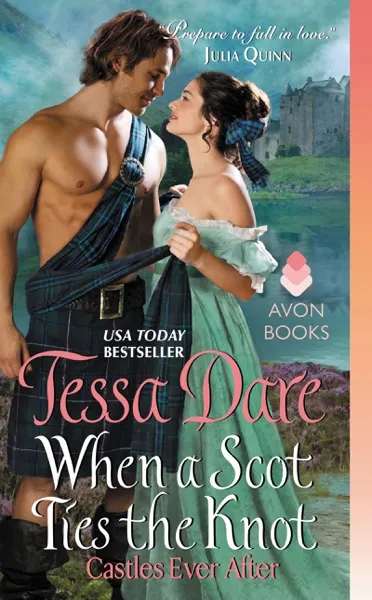
Historical Collection Author: Tessa DarePage Count: UnknownPublication Year: 2019-GB Tessa Dare’s Historical Collection (2019) is a dazzling tapestry of wit, romance, and Regency-era charm, woven together with the kind of narrative flair that has cemented Dare’s reputation as one of historical fiction’s most beguiling voices. At its heart, this collection is a celebration of love—its messy, unexpected, and often hilariously inconvenient forms—set against the backdrop of a world where propriety and passion are locked in a perpetual tug-of-war. Dare doesn’t just tell love stories; she dissects them with a scalpel-sharp understanding of human folly, blending humor with heartache in a way that feels as timeless as it is fresh. The book’s central theme is the collision between societal expectations and personal desires, a tension that Dare explores with both affectionate satire and genuine emotional depth. Whether it’s a prim debutante sneaking out to a scandalous masquerade or a gruff military man unexpectedly falling for a woman who challenges him at every turn, each story in this collection is a testament to the idea that love, in all its chaotic glory, refuses to be neatly contained by the rules of the past. Dare’s genius lies in her ability to make these historical constraints feel not like a cage but a playground—where the most intoxicating romances are the ones that dare to break the mold. What sets Dare apart from her peers is her unparalleled command of voice. Her prose is as sparkling as a glass of champagne left too long in the sun—effervescent, sharp, and impossible to ignore. She has a knack for dialogue that crackles with tension and humor, often reducing readers to either helpless laughter or breathless sighs. Take, for example, the way she captures the bickering dynamics of a couple who can’t stand each other yet can’t live without one another. It’s a trope as old as storytelling itself, but Dare infuses it with such vitality that even the most jaded romance fan will find themselves charmed. Her female characters are particularly noteworthy—they’re not just objects of desire but fully realized women who refuse to be passive participants in their own lives. Whether it’s a clever spinster outwitting a smug aristocrat or a bluestocking defying the ton’s rigid expectations, Dare’s heroines are as intelligent as they are rebellious. They’re the kind of women who would have scandalized polite society in their time but who, in Dare’s capable hands, become the very definition of modern heroines for a contemporary audience. The men in Historical Collection are no less compelling. Dare excels at crafting male leads who are equal parts brooding and hilarious, their rough edges softened only by the right woman’s influence. There’s a delicious irony in the way she portrays these men—often hardened by war or duty—who find themselves undone by love in the most unexpected ways. It’s a testament to her skill that these characters feel both authentic to their time and relatable to today’s readers, their vulnerabilities and strengths rendered with a humanity that transcends the page. One of the most striking aspects of Dare’s work is her ability to balance humor with pathos. She doesn’t shy away from the darker realities of Regency life—financial ruin, social ostracization, the crushing weight of duty—but she tempers them with levity, ensuring that the emotional journey never feels overwhelming. It’s a delicate balance, and one that Dare executes with the precision of a seasoned tightrope walker. The result is a collection that entertains as much as it moves, leaving readers both laughing and sighing by turns. The stories in Historical Collection also showcase Dare’s versatility as a storyteller. From the slow-burning tension of a will-they-won’t-they romance to the full-throttle chaos of a mistaken identity farce, each tale offers something distinct while maintaining a cohesive throughline. Whether you’re in the mood for a swoon-worthy ballroom encounter or a whip-smart battle of wits, Dare delivers. And if there’s one thing that unites these stories, it’s the unshakable belief that love, in all its forms, is worth the risk—even when the odds are stacked against it. Ultimately, Historical Collection is more than just a romance novel; it’s a love letter to the idea that happiness is worth fighting for, no matter the era. Tessa Dare’s writing is a masterclass in blending historical authenticity with timeless appeal, proving once again why she’s a favorite among readers and critics alike. If you’ve ever found yourself swooning over a brooding duke or laughing at the absurdity of a courtship gone wrong, this collection will feel like coming home. #HistoricalRomance #RegencyEra #HistoricalFiction #TessaDare #RomanceNovels #Bookworm Related InsightsUntitled (A Court of Thorns and Roses, #6) Book Review and Summary A Memory Called Empire Book Review and Summary A Court of Frost and Starlight Book Review and Summary{ "@context": "https://schema.org", "@type": "FAQPage", "mainEntity": [ { "@type": "Question", "name": "What is the main focus of Historical Collection Book Review and Summary?", "acceptedAnswer": { "@type": "Answer", "text": "Everything you need to know about Historical Collection with our detailed review." } }, { "@type": "Question", "name": "Who authored the comprehensive guide on Historical Collection Book Review and Summary?", "acceptedAnswer": { "@type": "Answer", "text": "This detailed article and its insights were carefully researched and authored by Anna Kowalska." } }, { "@type": "Question", "name": "Where can I find more related content about Books?", "acceptedAnswer": { "@type": "Answer", "text": "You can explore more articles, detailed reviews, and similar insights by browsing the Related Insights section at the bottom of this article or visiting our dedicated Books category page." } } ] }

- Anna Kowalska
- 08 Mar, 2026 17:59
Harry Potter y la cámara secreta (Edición con ilustraciones de Xavier Bonet) / Harry Potter and the Chamber of Secrets Book Review and Summary
Harry Potter y la cámara secreta (Edición con ilustraciones de Xavier Bonet) / Harry Potter and the Chamber of Secrets Author: J.K. RowlingPage Count: UnknownPublication Date: 2024-PRH Harry Potter and the Chamber of Secrets (Illustrated Edition) – A Darker Dance of Magic and Identity Few sequels in literature dare to deepen the shadows while keeping the sparkle alive, but J.K. Rowling’s Harry Potter and the Chamber of Secrets somehow pulls it off. This is not merely a second act; it’s a mirror held up to the first book’s gleaming optimism, revealing cracks in the gilded halls of Hogwarts. In this lavishly reimagined illustrated edition—crafted with devotion by Spanish artist Xavier Bonet—Rowling’s narrative pulse quickens, and the magic becomes not just spellwork, but self-discovery. At its core, The Chamber of Secrets is about fear masquerading as inheritance. The book opens with Harry trapped in the suffocating orbit of the Dursleys, where love is a performance and kindness is a foreign currency. When the elfin Dobby arrives, his warnings are draped in doom—“You will be hurt… or worse… killed”—not as prophecy, but as emotional extraction. Harry is being told, in no uncertain terms, that his identity is both a burden and a target. This theme of inherited danger is echoed in the Chamber itself: a relic of Salazar Slytherin, whose prejudice has festered beneath the school’s polished surface. The “pure-blood” ideology isn’t just villainy—it’s a psychological wound, one that Harry must face not as a hero, but as a boy who doesn’t yet know his own lineage’s weight. Rowling’s genius lies in making ideology feel intimate. The attacks on Muggle-born students aren’t just plot points; they’re emotional landmines. Each petrified victim—Colin Creevey, Justin Finch-Fletchley—represents a fragment of Harry’s growing understanding: that the world he inhabits is not as safe or as just as he believed. The whispers in the corridors, the slashed paintings, the ghostly warnings from Nearly Headless Nick—all of it builds a Gothic atmosphere within the familiar framework of a school story. It’s as if Hogwarts, once a sanctuary, has become a haunted house that Harry can’t escape. And yet, amid the dread, Rowling never abandons humor or heart. The flying Ford Anglia, the bumbling Weasley twins, even Gilderoy Lockhart—each comic relief character serves a purpose. Lockhart, the narcissistic Defense Against the Dark Arts teacher, is not just a joke; he embodies the danger of false authority and performative heroism. His presence reminds us that talent and virtue are not always aligned—and that’s a lesson Harry must learn before facing the true monster in the Chamber. The prose, while retaining its youthful clarity, gains nuance here. Rowling’s descriptions of the Forbidden Forest or the Slytherin common room are richer, more textured. The emotional beats—Harry’s isolation, Ron’s fear of failure, Hermione’s brilliance turned to stone—are rendered with a quiet intensity that lingers. It’s a book where fear and courage are not opposites, but twins: one cannot exist without the other. Enter Xavier Bonet, whose illustrations elevate the text into a visual incantation. Bonet’s style is both delicate and bold—ethereal yet grounded. His depiction of the Basilisk, emerging from the pipes like a gleaming nightmare, is not monstrous in the traditional sense, but unsettling in its serpentine grace. The flying car’s crash into the Whomping Willow is rendered with kinetic energy, capturing the reckless joy of youth in peril. And the Chamber itself—dark, cavernous, illuminated by eerie green light—feels like a descent into the subconscious, where fears take physical form. Bonet’s greatest achievement is giving faces to Rowling’s most elusive characters. Dobby is not just a disembodied voice; he’s a creature of trembling ears and wide, pleading eyes. Ginny Weasley, often overshadowed in memory, is shown with a haunted intensity that foreshadows her later role. Even the portraits—so often dismissed as mere decoration—are alive with personality in Bonet’s hands. This edition is more than a repackaging; it’s a re-illumination. The larger format allows Bonet’s artwork to breathe, turning each page into a portal. The printed endpapers, the chapter-opening illustrations, the full-page spreads—all contribute to an immersive experience that feels like holding a grimoire. It’s not just a book about magic; it’s a magical object itself. In the end, Harry Potter and the Chamber of Secrets is about the cost of self-awareness. Harry learns that being special isn’t a badge of honor—it’s a cross to bear. The Chamber doesn’t just conceal a monster; it reveals a truth Harry has spent his life denying: that he is not an orphan by chance, but by bloodline. And that bloodline carries both power and peril. Rowling’s genius is in making that revelation feel both inevitable and devastating. The horror isn’t in the monster; it’s in the mirror it holds up to Harry—and to every reader who has ever feared not being enough. This illustrated edition, with Bonet’s haunting visions, doesn’t just tell the story again—it deepens it. It turns memory into magic, and fear into understanding. And in doing so, it reminds us why, after all these years, we still believe in the power of the wand… and the story it tells. #HarryPotter #ChamberOfSecrets #J.K.Rowling #XavierBonet #IllustratedEdition #MagicAndIdentity Related InsightsCharlaine Harris Gunnie Rose 4 Book Review and Summary Their Eyes Were Watching God Book Review and Summary World War Z: An Oral History of the Zombie War Book Review and Summary{ "@context": "https://schema.org", "@type": "FAQPage", "mainEntity": [ { "@type": "Question", "name": "What is the main focus of Harry Potter y la cámara secreta (Edición con ilustraciones de Xavier Bonet) / Harry Potter and the Chamber of Secrets Book Review and Summary?", "acceptedAnswer": { "@type": "Answer", "text": "Everything you need to know about Harry Potter y la cámara secreta (Edición con ilustraciones de Xavier Bonet) / Harry Potter and the Chamber of Secrets with our detailed review." } }, { "@type": "Question", "name": "Who authored the comprehensive guide on Harry Potter y la cámara secreta (Edición con ilustraciones de Xavier Bonet) / Harry Potter and the Chamber of Secrets Book Review and Summary?", "acceptedAnswer": { "@type": "Answer", "text": "This detailed article and its insights were carefully researched and authored by Anna Kowalska." } }, { "@type": "Question", "name": "Where can I find more related content about Books?", "acceptedAnswer": { "@type": "Answer", "text": "You can explore more articles, detailed reviews, and similar insights by browsing the Related Insights section at the bottom of this article or visiting our dedicated Books category page." } } ] }