Showing Posts From
Zakopane
-
 Cemre Seyyah
 - 16 Jul, 2026 05:38
Whispers of the Tatra: Unveiling the Soul of Poland's Winter Capital, Zakopane
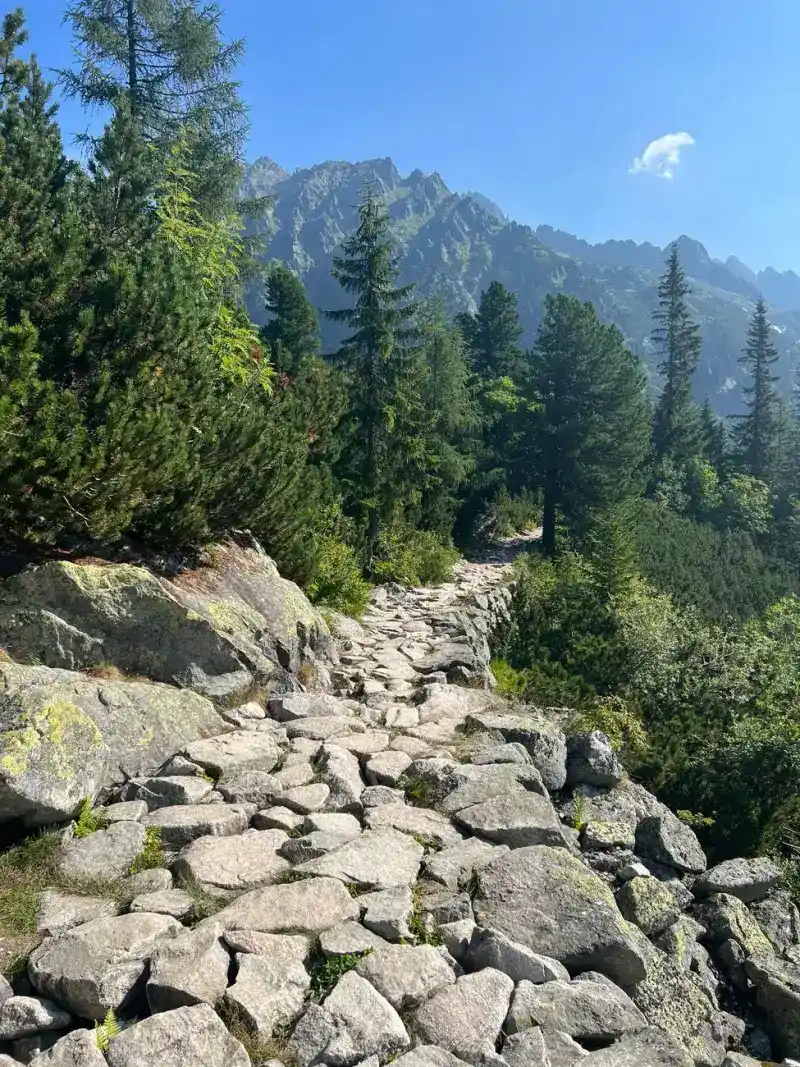
The wind that sweeps across the northern slopes of the Tatra Mountains carries more than just the biting chill of a humid continental climate; it carries the echoes of centuries. To stand in Zakopane is to stand at the intersection of rugged wilderness and the refined spirit of the Podhale region. Known by the locals as Zokopane, this town is not merely a destination—it is the beating heart of Goral culture, a place where the altitude dictates the rhythm of life and the craggy silhouettes of the Tatras serve as constant, silent guardians. #travel #nature A Genesis in the Glades: From Humble Origins to Peak Popularity The chronicles of Zakopane begin in the 17th century, a time when the region was defined by a quiet glade known as Zakopisko. Records from 1676 paint a picture of a minuscule settlement of merely 43 souls, a stark contrast to the bustling hub it would eventually become. By 1818, the town began its slow transformation, housing 1,805 people within 340 homes. It was a frontier life, rooted in the earth and the mining and metallurgy industries that fueled the region of Galicia during the 19th century.As the 19th century waned, the transformation accelerated. The introduction of rail services on October 1, 1899, connecting Zakopane to Chabówka and eventually the provincial capital of Kraków, changed the town’s trajectory forever. What was once a narrow beaten path for miners traveling to Kuźnice—now the iconic Krupówki Street—became the spine of a burgeoning health resort. By the dawn of the 20th century, the town had successfully branded itself as a sanctuary for those seeking the healing properties of the mountain air. #history #mountainlife The Architecture of Identity: The Witkiewicz Legacy One cannot walk the streets of Zakopane without noticing the distinct, rhythmic patterns of its architecture. The Zakopane Style, pioneered by the visionary Stanisław Witkiewicz, is more than a design preference; it is a profound declaration of regional identity. Drawing inspiration from the folk motifs of the Carpathian Mountains, Witkiewicz created a visual language that defined the aesthetic of the Goral people. From the Villa Koliba (1892–93) to the intricate Chapel in Jaszczurówka (1904–07), these structures stand as wooden testaments to a bygone era. They are not merely buildings; they are artifacts of cultural resistance and pride. The Tatra Museum, itself a masterpiece of this style, houses the spirit of the region, while the Old Cemetery in Pęksowy Brzyzek offers a somber, beautiful final resting place for the artists, writers, and mountaineers who shaped the town’s soul. Walking through these sites, one feels the weight of history under their boots, a legacy preserved in timber and stone. The Crucible of War: Resilience in the High Peaks The story of Zakopane is not exclusively one of beauty and sport. During the dark chapter of World War II, the town became a focal point of strategic struggle. Following the German invasion in 1939, Zakopane was transformed into a site of immense suffering and coordinated resistance. The Villa Tadeusz, once a quiet retreat, became the setting for a grim meeting between the Soviet NKVD and the Nazi Gestapo to coordinate the pacification of Polish resistance. The human cost was staggering. Local leaders like mayor Zdzisław Adamczyk perished in the Katyn massacre, and thousands were displaced, including the tragic influx of Varsovians deported during the Warsaw Uprising. Yet, even in the shadow of the Kraków-Płaszów concentration camp’s labor efforts in the local stone quarries, the town retained its role as an underground staging point. In the immediate aftermath of 1945, the town’s humanity shone through the establishment of a home for Holocaust survivors—a poignant reminder of the necessity of healing in a post-war world. #history #resilience The Vertical Playground: Sports and High Altitudes For the modern traveler, Zakopane is synonymous with verticality. The town sits between 800 and 1,100 meters above sea level, but its ambition reaches much higher. The opening of the Wielka Krokiew ski jump in 1925 marked the town’s emergence as a premier sporting destination. This was followed by the engineering marvels of the Kasprowy Wierch cable car in 1936 and the Gubałówka funicular in 1938.The climate, characterized by the tundra-like conditions atop Kasprowy Wierch (1,987 meters), ensures that winter in Zakopane is a long, snowy affair. While the lowland areas of Poland shiver in grey, the "winter capital" often basks in sunlight, making it a haven for those drawn to the allure of the slopes. Yet, the mountain is a fickle host; the halny—a warm foehn wind—can arrive without warning, sending temperatures climbing beyond 10 °C in the depth of winter. It is this volatility, this sudden shift from biting frost to unexpected warmth, that keeps the mountaineer humble. #skiing #wintercapital Cultural Vibrancy and the Modern Nomad Zakopane’s culture is not static; it is a living, breathing entity. Since the late 19th century, it has attracted the luminaries of the Young Poland movement, artists who sought the raw, unfiltered inspiration of the Tatra landscape. Today, the town continues to draw those who appreciate the intersection of high-altitude trekking and deep-rooted tradition. Whether you are navigating the bustling intersection of Krupówki and Kościuszko Streets or finding solitude in the trails that lead away from the town center, the spirit of the Goral people is always present. They are the mountaineers who know every hidden crevice of the limestone peaks and the protectors of a heritage that survives in dance, music, and the very wooden beams of their homes. As you leave Zakopane, heading back toward the plains of Lesser Poland, you carry with you the scent of pine, the memory of the sharp mountain air, and the realization that some places are not just visited—they are experienced in the marrow of your bones. From the extreme records of its past—the bone-chilling -34.1 °C of 1956 to the peak summer warmth of 2013—Zakopane remains a town of extremes, a town of stories, and a town of peaks. #mountainculture #polandtravel#Zakopane #TatraMountains #PolandTravel #GoralCulture #WinterWonderland #MountainEscape