Showing Posts From
Zambezi
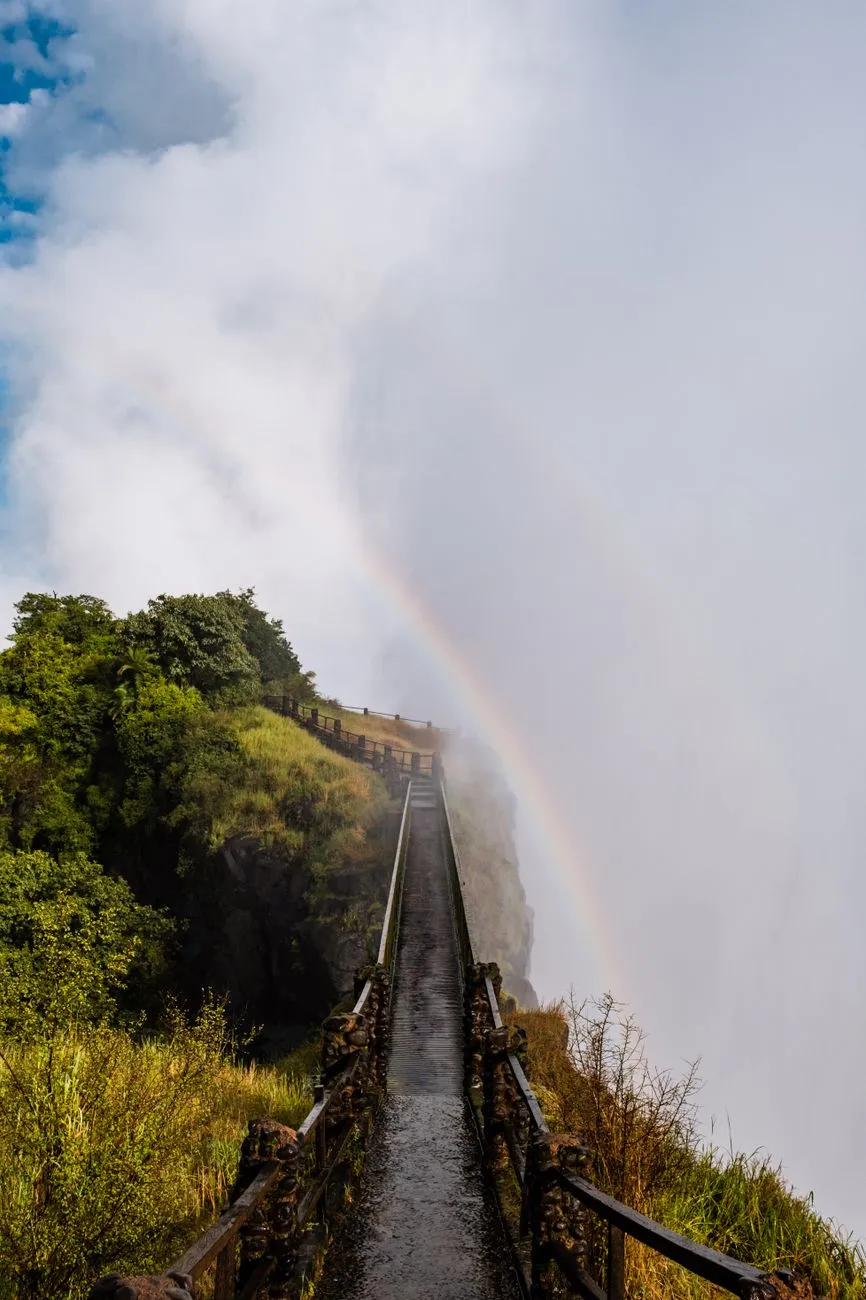

Navigating the Gorge: Mapping the Zambezi’s Hidden Canyons The Zambezi River carves a spectacular series of basalt gorges downstream of Victoria Falls, offering a playground for advanced canyoning that few rivers can match. The Batoka Gorge, stretching roughly 120 kilometres, presents a sequence of narrow slots, towering waterfalls, and deep plunge pools that demand precise navigation and a thorough understanding of the river’s morphology. Before committing to a descent, study the most recent topographic surveys and satellite imagery to identify constriction points where water velocity spikes and where natural anchors — such as exposed basalt columns — can be used for rappels. The guide to Livingstone for digital nomads describes the area as an “adrenaline‑fueled frontier outpost” with a wild river and weak Wi‑Fi, underscoring the remoteness that makes self‑reliance essential. Plot each rappel, swim, and scramble on a waterproof map, marking escape routes to the riverbanks where vehicle access exists. Seasonal flow data, available through the Zambezi River Authority, should dictate whether you target the high‑water window (February–May) for dramatic hydraulics or the low‑water window (June–October) for more technical rock‑work. A detailed itinerary, shared with a trusted contact and logged with the local tourism office, transforms a high‑risk expedition into a managed adventure.Gear Up for the Rapids: Advanced Equipment and Safety Protocols Equipment selection for Zambezi canyoning goes far beyond a standard wetsuit and helmet. The river’s powerful hydraulics and sharp basalt demand a full‑face helmet with a secure chin strap, a 5 mm neoprene drysuit with integrated hood, and a pair of high‑traction canyoning boots featuring sticky rubber soles and reinforced toe caps. A dynamic rope system — 10.5 mm static kernmantle rated for 30 kN — paired with a figure‑8 descender and a backup prusik loop provides redundancy on long rappels that can exceed 30 metres. Carry a compact, waterproof first‑aid kit stocked with trauma shears, a tourniquet, and a SAM splint; the remote nature of the gorge means evacuation can take hours. Communication devices are critical: a satellite messenger (e.g., Garmin inReach) and a VHF marine radio allow contact with the Livingstone rescue coordination centre, which the digital‑nomad guide notes operates with limited but functional infrastructure. Conduct a pre‑trip gear inspection using a checklist that includes rope integrity, carabiner gate function, and battery levels on all electronics. Practice swift‑water rescue drills in a controlled environment before departure; the ability to execute a throw‑bag rescue or a tethered swim can be the difference between a close call and a fatality.Basecamp Livingstone: Digital Nomad Logistics on the Edge Livingstone serves as the logistical hub for any Zambezi canyoning expedition, and the complete guide to Livingstone for digital nomads highlights its dual identity as a tourist gateway and a nascent remote‑work outpost. Accommodation ranges from budget hostels near the railway station to riverside lodges offering reliable power backup — essential for charging satellite devices and laptops. Coworking spaces such as “The Hub” provide high‑speed fibre (when the grid holds) and a community of fellow adventurers who can share real‑time river conditions. The guide warns of “weak Wi‑Fi” in many neighbourhoods, so a local SIM with a data bundle from MTN or Airtel is advisable for backup connectivity. Food costs are modest; a typical meal at a local market stall costs under US $3, while a mid‑range restaurant dinner averages US $12. Transport to the gorge entry points is usually arranged via 4×4 hire (≈US $150 per day) or through a reputable adventure operator who includes shuttle logistics in their package. Safety indices from Numbeo rank Livingstone’s crime level as moderate, with petty theft the primary concern; securing valuables in a lockable locker at your lodge mitigates risk. Establish a daily check‑in routine with your basecamp contact, sharing GPS waypoints and expected return times, to maintain a safety net while you explore the gorge.Reading the River: Hydrology, Seasonal Flows, and Route Selection Understanding Zambezi hydrology is the cornerstone of route selection. The river’s discharge varies dramatically: peak flows can exceed 6,000 m³/s during the rainy season, creating massive standing waves and hydraulic jumps that render many canyon sections impassable. Conversely, the dry season reduces flow to below 500 m³/s, exposing technical rock corridors and allowing longer rappels but also increasing the risk of pin‑point entrapment in narrow slots. The Zambezi River Authority publishes weekly flow bulletins; integrate these into your decision matrix. For advanced teams, the “Devil’s Staircase” — a series of five consecutive waterfalls ranging from 12 to 25 metres — is best tackled at moderate flow (1,500–2,500 m³/s) when the plunge pools are deep enough for safe landings but the water volume still provides a manageable current. Use a handheld flow meter or a calibrated drift‑log to verify on‑site conditions before committing. Map each rapid’s classification (Class III–V) and note the presence of undercut rocks, sieves, and strainers. A flexible itinerary that allows you to bypass or re‑sequence sections based on real‑time observations preserves both safety and the quality of the experience. Cultural Currents: Engaging Local Guides and Conservation Ethics The Zambezi’s gorges are not merely geological features; they are cultural landscapes stewarded by the Tonga and Lozi communities for generations. Engaging a certified local guide from the Livingstone Guides Association adds invaluable knowledge of traditional river lore, hidden anchor points, and seasonal wildlife movements — such as the migration of Nile crocodiles into the gorge during low water. The guide also ensures compliance with the Zambia Wildlife Authority’s permit system, which mandates a conservation fee that funds anti‑poaching patrols and habitat restoration. Practice Leave‑No‑Trace principles rigorously: pack out all waste, avoid disturbing nesting sites of the African fish eagle, and refrain from using soap or detergents in the river. The digital‑nomad guide emphasizes the “wild river, weak Wi‑Fi” ethos, reminding visitors that the environment’s fragility demands a low‑impact footprint. Support community‑based tourism by purchasing handcrafted gear (e.g., woven rope handles) directly from local artisans, thereby injecting economic benefit into the villages that border the gorge. A respectful partnership transforms a technical descent into a shared stewardship experience, preserving the Zambezi’s wild character for future explorers.Category Relative Cost (Numbeo 2024) NotesAccommodation (1‑bed) Low‑Moderate Hostels $10‑$25/night; lodges $60‑$120Meals (local) Low Market meals $2‑$4; restaurants $8‑$15Transport (4×4 hire) Moderate $130‑$170 per day including fuelCoworking Space Low‑Moderate Day pass $10‑$20; monthly $150‑$250Internet (mobile data) Low 10 GB bundle $12‑$18Safety Index Moderate Petty theft common; violent crime rareBeyond the Rapids: Reflections on the Zambezi Journey Emerging from the Batoka Gorge, the roar of the river fades behind you, replaced by the quiet hum of Livingstone’s evening Related InsightsIceland's Golden Circle: Unveiling the Land of Fire and Ice Beyond the Clouds: Unveiling the Eternal Spirit of Georgia’s Caucasus Echoes in Stone: Unearthing Sardinia's Lost Cyclopean Mysteries in the Wild Heart of Barbagia{ "@context": "https://schema.org", "@type": "FAQPage", "mainEntity": [ { "@type": "Question", "name": "What is the main focus of Canyoning the Zambezi: Advanced Adventure Tactics for Remote River Explorations?", "acceptedAnswer": { "@type": "Answer", "text": "Master the technical and logistical demands of canyoning the Zambezi, from gear selection to basecamp strategy in Livingstone." } }, { "@type": "Question", "name": "Who authored the comprehensive guide on Canyoning the Zambezi: Advanced Adventure Tactics for Remote River Explorations?", "acceptedAnswer": { "@type": "Answer", "text": "This detailed article and its insights were carefully researched and authored by Mark Dinn." } }, { "@type": "Question", "name": "Where can I find more related content about Travel?", "acceptedAnswer": { "@type": "Answer", "text": "You can explore more articles, detailed reviews, and similar insights by browsing the Related Insights section at the bottom of this article or visiting our dedicated Travel category page." } } ] }