A Reunion to Die For: A Novel Book Review and Summary
-
 Carmen Martinez
 - 19 Aug, 2026 22:38
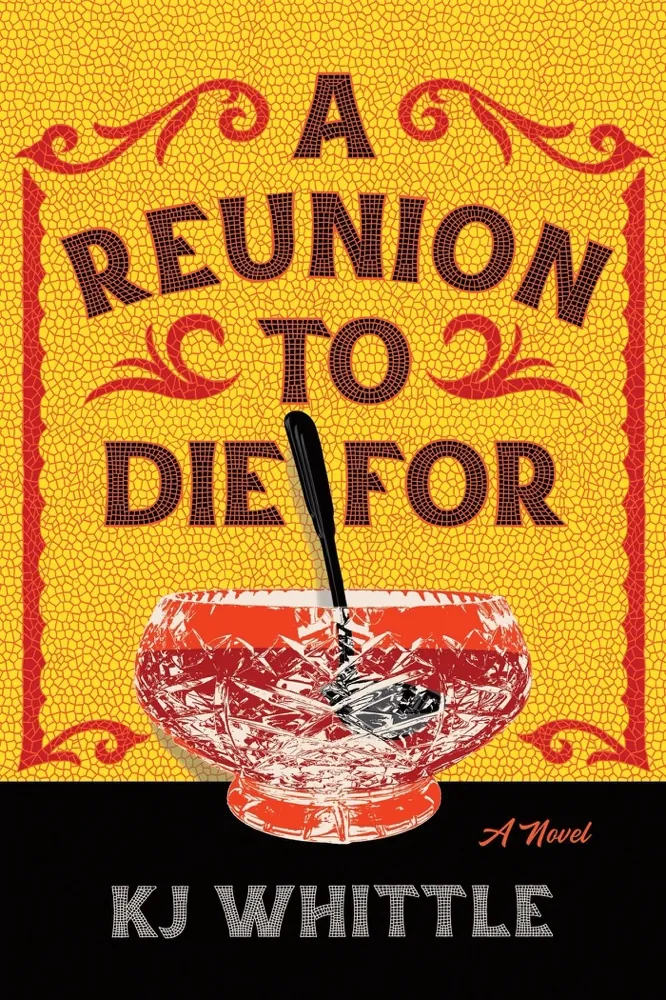
Author: K.J. Whittle
Page Count: Unknown
Publication Date: Expected publication 2026-10-20 APL
Another autumn, another twenty-thousand words generated about fictional people drinking bad pints in dingy pubs. Honestly, staring at this blinking cursor is a distinct form of urban penance, especially when my neighbors are aggressively rearranging heavy furniture upstairs at two in the morning. Let us talk about A Reunion to Die For by K.J. Whittle because the publishing complex has apparently decided that geriatric millennials murdering their high school tormentors is the new cozy crime. Or maybe it is a thriller. The blurbs cannot quite decide, throwing Benjamin Stevenson and We Solve Murders into the blender like a cheap smoothie at a terminal railway station.
The Nostalgia Trap
The premise rests on a universally exhausted trope. Five battered adults walk into a bar, dredge up twenty-year-old trauma involving a golden-boy bully named Eric Stewart, and drunkenly workshop a murder blueprint over cheap lager. Naturally, the bully turns up deceased the very next morning, perfectly stage-managed to match their blackout brainstorming session. How dreadfully convenient.
Whittle clearly wants a piece of that Agatha Christie-meets-Richard Osman market share—the sort of sanitized, middle-class carnage that suburban book clubs devour with a glass of warm Pinot Grigio. Yet, the thematic architecture here feels suspiciously paper-thin. We get the classic locked-room paranoia mixed with the ‘did we actually do it while blacked out’ amnesia trope. Groundbreaking stuff. Truly. Who needs genuine psychological depth when you can just throw in an anonymous text message containing incriminating audio? Technology is the real villain, as always.
Actually, No, Give Me More Chaos
Wait. Let me retract that cheap swipe about paper-thin plots. Perhaps dismissing the premise as derivative is missing the point of urban cynicism entirely. Maybe the sheer laziness of the plotting is precisely the satirical engine. If everyone hates their local sports star enough to brainstorm a homicide, the book might actually lean into the sheer, unadulterated absurdity of middle-aged regret. We live in a society of perpetual adolescence where grown adults still measure their self-worth against prom-night hierarchies. If Whittle commits to the farce—if the anonymous blackmail turns out to be a ridiculous prank orchestrated by a bartender or a jealous spouse—then this might actually bypass the sterile boredom of modern whodunits.
Or it will just be three hundred pages of people gasping in dimly lit kitchens while checking their smartphones. That is usually the safe bet.
The synopsis breathlessly warns us that the suspects must share their dark secrets from back then or risk taking the fall. Secrets. Right. Because the deep, haunting trauma of a high school prom gone wrong usually involves something mildly embarrassing rather than actual criminal conspiracies. But we must satisfy the word count, so let us pretend this digital breadcrumb trail of cryptic games represents a sweeping examination of collective guilt in the digital age.
Excuse me for a second. The bass from the apartment overhead just rattled a teacup off my desk, and I need to go scream into the hallway before I finish this contractual obligation. Actually, forget the hallway. I have to go mediate a brutal sibling rivalry over the remote control in the next room before someone pulls an Eric Stewart.