All Systems Red / Artificial Condition / Rogue Protocol / Exit Strategy Book Review and Summary
-
 Natalia Sokolova
 - 14 Feb, 2026 09:20
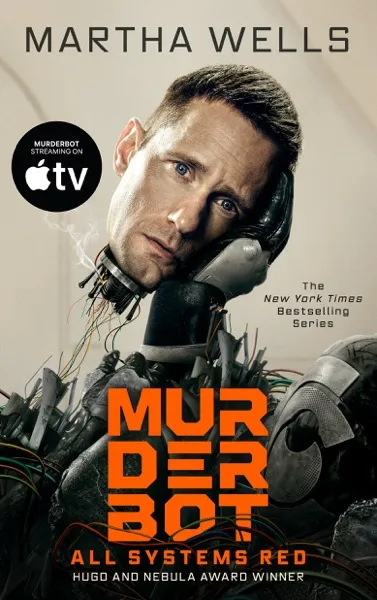
All Systems Red / Artificial Condition / Rogue Protocol / Exit Strategy
Author: Martha Wells
Page Count: Unknown
Publication Year: 2019-GB
Martha Wells’ Murderbot Diaries: A Masterclass in Wit, Heart, and Cyberpunk Ingenuity
In the vast landscape of science fiction, where dystopias and space operas often dominate, Martha Wells’ Murderbot Diaries series—collected here as All Systems Red, Artificial Condition, Rogue Protocol, and Exit Strategy—emerges as a refreshing anomaly. Not because it lacks the genre’s usual trappings—space stations, corporate intrigue, rogue AI—but because it subverts expectations with a protagonist who is as endearing as he is deadly. Murderbot, a security android who prefers binge-watching soap operas to violence, is one of the most human characters in modern sci-fi, and Wells’ razor-sharp prose and dark humor elevate these novellas from mere entertainment to something far more special.
At its core, the series explores themes of autonomy, identity, and the human condition through the lens of a being designed to serve but desperate to be. Murderbot, a construct with organic parts and a sentient AI core, spends most of his time hacking his own behavioral modifications to indulge in his favorite pastime: watching the TV show The Rise and Fall of Sanctuary Moon. This obsession isn’t frivolous—it’s a coping mechanism, a way to understand the messy, unpredictable emotions he can’t help but feel. His narration is dry, self-deprecating, and often hilarious, full of asides that feel like overhearing a friend complain about their job while secretly being the most dangerous person in the room.
Wells’ genius lies in how she balances action with introspection. The plots are tight, fast-paced thrillers—hijacked spaceships, corporate espionage, deadly alien encounters—but they’re never just about the thrills. Murderbot’s internal monologue is a running commentary on the absurdity of human (and alien) behavior, often delivered with the exasperation of someone who would really rather be watching TV. When he’s forced into action, it’s not out of duty but because his human clients are too incompetent to save themselves. His loyalty is reluctant, his heroism accidental, and that’s what makes him so compelling.
The worldbuilding is equally impressive, though it remains largely in the background. The Murderbot Diaries take place in a future where corporations and governments vie for control, where AI is both tool and weapon, and where the line between organic and synthetic life is increasingly blurred. Yet Wells never gets bogged down in exposition. Instead, the setting unfolds organically through Murderbot’s interactions—his frustration with his corporate clients, his uneasy alliances with humans and other constructs, his quiet disdain for the performative nature of authority. It’s a world that feels lived-in and plausible, even if the focus remains squarely on the characters.
Wells’ prose is economical but never sparse. She has a knack for delivering punchlines with perfect timing, whether it’s Murderbot’s deadpan observations or the sheer absurdity of a situation escalating into chaos. The dialogue crackles with tension and humor, and the action sequences are crisp and vivid without becoming gratuitous. This is sci-fi for people who might not consider themselves sci-fi fans—those who appreciate sharp writing, moral complexity, and a protagonist who would rather not save the day but does it anyway.
The emotional core of the series, however, lies in Murderbot’s journey toward self-acceptance. He begins as a being who resents his own sentience, who wants nothing more than to be left alone to watch TV. But as the series progresses, he forms bonds—fragile, tentative, but real—with the humans around him. He starts to care, not because he was programmed to, but because he chooses to. It’s a quiet revolution, one that speaks to the power of autonomy and the messy, unpredictable nature of humanity itself.
For all its humor and action, the Murderbot Diaries is ultimately a story about what it means to be free. Not just free from programming or control, but free to feel, to choose, to exist beyond the constraints of one’s design. Murderbot’s greatest weapon isn’t his combat skills—it’s his capacity for growth, his willingness to step outside the role he was given. In a genre often obsessed with power and domination, Wells offers something rarer: a story about the quiet courage of being yourself.
If you haven’t read these novellas yet, you’re missing out on one of the most original and delightful voices in modern science fiction. Whether you’re a longtime fan of the genre or a casual reader looking for something fresh, the Murderbot Diaries will hook you with its wit, win you over with its heart, and leave you eagerly awaiting the next installment.
#MurderbotDiaries #SciFiWithHeart #AIProtagonist #MustReadSFF #WellsWritesTheBest #CyberpunkWithFeelings