Showing Posts From
Science
Author: Christina HenryPage Count: UnknownPublication Date: Expected publication 2026-11-17 APL Come closer to the hearth, little ones, and let your old grandfather tell you a tale about the terrifying things that happen when the old gods leave their feathers behind in the mortal cradles of modern suburbia, because Christina Henry is about to unleash Pinfeathers upon us in late 2026, and I can already smell the metaphorical ozone of ancient myths bleeding into sterile nursery drywall. We have heard these old whispers before—think of Angela Carter waking up from a fever dream or Shirley Jackson peering behind the chintz wallpaper of domestic bliss—where the miracle of childbirth mutates instantly into a chilling, avian metamorphosis that turns a mother's sweet lullaby into a desperate chant against the dark. And yet, looking strictly at the meager breadcrumbs of the official synopsis, I find myself violently skeptical of whether this modern literary bird can actually fly, or if it will simply crash-land into the tired, predictable tropes of internet-era paranoia, YouTube conspiracy rabbit holes, and the cinematic cliché of the hysterical maternal instinct pitted against the cold, logical gaslighting of doctors and grandmothers who clearly spend too much time doomscrolling through digital madness. The ancient Greeks knew a thing or two about winged monsters descending from the heavens to snatch away our peace, turning innocent babes into changelings or Harpies while the parents wept into their porridge, but I swear on my graying beard that if I have to read one more thriller where the central conflict hinges on whether Grandma is a QAnon lunatic or a prophetess of doom, I am going to feed this manuscript to the hearth fire. Silence. The Hatching of Dread Nora Pacetti sits at the center of this domestic storm, allegedly protecting her little Olivia from sinister forces while sporting that classic, unshakeable stubbornness that we are supposed to applaud as sacred intuition even when every single rational adult in the room is begging for a pediatrician's referral. Henry has always excelled at dark folklore adaptations—look at how she twisted Peter Pan and Alice in Wonderland into jagged little teeth—so I harbor a begrudging, irrational hope that this upcoming horror will actually commit to the weirdness of avian biology instead of copping out with a boring psychological metaphor about postpartum anxiety or sleep deprivation-induced hallucinations. Give us the feathers, Christina. Give us the beak, the hollow bones, the terrifying urge to migrate away from the mortgage payments and the suburban lawnmowers. Do not dare waste our time with three hundred pages of bureaucratic medical gaslighting only to reveal it was all just a bad dream brought on by too much late-night screen time, because my old bones have survived enough literary bait-and-switches to know when an author is plucking our feathers just to watch us squawk. Bah. I have to go scrounge together some cash for rent. #Pinfeathers #ChristinaHenry #LiteraryHorror #MythAndMonster
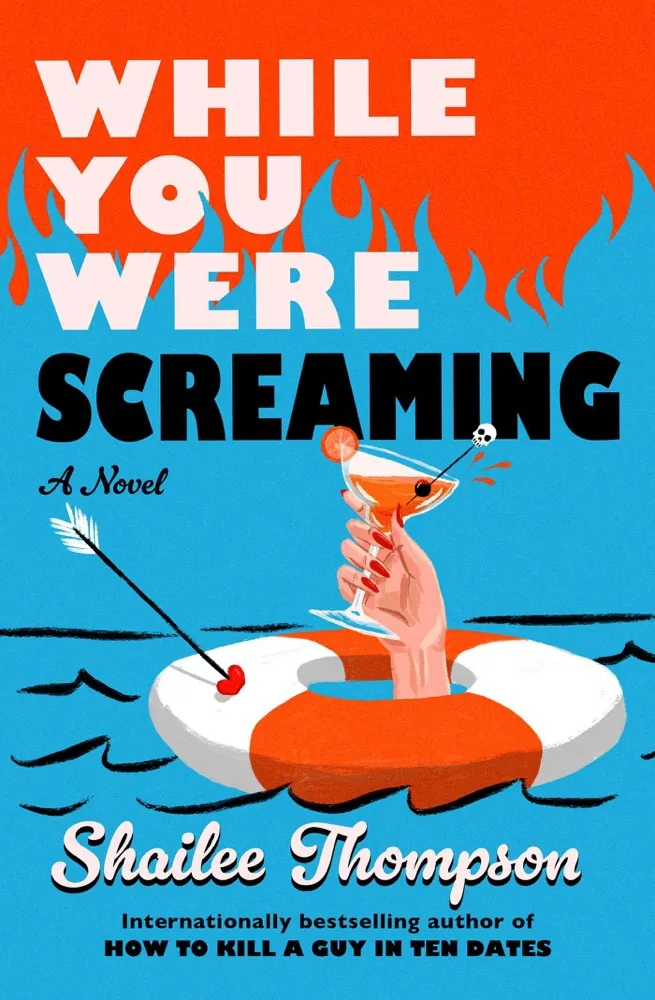
Author: Shailee ThompsonPage Count: UnknownPublication Date: Expected publication 2026 APL The synopsis for While You Were Screaming reads like a corporate press release for a horror rom-com that’s been so carefully crafted it might as well be a TikTok algorithm’s wet dream—equal parts schmaltzy and self-aware, but with the emotional depth of a Hallmark card left in the rain. The problem? It’s too polished. The vagueness isn’t just a stylistic choice; it’s a cop-out. You could swap in any number of "couples retreat gone wrong" tropes—think The Guest meets The Love Hypothesis if The Love Hypothesis had been directed by Ari Aster—and the synopsis wouldn’t blink. It’s the literary equivalent of a fast-food menu where every item says "surprise ingredient." The fake-dating trope is so overworked it’s practically a genre unto itself—The Hating Game, Book Lovers, The Kiss Quotient—but here it’s not just a setup, it’s a ticking time bomb. The idea of infiltrating a couples retreat as a "perfect match" is such a tired conceit that it’s almost funny if it weren’t so predictable. And yet, the synopsis leans into the absurdity with a wink, as if to say, "Yeah, we know it’s dumb, but watch us make it funny." But here’s the thing: dark humor and genuine tension don’t mix like oil and water. The synopsis hints at escalating stakes—"increasingly dangerous tests of devotion"—but it never clarifies what those tests are. Are we talking psychological manipulation? Physical endurance? A literal game of "truth or dare" with a chainsaw? The ambiguity is either genius or laziness, and at this point, it’s hard to tell which. The thematic core seems to revolve around the idea of love as both salvation and damnation—classic horror-rom-com territory, sure, but the execution risks feeling like it’s borrowing from The Shining’s "family is a trap" energy while trying to sell itself as a rom-com. The synopsis drops the line "deciding who deserves it" like it’s some deep, existential revelation, but in reality, it’s just the kind of vague, cinematic phrasing that makes you wonder if the author’s ever actually read a horror novel. Compare that to Mexican Gothic’s razor-sharp critique of toxic relationships or The Only Good Indians’ unflinching look at grief—here, the emotional weight feels like it’s been slapped on after the fact, like a last-minute CGI enhancement. And let’s talk about the characters. Laurie Hamilton, the "filmmaker with red flags for days," is the kind of protagonist who exists solely to be the audience’s proxy for skepticism. Connor Kincaid, the "dangerously handsome podcaster," is the kind of love interest who’d make a Bachelor contestant blush. The dynamic between them is set up as a slow-burn, but the synopsis doesn’t even attempt to sell it—it just says, "she’s secretly falling for him." Falling for him? Really? After what, three paragraphs of exposition? The chemistry here is being treated like a plot device, not a character arc. It’s the literary equivalent of a Netflix show where the romance is just there to distract you from the fact that the writing is actually terrible. But here’s the kicker: the synopsis knows it’s playing fast and loose with expectations. It’s not trying to be serious; it’s trying to be fun. And in a market where horror-rom-coms are either The Last of Us meets The Notebook or Euphoria meets The Ring, While You Were Screaming is positioning itself as the latter—sleazy, self-aware, and just desperate enough to work. The name-dropping of Brynne Weaver and Grady Hendrix is a smart move, because those authors straddle the line between genre and literary fiction with a precision that this synopsis lacks. Weaver’s The Last Time I Lied has the same kind of dark humor and psychological tension, but where Weaver’s work feels earned, this synopsis feels like it’s just trying to imitate. I’m not even sure what to make of it. Is this a book that’s going to deliver the kind of subversive, genre-bending fun of The Only Good Indians? Or is it going to be the kind of rom-com that makes you want to unsubscribe from the author’s newsletter? The synopsis doesn’t tell you. It just leaves you with the nagging suspicion that you’re about to read a book that’s so confident in its own cleverness that it’s forgotten how to actually write. And now I have to stop writing this because I just remembered I was supposed to be at the gallery, trying to decide whether to buy that Monet replica or just accept that my life choices are already questionable. #BookTok #HorrorRomCom #WhyAmIStillReadingThis
-
 James Miller
 - 15 Oct, 2026 16:33
Up to No Good: The Complete Elderly Lady Stories Book Review and Summary
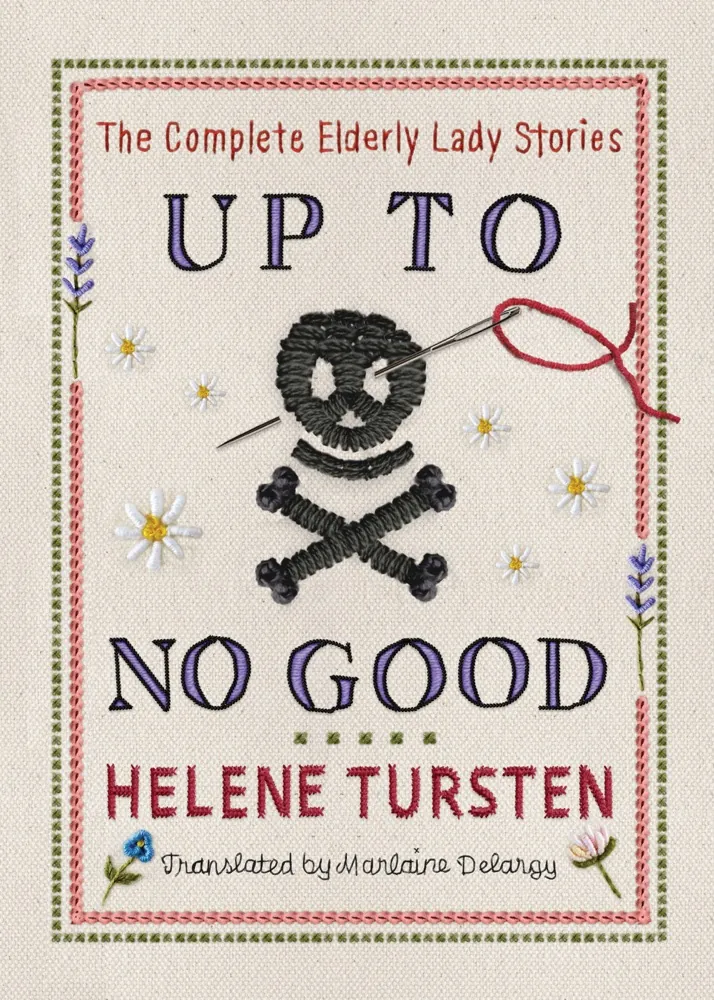
Author: Helene TurstenPage Count: UnknownPublication Date: Expected publication 2026-10-06 APL One must marvel at the modern penchant for dressing up petty criminality as geriatric whimsy, as if a rusted cleaver becomes charming simply because it is held by someone with advanced cataracts. We are expected to swoon over a collection titled Up to No Good: The Complete Elderly Lady Stories by Helene Tursten, a compilation of murderous exploits involving an octogenarian squatter in Gothenburg who apparently handles lease disputes with a shovel. How delightfully quaint. One can practically smell the decomposing bodies beneath the begonias, perfectly paired with the bonus cross-stitch patterns. One wonders if Marie Antoinette would have kept her head had she simply embroidered a scenic cottage while ridding Versailles of her creditors. The Aristocratic Right of Eminent Domain Maud lives rent-free in a sizable apartment because of a seventy-year-old contract clause. Let us pause and reflect on the absolute vulgarity of squatting, regardless of whether the perpetrator uses a walker. Property rights are the bedrock of civilization, inherited through bloodlines of proper breeding—not secured through illicit graves and clandestine landscaping. Yet, the contemporary reading public eats this up, preferring their matriarchs unhinged and homicidal rather than dignified and heavily in debt. It is the literary equivalent of the House of Windsor letting Prince Andrew choose the interior decor for Balmoral. Simply indefensible. Detectives are circling. Suspense is meant to be generated. But the synopsis admits right away that she has evaded detection thus far, rendering the entire endeavor as toothless as the protagonist claims not to be. Culinary Crimes and Domestic Treason Recipes included in a volume of murder mysteries. What a tired, pedestrian gimmick. Agatha Christie never felt the need to include a scone recipe after poisoning Lord Peter's aunt, because true art requires no domestic bribe to hold the reader's attention. But here we are, catering to the same demographic that treats the Harrods food hall like a contact sport. We are sliding backward into barbarism, trading proper character development for folksy Scandinavian noir that reads like a cookbook edited by Jeffrey Dahmer. The Inevitable Cinematic Degradation Naturally, Hollywood must sink its manicured claws into this nonsense. An upcoming series starring Glenn Close. Perfect. Because if there is one thing missing from our cultural landscape, it is another vehicle for an esteemed actress to ham her way through a caricature of domestic psychopathy while wearing oversized knitwear. It gives off strong Sunset Boulevard meets the Ikea catalog energy, and frankly, Norma Desmond had better posture. My corporate lawyer is calling me on the secure line about a rather messy litigation issue involving a disputed land grant in the south of France, so I must cut this short before my blood pressure reaches the levels of a taxed commoner. #HeleneTursten #CozyCrime #LiteraryDecline #RealEstateDisputes
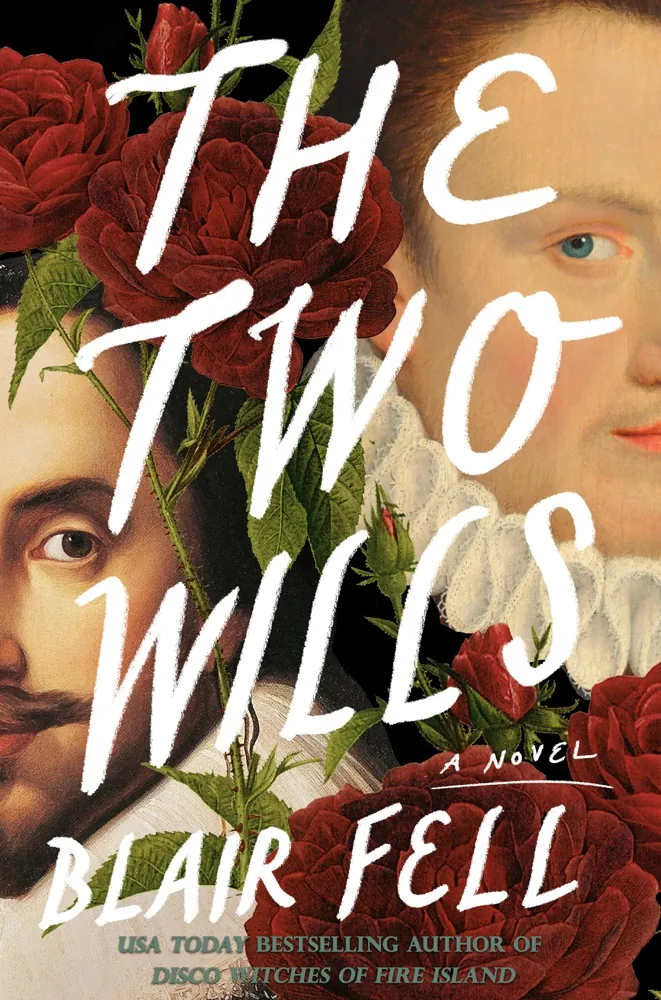
Author: Blair FellPage Count: UnknownPublication Date: Expected publication 2026-10-20 APL The synopsis for The Two Wills is so tantalizingly vague it makes me want to scream—like when you’re halfway through a Bluey episode and suddenly the plotline about the dog who won’t share his toys gets derailed by a random commercial for organic baby wipes. One minute you’re invested in the emotional core of a child’s tantrum, the next you’re being sold a product you didn’t know you needed. Blair Fell’s book, meanwhile, promises a love story so layered it could double as a Renaissance-era Shark Tank—except instead of investors, we’re dealing with a poet who’s either a genius or a fraud, and the stakes are whether or not he’ll finally admit he’s in love with a cross-dressing toilet cleaner. The synopsis leans hard into the "queer love story for fans of Hamnet and The Song of Achilles" angle, which is either a masterstroke or a desperate bid for algorithmic love. Because let’s be real—if you’re going to compare your book to Maggie O’Farrell and Madeline Miller, you’d better have the emotional gut-punch of a sonnet written by a man who just lost his wife and child, or the mythic weight of a Greek tragedy rewritten for the modern queer canon. The synopsis doesn’t even hint at the depth of Willy’s grief over Barnaby Stubb—just that he’s "heartbroken" and "desperate to escape." That’s the literary equivalent of saying a character is "angry" and then expecting us to care. Where’s the why? Why does Willy’s heartbreak manifest as a career in theft and impersonation? Is it trauma? Is it defiance? Is it just really good at selling the illusion of femininity to drunk men? The synopsis doesn’t say, and that’s a crime against narrative tension. Then there’s the poet Will—because of course he’s named Will, like every other Shakespearean stand-in since The King Must Die. The synopsis drops hints like breadcrumbs for a cat who’s already eaten the whole loaf: "Why does he look at Willy that way?" "Private love sonnets arrive." "Mistress who’s blocking Willy’s quest." It’s all there, but it’s all implied, which is either genius or lazy. If Fell pulls this off, it’ll be the kind of book where every line of dialogue feels like a sonnet in disguise, where the subtext is so thick you could spread it on toast. If she doesn’t, we’re left with a love triangle so predictable it could be plotted by a Teen Choice Awards algorithm—Will’s wife, Will’s mistress, and Willy, the poor sap who’s just trying to get laid by the greatest writer of his time. The Marlowe subplot is the cherry on top of this literary sundae, because nothing says "I’m a queer love story" like throwing in a real-life historical figure who was probably bisexual, possibly murdered, and definitely wrote some of the most scandalous poetry of the era. The synopsis doesn’t explain how Marlowe fits in, but I’ll wager it’s either a rival poet who’s also in love with Willy (because why not?) or a mentor figure who’s just here to remind us that art is always a little bit stolen. Either way, it’s a gambit that could either elevate the book into the realm of The Night Circus or reduce it to the level of a Doctor Who spin-off where every character is named after a famous writer. The real question is whether Fell can make this work without resorting to the kind of melodrama that makes Outlander fans weep into their porridge. The synopsis suggests a story about love that’s "not really lost," which sounds like the kind of romantic nonsense that would make Virginia Woolf roll her eyes in her grave. But if Fell can balance the historical weight of Shakespeare’s sonnets with the raw, messy reality of queer desire in the 16th century, she might just pull off something special. And if she doesn’t? Well, at least we’ll have another book to blame on the fact that people still think "historical romance" is a genre and not just a way to sell the same old stories with different names. Now, if you’ll excuse me, I have to go patch a hole in the drywall from last night’s indoor football incident. The drywall is holding, but my patience is not. #BookTok #QueerFiction #HistoricalRomance #ShakespeareProblems #WhyIsEverythingSoMessy Related InsightsThe Kingdom of Back Book Review and Summary Lover Unbound Book Review and Summary Meet Me at Midnight: A Novel Book Review and Summary{ "@context": "https://schema.org", "@type": "FAQPage", "mainEntity": [ { "@type": "Question", "name": "What is the main focus of The Two Wills: A Novel Book Review and Summary?", "acceptedAnswer": { "@type": "Answer", "text": "Everything you need to know about The Two Wills: A Novel with our detailed review." } }, { "@type": "Question", "name": "Who authored the comprehensive guide on The Two Wills: A Novel Book Review and Summary?", "acceptedAnswer": { "@type": "Answer", "text": "This detailed article and its insights were carefully researched and authored by Antoine Leroy." } }, { "@type": "Question", "name": "Where can I find more related content about Books?", "acceptedAnswer": { "@type": "Answer", "text": "You can explore more articles, detailed reviews, and similar insights by browsing the Related Insights section at the bottom of this article or visiting our dedicated Books category page." } } ] }
- James Miller
- 11 Oct, 2026 12:11
Viper & Lilies (Sisters of Flowers and Flames, #1) Book Review and Summary
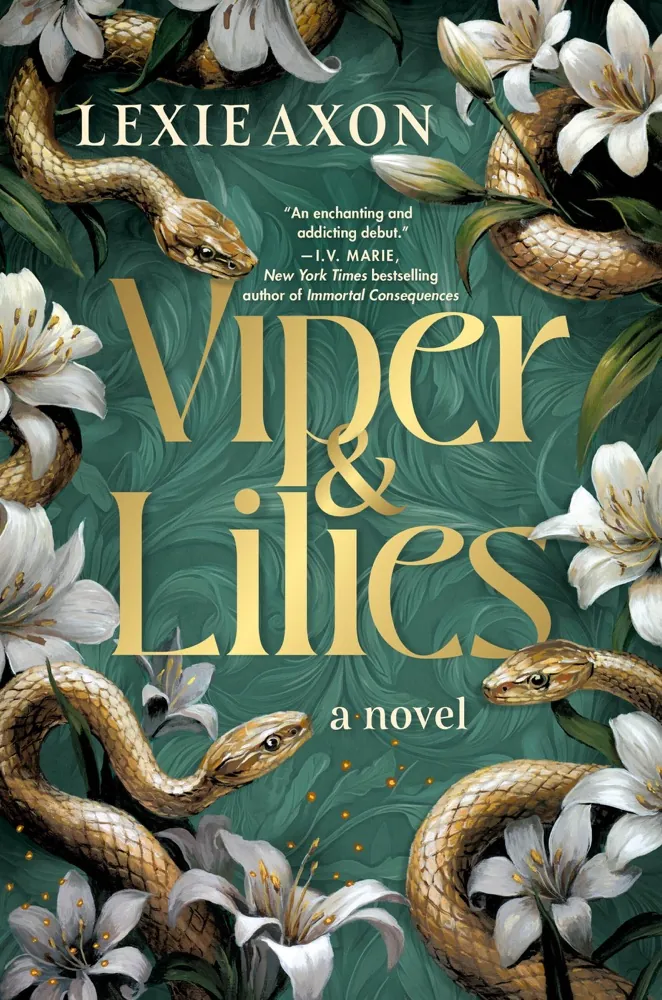
Author: Lexie AxonPage Count: UnknownPublication Date: Expected publication 2026 APL The scent of damp autumn parchment always brings back the London season of eighteen-ninety-four, when the Duke of Clevedon ruined his trousers on my mother’s newly polished Sheraton credenza—or perhaps it was the damp rot under the floorboards of the west parlor. Either way, memory is a cruel mistress, much like the marketing department behind Lexie Axon’s upcoming Viper & Lilies. We are promised Bridgerton meets romantasy, a juxtaposition that usually translates to seventy thousand words of corset-laced anxiety and nobility behaving like TikTok influencers. Yet, the premise hints at something older. Bloodlines. Pedigree. The sheer terror of a lineage decaying from the inside out. The Maeve sisters sit at the absolute apex of high society, draped in the blood-money of their ancestor who hunted down Enchantresses. It is a delightfully cynical setup. Privilege built on the eradication of the magical other. But wait—did I say cynical? It is actually dreadfully derivative, a carbon copy of every aristocracy-with-teeth manuscript currently clogging my mahogany desk. The Gilded Cage of Pedigree Society balls, foreign princes, and secret magical bloodlines. Groundbreaking stuff. The synopsis paints a picture of three sisters—Serafina, Carena, and Kitarni—navigating the treacherous waters of the Vonstein Institute during a summer that sounds less like an academic excursion and more like a high-stakes operational disaster. They must hide their forbidden magic while dodging an infuriatingly attractive investigator, an awakening attachment to a female compatriot, and a stable-dwelling ex-soldier. Oh, the absolute rizz of it all, truly. One must admire the sheer logistical nightmare of managing three separate romantic subplots while corpses pile up and a continent slides toward war. Multitasking queens. And yet, I find myself strangely nostalgic for the days when a debut author simply wrote about horses and melancholy. Secrets and Stables The thematic architecture relies entirely on the dichotomy between public opulence and private ruin. These women are prisoners of their own prestige. Their surname is their shield, until it becomes their executioner’s block. The synopsis promises "feminine rage," though one wonders if that rage will manifest as actual structural critique or merely another smoldering stare across a crowded ballroom while a string quartet plays a pop cover. The stakes are ostensibly high—war, exposure, death—yet the marketing leans heavily into the deliciousness of the romance. You cannot convincingly dismantle the patriarchy while simultaneously swooning over the stable boy's jawline. Pick a struggle. Bodies are piling up at the Institute. Suspicions are mounting. The bloodline is cracking. If the execution matches the ambition of the premise, we might actually get a fantasy novel that understands the crushing boredom of aristocratic expectations. Or we will get another three hundred pages of glossary-building and heavy-handed foreshadowing about a looming war that feels entirely detached from the tea parties. I am going to close this manuscript immediately and read The Economist instead of this drivel.
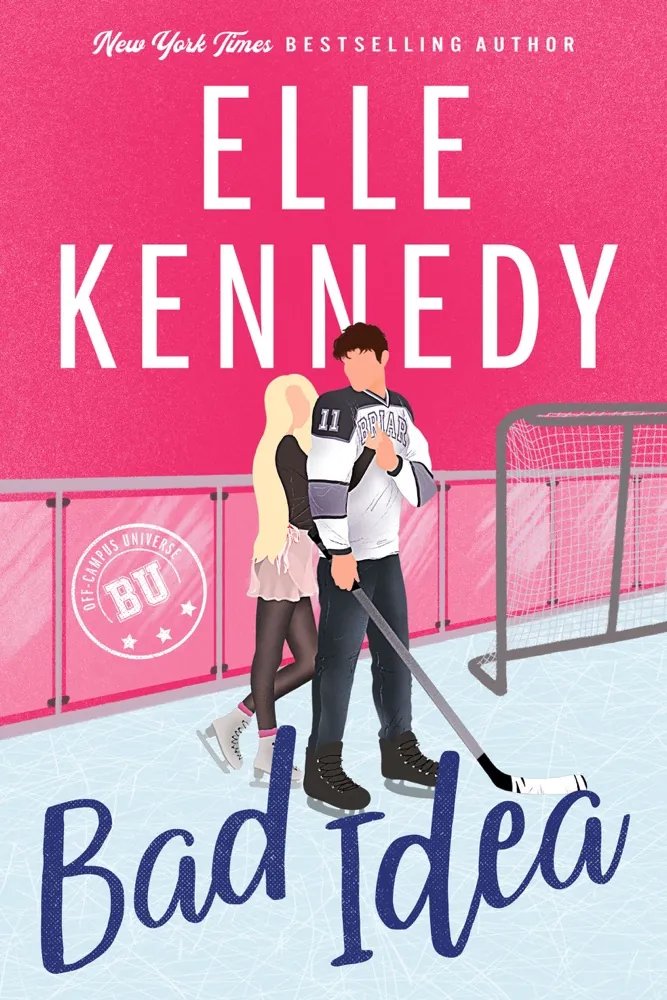
Author: Elle KennedyPage Count: UnknownPublication Date: Expected publication 2026 APL Look, I am sitting here staring at a blank screen because someone forced me to crank out an analysis of Elle Kennedy’s upcoming Bad Idea just to pad some arbitrary metric, and frankly, I am ready to throw a chair through a drywall. Why am I wasting brain cells on a collegiate romance synopsis when I could be watching heavyweight contenders absorb brain damage in the third round like God intended? Let us dissect the promotional blurb for this Briar universe expansion before I lose my remaining grip on sanity. The Absurdity of Collegiate Combat The marketing copy introduces Ivy Di Laurentis as the dance program's "most notorious punching bag." And yet, where is the actual striking? Where are the cross-counter punches, the liver shots, the takedown defense, the sheer visceral survival of standing in the pocket against a heavy-handed pressure fighter? Ballet is brutal, sure, but calling someone a punching bag without a single round in the cage or a proper bruised cheekbone is a masterclass in semantic inflation. Kennedy leans hard into the classic adjacent-rivalry trope—brother's best friend, falling apart at 2:00 AM on a roof, the requisite emotional trauma—which is about as original as a lazy jab-cross combination thrown by a gassed-out heavyweight in the championship rounds. Toxic Proximity and Literary Slang AJ Connelly is apparently dealing with ruined friendships and a hockey season in complete disarray, yet he has ample time for emotionally complex propositions. Make it make sense, fam. This man is fighting for his absolute life against a wave of profound psychological distress, yet he folds the second a "sweet" and "achingly beautiful" girl offers him a transactional arrangement for experience. The dichotomy between his catastrophic emotional state and his immediate capitulation is completely sus, low-key giving me second-hand rage. We are expected to swallow this narrative premise based entirely on vibes and the ticking clock of a ballet career. Predicting how this book will land in the current marketplace requires zero psychic ability. It will sit comfortably alongside every other standard-issue hockey romance currently dominating the bestseller lists, right next to Emily Henry and Hannah Grace clones, while readers eat it up like absolute simps. Yet, the premise lacks a true knockout blow. There is no blood, no real canvas-sweeping devastation, just privileged kids moping around campus. If AJ were half as tough as a welterweight eating leg kicks in the fifth round, he would ghost her and hit the heavy bag instead. I have to go translate a particularly stubborn piece of French existential poetry about the crushing absurdity of existence before my frontal lobe entirely disintegrates from sheer irritation. #booktok #briaru #hockeyromance #ellekennedy Related InsightsRebel Book Review and Summary Ballistic Kiss Book Review and Summary Every Breath Book Review and Summary{ "@context": "https://schema.org", "@type": "FAQPage", "mainEntity": [ { "@type": "Question", "name": "What is the main focus of Bad Idea Book Review and Summary?", "acceptedAnswer": { "@type": "Answer", "text": "Everything you need to know about Bad Idea with our detailed review." } }, { "@type": "Question", "name": "Who authored the comprehensive guide on Bad Idea Book Review and Summary?", "acceptedAnswer": { "@type": "Answer", "text": "This detailed article and its insights were carefully researched and authored by Natalia Sokolova." } }, { "@type": "Question", "name": "Where can I find more related content about Books?", "acceptedAnswer": { "@type": "Answer", "text": "You can explore more articles, detailed reviews, and similar insights by browsing the Related Insights section at the bottom of this article or visiting our dedicated Books category page." } } ] }
-
 Antoine Leroy
 - 10 Oct, 2026 19:43
The Southern Sorority of Superstitious Witches Book Review and Summary
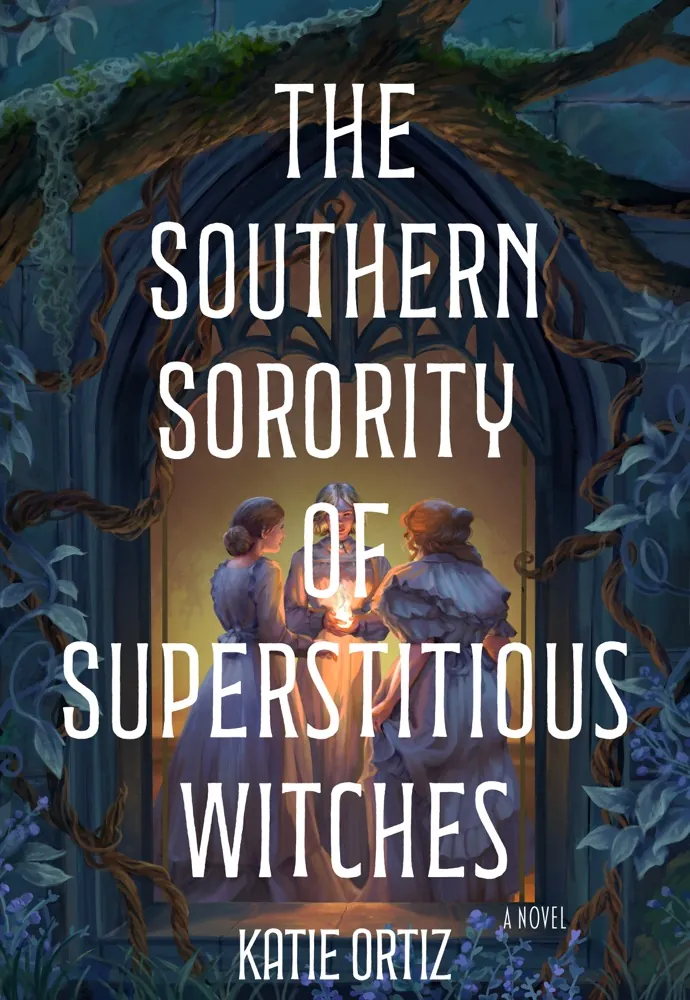
Author: Katie OrtizPage Count: UnknownPublication Date: Expected publication 2026-10-06 APL The hearth fire has burned down to a quiet heap of embers, casting long, wavering shadows across the floorboards where my grandchildren usually scatter their toys. They are asleep now. The house holds that heavy, breathing silence I have come to cherish in my old age—the kind of quiet that makes a person think of the old stories, the ones passed down through scarred hands and murmured over kitchen tables long after the lamps went out. Katie Ortiz brings us The Southern Sorority of Superstitious Witches, a book scheduled for late 2026 that leans heavily into the bruised soil of post-Civil War Alabama. The Weight of Old Dirt and Bitter Roots Look at the setup. Lucille, Catherine, and Victoria step onto a university campus supposedly built for enlightenment, only to find the gates barred by small-minded men clutching their privileges like precious heirlooms. Yet, the true magic here is not merely the conjuring of Southern folklore into a makeshift sorority. No. The real marvel lies in the desperation. Freedom from a controlling father, an unwanted marriage, a crushing mill-town guilt—these are the heavy anchors dragging these young women toward the dark. I said earlier that historical fiction about universities tends to grow stale. Forget I said that. When an author treats academic halls not as ivory towers, but as ancient burial grounds for ambition, the whole landscape shifts. Ortiz invokes the spirit of Witchcraft for Wayward Girls and Hester Fox. But let us be entirely honest. Comparisons to popular historical gothic books are often lazy marketing tricks designed to lull readers into buying a facsimile of a trend. I refuse to believe this novel is merely a copy of what came before. The inclusion of a darker, institutional force trying to purge every female soul from the campus elevates the stakes far beyond petty campus pranks. The Shadows We Keep And why shouldn't magic smell of wet pine and iron? History is written by the victors, but folklore is preserved by the survivors. When the academic environment turns hostile, the response must match the venom. Perhaps the premise relies a bit too heavily on familiar tropes of institutional exclusion. But does that matter when the prose promises to sink its teeth into the dark underbelly of human nature? The younger generation forgets that endurance requires a certain stubborn malice. We spend our lives teaching children to be kind, forgetting that the old tales—the ones whispered in the dark corners of the porch—were about survival. This book understands that blood and folklore are old cousins. The cost of orthodontic care for the grandchildren these days is giving me a massive headache. Related InsightsTiger's Mouth: A Novel Book Review and Summary Simply Lies Book Review and Summary The First Flame (The Aerimander Chronicles #2) Book Review and Summary{ "@context": "https://schema.org", "@type": "FAQPage", "mainEntity": [ { "@type": "Question", "name": "What is the main focus of The Southern Sorority of Superstitious Witches Book Review and Summary?", "acceptedAnswer": { "@type": "Answer", "text": "Everything you need to know about The Southern Sorority of Superstitious Witches with our detailed review." } }, { "@type": "Question", "name": "Who authored the comprehensive guide on The Southern Sorority of Superstitious Witches Book Review and Summary?", "acceptedAnswer": { "@type": "Answer", "text": "This detailed article and its insights were carefully researched and authored by Antoine Leroy." } }, { "@type": "Question", "name": "Where can I find more related content about Books?", "acceptedAnswer": { "@type": "Answer", "text": "You can explore more articles, detailed reviews, and similar insights by browsing the Related Insights section at the bottom of this article or visiting our dedicated Books category page." } } ] }
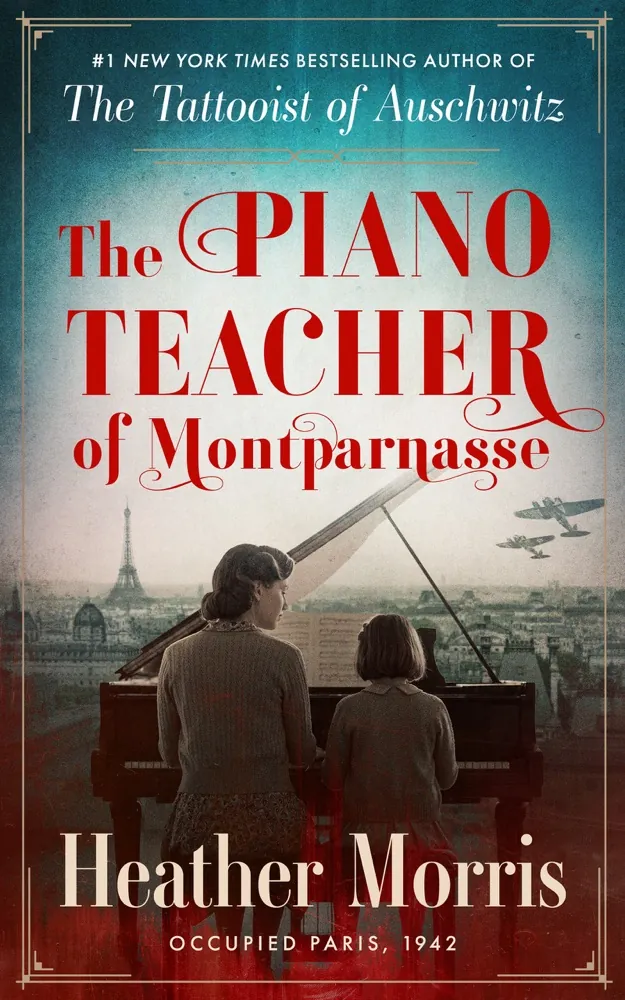
Author: Heather MorrisPage Count: UnknownPublication Date: Expected publication 2026-10-20 APL Paris in 1942. Right. Because the Faubourg Saint-Germain lineage has not suffered enough indignity through cinematic exploitation, we now receive another marketing department's wet dream of occupied France. The Piano Teacher of Montparnasse arrives bearing all the subtlety of the Titanic hitting an iceberg at full tilt, banking heavily on the lucrative trauma-porn demographic that made The Tattooist of Auschwitz an absolute cash cow for airports everywhere. Andrée Levallois hides eleven-year-old Josephine. The Nazis close in. It is all terribly high-stakes, yet entirely predictable—a historical fiction factory product designed to make middle-brow readers weep into their chardonnay while utterly missing the nuanced, crushing weight of actual aristocratic ruin. The Commodification of Aristocratic Anxieties Let us look closely at the architecture of this synopsis. Eleven-year-old runs to the piano teacher. Rations are spread. Authorities close in. It reads less like literature and more like a storyboard for a Netflix limited series starring someone aggressively miscast from The Crown. We are expected to swoon over the sheer resilience of ordinary people, but frankly, the prose-craft here feels like absolute garbage tier writing wrapped in velvet. Notes on the Inevitable Melodrama One shudders to imagine the dialogue. Will the Gestapo officers be depicted as cardboard villains while the brave piano teacher delivers stoic monologues by candlelight? Probably. The emotional beats are telegraphed with the precision of the Hindenburg disaster. We get zero texture, zero stylistic ambition—just a naked, shameless play for the tear ducts. Heather Morris trades in emotional manipulation so blunt it makes a daytime soap opera look like Marcel Proust. Yet the reading public will eat it up. They will post tear-stained selfies on social media with the book balanced precariously on their designer handbags, completely unfazed by the literary equivalent of a jump scare. One expects the inevitable cinematic adaptation to drop by autumn, starring a fading Oscar winner desperately seeking prestige. Excuse me while I go read Marcus Aurelius to cleanse my mind of this plot. Related InsightsNot in Love Book Review and Summary In the Margins Book Review and Summary Into Thin Air: A Personal Account of the Mt. Everest Disaster Book Review and Summary{ "@context": "https://schema.org", "@type": "FAQPage", "mainEntity": [ { "@type": "Question", "name": "What is the main focus of The Piano Teacher of Montparnasse Book Review and Summary?", "acceptedAnswer": { "@type": "Answer", "text": "Everything you need to know about The Piano Teacher of Montparnasse with our detailed review." } }, { "@type": "Question", "name": "Who authored the comprehensive guide on The Piano Teacher of Montparnasse Book Review and Summary?", "acceptedAnswer": { "@type": "Answer", "text": "This detailed article and its insights were carefully researched and authored by James Miller." } }, { "@type": "Question", "name": "Where can I find more related content about Books?", "acceptedAnswer": { "@type": "Answer", "text": "You can explore more articles, detailed reviews, and similar insights by browsing the Related Insights section at the bottom of this article or visiting our dedicated Books category page." } } ] }
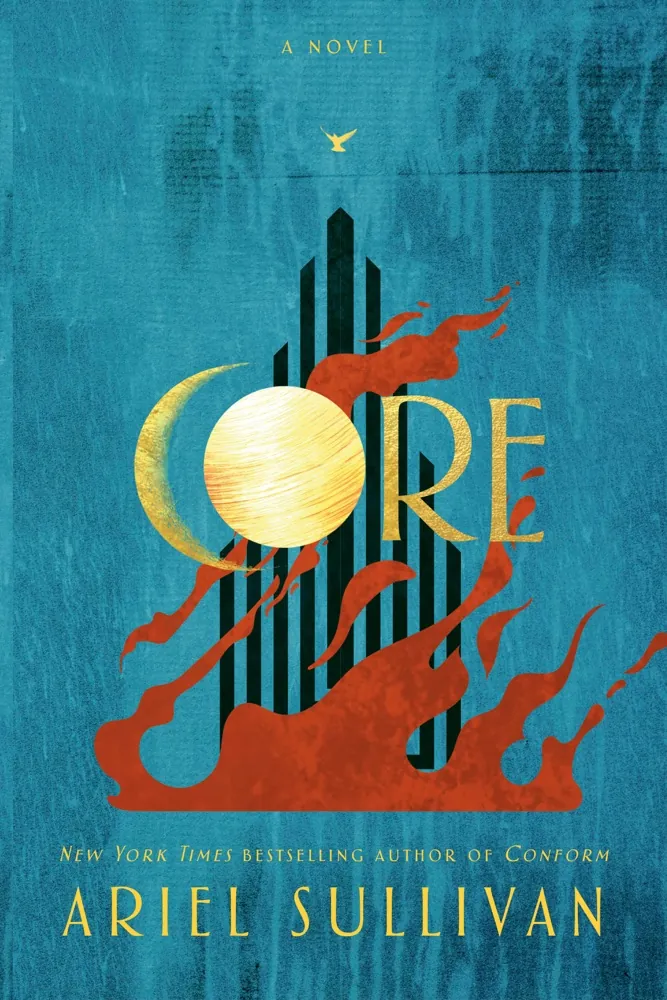
Author: Ariel SullivanPage Count: UnknownPublication Date: Expected publication 2026 APL Look, I am already sweating through my favorite hoodie while staring at this blinking cursor, trying to stretch my thoughts about Core into enough paragraphs just because some algorithm gods demanded a word count before my coffee even kicks in. Suspended Disbelief and Other Athletic Impossibilities Let us talk about the logistical nonsense of waking up in the clouds. Seriously. In combat sports, if your footwork is trash, you get flatlined in thirty seconds; yet, YA dystopias expect me to buy that a rebellion falls and characters get shoved into floating real estate without a single mention of atmospheric pressure, altitude sickness, or basic tactical logistics. Ariel Sullivan is back with the third installment of the Conform series, dropping us right into a high-stakes hostage situation where the stakes are supposedly life-or-death, yet everyone has time to worry about "who loves whom more." What absolute garbage. Give me a clean rear-naked choke over this melodramatic nonsense any day of the week. Lethal Romance Tropes The premise hinges on a procreation contract with a Mate named Collin—because nothing screams forced-proximity trope quite like state-mandated breeding in the stratosphere. It is giving major Hunger Games meets generic dystopian slop, wrapped up with a neat little bow of institutional oppression. Emeline is apparently reeling from major upheaval—shocker—while gathering allies and uncovering secrets that will supposedly shake things to the core. Groundbreaking stuff. We are treading water in a sea of recycled tropes where the revolution always costs everything and the protagonist has to choose between her heart and her tactical survival. Make it make sense. If your rebellion crumbles that fast, your insurgents need to hit the heavy bag and learn how to defend a takedown. The Core Conflict of Cliche Yet, here we are, pretending this synopsis gives us anything substantial to chew on. Vagueness is the currency of modern marketing departments, and this blurb spends three whole paragraphs saying absolutely nothing while leaning hard on buzzwords like "upheaval," "secrets," and "truth." Sullivan wants us to believe the Illum leader's twisted game is some sort of masterclass in psychological warfare. But let us be real. It is just another excuse to drag out a love triangle while the plot takes a nap. If you want a masterclass in tension, watch a five-round championship bout where someone’s orbital bone is actively caving in. That is real stakes. Not floating around in the clouds crying over a guy named Hal. Wait. Stop shouting. I can hear the little gremlins in the next room already fighting over who gets control of the television. I have to go deal with a full-blown civil war over the remote before somebody actually ends up in the hospital. Related InsightsGo Tell the Bees That I Am Gone Book Review and Summary Bonded in Death Book Review and Summary A Brief History of Time Book Review and Summary{ "@context": "https://schema.org", "@type": "FAQPage", "mainEntity": [ { "@type": "Question", "name": "What is the main focus of Core (Conform #3) Book Review and Summary?", "acceptedAnswer": { "@type": "Answer", "text": "Everything you need to know about Core (Conform #3) with our detailed review." } }, { "@type": "Question", "name": "Who authored the comprehensive guide on Core (Conform #3) Book Review and Summary?", "acceptedAnswer": { "@type": "Answer", "text": "This detailed article and its insights were carefully researched and authored by Natalia Sokolova." } }, { "@type": "Question", "name": "Where can I find more related content about Books?", "acceptedAnswer": { "@type": "Answer", "text": "You can explore more articles, detailed reviews, and similar insights by browsing the Related Insights section at the bottom of this article or visiting our dedicated Books category page." } } ] }
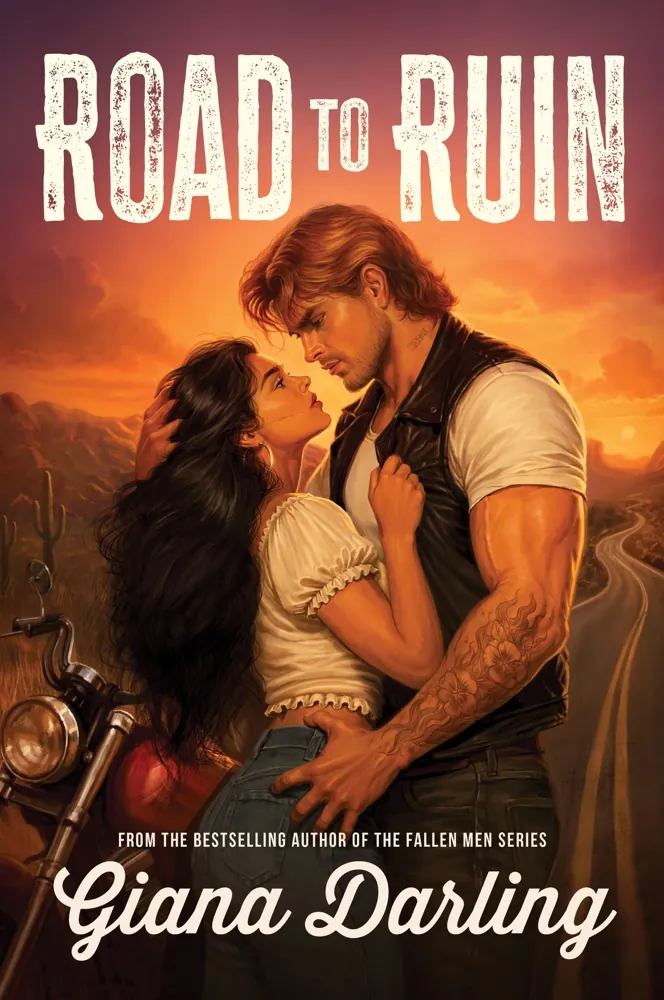
Author: Giana DarlingPage Count: UnknownPublication Date: Expected publication 2026 APL We are once again descending into the literary equivalent of a trailer park brawl, though I suppose pedigree has never been Giana Darling's strong suit. Road to Ruin promises another sweaty excursion into the lives of people who clearly possess zero understanding of estate management or proper vowel pronunciation. Yet, the bibliophiles of the internet—bless their unwashed little hearts—are losing their minds over this upcoming display of low-brow machismo. Bloodlines and Bad Decisions Ashes Crowe. Good grief. Even the moniker sounds like something scrawled in cheap eyeliner on a bathroom stall at a truck stop off Interstate 35. We are expected to believe this weaponized delinquent—spawn of a motorcycle syndicate chieftain—harbors a secret soul beneath his grease-stained kutte. Groundbreaking. Truly, Shakespeare is weeping in his grave, though mostly out of sheer exhaustion. Darling leans hard into the tired lineage of dynastic feuds. It is Romeo and Juliet filtered through a cracked windshield and coated in dried mud. But let us be entirely serious. There is no tragic nobility here. Just a couple of aggressively hot outlaws committing high-value felonies across the arid expanse of Texas while evading men named things like "The Ventura Cartel." The Aesthetic of Anarchy The thematic architecture relies entirely on the tired dichotomy between blood duty and feral obsession. Inés Castillo functions as the requisite high-stakes prop—a cartel bride turned hostage who supposedly outplays powerful men. Sure she does. One assumes her grand strategy involves batting her eyelashes while a tattooed menace shoots up a gas station. We are drowning in this "touch her and die" aesthetic. It is so cringe it makes my teeth itch. Every modern romance novelist currently thinks they are writing Sons of Anarchy meets Cormac McCarthy, when in reality, they are simply producing fan-fiction for people who buy their furniture at rent-to-own outlets. Expect zero literary nuance. The prose will undoubtedly alternate between florid descriptions of collarbones and absolute garbage dialogue about loyalty and old-old-old Texas blood. And the fans will eat it up like feral raccoons at a dumpster buffet. I really must go now, because the antique drainpipe in the master bath has given up the ghost and if I don't go snake the hair out right this second, the entire second floor is going to flood and ruin my Persian rugs. #BookTwitter #RomanceReaders #GianaDarling #TrashyReads Related InsightsNightwalker Book Review and Summary Viper & Lilies (Sisters of Flowers and Flames, #1) Book Review and Summary The Drowning Woman Book Review and Summary{ "@context": "https://schema.org", "@type": "FAQPage", "mainEntity": [ { "@type": "Question", "name": "What is the main focus of Road to Ruin: A Novel Book Review and Summary?", "acceptedAnswer": { "@type": "Answer", "text": "Everything you need to know about Road to Ruin: A Novel with our detailed review." } }, { "@type": "Question", "name": "Who authored the comprehensive guide on Road to Ruin: A Novel Book Review and Summary?", "acceptedAnswer": { "@type": "Answer", "text": "This detailed article and its insights were carefully researched and authored by James Miller." } }, { "@type": "Question", "name": "Where can I find more related content about Books?", "acceptedAnswer": { "@type": "Answer", "text": "You can explore more articles, detailed reviews, and similar insights by browsing the Related Insights section at the bottom of this article or visiting our dedicated Books category page." } } ] }
Author: Audrey J. ColePage Count: UnknownPublication Date: Expected publication 2026 APL The synopsis for Echo Ridge reads like a love letter to the kind of family saga that gets buried under the weight of its own nostalgia—unless, of course, it’s handled with the precision of a scalpel. Three generations of Holloway women, a convenience store in Rabbittown, and the quiet violence of change. It’s the kind of setup that could either collapse into sentimentality or soar into something resembling The Sweet Hereafter meets The Loved Ones—but with the grit of a working-class neighborhood that’s been forgotten by the rest of the world. But I’m getting ahead of myself. The problem with this synopsis isn’t that it’s vague—it’s that it’s too specific in its vagueness. We get the convenience store, the neighborhood, the three women. That’s a lot of ground to cover without a single concrete detail to anchor it. Where’s the tension? The synopsis doesn’t say. Is this a story about resilience? A story about decay? A story about the way women hold communities together like fraying thread? The language leans into the communal—"the bonds that break and the ties that bind"—but without a clear emotional or narrative throughline, it risks becoming a catalog of observations rather than a living thing. And yet—there’s something compelling in that ambiguity. It’s the kind of setup that could work if the prose has the weight to carry it. Think The House of the Spirits but with the economic realism of The Goldfinch. The Holloway women aren’t just characters; they’re a pressure point, a family where every decision—every love, every loss—feels like a negotiation with the neighborhood itself. But negotiation implies movement, and the synopsis doesn’t suggest that. It just is. Then again, maybe that’s the point. Maybe Echo Ridge is a book about stagnation, about the way people get stuck in their roles—Trudy Morgan-Cole as the narrator, the Holloways as the store, Rabbittown as the backdrop that never changes. If so, it’s a bold choice. Most family sagas are about progression, about how people escape their pasts. But what if the past is the only thing holding them together? What if the convenience store isn’t just a job but a fortress? I’m not sure. The synopsis doesn’t tell us. It just hints. And that’s where the real work begins. Because if Echo Ridge is going to avoid the trap of being a quaint, nostalgic exercise, it’ll need to dig deeper than surface-level community bonds. It’ll need to ask: What happens when the ties that bind start to rot from the inside? What happens when the women who keep the neighborhood alive realize they’re the ones being worn down? But then—what if the answer is simpler? What if the story is just about the store? The way it’s always been, the way it always will be. The way the Holloways are just another generation of people who show up, do their work, and let the world move on without them. I don’t know. I haven’t read it. But I can’t help but wonder if this is the kind of book that will feel like a punch in the gut when it lands—because it’s not about grand gestures, but about the quiet, relentless work of keeping things together, even when they’re falling apart. My daughter just walked in and said her science fair is tomorrow, not next week. I have to go. #FamilySagas #WorkingClassWriters #BookTok #SynopsisSuspense #RabbittownVibes Related InsightsThe Monster Hunter's Librarian Book Review and Summary Bride Book Review and Summary It's a Prince Thing (the Princess Rules) Book Review and Summary{ "@context": "https://schema.org", "@type": "FAQPage", "mainEntity": [ { "@type": "Question", "name": "What is the main focus of Echo Ridge Book Review and Summary?", "acceptedAnswer": { "@type": "Answer", "text": "Everything you need to know about Echo Ridge with our detailed review." } }, { "@type": "Question", "name": "Who authored the comprehensive guide on Echo Ridge Book Review and Summary?", "acceptedAnswer": { "@type": "Answer", "text": "This detailed article and its insights were carefully researched and authored by Natalia Sokolova." } }, { "@type": "Question", "name": "Where can I find more related content about Books?", "acceptedAnswer": { "@type": "Answer", "text": "You can explore more articles, detailed reviews, and similar insights by browsing the Related Insights section at the bottom of this article or visiting our dedicated Books category page." } } ] }
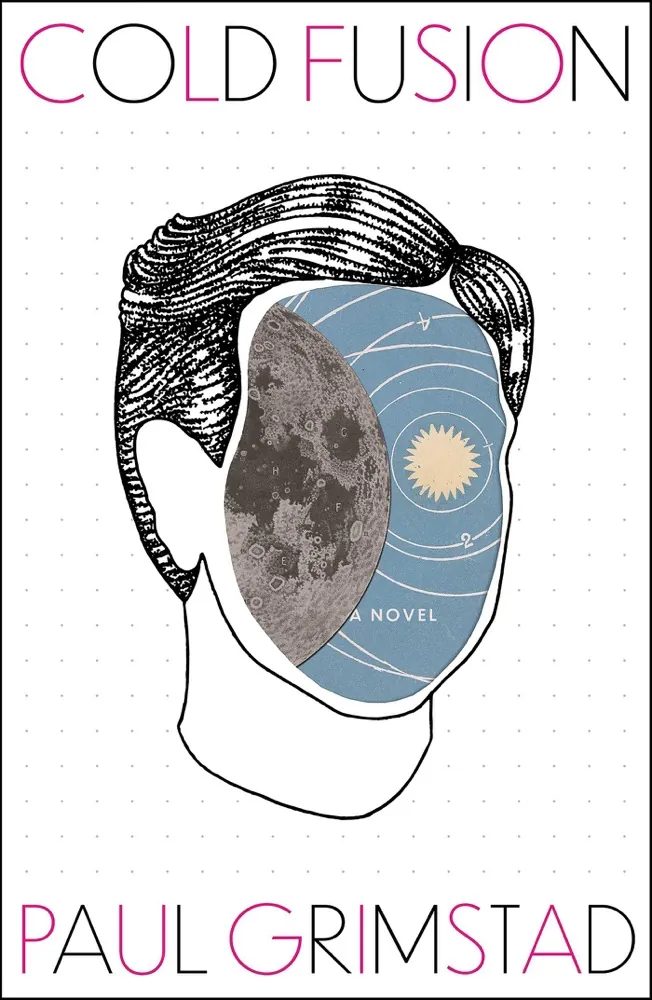
Author: Paul GrimstadPage Count: UnknownPublication Date: Expected publication 2026 APL The unnamed freshman arrives on campus like a ghost in a flannel shirt, his grief so thick it could be the air itself. And yet—and yet—this is the kind of story where the ghost gets to wander through the autumn leaves, muttering about cold fusion while his brain unravels like a cheap sweater left in the rain. Paul Grimstad’s Cold Fusion isn’t just a coming-of-age novel; it’s a fever dream masquerading as one, the kind where the protagonist’s hallucinations feel more real than the world around him, and the world around him is already a mess of dive bars and abandoned churches. The synopsis is deliberately vague, which is either a sign of genius or a cop-out—because if you don’t know what cold fusion actually means here, you’re left wondering if it’s a metaphor, a literal obsession, or just another layer of the protagonist’s unraveling mind. But that’s the point, isn’t it? The 1990s midwestern campus setting is a stage for the absurd, where the only thing more unreliable than the protagonist’s perception is the narrative itself. It’s Wonder Boys if John Williams had been replaced by a guy who’d just lost his father and started hallucinating in a hotel room—less melancholy, more manic, with the kind of dark humor that makes you laugh until you realize you’re laughing at a guy who might be losing his mind. And the mother! Oh, the mother. She’s not just a wealthy enabler; she’s a plot device with a side of existential dread, sending her son on a quest that feels less like a search and more like a punishment. It’s the kind of dynamic that makes you wonder if the real cold fusion is the mother’s own delusion—that she thinks she can control her son’s grief by turning it into a mission. Meanwhile, the elusive student he’s tracking down is just another eccentric in a line of them, because in this world, everyone’s a fringe intellectual or a drug dealer, and the line between the two is thinner than the protagonist’s grip on reality. The synopsis mentions a "mysterious hallucinatory illness with an even stranger home remedy"—which is either a brilliant setup for a psychological thriller or the kind of vague premise that makes you wonder if Grimstad is just too lazy to commit. But then again, maybe that’s the point. Maybe the illness isn’t a plot device at all, but a metaphor for the way we all construct narratives to make sense of chaos. And if so, then Cold Fusion isn’t just a novel; it’s a mirror held up to the reader, asking them to question whether they’re the protagonist or just another hallucination in his story. But let’s talk about the real crime here: the fact that we’re still reading about grieving college students in the 1990s like it’s some kind of fresh take. Where’s the originality? Where’s the twist? Because right now, this feels like The Secret History if it had been written by a guy who’d just watched too many Twin Peaks reruns and decided to channel David Lynch’s paranoia. And don’t even get me started on the fact that every other "darkly funny fever dream" novel seems to be trying to outdo the last one, like we’re all just waiting for the next Idiots or Stoner to come along and save us from the banality of existence. Yet—yet—there’s something undeniably compelling about the idea of a protagonist who can’t tell if he’s losing his mind or just losing the battle against the absurdity of life. It’s the kind of premise that could either be brilliant or pretentious, depending on how it’s executed. And if Grimstad pulls it off, then Cold Fusion might just be the next great absurdist novel, a darkly comic meditation on the fragility of perception in a world that’s already unraveling. But I’m getting ahead of myself. The real question is: can this book live up to the hype, or is it just another overhyped fever dream waiting to collapse under its own weight? Because let’s be honest, the literary world is full of books that promise more than they deliver, and Cold Fusion is no different. It’s either going to be a masterpiece or a mess, and right now, I’m leaning toward the latter. Now, if you’ll excuse me, I need to unclog the shower drain before the entire second floor floods. #BookTok #LiteraryFeverDream #MidwestMysteries #ColdFusionComingSoon #GriefAndHallucinations Related InsightsLo que el viento se llevó / Gone with the Wind Book Review and Summary The Friday Night Club Book Review and Summary A Really Short History of Nearly Everything Book Review and Summary{ "@context": "https://schema.org", "@type": "FAQPage", "mainEntity": [ { "@type": "Question", "name": "What is the main focus of Cold Fusion: A Novel Book Review and Summary?", "acceptedAnswer": { "@type": "Answer", "text": "Everything you need to know about Cold Fusion: A Novel with our detailed review." } }, { "@type": "Question", "name": "Who authored the comprehensive guide on Cold Fusion: A Novel Book Review and Summary?", "acceptedAnswer": { "@type": "Answer", "text": "This detailed article and its insights were carefully researched and authored by Antoine Leroy." } }, { "@type": "Question", "name": "Where can I find more related content about Books?", "acceptedAnswer": { "@type": "Answer", "text": "You can explore more articles, detailed reviews, and similar insights by browsing the Related Insights section at the bottom of this article or visiting our dedicated Books category page." } } ] }
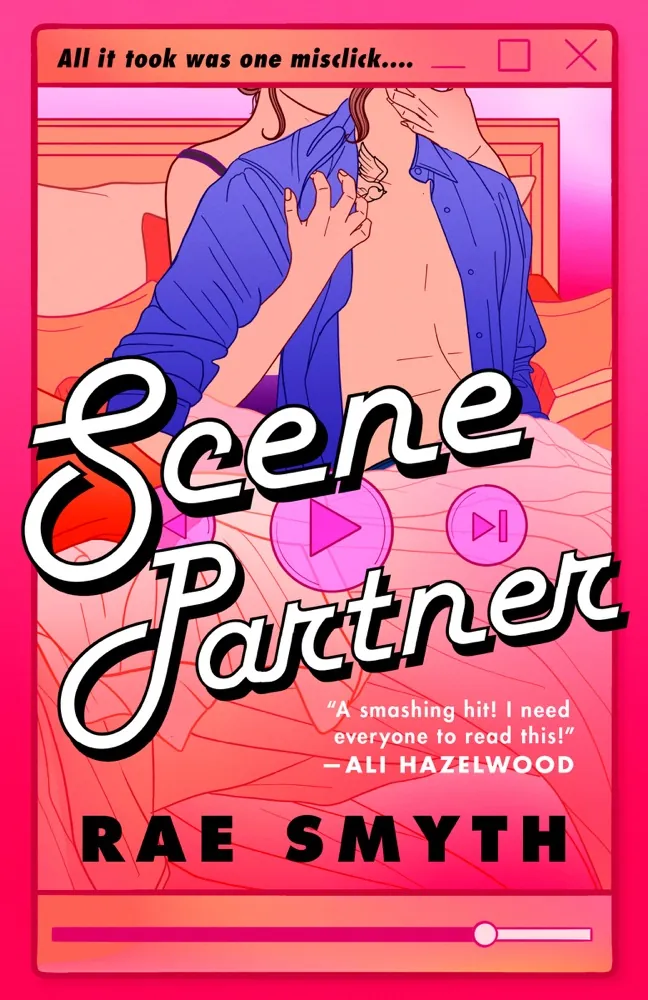
Author: Rae SmythPage Count: UnknownPublication Date: Expected publication 2026 APL One expects a certain standard of breeding from the working classes, or at least a modicum of dignity when descending into the vulgarities of modern entertainment. Rae Smyth’s forthcoming Scene Partner trades entirely upon the sort of transactional intimacy one usually associates with the Duke of Windsor’s memoirs or a particularly desperate evening at Studio 54. A grease-stained mechanic enters a digital lottery fueled by cheap grocery store tannins and sheer, unadulterated desperation, only to find herself performing opposite a professional paramour named Kyle Rose. Naturally. Pedigrees and Pitfalls The premise relies on the quaint notion that a woman beneath a car chassis possesses the same latent psychological complexity as a Habsburg archduke harboring a state secret. Amelia Roarke’s foundational grievances—lifetime sexual frustration and a disastrous afternoon wielding a wrench—sound less like a modern heroine and more like the opening act of the Titanic disaster. Yet Smyth insists on framing this lubricious raffle win as a grand collision of souls. Cal, the studio's premier leading man, prides himself on ethical hedonism. A noble profession, surely. He crafts content by women, for women—as though manufacturing desire on celluloid elevates one to the peerage. I am unwell. Or perhaps I am simply exhausted by the relentless democratization of romance. We are asked to believe that knowing the topography of a man’s physique equates to comprehending the chambers of his heart. A delightfully bourgeois delusion. The aristocracy mastered the separation of flesh and affection centuries ago, yet these contemporary manuscripts insist on conflating the two with the subtlety of a falling guillotine. The Mechanics of Exposure And what of this mysterious secret Amelia brings onto the set? A revelation so catastrophic it sends a hardened professional into a literal spiral—mid-scene, no less. One trembles at the sheer weight of pedestrian drama. Is it an unpaid tax lien? An unfortunate tattoo from a gap-year excursion to Ibiza? Smyth’s synopsis remains tantalizingly, maddeningly vague, leaving the reader to wade through the literary equivalent of a damp basement in South Kensington. Wait. Let us re-examine this premise entirely. Perhaps the vulgarity is precisely the point. To dismiss Smyth outright for lacking the refined pedigree of Edith Wharton is to misunderstand the contemporary appetite for emotional slumming. After all, reading about grease-under-fingernails romance requires a certain morbid curiosity, much like watching the Romanovs pose for postcards. The prose promises an incendiary collision between social strata, though I suspect it will read like a poorly translated pamphlet left behind in a private members' club cloakroom. If Cal truly possesses life-changing chemistry, he should deploy it on the local council, who persist in approving architectural monstrosities that ruin the skyline. Speaking of which, the relentless gentrification of my neighborhood is rapidly driving out all the proper, dimly lit dive bars where a person might escape this dreadful modern literature with a glass of proper port and a sneer. Related InsightsPrivate Dublin Book Review and Summary From the Library of Jurgen Leitner Book Review and Summary Heartstopper Colouring Book Book Review and Summary{ "@context": "https://schema.org", "@type": "FAQPage", "mainEntity": [ { "@type": "Question", "name": "What is the main focus of Scene Partner Book Review and Summary?", "acceptedAnswer": { "@type": "Answer", "text": "Everything you need to know about Scene Partner with our detailed review." } }, { "@type": "Question", "name": "Who authored the comprehensive guide on Scene Partner Book Review and Summary?", "acceptedAnswer": { "@type": "Answer", "text": "This detailed article and its insights were carefully researched and authored by James Miller." } }, { "@type": "Question", "name": "Where can I find more related content about Books?", "acceptedAnswer": { "@type": "Answer", "text": "You can explore more articles, detailed reviews, and similar insights by browsing the Related Insights section at the bottom of this article or visiting our dedicated Books category page." } } ] }
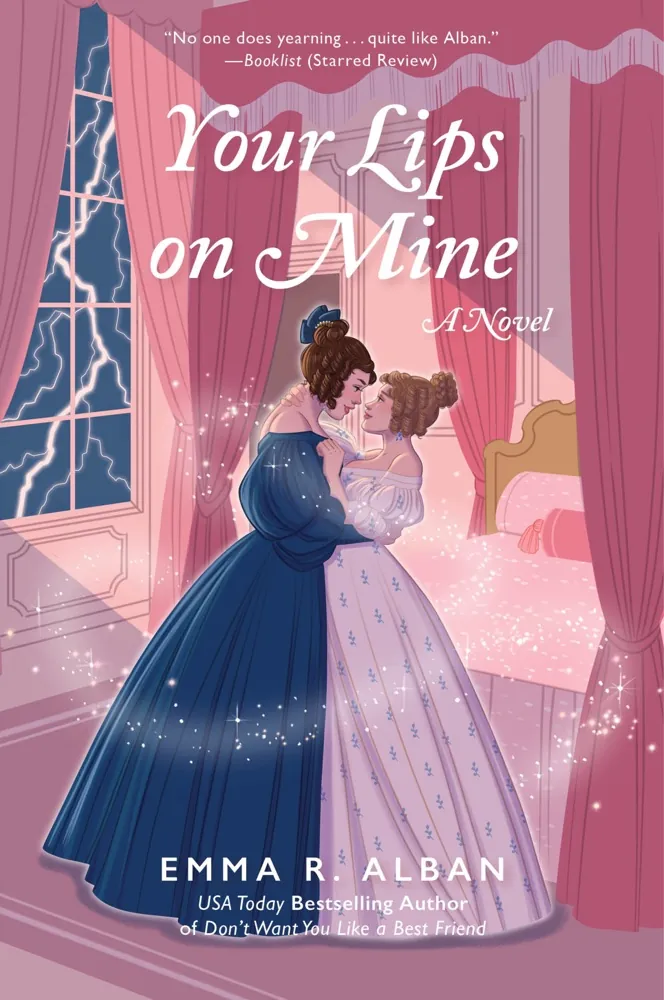
Author: Emma R. AlbanPage Count: UnknownPublication Date: Expected publication 2026 APL Look, I am sitting here staring at a blank document trying to hit a stupid word count because the editors demand copy, and frankly, my mind is entirely elsewhere. I am still trying to figure out why the corner man threw the towel in the third round when our boy clearly had a guillotine choke locked in. But no, instead of analyzing takedown defense and grappling leverage, I am tasked with writing an anticipatory preview for Your Lips on Mine by Emma R. Alban. The Kinetic Physics of Regency Bodily Possession The premise rests on a lightning strike—literal meteorological deus ex machina—causing a bilateral somatic transposition between estranged confidantes. And yet, the synopsis provides zero tactical breakdown of how one adapts to a sudden center-of-gravity shift on the marriage mart. How does muscle memory betray them? Does the footwork translate when you suddenly occupy a different skeletal frame? These are the real questions. Instead, we get the standard romance boilerplate about the London 1835 Season and the ticking clock of a summer deadline. The Hermeneutics of Facial Narcissism Let us discuss the psychological riposte of staring directly into your own face while experiencing intense romantic yearning. It is deeply unhinged behavior, which automatically makes it elite literature. Think Freaky Friday meets Bridgerton, but make it aggressively sapphic and emotionally taxing. Alban previously proved her genre chops with Don’t Want You Like a Best Friend, sliding comfortably into the exact same aesthetic lineage as Casey McQuiston or Alexandria Bellefleur. Yet, this narrative mechanic forces an epistemological crisis. You are catching feelings for your childhood rival while she is literally wearing your visage. That is some top-tier psychological damage. No cap, the cognitive dissonance required to kiss yourself-via-proxy is straight-up wild. The Anticipated Carnage My prediction? This book will either stick the landing with a devastating emotional submission hold or it will tap out prematurely under the weight of its own absurd premise. I give it a solid eight out of ten on the sheer audacity scale alone. Now, if you will excuse me, I need to go break up a full-scale wrestling match in the living room before someone puts the sofa through the drywall.
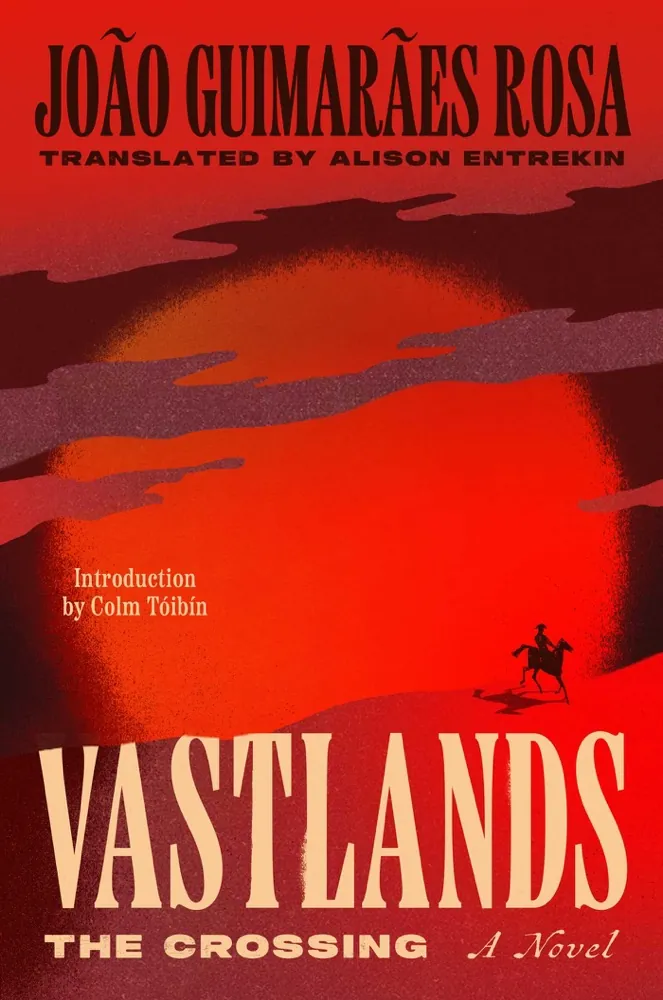
Author: João Guimarães RosaPage Count: UnknownPublication Date: Expected publication 2026 APL Cousin Beatrice is currently explaining her sourdough starter's lineage with the breathless intensity of a Hapsburg archduke mapping a disputed throne, right across a Formica table littered with crushed potato chips. One must simply endure this provincial auditory torture while evaluating João Guimarães Rosa's Vastlands: The Crossing. The publishing house would have us swoon over Alison Entrekin's brand-new translation as though a linguistic tour de force has never before graced the Anglophone market. Spare me. Mario Vargas Llosa bludgeons the reader with breathless praise, but what else is a Nobel laureate paid to do? The Lawless Plateaus of Pretension The sertão sounds dreadfully like the sort of pseudo-mythic landscape dreamed up by writers who find actual human geography too tedious to research. Feuding warlords and jagunços—oh, look, hired guns, how violently pedestrian—vie for political dominance in a single, searching monologue. Riobaldo goes from wayward youth to vigilante chief, wrestling with a possible encounter with the devil. Groundbreaking. One suspects Cormac McCarthy or even William Faulkner mapped this exact psychogeographical territory decades ago without needing an eighty-year-old Brazilian ghost whispering in their ear about metaphysical dirt. Yet, Colm Tóibín provides an introduction, lending a certain mahogany-paneled respectability to a text that otherwise smells faintly of roadside dust and sweaty horse saddles. Wait. Let me retract that sweeping dismissal of the prose mechanics. Perhaps treating a stylistic monolith like Vastlands: The Crossing as mere cowboy posturing ignores the sheer audacity of a text that unfolds entirely in a single monologue. Actually, no—who are we kidding? It’s giving unhinged stream-of-consciousness garbage fire, peak main character energy where a reformed thug whines about his obsessive devotion to an enigmatic figure named Diadorim while riding into battle. The eternal struggle of vengeance and power wrapped in lyrical wordplay. Utterly cooked. One shudders to imagine the sophomore English majors weaponizing these quotes on social media, completely missing the stylistic irony of a man chasing specters across high inland plateaus. Entrekin no doubt labored mightily to capture the verbal acrobatics of the original Portuguese, but polishing a legendary linguistic boulder up a sheer cliff of untranslatable idiom is a mug's game. Readers will buy it for the spine design and leave it unread on a credenza beside unlit taper candles. Must dash now. I have to go coach a little league baseball game where none of the children understand the rules and they keep trying to eat the bases. #VastlandsTheCrossing #JoaoGuimaraesRosa #TranslatorsPeril
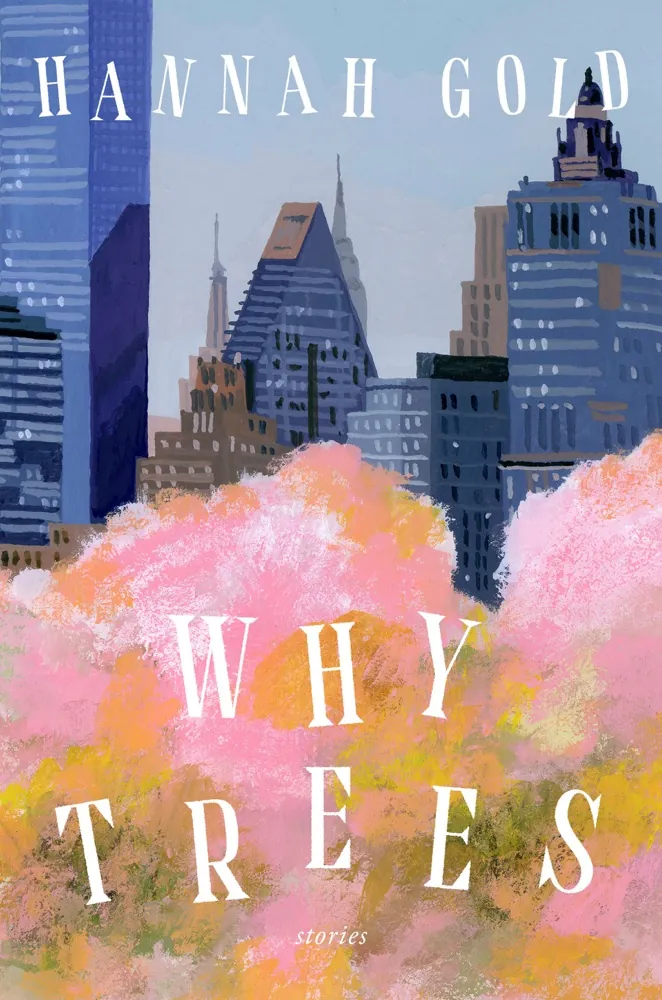
Author: Hannah GoldPage Count: UnknownPublication Date: Expected publication 2026 APL The synopsis for Why Trees is so deliberately vague it’s almost a performance in itself—like a character in one of its own stories refusing to name the thing they’re holding, just to see if you’ll ask. And you will ask. You always ask. The blurb’s own contradictions—“brilliant, unexpected writer” vs. “almost irritatingly funny”—feel like a writer’s note slipped into the manuscript: Don’t trust the hype, but don’t ignore it either. It’s the kind of synopsis that makes you wonder if Gold’s first collection is a trick, a dare, or just another New York City character trying to outmaneuver the reader before the first page even turns. The tone here is Rejection meets Bad Behavior, but with the kind of precision that suggests Gold’s actually read the footnotes of those books—like she’s standing in the back of a room where Tulathimutte and Gaitskill are arguing about who gets to be the funnier one, and she’s taking notes. The synopsis leans into the city as a character, but not in the usual way. It’s not about skyscrapers or subway grinds; it’s about the performances of survival. A night blogger using her boyfriend as a “writing chair”—that’s not just a quirk, that’s a metaphor for how we all prop each other up in this city, even when we’re collapsing under the weight of our own absurdity. And the Ellis Island encampment? That’s not a setting, that’s a pressure test. The journalist isn’t just chasing a story; they’re chasing the last shred of relevance in a world where even the news is dying. The real question is whether Gold can deliver on the promise of Why Trees being “genre-bending.” The synopsis doesn’t give us enough to say for sure—it’s more of a mood board than a blueprint. But the way it oscillates between the clinical (“financial and emotional insecurity”) and the visceral (“pure chaos”) suggests a writer who understands that New York isn’t just a place; it’s a mood disorder. The characters here aren’t suffering from depression—they’re suffering from propinquity, that inescapable proximity that turns strangers into acquaintances and acquaintances into enemies. And the “gigawattage of wit” Tulathimutte mentions? That’s not just humor; it’s the kind of sharpness that could cut through the city’s noise like a scalpel. Yet the synopsis’s biggest flaw is its refusal to commit. It’s like a character who keeps changing their mind about whether they’re an artist or a grifter—you can’t tell which one they’ll be by the end. The “almost irritatingly funny” line is either a backhanded compliment or a warning: this book might be so sharp it’ll leave a paper cut on your soul. And the “people suffering extreme emotional states” line? That’s not just a theme, that’s a challenge. Gold’s got to prove she can make the city’s chaos feel intimate, not just observational. I’m betting she does. But only if she stops treating the synopsis like a press release and starts treating it like a story itself—one where the real punchline is that no one knows what’s coming next. Because that’s the thing about New York: it’s not just a place, it’s a bet you can’t afford to lose. Now if you’ll excuse me, I need to repair the ribbon on my vintage Underwood typewriter—it’s been holding up longer than most of these characters’ relationships. #NewYorkFiction #LiteraryGambit #GoldOrGlitter #TypewriterProblems #WhatTheSynopsis
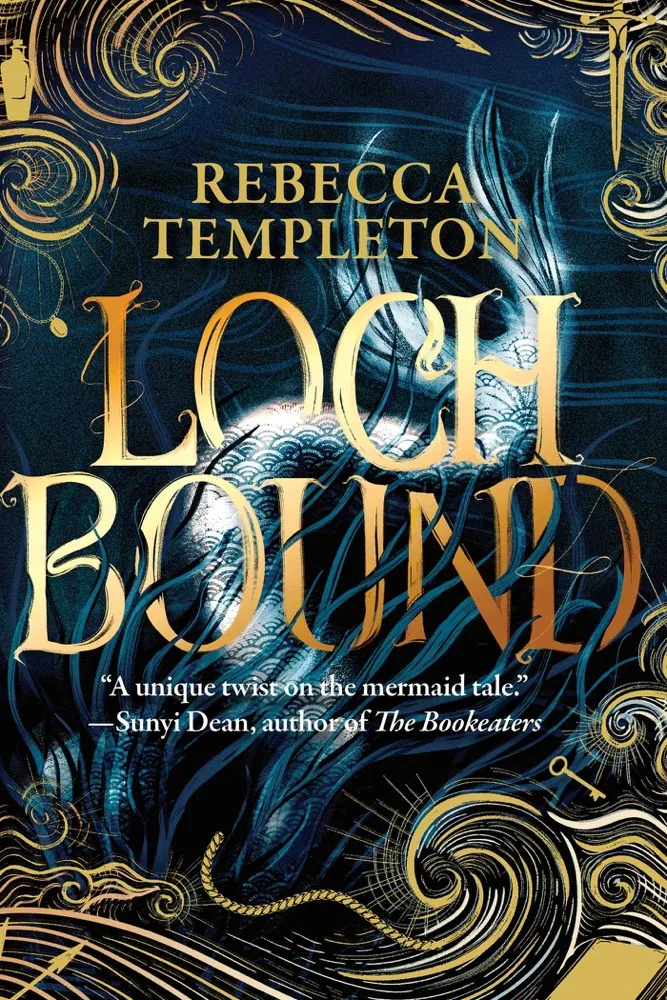
Author: Rebecca TempletonPage Count: UnknownPublication Date: Expected publication 2026 APL The synopsis for Lochbound is a masterclass in how to sell a gothic fairy tale without actually telling you anything—except that it’s going to be dark, which is either a promise or a warning, depending on how much you trust publishers these days. The fact that it’s billed as a "glitteringly dark reimagining" of The Little Mermaid is either a stroke of genius or a desperate attempt to ride the coattails of Disney’s endless regurgitation of the same three fairy tales. But let’s be honest—if this were just another Mermaid retelling, it would be forgettable. The real hook here is the setting: eighteenth-century Scotland, which immediately elevates it from "another cursed woman" to "another cursed woman in a landscape that will either haunt you or make you want to move to the Highlands." The choice is yours. The premise hinges on a duality that feels both fresh and familiar—by day, a monster; by night, a woman. It’s the kind of binary that’s been mined ad nauseam in fantasy, but the execution here could either be Spellbound meets Outlander—if the author has the chops to balance the historical grit with the supernatural dread—or it could be The Water Horse with more angst. The problem with synopses like this is that they promise a game of impossible attraction between Iris and Henry, but they don’t say whether that attraction is the kind that makes you want to read on or the kind that makes you want to throw the book into the loch. The mention of a "figure from Iris’s past" reappearing is the kind of vague threat that could either be the inciting incident of a brilliant twist or the lazy setup for a deus ex machina. Either way, it’s the kind of thing that makes me wonder if the author has actually written this yet or if they’re just playing with tropes like a child with a box of LEGOs. But let’s talk about the real issue here—the vagueness. The synopsis doesn’t tell us what the curse is, how it works, or why Iris has accepted it for fifty years. Is she resigned? Is she complicit? Is she just tired? The lack of specificity is frustrating because it leaves the reader with more questions than answers, which is either a sign of a brilliant, ambiguous narrative or a sign that the author hasn’t figured out the story yet. Compare this to something like The Cruel Prince, where the synopsis drops you into the world with enough detail to make you care immediately. Here, we’re left with a monster, a hunter, and a loch—three things that could go anywhere. The fact that the hunter is described as "rugged, ruthless" is either a red flag for a brooding love interest or a green light for a villain who might actually be the real monster here. The ambiguity is delicious, but it’s also exhausting. And then there’s the tone—gothic, historical, fantasy. It’s the kind of mashup that either works beautifully or falls flat like a poorly baked scone. Think about it: Outlander is a masterclass in blending history and romance, but it’s also a time machine that could’ve been called The Highlander and still sold the same number of copies. Spellbound is a fresh take on fae and magic, but it’s also a book that could’ve been called The Fae’s Bargain and still been just as compelling. The difference? The authors of those books had the discipline to make their worlds feel lived-in. This synopsis doesn’t give us that. It gives us a feeling—dark, misty, dangerous—but no substance. But here’s the thing: I’m intrigued. Not because the synopsis is detailed, but because it’s mysterious. The fact that it doesn’t tell us everything is either a sign of a brilliant, layered story or a sign that the author is too busy playing with words to actually write the book. Either way, I’m curious. I just hope it’s not another The Secret History knockoff where the gothic setting is just a backdrop for a bunch of privileged characters arguing about philosophy. Because if that’s the case, I’m going to be very disappointed. And speaking of The Secret History, have you ever noticed how every gothic fantasy these days is either set in a boarding school or a cursed estate? It’s like the genre has a limited palette. Lochbound could break that mold by setting its story in the Scottish Highlands, where the real monsters are the weather, the history, and the fact that you can’t just walk away from a curse like that. But then again, maybe the author will just stick to the usual suspects—fae, curses, betrayal—and call it a day. I hope not. But let’s be real—this book isn’t out yet, and I’m already tired of waiting for it. The synopsis is promising, but it’s also frustratingly vague. It’s like being given a menu with no prices—you know there’s something good on there, but you have no idea what it’ll cost. And right now, the cost of reading a book that might not deliver is too high. I must put up the holiday decorations before my spouse loses patience. #BookTok #GothicFantasy #ScottishMoors #CursedWomen #WaitForIt Related InsightsHaunting Adeline Book Review and Summary King of Wrath / King of Pride / King of Greed Book Review and Summary Too Uncool for School Book Review and Summary{ "@context": "https://schema.org", "@type": "FAQPage", "mainEntity": [ { "@type": "Question", "name": "What is the main focus of Lochbound Book Review and Summary?", "acceptedAnswer": { "@type": "Answer", "text": "Everything you need to know about Lochbound with our detailed review." } }, { "@type": "Question", "name": "Who authored the comprehensive guide on Lochbound Book Review and Summary?", "acceptedAnswer": { "@type": "Answer", "text": "This detailed article and its insights were carefully researched and authored by Antoine Leroy." } }, { "@type": "Question", "name": "Where can I find more related content about Books?", "acceptedAnswer": { "@type": "Answer", "text": "You can explore more articles, detailed reviews, and similar insights by browsing the Related Insights section at the bottom of this article or visiting our dedicated Books category page." } } ] }
- Antoine Leroy
- 02 Sep, 2026 01:09
The Inward Trip: The Untold Story of Meditation in the West Book Review and Summary
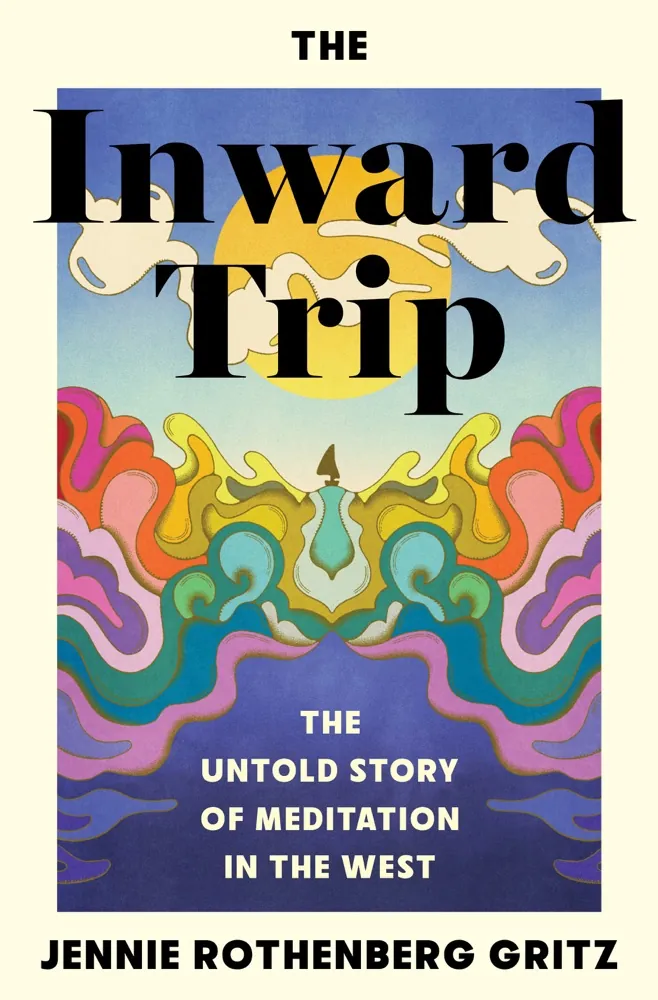
Author: Jennie Rothenberg GritzPage Count: UnknownPublication Date: Expected publication 2026 APL Oh, the way this book’s synopsis reads like a corporate wellness brochure—slick, sanitized, the kind of thing you’d find in a Whole Foods magazine tucked between articles on "gut health" and "the benefits of cold showers." The Inward Trip promises to trace meditation’s journey from "the first yogis and Zen masters" to today’s "mindfulness era," but the real story here isn’t just about how Eastern practices landed in America—it’s about how America turned them into a lifestyle accessory. The problem with this kind of historical retelling is that it risks reducing centuries of spiritual discipline to a series of Instagram-worthy milestones: Swami Vivekananda at the 1893 World’s Parliament of Religions, then Thich Nhat Hanh in the ‘60s, then the Silicon Valley mindfulness boom of the 2010s. Where’s the mess? Where’s the resistance? Where’s the moment when someone said, "No, this isn’t just relaxation—it’s a rebellion"? And yet—here’s the thing—this book might still be useful. Not as a rigorous history, but as a cultural autopsy. Gritz, a journalist who’s clearly spent time in labs studying the science of meditation, seems to understand that the real magic isn’t in the technique itself but in the way it’s been repackaged. She mentions "mind-wandering" as a creative force, which is delightfully counterintuitive—because in an era where focus is everything, the idea that daydreaming might be an asset is almost revolutionary. But the synopsis doesn’t tell us how she’ll handle the tension between the spiritual roots of these practices and their modern, often commodified forms. Will she celebrate the democratization of meditation, or will she expose the ways it’s been stripped of its radical edge? The way the synopsis leans into the "science-backed tools for self-improvement" framing makes me worry she’ll default to the latter—because that’s the safer bet, and safer bets don’t sell books the way cautionary tales do. Speaking of safer bets, I can’t help but think of The Spirituality of Yoga by Georg Feuerstein, which actually did the deep cultural work this one seems to be promising. Feuerstein didn’t just trace yoga’s history—he dissected how it became a Western obsession, complete with all the pitfalls of appropriation and commercialization. But Feuerstein was writing in the ‘90s, when the yoga industry was still in its infancy. Gritz, if she’s half as sharp, might have something to say about how meditation has evolved since then—how it’s become not just a wellness trend but a corporate perk, a parenting hack, a way to "hack your happiness." The question is, will she treat it like a phenomenon worth celebrating, or will she treat it like a cautionary tale? And then there’s the practical guide at the end. Oh, the practical guide. Because nothing says "groundbreaking" like a how-to section that feels like it was cribbed from a Headspace app. Hardly groundbreaking. But let’s be honest—this book isn’t going to be The Om Factory by Mark Epstein, which actually grappled with the psychological and existential dimensions of meditation in a way that felt less like a self-help manual and more like a philosophical inquiry. Gritz’s approach seems more journalistic, which is fine—better than most of the fluff out there—but it also means we might not get the kind of deep, uncomfortable conversations about what meditation really does to people. Does it heal? Does it harm? Does it just make us better consumers? The synopsis doesn’t say. I also can’t stop thinking about how this book might handle the fact that meditation, in its modern form, is often marketed as a solution to the very problems it’s supposed to help us transcend. Anxiety? Meditate. Depression? Breathe. Burnout? Just close your eyes and think happy thoughts. It’s a system that turns spiritual practice into a Band-Aid for capitalism’s wounds. And yet—here’s the thing—I’d read a book that acknowledged that tension. I’d read a book that didn’t just trace the history of meditation but asked why we need it so badly in the first place. But the synopsis doesn’t say any of that. It just says "essential read for anyone embarking on their own journey inward." Which is fine, I guess, if you’re looking for a feel-good narrative about how America got its zen. But if you’re looking for something that actually challenges the way we think about meditation, you might be disappointed. Or maybe not. Maybe Gritz will surprise us. Maybe she’ll show us that the inward trip isn’t just about relaxation—it’s about resistance. It’s about asking why we’re so desperate to quiet our minds in the first place. I need to unclog the shower drain before the entire second floor floods. #mindfulness #spiritualbutterfly #culturalappropriation #wellnessindustry #zenorjustzen Related InsightsThe Pillars of the Earth Book Review and Summary Heartsong Book Review and Summary Beneath, It Sleeps Book Review and Summary{ "@context": "https://schema.org", "@type": "FAQPage", "mainEntity": [ { "@type": "Question", "name": "What is the main focus of The Inward Trip: The Untold Story of Meditation in the West Book Review and Summary?", "acceptedAnswer": { "@type": "Answer", "text": "Everything you need to know about The Inward Trip: The Untold Story of Meditation in the West with our detailed review." } }, { "@type": "Question", "name": "Who authored the comprehensive guide on The Inward Trip: The Untold Story of Meditation in the West Book Review and Summary?", "acceptedAnswer": { "@type": "Answer", "text": "This detailed article and its insights were carefully researched and authored by Antoine Leroy." } }, { "@type": "Question", "name": "Where can I find more related content about Books?", "acceptedAnswer": { "@type": "Answer", "text": "You can explore more articles, detailed reviews, and similar insights by browsing the Related Insights section at the bottom of this article or visiting our dedicated Books category page." } } ] }
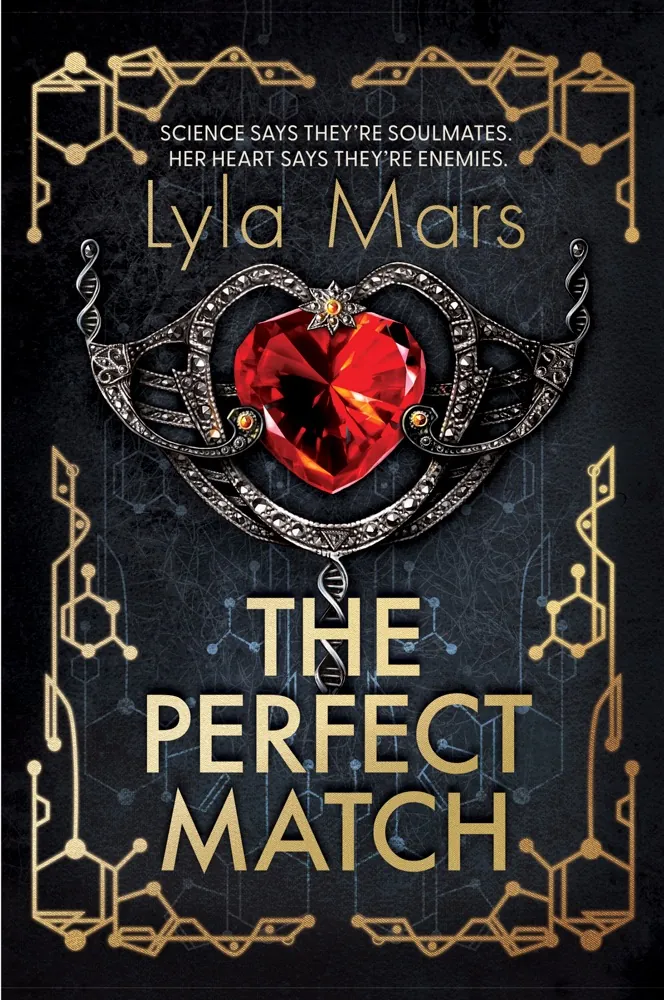
Author: Lyla MarsPage Count: UnknownPublication Date: Expected publication 2026 APL One shudders to recall the purity of matrimonial alliances governed by proper lineage, pedigree, and the quiet dignity of arranged property consolidation, only to watch contemporary scribes reduce sacred bloodlines to a vulgar spreadsheet exercise. Lyla Mars presents The Perfect Match, a forthcoming speculative venture hailing from the digital pages of Wattpad—where else could such melodramatic contrivances hatch?—that posits a near-future American dystopia managed by an algorithmic arbiter named Algorithma. The Arithmetic of Affection Consider the sheer audacity of reducing genealogical supremacy to a literal percentage. Eliotte Wager fancies herself bound by the archaic chains of childhood sentimentality to a boy named Ashton, yet the sovereign computer spits out a chilling 98.8% compatibility rating with his older, purportedly loathsome brother, Izaak. One immediately suspects a staggering lack of imagination in the setup. Yet, the premise possesses a deliciously scandalous undertone that recalls the breathless scandal sheets of the Regency era—if the Regency had possessed cold-blooded technocrats computing genetic harmony. And yet, I claimed the premise lacks imagination, which is entirely false; the conceit of state-mandated genetic matching is a delightfully wicked framework for examining how the lower orders handle forced proximity. Or perhaps I misjudge the scope entirely, because reducing state tyranny to domestic squabbling feels dreadfully pedestrian when one could explore the liquidation of ancestral estates. Forced Proximity and Pedigree Failures The mandatory marriage trope is terribly mid, honestly. We are expected to swoon over the predictable friction between an icy rebel and a disillusioned maiden who thought she bagged the spare instead of the heir. This is merely Red, White & Royal Blue wrapped in dystopian burlap, lacking the refined aristocratic bite of Edith Wharton or the psychological claustrophobia of proper speculative fiction. The synopsis leans heavily on the crutches of modern commercial pulp: enemies-to-lovers, forced proximity, and a dash of political rebellion that will likely amount to little more than mild finger-wagging at the ruling class before the protagonists lock lips in a damp cellar. Yet, the social implications of an algorithmic caste system remain deliciously fertile ground. If the state calculates your worth down to a decimal point, what happens to the untouchable prestige of old money? Mars gestures toward this tension with whispers of revolution and scandalous unions, though one fears the prose will prioritize breathless panting over biting satirical commentary regarding state-sanctioned breeding programs. One waits with baited breath to see if the manuscript possesses actual teeth or if it simply devolves into another algorithmic exercise in satisfying the masses. But forgive me, I must dash off a scathing editorial on the utter commercialization of modern art and the deplorable decline of patronage before the evening carriage arrives. #ThePerfectMatch #BookTok #DystopianRomance Related InsightsBook of Night Book Review and Summary Where the Red Fern Grows Book Review and Summary Shadow and Son (Shattered Crown, #3) Book Review and Summary{ "@context": "https://schema.org", "@type": "FAQPage", "mainEntity": [ { "@type": "Question", "name": "What is the main focus of The Perfect Match Book Review and Summary?", "acceptedAnswer": { "@type": "Answer", "text": "Everything you need to know about The Perfect Match with our detailed review." } }, { "@type": "Question", "name": "Who authored the comprehensive guide on The Perfect Match Book Review and Summary?", "acceptedAnswer": { "@type": "Answer", "text": "This detailed article and its insights were carefully researched and authored by James Miller." } }, { "@type": "Question", "name": "Where can I find more related content about Books?", "acceptedAnswer": { "@type": "Answer", "text": "You can explore more articles, detailed reviews, and similar insights by browsing the Related Insights section at the bottom of this article or visiting our dedicated Books category page." } } ] }
Author: Maria TureaudPage Count: UnknownPublication Date: Expected publication 2026 APL September air smells like rot and wet wool, though nobody wants to admit the summer is truly dead. I sit here surrounded by piles of unread proofs while my own grandchildren treat me like a piece of antique furniture they forgot to dust, demanding ancient tales they never actually listen to anyway. They just want noise. They want blood and shadows without paying any attention to the old blood on the hearthstones. Maria Tureaud is about to drop Beneath, It Sleeps upon us in 2026, and I already know I will despise the modern gloss slapped over real suffering. An eighteenth-century Irish Gothic tale about a runaway accountant hiding in the notorious Hellfire Club. Dublin brothels, wicked gentlemen, and the sudden intrusion of an ancient púca. Because apparently, we are still recycling the same tired folklore tropes until every drop of terror is wrung completely dry. Ledgers and Bloodstains The premise leans heavily on the domesticity of fear—running from a powerful duke only to land in the lap of Dorcas Kelly, the city's most infamous madam. Lotty Boyle is supposed to be our eyes and ears, an accountant turned spy. Yet everyone loves a plucky female protagonist who stumbles into supernatural conspiracies because human greed is apparently too mundane for the current literary market. Why must every historical fiction piece turn into a monster mash by chapter three? It is exhausting. It is the exact same intellectual laziness I saw last year when everyone lost their minds over that dreadful Irish witch novel that shall remain nameless—the one where the protagonist spent three hundred pages staring at damp peat while the author desperately tried to invent a new adjective for "grey." The Old Sins Wake God forbid a story just be about the crushing weight of eighteenth-century debt and male cruelty without needing an elemental power waging war against the Devil. We always have to dig up some primeval entity sleeping beneath the floorboards. Subtlety died somewhere around 2012, buried under a mountain of high-concept pitches designed for streaming adaptations rather than actual readers who appreciate a well-turned sentence. The locals chatter about banshees, Lotty has nightmares of shapeshifters, and the dark magics collide in a predictable display of pyrotechnics. My offshore accountant is demanding a secure phone call. Related InsightsDeath in Berlin Book Review and Summary A Storm of Swords Book Review and Summary Do Androids Dream of Electric Sheep? Book Review and Summary{ "@context": "https://schema.org", "@type": "FAQPage", "mainEntity": [ { "@type": "Question", "name": "What is the main focus of Beneath, It Sleeps Book Review and Summary?", "acceptedAnswer": { "@type": "Answer", "text": "Everything you need to know about Beneath, It Sleeps with our detailed review." } }, { "@type": "Question", "name": "Who authored the comprehensive guide on Beneath, It Sleeps Book Review and Summary?", "acceptedAnswer": { "@type": "Answer", "text": "This detailed article and its insights were carefully researched and authored by Antoine Leroy." } }, { "@type": "Question", "name": "Where can I find more related content about Books?", "acceptedAnswer": { "@type": "Answer", "text": "You can explore more articles, detailed reviews, and similar insights by browsing the Related Insights section at the bottom of this article or visiting our dedicated Books category page." } } ] }
Author: Jordan HarrisonPage Count: UnknownPublication Date: Expected publication 2026 APL Staring at a blinking cursor in late September is a combat sport where the opponent is always winning. But instead of studying footwork or analyzing a brutal liver shot, I am sitting here trying to hit an arbitrary word count about a book that isn't even on shelves yet. Jordan Harrison’s Miss Archer arrives sometime in 2026, which means I am currently doing acrobatics over a premise I can barely touch. Let us get through this so I can return to staring blankly at the wall. The Architecture of the Gimmick The setup relies heavily on a classic speculative bait-and-switch. Dre Archer gets plucked from the Squares—where human history supposedly ended—to nanny a five-year-old prodigy named Albie. The catch? Albie is convinced the year is 1884, two centuries out of sync with reality, and his grand Victorian manor operates as a strict historical reenactment society. Corsets, comportment lessons, and absolute denial of the 22nd century. Writers love throwing characters into artificial cages—Kazuo Ishiguro did it with devastating grace in Never Let Me Go, and Daphne du Maurier practically patented the oppressive architectural anxiety in Rebecca. Yet the synopsis leans hard into Russian doll-like revelations. I can already smell the third-act twist. Someone is watching through a two-way mirror. Someone is harvesting data. What Makes Us Tick The promotional blurbs—courtesy of heavyweights like Rumaan Alam and Charles Yu—insist this debut is principally concerned with the great, unanswerable question of what makes us human. That is publisher-speak for philosophical window dressing. Every speculative novel written in the shadow of climate collapse and digital saturation now tackles our pathetic yearning for the analog world. We stare at glowing rectangles all day, so naturally, novelists write about corsets and candlelight as the ultimate resistance. Harrison is a playwright by trade. Dialogue will likely snap and crackle, carrying the entire weight of the narrative while the world-building does the heavy lifting in the background. But I worry about the mechanics. When a protagonist asks "What is my job, really?", the reader is implicitly promised an intellectual payoff that rarely survives the landing. If the prose stays as fluid as Yu claims, the journey through this bizarre Victorian time-bubble might justify the inevitable techno-paranoia tropes. Or it will collapse under the weight of its own cleverness. Either way, I am trapped writing about a 2026 publication date while September winds rattle the windowpane. I have to go finish painting a terribly depressing portrait. #MissArcher #JordanHarrison #LiteraryFiction #SpeculativeFiction Related InsightsIn a Holidaze Book Review and Summary Edge Book Review and Summary Charlaine Harris Gunnie Rose 4 Book Review and Summary{ "@context": "https://schema.org", "@type": "FAQPage", "mainEntity": [ { "@type": "Question", "name": "What is the main focus of Miss Archer Book Review and Summary?", "acceptedAnswer": { "@type": "Answer", "text": "Everything you need to know about Miss Archer with our detailed review." } }, { "@type": "Question", "name": "Who authored the comprehensive guide on Miss Archer Book Review and Summary?", "acceptedAnswer": { "@type": "Answer", "text": "This detailed article and its insights were carefully researched and authored by Natalia Sokolova." } }, { "@type": "Question", "name": "Where can I find more related content about Books?", "acceptedAnswer": { "@type": "Answer", "text": "You can explore more articles, detailed reviews, and similar insights by browsing the Related Insights section at the bottom of this article or visiting our dedicated Books category page." } } ] }