Azure Horizons and Fragile Ecosystems: The Maldives Reality Check
-
 Aisha Sharma
 - 13 Sep, 2026 12:14
The Siren Call of the Indian Ocean
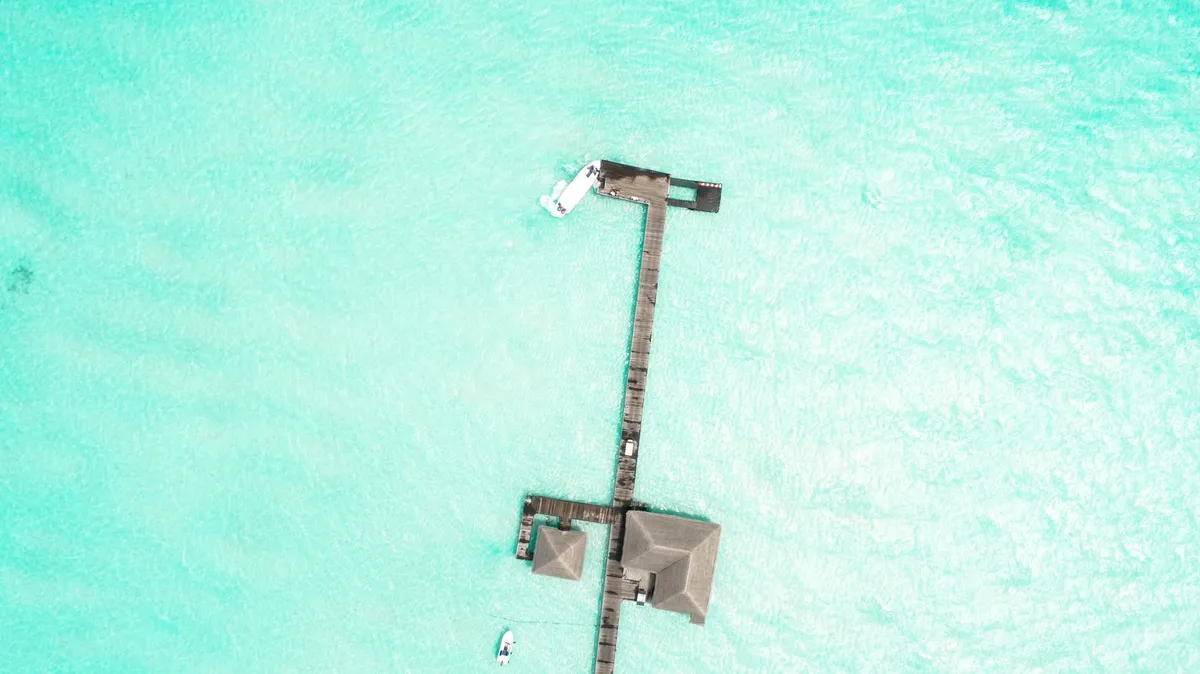
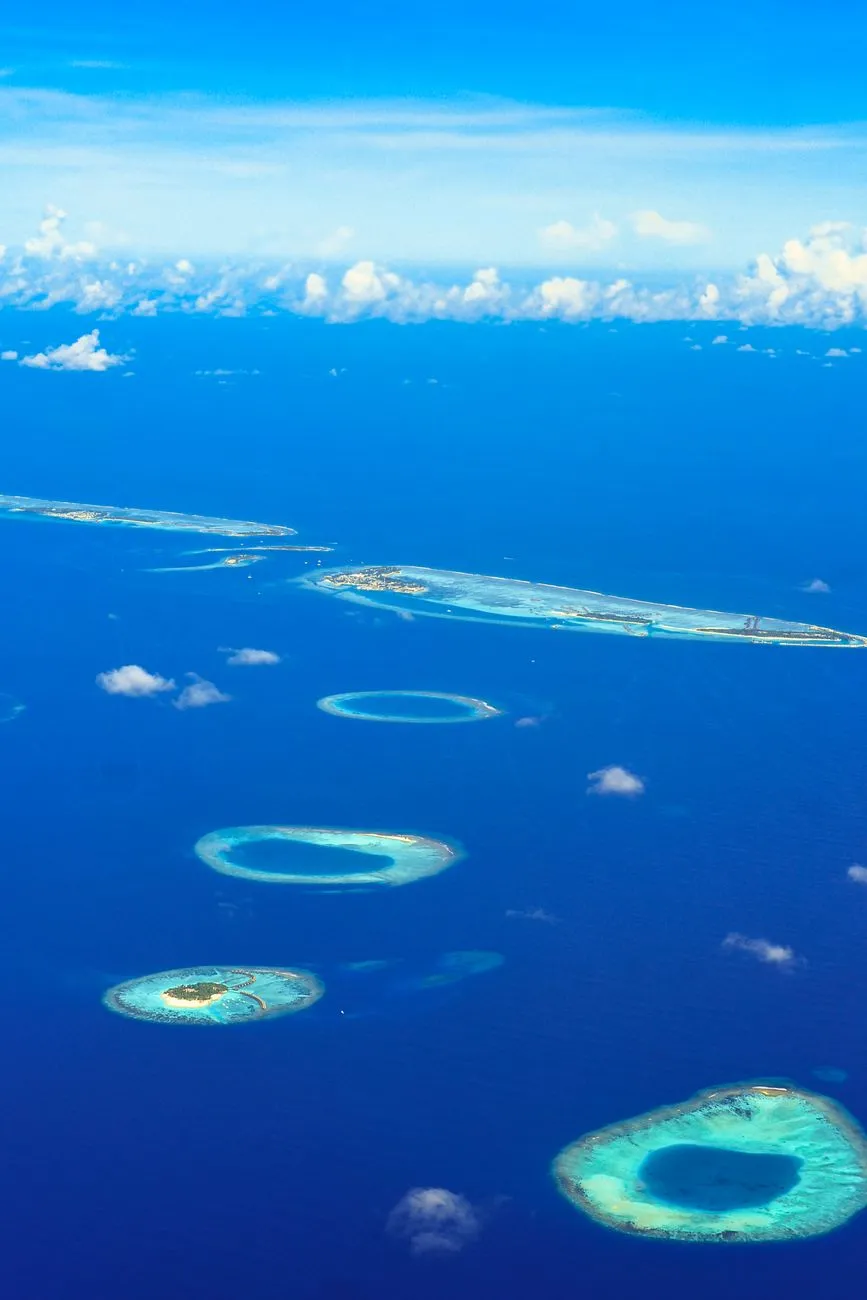
The Maldives is not merely a destination; it is an archipelago of 1,192 coral islands that define the pinnacle of tropical indulgence. As an expert observer of global travel trends, I have witnessed the evolution of this nation from a secluded diving retreat to the global epicenter of “barefoot luxury.” Yet, beneath the veneer of champagne sunsets and private infinity pools lies a geography fighting for its very existence. The iconic overwater bungalows, which have become the visual shorthand for paradise, occupy a unique space in the tension between high-end tourism and environmental stewardship.
When you step onto the wooden jetty of a private island resort, you are entering a micro-economy that operates on a razor-thin margin between environmental extraction and preservation. The sustainability of this model relies on the ability of the tourism industry to pivot from passive enjoyment to active conservation. The Maldivian government, alongside private hospitality conglomerates, is increasingly mandating that resorts invest in their immediate marine surroundings. This is no longer just about planting a few coral fragments; it is about complex bio-rock infrastructure, large-scale seagrass protection, and the mitigation of carbon footprints in one of the most remote regions on Earth. For the discerning traveler in 2026, the question is no longer just “Is the water clear?” but “How does my stay contribute to keeping it that way?” The modern voyager understands that their footprint is indelible, and they choose to make it as light as possible. As we delve into the mechanics of living, vacationing, and protecting this aquatic heaven, remember that your choice of accommodation dictates the survival of the reefs that protect these islands from the rising tide.
Luxury Living at the Edge of the Reef
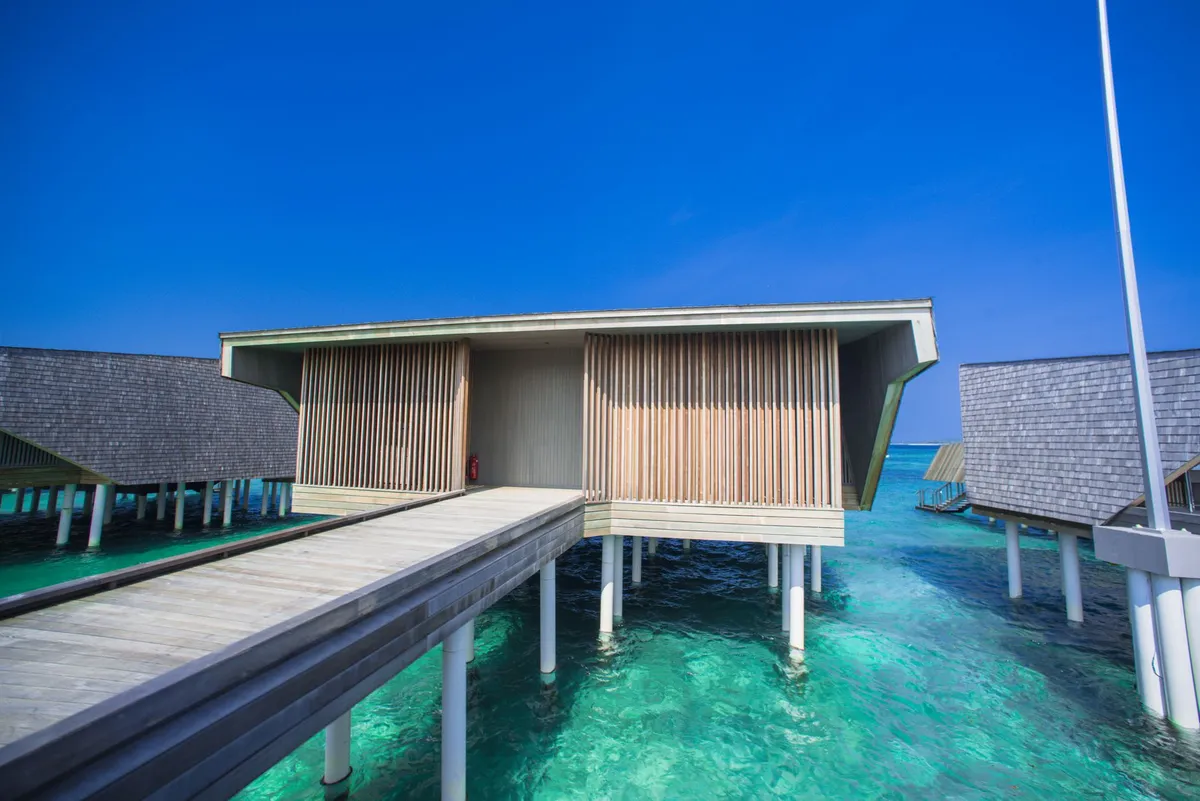
Staying in an overwater villa offers an unparalleled sensory experience, but it also places the guest directly atop a fragile nursery. Coral reefs are the beating heart of the Maldives, acting as natural breakwaters against the volatile Indian Ocean. Without these structures, many of the islands would struggle to maintain their physical integrity. In the past, the construction of villas involved dredging and land reclamation, which often suffocated the very reefs being advertised. Today, the narrative has shifted. Leading resorts are adopting “no-net-loss” policies, where the footprint of a villa is offset by the creation of new, protected nursery zones.
Guests are now invited to participate in the “adopt-a-coral” programs, which are becoming standard fare in luxury travel packages. When you book your stay, look for properties that utilize non-invasive pillar construction, allowing water to flow naturally beneath your villa, maintaining the connectivity of the reef ecosystem. The cost of this luxury is significant, yet it is a necessary investment to ensure that the Maldivian dream remains a physical reality rather than a digital archive. In terms of your personal expenditure, planning for 2026 requires understanding that sustainability is often bundled into the premium rates. However, the premium is worth the cost when you realize that your presence is funding the marine biologists who patrol these reefs. The intersection of architectural marvels and environmental responsibility is where the true prestige of Maldivian travel now resides. You are not just paying for a room; you are paying for the continued guardianship of an underwater cathedral.
Navigating the 2026 Economic Landscape
For those considering the Maldives as more than a short-term destination—perhaps as a digital nomad hub or an expat home—the economic landscape of 2026 is complex. The cost of living is heavily influenced by the import-dependent nature of the archipelago. While local markets offer fresh, vibrant produce, anything beyond the basics, such as imported spirits, international culinary staples, or high-speed hardware, carries a significant markup due to the logistics of island-to-island transport. Understanding the price structure is vital for anyone planning an extended stay.
In the capital, Malé, the cost of living is distinct from that of the private resort islands. As an expat, you will find that rent constitutes the bulk of your expenditure. Finding a long-term lease requires navigating a market that is increasingly geared toward luxury tourism, which can inflate prices for non-nationals. When budgeting for 2026, account for the fluctuating cost of utilities, specifically electricity and desalination. Water management is a critical issue; while you are surrounded by the sea, fresh water is a precious commodity. You must factor in the cost of high-quality internet connectivity, which, while improved, can be expensive compared to mainland hubs. Furthermore, visa pathways have become more streamlined, yet they necessitate proof of financial stability that exceeds the requirements of many other Southeast Asian or South Asian nations. The Maldives is not a low-cost getaway; it is a high-value investment in an exclusive lifestyle that demands fiscal foresight and respect for the local economic challenges.
Economic Data and Local Price Trends
The table below provides a representative snapshot of costs in the Maldives for the year 2026. Note that these are estimated averages based on prevailing trends; actual costs will fluctuate significantly depending on whether you are situated on a local island or an isolated luxury resort.
| Expense Category | Estimated Monthly Cost (USD) | Notes for 2026 |
|---|---|---|
| Apartment Rent (1 BR in Malé) | $1,200 - $2,200 | Prices rise sharply near the waterfront. |
| Basic Utilities (Elect/Water) | $150 - $250 | Highly dependent on AC usage and conservation. |
| Local Market Groceries | $400 - $600 | Focus on local fish/fruits to keep costs low. |
| Imported Goods/Alcohol | $300 - $500 | High taxes on non-local items remain in effect. |
| High-Speed Internet Plan | $60 - $120 | Vital for remote work, varies by ISP. |
| Transport (Ferry/Speedboat) | $100 - $300 | Varies by distance from island-to-island. |
This data illustrates the premium placed on resource accessibility. Whether you are stocking up for a week or planning a month of remote work, prioritize local supply chains to support the national economy and manage your budget effectively.
Conservation as the New Standard of Luxury
The true luxury in the Maldives for 2026 is no longer about gold-plated taps or marble floors; it is about biodiversity. The most prestigious resorts are those that have successfully integrated “coral regeneration” into their branding. I have seen firsthand how resorts now mandate that their guests receive a briefing on reef etiquette. This includes the use of reef-safe sunscreens, strict “no-touch” policies, and the prohibition of single-use plastics. The transition from luxury-as-consumption to luxury-as-stewardship is the most vital development in the industry.
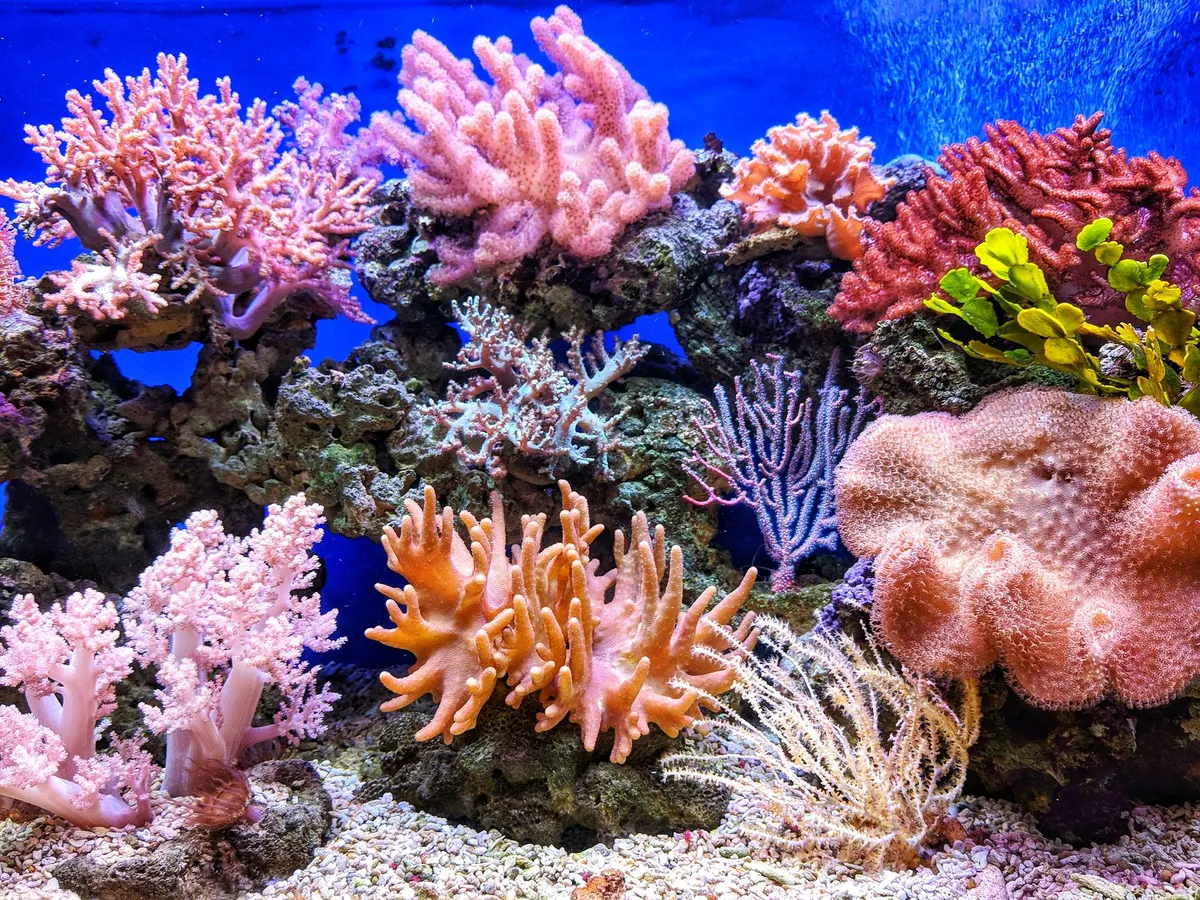
Marine biologists are now as essential to a resort’s operation as a head chef. These experts lead night-snorkeling tours that educate visitors on the bioluminescence and nocturnal feeding habits of reef inhabitants. They manage coral propagation frames, which are essentially underwater nurseries that grow resilient coral species that can withstand rising sea temperatures. As a guest, engaging with these conservation efforts adds a layer of depth to your experience that a standard resort stay simply cannot provide. You are witnessing the frontline of climate adaptation. The reefs are the first line of defense against the rising sea levels that threaten the very existence of these low-lying islands. Therefore, supporting these programs is not just a virtuous act; it is a way to ensure that the archipelago remains a place you can return to in the coming decades. When you book, look for the ‘Green Globe’ or ‘EarthCheck’ certifications, which signal a verified commitment to these practices. Your participation in these initiatives turns your vacation into a partnership with nature.
The Future of the Archipelago: Beyond the Horizon
Looking toward the future, the Maldives stands at a crossroads. The economic viability of the nation remains inextricably linked to the health of its natural wonders. As we move further into the decade, we will see an increased reliance on smart-island technology—solar-powered desalination, automated waste management systems, and AI-driven monitoring of reef health. This technological adoption is not just for efficiency; it is an existential necessity. For the traveler, this means that the Maldives is becoming a living laboratory for sustainable tourism.
If you are planning to visit or settle in the Maldives, bring with you a sense of responsibility. Engage with the local culture, which is deeply rooted in the Islamic tradition and seafaring history. Support local businesses on the inhabited islands, where you can find authentic Maldivian cuisine—try the mas huni, a traditional breakfast of tuna and coconut, which is not only delicious but also utilizes the bounty of the ocean in a sustainable manner. The Maldives of 2026 is a place of profound beauty, but it is also a place that demands humility from its visitors. By choosing to travel consciously, you are acknowledging that the privilege of witnessing this paradise comes with the duty to preserve it. The water is calling, and it is clearer than ever that the path forward must be paved with respect, research, and a deep, enduring commitment to the conservation of the world’s most precious coral kingdom. We must ensure that the legacy of the Maldives is not one of lost islands, but of a global success story in environmental adaptation and resilient human joy.
The lasting impression of the Maldives is one of absolute clarity—a clarity of water, of light, and of purpose. Whether you are an expat working from a bustling local cafe in Hulhumalé or a traveler relaxing in an overwater villa in the Baa Atoll, you are part of a narrative that is far larger than your individual stay. The choices we make today regarding our consumption, our waste, and our interaction with the reef will echo in the depths for generations. May your journey to this island nation be one of discovery, not just of the landscapes, but of your own capacity to contribute to the preservation of the extraordinary.
#SustainableTravel #MaldivesConservation #IslandLife #EcoLuxury #GlobalNomad