Showing Posts From
Digitalnomad
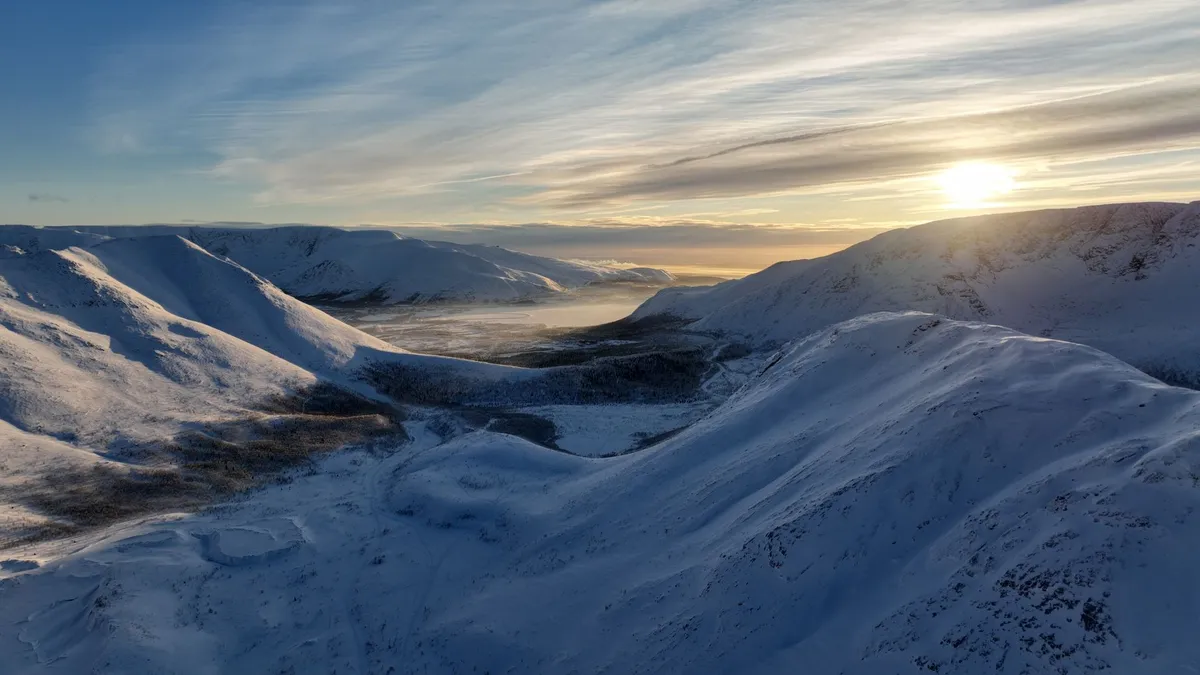

Venturing into the Arctic Vault: Getting to Longyearbyen The journey to the Svalbard Global Seed Vault begins not with a plane touchdown but with a series of deliberate steps that blend adventure, logistics, and a pinch of daring. Longyearbyen, the archipelago’s modest capital, serves as the gateway for every traveler, researcher, and curious wanderer who wishes to set foot on the icy ground where humanity’s botanical heritage rests. First, secure a flight to Oslo, Norway’s bustling hub. From there, airlines such as SAS and Norwegian Air Shuttle operate regular connections to Longyearbyen Airport (LYR). The flight itself lasts roughly three hours and offers a dramatic transition: one moment you’re soaring above fjords, the next you’re gliding over a sea of white, with the iconic, snow‑capped mountains of Spitsbergen emerging from the clouds. Upon arrival, the airport’s small size means you’ll be greeted by a handful of staff, all fluent in Norwegian and English, who can guide you to the town’s modest bus terminal. The town is compact—most amenities are within a 10‑minute walk from the harbor. A short stroll brings you to the iconic Svalbard Museum, where you can absorb the region’s polar history before heading north toward the vault. The seed vault itself lies 1.6 kilometers (just under a mile) from Longyearbyen, perched on the remote side of the island’s frozen plateau. Access is strictly by appointment, coordinated through the Norwegian Ministry of Climate and Environment. The vault’s entrance is an unassuming concrete building that blends into the stark landscape. Yet, hidden behind its modest façade is a steel door that seals a mountain‑carved chamber, sealed with a 1.5‑meter‑thick permafrost wall. When you finally stand before the vault’s massive door, the cold bites at your cheeks, and the silence is broken only by the distant howling of Arctic winds. The experience is akin to stepping into a time capsule, a place where the world’s agricultural diversity is stored beneath a kilometer of permafrost. The vault’s design—two concentric steel doors, a ventilation system that prevents moisture buildup, and a backup power supply that can keep the interior at a constant -18°C for decades—reflects decades of engineering foresight.The road leading to the vault is a stark, white ribbon cutting through the tundra, a visual reminder of the isolation that protects these priceless seeds. While the vault itself is off‑limits to the public, visitors are allowed a brief, guided glimpse of the exterior and the surrounding landscape. This privilege is granted to journalists, scientists, and a select few travel influencers who have obtained a special permit from the Svalbard Global Seed Vault Administration. The permit process involves a background check, proof of purpose (e.g., journalism, research, or educational outreach), and a non‑disclosure agreement that protects the vault’s security protocols. Beyond the physical journey, there’s an emotional pilgrimage. Knowing that the vault holds over one million seed samples—representing 70 percent of the world’s crop diversity—imbues each step with a sense of stewardship. As you walk the icy path, you’re reminded that this silent repository is a safeguard against global catastrophes, from climate change to pandemics. It is, in many ways, the most literal embodiment of “planting hope for the future.”Inside the Global Seed Archive: What the Vault Holds The Svalbard Global Seed Vault, often called the “Doomsday Vault,” is more than a concrete bunker; it is a meticulously curated living library of the planet’s agricultural DNA. Operated jointly by the Norwegian government, the Global Crop Diversity Trust (Crop Trust), and the Nordic Genetic Resource Center (NordGen), the vault’s primary mission is to provide a safety net for seed collections stored in gene banks worldwide. To date, the vault houses over 1.1 million seed samples from more than 5,000 distinct plant species. These include the staples that feed billions—wheat, rice, maize, barley, and sorghum—as well as less common crops such as quinoa, teff, and ancient varieties of beans. Each seed packet is sealed in a hermetically sealed, moisture‑proof foil pouch, then placed inside a stainless‑steel box that can withstand the harsh Arctic conditions. The vault’s collection strategy follows a “tri‑duplication” principle:Primary storage – National and regional gene banks keep the original living collection. Secondary backup – Duplicate samples are stored in regional seed banks, often in temperate zones. Tertiary safety – The final duplicate travels to Svalbard, where the permafrost provides a natural refrigeration system.This redundancy ensures that even if a regional disaster destroys a local collection, the genetic material remains safe elsewhere. In 2015, for instance, the International Center for Agricultural Research in the Dry Areas (ICARDA) lost a substantial portion of its collection due to conflict in Syria. The Svalbard vault, however, retained intact duplicates, allowing the center to rebuild its living collections within months. The vault’s interior climate is a marvel of engineering. The temperature is maintained at a constant -18°C (0°F) thanks to the surrounding permafrost, which acts as a giant natural refrigerator. Humidity is kept below 15 percent, preventing seed germination and mold growth. Power is supplied by a combination of diesel generators and a backup battery system, but the vault’s design anticipates a scenario where external power is lost for up to 100 years—the permafrost would still preserve the seeds. Scientific research conducted within the vault’s adjacent laboratory (the “Svalbard Seed Laboratory”) focuses on seed viability testing, genetic sequencing, and cryopreservation techniques. Recent studies have employed next‑generation sequencing to map the genomes of ancient grain varieties, revealing genetic traits for drought tolerance that could be crucial for future crop breeding. The vault also serves an educational purpose. Interactive exhibits in Longyearbyen’s Svalbard Science Centre display 3D models of the vault’s interior, allowing visitors to virtually “walk through” the storage chambers. These exhibits explain the importance of genetic diversity, illustrate how climate change threatens crop resilience, and highlight the vault’s role in global food security.One of the most compelling stories emerging from the vault concerns the rediscovery of a 19th‑century wheat variety known as “Red Fife.” Thought extinct, viable seeds were found in the vault, germinated, and reintroduced to modern farms in Canada. This revival not only expanded culinary diversity but also re‑introduced a grain with superior disease resistance, underscoring the vault’s tangible impact on contemporary agriculture. In short, the vault is a silent, icy library where each seed packet represents a page of humanity’s agricultural narrative. Its existence is a testament to international cooperation, scientific foresight, and the belief that preserving genetic diversity is essential for the planet’s resilience.Living Like a Digital Nomad on Svalbard’s Icy Frontier Svalbard’s allure extends beyond the vault; the archipelago has emerged as a surprising haven for digital nomads seeking isolation, pristine nature, and a front‑row seat to climate change. According to the 2025 VisaGuide.World Digital Nomad Index, Svalbard scores a modest 2.91, placing it 13th globally for remote work suitability. While the score reflects challenges—extreme weather, limited connectivity, and high living costs—it also highlights unique advantages: no visa requirement for self‑sufficient travelers and the allure of living “at the edge of the world.” Eligibility and Residency The most crucial requirement for a digital nomad in Svalbard is financial self‑sufficiency. The live‑travel data indicates an income threshold of roughly $4,000 per month, which aligns with the region’s high cost of imported goods and limited local wage opportunities. As long as you can demonstrate this income—through bank statements, remote‑employment contracts, or freelance invoices—you can reside indefinitely without a formal visa. The only bureaucratic step is registering with the local police, a process that typically takes under an hour and involves providing proof of accommodation. Accommodation options range from modest apartments in Longyearbyen (average monthly rent: $2,500 for a one‑bedroom) to seasonal cabins known as “hytter” located further north. Many digital nomads opt for co‑living spaces that double as work hubs, featuring high‑speed satellite internet (average download speeds of 25‑30 Mbps) and communal workstations. The community is tight‑knit; networking events often revolve around shared meals featuring Arctic char, reindeer stew, or locally foraged berries. Connectivity and Workspaces Internet connectivity in Svalbard relies heavily on satellite links, as undersea fiber cables do not reach the archipelago. Providers such as Telenor and IceNet offer packages that combine a 5G mobile hotspot with a fixed satellite dish for home offices. While speeds are sufficient for video conferencing, large file transfers—particularly those involving high‑resolution media or scientific datasets—may require scheduling during off‑peak hours. Several cafés in Longyearbyen, like “Kaffebønna” and “Svalbard Bryggeri,” provide reliable Wi‑Fi, power outlets, and a warm, insulated environment. For those who prefer a more secluded setting, the “Arctic Lab” co‑working space offers private booths, ergonomic chairs, and a view of the snow‑covered fjord—a backdrop that fuels creativity. Lifestyle and Well‑Being Living in a polar environment demands careful attention to health and safety. The Arctic daylight cycle is extreme: continuous daylight from late April to late August (the “midnight sun”) and prolonged darkness from late October to mid‑February (the “polar night”). During the polar night, many residents combat Seasonal Affective Disorder (SAD) with light therapy lamps, a practice encouraged by local health clinics. Physical activity is woven into daily life. Cross‑country skiing, dog‑sledding, and guided glacier hikes serve both as recreation and as a means to stay warm. The community’s small size fosters a “neighbor‑watch” culture; locals look out for each other, especially when weather conditions make travel hazardous. Cultural Immersion Svalbard’s cultural scene is modest yet vibrant. The “Svalbard Festival” in February celebrates Arctic art, music, and storytelling, while “Polar Bear Night” in March raises awareness about wildlife conservation. Visitors can attend lectures at the University Centre in Svalbard (UNIS), where researchers share findings on glaciology, climate change, and polar biology—topics that resonate deeply with the seed vault’s mission.Embracing Svalbard as a digital nomad means balancing the allure of isolation with the responsibilities of self‑care. With proper planning—adequate heating, reliable power backups, and a clear communication schedule with clients—you can transform the stark Arctic landscape into a productive, inspiring office.Practical Logistics: Visa‑Free Stays, Costs, and Safety Navigating the practicalities of an Arctic expedition requires meticulous budgeting, an understanding of local regulations, and a solid safety plan. Below is a concise breakdown of the primary cost categories for a typical three‑month stay that includes a visit to the seed vault, accommodation in Longyearbyen, and a modest allowance for food and activities.Expense Category Approx. Monthly Cost (USD) Total for 3‑Month Stay (USD) NotesAccommodation (1‑bedroom apartment) $2,500 $7,500 Includes heating, water, and basic utilities.Food & Groceries (imported goods) $800 $2,400 Local produce limited; most items are imported.Internet & Mobile (satellite plan) $150 $450 25–30 Mbps download; unlimited data.Transportation (flights + local bus) $400 $1,200 Oslo‑Longyearbyen round‑trip $300; local bus pass $100.Seed Vault Permit & Guided Tour $250 $250 (one‑time) Includes permit processing and guide fee.Health Insurance (International) $120 $360 Must cover emergency evacuation.Miscellaneous (clothing, gear, activities) $300 $900 Warm layers, gloves, boots, and optional tours.Total $4,520 $13,560 Approximate; varies with personal spending habits.All figures are based on 2026 market rates and the live travel data indicating a $4,000 monthly income requirement for self‑sufficient residency. Visa‑Free Entry and Legal Considerations Svalbard is a part of the Kingdom of Norway but enjoys a unique visa‑free status under the Svalbard Treaty of 1920. Travelers from any nationality may reside indefinitely provided they are self‑sufficient—meaning they have sufficient funds, health insurance, and a place to live. No work permits are required for remote employment, but any on‑site employment (e.g., mining or research assistantship) must comply with Norwegian labor laws and may require a separate work permit. While a visa is unnecessary for Svalbard itself, entry to mainland Norway (including transit through Oslo) follows Schengen rules. Most travelers will need a Schengen visa if they do not hold a passport from a visa‑exempt country. It is advisable to arrange this visa before booking the Oslo‑Longyearbyen flight to avoid complications. Safety Protocols and Emergency Services The Arctic environment is unforgiving. Temperatures in winter can plunge below -30°C (-22°F), and sudden snowstorms can reduce visibility to near zero. The local emergency services are coordinated through the Longyearbyen Police Station, which also houses a modest medical clinic equipped for basic care and stabilization. For severe injuries or illnesses, patients are airlifted to Tromsø, Norway, via a helicopter service that costs approximately $10,000 per evacuation—underscoring the importance of comprehensive insurance. Wildlife encounters, particularly with polar bears, are a legitimate concern. While polar bears rarely enter Longyearbyen, they roam the surrounding tundra. The town enforces strict building codes: all homes and cabins must have bear‑proof doors and windows, and residents carry bear deterrent devices (e.g., flares, air horns). Guided tours outside the settlement provide bear‑safety briefings and, if needed, escort by trained guards. Sustainable Practices Given the fragility of the Arctic ecosystem, visitors are encouraged to follow “Leave No Trace” principles. This includes:Using refillable water bottles; melt snow only after proper filtration. Packing out all waste, especially non‑biodegradable items. Avoiding disturbance of nesting sites for seabirds and the fragile moss carpet that stabilizes the permafrost.Local authorities also impose a modest “environmental contribution” tax of $25 per visitor, which funds waste management and wildlife monitoring programs.By respecting these logistical and safety frameworks, travelers can enjoy a secure, responsible, and unforgettable Arctic adventure.Preserving the Future: The Science and Ethics of Seed Conservation The Svalbard Global Seed Vault is not merely a storage facility; it is a living laboratory that raises profound scientific and ethical questions about humanity’s relationship with biodiversity. At its core, the vault addresses a simple yet urgent challenge: How do we safeguard the genetic blueprints of the world’s food crops against unforeseen catastrophes? Scientific Rationale Crop genetic diversity underpins resilience. Each variety carries unique genes that confer tolerance to drought, pests, soil salinity, or temperature extremes. Modern agriculture’s reliance on a narrow set of high‑yielding cultivars—think the dominance of a few wheat or rice strains—creates vulnerability. Historical events, such as the 1970 Irish Potato Famine, illustrate how genetic uniformity can precipitate disaster. The vault’s strategy is to bank duplicate seed samples that can be regenerated if regional gene banks are compromised. Researchers employ seed viability testing—a process where a subset of stored seeds is germinated under controlled conditions to assess germination rates. Studies indicate that after 25 years at -18°C, most seeds retain >85% viability, a testament to the vault’s Related InsightsNeuralink’s Symbiotic Future: How Brain-Computer Interfaces Are Redefining Human-Machine Collaboration If Not You Book Review and Summary Betrayed Book Review and Summary
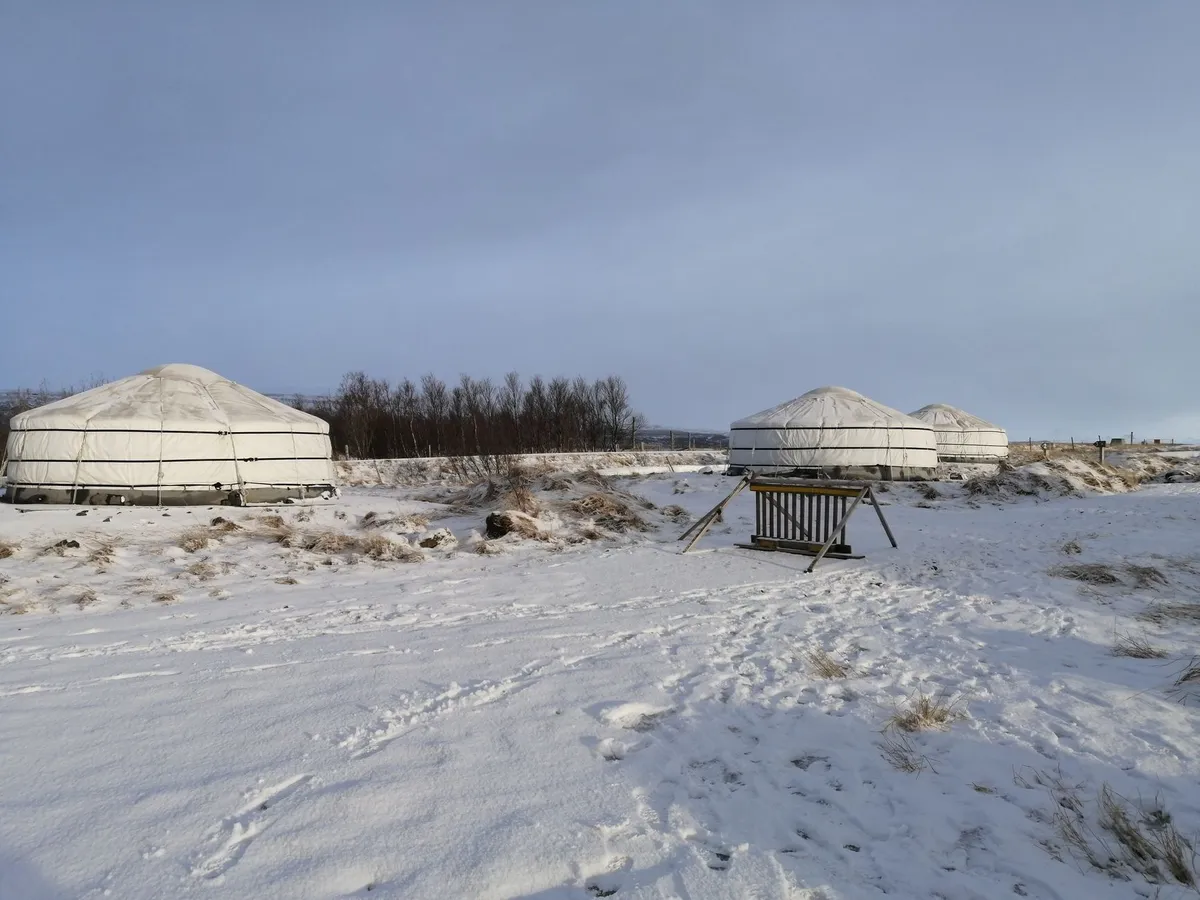

Dawn Over the Tien Shan: Arriving in Kyrgyzstan The first light that kisses the jagged ridges of the Tien Shan feels like a promise. I stepped off the plane in Bishkek with a backpack, a laptop, and a 60‑day visa‑free stamp that covers roughly seventy nationalities — no formal digital‑nomad visa exists, but the eVisa portal lets you extend to ninety days for a modest government fee. The capital’s wide boulevards, Soviet‑era mosaics, and bustling bazaars serve as a practical launchpad before you trade concrete for felt. Bishkek’s median monthly cost sits at $1,210 according to Numbeo’s 2026 snapshot, a figure that already includes a modest apartment, utilities, and the fiber‑optic broadband that most landlords bundle in. Coworking spaces such as Ololo or Bishkek Hub charge $50‑$150 per month, and a local prepaid SIM with 10 GB of data costs $5‑$10, giving you instant 4G/LTE coverage across the city and most major highways. I spent my first week mapping the route to the high pastures, downloading offline maps, and testing the latency on a video call — consistently under 80 ms, more than enough for synchronous work. The transition from urban rhythm to nomadic tempo begins the moment you board a shared marshrutka toward Kochkor or Naryn, where the road climbs into valleys that have hosted shepherds for millennia.Setting Up Camp in a Felt Fortress: The Yurt Homestay Experience A Kyrgyz yurt — locally called a “boz ui” — is more than a shelter; it is a portable cosmos woven from felt, wood, and tradition. Families who open their winter camps to travelers typically provide a central stove, layered felt insulation, and a low wooden platform for sleeping. The host will greet you with a bowl of kumis (fermented mare’s milk) and a stack of fresh boorsok, the golden fried dough that fuels long days on horseback. Privacy is communal: you share the central space with the family, but a curtained alcove can be arranged for a laptop and a power strip. Electricity comes from a small solar array or a generator that runs a few hours each evening — enough to charge devices and run a portable router. Water is fetched from a nearby spring, and the toilet is a simple pit latrine screened by a felt flap. The rhythm of the day follows the herd: milking at dawn, cheese‑making mid‑morning, and a communal dinner of beshbarmak (boiled meat with noodles) under a sky dense with stars. I learned to respect the unwritten etiquette — never step on the threshold, always accept the first sip of tea, and offer a small gift (a pack of tea or a flashlight) when you depart. The experience is raw, unfiltered, and profoundly grounding for anyone used to sterile hotel rooms.Connectivity in the Steppe: Internet, SIMs, and Coworking Staying productive while the wind whistles through the felt walls demands a deliberate connectivity strategy. In the high valleys, 4G coverage is surprisingly robust along the main arteries — Bishkek‑Osh, Bishkek‑Karakol — but drops sharply once you leave the paved road. I carry two SIMs: a Beeline plan for the city and a Megacom “Tourist” package that includes 15 GB for $12, valid for 30 days. Both operators support tethering, turning a phone into a mobile hotspot for a laptop. For bandwidth‑heavy tasks (video editing, large repo pulls) I schedule a weekly “city sprint” in Bishkek, where fiber‑to‑the‑home delivers 200‑300 Mbps symmetric speeds — well above the 25 Mbps threshold most remote‑work policies require. Coworking hubs in the capital also provide meeting rooms, printing, and a community of fellow nomads who exchange trail intel. When the signal fades, I rely on offline‑first tools: Git with local commits, Notion’s offline mode, and pre‑downloaded reference PDFs. A compact 10,000 mAh power bank and a foldable 30 W solar panel keep the laptop alive during multi‑day treks. The key Related InsightsExploring the Antioxidant-Rich Delights of Borscht with Kefir and Dill A Map to Murder: A Serial Killer Guide to San Francisco Mystery Book Review and Summary Illicit Temptations Book Review and Summary
-
 Aisha Sharma
 - 02 Oct, 2026 13:04
Arctic Circle Digital Nomadism: Building Connectivity in Greenland's Remote Towns
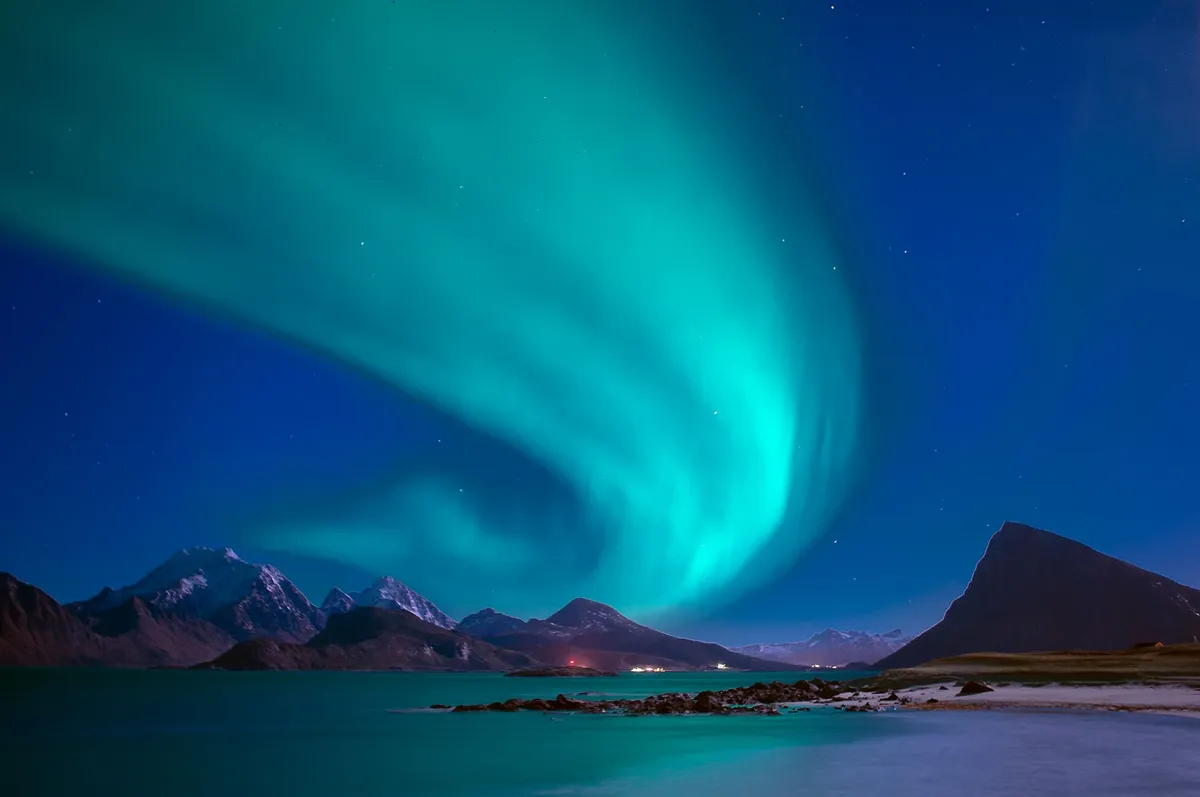
Midnight Sun Workstations: Setting Up in Ilulissat Ilulissat, the gateway to the UNESCO‑listed Icefjord, has quietly transformed from a seasonal tourism hotspot into a year‑round base for location‑independent professionals. The town’s modest population of roughly 4,700 belies a surprisingly robust infrastructure: a handful of cafés now offer dedicated power strips, high‑speed Wi‑Fi (up to 150 Mbps on the municipal fiber loop), and ergonomic seating that rivals any Scandinavian coworking hub. The local municipality, in partnership with the Arctic Digital Nomads initiative, has earmarked a former fish‑processing warehouse for conversion into a 24‑hour coworking space slated to open in Q2 2025. Early‑access members report latency under 30 ms to European cloud nodes, a figure that makes video‑conferencing and large‑file transfers practical even during the polar night. The climate, while harsh, offers a unique productivity rhythm. From late May to late July the sun never sets, granting an endless “golden hour” for deep‑focus work sessions; conversely, the winter darkness encourages a disciplined schedule anchored by artificial lighting and community events. Nomads who have wintered here describe a heightened sense of presence — fewer distractions, stronger bonds with fellow residents, and a daily ritual of watching icebergs drift past the harbor while debugging code. The town’s compact size means everything — grocery, gym, post office — sits within a ten‑minute walk, eliminating commute friction entirely. Housing remains the primary bottleneck. Short‑term rentals are scarce; most nomads negotiate month‑to‑month leases with private homeowners or secure rooms through the Arctic Digital Nomads accommodation portal, which vets properties for heating reliability and internet redundancy. Average monthly rent for a furnished one‑bedroom hovers around 9,500 DKK (≈ 1,270 USD), a figure that aligns with Numbeo’s cost‑of‑living index for “mid‑range” Arctic settlements. Utilities (electricity, water, heating) add another 1,200 DKK, but the municipality subsidizes renewable‑energy heating for residents who sign a two‑year lease, shaving up to 15 % off the bill.Fiber Under Ice: The Quest for Broadband in Nuuk Nuuk, Greenland’s capital with a population nearing 19,000, sits at the forefront of the nation’s digital ambition. In 2023 the government‑owned telecom Tusass completed the “Arctic Connect” submarine cable, linking Nuuk to the Canadian mainland and onward to the global internet backbone. The result: residential plans now advertise symmetrical 500 Mbps fiber for 1,200 DKK/month, while business‑class lines push 1 Gbps with dedicated SLAs. Real‑world speed tests conducted by nomads in Q1 2024 consistently show 420‑460 Mbps downstream and 380‑410 Mbps upstream — sufficient for high‑definition streaming, large‑scale CI/CD pipelines, and real‑time collaboration tools. Latency to major European data centers averages 55 ms, a dramatic improvement over the previous satellite‑only era where 600‑800 ms was the norm. This leap has attracted a wave of SaaS startups and freelance developers who previously avoided the region due to connectivity risk. The municipal IT department publishes a quarterly “Network Health Dashboard” that tracks uptime, packet loss, and scheduled maintenance windows, giving remote workers transparency rarely seen in larger metros. Beyond raw speed, Nuuk’s ecosystem nurtures community. The “Nuuk Tech Meetup” convenes monthly at the Katuaq cultural centre, blending talks on Arctic data sovereignty with informal networking over locally roasted coffee. The Arctic Digital Nomads chapter here runs a mentorship program pairing newcomers with seasoned residents who navigate the nuances of Danish‑Greenlandic bureaucracy, tax residency, and the seasonal ebb of tourism‑driven demand for short‑term rentals.Community Roots: Arctic Digital Nomads and Local Life The Arctic Digital Nomads network, described in its own literature as “more than coworking—it’s community, connection, and a place to live,” operates on a model that intertwines professional infrastructure with cultural immersion. In towns like Sisimiut and Qaqortoq, the organization has signed memoranda of understanding with municipal councils to co‑manage community halls as pop‑up workspaces during the off‑season. These agreements guarantee nomads access to reliable power, heated spaces, and a local liaison who can translate municipal notices and facilitate introductions to artisans, hunters, and researchers. Participation in local life is encouraged, not optional. Nomads are invited to join “Kaffemik” gatherings — traditional Greenlandic coffee mornings where stories, music, and food circulate freely. Such events foster trust, a currency far more valuable than bandwidth in a region where social capital determines access to hidden resources: a spare generator, a boat ride to a remote fjord, or an invitation to a dog‑sled expedition. The network’s “Skill‑Swap” evenings let a UX designer teach wireframing to a local teacher while learning Inuktitut phrases, creating a reciprocal knowledge economy that sustains both parties. Data from the network’s 2024 impact survey (n = 112 respondents) shows that 78 % of participants reported a “strong sense of belonging” after three months, and 64 % extended their stay beyond the initial visa window. The survey also highlighted a measurable economic contribution: average monthly spend per nomad on local goods and services reached 12,300 DKK, injecting an estimated 1.4 million DKK annually into towns with fewer than 5,000 residents. This inflow supports micro‑enterprises — bakeries, craft shops, guiding outfits — that otherwise struggle during the long winter.Cost of Living on the Edge: A Numbeo Snapshot Understanding the financial reality is essential before packing a laptop for the Arctic. Numbeo’s crowdsourced database, which aggregates millions of user submissions and validates them against market data, provides a reliable benchmark for Greenlandic towns. The following table compares key expense categories for a single digital nomad in Nuuk versus Ilulissat, expressed in Danish Krone (DKK) and USD (1 USD ≈ 7.45 DKK, 2024 average).Expense Category Nuuk (DKK) Nuuk (USD) Ilulissat (DKK) Ilulissat (USD)Rent (1‑bed, furnished) 11,500 1,545 9,500 1,275Utilities (electricity, water, heating) 1,500 200 1,200 160Fiber Internet (500 Mbps) 1,200 160 1,000 135Groceries (monthly) 3,800 510 3,500 470Transport (local buses, occasional taxi) 800 107 600 80Coworking / Community Membership 1,500 200 1,200 160Total Monthly 20,300 2,722 17,000 2,280Numbeo’s cost‑of‑living index ranks Nuuk at 84.3 (New York = 100) and Ilulissat at 71.5, reflecting the premium of capital‑city amenities versus the smaller settlement’s lower housing pressure. Notably, both towns score high on safety (crime index < 15) and healthcare quality (public system free at point of use for residents), factors that heavily influence nomad retention. Navigating Visas and Seasons: Practical Playbook Greenland remains an autonomous territory within the Kingdom of Denmark, so visa policy mirrors the Schengen framework with a few Arctic‑specific twists. Citizens of EU/EEA states, the United States, Canada, Australia, and Japan may enter visa‑free for up to 90 days within any 180‑day period. For stays beyond 90 days, a Danish “D‑type” residence permit is required; the application can be filed at the Danish embassy in the applicant’s home country or, since 2022, via the online “New to Denmark” portal. Processing typically takes 6‑8 weeks, and the permit grants the right to work remotely for a foreign employer — no local labor market test needed. Seasonality dictates logistics. Summer (June‑August) brings 24‑hour daylight, open‑water shipping, and a surge of tourists, which inflates short‑term rental prices by 30‑40 %. Winter (November‑March) offers cheaper accommodation, but limited daylight (2‑4 hours in Nuuk, none above the Arctic Circle) and occasional flight cancellations due to storms. Savvy nomads schedule “deep‑work sprints” during the dark months, leveraging the quiet, and reserve the bright season for field research, content creation, or client visits. Health insurance is mandatory for the residence permit. The Danish public system covers emergency care, but many nomads supplement with a private international plan that includes medical evacuation — critical given the limited specialist facilities outside Nuuk. The Arctic Digital Nomads community maintains a shared spreadsheet of vetted insurers, local clinics, and English‑speaking doctors, updated quarterly. Final Coordinates: Your Arctic Chapter Begins Standing on the edge of the world, where the aurora paints the sky in electric greens and the internet hums beneath a sheet of sea ice, you realize that connectivity here is more than bandwidth — it’s a lifeline woven from fiber, community, and sheer human curiosity. The towns of Greenland have turned isolation into an asset, offering a rare blend of pristine nature, reliable infrastructure, and a welcoming network that treats every newcomer as a future collaborator. Whether you chase the midnight sun for inspiration or the polar night for focus, the Arctic Circle now writes a new chapter for digital nomadism: one where the office window frames icebergs, the coffee comes with a story, and the next big idea might just be a dogsled ride away. Pack your laptop, secure that residence permit, and let the north rewrite your workflow.#DigitalNomad #Greenland #RemoteWork #ArcticConnectivity #CostOfLiving Related InsightsMoscow Red Square The Pantanal, Brazil: Unlocking the World’s Largest Wetland and Its Untamed Wildlife Beyond the Horizon: Unveiling Naoshima and Teshima – Japan's Transformative Art Island Odyssey (Part 2){ "@context": "https://schema.org", "@type": "FAQPage", "mainEntity": [ { "@type": "Question", "name": "What is the main focus of Arctic Circle Digital Nomadism: Building Connectivity in Greenland's Remote Towns?", "acceptedAnswer": { "@type": "Answer", "text": "Explore how remote Greenlandic towns are becoming viable hubs for digital nomads, from fiber rollouts to community-driven coworking." } }, { "@type": "Question", "name": "Who authored the comprehensive guide on Arctic Circle Digital Nomadism: Building Connectivity in Greenland's Remote Towns?", "acceptedAnswer": { "@type": "Answer", "text": "This detailed article and its insights were carefully researched and authored by Aisha Sharma." } }, { "@type": "Question", "name": "Where can I find more related content about Travel?", "acceptedAnswer": { "@type": "Answer", "text": "You can explore more articles, detailed reviews, and similar insights by browsing the Related Insights section at the bottom of this article or visiting our dedicated Travel category page." } } ] }
-
 Chloe Tremblay
 - 23 Sep, 2026 12:01
Sustainable Archipelagos: Crafting an Eco‑Conscious Island‑Hopping Blueprint for the Azores
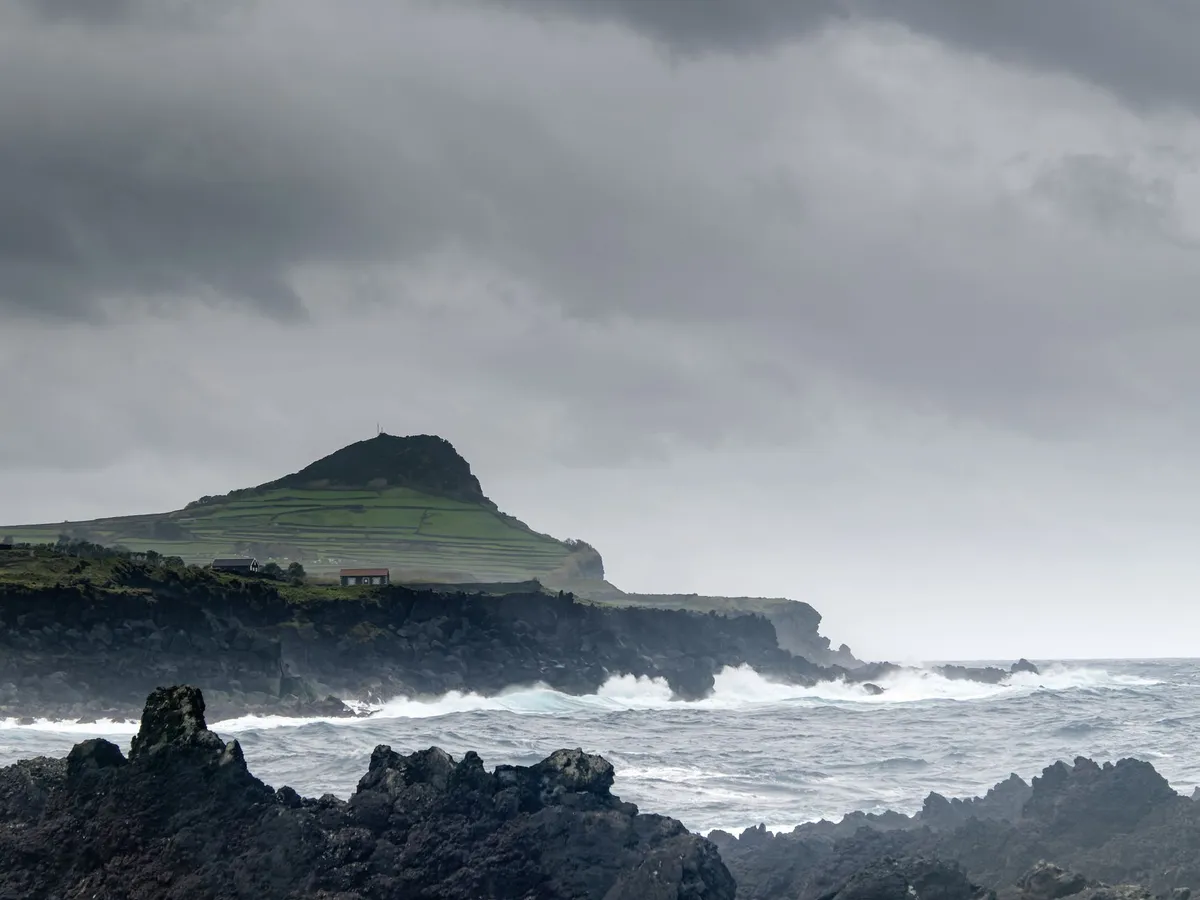
Island‑Hopping with Purpose: Why the Azores Lead Sustainable Travel The Azores, a nine‑island Portuguese archipelago perched in the middle of the North Atlantic, have quietly become a laboratory for low‑impact tourism. Their UNESCO‑designated marine reserves, volcanic soils that support organic farming, and a government committed to carbon‑neutral goals make them a perfect testing ground for the eco‑conscious traveler. Unlike the crowded streets of mainland tourist hotspots, the Azores still retain a modest visitor density—averaging fewer than 1.5 million arrivals per year, well below the 30 million threshold that strains infrastructure in many Mediterranean destinations. This lower footfall translates into cleaner beaches, less congested roads, and a genuine sense of community involvement in preservation projects. Sustainability here is not an afterthought; it is woven into policy. The Regional Government launched the “Blue Economy” strategy in 2022, pledging to increase renewable energy to 80 % by 2030. Wind turbines dot the coastal ridges of São Miguel and Terceira, while geothermal plants on São Miguel already supply roughly 30 % of the island’s electricity. For travelers, the result is a network of eco‑certified lodgings that run on clean power, and public transport that runs on biodiesel or electric buses. Beyond the macro policies, the islands’ micro‑ecosystems reward mindful exploration. The volcanic caldera of Sete Cidades on São Miguel, with its twin lakes of contrasting colors, is a fragile landscape where foot traffic is carefully managed through boardwalks and limited visitor numbers. In the Azores, “Leave No Trace” is not a slogan but a regulatory requirement; many trailheads require hikers to sign a digital pledge to carry out all waste. Sustainable island‑hopping therefore becomes a narrative of balance—leveraging the archipelago’s natural bounty while actively contributing to its preservation. The following sections break down how you can align your remote‑work lifestyle with the Azores’ green ambitions, from visa logistics to daily budgeting, without sacrificing the thrill of hopping from one volcanic gem to the next. Plugging In: Navigating Connectivity and the D8 Digital Nomad Visa For digital nomads, reliable internet is as essential as clean water. The Azores boast a 99.5 % fiber‑to‑the‑home coverage rate, with average download speeds hovering around 250 Mbps in the two main urban hubs—Ponta Delgada (São Miguel) and Angra do Heroísmo (Terceira). Real‑world case studies from 2024‑2025 report that co‑working spaces such as “Co‑Work Azores” in Ponta Delgada consistently deliver sub‑30‑ms latency, sufficient for video conferencing, cloud‑based design, and even 4K streaming. The D8 Digital Nomad visa, introduced by Portugal in 2022 and updated for 2026, is the gateway for long‑term remote work. Applicants must demonstrate a minimum monthly income of €1,000, proof of health insurance, and a clean criminal record. The application fee ranges from €90 to €110, and processing time averages 30 days. Once approved, the visa grants a stay of up to one year, renewable for an additional year, provided the income threshold is maintained. While Ponta Delgada offers the most robust connectivity, smaller islands like Faial or Graciosa present a trade‑off: breathtaking isolation paired with slightly higher latency (averaging 70–90 ms) due to limited fiber back‑haul. For remote workers who value solitude over split‑second response times, these islands become attractive, provided you plan for occasional “offline days” when the satellite backup is engaged. The D8 visa also simplifies tax residency. Nomads can elect to retain their home‑country tax status if they spend fewer than 183 days in Portugal, a crucial consideration for freelancers whose fiscal obligations span multiple jurisdictions. Moreover, the Regional Government offers a “Green Nomad” incentive—subsidized co‑working memberships for those who commit to using public transport or electric scooters for daily commuting. Balancing connectivity and ecological footprint is at the heart of the Azores’ digital‑nomad ecosystem. By selecting a base—whether the bustling port city of Ponta Delgada or the quieter harbor of Horta on Faial—you can calibrate your workflow, budget, and carbon impact. Budget‑Friendly Green Living: Cost of Life on Each Island Financial sustainability is as vital as environmental stewardship. Recent Numbeo data (2026) shows the average monthly cost of living for a single expatriate in the Azores ranges from €950 in the less‑touristy island of São Jorge to €1,350 in the more developed Ponta Delgada. These figures include rent for a modest one‑bedroom apartment, utilities, groceries, and transportation, but exclude discretionary spending on tours or fine dining. Island Avg. Monthly Rent (1‑BR) Utilities (incl. 99.5 % fiber) Groceries Index* Public Transport Pass Typical D8‑Compliant BudgetSão Miguel (Ponta Delgada) €720 €65 68 €38 €1,300‑€1,500Terceira (Angra do Heroísmo) €650 €60 66 €35 €1,200‑€1,400Faial (Horta) €560 €55 64 €30 €1,050‑€1,250São Jorge €480 €50 62 €28 €950‑€1,150Pico €500 €52 63 €29 €970‑€1,180Santa Maria €470 €48 60 €27 €940‑€1,120Graciosa €460 €47 59 €26 €930‑€1,100Flores €440 €45 58 €25 €910‑€1,080Corvo €420 €44 57 €24 €890‑€1,050*Groceries Index is a relative measure against Lisbon (100 = same price). Rent prices reflect a mix of traditional stone houses renovated for modern comforts and newer eco‑buildings that incorporate solar panels and rainwater harvesting. Utilities are notably lower than mainland Portugal thanks to the high share of renewable energy. Grocery costs benefit from the islands’ emphasis on locally produced dairy, fish, and vegetables—items that are often 10‑15 % cheaper than on the mainland. A typical D8‑compliant budget of €1,000‑€1,500 per month comfortably covers a modest lifestyle on any island, with the upper range allowing for occasional guided eco‑tours, organic meals at farm‑to‑table cafés, and a reliable co‑working membership. The lower‑cost islands also present an opportunity for “green entrepreneurship,” where travelers can rent a small studio, set up a solar‑powered home office, and contribute to the local economy by offering workshops or remote consulting services. Transportation costs remain modest: a monthly pass for buses and ferries across the archipelago costs €45‑€60, and many islands have introduced electric bike‑share schemes that charge €0.10 per minute—an attractive alternative to rental cars that emit higher CO₂. By aligning your spending with the Azores’ cost structure, you can maintain a comfortable remote‑work lifestyle while directly supporting the region’s sustainable development goals. Eco‑Conscious Activities: Low‑Impact Adventures Across the Archipelago Adventure in the Azores does not require a carbon‑heavy footprint. The islands’ volcanic geology, crystal‑clear lagoons, and endemic flora create a playground for activities that leave almost no trace. Here are the top low‑impact experiences, organized by island, and how to execute them responsibly. São Miguel – Whale Watching with Certified Eco‑OperatorsThe island’s surrounding waters host resident sperm whales and migrating blue whales. Certified operators follow strict guidelines: limiting vessel numbers to three per day, maintaining a 300‑meter distance, and using low‑noise engines. Prices average €70 per person for a two‑hour excursion, with a portion of proceeds funding marine‑research initiatives at the University of the Azores. Terceira – Hiking the Angra do Heroísmo UNESCO TrailThis trail circles the historic city, passing volcanic basalt formations and ancient fortifications. Hikers are required to stay on marked pathways to protect native lichen species. Portable water filters are encouraged to reduce plastic bottle waste. Faial – Kayaking the Caldeira da RibeiraPaddlers can explore the rim of the island’s massive volcanic crater, where calm waters reflect the surrounding cliffs. Local NGOs provide free kayak rentals in exchange for participants joining a post‑trip shoreline cleanup. São Jorge – Sustainable Cheese Farm VisitsThe island’s famed “Queijo São Jorge” is produced using traditional methods that rely on pasture‑grazed cows. Tours are limited to groups of ten, and visitors are invited to sample cheese while learning about the farm’s circular waste system—manure is composted for crops, and excess water is reclaimed for irrigation. Pico – Climbing Mount Pico with Minimal GearAt 2,351 m, Mount Pico is Portugal’s highest peak. Guided climbs emphasize “leave‑no‑trace” ethics: climbers carry reusable water bottles, use biodegradable soap, and pack out all waste. The ascent typically takes 6–8 hours, and the summit offers panoramic views of all nine islands—a reminder of the archipelago’s interconnected ecosystems. Across all islands, the Azores’ “Eco‑Pass” program provides a single digital ticket that grants access to public transport, bike‑share, and selected tours at a discounted rate, encouraging visitors to reduce reliance on rental cars. By prioritizing these activities, you not only enjoy the archipelago’s natural wonders but also reinforce the local commitment to low‑impact tourism. Building a Zero‑Waste Itinerary: Tools, Resources, and Community Hubs Transitioning from a conventional travel plan to a zero‑waste itinerary is achievable with a few strategic tools and local partnerships. The Azores’ burgeoning eco‑network offers digital and physical resources that streamline sustainable choices. Digital Toolkit Eco‑Map App – Developed by the Regional Government, this offline‑capable map highlights refill stations, compost bins, and certified zero‑waste cafés in each municipality. Green‑Visa Tracker – A spreadsheet template aligned with D8 visa requirements, allowing you to log income, health insurance, and monthly expenses while flagging any excess carbon‑intensive purchases. Carbon Offset Calculator – Integrated into the “Azores Travel” portal, it estimates emissions from flights, ferries, and local transport, offering direct links to regional reforestation projects.Physical Hubs Ponta Delgada Eco‑Hub – A co‑working space that also functions as a community kitchen, providing bulk pantry staples (beans, rice, local honey) in reusable containers. Membership includes a weekly “Zero‑Waste Workshop” where locals teach upcycling techniques for plastic nets and fishing gear. Angra do Heroísmo Green Library – Offers free bike rentals and a “Borrow‑A‑Tool” program for camping gear, reducing the need to purchase single‑use equipment. Faial Sustainable Market – Operates every Saturday, allowing travelers to purchase fresh produce directly from farmers who practice regenerative agriculture.Practical Steps Pack Reusables – Bring a stainless‑steel water bottle, collapsible coffee cup, and a set of silicone food bags. The first refill station you encounter will be in Ponta Delgada’s main square, where tap water is filtered and safe to drink. Adopt a “One‑Bag” Rule – Limit your daily waste to a single reusable bag; any non‑recyclable items must be taken back home. Choose Accommodations with Waste Segregation – Most eco‑lodges label bins for organics, plastics, glass, and metal. Participate actively by separating your trash. Support Local Circular Economies – Pay for meals at restaurants that compost food scraps and source fish from certified sustainable fisheries.By weaving these tools into your daily routine, you transform the Azores from a destination into a partner in your sustainability journey. The synergy between the D8 visa framework, robust digital infrastructure, and community‑driven zero‑waste initiatives creates a replicable model for other archipelagos worldwide. Your Sustainable Blueprint Awaits Imagine waking each morning to the gentle roar of Atlantic waves, logging into a high‑speed fiber connection, and stepping out onto a volcanic trail that feels untouched by mass tourism. The Azores make this vision possible—not just as a backdrop for remote work, but as an active collaborator in your eco‑conscious lifestyle. By securing the D8 Digital Nomad visa, choosing an island that aligns with your connectivity needs, budgeting wisely within the €1,000‑€1,500 monthly range, and engaging in low‑impact activities, you become part of a living laboratory for sustainable travel. The archipelago’s blend of renewable energy, zero‑waste community hubs, and transparent cost structures empowers you to leave a positive footprint while exploring one of the world’s most geologically spectacular regions. Pack your reusable gear, download the Eco‑Map, and set your compass for the Azores. The islands are waiting—not just for tourists, but for responsible explorers ready to co‑create a greener future. #SustainableTravel #DigitalNomad #AzoresAdventure Related InsightsThe Silent Sentinels: Documenting Rapa Nui The Arctic's Whispering Skies: Your Ultimate Guide to Unlocking Scandinavia's Northern Lights Mystique (Part 2) The Shimmering Waters: Documenting Plitvice Lakes National Park{ "@context": "https://schema.org", "@type": "FAQPage", "mainEntity": [ { "@type": "Question", "name": "What is the main focus of Sustainable Archipelagos: Crafting an Eco‑Conscious Island‑Hopping Blueprint for the Azores?", "acceptedAnswer": { "@type": "Answer", "text": "Explore the Azores through a sustainable lens—discover green accommodations, reliable fiber internet, D8 visa pathways, and low‑impact adventures that let you travel responsibly." } }, { "@type": "Question", "name": "Who authored the comprehensive guide on Sustainable Archipelagos: Crafting an Eco‑Conscious Island‑Hopping Blueprint for the Azores?", "acceptedAnswer": { "@type": "Answer", "text": "This detailed article and its insights were carefully researched and authored by Chloe Tremblay." } }, { "@type": "Question", "name": "Where can I find more related content about Travel?", "acceptedAnswer": { "@type": "Answer", "text": "You can explore more articles, detailed reviews, and similar insights by browsing the Related Insights section at the bottom of this article or visiting our dedicated Travel category page." } } ] }
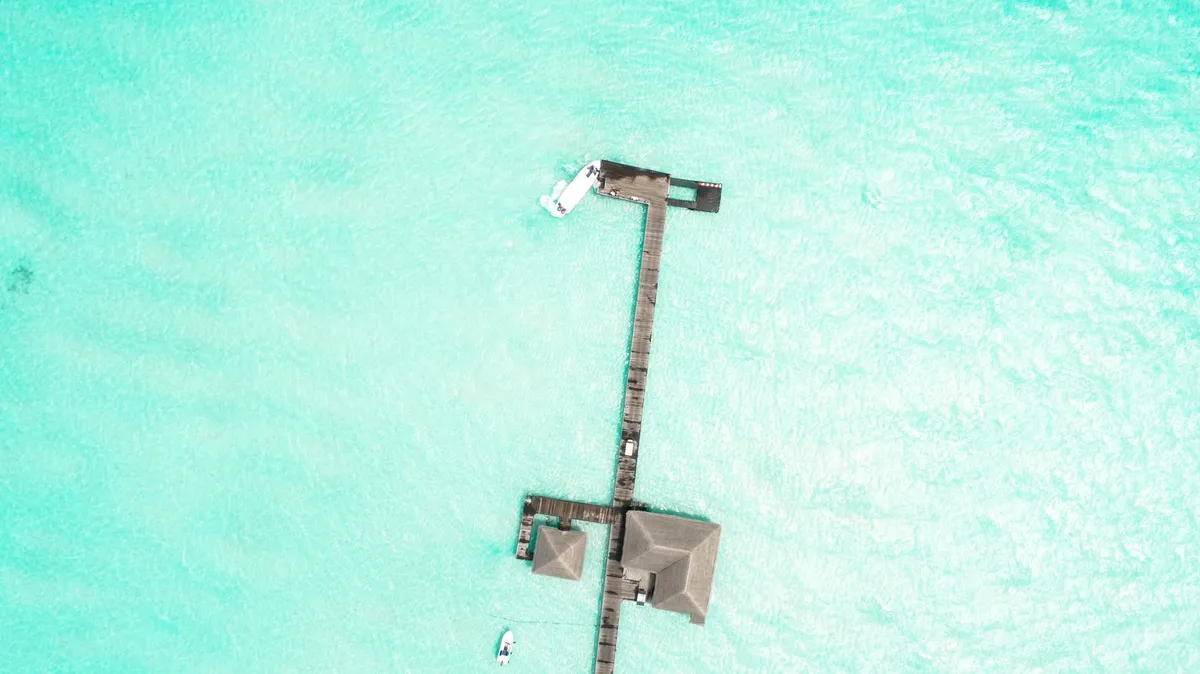
The Siren Call of the Indian Ocean The Maldives is not merely a destination; it is an archipelago of 1,192 coral islands that define the pinnacle of tropical indulgence. As an expert observer of global travel trends, I have witnessed the evolution of this nation from a secluded diving retreat to the global epicenter of "barefoot luxury." Yet, beneath the veneer of champagne sunsets and private infinity pools lies a geography fighting for its very existence. The iconic overwater bungalows, which have become the visual shorthand for paradise, occupy a unique space in the tension between high-end tourism and environmental stewardship. When you step onto the wooden jetty of a private island resort, you are entering a micro-economy that operates on a razor-thin margin between environmental extraction and preservation. The sustainability of this model relies on the ability of the tourism industry to pivot from passive enjoyment to active conservation. The Maldivian government, alongside private hospitality conglomerates, is increasingly mandating that resorts invest in their immediate marine surroundings. This is no longer just about planting a few coral fragments; it is about complex bio-rock infrastructure, large-scale seagrass protection, and the mitigation of carbon footprints in one of the most remote regions on Earth. For the discerning traveler in 2026, the question is no longer just "Is the water clear?" but "How does my stay contribute to keeping it that way?" The modern voyager understands that their footprint is indelible, and they choose to make it as light as possible. As we delve into the mechanics of living, vacationing, and protecting this aquatic heaven, remember that your choice of accommodation dictates the survival of the reefs that protect these islands from the rising tide.Luxury Living at the Edge of the Reef Staying in an overwater villa offers an unparalleled sensory experience, but it also places the guest directly atop a fragile nursery. Coral reefs are the beating heart of the Maldives, acting as natural breakwaters against the volatile Indian Ocean. Without these structures, many of the islands would struggle to maintain their physical integrity. In the past, the construction of villas involved dredging and land reclamation, which often suffocated the very reefs being advertised. Today, the narrative has shifted. Leading resorts are adopting "no-net-loss" policies, where the footprint of a villa is offset by the creation of new, protected nursery zones. Guests are now invited to participate in the "adopt-a-coral" programs, which are becoming standard fare in luxury travel packages. When you book your stay, look for properties that utilize non-invasive pillar construction, allowing water to flow naturally beneath your villa, maintaining the connectivity of the reef ecosystem. The cost of this luxury is significant, yet it is a necessary investment to ensure that the Maldivian dream remains a physical reality rather than a digital archive. In terms of your personal expenditure, planning for 2026 requires understanding that sustainability is often bundled into the premium rates. However, the premium is worth the cost when you realize that your presence is funding the marine biologists who patrol these reefs. The intersection of architectural marvels and environmental responsibility is where the true prestige of Maldivian travel now resides. You are not just paying for a room; you are paying for the continued guardianship of an underwater cathedral. Navigating the 2026 Economic Landscape For those considering the Maldives as more than a short-term destination—perhaps as a digital nomad hub or an expat home—the economic landscape of 2026 is complex. The cost of living is heavily influenced by the import-dependent nature of the archipelago. While local markets offer fresh, vibrant produce, anything beyond the basics, such as imported spirits, international culinary staples, or high-speed hardware, carries a significant markup due to the logistics of island-to-island transport. Understanding the price structure is vital for anyone planning an extended stay. In the capital, Malé, the cost of living is distinct from that of the private resort islands. As an expat, you will find that rent constitutes the bulk of your expenditure. Finding a long-term lease requires navigating a market that is increasingly geared toward luxury tourism, which can inflate prices for non-nationals. When budgeting for 2026, account for the fluctuating cost of utilities, specifically electricity and desalination. Water management is a critical issue; while you are surrounded by the sea, fresh water is a precious commodity. You must factor in the cost of high-quality internet connectivity, which, while improved, can be expensive compared to mainland hubs. Furthermore, visa pathways have become more streamlined, yet they necessitate proof of financial stability that exceeds the requirements of many other Southeast Asian or South Asian nations. The Maldives is not a low-cost getaway; it is a high-value investment in an exclusive lifestyle that demands fiscal foresight and respect for the local economic challenges.Economic Data and Local Price Trends The table below provides a representative snapshot of costs in the Maldives for the year 2026. Note that these are estimated averages based on prevailing trends; actual costs will fluctuate significantly depending on whether you are situated on a local island or an isolated luxury resort.Expense Category Estimated Monthly Cost (USD) Notes for 2026Apartment Rent (1 BR in Malé) $1,200 - $2,200 Prices rise sharply near the waterfront.Basic Utilities (Elect/Water) $150 - $250 Highly dependent on AC usage and conservation.Local Market Groceries $400 - $600 Focus on local fish/fruits to keep costs low.Imported Goods/Alcohol $300 - $500 High taxes on non-local items remain in effect.High-Speed Internet Plan $60 - $120 Vital for remote work, varies by ISP.Transport (Ferry/Speedboat) $100 - $300 Varies by distance from island-to-island.This data illustrates the premium placed on resource accessibility. Whether you are stocking up for a week or planning a month of remote work, prioritize local supply chains to support the national economy and manage your budget effectively. Conservation as the New Standard of Luxury The true luxury in the Maldives for 2026 is no longer about gold-plated taps or marble floors; it is about biodiversity. The most prestigious resorts are those that have successfully integrated "coral regeneration" into their branding. I have seen firsthand how resorts now mandate that their guests receive a briefing on reef etiquette. This includes the use of reef-safe sunscreens, strict "no-touch" policies, and the prohibition of single-use plastics. The transition from luxury-as-consumption to luxury-as-stewardship is the most vital development in the industry. Marine biologists are now as essential to a resort’s operation as a head chef. These experts lead night-snorkeling tours that educate visitors on the bioluminescence and nocturnal feeding habits of reef inhabitants. They manage coral propagation frames, which are essentially underwater nurseries that grow resilient coral species that can withstand rising sea temperatures. As a guest, engaging with these conservation efforts adds a layer of depth to your experience that a standard resort stay simply cannot provide. You are witnessing the frontline of climate adaptation. The reefs are the first line of defense against the rising sea levels that threaten the very existence of these low-lying islands. Therefore, supporting these programs is not just a virtuous act; it is a way to ensure that the archipelago remains a place you can return to in the coming decades. When you book, look for the 'Green Globe' or 'EarthCheck' certifications, which signal a verified commitment to these practices. Your participation in these initiatives turns your vacation into a partnership with nature.The Future of the Archipelago: Beyond the Horizon Looking toward the future, the Maldives stands at a crossroads. The economic viability of the nation remains inextricably linked to the health of its natural wonders. As we move further into the decade, we will see an increased reliance on smart-island technology—solar-powered desalination, automated waste management systems, and AI-driven monitoring of reef health. This technological adoption is not just for efficiency; it is an existential necessity. For the traveler, this means that the Maldives is becoming a living laboratory for sustainable tourism. If you are planning to visit or settle in the Maldives, bring with you a sense of responsibility. Engage with the local culture, which is deeply rooted in the Islamic tradition and seafaring history. Support local businesses on the inhabited islands, where you can find authentic Maldivian cuisine—try the mas huni, a traditional breakfast of tuna and coconut, which is not only delicious but also utilizes the bounty of the ocean in a sustainable manner. The Maldives of 2026 is a place of profound beauty, but it is also a place that demands humility from its visitors. By choosing to travel consciously, you are acknowledging that the privilege of witnessing this paradise comes with the duty to preserve it. The water is calling, and it is clearer than ever that the path forward must be paved with respect, research, and a deep, enduring commitment to the conservation of the world’s most precious coral kingdom. We must ensure that the legacy of the Maldives is not one of lost islands, but of a global success story in environmental adaptation and resilient human joy. The lasting impression of the Maldives is one of absolute clarity—a clarity of water, of light, and of purpose. Whether you are an expat working from a bustling local cafe in Hulhumalé or a traveler relaxing in an overwater villa in the Baa Atoll, you are part of a narrative that is far larger than your individual stay. The choices we make today regarding our consumption, our waste, and our interaction with the reef will echo in the depths for generations. May your journey to this island nation be one of discovery, not just of the landscapes, but of your own capacity to contribute to the preservation of the extraordinary. #SustainableTravel #MaldivesConservation #IslandLife #EcoLuxury #GlobalNomad Related InsightsGrüne Pfade: Wie nachhaltiger Tourismus das Herz der Erde bewahrt Australien: Wo die Ewigkeit des Outbacks auf den Puls der Moderne trifft Echoes in Stone: Unearthing Sardinia's Lost Cyclopean Mysteries in the Wild Heart of Barbagia{ "@context": "https://schema.org", "@type": "FAQPage", "mainEntity": [ { "@type": "Question", "name": "What is the main focus of Azure Horizons and Fragile Ecosystems: The Maldives Reality Check?", "acceptedAnswer": { "@type": "Answer", "text": "Explore the delicate balance between Maldives luxury overwater living and urgent coral reef conservation, complete with essential 2026 economic insights." } }, { "@type": "Question", "name": "Who authored the comprehensive guide on Azure Horizons and Fragile Ecosystems: The Maldives Reality Check?", "acceptedAnswer": { "@type": "Answer", "text": "This detailed article and its insights were carefully researched and authored by Aisha Sharma." } }, { "@type": "Question", "name": "Where can I find more related content about Travel?", "acceptedAnswer": { "@type": "Answer", "text": "You can explore more articles, detailed reviews, and similar insights by browsing the Related Insights section at the bottom of this article or visiting our dedicated Travel category page." } } ] }
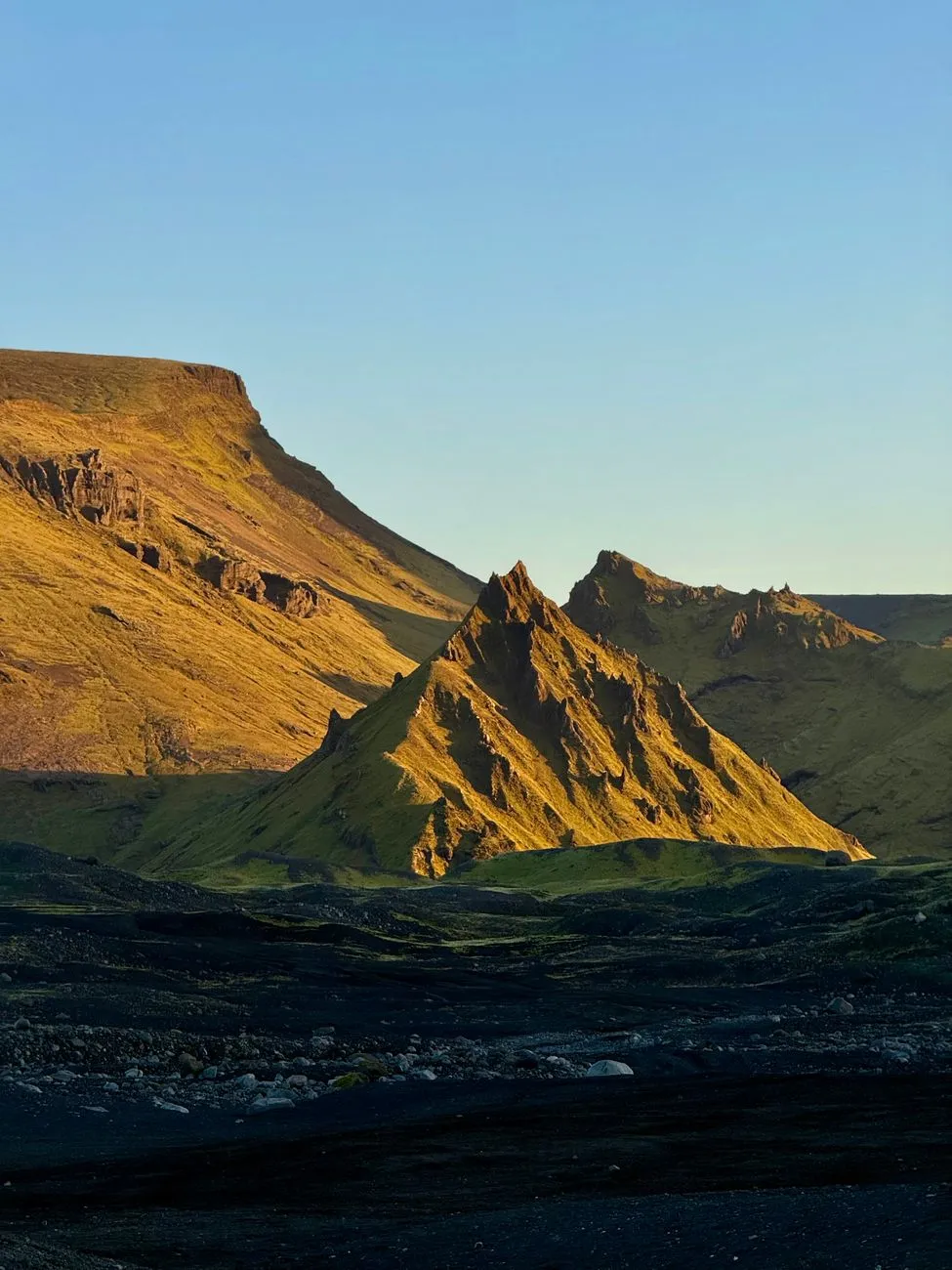
The siren song of the North is louder than ever, and for the modern remote worker, Iceland’s Golden Circle has transformed from a mere tourist checklist into a potential long-term base. As we step into 2026, the intersection of rugged wilderness and high-speed fiber-optic connectivity has created a paradox: how does one balance the raw, unforgiving elements of the Arctic with the professional demands of a global digital career? I am Mark Dinn, and having spent years navigating the nomadic lifestyle across various continents, I find that Iceland demands more preparation, more capital, and more reverence than perhaps any other destination on the planet. This region, defined by the interplay of tectonic shifts, geothermal heat, and glacial water, is not a place for the impulsive traveler. It is a place for the disciplined professional. To thrive here, you must understand the logistical scaffolding that supports life in a country where the sun dictates your mood and the wind dictates your schedule. We are looking at a landscape where the infrastructure is top-tier, but the price of admission—both literally and figuratively—is high. If you are planning to relocate your office to the shadow of the Great Geysir, you need a blueprint that goes beyond Instagram filters. You need the cold, hard data of 2026. Navigating the Legal Landscape of Icelandic Remote Residency The Icelandic long-term visa for remote work remains one of the most coveted yet misunderstood documents in the digital nomad ecosystem. By 2026, the process has matured into a stable, albeit stringent, administrative procedure. To be eligible, you must prove that you are not seeking to settle permanently in the traditional sense, but rather that you are an international professional providing services to companies based outside of Iceland. The core requirement remains: a consistent monthly income threshold that reflects the country’s high cost of living. As of current assessments, the income requirement is significant—aimed at ensuring you can sustain yourself without tapping into the local labor market. When you cross the 183-day threshold, you become a tax resident. This is where many nomads get caught off guard. Iceland’s tax system is robust and integrated; once you hit that six-month mark, the Revenue Directorate will expect a declaration of your global income. It is imperative that you consult with a local tax advisor before you even land in Keflavík. Many nomads choose to rotate their stays to avoid the automatic tax residency trap, but for those committed to the full experience, it is a matter of integrating into the local financial infrastructure. Banking in Iceland is remarkably digitized, yet it is notoriously difficult to open a local kennitala (national ID) account without a specific residence permit. For most nomads on the remote work visa, you will be relying on international digital banking solutions. However, you will need that Icelandic ID number for everything from gym memberships to booking local logistics or utilities in the Golden Circle area. This bureaucratic hurdle is the first test of your patience. If you can navigate the UTL (Directorate of Immigration) requirements, you have already cleared the hardest part of the relocation. The transition from tourist to resident is not a physical move; it is a mental shift into the methodical, organized, and often expensive reality of Icelandic law.The Financial Reality of the Fire and Ice Economy Living in the Golden Circle is an indulgence that comes with a steep price tag. When we look at the numbers for 2026, it is clear that Iceland is not for the budget-conscious traveler. The cost of living is approximately 47.4% higher than in the United States, a figure that becomes tangible the moment you walk into a grocery store in Selfoss or Hveragerði. For a single person, excluding rent, you are looking at a monthly commitment of roughly $1,594.60 (191,609.7 ISK). If you are bringing a family, that figure balloons to over $6,000, and that is before you sign a lease on a property that is likely heated by geothermal energy but priced by local scarcity. The primary expenses that will erode your savings are food, imported goods, and transport. Because the Golden Circle is a relatively remote, sparsely populated area, you will be reliant on a vehicle. Car ownership in Iceland is expensive due to taxes, fuel costs, and the high maintenance required to handle the volcanic terrain and harsh winters. You aren't just paying for the car; you are paying for the safety features and the insurance that covers damage from everything from volcanic ash to stray sheep. Despite these costs, the value proposition is found in the intangible. High-speed, reliable internet is ubiquitous, even in the smallest hamlets. You will rarely find yourself offline. Utilities, specifically electricity and heating, are surprisingly affordable compared to the rest of Europe because they are sourced directly from geothermal vents. This is a massive boon for the remote worker. Your heating bill in the dead of winter will be a fraction of what you would pay in a modern apartment in London or New York. The trade-off is clear: you pay a premium for imported food and transport, but you save significantly on your climate-controlled office environment. Smart nomads learn to live like locals—buying seasonal produce, utilizing the local community pools (the heart of Icelandic social life), and minimizing trips to the capital for non-essentials.Expense Category Monthly Cost (Single - USD) Monthly Cost (Family of 4 - USD)Basic Utilities (Heating/Water) $185.00 $310.00Grocery/Food Supplies $650.00 $2,400.00High-Speed Internet/Comms $95.00 $130.00Transportation/Fuel/Maintenance $480.00 $1,250.00Leisure/Community Pools $184.60 $1,937.20Total (Excluding Rent) $1,594.60 $6,027.20Climate Adaptation and the Nomad’s Daily Schedule The climate in the Golden Circle is not something you "deal with"—it is something you integrate into your daily pulse. By 2026, the weather patterns have remained as volatile as ever. In the summer, the Midnight Sun provides an almost unnatural energy; you might find yourself working until midnight, simply because your internal clock forgets that darkness is a requirement for sleep. Conversely, the winter brings the short, dark days where the sun barely crests the horizon. This is the most challenging period for the nomadic professional. If you lack structure, the seasonal affective shift can plummet your productivity and mood. Successful nomads in the Golden Circle don't fight the weather; they equip for it. My advice is to invest in high-quality technical gear immediately. Do not buy your outdoor clothing locally unless you are prepared to pay the premium; bring your base layers, high-end waterproof shells, and durable footwear from home. You will be spending your mornings either working or hitting the local geothermal pools to wake your muscles. The pool culture—sundlaugar—is essential for mental health. Sitting in a 40-degree Celsius hot tub while the air temperature hovers near freezing is the most effective way to clear a brain drained by Zoom calls and data analysis. Your workday in the Golden Circle will likely be fragmented. You might choose to block your time during the early morning hours, catch the peak daylight for outdoor exploration during lunch, and finish your tasks in the evening. This flexibility is the nomad’s greatest asset. However, you must remain vigilant about safety. If you decide to go for a hike near the Gullfoss waterfall or the Kerid crater, check the local weather apps religiously. The wind speeds in Iceland can be lethal, and the weather changes in minutes. When you are a remote worker, your laptop is your livelihood; don't risk getting caught in a storm that makes it impossible to return to your workspace. The Golden Circle teaches you that efficiency is not about doing things fast; it is about doing things at the right time when the elements allow.Infrastructure, Connectivity, and the Remote Office The myth of the isolated nomad in Iceland is just that—a myth. In 2026, the Golden Circle is arguably one of the most technologically advanced regions in the world. Iceland has invested heavily in fiber-optic infrastructure, and most guest houses, farms, and modern residential hubs in areas like Laugarvatn or Flúðir are equipped with high-speed internet that rivals any major city. However, you must verify this before you sign a lease. A "remote" house might be picturesque, but if it relies on a satellite connection that struggles during high-wind events, your professional life will suffer. When choosing a base, look for "Work-Ready" certifications. Many properties in the Golden Circle are now catering specifically to the nomad market, offering ergonomic chairs, dedicated desk spaces, and backup power generators. This is a critical investment. Iceland’s electrical grid is stable, but in the middle of a winter blizzard, any rural property is vulnerable. Having a secondary source of power or a reliable mobile hotspot is non-negotiable. I recommend securing a local SIM card with a high-data plan immediately upon arrival; the local carriers (Nova, Síminn, Vodafone) offer coverage that is startlingly good, even in the middle of a lava field. Setting up your "city playbook" for the Golden Circle involves knowing your service hubs. You won't find a sprawling metropolis here, but you will find reliable grocery stores like Bónus and Krónan, which are the lifelines of the local economy. Plan your shopping trips. If you are working on a high-stakes project, do not count on a grocery delivery service to be available at the drop of a hat. You must manage your supplies like a local resident. Stock up on pantry staples, respect the cold chain, and understand that you are living in a supply-chain-sensitive environment. The beauty of living here is the forced simplification. Without the distractions of a city, the noise of traffic, or the constant temptation of urban consumption, you will find your output increasing. The Golden Circle is not a distraction; it is a canvas for deep, focused work. The Cultural Integration and Long-Term Lifestyle Strategy Living in the Golden Circle as a nomad is not merely about surviving the climate; it is about engaging with a culture that values autonomy, resilience, and a deep connection to the land. The local population is sparse but welcoming to those who demonstrate respect for their environment. The most common pitfall for temporary residents is a lack of engagement. If you hide behind your screen for months, you miss the essence of the Icelandic experience. Attend the local community events, support the local farmers' markets, and respect the "Leave No Trace" ethos that defines Icelandic environmental policy. If you choose to stay for an extended period, you will start to notice the rhythms of the year. The transition from the frantic tourist season in summer to the contemplative quiet of winter is profound. As a nomad, you are in the unique position of being able to observe this transformation. You aren't just visiting the Golden Circle; you are bearing witness to the geological and social changes that define this region. It is a humbling experience that shifts your perspective on what "home" really means. Ultimately, your strategy for success is rooted in the balance between professional output and personal presence. You must master the logistics—the visas, the taxes, the specialized winter gear—but you must also leave room for the wonder. Hike the trails behind the waterfalls, sit in silence at the edge of a tectonic plate, and let the sheer scale of the landscape reset your professional focus. In 2026, the Golden Circle offers more than just a place to plug in your computer; it offers a place to rediscover the clarity of purpose that often gets lost in the noise of the digital world. You are not just working in Iceland; you are living in a place that has survived eruptions, ice ages, and the relentless passage of time. If you can mirror that resilience in your work and your lifestyle, you won't just succeed here—you will thrive in a way that few professionals ever get the chance to experience. Embracing the North: Your Next Professional Frontier The Golden Circle is more than a destination; it is an environment that tests your readiness for the modern nomadic life. It requires a level of fiscal maturity and logistical discipline that is rare in the wanderlust-driven world of remote work. By navigating the complexities of the 2026 visa regulations and embracing the high costs as a trade-off for unparalleled quality of life, you position yourself at the forefront of a new wave of global professionals. Iceland does not offer an easy path, but for those willing to brave the winds and the cold, it offers the ultimate reward: a life lived with intention, surrounded by the raw, untamed majesty of the Earth. Whether you are here for the six-month permit or planning to rotate your residency to make this your long-term base, remember that the environment you cultivate is just as important as the one you are inhabiting. Keep your finances in order, respect the local infrastructure, and never stop exploring. The Land of Fire and Ice will change the way you work, the way you think, and the way you view the world. Pack your layers, secure your connectivity, and prepare for a chapter of your career that will define your professional growth for years to come. Your office is waiting, and the view is unlike anything else on the planet.#DigitalNomad #IcelandTravel #RemoteWorkLife #GoldenCircle #LocationIndependence Related Insights西递:中国古代木雕的巅峰 Dive Into a Hidden World: The Most Breathtaking Underwater Museums and Sculpture Parks L'Écho des Pierres : Voyage au Cœur du Patrimoine Vivant{ "@context": "https://schema.org", "@type": "FAQPage", "mainEntity": [ { "@type": "Question", "name": "What is the main focus of The Nomad’s Guide to the Golden Circle: Living and Thriving in Iceland’s Volcanic Heart?", "acceptedAnswer": { "@type": "Answer", "text": "Discover the realities of remote work in Iceland's Golden Circle, from navigating the digital nomad visa to managing the high cost of living in the Land of Fire and Ice." } }, { "@type": "Question", "name": "Who authored the comprehensive guide on The Nomad’s Guide to the Golden Circle: Living and Thriving in Iceland’s Volcanic Heart?", "acceptedAnswer": { "@type": "Answer", "text": "This detailed article and its insights were carefully researched and authored by Mark Dinn." } }, { "@type": "Question", "name": "Where can I find more related content about Travel?", "acceptedAnswer": { "@type": "Answer", "text": "You can explore more articles, detailed reviews, and similar insights by browsing the Related Insights section at the bottom of this article or visiting our dedicated Travel category page." } } ] }
-
 Zola Ndlovu
 - 08 Sep, 2026 21:22
Oman Unveiled: Where Golden Dunes Meet Timeless Forts and Hidden Oases
Symphonies of Sand and Stone: A Gateway to the Arabian Soul Stepping into Oman is like turning the pages of an ancient manuscript written in gold and sandstone. As an explorer who has traversed the globe, I find few places that balance the raw, untamed magnetism of the desert with the refined elegance of modern infrastructure quite like the Sultanate. Oman does not shout for your attention; it whispers in the rustle of date palms and the rhythmic lapping of the Indian Ocean against the jagged cliffs of Musandam. Here, the hospitality is not a service—it is a sacred tradition. When you land in Muscat, the capital, you are greeted by the scent of frankincense, a fragrant reminder that you are standing at the historical crossroads of the ancient incense trade routes. This is a land where the government has meticulously preserved its heritage, ensuring that the skyscrapers of the 21st century do not overshadow the crenellated silhouettes of 17th-century forts. Whether you are a digital nomad scouting for a base with a high quality of life or a traveler seeking the silence of the Wahiba Sands, Oman offers an authenticity that is increasingly rare in our hyper-connected world. The air is clear, the pace is deliberate, and the horizon is always inviting. As we navigate the complexities of travel in 2026, it is essential to understand that Oman is not merely a destination; it is a profound immersion into a culture that deeply respects its roots while gracefully embracing the future. My goal is to guide you through this majestic tapestry, providing not just the aesthetic wonders, but the practical, hard-hitting data you need to navigate the Sultanate with the authority of a seasoned local expert. From the hidden wadis that pool with turquoise water to the vibrant souqs where silver and spice hold court, Oman is a revelation waiting for those who know where to look.Navigating the Cost of the Sultanate: A Practical Financial Blueprint To travel or reside in Oman effectively in 2026, one must move past the glossy brochures and confront the fiscal reality of the region. Oman offers a sophisticated financial environment, particularly for those coming from Western metropolitan hubs. According to recent data, the cost of living in Muscat provides a stark, favorable contrast to global financial centers like New York. If you are planning an extended stay, it is vital to anchor your budget around concrete figures. For a family of four, the estimated monthly expenditure—excluding housing—hovers around $3,034.40, which translates to approximately 1,166.7 Omani Rials. For the solo traveler or the digital nomad flying solo, that figure drops to a remarkably manageable $868.00 (333.8 Omani Rials). When we analyze these figures against the backdrop of a major city like New York, the economic advantage becomes undeniable. Muscat is roughly 51.9% less expensive than New York, excluding rent. Perhaps more compelling for those looking to set up a long-term base is the housing market; rent in Muscat is, on average, 85% lower than in its American counterparts. This financial breathing room is what allows the modern traveler to trade a cramped apartment for a sprawling villa with sea views or a centrally located flat near the bustling Mutrah Corniche. However, cost of living is only one piece of the puzzle. When calculating your financial pathway, you must factor in visa requirements, which have evolved to cater more specifically to remote workers and long-term expatriates. The purchasing power of the Omani Rial is robust, and when you combine lower daily expenses with the high quality of public infrastructure—such as the pristine roads and advanced telecommunications—the value proposition of choosing Oman for your next nomadic chapter becomes incredibly strong. As you build your itinerary, remember that while luxury is readily available, the true essence of Omani travel is found in the intersection of affordability and accessibility. Architectural Marvels and the Sentinels of Time The skyline of Oman is a dialogue between the earth and the heavens. Unlike the glass-and-steel competition seen in neighboring states, Omani architecture remains resolutely grounded in its environment. The forts—Nizwa, Bahla, and Nakhal—are not merely relics; they are the architectural anchors of the nation. Nizwa Fort, with its massive circular drum, stands as a testament to the Imamate period, providing a tactical view of the surrounding palm oases. To walk through these corridors is to touch the very foundation of Omani resilience. The Sultan Qaboos Grand Mosque in Muscat is perhaps the most striking example of modern Islamic architecture, housing one of the world's largest hand-woven carpets and a chandelier that mimics the starry night sky. The precision involved in these structures is staggering, often utilizing local limestone and traditional woodworking techniques that have been passed down through generations. These buildings are more than just tourist sites; they are functional symbols of the Sultanate’s dedication to preserving a cohesive national identity. When exploring these sites, one notices the deliberate lack of overwhelming modernization within the historic districts. The government has implemented strict zoning laws to ensure that the charm of the past remains undisturbed. Whether you are staring up at the intricate woodwork of a mosque ceiling or tracing the defensive masonry of a coastal watchtower, you are witnessing a commitment to longevity. For the discerning photographer, the interplay of light and shadow on these golden-hued structures during the 'golden hour' provides some of the most dramatic imagery in the Middle East. It is in these moments, surrounded by the silence of ancient stone, that you realize Oman is not interested in keeping pace with the world; it is interested in defining its own rhythm, one that is perfectly synced with the cycles of history.Wadis, Oasis, and the Turquoise Heart of the Desert If the forts are the bones of Oman, then the wadis are its lifeblood. A 'wadi' is a valley or a dry riverbed that, in Oman, often blossoms into a series of crystal-clear swimming holes fed by mountain springs. Wadi Shab is the crowning jewel of this geography. To reach it, you must take a small boat across a river, hike through rugged limestone cliffs, and navigate a series of submerged passages that lead you into a hidden cavern with a waterfall. It is a surreal, almost ethereal experience. This is the antithesis of the typical tourist beach experience. Here, the water is cool, the stone is smooth, and the only soundtrack is the gentle echo of water against rock. Beyond Wadi Shab, places like Wadi Bani Khalid offer a more accessible, but no less stunning, oasis experience. The contrast between the harsh, arid mountains and these lush, verdant pockets of water is what defines the Omani landscape. For the adventurous, these areas provide incredible hiking and canyoning opportunities. The water quality is exceptional, often mineral-rich and refreshing even in the peak of the Arabian summer. However, it is essential to respect the environment of these hidden oases. As a visitor, you are a guest in a fragile ecosystem. Local customs dictate modest dress even when swimming in these remote areas, and leave-no-trace principles are strictly expected. Engaging with the locals near these wadis—often farmers tending to date palms or grazing goats—offers a glimpse into a rural lifestyle that remains largely unchanged by the rapid digitization of the cities. Taking the time to share a coffee and dates with a local villager near a wadi provides a depth of cultural understanding that no guidebook can offer. It is here, far from the Wi-Fi signals and the noise of the city, that you will find the true, beating heart of Oman. A Comparative Analysis of Lifestyle ExpendituresExpense Category Muscat Average (USD) Comparative Index (vs NYC)Monthly Rent (1-Bed City Center) $450 - $650 85% LowerBasic Utilities (Monthly) $85 - $120 40% LowerRestaurant Meal (Mid-range) $15 - $25 60% LowerPublic Transport/Fuel $40 - $60 50% LowerGroceries (Monthly/Person) $200 - $300 45% LowerHigh-Speed Internet (Monthly) $40 - $55 ComparableThe table above illustrates the economic reality for those considering a transition to life in the Sultanate. While costs such as high-speed internet remain competitive with Western prices due to the reliance on imported infrastructure and advanced telecommunications networks, the fundamental costs of living—namely shelter and sustenance—provide significant savings. This economic delta is the primary driver for the growing influx of digital nomads who prioritize a high quality of life, safety, and cultural depth over the high-octane pace of major Western capitals. When analyzing these figures, consider the total package: the ability to live in a secure, stable, and culturally rich environment at a fraction of the cost found in global financial hubs. Furthermore, the lack of traditional income tax on personal earnings for many expatriates adds an additional layer of financial attractiveness. When you combine these economic benefits with the natural beauty and the historical depth of the region, the Sultanate emerges not just as a travel destination, but as a viable, long-term lifestyle choice. The data confirms what many who have visited already know: Oman is a hidden economic gem that rewards those who take the time to look beneath the surface. From the affordable fresh produce in the Muttrah Souq to the reasonably priced luxury of coastal housing, the Sultanate invites you to live well while experiencing a culture that places a premium on peace, progress, and historical integrity. It is an investment in your quality of life, offering a rare blend of modern convenience and ancient soul that is increasingly hard to find in a rapidly shifting global landscape.The Art of Living: Traditions, Flavors, and the Future of Travel As we look toward the future of travel in 2026, Oman remains a bastion of tradition in a world that often loses its way in the pursuit of the next trend. The hospitality here is anchored in 'Kahwa'—a bitter, cardamom-infused coffee served with sweet, chewy dates. It is a ritual performed in every home and every luxury hotel alike, a symbol of the Omani belief that a guest is a gift from God. This ethos extends to how the Sultanate manages its growth. The focus is on sustainable tourism—preserving the mountain trails, protecting the turtle nesting grounds at Ras Al Jinz, and ensuring the maritime history of Sur remains a living legacy rather than a dusty exhibit. For the traveler, this means that every dollar spent in Oman contributes to a larger mission of preservation. Whether you are bargaining for handmade silver in the souq or embarking on a desert safari, you are participating in a local economy that values quality and craftsmanship. The Omani people are exceptionally welcoming, and they are proud to share their land with those who show respect for their values. As you conclude your journey through the golden dunes and the timeworn forts, you will likely find that Oman has changed you. It reminds us that there is a profound power in simplicity, in the endurance of stone, and in the timelessness of a sunset over the desert. It is a place where you can find both the silence required for deep reflection and the vibrancy needed for genuine inspiration. As you prepare to leave, you will realize that you are not just taking photos or souvenirs with you; you are carrying a piece of a story that is as vast and beautiful as the Rub' al Khali itself. Oman is, and will always be, a beacon for the intentional traveler—one who looks for the gold not just in the dunes, but in the people, the history, and the quiet, enduring wisdom of the land. It is time to venture forth, with your camera ready and your heart open to the wonders of the Sultanate. #OmanTravel #DigitalNomad #MiddleEastDiscovery #LuxuryTravel #HiddenGems Related InsightsThe Pantanal Chronicles: Into the Heart of Earth’s Greatest Wetland Sanctuary L'Orizzonte Senza Fine: Viaggio nell'Anima e nel Motore del Turismo Australiano Le Isole che Respirano il Vento: Il Risveglio Silenzioso delle Fær Øer{ "@context": "https://schema.org", "@type": "FAQPage", "mainEntity": [ { "@type": "Question", "name": "What is the main focus of Oman Unveiled: Where Golden Dunes Meet Timeless Forts and Hidden Oases?", "acceptedAnswer": { "@type": "Answer", "text": "Discover the majestic beauty of Oman, from the vast Wahiba Sands to historic Muscat, with a comprehensive guide on culture, travel, and realistic living costs for the modern explorer." } }, { "@type": "Question", "name": "Who authored the comprehensive guide on Oman Unveiled: Where Golden Dunes Meet Timeless Forts and Hidden Oases?", "acceptedAnswer": { "@type": "Answer", "text": "This detailed article and its insights were carefully researched and authored by Zola Ndlovu." } }, { "@type": "Question", "name": "Where can I find more related content about Travel?", "acceptedAnswer": { "@type": "Answer", "text": "You can explore more articles, detailed reviews, and similar insights by browsing the Related Insights section at the bottom of this article or visiting our dedicated Travel category page." } } ] }


The sunrise does not announce itself with the dull chime of an alarm clock; it bleeds through the sheer curtains of a loft in Lisbon or shimmers off the glass-paned skyscrapers of Singapore, marking the start of a life untethered. To be a digital nomad in 2026 is no longer an act of rebellion, but a sophisticated art form—a calculated navigation of global infrastructure, culinary heritage, and the pursuit of professional autonomy. We have moved past the era of the backpacker in a coffee shop; we are now the architects of a distributed workforce, building legacies from the edges of the world’s map. Chasing the Horizon: Where the Modern Professional Finds Anchor When we discuss the geography of 2026, we are looking at a triad of factors: latency, community, and the sanctity of the aesthetic environment. The nomadic life demands a marriage of hyper-modern connectivity and centuries-old culture. Lisbon remains the crown jewel of the European circuit. It is a city that understands the balance between the melancholic weight of Fado music echoing through the Alfama district and the rapid growth of its tech corridors. For the nomad, this means access to high-speed fiber optics tucked into apartments featuring 18th-century azulejo tiles. Moving eastward, Bali has evolved from a spiritual retreat into a refined hub for digital creators. Here, the infrastructure has matured. Coworking spaces like those in Canggu or Ubud now offer ergonomic suites that rival the best offices in Manhattan, yet you are never more than a ten-minute motorbike ride from the volcanic soil of a rice terrace.Gastronomy as a Compass: Sustenance for the Remote Mind A nomad is only as sharp as their fuel. Eating, in the year 2026, is an exercise in cultural anthropology. It is not enough to find "food"; one must find the history embedded in the plate. In the bustling night markets of Bangkok, the nomadic traveler encounters a masterclass in efficiency and sensory overload. The concept of the street food stall is the original agile startup—minimal overhead, high output, and a product that defines the culture of the region. Dining on Pad Thai cooked over a charcoal brazier is a reminder that excellence is found in the details of the craft, not in the luxury of the kitchen. In Tokyo, the dining experience transitions into a form of silent meditation. For those needing deep focus, the shokudo (traditional eateries) offer the quintessential "work-lunch" balance: rapid service, nutritional density, and an environment that demands respectful silence. The disciplined precision of a bowl of ramen or a meticulously curated bento box serves as a metaphor for the nomadic workflow—clean, efficient, and deeply rooted in tradition. The Architecture of Thrive: Designing Your Daily Rhythm Thriving is not a constant state; it is a recurring process. To thrive in 2026, one must cultivate a "Nomadic OS"—a personal operating system that manages energy rather than time. Physical health is the primary pillar of this system. In high-density hubs like Seoul or Berlin, the nomadic professional leverages the proximity of public transit and the abundance of local health markets. The ability to source fresh, organic produce in the Mitte district of Berlin allows the remote worker to maintain a lifestyle that resists the sedentary decay of standard office culture. Intellectual stimulation is the second pillar. I recommend carrying a digital library that bridges the gap between historical context and future trends. Books are the silent mentors of the nomadic life. When the internet flickers or the loneliness of a new time zone creeps in, the right prose provides the necessary architecture for the mind to restructure itself.Curating the Digital Workspace Across Borders Connectivity in 2026 is a utility as vital as water. However, the true professional learns to work around the limitations of geography. Satellite internet has changed the landscape, allowing us to find "productivity pockets" in places like the mountains of Montenegro or the coast of Patagonia. When choosing a base, I prioritize the following criteria:The 3-Hour Buffer: Does the location allow for a three-hour window of overlap with your primary team’s time zone? The Tactile Environment: Can you find a space—a library, a quiet museum cafe, or a dedicated studio—that allows for deep work? The Local Exchange: Does the city facilitate interaction with local creators, or is it merely an echo chamber of other expats?Building the Legacy: Why We Roam We roam not to escape, but to expand. The world of 2026 offers a unique convergence: we are simultaneously more connected and more transient than at any point in human history. To be a digital nomad today is to participate in a global movement of intentional living. When you spend your mornings analyzing data from a desk in Tallinn and your evenings walking the medieval walls of the city, you are bridging the divide between the past and the digital future. You are proving that work is not a location; it is a contribution. The playbook for 2026 is ultimately your own. It is a compilation of the lessons learned when the train is delayed in the Swiss Alps, when the monsoon rains hit in Singapore, and when you finally find the perfect cup of coffee in a hidden alleyway in Buenos Aires. The most successful nomads are those who embrace the "beautiful friction" of travel. They don't seek a permanent residence because they realize that home is a flexible concept. Home is your laptop, your network, your physical health, and your willingness to step into the unknown every single month. As you venture forward, remember that the goal is not to fill your passport with stamps, but to fill your life with perspectives. Whether you are coding in an apartment in Prague or writing poetry on a beach in Tulum, you are part of a lineage of explorers who realized that the walls of a cubicle were never high enough to contain the human potential. The horizon is calling. The infrastructure is ready. Are you prepared to write your own chapter in the book of the global traveler?#DigitalNomad #RemoteWork #GlobalCitizen #TravelTech #NomadicLifestyle Related InsightsRed (The Myth That Burns, #1) Book Review and Summary Embers of Magic Book Review and Summary Jane Eyre Book Review and Summary{ "@context": "https://schema.org", "@type": "FAQPage", "mainEntity": [ { "@type": "Question", "name": "What is the main focus of The Nomad’s Odyssey: Rewriting the Geography of Work in 2026?", "acceptedAnswer": { "@type": "Answer", "text": "Discover the world's premier hubs for the modern remote professional, blending deep historical resonance with high-speed connectivity." } }, { "@type": "Question", "name": "Who authored the comprehensive guide on The Nomad’s Odyssey: Rewriting the Geography of Work in 2026?", "acceptedAnswer": { "@type": "Answer", "text": "This detailed article and its insights were carefully researched and authored by Emily Page." } }, { "@type": "Question", "name": "Where can I find more related content about Books?", "acceptedAnswer": { "@type": "Answer", "text": "You can explore more articles, detailed reviews, and similar insights by browsing the Related Insights section at the bottom of this article or visiting our dedicated Books category page." } } ] }
Where the Skeleton Coast breathes its final sigh into the interior, the Namib Desert rises in a defiance of geology. Sossusvlei is not merely a destination; it is a profound sensory experience where the world’s oldest desert meets a sky so clear it feels like looking into the nascent vacuum of space. Standing at the base of Big Daddy, the tallest dune in the Sossusvlei area, one feels the crushing weight of geological time. The orange sands, oxidized by eons of solar exposure, stretch infinitely, creating a landscape that has remained largely unchanged for millions of years. This is the heart of the Namib-Naukluft National Park, a place where the stillness is so absolute it possesses a texture. For the traveler, the digital nomad, or the seeker of solitude, Sossusvlei serves as a reminder of our fleeting presence on a planet that measures time in the rise and fall of dunes rather than the ticking of a clock. As an expert observer, I find that the magnetism of Namibia lies not in what you see, but in the silence you eventually learn to hear when the wind dies down. Sculpting the Infinite: The Geologic Architecture of the Namib The Sossusvlei region is a paradox of life and void. At its core lies the Vlei—a salt-clay pan surrounded by towering dunes that reach heights of over 300 meters. These are not static mounds of sand; they are shifting, living gargoyles sculpted by the Atlantic winds that blow moisture inland, only for it to be stripped away by the harsh heat. The color palette of the sand—ranging from pale cream to a deep, visceral rust—is a direct result of iron oxide content. The older the dune, the deeper the hue. Geologically, these dunes are part of an erg that covers much of Western Namibia. When you climb Dune 45 or the iconic Big Daddy, you are effectively traversing layers of history. Each step forward is a literal interaction with antiquity. The clay pans, or vlei, form when the Tsauchab River floods, though such events are agonizingly rare. When the water does arrive, it creates a temporary, mirror-like oasis that reflects the intense blue sky, turning the desert into a surrealist painting. Between these events, the pans crack into intricate, mosaic-like polygons of white earth. This environment demands respect. It is a harsh, unforgiving ecosystem that dictates every move you make, from the timing of your hikes—always at dawn—to the necessity of hydration. For the photographer, the contrast between the desiccated acacia trees in Deadvlei, some of which have been standing dead for nearly a thousand years, and the vibrant orange walls of the dunes provides an aesthetic that cannot be replicated elsewhere on Earth.Financial Horizons: Decoding the Cost of Living in the Desert Frontier For those considering an extended stay in the Namibian interior, understanding the economic landscape is as critical as carrying extra water. Namibia offers a remarkably affordable lifestyle, especially when compared to the inflated markets of the United States. Recent 2026 data indicates that the cost of living in Namibia is, on average, 44.3% lower than in the United States, providing a substantial buffer for long-term travelers and expatriates. If you are planning to anchor yourself in the region, the estimated monthly costs for a single person hover around $695.20 (approximately N$11,107.0), excluding rent. For a family of four, these costs rise to $2,480.40 (N$39,628.0). These figures are essential for digital nomads who seek to integrate their professional lives with the tranquility of the desert. The Namibian government has become increasingly accommodating to the remote workforce, introducing a dedicated Digital Nomad Visa. This initiative is designed for those who want to call the Land of the Brave their office for a temporary duration. The program mandates an income requirement of $2,000 per month, a modest threshold for a high-value remote career. The estimated cost for processing and residency logistics is approximately $880 per month, a reasonable investment for tax-free status in a location that offers unparalleled mental clarity. While rent in remote regions like Sossusvlei fluctuates based on the proximity to luxury eco-lodges versus local town setups in nearby Sesriem, the overall fiscal environment remains highly favorable. Whether you are budget-conscious or seeking premium isolation, the economic architecture of Namibia allows for a diverse range of survival strategies. It is a place where your dollar retains its purchasing power, allowing you to focus on the terrain rather than the transaction.Category Cost (Monthly / USD) NoteSingle Person (No Rent) $695.20 Excluding housing and utilitiesFamily of Four (No Rent) $2,480.40 Excluding housing and utilitiesDigital Nomad Visa Fee ~$880.00 Monthly cost estimateIncome Threshold $2,000.00 Minimum monthly requirementNamibia vs USA 44.3% Lower Average cost reductionNavigating the Silence: A Tactical Guide to Desert Exploration To experience Sossusvlei correctly, one must embrace a nocturnal and matutinal rhythm. The desert heat is a predator by midday, effectively shutting down human activity between 11:00 AM and 4:00 PM. My advice to any explorer is to be at the gates of the Namib-Naukluft National Park before sunrise. The gate usually opens at dawn, and the race to the dunes is a rite of passage. Entering the park in the twilight, you will find the silhouettes of the dunes towering over the road like sleeping giants. The transition of the desert floor from cool, dark blue to the golden warmth of the rising sun is a transformation that warrants silence. Once you reach the parking area near the base of the dunes, ensure your vehicle is capable of handling deep sand if you intend to push beyond the main parking lot. For the average tourist, the 4x4 shuttle from the parking area to the start of the hike is standard, but if you have your own vehicle, deflate your tires to handle the loose substrate. Footwear is another critical component; the sand is soft and punishing, making lightweight, breathable trainers or specialized desert boots essential. Avoid thick leather boots that trap heat. When hiking, follow the ridges of the dunes. It is less strenuous than trudging through the soft slopes and offers better structural stability. Always carry more water than you think you need—at least 3 to 4 liters per person. Even if the air feels dry and comfortable in the morning, the lack of shade means the solar radiation will sap your energy before you realize it. The Nomad’s Sanctuary: Connectivity and Lifestyle in Namibia Many professionals are hesitant to venture into the Namib because they fear the loss of connectivity. However, the rise of the digital nomad culture has fostered a surprising level of infrastructure even in remote areas. While the depths of the Namib-Naukluft are designed to disconnect you, the nearby hubs are increasingly equipped with reliable internet access. When you are not in the heart of the park, locations near Sesriem and the wider Hardap region provide bases where the 2026 digital infrastructure allows for seamless communication. The tax-free nature of the Digital Nomad Visa is a significant incentive, allowing one to maximize their earnings while living a life dictated by the sun and the horizon rather than an office building. Imagine ending your workday with a sundowner overlooking the Elim Dune, where the iron in the sand glows deep red under the darkening sky. The psychological shift of moving from a high-stress urban environment to the vast openness of Namibia cannot be overstated. It is a reset button for the creative mind. The cost-of-living advantages allow for a higher quality of life—perhaps opting for a lodge that offers sustainable, off-grid power solutions—without breaking your monthly budget. In this environment, you do not just work; you exist in a state of flow. The challenge is not in the work itself, but in the distraction provided by the sheer magnificence of the surroundings. To thrive here, one must be disciplined, setting firm boundaries between the digital workspace and the vast, untamed playground just outside the window. Echoes of the Earth: Preserving the Delicate Equilibrium Sossusvlei is a fragile masterpiece. As travelers, our presence carries a weight that the ecosystem feels. The footprint you leave on the side of a dune will be erased by the wind within hours, but the impact of irresponsible tourism can last a lifetime. Conservation in Namibia is proactive and community-led. When visiting, adhere strictly to the marked trails. The cryptobiotic crusts of the desert—thin layers of cyanobacteria, lichens, and mosses that hold the soil together—are easily destroyed by trampling. Once broken, these surfaces take years, sometimes decades, to reform, leading to accelerated erosion and soil degradation. Wildlife, including oryx, springbok, and the occasional desert-adapted ostrich, rely on the sparse vegetation supported by these crusts. Watching an oryx navigate the dunes is a lesson in adaptation; they are perfectly evolved for this heat, and observing them from a respectful distance is one of the true privileges of a Namibian expedition. We are guests in a cathedral of time. The silence, the heat, and the vast, empty vistas are not merely scenery; they are the heritage of a planet that existed long before us and will persist long after we have packed our bags. As you prepare for your journey, pack light, respect the local laws, and, most importantly, leave nothing behind but the ghost of your footsteps. Whether you come for the photography, the scientific curiosity, or the simple need to find a space where the modern world feels distant, Sossusvlei delivers an experience that strips away the superficial and leaves you with the raw truth of the earth. The desert does not change for the visitor; the visitor must change for the desert.The journey through Sossusvlei is ultimately an inward one. You arrive with expectations of grandeur and leave with an understanding of insignificance. It is a grounding experience that shifts your perception of what is essential. In the quiet hours of the late afternoon, when the wind settles and the shadows lengthen, you find that the desert has a voice of its own—a low, humming vibration that speaks of the deep time it has witnessed. Namibia is not just a location on a map; it is a profound testament to the endurance of nature. For the digital nomad, the dreamer, and the traveler, it offers a rare opportunity to live, if only for a short time, in a world that operates on a scale far greater than our own. May your journey into the sands be as transformative as the shifting dunes themselves, and may you return to your corner of the world with the clarity that only the Namib can provide. #NamibiaTravel #Sossusvlei #DigitalNomadLife #DesertExploration #NaturePhotography Related InsightsMétéora : L'Ascension Mystique entre Ciel et Pierre 新疆火焰山:穿越神话、历史与烈焰的奇幻之旅 Golden Ring Cities{ "@context": "https://schema.org", "@type": "FAQPage", "mainEntity": [ { "@type": "Question", "name": "What is the main focus of The Silent Cathedral of Sands: A Pilgrim’s Guide to Namibia’s Sossusvlei?", "acceptedAnswer": { "@type": "Answer", "text": "Experience the timeless majesty of Sossusvlei. From cost-effective desert living to the architectural genius of nature, explore Namibia’s most iconic landscape." } }, { "@type": "Question", "name": "Who authored the comprehensive guide on The Silent Cathedral of Sands: A Pilgrim’s Guide to Namibia’s Sossusvlei?", "acceptedAnswer": { "@type": "Answer", "text": "This detailed article and its insights were carefully researched and authored by Mark Dinn." } }, { "@type": "Question", "name": "Where can I find more related content about Travel?", "acceptedAnswer": { "@type": "Answer", "text": "You can explore more articles, detailed reviews, and similar insights by browsing the Related Insights section at the bottom of this article or visiting our dedicated Travel category page." } } ] }
- Chloe Tremblay
- 04 Sep, 2026 20:58
Beyond the Clouds: Unveiling the Eternal Spirit of Georgia’s Caucasus
Where the Gods Cast Their Shadows Across the Peaks The Caucasus Mountains are not merely a geographical barrier; they are a living, breathing testament to the resilience of human culture at the edge of the sky. As I stand on the precipice of a ridge overlooking the Svaneti region, the silence is so profound it feels prehistoric. This is the heart of Georgia, a nation that has spent millennia perfecting the art of existence between the peaks. For the modern traveler, Georgia offers something increasingly rare: an authentic encounter with history that hasn't been polished away by mass tourism. The jagged silhouettes of Mount Shkhara and Mount Kazbek dominate the horizon, creating a dramatic backdrop for the stone towers that have guarded these valleys for centuries. Visiting Georgia requires a shift in perspective. It is not a place to check off a list, but a place to inhabit. With the country’s liberal visa policies—offering a full year of visa-free access to citizens of dozens of countries—Georgia has transformed from a hidden gem into a sanctuary for digital nomads and long-term explorers. It is a country that understands the value of time, reflected in its 8,000-year-old tradition of qvevri winemaking. Here, the wine is not just a commodity; it is a sacred element of the dinner table, an ancient liquid timeline that connects the Neolithic era to your glass tonight. As you traverse the winding mountain passes, you will find that the hospitality of the high-altitude villages is as intense as the elevation itself. Whether you are trekking the Transcaucasian Trail or searching for the perfect Tbilisi café to log into your workday, the sheer gravity of Georgia’s spirit will pull you into its orbit, making a short trip feel like a lifetime.The Symphony of Stone and Sky in Svaneti Svaneti is the jewel in the crown of the High Caucasus, a region so isolated by its treacherous mountain terrain that it managed to preserve its unique language and customs even as empires rose and fell below it. The iconic Svan towers, or "koshki," rise from the earth like granite sentinels. Originally built during the Middle Ages as fortified dwellings to protect families from both invading armies and blood feuds, these towers now stand as iconic silhouettes against the massive glaciers. Trekking from Mestia to Ushguli is the quintessential Georgian experience. Ushguli, one of the highest permanently inhabited settlements in Europe, sits at the base of the Shkhara glacier. Here, the road ends, and the true wilderness begins. For the serious hiker, the trails here are unforgiving yet immensely rewarding. The path is marked by high mountain passes—often exceeding 2,500 meters—that test your lung capacity and spirit. But the effort is rewarded with scenes of wild, unmanicured beauty: meadows saturated with wildflowers, glacial rivers running turquoise with silt, and the constant, thundering presence of peaks that pierce the clouds. Living here, even for a few weeks, demands a change in your daily rhythm. There is no urgency in the mountains. The locals, the Svans, are known for their fierce independence and their legendary hospitality. You will find yourself invited into homes for a glass of homemade wine or chacha (a potent grape brandy) before you even realize you’ve been walking for six hours. This is the pulse of the Caucasus—a place where the physical challenge of the terrain is balanced by the warmth of the hearth. For a remote worker, the stability of mobile connectivity is improving, but the real benefit is the forced disconnection that allows you to rediscover your own creative clarity. A Toast to Eight Millennia of Viticulture To understand Georgia is to understand the Qvevri. These massive, egg-shaped clay vessels, buried deep underground, are the heart of a winemaking tradition that has survived virtually unchanged for eight thousand years. This is not the sterile, stainless-steel-tank wine production found in Bordeaux or Napa; this is raw, earthy, and profound. When you drink amber wine—produced by fermenting white grapes with their skins in the Qvevri—you are tasting history. The tannins, the color, and the depth of flavor are derived from the very earth of Georgia. In the mountain regions, the grapes grow in microclimates that are as dramatic as the peaks themselves, creating wines that are crisp, mineral-forward, and entirely distinct. Visiting a cellar in a remote valley is a masterclass in patience. The winemakers speak of their Qvevri as if they are living members of the family. Because of the natural temperature control of the earth, the wine matures at a steady, slow pace, resulting in a product that is complex and unfiltered. In Tbilisi, the capital, this tradition is being revitalized by a new generation of winemakers who are blending modern entrepreneurial spirit with ancient secrets. You can sit in a sleek, modern wine bar in the Sololaki district, sipping a 2024 vintage that was made exactly the same way as a 6000 BCE find discovered by archaeologists. This continuity is what makes Georgia so compelling. As a digital nomad, integrating into this culture means participating in the "supra," the traditional Georgian feast. It is a marathon of storytelling, polyphonic singing, and endless toasts led by a "tamada" (toastmaster). It is an experience that breaks down barriers faster than any business meeting ever could.Navigating the Nomad's Economic Frontier Georgia has quietly become the premier destination for remote workers who want to balance high-quality living with low overhead. Utilizing data aggregated from platforms like Numbeo, we can see why it attracts the global freelance community. While inflation has impacted global travel, Georgia remains a highly accessible "best-kept secret." The cost of living in Tbilisi, when compared to Western European capitals or major North American hubs, allows for a significantly higher quality of life on a modest budget. You aren't just surviving here; you are living in a historic city with a world-class culinary scene, an affordable network of coworking spaces, and a vibrant nightlife that rivals Berlin. Beyond the raw numbers, the lifestyle value is found in the ease of integration. The "Remotely from Georgia" visa program, combined with the general one-year visa-free stay, provides a level of legal certainty that is rare. For those looking to set up a base, the housing market in Tbilisi ranges from renovated Soviet-era apartments with soaring ceilings to ultra-modern lofts. However, the true savvy nomad spends their summer in the mountains and their shoulder season in the city. When you factor in the efficiency of the "Marshrutka" (the ubiquitous minibus transport system) and the plummeting costs of local food—characterized by fresh sulguni cheese, organic produce, and world-class bread—you realize that Georgia offers a masterclass in economic mobility. It is a place where you can afford to invest in your own health, your own wine collection, and your own professional development simultaneously.Expense Category Average Monthly Cost (USD) Comparison to Western EuropeStudio Apartment (City Center) $550 - $800 ~60% LowerCoworking Desk Space $120 - $200 ~50% LowerGrocery Budget (Fresh Market) $200 - $300 ~45% LowerHigh-Speed Internet/Utility Bill $40 - $60 ~30% LowerMonthly Restaurant Spend $300 - $450 ~55% LowerThe Art of the Slow Migration To live in Georgia is to practice the art of the slow migration. As the summer heat climbs in the Tbilisi streets, the pulse of the country moves upward. You follow it, winding your way through the Georgian Military Highway toward the mountain sanctuary of Kazbegi. The road itself is a historical marvel, cutting through the high passes that have defined trade and conflict for centuries. Once you arrive, the air changes. It is sharper, thinner, and clearer. This is where your workday shifts; you find yourself answering emails while staring at the Gergeti Trinity Church, perched precariously against the massive flank of Mt. Kazbek. The infrastructure for digital nomads in these remote regions is surprisingly robust. Small guesthouses in Stepantsminda have adapted to the influx of remote professionals, offering high-speed satellite internet alongside traditional mountain breakfasts. It is not uncommon to see a software developer, a trekking guide, and a local winemaker sharing a terrace. This intersection of cultures is where the true value of your stay lies. You learn to negotiate the pace of your professional life with the immutable pace of the mountains. You learn that a local storm might delay your commute, but it also provides the perfect excuse to spend the afternoon diving into the complexities of Georgian history. The isolation of the peaks acts as a catalyst for focus. When there are no distractions but the sound of the wind through the Caucasian pines, your output—whether it be code, prose, or strategic planning—takes on a new dimension of depth.Where Your Story Becomes Part of the Landscape The allure of Georgia is not that it caters to you, but that it invites you to join it. It is a land of paradoxes: fiercely traditional yet incredibly welcoming to the outsider, geographically isolated yet culturally central to the historic Silk Road. As you pack your gear to leave the mountain ridges or close your laptop after a month in a Tbilisi café, you realize that you aren't leaving a destination—you are leaving a community. The friendships formed over a shared bowl of Khinkali or a long, wine-soaked evening are deep and often lasting. You have become, for a fleeting moment, a part of the long, intricate tapestry of the Caucasus. If you are a traveler looking for the next frontier, look no further than these jagged, ancient heights. The mountains are waiting, and the wine is already poured. Georgia doesn't ask you to change it, but it will inevitably change you. You will return to your home country with a different standard for what constitutes a mountain, a different palate for what defines wine, and a different understanding of what it means to be truly free in a modern, connected world. The peaks of the Caucasus will remain, silent and immutable, long after your flight has departed, but the memory of the light hitting the glaciers at dusk will remain even longer. Do not wait for the perfect time to visit; in the land of 8,000 vintages, the perfect time is always now. Pack your boots, bring your curiosity, and prepare to be humbled by one of the most magnificent landscapes on this earth. The mountain path is open, and your story in Georgia is waiting to be written. #GeorgiaTravel #DigitalNomadLife #CaucasusMountains #TravelDeep #AncientTraditions Related InsightsExploring Ani, City of 1001 Churches Ethiopia's Danakil Depression: The Hottest Place on Earth's Alien Landscapes (Part 3) The Purple Gold of Provence: Exploring the Lavender Fields{ "@context": "https://schema.org", "@type": "FAQPage", "mainEntity": [ { "@type": "Question", "name": "What is the main focus of Beyond the Clouds: Unveiling the Eternal Spirit of Georgia’s Caucasus?", "acceptedAnswer": { "@type": "Answer", "text": "Discover why Georgia is the ultimate frontier for adventurers and digital nomads, blending 8,000-year-old wine traditions with the world’s most dramatic alpine scenery." } }, { "@type": "Question", "name": "Who authored the comprehensive guide on Beyond the Clouds: Unveiling the Eternal Spirit of Georgia’s Caucasus?", "acceptedAnswer": { "@type": "Answer", "text": "This detailed article and its insights were carefully researched and authored by Chloe Tremblay." } }, { "@type": "Question", "name": "Where can I find more related content about Travel?", "acceptedAnswer": { "@type": "Answer", "text": "You can explore more articles, detailed reviews, and similar insights by browsing the Related Insights section at the bottom of this article or visiting our dedicated Travel category page." } } ] }
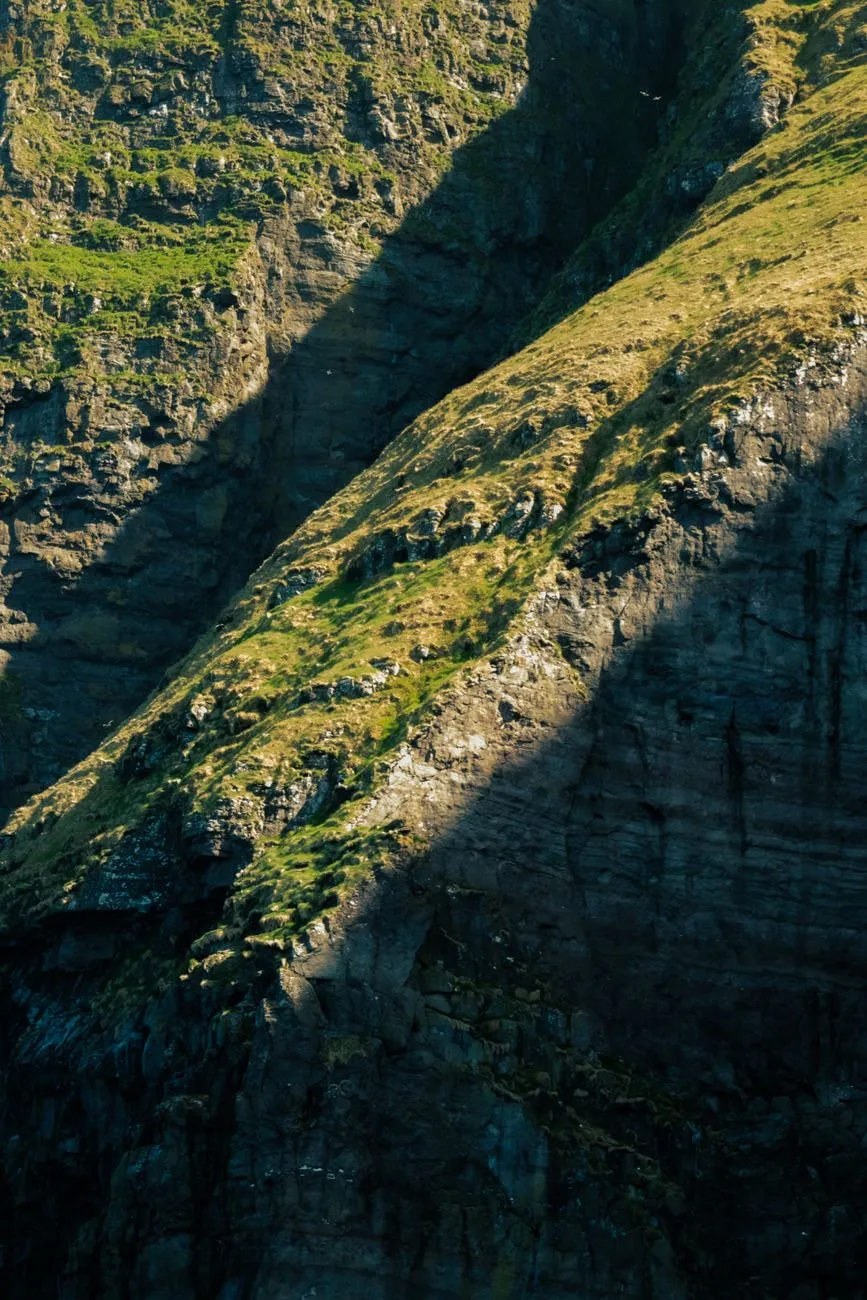
Where the North Atlantic crashes against basalt columns and the fog clings to verdant, grass-roofed villages, you will find the Faroe Islands. As a traveler who has traversed the globe, I find few places as hauntingly beautiful or as fiercely independent as this collection of eighteen volcanic islands. Situated roughly halfway between Norway and Iceland, the Faroes are more than just a cluster of rocks in the sea; they are a living, breathing testament to Viking resilience and a sanctuary for those seeking to escape the frantic pulse of the modern world. For the digital nomad or the intrepid explorer, these islands offer a unique blend of ancient Scandinavian tradition and surprisingly modern infrastructure, though this solitude comes with a price—both in currency and in the willingness to endure the whims of the North Atlantic weather. Stepping Into a Nordic Realm of Basalt and Legend The moment your plane touches down at Vágar Airport, you realize you have entered a domain where nature dictates the schedule. The islands, a self-governing territory of the Kingdom of Denmark, are rugged, precipitous, and utterly captivating. Historically, the islands served as a key stopover for Viking voyagers, and today, that seafaring spirit remains woven into the very fabric of the culture. The Faroese language, a direct descendant of Old Norse, is a rhythmic reminder of this heritage, still spoken daily by the resilient locals. Geographically, the islands are defined by steep cliffs that plummet into the churning ocean, dotted with sheep—which actually outnumber the human population—and waterfalls that defy gravity as they are blown upward by powerful gale-force winds. When you explore places like Gásadalur, where the Múlafossur waterfall plunges directly into the sea, the sense of being at the edge of the world is absolute. It is a landscape that demands respect; the weather shifts in seconds, transforming a bright, sun-drenched morning into a brooding, atmospheric grey afternoon. This is not a destination for the casual tourist seeking a resort-style retreat. It is a rugged frontier for those who wish to experience the raw power of the elements.Traveling here requires a shift in mindset. You must be prepared for the reality that your itinerary is merely a suggestion, easily overruled by a storm or a ferry cancellation. Yet, this uncertainty is precisely what makes the Faroe Islands so intoxicating. You aren’t just visiting a landscape; you are entering an agreement with it. You provide the patience, and the islands provide vistas that have remained largely unchanged since the first longships pulled onto these shores over a millennium ago. The Economic Realities of the North Atlantic Frontier For the digital nomad or the long-term visitor, one must confront the cold, hard numbers. Living in the Faroe Islands is an investment in exclusivity. My assessment of the current cost of living reveals that the islands function as a high-tier economic environment. For a single digital nomad, a budget of approximately $2,960 per month is the realistic median to maintain a comfortable standard of living. This figure covers a balanced mix of modest local housing, essential utilities, and a combination of cooking at home versus occasional dining out. Because the Faroe Islands are an autonomous territory, they occupy a unique legal space. They are not part of the European Union, nor are they part of the Schengen Area. This distinction is vital for long-term planning. Travelers generally follow Danish entry rules, which often means visa-free access for short-term stays for many nationalities. However, if you intend to plant roots as a remote worker for an extended period, you must navigate the process for a special long-term residency permit. Transportation is another significant line item. While the road infrastructure is world-class—featuring sub-sea tunnels that connect major islands like Streymoy and Eysturoy—car rentals and fuel are notably expensive. You are paying for the engineering marvels that make connectivity possible in such a hostile, disconnected environment. Utilities, particularly heating and electricity, also reflect the cost of importing resources and maintaining power grids in remote, wind-battered regions. Budgeting for the Faroes isn't just about saving money; it’s about understanding the premium placed on accessibility and comfort in a location that is, by its very nature, isolated. Navigating the Cost of Living in TórshavnCategory Typical Monthly Expense (USD) NotesApartment (1 Bedroom, Central) $1,200 - $1,600 High demand, limited supplyUtilities (Heating, Electricity) $250 - $400 Depends heavily on the seasonFood (Grocery staples + Coffee) $600 - $800 Prices elevated due to importTransportation (Car Rental/Fuel) $400 - $600 Essential for exploring remote areasConnectivity (High-speed Internet) $80 - $120 Surprisingly robust for the locationTotal Median Monthly Estimate $2,960 Baseline for a single digital nomadThis table provides a snapshot of what you can expect to pay. It is important to note that while Tórshavn, the capital, offers the most amenities, the real cost of living spikes when you venture into more remote villages where grocery options are limited to local, often pricier, goods. The Cultural Pulse of the Capital and Beyond Tórshavn is one of the smallest and most enchanting capitals in the world. It doesn't scream for your attention with glittering towers; instead, it whispers with the charm of grass-roofed houses in the historic Tinganes district, where the government has operated for centuries. As you walk the narrow, winding lanes of Tinganes, you are effectively stepping back into the 16th century, though the offices inside these preserved buildings are equipped with high-speed fiber optics. This juxtaposition of the ancient and the digital is the hallmark of the Faroe experience.Eating here is an exercise in local sustainability. The Faroese kitchen relies heavily on the sea and the rugged hillsides. You will find "ræst"—a process of fermenting lamb or fish in traditional drying sheds—which is a culinary cornerstone you must try to truly understand the local identity. It is an acquired taste, salty and intense, much like the climate itself. When you dine in Tórshavn, you are tasting the history of a people who survived for centuries on what could be caught, foraged, or grazed. Modern chefs have elevated these humble origins into world-class gastronomy, but the spirit of the food remains deeply rooted in the soil and the current. Beyond the capital, the islands of Eysturoy and Borðoy offer a deeper dive into the industrial and fishing history of the archipelago. Klaksvík, the second-largest town, sits nestled between towering mountains and serves as the epicenter for the islands' massive fishing industry. Watching the fleet return at sunset, the harbor glowing with life, provides a stark contrast to the quiet, ethereal silence of the mountain hiking trails. Every town, regardless of size, feels like a sanctuary protected by the mountains and the sea, offering a sense of community that is rare in today’s disconnected world. Masterclass in Nordic Adventure and Logistics To truly conquer the Faroe Islands, you must be a master of the elements. Hiking is the primary method of engagement with the geography, but it is not without risk. Trails are often unmarked and can be obscured by sudden shifts in visibility. Always consult local resources such as the "Hiking in the Faroe Islands" guides, and never underestimate the "mountain fog." It is a cliché for a reason: when the fog rolls in, it can make even the most familiar trail vanish in minutes.Preparation starts with gear. You need high-quality, windproof, and waterproof layers. Forget umbrellas; the wind will snap them in seconds. Instead, invest in technical shells and sturdy hiking boots that can handle boggy, uneven terrain. Before setting out, check the weather reports obsessively. The Faroese Meteorological Office provides reliable data, but even then, rely on your own observation. If the locals are staying put, you should likely do the same. For the remote professional, finding a "base camp" is essential. Tórshavn offers the most reliable infrastructure for digital nomads, including co-working spaces and high-speed satellite connectivity that ensures you remain tethered to your global responsibilities while you are physically situated at the edge of the map. Renting a small, traditional house with a grass roof in a slightly quieter village can provide the creative solitude many seek, but ensure your host guarantees stable internet. Remote island living sounds poetic, but when you are trying to push a large file during a storm, reliability becomes your most prized luxury. Embracing the Viking Spirit in a Modern World As I prepare to leave these rugged shores, I am struck by the permanence of the place. The Faroe Islands don’t change to accommodate you; you change to accommodate them. That is the true gift of this destination. In a world of over-tourism and curated Instagram moments, the Faroes remain fiercely authentic. They offer a rare opportunity to disconnect from the noise of the digital age and reconnect with the primal, elemental forces that have shaped human existence for millennia. The echoes of the Vikings are not just in the place names or the preservation of the language; they are in the way the locals look at a brewing storm—with respect, not fear. They are in the way the silence of the mountains rings in your ears after a long day of hiking. This is a place where you can find genuine solitude, where the scale of nature reminds you of your own place in the grand tapestry of the world. Whether you are a digital nomad searching for a new base of operations or a traveler seeking a landscape that challenges your senses, the Faroe Islands will leave an indelible mark on your psyche. It is an expensive journey, both in time and currency, but the dividends are measured in perspectives shifted and perspectives expanded. You arrive looking for scenery, but you leave with a deeper appreciation for the resilience of life in the most unlikely of places. So, pack your warmest gear, bring your sense of wonder, and prepare for the wind to change, because the Faroes are waiting to show you exactly what it means to live at the edge of the Atlantic. Your next great adventure is not just a trip; it is a pilgrimage to the core of the North. #FaroeIslands #DigitalNomad #AdventureTravel #VikingHeritage #TravelExpert Related InsightsMount Fuji: The Sacred Mountain of Japan Les Sentinelles Solitaires du Bout du Monde : Une Odyssée vers les Phares Oubliés de Patagonie Chilienne The Whispering Ice Temples: Tracing the Vanishing Footprints to Patagonia's Subterranean Sanctuaries{ "@context": "https://schema.org", "@type": "FAQPage", "mainEntity": [ { "@type": "Question", "name": "What is the main focus of Echoes of the North Atlantic: Navigating the Untamed Faroe Islands?", "acceptedAnswer": { "@type": "Answer", "text": "Discover the Faroe Islands, a hidden archipelago of Viking heritage and dramatic cliffs. Expert travel insights on costs, logistics, and wild landscapes." } }, { "@type": "Question", "name": "Who authored the comprehensive guide on Echoes of the North Atlantic: Navigating the Untamed Faroe Islands?", "acceptedAnswer": { "@type": "Answer", "text": "This detailed article and its insights were carefully researched and authored by Zola Ndlovu." } }, { "@type": "Question", "name": "Where can I find more related content about Travel?", "acceptedAnswer": { "@type": "Answer", "text": "You can explore more articles, detailed reviews, and similar insights by browsing the Related Insights section at the bottom of this article or visiting our dedicated Travel category page." } } ] }