Bhutan’s Tiger’s Nest Monastery: A Pilgrimage to the Clouds (Part 2)
-
 Zola Ndlovu
 - 08 Aug, 2026 07:32
This is Part 2 of the series. Read Part 1 here.
Beyond the Monastery: Exploring Paro and Thimphu
While the Tiger’s Nest is the crown jewel of any Bhutanese itinerary, the journey to reach it offers its own rewards. The Paro Valley is a picturesque landscape of terraced fields, traditional farmhouses, and ancient temples. A visit to the Paro National Museum, housed in the Ta Dzong, offers insights into Bhutan’s history, from its early kingdoms to its modern development. The museum’s collection includes artifacts, paintings, and religious relics, providing a fascinating backdrop to the country’s cultural evolution.
For those with extra time, a detour to the Kyichu Lhakhang, one of Bhutan’s oldest temples, is a must. Dating back to the 7th century, this temple is dedicated to the Jowo Jampa statue, a revered figure in Tibetan Buddhism. The temple is surrounded by lush gardens and is a peaceful place for meditation and reflection.
Thimphu, Bhutan’s capital, offers a contrast to the serene beauty of Paro. The city is a blend of tradition and modernity, with monasteries standing alongside government buildings and modern cafes. A visit to the Tango Monastery, a 12th-century hermitage perched on a hilltop, is a highlight. The monastery is accessible via a short hike, and the views of the Thimphu Valley are breathtaking. The city is also home to the National Memorial Chorten, a stupa built in memory of Bhutan’s third king, and the Folk Heritage Museum, which showcases traditional Bhutanese life.
One of the most unique experiences in Thimphu is the weekend market, where locals gather to sell fresh produce, textiles, and handicrafts. The market is a riot of colors and sounds, with vendors hawking everything from red chilies to handwoven kira (traditional Bhutanese dress). It’s a chance to interact with locals, sample Bhutanese cuisine, and pick up souvenirs like handmade thangkas (religious paintings) or wooden bowls.
For those interested in Bhutan’s wildlife, a visit to the Jigme Dorji National Park is a must. The park is home to a diverse range of flora and fauna, including the elusive snow leopard, red pandas, and Himalayan tahr. The park’s trails offer stunning views of the Himalayas and are a paradise for birdwatchers.
Practical Tips for the Tiger’s Nest Hike
The Tiger’s Nest hike is a challenging but rewarding experience, and proper preparation is key to making the most of it. Here’s a breakdown of what you need to know before embarking on this pilgrimage:
Best Time to Visit
The ideal time to hike to the Tiger’s Nest is during the spring (March to May) or autumn (September to November) when the weather is mild and the skies are clear. Spring brings blooming rhododendrons and wildflowers, while autumn offers crisp air and stunning views of the Himalayas. Summer (June to August) can be rainy and slippery, with the trail often shrouded in mist. Winter (December to February) is cold, with snow possible on the higher sections of the trail, but the monastery is less crowded.
Physical Preparation
The hike is not technical, but it is steep and long. A good level of fitness is recommended, as is prior acclimatization to high altitudes. Spend a day or two in Paro before the hike to adjust to the elevation. Wear sturdy hiking shoes with good grip, as the trail is uneven and can be slippery. Trekking poles are highly recommended, especially for the descent, which can be hard on the knees.
What to Pack
- Clothing: Dress in layers, as temperatures can vary significantly. A warm jacket is essential for the higher sections of the trail, where it can be windy and cold.
- Footwear: Hiking shoes with ankle support are ideal. Avoid sandals or shoes with poor grip.
- Hydration: Carry at least 2 liters of water, as dehydration can exacerbate altitude sickness.
- Snacks: Pack high-energy snacks like nuts, dried fruit, or energy bars to keep your strength up.
- Sun Protection: The sun is intense at high altitudes, so wear a hat, sunglasses, and sunscreen.
- First Aid: A basic first aid kit with altitude sickness medication (like Diamox) is recommended.
Cultural Etiquette
- Dress Modestly: Both men and women should wear clothing that covers their shoulders and knees. Traditional Bhutanese attire, such as the gho for men and kira for women, is often worn by locals and is a sign of respect.
- Remove Shoes: Before entering any temple or monastery, remove your shoes. Some places provide storage for your footwear.
- Respect the Monks: Avoid touching religious artifacts or disturbing monks during prayer.
- Photography: Always ask for permission before taking photos of people, especially monks. Some areas of the monastery prohibit photography.
Costs and Permits
Bhutan operates a Sustainable Development Fee (SDF) of USD 100 per person per night for international visitors. This fee is included in the cost of your Bhutanese visa and contributes to the country’s conservation and cultural preservation efforts. The Tiger’s Nest hike itself is free, but you may need to pay a small fee to enter the monastery complex.
Guided Tours vs. Independent Hiking
While it’s possible to hike to the Tiger’s Nest independently, many travelers opt for a guided tour, especially if they’re short on time or unfamiliar with the region. A guided tour can provide cultural insights, historical context, and logistical support, such as arranging ponies or transport. However, independent hikers can enjoy the freedom of setting their own pace and exploring the trail at their leisure.
Altitude Sickness
Altitude sickness is a real risk on the Tiger’s Nest hike. Symptoms include headache, nausea, dizziness, and fatigue. To minimize the risk, take it slow, stay hydrated, and avoid alcohol. If symptoms worsen, descend immediately. It’s also a good idea to consult a doctor before the hike, especially if you have a history of altitude sickness.
The Cost of a Bhutanese Adventure: Budget Breakdown
Planning a trip to Bhutan requires careful budgeting, as the country is known for its high costs compared to other destinations in South Asia. The Sustainable Development Fee (SDF) of USD 100 per night is mandatory for all international visitors, and this fee is included in the cost of your visa. In addition to the SDF, travelers must book their trip through a licensed Bhutanese tour operator, which typically includes accommodation, meals, transport, and guide services. Here’s a breakdown of the average costs for a 4-day Tiger’s Nest tour:
| Expense Category | Cost (USD) | Details |
|---|---|---|
| Sustainable Development Fee | 400 | USD 100 per night for 4 nights |
| Tour Package (per person) | 1,200 - 2,500 | Includes accommodation, meals, transport, guide, and entry fees |
| Flights (round-trip) | 800 - 1,500 | Varies by season and departure city (e.g., Bangkok, Kathmandu, Delhi) |
| Visa Fee | 40 | Included in the tour package |
| Trekking Gear Rental | 20 - 50 | Trekking poles, pony hire, or other equipment |
| Souvenirs & Extras | 100 - 300 | Handicrafts, thangkas, or donations to monasteries |
| Total Estimated Cost | 2,560 - 4,790 | For a 4-day Tiger’s Nest tour, excluding international flights |
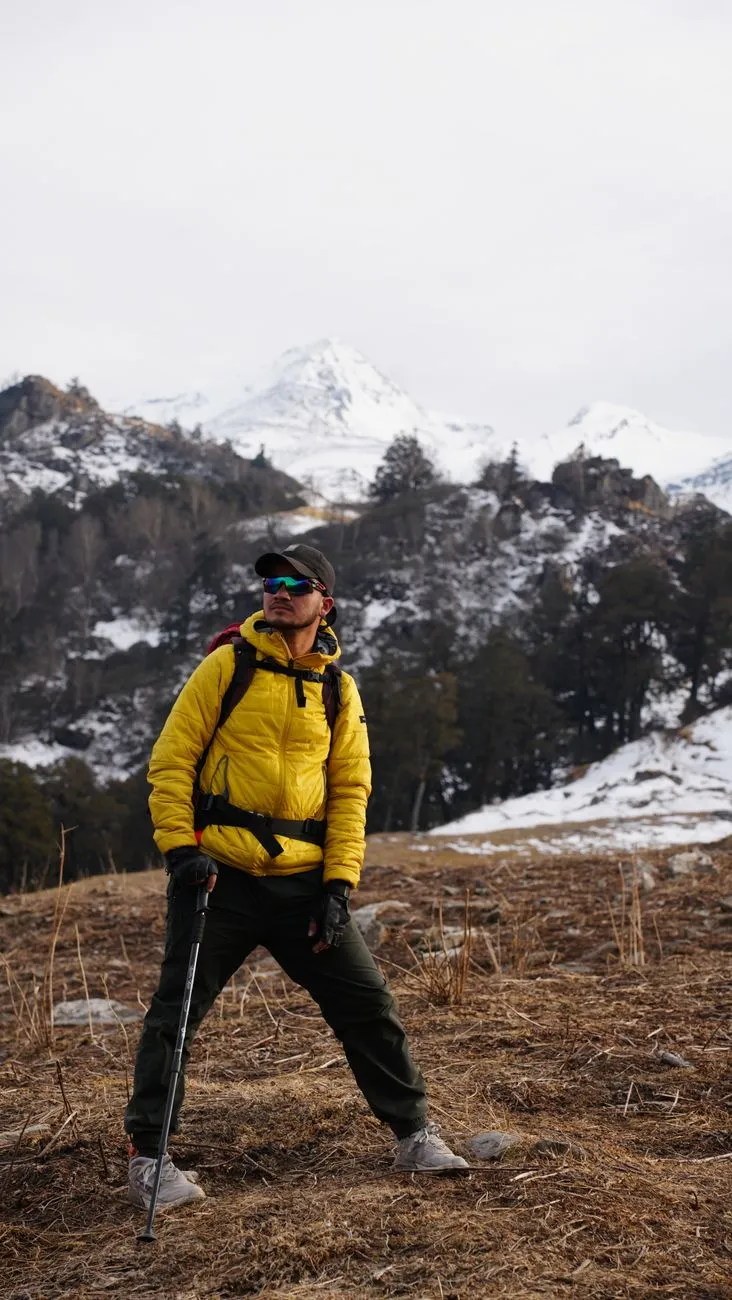
The high cost of travel to Bhutan is a deliberate policy to preserve its culture and environment. The SDF funds free healthcare and education for Bhutanese citizens, while the tour operator system ensures that tourism is sustainable and controlled. Despite the expense, many travelers agree that the experience is worth every penny. The opportunity to immerse oneself in Bhutan’s spiritual and natural beauty, to meet its warm and welcoming people, and to stand atop a cliffside monastery in the Himalayas is truly priceless.
A Journey of Transformation: Why the Tiger’s Nest Hike Changes You
The Tiger’s Nest hike is more than a physical challenge—it’s a journey of transformation. For many travelers, the hike is a metaphor for life’s obstacles: the steep climbs, the moments of doubt, the final push to reach the summit. Along the way, you’ll meet fellow hikers from around the world, each with their own stories and reasons for making the pilgrimage. You’ll share stories, offer encouragement, and perhaps even make lifelong friends. The Bhutanese people you encounter—whether they’re guiding you up the trail, serving you a bowl of ema datshi (Bhutan’s national dish), or chanting prayers in the monastery—will leave a lasting impression with their kindness and warmth.
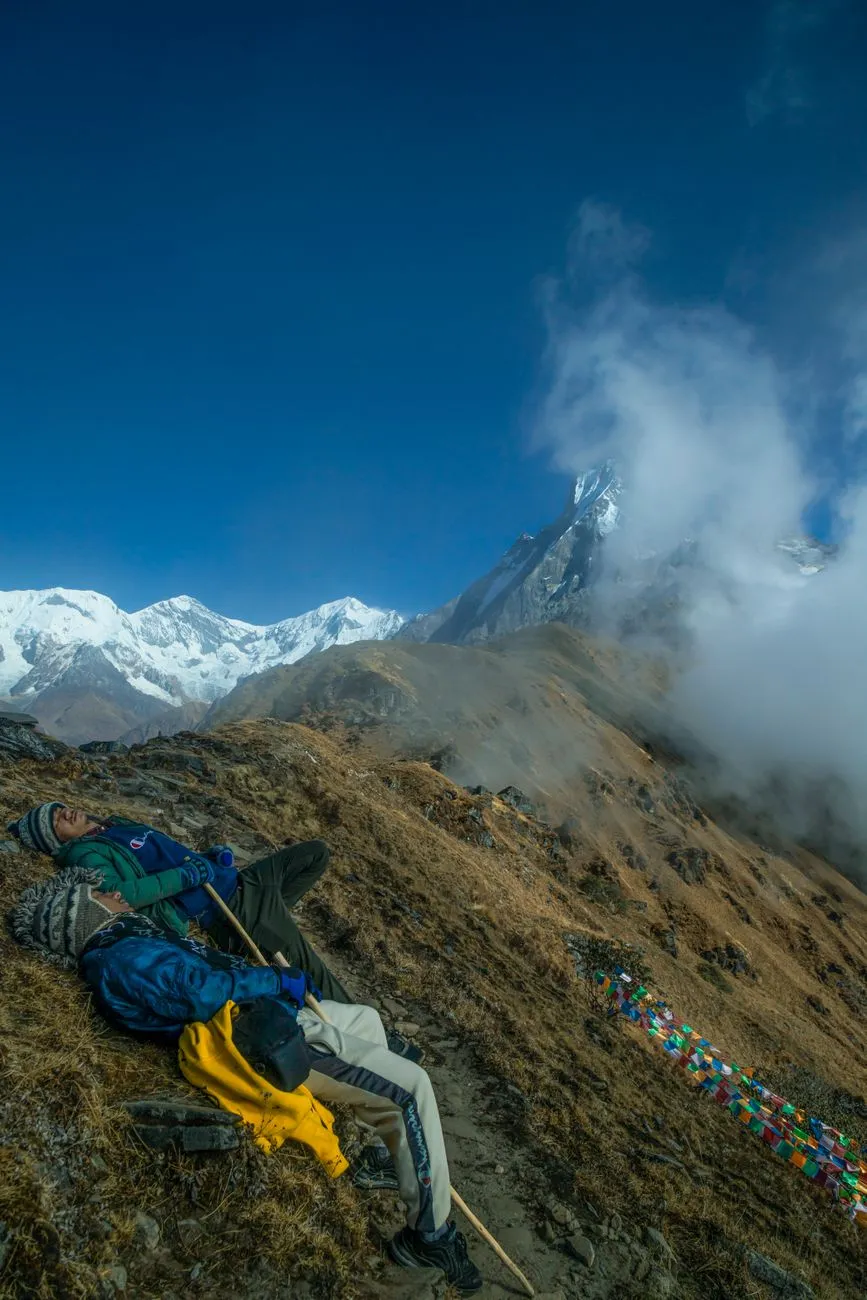
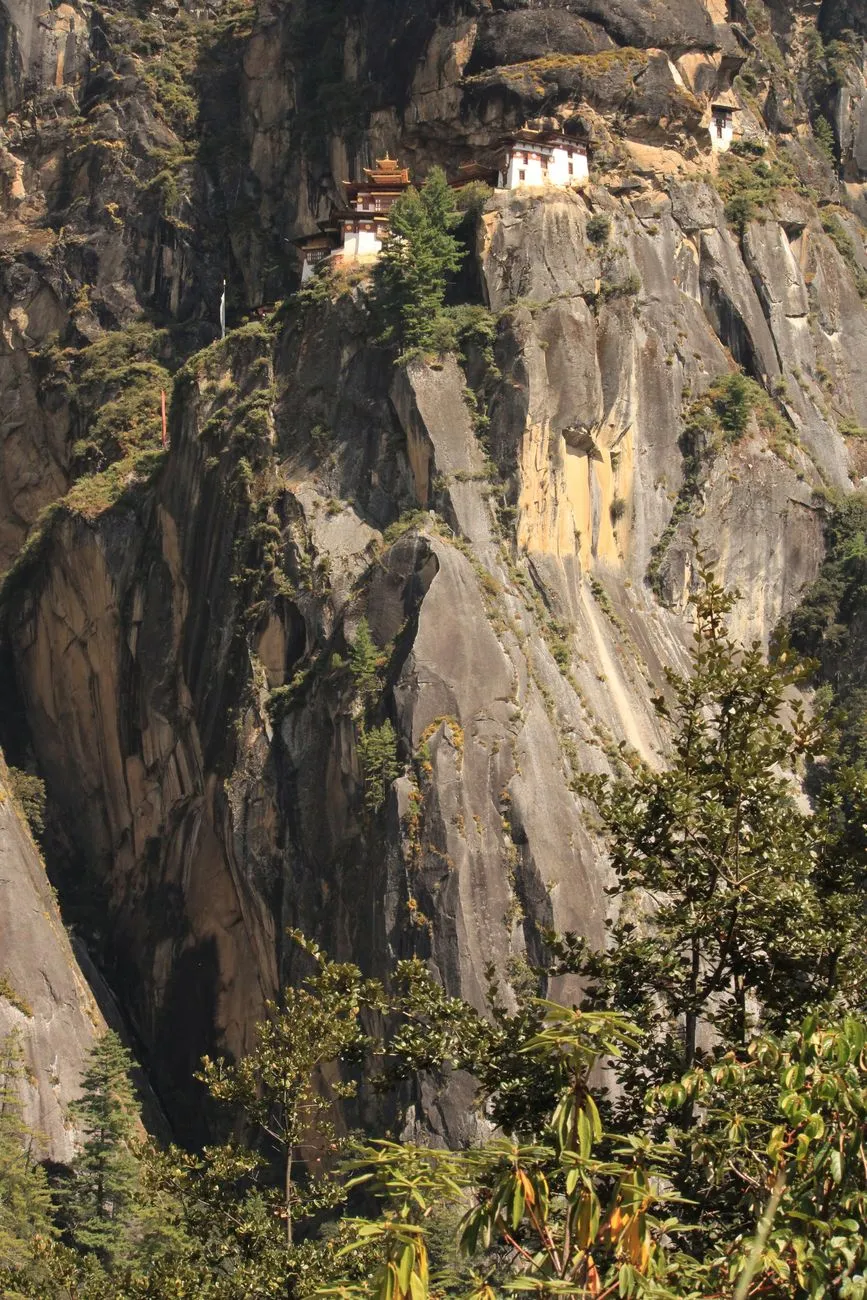
The moment you reach the Tiger’s Nest and stand before the monastery, gazing out over the Paro Valley, you’ll feel a sense of awe and humility. The physical exertion of the hike gives way to a profound spiritual experience. It’s a reminder that the greatest journeys are not just about reaching a destination but about the people you meet, the challenges you overcome, and the person you become along the way.
For those who complete the hike, the Tiger’s Nest becomes more than a memory—it becomes a part of who they are. Many travelers return home with a renewed sense of purpose, a deeper appreciation for nature, and a desire to live more mindfully. The monastery’s legend, the Bhutanese people’s devotion, and the sheer beauty of the Himalayas combine to create an experience that lingers long after the hike is over.
Final Reflections: The Tiger’s Nest as a Gateway to Bhutan’s Soul
The Tiger’s Nest Monastery is more than a destination—it’s a gateway to the soul of Bhutan. To stand where Guru Rinpoche once meditated, to feel the wind whisper through the cliffs, to witness the devotion of the monks and the resilience of the Bhutanese people, is to understand what makes this tiny Himalayan kingdom so special. Bhutan is a country that measures its success not by GDP but by Gross National Happiness, and the Tiger’s Nest is a perfect embodiment of that philosophy. It’s a place where spirituality and nature intertwine, where every step of the journey is as meaningful as the destination.
As you descend the trail back to Paro, your heart will be full, your legs may ache, but your spirit will be lighter. You’ll carry with you not just photos and souvenirs but a deeper connection to the world and a renewed sense of wonder. Bhutan has a way of changing people, and the Tiger’s Nest hike is often the catalyst for that transformation.
For those who are considering the journey, I leave you with this: the Tiger’s Nest is not just a hike. It’s a pilgrimage. It’s a test of body and soul. It’s an invitation to slow down, to reflect, and to connect with something greater than yourself. Whether you go for the adventure, the culture, or the sheer beauty of the Himalayas, one thing is certain—you will leave changed.
#BhutanTravel #TigersNestHike #HimalayanPilgrimage #BhutanCulture #SpiritualJourney