Bhutan’s Tiger’s Nest Monastery: A Pilgrimage to the Clouds
-
 Zola Ndlovu
 - 08 Aug, 2026 07:32
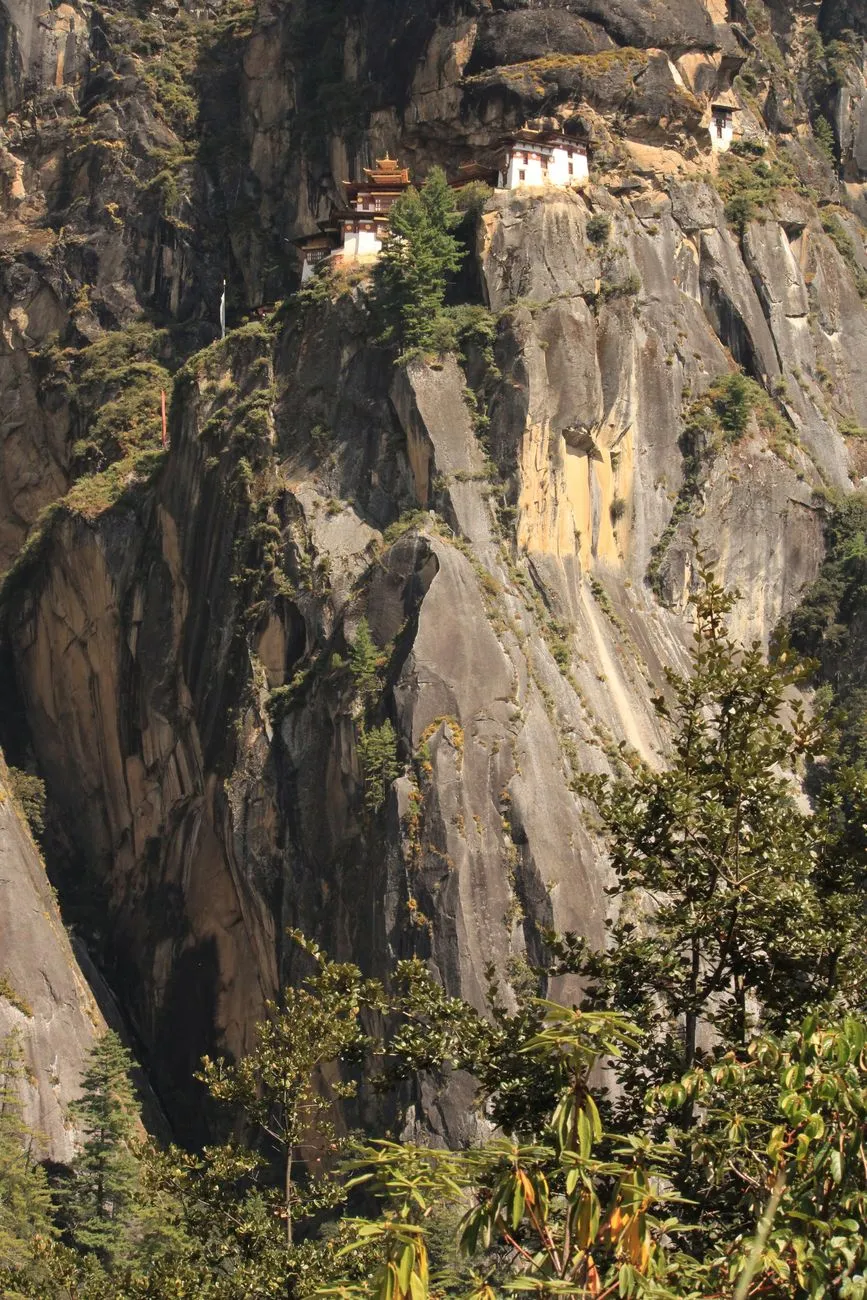
Perched like a jewel on the edge of a sheer granite cliff, the Tiger’s Nest Monastery—known locally as Paro Taktsang—is one of the most sacred and breathtaking spiritual sites in the Himalayas. This 17th-century monastery, clinging to a mountainside at 3,120 meters above sea level, is not just an architectural marvel but a living testament to Bhutan’s deep-rooted Buddhist traditions. The journey to reach it is a pilgrimage of both body and soul, winding through rhododendron forests, across suspension bridges, and up steep stone staircases. For travelers seeking more than just a destination, the Tiger’s Nest hike is a transformative experience—one that demands physical endurance, cultural respect, and an open heart.

The allure of the Tiger’s Nest lies not only in its dramatic setting but in its legend. According to Bhutanese lore, the great 8th-century yogi Padmasambhava—also known as Guru Rinpoche—flew to this cliff on the back of a tigress to subdue evil spirits and meditate in a cave. The monastery, built in 1692, now houses his footprint and a sacred spring said to have healing powers. To stand where a saint once meditated, gazing out over the Paro Valley blanketed in clouds, is to touch the divine. But the path to this enlightenment is not for the faint-hearted. The 9.7-kilometer round-trip hike from the base car park to the monastery entrance gate is a test of stamina, with an elevation gain of approximately 700 meters. Yet, for those who make the climb, the reward is unparalleled: a sense of peace, awe, and connection to Bhutan’s spiritual heritage.
This guide will take you through every step of the journey—from the cultural significance of the Tiger’s Nest to practical tips for the hike, the best time to visit, and the broader wonders of Bhutan’s Paro and Thimphu regions. Whether you’re a seasoned trekker or a first-time visitor, this pilgrimage will leave an indelible mark on your soul.
The Legend and Legacy of the Tiger’s Nest
The story of the Tiger’s Nest Monastery begins in the 8th century, when Guru Rinpoche, the Indian saint who introduced Buddhism to Bhutan, arrived at the cliffside cave atop a tigress. This mythical journey is central to the monastery’s identity and is celebrated in Bhutanese art, literature, and religious festivals. The cave where he meditated, now enshrined within the monastery complex, is considered one of the holiest sites in Bhutan. Over the centuries, the site evolved from a hermitage to a grand monastery, with the current structure built in 1692 under the patronage of the Drukpa Lineage, the dominant Buddhist school in Bhutan.
The monastery’s name, Taktsang, translates to “Tiger’s Lair,” a nod to the legend that still echoes through the valleys. Pilgrims and visitors alike are drawn not only to the architectural beauty of the monastery but to the spiritual energy that permeates the site. The complex consists of four main temples and several residential buildings, all connected by narrow staircases and wooden bridges. The main temple houses a 12-meter-tall statue of Guru Rinpoche, flanked by statues of his two consorts, Yeshe Tshogyal and Mandarava. The walls are adorned with murals depicting the life of the saint and scenes from Buddhist cosmology.
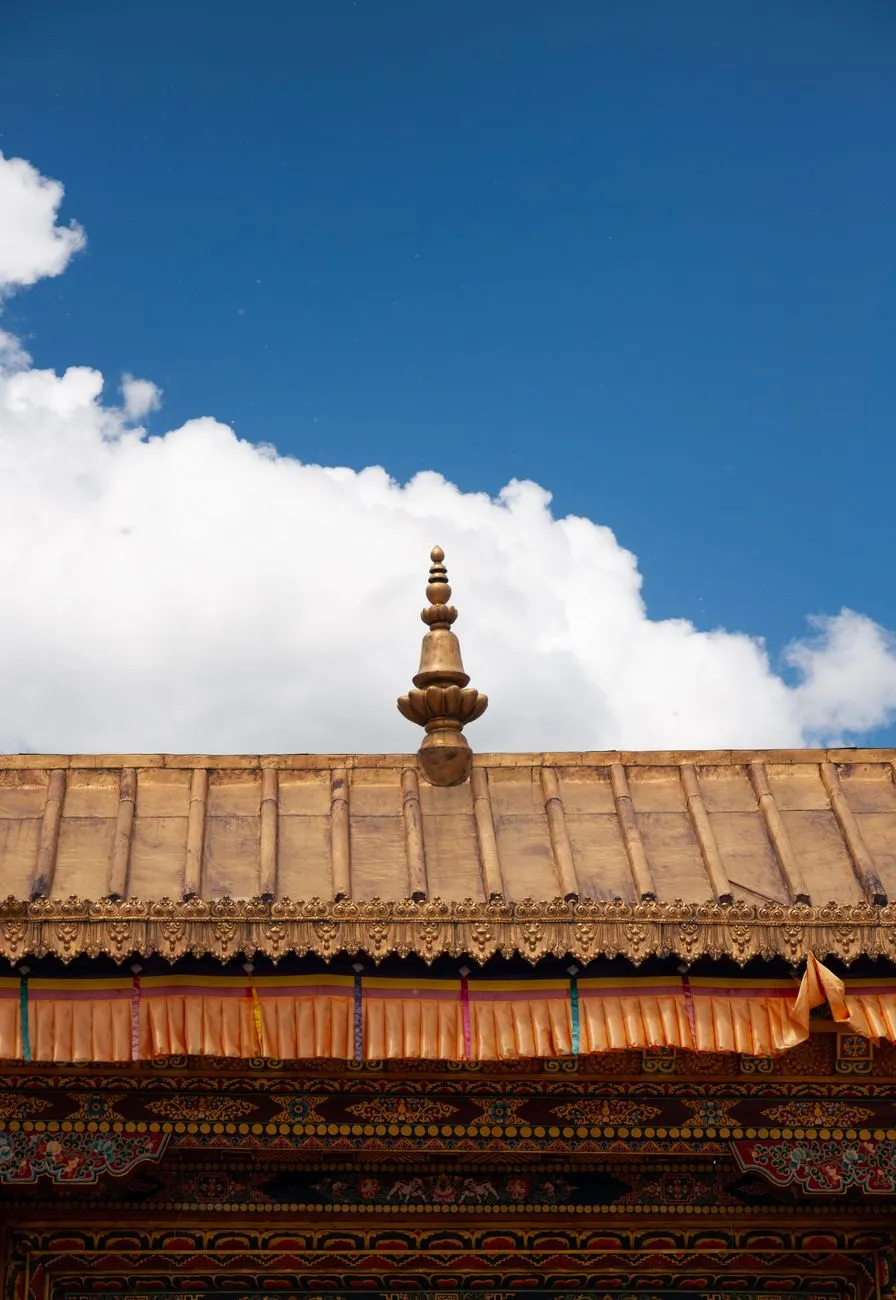
The Tiger’s Nest is also a site of historical significance. It has survived earthquakes, fires, and landslides, each time being rebuilt with the same reverence. The most devastating fire occurred in 1998, destroying much of the complex, but the Bhutanese people, with the help of international donors, painstakingly restored it to its former glory. Today, the monastery stands as a symbol of resilience and devotion, a beacon of hope for those who make the arduous journey to its doors.
For visitors, understanding the legend and history of the Tiger’s Nest enriches the experience. As you ascend the trail, you’re not just walking a path—you’re retracing the steps of a saint, following in the footsteps of generations of pilgrims who have sought enlightenment in this sacred place. The monastery is more than a tourist attraction; it is a living shrine, where monks still chant prayers, where butter lamps flicker in devotion, and where the air hums with the energy of centuries of faith.
Preparing for the Pilgrimage: What to Expect on the Hike
The hike to the Tiger’s Nest is often described as a spiritual journey as much as a physical one. The trail, measuring 9.7 kilometers round-trip, begins at the base of the Paro Valley, where the air is thick with the scent of pine and the sound of the Paro River rushing below. The first section of the hike is relatively gentle, winding through a lush forest of blue pine, maple, and rhododendron trees. This is the part where most hikers feel confident, taking photos of the valley below and chatting with fellow trekkers. But the real challenge lies ahead.
After about an hour of walking, the trail begins to steepen, with stone steps carved into the mountainside. The air grows thinner, and the oxygen levels drop significantly. It’s at this point that many hikers feel the first pangs of altitude sickness—dizziness, shortness of breath, or a mild headache. To mitigate this, it’s essential to take the hike slowly, staying hydrated and avoiding alcohol the night before. Many travelers opt to hire a pony for the first half of the hike, especially if they’re not accustomed to high-altitude trekking. Ponies can carry you up to the halfway point, where the trail becomes too steep even for them.
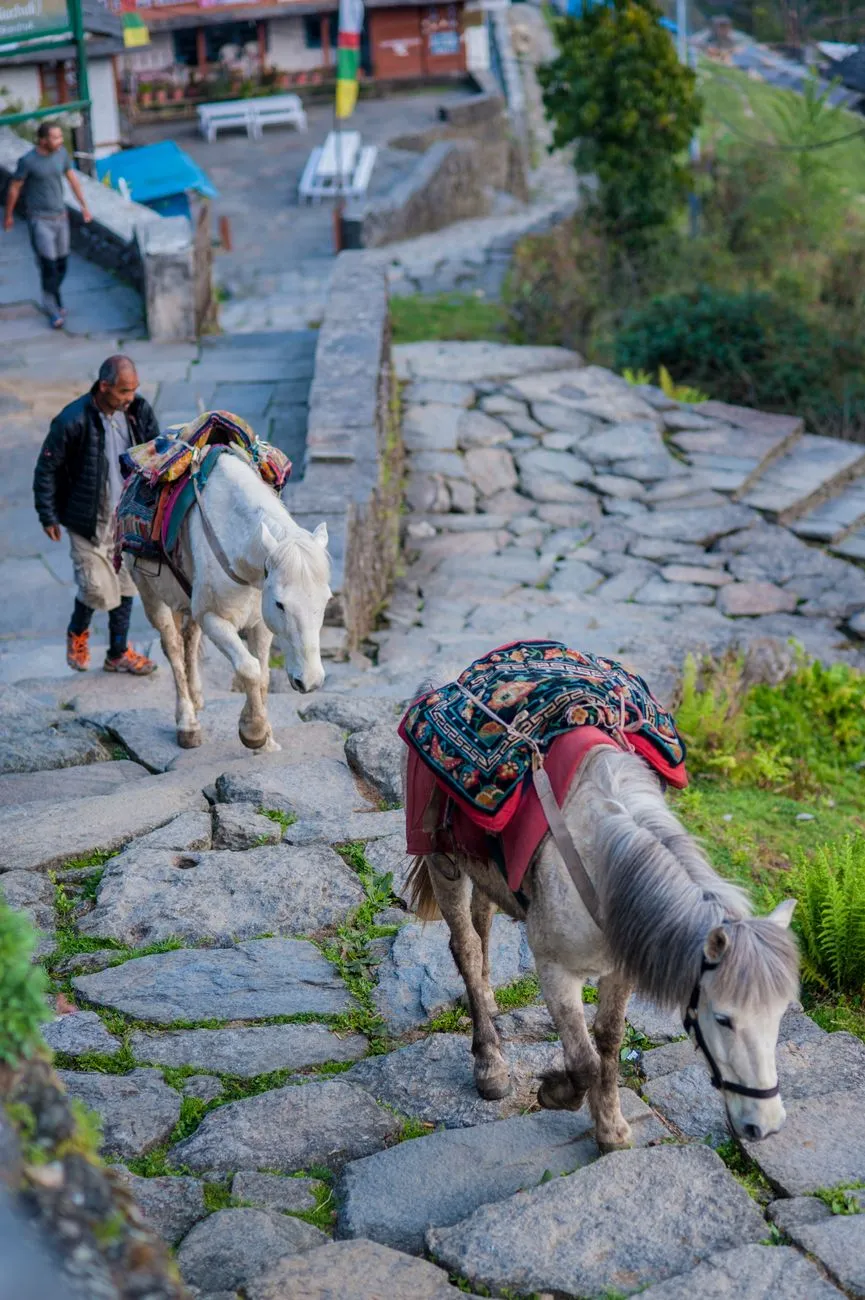
The most challenging section of the hike is the final ascent to the monastery. Here, the trail narrows to a series of steep, uneven stone steps, with sheer drops on either side. The wind can be fierce, and the altitude can make even the fittest hikers feel weak. It’s crucial to take frequent breaks, lean on the handrails for support, and focus on steady breathing. The Bhutanese believe that the journey to the Tiger’s Nest is as important as the destination, and this final stretch is where that philosophy is put to the test.
Upon reaching the monastery, the effort is rewarded with panoramic views of the Paro Valley, the snow-capped Himalayas in the distance, and the monastery itself, perched precariously on the cliff. The sense of accomplishment is overwhelming, and many visitors feel a profound sense of peace wash over them. It’s a moment of quiet reflection, where the physical struggle of the hike gives way to spiritual fulfillment.
The Cultural and Spiritual Heart of Bhutan
The Tiger’s Nest Monastery is not just a destination—it’s the cultural and spiritual heart of Bhutan. For the Bhutanese people, the monastery is a place of pilgrimage, where they come to pray, meditate, and seek blessings. The monastery is also a site of major festivals, such as the Tsechu, a vibrant celebration of Buddhist teachings featuring masked dances, music, and prayers. These festivals attract thousands of locals and tourists alike, creating a lively atmosphere of devotion and community.
For visitors, the monastery offers a glimpse into Bhutan’s unique blend of Buddhism and animism. The Bhutanese believe that mountains, rivers, and forests are inhabited by spirits, and the Tiger’s Nest is no exception. The site is considered sacred, and visitors are asked to dress modestly, remove their shoes before entering the temples, and maintain a respectful silence. Photography is often restricted inside the monastery, and visitors are encouraged to participate in the rituals, such as lighting butter lamps or spinning prayer wheels.
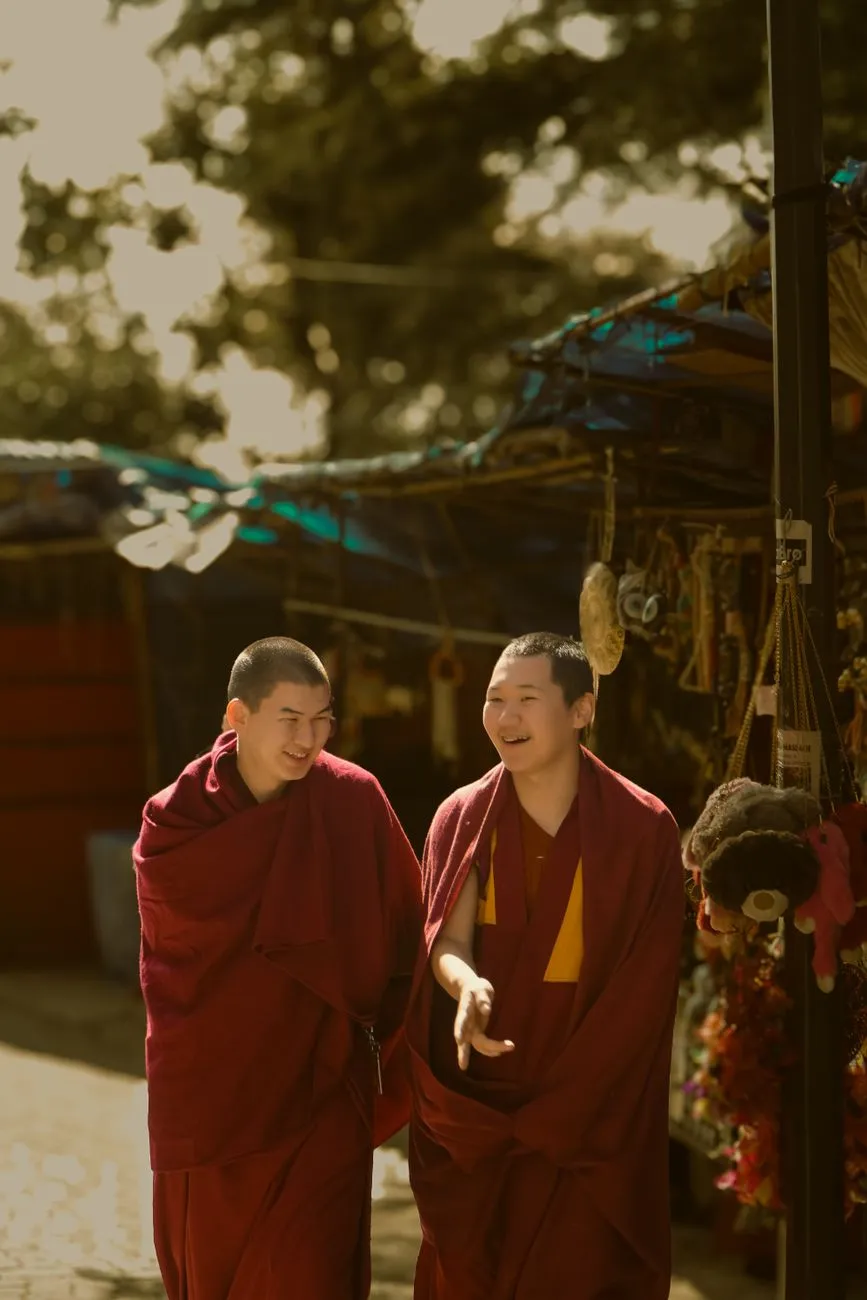
The monastery is also a place of learning. Young monks live and study here, learning the ancient texts of Buddhism and the rituals of the Drukpa Lineage. Visitors can often hear the monks chanting prayers, their voices echoing through the valleys. The sound is hauntingly beautiful, a reminder of the deep spiritual roots of Bhutanese culture.
Beyond the monastery, the Paro Valley itself is a cultural treasure trove. The valley is home to the Paro Rinpung Dzong, a 17th-century fortress-monastery that serves as the administrative and religious center of the region. The dzong is a masterpiece of Bhutanese architecture, with towering white walls, red and gold roofs, and intricate wood carvings. Visitors can explore the dzong’s courtyards, temples, and museums, learning about Bhutan’s history and traditions.
The Tiger’s Nest hike is also an opportunity to experience Bhutan’s commitment to sustainability. The country is known for its Gross National Happiness philosophy, which prioritizes environmental conservation and cultural preservation over economic growth. The hike to the Tiger’s Nest is carefully managed to minimize environmental impact, with designated trails, waste management systems, and restrictions on commercial development in the area. Visitors are encouraged to respect the natural beauty of the site, taking only photos and leaving only footprints.
👉 Continue Reading: Bhutan’s Tiger’s Nest Monastery: A Pilgrimage to the Clouds (Part 2)
#BhutanTravel #TigersNestHike #HimalayanPilgrimage #BhutanCulture #SpiritualJourney