Bruja’s Nest Book Review and Summary
-
 Lucia Garcia
 - 21 Aug, 2026 04:07
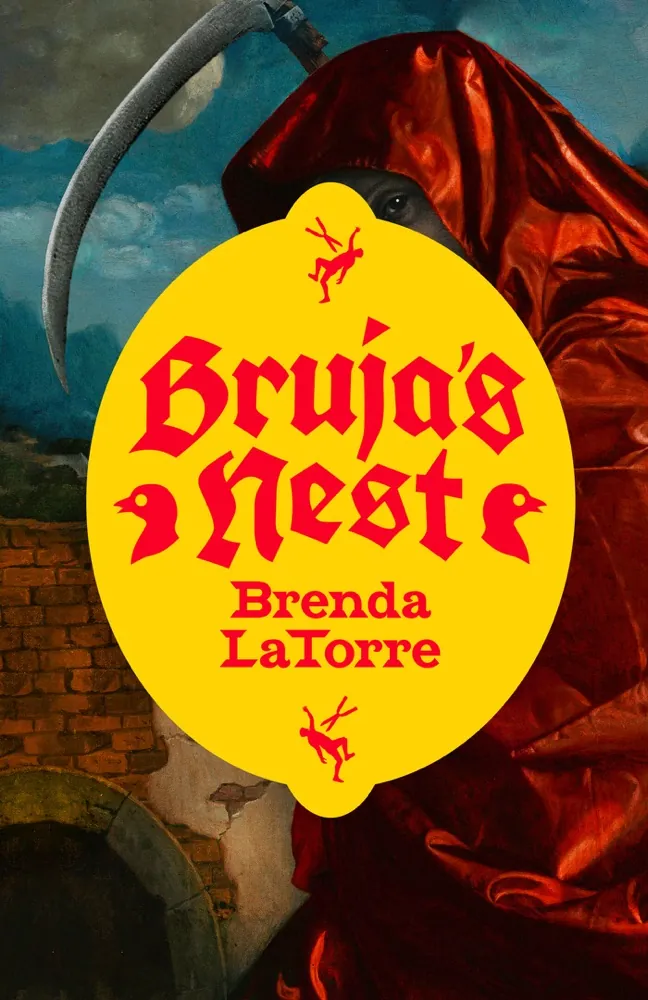
Author: Brenda LaTorre
Page Count: Unknown
Publication Date: Expected publication 2026-10-06 APL
Staring down another bleak autumn of derivative domestic thrillers leaves one craving actual, bleeding literary ambition. Bruja’s Nest arrives on the horizon with a promise of visceral, unbridled fury—though I fully expect the timid literati to clutch their imported pearls over its visceral anatomy. Brenda LaTorre is stepping into a ring previously bloodied by the likes of Mariana Enríquez and Agustina Bazterrica, armed with a cocktail of folk saints, structural violence, and absolute bodily rebellion.
Read the room, please. The contemporary marketplace is drowning in polite, middle-brow mediocrity that avoids the rot of the human condition like a bad tax audit.
The Alchemy of Rancid Ambition
We are promised a collision of class warfare and flesh. Yolanda’s trajectory from structural poverty to the gilded cage of the Fernández De la Rosa estate relies on an ancient, transactional sort of magic—one involving rooster hearts and torn skin. And honestly, the romantic notion that a peasant girl can simply charm her way into generational wealth via a fertility ritual is delightfully unhinged.
Wait. Let me retract that entirely. The synopsis leans dangerously close to the tired cinematic trope of the scheming gold-digger who gets precisely what her infected womb deserves.
Let us hope LaTorre possesses enough stylistic venom to subvert the patriarchal morality tale waiting in the wings. Class mobility purchased through biological monstrosity is a glorious poetic vehicle. Yolanda is not a victim seeking a support group; she is an architect of her own terrifying ascent.
The Abject Sanctuary
A hacienda overflowing with blasphemies and corpses sounds like a magnificent setting for a proper seasonal poisoning. Santa Muerte watching over the birth of a massive, egg-born anomaly? Sublime. Literature requires more saints of the underworld and fewer beige suburban kitchens where people discuss their emotional availability over artisanal sourdough.
The prose must drip with the humidity of decay. If the text fails to smell faintly of copper, cheap tequila, and damp soil, the author has wasted a perfectly good folk legend. We need sentences that lacerate the reader’s palate. We need an absolute refusal to apologize for the grotesque.
Perhaps the child is a monster. Or perhaps the aristocracy merely lacks the stomach for what it costs to rise from the dirt.
These oysters taste entirely like wet cardboard and iodine, completely destroying the cadence of my critique.