Showing Posts From
Contemporary
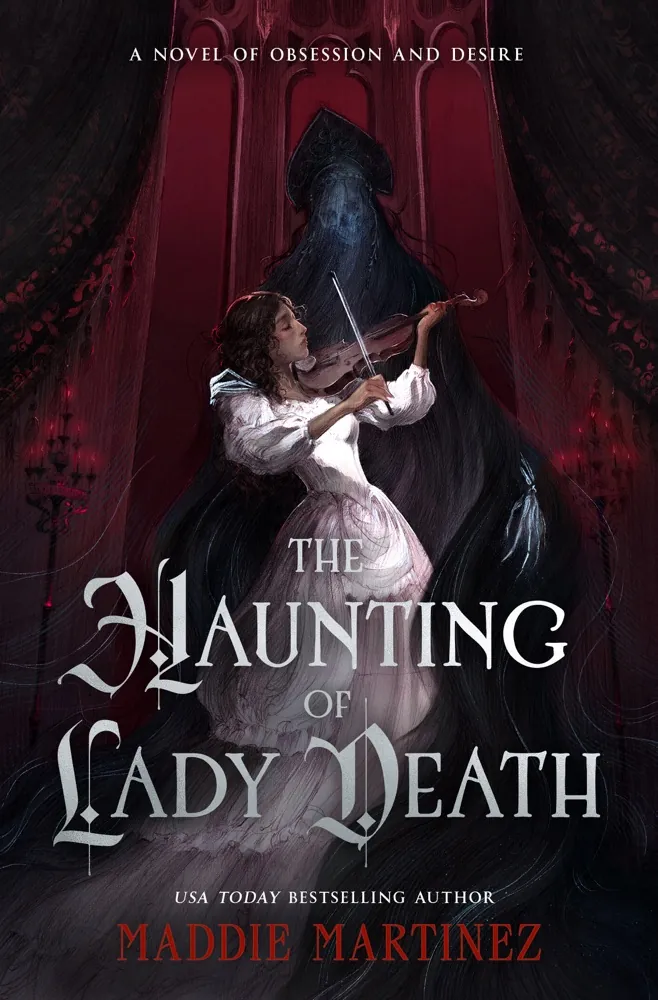
Author: Maddie MartinezPage Count: UnknownPublication Date: Expected publication 2026 APL October winds are currently rattling the French paned glass of my study, bringing the distinct scent of decaying foliage and damp asphalt. Perfect weather for morbidity. Or at least, perfect weather for Maddie Martinez’s upcoming 2026 release, The Haunting of Lady Death. The publishing world continues its relentless obsession with sapphic creature-fleshing, yet this particular Slavic folklore-drenched iteration of The Phantom of the Opera demands a raised eyebrow and a glass of heavily oaked Chardonnay. The Architecture of Desperation We find ourselves stranded in the glittering city of Larzeg. Kasia is your standard-issue ambitious violinist—starving, overlooked, and relentlessly beaten down by institutional xenophobia regarding her Azjarian heritage. But let us pause. Actually, scratch that entire critique of institutional roadblocks. The synopsis implies these barriers are merely cardboard props waiting to be kicked aside the second a skeletal hand emerges from the wings. Mortality and Melody The central bargain is deliciously transactional. Death wrapped in a veil offers upward mobility in exchange for a soul-tethered plus-one. A grim romance for the girlies, truly. Martinez leverages the Nectar Performance House as a pressure cooker where patriarchal power structures collide with primeval mythologies. Yet, one must wonder if the social commentary here will possess any real teeth, or if it will simply dissolve into aestheticized vibes for BookTok. No cap, the prose needs to slap hard to keep this from feeling like a basic ass Gothic fanfiction. The promise of music as a weapon—an entrancing magic that bends audiences to a mortal’s whim—offers a fascinating exploration of artistic complicity. Kasia trades her autonomy for prestige, stepping willingly into the thrall of an entity who demands total possession. It is Faustian, yes, but filtered through a queer lens that trades divine damnation for dark, velvety seduction. Ava Reid and S.T. Gibson fans will undoubtedly devour the gothic calories, though I personally remain skeptical of whether the pacing can sustain the atmospheric dread without collapsing under the weight of its own melodrama. The omission of Digital Rights Management software by the publisher feels entirely appropriate for a book about unchaining suppressed desires. Read it on your battered tablet while drinking expensive scotch, or do not read it at all. Now, excuse me while I log onto the bird app to issue a frantically worded statement because my dryly sarcastic tweet about a debut novelist's comma usage was just screenshotted and quoted by a horde of chronically online teenagers. #TheHauntingOfLadyDeath #BookTwitter #GothicRomance Related InsightsYour Lips on Mine Book Review and Summary Siddhartha Book Review and Summary Regretting You Book Review and Summary{ "@context": "https://schema.org", "@type": "FAQPage", "mainEntity": [ { "@type": "Question", "name": "What is the main focus of The Haunting of Lady Death Book Review and Summary?", "acceptedAnswer": { "@type": "Answer", "text": "Everything you need to know about The Haunting of Lady Death with our detailed review." } }, { "@type": "Question", "name": "Who authored the comprehensive guide on The Haunting of Lady Death Book Review and Summary?", "acceptedAnswer": { "@type": "Answer", "text": "This detailed article and its insights were carefully researched and authored by Lucia Garcia." } }, { "@type": "Question", "name": "Where can I find more related content about Books?", "acceptedAnswer": { "@type": "Answer", "text": "You can explore more articles, detailed reviews, and similar insights by browsing the Related Insights section at the bottom of this article or visiting our dedicated Books category page." } } ] }
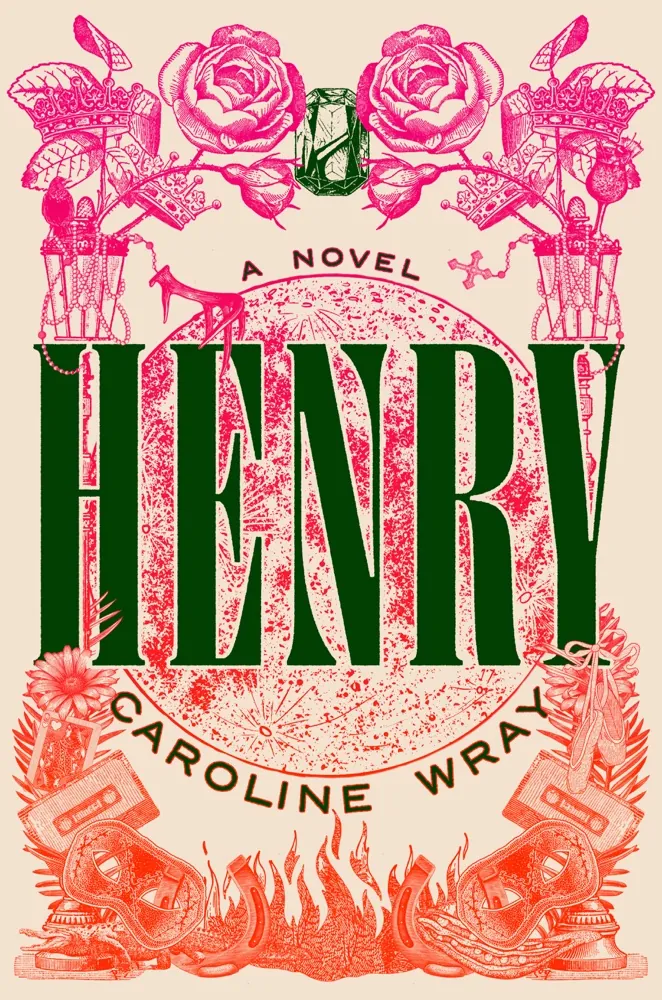
Author: Caroline WrayPage Count: UnknownPublication Date: Expected publication 2026 APL October winds are rattling the loose windowpanes of this cursed rental again, blowing a steady chill across the floorboards while I stare at yet another pile of unsolicited galleys that cost seventy cents more to ship than they are worth. Caroline Wray is attempting something genuinely unhinged with Henry, and honestly? I am so seated for the carnage. The Geometry of Oblivion A blazing contemporary reimagining of the Tudor dynasty's greatest marital sport, relocated across a century and a half of American and English anxieties. Because why write historical fiction when you can just drop Tudor trauma into 1966 New Orleans and let the humidity rot the velvet? Susan Choi calls Wray an unsparing observer of the human heart — a blurb that usually means everyone in this book is going to behave like an absolute feral rat for the sake of validation. And frankly? We love to see it. We are talking about six distinct archetypes orbiting a singular, gravitational black hole of male ego. Lina, Anne, Hannah, Katy, Jane, Parker. A whole constellation of women trying to figure out how to be the main character of a narrative where they were merely cast as the side-piece prop. The Architecture of Desperation The premise hinges on a terrifyingly simple, devastatingly relatable question: how much dignity are you willing to trade on the open market just to feel perceived by someone who fundamentally views you as disposable real estate? Wray tracks this pathetic descent from a reluctant Mardi Gras queen in the sixties to a headspring ballerina in Manhattan, sliding right down into a crumbling English castle where a reality TV producer is orchestrating synthetic affection. It gives major The Girlfriend Experience meets Hilary Mantel on an bender. Yet the synopsis remains delightfully vague about the exact mechanics of how these women intersect — do they share the same monster, or is Henry just a systemic virus mutating through different decades? The structural ambition alone is giving me vertigo, mostly because I am currently dizzy from living off stale black coffee and cheap cigarettes while watching the autumn light fade before four in the afternoon. And if Wray actually pulls off this multi-temporal, multi-class vivisection of patriarchal collateral damage without devolving into pretentious structural bloat, she might just out-do every other cynical domestic thriller currently clogging up the bestseller lists. Or it will completely implode under the weight of its own cleverness. Either way, the vibes are immaculate. I have to bolt right now or I am going to miss the start of the midnight philosophical showdown down at the smoky basement jazz joint where nobody asks about your overdue rent. Related InsightsThe Jungle Book Review and Summary For the Wolf Book Review and Summary Invisible Monsters Book Review and Summary{ "@context": "https://schema.org", "@type": "FAQPage", "mainEntity": [ { "@type": "Question", "name": "What is the main focus of Henry Book Review and Summary?", "acceptedAnswer": { "@type": "Answer", "text": "Everything you need to know about Henry with our detailed review." } }, { "@type": "Question", "name": "Who authored the comprehensive guide on Henry Book Review and Summary?", "acceptedAnswer": { "@type": "Answer", "text": "This detailed article and its insights were carefully researched and authored by Olya Shevchenko." } }, { "@type": "Question", "name": "Where can I find more related content about Books?", "acceptedAnswer": { "@type": "Answer", "text": "You can explore more articles, detailed reviews, and similar insights by browsing the Related Insights section at the bottom of this article or visiting our dedicated Books category page." } } ] }
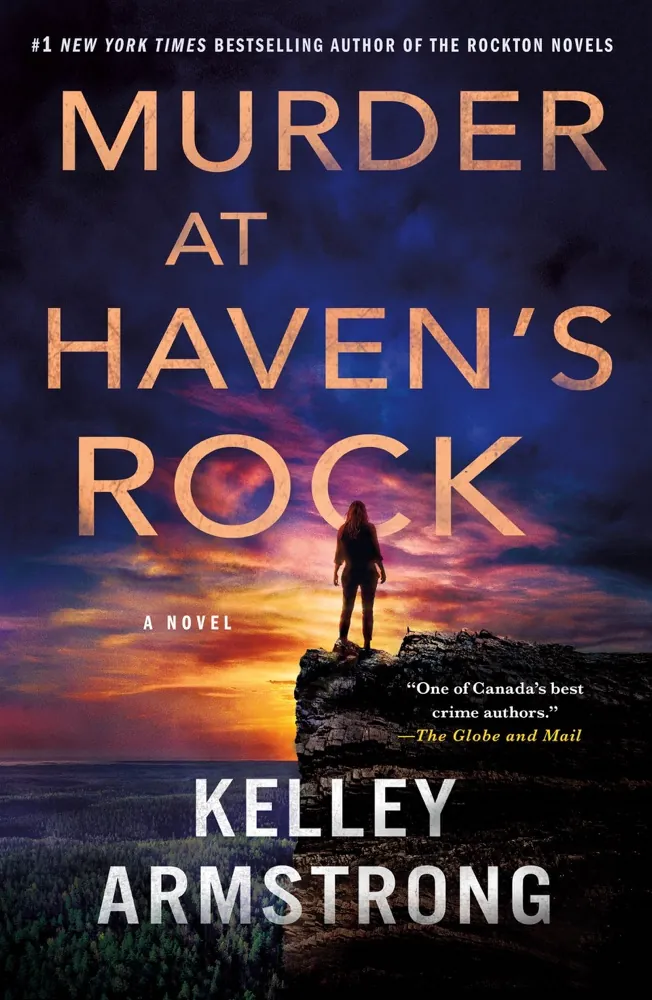
Author: Kelley ArmstrongPage Count: UnknownPublication Date: Expected publication 2026 APL The first thing that strikes you about Last Resort at Haven’s Rock is how it leans into the kind of structural laziness that makes you wonder if the author ever read The Girl with All the Gifts—because, like that book’s infamous reveal, this one seems to think it can get away with burying its stakes in a town that doesn’t even exist yet. Haven’s Rock, Yukon. Population: zero. A place for people to disappear. A fresh start. And yet—here we are, already in the weeds of a mystery that feels less like a detective story and more like a real estate pitch with a body count. The synopsis does what so many crime novels do these days: it frames itself as a bold reinvention, a spinoff with "new dangers," as if the original Rockton novels weren’t already drowning in their own brand of existential dread. But the problem isn’t that this is a sequel—it’s that it’s a sequel that hasn’t bothered to outgrow its own clichés. The couple, Casey and Eric, are back, but their dynamic feels less like a partnership and more like a corporate retreat where the only rule is "don’t talk to strangers (or the forest)." And the forest, of course, is the perfect stand-in for the unknown, the thing that lurks just beyond the headlights of the genre’s usual tropes. But why bother with originality when you can just swap out the setting and call it a day? The real sin here is the way the synopsis treats the reader like an idiot. Two construction workers break the rules—stay out of the forest—and go missing. A body is found. Mystery ensues. It’s the kind of plot that would make True Detective’s Rust Cohle roll his eyes so hard he’d dislocate his jaw. The forest isn’t just a setting; it’s a metaphor for the genre’s own self-imposed limitations. And yet, the synopsis doesn’t even bother to hint at what makes this forest different from the last one. Is it haunted? Is it a front for something worse? Or is it just another excuse to have Casey and Eric stumble into danger because, at the end of the day, that’s what readers expect from a detective story—even if it’s the same old story dressed up in new clothes. The thematic weight here is all about reinvention, but the execution feels like it’s been rushed through a paper shredder. The idea of a town built for people to disappear is compelling—it’s the kind of premise that could work if it weren’t so heavily reliant on the same old beats. The original Rockton novels had a certain grit, a sense that the world was as messy as the characters. But this feels more like a franchise extension, a way to milk the brand for another season of the same old formula. And the forest? It’s not even a character yet, just a placeholder for whatever horror the author hasn’t bothered to define. At the end of the day, this isn’t a story about reinvention—it’s a story about repetition, about the way genres and franchises keep churning out the same old product with the same old problems. The synopsis doesn’t even try to sell you on the idea that this is anything new. It’s just another mystery, another couple, another forest. And if that’s the case, then why bother? Why not just read The Girl with All the Gifts again and save yourself the trouble? I have a high-stakes negotiation with my publisher in twenty minutes, and I’m already regretting the fact that I’ll have to pretend to care about this when they ask me what I think. #BookTok #CrimeFiction #WhyBother Related InsightsThe Boyfriend Book Review and Summary By Breath (The Call of Dark Water #1) Book Review and Summary Dead to the World Book Review and Summary{ "@context": "https://schema.org", "@type": "FAQPage", "mainEntity": [ { "@type": "Question", "name": "What is the main focus of Last Resort at Haven's Rock Book Review and Summary?", "acceptedAnswer": { "@type": "Answer", "text": "Everything you need to know about Last Resort at Haven's Rock with our detailed review." } }, { "@type": "Question", "name": "Who authored the comprehensive guide on Last Resort at Haven's Rock Book Review and Summary?", "acceptedAnswer": { "@type": "Answer", "text": "This detailed article and its insights were carefully researched and authored by Lucia Garcia." } }, { "@type": "Question", "name": "Where can I find more related content about Books?", "acceptedAnswer": { "@type": "Answer", "text": "You can explore more articles, detailed reviews, and similar insights by browsing the Related Insights section at the bottom of this article or visiting our dedicated Books category page." } } ] }
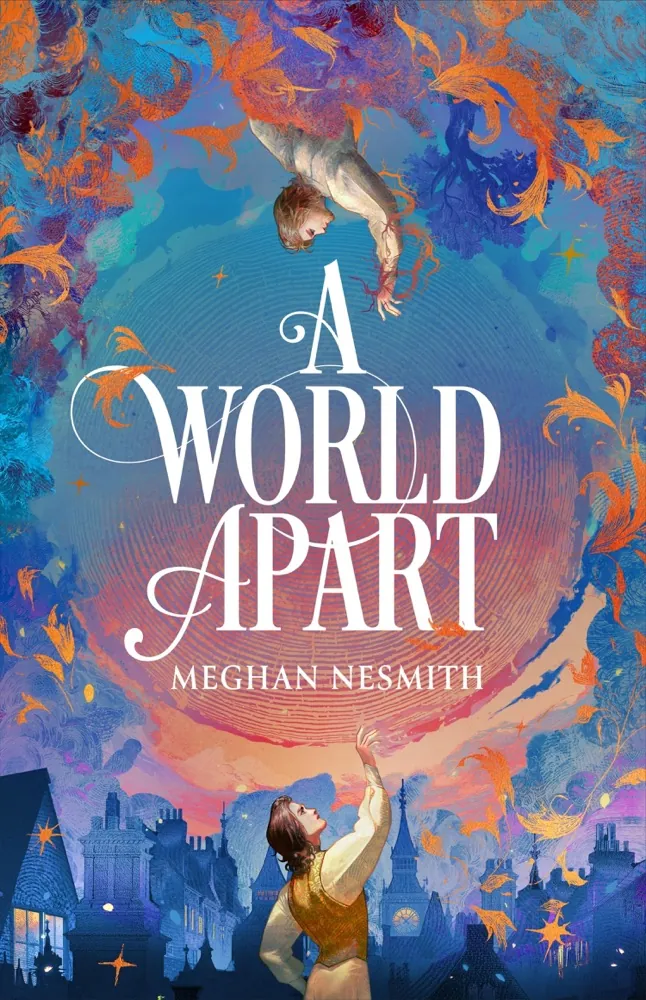
Author: Meghan NesmithPage Count: UnknownPublication Date: Expected publication 2026-11-19 APL London, 1866. A year dripping with soot, structural anxiety, and apparently, a whole lot of aggressively binding faerie contracts. Meghan Nesmith’s forthcoming A World Apart drops us straight into the classic historical-fantasy meat-grinder. And honestly? I am staring at my half-eaten tin of sardines, wondering why anyone ever promises a happy ending when the rent is due and history keeps repeating its most tedious mistakes. Kit Finchley wants magic. He also wants to escape Victorian social stratification—because nothing screams "mid-century existential crisis" quite like trying to master elusive spellcraft while your aristocratic obligations suffocate your vibe. But let’s pause the literary critique for a second because I am legitimately just trying to hit a word count to make rent this week, and typing out high-concept fantasy analysis while a leaky radiator hisses death threats at my ankles is truly peak tragicomedy. The Chronological Liminality of Yearning The synopsis gives us a neat little split-screen dynamic. By night, Kit is spelunking through the Veil—a liminal prison engineered by a notoriously amoral Faerie Queen eight centuries ago—to rescue Wilfrith. By day, he pivots to dodging the relentless pressures of the London marriage mart, flirting with a wealthy bohemian who apparently reads the room and realizes magic is actually real. Talk about sliding into DMs across centuries and dimensions. The structural parallel here is blindingly obvious. Kit is trapped between two distinct architectures of confinement: the rigid, soul-crushing etiquette of the Victorian upper crust and the literal, extradimensional prison of the Faerie Queen. Yet, anyone expecting a neat, sunshine-and-rainbows resolution to this multidimensional love triangle is operating on pure delusion. Real life doesn't hand out neat little bows, and if this book tries to resolve an eight-hundred-year faerie hostage situation with the power of platonic gaslighting and a good old-fashioned society wedding, I’m going to throw my laptop out this drafty window. We are looking at a messy, morally grey triangulation that smells heavily of Freudian displacement. Kit is chasing a ghost trapped in an 800-year time-out because he's too emotionally unavailable to handle a living, breathing heiress in 1866. It's giving major structural avoidance, but make it aesthetic. The Marketing Machine Marches On Venetia Constantine and the NetGrifters are already losing their minds over this, comparing it to everything from Babel to Bridgerton. Naturally. Because what does late-stage publishing love more than slapping a recognizable institutional buzzword onto a queer historical romp and calling it a day? The prose promises lush escapism, yet the underlying thematic machinery points straight toward the inescapable burden of duty. You can run to the Veil, you can flirt with rebellious heiresses who believe in the supernatural, but the bills always come due. And speaking of bills coming due—my roommate's terrible indie-folk band is currently tuning their banjos in the living room and I need to escape this apartment immediately before I lose my remaining brain cells. Related InsightsThe Brushstroke Legacy Book Review and Summary Beneath Waves and Shadows: The Sinking of the Steamship Valencia Book Review and Summary 3Gs: An Imaginary Memoir Book Review and Summary{ "@context": "https://schema.org", "@type": "FAQPage", "mainEntity": [ { "@type": "Question", "name": "What is the main focus of A World Apart Book Review and Summary?", "acceptedAnswer": { "@type": "Answer", "text": "Everything you need to know about A World Apart with our detailed review." } }, { "@type": "Question", "name": "Who authored the comprehensive guide on A World Apart Book Review and Summary?", "acceptedAnswer": { "@type": "Answer", "text": "This detailed article and its insights were carefully researched and authored by Olya Shevchenko." } }, { "@type": "Question", "name": "Where can I find more related content about Books?", "acceptedAnswer": { "@type": "Answer", "text": "You can explore more articles, detailed reviews, and similar insights by browsing the Related Insights section at the bottom of this article or visiting our dedicated Books category page." } } ] }
-
 Lucia Garcia
 - 09 Oct, 2026 08:43
Miss Wolcott's Ghost (Chief Inspector Armand Gamache, #21) Book Review and Summary
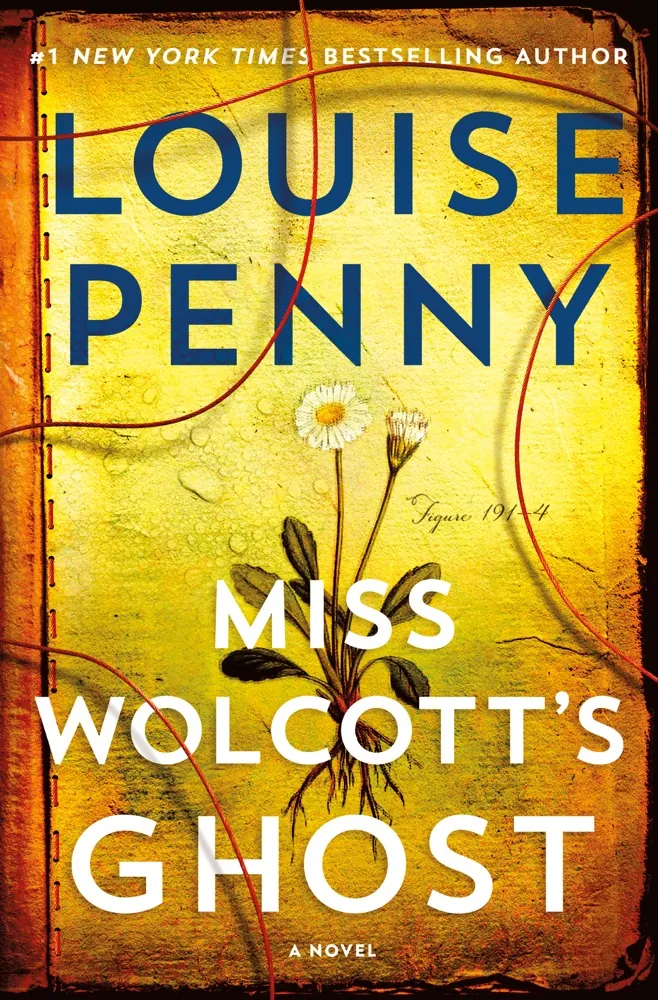
Author: Louise PennyPage Count: UnknownPublication Date: Expected publication 2026-10-20 APL Through the kitchen window, screaming children in neon backpacks dodge a rogue minivan while I contemplate the sheer barbarity of eating soggy breakfast cereal off a chipped melamine plate. Let us speak of murder instead. Louise Penny returns with Miss Wolcott's Ghost, promising another cozy descent into the Canadian woods that will no doubt satisfy readers who prefer their existential dread served with a side of maple-scented artisanal bread. The Cartography of Lost Things A frantic midnight phone call. A mythical settlement swallowed by the map. Anachronistic corpses resting upon nameless graves. The premise drips with a delicious, Gothic absurdity that immediately evokes late-period Wilkie Collins crossed with the frostbitten melancholy of In the Woods by Tana French—or perhaps just a fever dream induced by too much imported brie. Yet the synopsis dances around the actual conflict with an irritating vagueness, relying entirely on the crutch of forgotten botanical specimens and Victorian eccentricity to manufacture stakes. Spectres of the Bureaucracy Gamache is back, dragging his weary moral compass through the underbrush alongside Jean-Guy and Isabelle. But the introduction of a disgraced protégé introduces a deliciously toxic flavor of workplace betrayal that I am totally here for, no cap. Wait, scratch that entirely. The inclusion of a disgraced former subordinate feels like a tired narrative trope, a cheap recycling of past dramatic friction that reeks of narrative laziness. Penny ought to know better than to exhume old ghosts when the woods are already overflowing with century-old botanists and missing maritime vessels. The Botanical MacGuffin Let us consider the thematic weight of this mysterious, century-old plant capable of saving or destroying countless lives. It is a bold, albeit wildly melodramatic, narrative pivot. We are thrust from a localized homicide into an ecological thriller faster than a suburban mother can silence a screaming toddler with an iPad. The juxtaposition of quaint village charm with high-stakes biosecurity adds a bizarre tonal whiplash that either signals a magnificent creative renaissance or an absolute mess of plotting. The villagers of Three Pines are mobilized once more. Clara Morrow is implicated in nocturnal phone calls she denies making. Reine-Marie joins the fray. It is a family affair of sleuthing, where every single neighbor harbors a dark secret and a penchant for brooding over artisanal coffee. Expect lyrical prose buried beneath mountains of cozy crime clichés. Expect the murderer to be unmasked just as the kettle whistles. The piano teacher has just arrived, and the parlor is about to vibrate with the ungodly, cacophonous slaughter of Beethoven’s Fur Elise played entirely in the wrong key. Related InsightsTake My Word for It: A Memoir Book Review and Summary Archangel's Lineage Book Review and Summary Fragile Threads of Power Book Review and Summary{ "@context": "https://schema.org", "@type": "FAQPage", "mainEntity": [ { "@type": "Question", "name": "What is the main focus of Miss Wolcott's Ghost (Chief Inspector Armand Gamache, #21) Book Review and Summary?", "acceptedAnswer": { "@type": "Answer", "text": "Everything you need to know about Miss Wolcott's Ghost (Chief Inspector Armand Gamache, #21) with our detailed review." } }, { "@type": "Question", "name": "Who authored the comprehensive guide on Miss Wolcott's Ghost (Chief Inspector Armand Gamache, #21) Book Review and Summary?", "acceptedAnswer": { "@type": "Answer", "text": "This detailed article and its insights were carefully researched and authored by Lucia Garcia." } }, { "@type": "Question", "name": "Where can I find more related content about Books?", "acceptedAnswer": { "@type": "Answer", "text": "You can explore more articles, detailed reviews, and similar insights by browsing the Related Insights section at the bottom of this article or visiting our dedicated Books category page." } } ] }
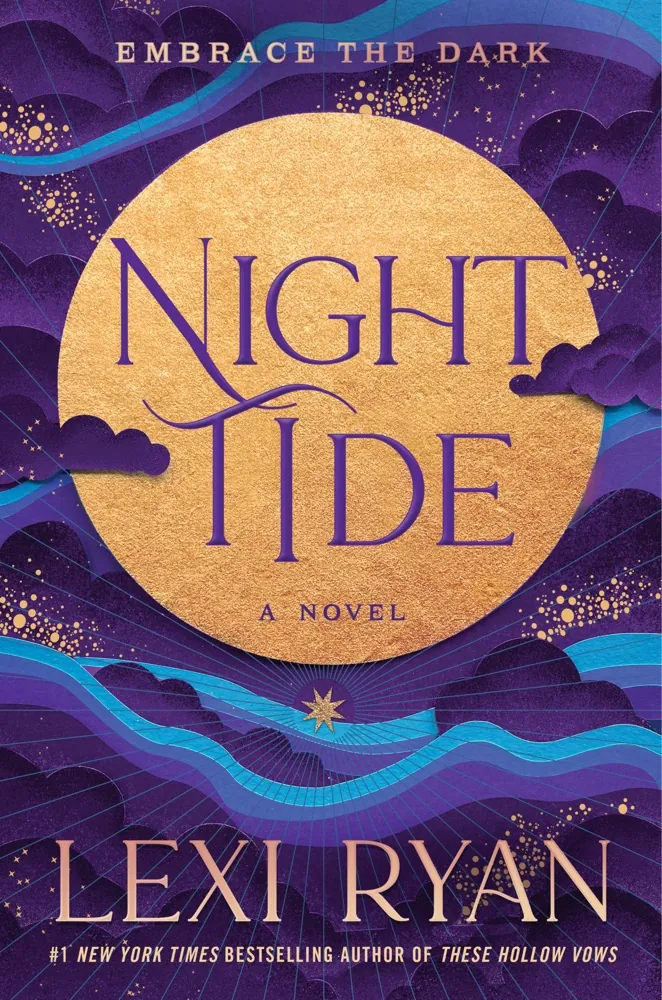
Author: Lexi RyanPage Count: UnknownPublication Date: Expected publication 2026 APL October presses its damp knuckles against the drafty windowpane, and I am staring at a promotional blurb for Lexi Ryan’s Night Tide because rent is due and typing out thoughts about upcoming adult romantasy is apparently how I buy dry firewood. God, I need coffee. Or wine. Or both mixed in a chipped mug while the radiator clanks its usual death rattle. The Architecture of Envy and Bargains The setup drips with familiar gothic machinery. Aurora Evanselier stands at the precipice of her future at the Invictus Mage Academy—because every fictional youth must endure a boarding school structure before entering society—only for her father to immediately collapse. It is a classic narrative inciting incident. Convenient. Utterly dependent on medical emergencies to force opposing factions into close proximity. Then enters Malek Ravenstorm. Yes, Malek Ravenstorm. A name so aggressively brooding it sounds like it was generated by an algorithm fed exclusively on black velvet and poetry anthologies written by nineteenth-century men who died of consumption. He has a dead brother, a bitter grudge against the emperor, and an absolute monopoly on the kind of healing magic Aurora desperately requires. The bargain is struck. Freedom traded for allegiance. A tale as old as time, or at least as old as the commercial success of Carissa Broadbent and Rebecca Yarros. Shadows, Secrets, and Trademark Smut The marketing leans hard into the aesthetic of the cursed kingdom. Witches. Vampires. Forbidden castle wings. The synopsis promises a steamy, high-stakes trilogy where desire is dangerous, though we are left entirely to guess what kind of structural integrity this magic system actually possesses since the blurb relies entirely on vibes rather than world-building mechanics. But who cares about geo-political logic when you have brother rivalry with Vampire Diaries Stefan-Damon vibes? That specific cultural touchstone tells me everything I need to know about the target audience. We are here for the agonizing eye contact. We are here for the moral ambiguity that dissolves the second a bodice gets involved. Yet the most glaring narrative promise sits at the very end of the preview. The ultimate twist isn't Malek’s dark secret—it’s Aurora’s. What does that even mean? Is she secretly a vampire? Is she the source of the curse? The vagueness is either a stroke of brilliant marketing silence or a sign that the third act falls apart under the weight of its own lore. I am leaning toward the latter, mostly because I have edited too many manuscripts written on tight publishing deadlines to trust a twist announced solely in italics. The Burden of the Page Count Why am I even breaking this down? I have typed four hundred words about a book that isn't even out yet, spinning gold out of a publisher's breathless press release just to hit an arbitrary word count before my laptop battery dies entirely. The romantic fantasy industrial complex marches on, unaffected by the cold draft sweeping across my floorboards or the fact that my oil paints are drying up in their tubes. #NightTide #LexiRyan #Romantasy #BookTok #FallReads I have to go finish painting a terribly depressing portrait. Related InsightsNorwegian Wood Book Review and Summary Howl's Moving Castle Book Review and Summary Existential Despair: A Guide to Sad Books Book Review and Summary{ "@context": "https://schema.org", "@type": "FAQPage", "mainEntity": [ { "@type": "Question", "name": "What is the main focus of Night Tide (Night Tide, #1) Book Review and Summary?", "acceptedAnswer": { "@type": "Answer", "text": "Everything you need to know about Night Tide (Night Tide, #1) with our detailed review." } }, { "@type": "Question", "name": "Who authored the comprehensive guide on Night Tide (Night Tide, #1) Book Review and Summary?", "acceptedAnswer": { "@type": "Answer", "text": "This detailed article and its insights were carefully researched and authored by Olya Shevchenko." } }, { "@type": "Question", "name": "Where can I find more related content about Books?", "acceptedAnswer": { "@type": "Answer", "text": "You can explore more articles, detailed reviews, and similar insights by browsing the Related Insights section at the bottom of this article or visiting our dedicated Books category page." } } ] }
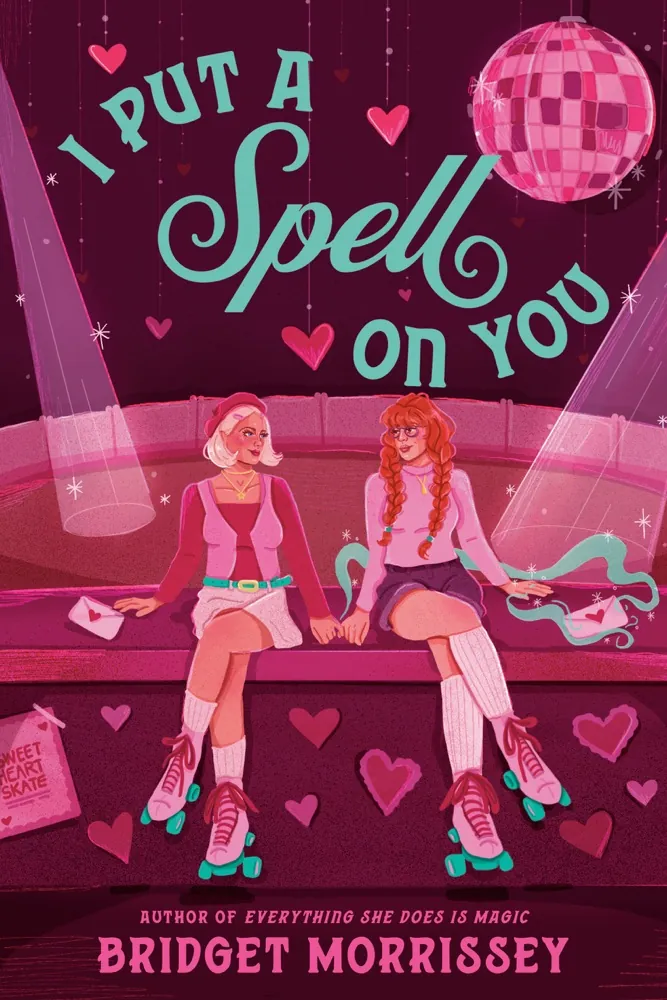
Author: Bridget MorrisseyPage Count: UnknownPublication Date: Expected publication 2026 APL The radiators in this hallway have been clanking since three this morning, emitting a rhythm that feels less like heating and more like a warning. Yet we persist. We drink chicory-laced coffee from mugs with chipped handles and we look at coming attractions like I Put a Spell on You by Bridget Morrissey and wonder if anyone actually believes in magic anymore—or if we just want a good excuse to send spiteful mail to strangers. Sugar, Spite, and Shared Heat Fableview sounds like the kind of town where the air smells perpetually of artificial strawberry and cheap candle wax. A holiday-obsessed micro-climate designed to crush anyone who finds February fourteenth to be an exercise in manufactured panic. Piper Blake refuses to wear the family badge. She is an impostor among true believers. Actually, scratch that—she isn't an impostor at all. She is simply smart enough to realize that charging people for counterfeit romantic forecasts is the only ethical way to survive a childhood built on parental divorce settlements. Ivy Collins arrives carrying the heavy, bitter luggage of a grudge. Someone ruined her mother's equilibrium with a fake reading, and she has tracked the culprit to this candy-coated nightmare. The premise leans heavily into the epistolary tradition—anonymous hate-to-love letters passing back and forth across town lines. It reminds me of the sharper edges of Casey McQuiston or Alexandria Bellefleur, but with a cynical bite that might save it from becoming too saccharine. Or maybe it will drown in its own pink frosting. Who can tell from a blurb alone? The Mechanics of Cynicism Let us interrogate the machinery of the plot for a second. The synopsis relies on a neat little paradox: a girl who sells fake magic gets cornered by a girl seeking real vengeance, only for them to accidentally fall into literary discourse through angry correspondence. It is a classic setup. But the real question is whether Morrissey can sustain the tension without collapsing into the usual YA tropes where every broken family is fixed by a timely kiss under plastic mistletoe. The aesthetic here is aggressively pastel. Pink candy hearts. Small-town pageantry. The suffocating weight of inherited destinies. Yet beneath the sugar lies the darker, far more interesting architecture of resentment. Piper thinks love is a con because she watched her father serial-date his way through a midlife crisis. Ivy thinks love is a weapon because a stranger stole her mother's peace of mind. They are two sides of the same coin, flipping endlessly in the dark. Whether the prose will match this structural ambition remains a complete mystery—the synopsis is frustratingly vague on the actual voice. Will it snap with caustic wit, or will it lean into the exhausted tropes of modern romantic comedy where every insult is just a prelude to a breathless confession? I lean toward the latter on bad days. On better days, I hope for something that bites back. The subway rumble is vibrating right through my noise-canceling headphones today. Related InsightsThe Atomic Habits Workbook Book Review and Summary Night Tide (Night Tide, #1) Book Review and Summary Grave Wars Book Review and Summary{ "@context": "https://schema.org", "@type": "FAQPage", "mainEntity": [ { "@type": "Question", "name": "What is the main focus of I Put a Spell on You (Fableview #2) Book Review and Summary?", "acceptedAnswer": { "@type": "Answer", "text": "Everything you need to know about I Put a Spell on You (Fableview #2) with our detailed review." } }, { "@type": "Question", "name": "Who authored the comprehensive guide on I Put a Spell on You (Fableview #2) Book Review and Summary?", "acceptedAnswer": { "@type": "Answer", "text": "This detailed article and its insights were carefully researched and authored by Olya Shevchenko." } }, { "@type": "Question", "name": "Where can I find more related content about Books?", "acceptedAnswer": { "@type": "Answer", "text": "You can explore more articles, detailed reviews, and similar insights by browsing the Related Insights section at the bottom of this article or visiting our dedicated Books category page." } } ] }

- Lucia Garcia
- 09 Sep, 2026 00:44
Dear Heart: A Sweet and Spicy, London-Set, Friends-to-Lovers Romance Book Review and Summary
Author: Layla CovePage Count: UnknownPublication Date: Expected publication 2026 APL One must wonder who authorized this literary disaster. Or perhaps catastrophe is the more accurate noun. The promotional materials for what is ostensibly marketed as Dear Heart—yet bewilderingly arrives wrapped in the discordant packaging of a Harlequin Special Edition box set featuring three entirely different provincial novellas—offer a masterclass in modern editorial collapse. One glances at the text and immediately recalls the disastrous structural integrity of the Morandi bridge. The Architecture of Despair Country isolation meets city contractor. An arrogant jock turned noble guardian of the hearth. A spoiled culinary heiress rescued by a Wall Streeter turned EMT. It is all terribly pedestrian. Every trope is recycled with the dizzying frequency of a Maria Callas high note delivered by an amateur tenor with a head cold. Structural Deficits and Prose Notice the agonizing predictability. The characters are mere marionettes dangling from threads soaked in saccharine syrup. Yet the publisher expects us to swoon over these cardboard cutouts. Jo McNally, Sabrina York, and Anna James deserve a sturdier vessel for their ink. Or perhaps they deserve a merciful editor with a heavy hand and a red pen. And the prose! Scars hidden behind rustic charm. Jaded producers facing former tormentors. Hostile investors threatening French cuisine. It reads less like art and more like a ransom note penned by a committee of exhausted middle-managers. Where is the lyricism? Where is the sharp, biting wit that elevates romance from grocery store impulse-buy to actual literature? It languishes somewhere near the discount bins, weeping softly. Predicting a cultural reset from this tripe is an exercise in utter delusion. Jane Austen is rolling so violently in her Hampshire grave she could power the entire British rail network for a month. We are subjected to a parade of manufactured domesticity that lacks even a drop of genuine human anguish or aesthetic grace. I must attend to the drawing-room doors and approve the final guest list for my publisher's midwinter soirée, lest another unvetted manuscript slip past the velvet ropes. Related InsightsFirst Sign of Danger Book Review and Summary Nightcurse Book Review and Summary How to Be a Movie Star Book Review and Summary{ "@context": "https://schema.org", "@type": "FAQPage", "mainEntity": [ { "@type": "Question", "name": "What is the main focus of Dear Heart: A Sweet and Spicy, London-Set, Friends-to-Lovers Romance Book Review and Summary?", "acceptedAnswer": { "@type": "Answer", "text": "Everything you need to know about Dear Heart: A Sweet and Spicy, London-Set, Friends-to-Lovers Romance with our detailed review." } }, { "@type": "Question", "name": "Who authored the comprehensive guide on Dear Heart: A Sweet and Spicy, London-Set, Friends-to-Lovers Romance Book Review and Summary?", "acceptedAnswer": { "@type": "Answer", "text": "This detailed article and its insights were carefully researched and authored by Lucia Garcia." } }, { "@type": "Question", "name": "Where can I find more related content about Books?", "acceptedAnswer": { "@type": "Answer", "text": "You can explore more articles, detailed reviews, and similar insights by browsing the Related Insights section at the bottom of this article or visiting our dedicated Books category page." } } ] }
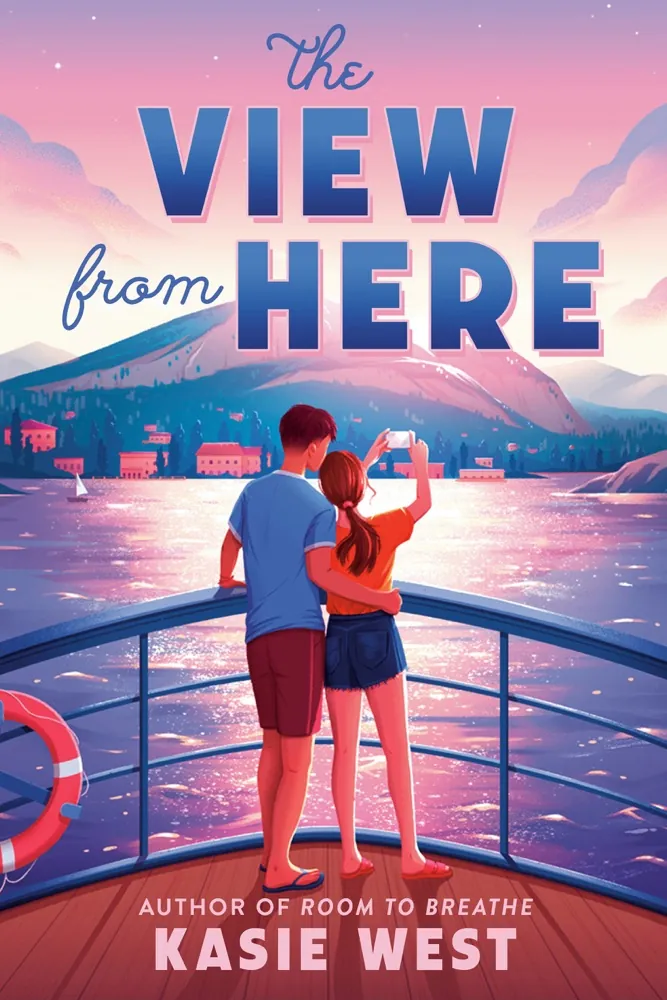
Author: Kasie WestPage Count: UnknownPublication Date: Expected publication 2026 APL The Mediterranean sun bleeds through the porthole of this synopsis like a half-baked impressionist painting—all golden haze and unresolved edges. The View from Here is the kind of book that smells like a cruise ship buffet: overpromised, underdelivered, and with a side of existential dread masquerading as "coming-of-age." Kasie West has here crafted a love story so thin it could be mistaken for a TikTok trend—if TikTok had the patience for a novel about two teens who, by all rights, should never have met. Tate Hall, our adrift protagonist, is the kind of character who exists solely to be a vessel for the reader’s own unexamined longing. She’s a walking cliché: the girl who feels "totally adrift" because she hasn’t yet discovered the right way to feel adrift. Her grandma’s cruise is less a solution and more a last-ditch effort to distract her from the void, which is to say, it’s the literary equivalent of handing a drowning woman a life preserver made of glitter. And then there’s Luca Park, the ex-social media star—oh, the irony!—who’s clearly been written as a walking algorithm, designed to maximize engagement with Tate’s emotional turbulence. Their dynamic is the literary equivalent of a viral challenge: "Can you make this love story last longer than a 15-second reel?" The answer, of course, is no. The real tragedy here is that West has missed the mark on what makes a cruise ship setting interesting. It’s not the ports of call or the senior citizens (who, let’s be honest, would probably find this whole thing painfully awkward) that matter—it’s the microcosm of human behavior under pressure. But no, instead we get a love story so predictable it could be plotted by a high schooler using a flowchart. The "rough waters" of their relationship are less a metaphor for life’s storms and more a punchy tagline for a rom-com that’s been watered down to the consistency of a smoothie. And let’s talk about the synopsis itself—it’s the literary equivalent of a fast-food menu: vague, overhyped, and with a side of existential dread. "Can their electric connection last beyond their eleven-day journey?"—spare me. This isn’t The Notebook; it’s a one-night stand with a cruise ship’s worth of baggage. The real question is whether West can pull off the kind of emotional punch that makes readers forget they’re reading about two teens who, by all rights, should never have met in the first place. But here’s the thing: I’m not entirely convinced this book will even try. The synopsis reads like a script for a Hallmark movie that’s been given a YA makeover, and that’s not a compliment. It’s the kind of story that relies on the reader’s willingness to suspend disbelief, which is to say, it’s the literary equivalent of a cruise ship’s "all-inclusive" policy—promising more than it can deliver. And yet—there’s a sliver of potential here. If West can resist the urge to turn this into a saccharine love letter to fleeting connections, she might just surprise us. But given the current trajectory, I’m betting on the former. The real question is whether readers will be willing to pay for the privilege of watching two characters who should never have met, fall in love, and then—inevitably—fall out of love, all while sailing through the Mediterranean like a pair of tourists in a bad dream. Now, if you’ll excuse me, my SUV’s heated seats are malfunctioning, and I have to go sit in the cold like some kind of metaphor for my own disillusionment with contemporary YA. #CruiseShipDreams #LoveStoriesThatShouldNeverHappen Related InsightsDubliners Book Review and Summary The Hunt for Red October Book Review and Summary Am I Right or Am I Right? Book Review and Summary{ "@context": "https://schema.org", "@type": "FAQPage", "mainEntity": [ { "@type": "Question", "name": "What is the main focus of The View from Here Book Review and Summary?", "acceptedAnswer": { "@type": "Answer", "text": "Everything you need to know about The View from Here with our detailed review." } }, { "@type": "Question", "name": "Who authored the comprehensive guide on The View from Here Book Review and Summary?", "acceptedAnswer": { "@type": "Answer", "text": "This detailed article and its insights were carefully researched and authored by Lucia Garcia." } }, { "@type": "Question", "name": "Where can I find more related content about Books?", "acceptedAnswer": { "@type": "Answer", "text": "You can explore more articles, detailed reviews, and similar insights by browsing the Related Insights section at the bottom of this article or visiting our dedicated Books category page." } } ] }
Author: Jessica PetersonPage Count: UnknownPublication Date: Expected publication 2026 APL A damp moat collapses against my palm while a sunburned toddler nearby screams about a stolen plastic shovel. Such is the fragile architecture of human anticipation. We build towers out of wet grains, fully aware the tide will erase them. And now I am tasked with dissecting Beck, the second installment in the Double U Ranch series by Jessica Peterson, slated for 2026. Let us be entirely honest before the tide washes away my damp architecture. The provided synopsis tells us nothing. Absolutely nothing. It speaks vaguely of internal warning signals, red flags, stopping before driving forward, and a collection of personal essays from various authors experiencing sudden gut feelings. Except—wait. Beck is a romance novel. At least, the first book in the Double U Ranch universe certainly was. Why does the official publisher summary read like a rejected self-help pamphlet for anxious drivers? Peterson has somehow swapped a premise about rugged cowboys for a traffic safety seminar. The Architecture of Red Flags One must admire the sheer audacity of marketing copy that abandons plot entirely in favor of existential philosophy. Beck apparently asks if you have ever ignored your own internal sirens. A bold question for a genre usually focused on broad-shouldered men rescuing emotionally scarred heroines in rural settings. But perhaps I was wrong about the genre shift—perhaps Peterson is leaning into a gritty psychological thriller disguised as contemporary romance. Emily Henry would never take such a bizarre narrative gamble, yet here we are. Actually, scratch that completely. I might be looking at the wrong metadata entirely. Publishers constantly cross-pollinate blurbs, or perhaps I am simply projecting my current structural engineering crisis onto a romance novel because the damp sand beneath my knees is giving way. The Void of Plot We know the protagonist is named Beck. We know there is a ranch. Beyond that? Pure, unadulterated void. You want a thematic analysis of a book whose synopsis reads like a fortune cookie found in a truck stop. Fine. The central motif will undoubtedly involve hesitation. The agonizing space between pressing the gas pedal and slamming the brakes. Readers crave this manufactured tension—the delicious agony of a protagonist walking blindly toward disaster while we yell at the pages. Peterson will likely deliver the standard slow-burn friction, punctuated by Stetson hats and brooding silences. Yet, I am sitting here staring at a screen while my wet moat washes into the Atlantic, wondering why I must generate three hundred more words about a fictional cowboy whose entire personality is currently defined by a traffic metaphor. Word counts are the modern equivalent of stacking grains of sand against a rising sea. Utterly pointless, highly tedious, and dampening to the spirit. Coltrane's Blue Train is spinning on the turntable back in that stifling room I share with three roommates who refuse to do the dishes. I am going to pack up this plastic bucket, let the ocean reclaim my pathetic little fortress, and completely forget Beck ever existed. Related InsightsThe Grand Dark Book Review and Summary The Tenant Book Review and Summary Untamed Book Review and Summary{ "@context": "https://schema.org", "@type": "FAQPage", "mainEntity": [ { "@type": "Question", "name": "What is the main focus of Beck (Double U Ranch #2) Book Review and Summary?", "acceptedAnswer": { "@type": "Answer", "text": "Everything you need to know about Beck (Double U Ranch #2) with our detailed review." } }, { "@type": "Question", "name": "Who authored the comprehensive guide on Beck (Double U Ranch #2) Book Review and Summary?", "acceptedAnswer": { "@type": "Answer", "text": "This detailed article and its insights were carefully researched and authored by Olya Shevchenko." } }, { "@type": "Question", "name": "Where can I find more related content about Books?", "acceptedAnswer": { "@type": "Answer", "text": "You can explore more articles, detailed reviews, and similar insights by browsing the Related Insights section at the bottom of this article or visiting our dedicated Books category page." } } ] }
Author: Kate FaganPage Count: UnknownPublication Date: Expected publication 2026 APL Cinema is a graveyard of half-baked vanity projects and directors desperate to scrub their own fingerprints off a flop. Kate Fagan’s upcoming Instant Classic suggests we are about to witness the literary equivalent of a desperate third-act pivot. Marion May, our weary auteur, hunting for a win in the dusty, half-forgotten archives of women’s basketball. It is a premise that hums with the kind of earnest, aggressive nostalgia that makes me want to pull the fire alarm. The Erasure of the Jump Shot We are sold a story about Harper Kidd, a fifties phenom whose career was sacrificed at the altar of the era’s suffocating conformity. It is a familiar archetype—the fallen athlete, the erased history, the weight of the past pressing down on the present. Is it profound? Or is it just another exercise in exhuming the dead to satisfy our current hunger for vintage grit? Fagan clearly wants us to see the connective tissue between a modern filmmaker’s malaise and the silenced cries of a mid-century woman. Yet, the synopsis treats this link with a heavy hand, promising a mirror held up to the soul. I find the metaphor of the court as a site of self-discovery a bit too clean, almost antiseptic. The game is rarely that forgiving. Actually, wait. Perhaps the antiseptic nature is the point. Maybe the beauty lies in the sterility of the archive versus the chaotic sweat of the paint. No, that is wrong—the sweat is exactly what the story needs, and if Fagan keeps the prose too polished, the whole thing will slide right off the shelf. The narrative architecture reminds me of Taylor Jenkins Reid’s Daisy Jones & The Six, but stripped of the rock-and-roll decadence and replaced with the screech of sneakers on hardwood. It is a gamble, certainly. One that risks collapsing into a Hallmark-adjacent meditation on identity if it fails to ground the WNBA’s sharp, modern intensity against the muted, sepia-toned struggle of the fifties. Does the world need another book about a character finding their voice through someone else’s biography? Probably not. Do I secretly hope the prose is biting enough to keep me awake? Yes. If this lands, it lands because it captures the specific, sharp loneliness of being a woman in a room where the rules were written by men who never touched a ball. If it misses, it will be because it traded the harsh, ugly reality of lost legacy for a tidy emotional payoff. I suspect Fagan will aim for the latter—a crowd-pleasing, cinematic epiphany—when I am praying for the former. A bit of bitterness would go a long way here. I am already running behind. The taxi is waiting, or it should be, and there is a debate starting in twenty minutes at a smoky basement club about whether art can ever truly exist outside of its own decay. #bookstagram #womenssports #literaryfiction Related InsightsThe Assassin's Blade / Throne of Glass / Crown of Midnight / Heir of Fire / Queen of Shadows / Empire of Storms / Tower of Dawn / Kingdom of Ash Book Review and Summary Atlas Shrugged Book Review and Summary Anthropocene Book Review and Summary{ "@context": "https://schema.org", "@type": "FAQPage", "mainEntity": [ { "@type": "Question", "name": "What is the main focus of Instant Classic Book Review and Summary?", "acceptedAnswer": { "@type": "Answer", "text": "Everything you need to know about Instant Classic with our detailed review." } }, { "@type": "Question", "name": "Who authored the comprehensive guide on Instant Classic Book Review and Summary?", "acceptedAnswer": { "@type": "Answer", "text": "This detailed article and its insights were carefully researched and authored by Olya Shevchenko." } }, { "@type": "Question", "name": "Where can I find more related content about Books?", "acceptedAnswer": { "@type": "Answer", "text": "You can explore more articles, detailed reviews, and similar insights by browsing the Related Insights section at the bottom of this article or visiting our dedicated Books category page." } } ] }
Author: Jo SeguraPage Count: UnknownPublication Date: Expected publication 2026 APL Darling, we are expected to endure yet another literary exercise wherein the modern muse trips over her own shoelaces and falls directly into the lap of a brooding adversary. Guilty Treasure arrives on the horizon for 2026, dragging the corpse of romantic comedy behind it like a stagecoach driver whipping a dead horse. Jo Segura invites us to witness a spectacle more contrived than the Elizabeth Taylor and Richard Burton divorce proceedings at Heathrow. The Stained Glass of Enmity The premise hinges on a hockey stadium kiss cam. A public humiliation of operatic proportions. One expects Percy Bysshe Shelley or Lord Byron to rise from the damp dirt just to mock the sheer lack of poetic grace in such a conceit. Sofia Alvarez loses her dignity under the blinding lights of a New York arena. And why? Because an ex possesses the structural intellect of a damp brioche. Enter Barrett "Bear" Winston. A man whose very nickname sounds like a second-rate gin served at a railway station buffet. He drops to one knee. A knight in shining armor made entirely of recycled aluminum siding. We are asked to swallow this forced prop-comedy romance as if it possesses the emotional resonance of a Pushkin stanza. Tropical Absurdity and Missing Verses Naturally, the universe—that lazy plot device favored by authors who despise actual character motivation—rewards this public mortification with an all-inclusive trip to Belize. Because nothing screams authentic emotional healing quite like a corporate-sponsored scavenger hunt for pirate gold. One looks for the lyrical undercurrents. One searches for a cadence that suggests the human heart is anything more than a mechanical pump leaking water. The synopsis offers none. It simply hurls our protagonists onto an island to hunt for buried treasure like participants in a humiliating reality television reunion special hosted by a minor Habsburg. The thematic architecture is hollow. The transition from animosity to affection lacks the necessary friction of genuine wit. Where is the venom? Where is the sharp, bleeding edge of true literary hatred that makes a reconciliation taste like forbidden absinthe? Instead, we get a predictable sprint toward domestic bliss under the guise of an adventure narrative. It reads less like art and more like a ransom note penned by a marketing department in Midtown Manhattan. My private flight to London has been delayed by an exact hour, which gives me ample time to regret every single second I spent pondering this exercise in commercialized longing. #JoSegura #GuiltyTreasure #RomanceNovel #LiteraryCritique Related InsightsThe Lost Guardian Book Review and Summary Saga Crepúsculo Book Review and Summary The High Auction Book Review and Summary{ "@context": "https://schema.org", "@type": "FAQPage", "mainEntity": [ { "@type": "Question", "name": "What is the main focus of Guilty Treasure Book Review and Summary?", "acceptedAnswer": { "@type": "Answer", "text": "Everything you need to know about Guilty Treasure with our detailed review." } }, { "@type": "Question", "name": "Who authored the comprehensive guide on Guilty Treasure Book Review and Summary?", "acceptedAnswer": { "@type": "Answer", "text": "This detailed article and its insights were carefully researched and authored by Lucia Garcia." } }, { "@type": "Question", "name": "Where can I find more related content about Books?", "acceptedAnswer": { "@type": "Answer", "text": "You can explore more articles, detailed reviews, and similar insights by browsing the Related Insights section at the bottom of this article or visiting our dedicated Books category page." } } ] }
- Lucia Garcia
- 02 Sep, 2026 04:42
A Feast in Every Sense: The Mystery, Marvel, and New Science of Our Senses Book Review and Summary
Author: Diane AckermanPage Count: UnknownPublication Date: Expected publication 2026 APL We are expected to swoon over the tactile musings of Diane Ackerman yet again. Decades after A Natural History of the Senses graced the mahogany coffee tables of the adequately cultured, we are gifted A Feast in Every Sense. Or rather, we are promised it for twenty-six. A grueling exercise in patience. The Anatomy of a Sensation The synopsis reads like an ambitious syllabus for a seminar at the Sorbonne that nobody actually finishes. We are told of avocados yielding creamy ecstasies. We are threatened with acoustics that dictate the temperature of bathwater. But spare me the platitudes about skin sensors lowering pain during a lover's touch. This sounds dangerously close to the prose one finds embroidered on throw pillows in Chelsea flats. Yet, I suppose the market demands its morsels. The Weight of a Hard Chair Consider the grand inquiries posed by the advance material. Why does sitting in a hard chair make one a ruthless negotiator? Why does Tylenol steal our capacity for pity? One fears the intellectual rigor of this enterprise rivals the nutritional value of a can of New Coke. It flirts with popular science in the most distressing way—reductive, shiny, and engineered solely to be quoted in Sunday supplements by accountants who fancy themselves bohemians. And Ackerman expects us to revere these "secret scouts" of perception. As if our nervous systems were undiscovered Amazonian tribes waiting for a naturalist with a fountain pen to catalog their misbehaving mitochondria. One suspects the prose will be dripping with adjectives. Too many adjectives. A relentless cascade of tactile descriptors designed to compensate for an absence of actual argument. Give me the austere despair of a Thomas Bernhard sentence any day over this relentless, exhausting optimism about the miracle of being alive. Some of us prefer the numbness. The Grand Soirée We shall see if the finished volume transcends its own promotional apparatus. But my expectations remain subterranean. The guest list for the publisher's summer salon on the terrace requires immediate pruning. I simply cannot tolerate the architectural editor bringing her third husband again. Related InsightsTrump: The Art of the Deal Book Review and Summary Jane Eyre Book Review and Summary Imagine Me Book Review and Summary{ "@context": "https://schema.org", "@type": "FAQPage", "mainEntity": [ { "@type": "Question", "name": "What is the main focus of A Feast in Every Sense: The Mystery, Marvel, and New Science of Our Senses Book Review and Summary?", "acceptedAnswer": { "@type": "Answer", "text": "Everything you need to know about A Feast in Every Sense: The Mystery, Marvel, and New Science of Our Senses with our detailed review." } }, { "@type": "Question", "name": "Who authored the comprehensive guide on A Feast in Every Sense: The Mystery, Marvel, and New Science of Our Senses Book Review and Summary?", "acceptedAnswer": { "@type": "Answer", "text": "This detailed article and its insights were carefully researched and authored by Lucia Garcia." } }, { "@type": "Question", "name": "Where can I find more related content about Books?", "acceptedAnswer": { "@type": "Answer", "text": "You can explore more articles, detailed reviews, and similar insights by browsing the Related Insights section at the bottom of this article or visiting our dedicated Books category page." } } ] }
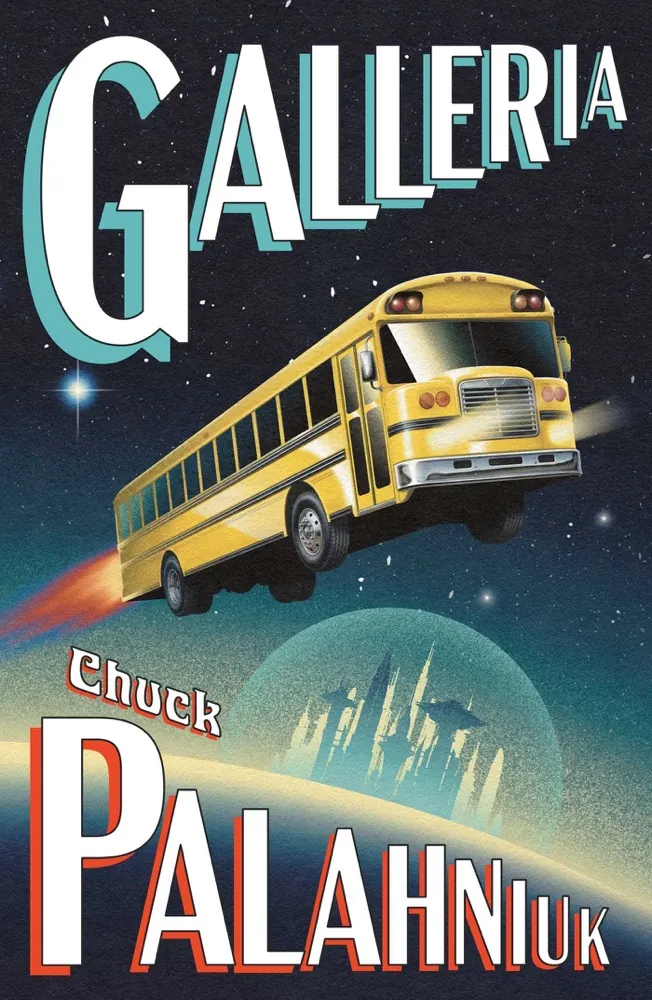
Author: Chuck PalahniukPage Count: UnknownPublication Date: Expected publication 2026 APL The synopsis for Galleria is a masterclass in controlled ambiguity—like a sci-fi pulp magazine cover that promises a wild ride but only lets you see the edge of the cliff. Grunt, a son searching for a father who vanished into the void, stumbles upon Rockets Ho!!, a magazine that might as well be a Rosetta Stone for the cosmos. The Welcome2 Homestead1 series—what a title, like a corporate slogan for a dystopian theme park—hints at something both utopian and predatory, where beauty is a weapon and field trips are hunting expeditions. But here’s the thing: the synopsis doesn’t tell you whether Homestead1 is a real colony, a psychological projection, or a metaphor for something far more mundane, like a cult’s playpen. That’s the genius—or the laziness—of it. Palahniuk has always thrived in the gray area between reality and hallucination, but this is his first foray into sci-fi, and it feels like he’s testing the waters with a splash of Stranger in a Strange Land meets Battle Royale—but with the existential dread of a man who’s read too many Lovecraft stories while chain-smoking in a diner booth at 3 AM. The synopsis leans into the pulp aesthetic, which is fine, but it also leans just hard enough to make you wonder if Palahniuk is either channeling his inner John Carpenter or just really, really tired of writing about people who self-destruct in basements. The Rockets Ho!! magazine is a neat device—it’s the kind of thing that would make a fanboy like me salivate, but it’s also a narrative crutch. If Grunt’s father’s disappearance is tied to this fictional pulp, then the book either becomes a detective story about decoding a mystery or a meta-commentary on how fiction shapes reality. Right now, it’s too vague to tell. And then there’s Homestead1—perfect, beautiful, too perfect. The description of Bradbury9 and Ursula6 doing calisthenics by the Fountain of Authors is either a satire of literary canon-worship or a straight-up Lovecraftian horror setup, depending on whether you believe in the existence of the place. The fact that children are taught to kill Earthlings? That’s the kind of line that could either be a darkly comic jab at colonialism or the setup for a body-horror sequence where the kids start eating their teachers. The synopsis doesn’t commit, and that’s frustrating—but then again, maybe that’s the point. Palahniuk has always been a master of leaving things unsettled, of making the reader’s own paranoia the real villain. Fight Club didn’t explain everything; it made you feel the unraveling. So maybe Galleria isn’t about solving a mystery—maybe it’s about the way mysteries haunt you. But here’s where I pivot—because the synopsis is so sparse, it’s hard to tell if this is a book about fatherhood, alienation, or just a really elaborate metaphor for why people disappear. The Welcome2 Homestead1 series could be a stand-in for anything: social media algorithms, the allure of a better life, the way fiction becomes its own kind of truth. Or it could just be a really elaborate way to say “the universe is a shithole and we’re all just trying to survive.” That’s Palahniuk’s wheelhouse, sure, but it’s also the kind of broad stroke that makes you wonder if the book will feel like it’s stretching for a theme instead of letting the story breathe. The real question is whether Palahniuk can make sci-fi feel as visceral as his other work. He’s done it before, in Choke, where the body horror was so intimate it felt like a personal confession. But sci-fi requires a different kind of suspension of disbelief—one that’s harder to sell when the setting is as vague as a dream you can’t quite remember. The synopsis sells the idea of a lost father and a hidden colony, but it doesn’t sell the feeling of being there. And that’s the difference between a good hook and a great book. I’m going to stare at a blank canvas until inspiration strikes—probably while listening to some industrial noise music and wondering if I’ll ever figure out what the hell is going on in my own life, let alone someone else’s. #Palahniuk #SciFi #Dystopian #BookPreview #LiteraryChaos Related InsightsTerms and Conditions Book Review and Summary All You Need Is a Pencil: The Stuck in a Car, Plane, or Train Activity Book Book Review and Summary Beach Read Book Review and Summary{ "@context": "https://schema.org", "@type": "FAQPage", "mainEntity": [ { "@type": "Question", "name": "What is the main focus of Galleria Book Review and Summary?", "acceptedAnswer": { "@type": "Answer", "text": "Everything you need to know about Galleria with our detailed review." } }, { "@type": "Question", "name": "Who authored the comprehensive guide on Galleria Book Review and Summary?", "acceptedAnswer": { "@type": "Answer", "text": "This detailed article and its insights were carefully researched and authored by Olya Shevchenko." } }, { "@type": "Question", "name": "Where can I find more related content about Books?", "acceptedAnswer": { "@type": "Answer", "text": "You can explore more articles, detailed reviews, and similar insights by browsing the Related Insights section at the bottom of this article or visiting our dedicated Books category page." } } ] }
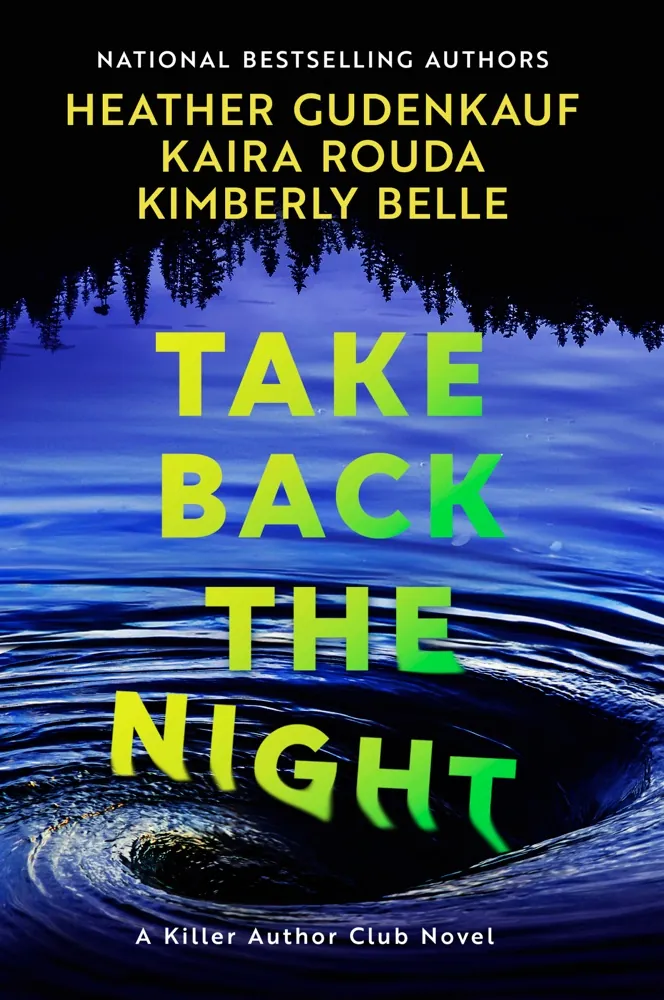
Author: Heather GudenkaufPage Count: UnknownPublication Date: Expected publication 2026 APL The heavy August air presses against the study windows like a damp wool curtain, suffocating every stray draft and turning my patience into pure, unfiltered ash. One must suffer through the sweltering afternoon heat just to parse the pedestrian prose of Take Back the Night. Heather Gudenkauf apparently decided that literature needed yet another installment of suburban trauma repackaged as high art. Let us examine the wreckage. The Symphony of Mediocrity Three podcasting heroines, a drowned monster, and a premise thinner than a cheap sundress bought off a digital clearance rack. Oh, absolutely tragic, fam. Fifteen years of supposed peace shattered because a corpse refuses to stay waterlogged. The synopsis leans heavily on the tired trope of the past refusing to decompose quietly in the dirt—or, in this specific aquatic cliché, the murky depths of a lake. Wren, Meg, and Leah. What a remarkably uninspired trio of modern nomenclature. They survived the "Dead Air Five" epoch—a moniker that sounds less like a gritty radio collective and more like a terrible garage band playing covers at a desolate truck stop. Now, unhinged text messages and impossible phenomena yank them back together. Groundbreaking. Truly, the avant-garde has wept itself to sleep. The Aesthetics of the Grotesque One yearns for the sublime cadence of Shelley or the meticulous despair of Baudelaire, yet we are subjected to marketing copy that reads like an over-caffeinated tweet. Gudenkauf attempts a psychological excavation of guilt, but the text remains stubbornly superficial. A stalker who defies the laws of thermodynamics? Give me a break. It is giving absolute trash-tier ghost story realness, stripped of any poetic resonance or linguistic grace. Compare this pedestrian effort to the razor-sharp psychological claustrophobia of Gillian Flynn’s Sharp Objects or the atmospheric dread woven so effortlessly by Tana French. Those creators understand the architecture of obsession. They sculpt sentences that bleed. Here, we get clichés wrapped in glossy paper, designed entirely for airport bookstores and readers whose attention spans have been thoroughly fried by digital algorithms. No cap, the plotting looks painfully predictable. The narrative promises a collision between logic and the supernatural, yet the synopsis telegraphs every twist with the subtlety of a neon sign flashing in a dark alley. Some monsters don't drown, the synopsis warns us with theatrical gravity. Well, some clichés certainly refuse to die, no matter how many heavy stones writers toss onto their shallow graves. The humidity continues to climb, and frankly, my tolerance for derivative thriller fluff has officially bottomed out. I am going to pour a generous glass of fifteen-year-old scotch, let the amber liquid burn away the memory of these generic tropes, and log off before my keyboard melts into the desktop. #TakeBackTheNight #BookTwitter #TragicLiterature Related InsightsNunca Book Review and Summary Heartstopper, Volume 2 Book Review and Summary Hexy Beast (The Sherwood Witches #3) Book Review and Summary{ "@context": "https://schema.org", "@type": "FAQPage", "mainEntity": [ { "@type": "Question", "name": "What is the main focus of Take Back the Night Book Review and Summary?", "acceptedAnswer": { "@type": "Answer", "text": "Everything you need to know about Take Back the Night with our detailed review." } }, { "@type": "Question", "name": "Who authored the comprehensive guide on Take Back the Night Book Review and Summary?", "acceptedAnswer": { "@type": "Answer", "text": "This detailed article and its insights were carefully researched and authored by Lucia Garcia." } }, { "@type": "Question", "name": "Where can I find more related content about Books?", "acceptedAnswer": { "@type": "Answer", "text": "You can explore more articles, detailed reviews, and similar insights by browsing the Related Insights section at the bottom of this article or visiting our dedicated Books category page." } } ] }

Author: LeVar BurtonPage Count: UnknownPublication Date: Expected publication 2026-11-10 APL God, the heat in here is so thick it feels like breathing soup, and the radiator—wait, no, the radiator is mercifully dead because it is August, but the ambient air from this wretched asphalt jungle is baking my skull until my thoughts stick together like old paste. Someone, please, tell a joke. Crack a window. Do something funny before I dissolve into a puddle of sweat and cynicism. Or better yet, look at the promotional machine rolling out LeVar Burton’s upcoming memoir, Take My Word for It. The Currency of Nostalgia We are expected to buy the packaged essence of a childhood hero—Kunta Kinte, Geordi La Forge, the warm, smiling face telling us to take a look in a book—as if an icon is a commodity you can purchase at a bodega. The synopsis promises the "fears," the "fight," and the "survival." Fine. Every celebrity autobiography worth its advance money features those exact noun choices, dredged up from the publicist's style guide. But wait. Let me backtrack for a second. Maybe I am being too harsh on the marketing copy. Actually, no, the marketing copy is aggressively sterile, designed to hit every demographic quadrant from Trekkies to PBS kids without ever ruffling a single feather. It is safe. It is clean. The Burden of Being Good Noah Wyle calls him a spiritual seeker and a social justice warrior. What a heavy suit of armor to wear while walking down the grocery aisle. The book trades heavily on that archetype of the wholesome educator, the man who taught a generation how to read through a television screen. Yet, the friction of a life lived entirely under public scrutiny usually yields the most interesting literature—think of Born a Crime or Eartha Kitt’s ferocious memoirs—and the synopsis leans away from that messiness. It wants us to see a man in full, yet it sands down the edges with words like "grace" and "resilience." Give me the ugly contradictions. Give me the moments where the reading rainbow turns entirely gray. The Architecture of a Public Life The framing relies on tracing eras, from historical trauma to science fiction to educational television. And yet—did I mention how much I hate August? The humidity is warping the cheap paperbacks stacked by my narrow bed into weird, wavy accordion shapes. Anyway, Burton is supposed to explore what we owe to our ancestors while managing the mundane reality of being a husband and householder. That domestic pivot is where the memoir might actually breathe, assuming the ghostwriter didn't smooth out all the prose into a monotonous, inspirational hum. We do not need another monument. We need a person. Now, if you will excuse me, I need to go figure out by what laws of physics and atmospheric pressure a juice box managed to explode directly onto the ceiling. Related InsightsThe Sun Also Rises Book Review and Summary Ballistic Kiss Book Review and Summary Ninth House Book Review and Summary{ "@context": "https://schema.org", "@type": "FAQPage", "mainEntity": [ { "@type": "Question", "name": "What is the main focus of Take My Word for It: A Memoir Book Review and Summary?", "acceptedAnswer": { "@type": "Answer", "text": "Everything you need to know about Take My Word for It: A Memoir with our detailed review." } }, { "@type": "Question", "name": "Who authored the comprehensive guide on Take My Word for It: A Memoir Book Review and Summary?", "acceptedAnswer": { "@type": "Answer", "text": "This detailed article and its insights were carefully researched and authored by Olya Shevchenko." } }, { "@type": "Question", "name": "Where can I find more related content about Books?", "acceptedAnswer": { "@type": "Answer", "text": "You can explore more articles, detailed reviews, and similar insights by browsing the Related Insights section at the bottom of this article or visiting our dedicated Books category page." } } ] }
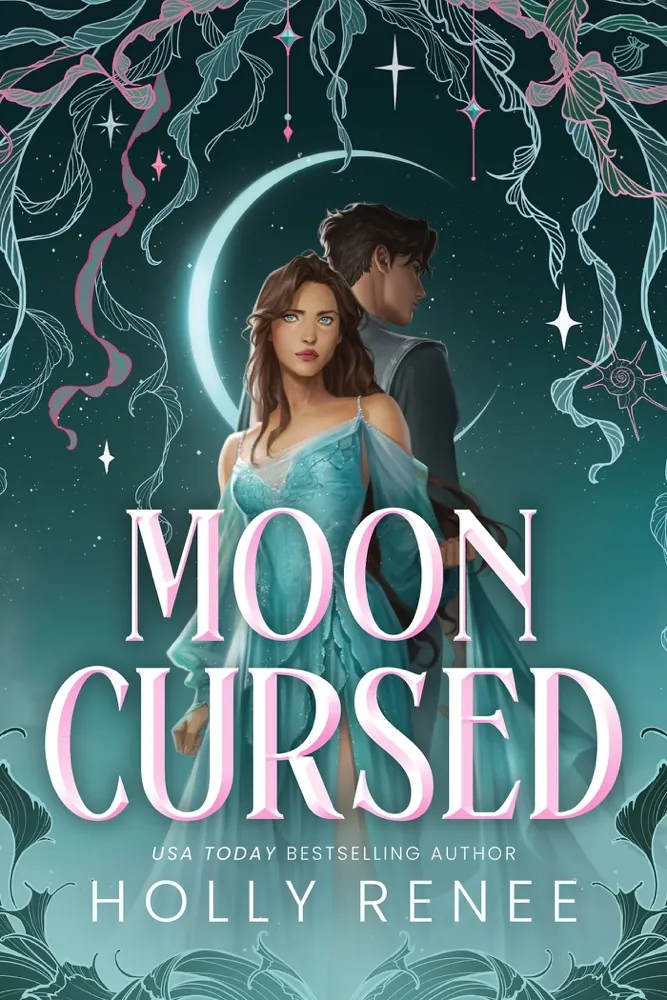
Author: Holly ReneePage Count: UnknownPublication Date: Expected publication 2026-11-03 APL What is it about the ocean that draws us in, a siren's call to the depths of madness and despair? Mooncursed, Holly Renee's upcoming release, promises to enthrall us with a tale of a cursed sea king, a stolen bride, and the unraveling fate that binds them together. But can we trust the whispers of the synopsis, or is it merely a tantalizing mirage, luring us deeper into the abyss? The Drowned King, a figure shrouded in mystery, is said to be cursed to take a human bride and break her mind the moment she sees his face. This raises a multitude of questions – what is the nature of this curse, and who is responsible for it? Is it a punishment, a test, or merely a cruel twist of fate? And what of the bride, Lou, a saltwitch branded from birth as the cursed shadow of her moonblessed twin? Her existence is already marked by the weight of expectation, and now she is thrust into a life of ancient gods and unraveling fate. The use of the term "saltwitch" is particularly intriguing, evoking as it does the image of a woman bound to the sea, her powers tied to the ebb and flow of the tides. This echoes the work of authors such as Sarah J. Maas, who have explored the complex relationships between humans and the natural world. And yet, despite these tantalizing hints, the synopsis remains frustratingly vague, leaving us to wonder about the specifics of Lou's powers and her connection to the sea. But what of the Drowned King himself? His character is shrouded in mystery, his motivations and desires unknown. Is he a monster, a creature driven by a hunger for human minds, or is he a tragic figure, cursed by forces beyond his control? The use of the term "heated touch" to describe his interactions with Lou suggests a deep passion, a desire that cannot be contained. This raises questions about the nature of their relationship, and whether it will be a romance of equals or a twisted game of cat and mouse. As we delve deeper into the world of Mooncursed, we begin to see the outlines of a larger conflict, one that threatens to engulf the kingdoms and awaken ancient goddesses. This is a familiar trope, one that has been explored in countless fantasy novels, from the works of Robin McKinley to the more recent A Court of Thorns and Roses series. And yet, despite this familiarity, the synopsis hints at a unique twist, one that will set Mooncursed apart from its predecessors. But I must confess, I am not entirely convinced by the synopsis. There is a sense of vagueness, a lack of specificity that makes it difficult to fully invest in the world and characters. And yet, despite this, I am drawn to the story, sensing that there is something more beneath the surface, waiting to be uncovered. And now, if you'll excuse me, my sommelier has just arrived with the new vintage, and I must attend to it. The flavors of the wine are said to be reminiscent of the sea, with notes of salt and citrus that will perfectly complement the complex themes and characters of Mooncursed. #FantasyRomance #NewRelease #BookLovers Related InsightsThe Phantom of the Opera Book Review and Summary The Complete Novels Book Review and Summary People We Meet on Vacation Book Review and Summary{ "@context": "https://schema.org", "@type": "FAQPage", "mainEntity": [ { "@type": "Question", "name": "What is the main focus of Mooncursed (The Drowned King, #1) Book Review and Summary?", "acceptedAnswer": { "@type": "Answer", "text": "Everything you need to know about Mooncursed (The Drowned King, #1) with our detailed review." } }, { "@type": "Question", "name": "Who authored the comprehensive guide on Mooncursed (The Drowned King, #1) Book Review and Summary?", "acceptedAnswer": { "@type": "Answer", "text": "This detailed article and its insights were carefully researched and authored by Lucia Garcia." } }, { "@type": "Question", "name": "Where can I find more related content about Books?", "acceptedAnswer": { "@type": "Answer", "text": "You can explore more articles, detailed reviews, and similar insights by browsing the Related Insights section at the bottom of this article or visiting our dedicated Books category page." } } ] }
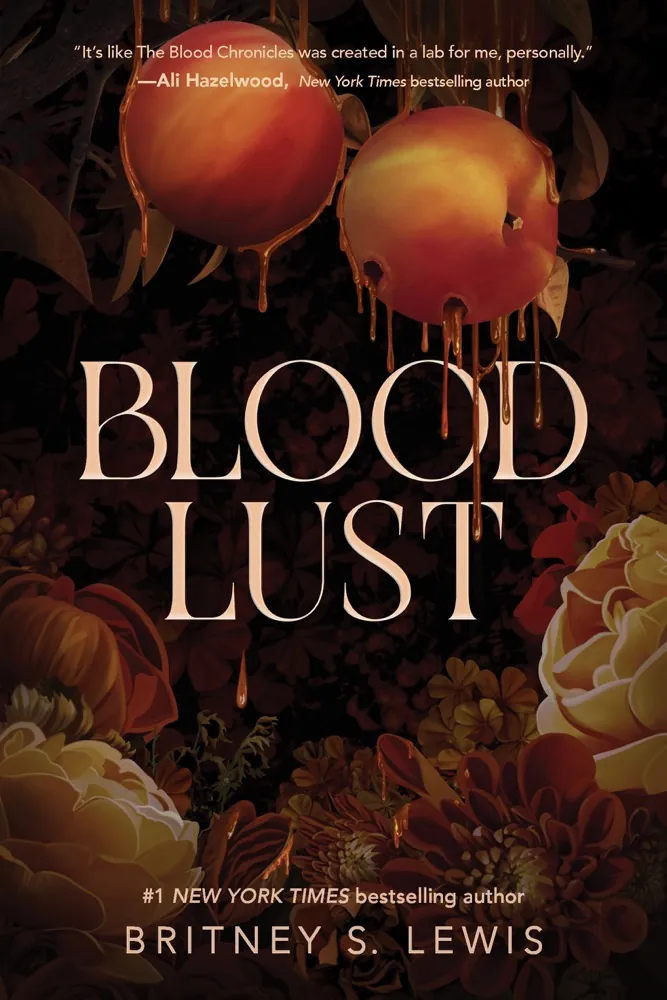
Author: Britney S. LewisPage Count: UnknownPublication Date: Expected publication 2026 APL The relentless pull of darkness, and the desperate struggle to cling to the last vestiges of humanity. In Blood Lust, the sequel to Britney S. Lewis's Blood Moon, Mira is thrust into a world of vampire royalty, where the very fabric of her existence is torn asunder. As the synopsis tantalizingly hints, Mira's transformation is not just a physical one, but a deeply psychological and philosophical reckoning. —And what is it about the vampire mythology that continues to captivate us, that draws us in with its dark, gothic allure? Is it the promise of immortality, the intoxicating thrill of power, or the forbidden love that dare not speak its name? For Mira, the stakes are personal, as she navigates the treacherous landscape of the vampire court, where trust is a luxury she can ill afford. But what of Julian, the enigmatic figure whose betrayal has left Mira reeling? Can she truly trust him, or is he merely a pawn in a larger game of power and manipulation? The synopsis hints at a complex web of motivations, where loyalty and deception are inextricably entwined. It's a dance that's all too familiar in the world of vampire fiction, where the lines between love and lust, loyalty and betrayal, are constantly blurred. And yet, despite the familiar tropes, there's something undeniably compelling about Mira's journey, a sense of urgency and desperation that propels her forward into the unknown. It's a feeling that's eerily reminiscent of the works of Anne Rice, where the supernatural is merely a backdrop for a deeper exploration of the human condition. —But what of the world-building, the meticulous crafting of a vampire society that's both fascinating and terrifying? The synopsis hints at a richly detailed world, where the legends of old are woven into a complex tapestry of power and politics. It's a world that's both alluring and repellent, a place where Mira must confront the darkest aspects of her own nature. As I ponder the themes and motifs that will undoubtedly emerge in Blood Lust, I'm struck by the sense of unease that pervades the synopsis. It's a feeling that's all too familiar in our own world, where the boundaries between good and evil are constantly blurred, and the monsters that lurk in the shadows are often the ones we least expect. And so, as I eagerly await the release of Blood Lust, I'm left with more questions than answers. Will Mira succumb to the darkness that threatens to consume her, or will she find a way to reclaim her humanity? Only time will tell, but one thing is certain: this is a journey that will leave us breathless, and begging for more. —Now, if you'll excuse me, I have to attend a protest against the demolition of a historic theater. It's a battle that's all too familiar, where the forces of progress and preservation are locked in a struggle that will determine the very soul of our city. #vampirefiction #paranormalromance #bookstagram Related InsightsRecord Lows Book Review and Summary A Midsummer Night’s Dream Book Review and Summary Last Exit to Brooklyn Book Review and Summary{ "@context": "https://schema.org", "@type": "FAQPage", "mainEntity": [ { "@type": "Question", "name": "What is the main focus of Blood Lust (Blood Chronicles, #2) Book Review and Summary?", "acceptedAnswer": { "@type": "Answer", "text": "Everything you need to know about Blood Lust (Blood Chronicles, #2) with our detailed review." } }, { "@type": "Question", "name": "Who authored the comprehensive guide on Blood Lust (Blood Chronicles, #2) Book Review and Summary?", "acceptedAnswer": { "@type": "Answer", "text": "This detailed article and its insights were carefully researched and authored by Olya Shevchenko." } }, { "@type": "Question", "name": "Where can I find more related content about Books?", "acceptedAnswer": { "@type": "Answer", "text": "You can explore more articles, detailed reviews, and similar insights by browsing the Related Insights section at the bottom of this article or visiting our dedicated Books category page." } } ] }
-
 Olya Shevchenko
 - 25 Aug, 2026 21:15
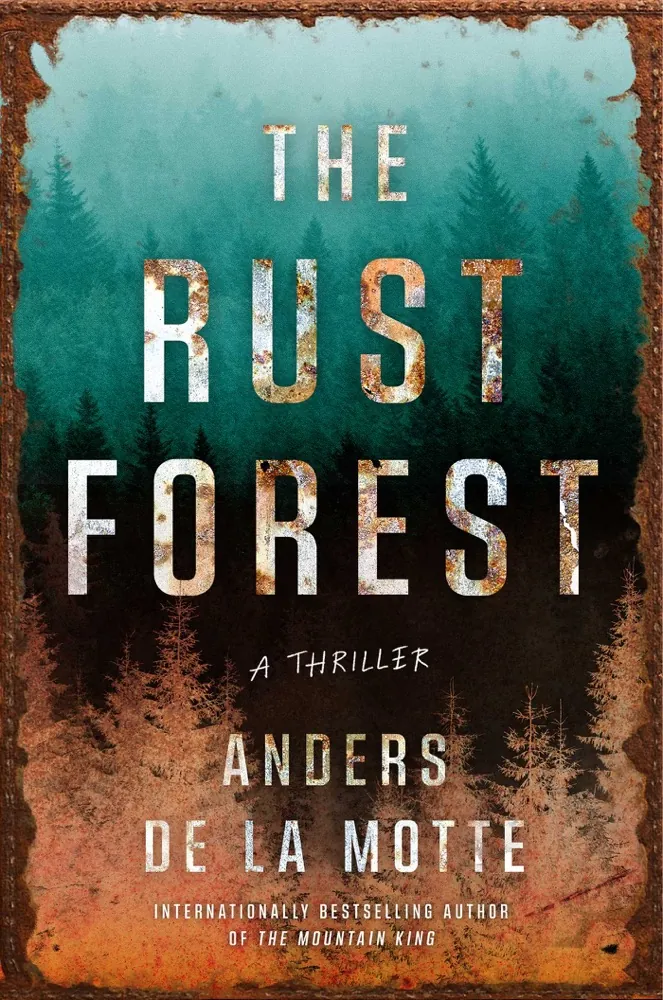
The Rust Forest: A Thriller (The Asker Series) Book Review and Summary
Author: Anders de la MottePage Count: UnknownPublication Date: Expected publication 2026-12-01 APL God, this plastic fan is just rattling its death rattle against the windowsill like a cicada in a microwave, and here I am, cranking out five hundred words on Anders de la Motte’s upcoming The Rust Forest because the rent isn't going to pay itself in this godforsaken box of a room. Look, I’m just trying to hit the word count to appease the machine, okay? Let’s dissect the synopsis before my shirt completely fuses to my spine. Archaeology of the Damned Ancient whispers. Forgotten secrets. God, does every Scandinavian noir author share a single, recycled mood board soaked in pine needles and cheap aquavit? Yet, de la Motte’s The Rust Forest—the third installment following Leonore Asker—leans hard into historical juxtaposition, slamming a modern cold case into a two-thousand-year-old peat bog burial. And frankly, the trope of the vengeance-fueled rival dangling a career-shattering file is as tired as my box-spring mattress, yet it works because it trades clean psychological resolution for absolute narrative chaos. A disoriented girl clutching a severed finger out in the sticks? Peak genre weirdness. It gives off major True Detective season one energy, mixed with the grim provincial dread of Karin Smirnoff’s recent Stieg Larsson continuations. The Aesthetics of Decay The thematic architecture here relies on deep-seated temporal layering. The forest isn't merely a backdrop; it functions as a literal archive of human violence, preserving iron-age sacrificial brutality alongside contemporary corporate or interpersonal malice. Asker and her returning cohort, Martin Hill, are forced to unpack epistemological horrors that refuse to stay buried beneath the moss. Yet, the synopsis leaves us hanging on the actual mechanics of the plot, relying heavily on vague marketing jargon about "personal vendettas" instead of showing us the epistemic rot at the core. Typical publishing industry psyop behavior, honestly. They want us to buy into the vibe without giving up the structural goods. Still, if de la Motte maintains the propulsive pacing of his previous entries, this thing is gonna slap hard, no cap, providing a genuinely bleak ontological autopsy of modern trauma set against the indifferent flora of the Scandinavian backwoods. I need to close this laptop right now and sprint down three flights of stairs to salvage a remarkably decent mid-century teak chair some idiot left by the curb before the storm hits. Related InsightsHard-Boiled Wonderland and the End of the World Book Review and Summary Charlie and the Chocolate Factory Book Review and Summary Her Life in Ruins Book Review and Summary{ "@context": "https://schema.org", "@type": "FAQPage", "mainEntity": [ { "@type": "Question", "name": "What is the main focus of The Rust Forest: A Thriller (The Asker Series) Book Review and Summary?", "acceptedAnswer": { "@type": "Answer", "text": "Everything you need to know about The Rust Forest: A Thriller (The Asker Series) with our detailed review." } }, { "@type": "Question", "name": "Who authored the comprehensive guide on The Rust Forest: A Thriller (The Asker Series) Book Review and Summary?", "acceptedAnswer": { "@type": "Answer", "text": "This detailed article and its insights were carefully researched and authored by Olya Shevchenko." } }, { "@type": "Question", "name": "Where can I find more related content about Books?", "acceptedAnswer": { "@type": "Answer", "text": "You can explore more articles, detailed reviews, and similar insights by browsing the Related Insights section at the bottom of this article or visiting our dedicated Books category page." } } ] }
- Olya Shevchenko
- 24 Aug, 2026 14:15
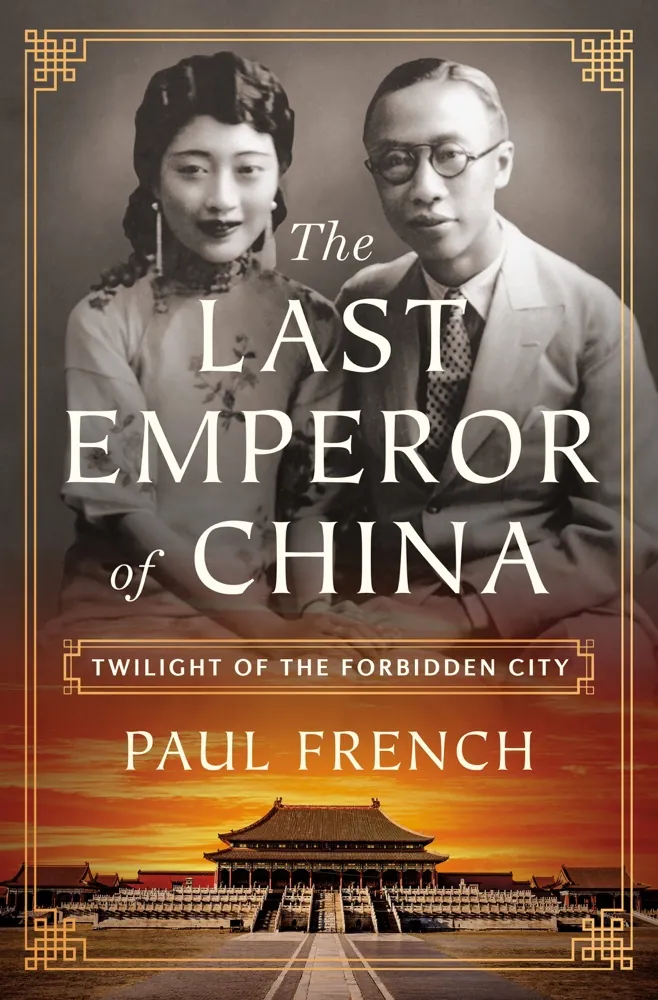
The Last Emperor of China: Twilight of the Forbidden City Book Review and Summary
Author: Paul FrenchPage Count: UnknownPublication Date: Expected publication 2026-11-17 APL August sweat drips onto the secondhand paper on my desk, sticking the pages together while the radiator downstairs clanks its useless summer song. Paul French is giving us The Last Emperor of China: Twilight of the Forbidden City later this year, and my apartment feels just as claustrophobic as Puyi's gilded cage in the 1920s. Except he had eunuchs and I have a landlady who bangs on the wall whenever my typewriter keys click past midnight. Gilded Cages and Crumbling Plaster A monarch without a crown, a ruler without a people—we have heard this refrain before. But French apparently found some dusty letters and an English teacher's diary to prove the marriage between Puyi and Wanrong wasn't entirely a cold political sham. Or maybe he didn't. The synopsis dances around the actual historiography, leaning heavily on the romance angle to sell copies to people who watch too many period dramas. Actually, scratch that—intimacy behind palace walls is precisely what everyone wants to read about while sweating through the dog days of August. We crave scandal in closed rooms. The architecture of power fascinates me more than the pillow talk anyway. The Forbidden City survived fires, looting, and artillery shells, remaining a redoubt while the rest of the world burned down. It is a brick-and-mortar metaphor for stubborn obsolescence. We all live in our own crumbling citadels, do we not? My crumbling citadel has peeling yellow wallpaper and a view of a brick alleyway that smells perpetually of fried garlic. Yet French treats the citadel like a living character rather than a mere backdrop, which gives me hope this won't read like a dry academic thesis padded out for the Christmas bestseller lists. Think Peter Hessler meets Dan Baum, but with more silk robes and existential dread. The Myth of the Imperial Bedroom And yet, relying on private diaries to rewrite established historical consensus feels like a publisher's desperate hook. Every biography promises previously unpublished letters these days. It is the mandatory marketing sticker on the cover. Did the tutor and the English teacher really possess unbiased panoramic views of imperial marital bliss, or did they simply project their own Victorian sensibilities onto teenagers trapped by history? I suspect the latter. Historians love finding a secret love story where none existed just to make the tragedy sting a bit more sharply for the modern commuter. The prose in the promotional copy promises a sweeping descent into madness and paranoia—servants scheming, eunuchs whispering, the constant threat of an assassin's knife in the dark. That is the stuff that keeps you turning pages by the flickering amber glow of a single desk lamp while the humidity hangs in the room like a wet blanket. Whether French can sustain that atmospheric tension without collapsing into melodrama remains the real question. Publishers love a good doomed dynasty, almost as much as they love a manufactured controversy about a loveless marriage. I need to finish binding these signatures for a friend's chapbook before the glue dries in this relentless heat. #bookhistory #historicalnonfiction #forbiddenCity #publishing Related InsightsThe Light Years: A Novel Book Review and Summary Blacktail Book Review and Summary Drop Dead Handsome Book Review and Summary{ "@context": "https://schema.org", "@type": "FAQPage", "mainEntity": [ { "@type": "Question", "name": "What is the main focus of The Last Emperor of China: Twilight of the Forbidden City Book Review and Summary?", "acceptedAnswer": { "@type": "Answer", "text": "Everything you need to know about The Last Emperor of China: Twilight of the Forbidden City with our detailed review." } }, { "@type": "Question", "name": "Who authored the comprehensive guide on The Last Emperor of China: Twilight of the Forbidden City Book Review and Summary?", "acceptedAnswer": { "@type": "Answer", "text": "This detailed article and its insights were carefully researched and authored by Olya Shevchenko." } }, { "@type": "Question", "name": "Where can I find more related content about Books?", "acceptedAnswer": { "@type": "Answer", "text": "You can explore more articles, detailed reviews, and similar insights by browsing the Related Insights section at the bottom of this article or visiting our dedicated Books category page." } } ] }
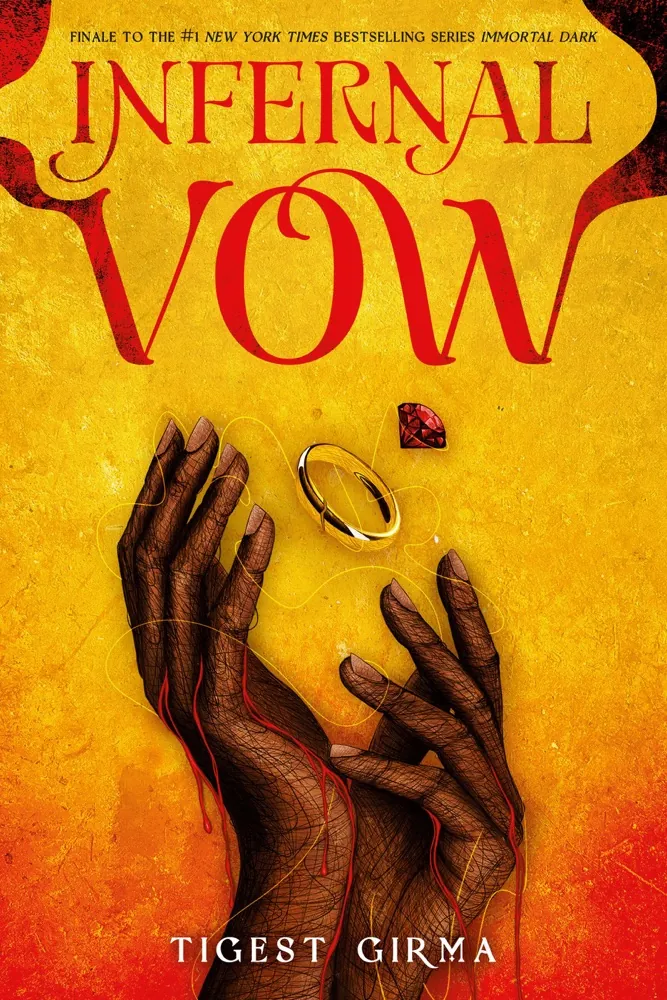
Author: Tigest GirmaPage Count: UnknownPublication Date: Expected publication 2026 APL Cousin Beatrice is currently interrogating the maître d’ about the provenance of the sea salt while I stare blankly at the linguistic atrocities printed on this advance promotional sheet for Infernal Vow. God forbid I enjoy a solitary glass of Chablis without someone lecturing me on artisanal sodium. The Aesthetics of Absolute Ruin Tigest Girma is dragging us back into the dark academia trenches, and frankly, I am seated. We are promised that worlds collide—groundbreaking stuff, truly, never been done before in the history of printed paper—while Kidan Adane stands at the edge of a precipice. The synopsis reads like a feverish Tumblr post written by a caffeinated sophomore majoring in comparative literature and questionable decision-making. Yet, there is a distinct, feral energy here. Love turned to hatred? Humanity hanging in the balance? It gives off major Holly Black meets The Atlas Six toxicity, but make it bloodsuckers. And oh, the tropes. Enemies to lovers. Morally gray characters. A sentient house, because apparently architectural gaslighting is trending in YA fantasy now. A Masterclass in Vague Gesturing Girma’s publisher has provided precisely zero concrete plot details, opting instead for maximum atmospheric whining. We get it. The vibes are immaculate. But what actually happens in this supposed finale to the Immortal Dark series? Are we burning down institutions, or are we just standing around brooding in damp libraries while wearing stolen cashmere? Yet, I respect the commitment to the bit. The marketing copy demands that we beware the monster and beware the girl because they feed on "wild devotion." Pure, unadulterated cringe, and I am eating it up like this absurdly overpriced compressed melon foam. The juxtaposition of ancient rules breaking and past choices coming home to roost hits that sweet spot of melodramatic high art. It is giving Shakespearean tragedy written by an unhinged stan account. If Kidan does not completely implode her entire universe out of sheer spite, I will riot. We do not read about vampires and villainous romantic leads for healthy communication styles or emotional regulation. We read for the absolute destruction of societal norms wrapped in purple prose and mutual psychological ruin. Give us the feral devotion. Give us the messy, irredeemable bloodshed. Cousin Julian is now asking if I plan to touch my amuse-bouche. I would rather swallow cut glass. I need to pack three lunches that will inevitably return uneaten. #InfernalVow #DarkAcademia #BookTok #Romantasy Related InsightsThe Nuremberg Women: The Untold Story of the Eight Women Who Brought the Nazis to Justice Book Review and Summary Sometimes I Scare Myself: A Collection of Horror Book Review and Summary Paper and Blood Book Review and Summary{ "@context": "https://schema.org", "@type": "FAQPage", "mainEntity": [ { "@type": "Question", "name": "What is the main focus of Infernal Vow (Immortal Dark Trilogy, #3) Book Review and Summary?", "acceptedAnswer": { "@type": "Answer", "text": "Everything you need to know about Infernal Vow (Immortal Dark Trilogy, #3) with our detailed review." } }, { "@type": "Question", "name": "Who authored the comprehensive guide on Infernal Vow (Immortal Dark Trilogy, #3) Book Review and Summary?", "acceptedAnswer": { "@type": "Answer", "text": "This detailed article and its insights were carefully researched and authored by Lucia Garcia." } }, { "@type": "Question", "name": "Where can I find more related content about Books?", "acceptedAnswer": { "@type": "Answer", "text": "You can explore more articles, detailed reviews, and similar insights by browsing the Related Insights section at the bottom of this article or visiting our dedicated Books category page." } } ] }