Clear Water Book Review and Summary
-
 Anna Kowalska
 - 21 Aug, 2026 21:32
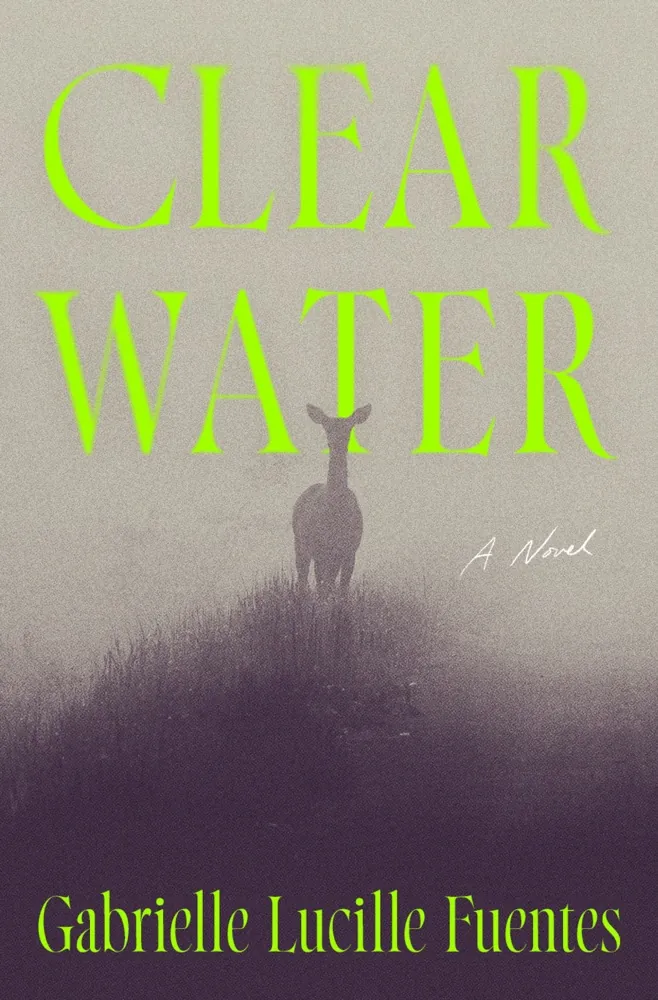
Author: Gabrielle Lucille Fuentes
Page Count: Unknown
Publication Date: Expected publication 2026-11-03 APL
Staring out the tall French doors at this suffocating August humidity, watching the neighborhood cicadas commit slow suicide against the glass, one develops a peculiar intolerance for small-town provincial suffering. Give me a grand geopolitical betrayal over domestic grief any day. Yet, the publishing houses insist on dragging us back to the frozen provinces. Or, in the case of Clear Water, to a Wisconsin logging hamlet where the snow apparently never melts from the publisher’s imagination, despite the August heat baking the asphalt outside my study. Gabrielle Lucille Fuentes wishes to drag us through the snowdrifts once more.
The Geography of Resentment
Alma Figueroa sees a girl in white. Naturally. Because no rural mystery can function without ghostly apparition number four hundred and twelve haunting the treeline. The synopsis leans heavily on the kind of atmospheric dread that smells suspiciously like recycled Shirley Jackson crossed with a mid-tier Netflix limited series. We are promised an intersection of noir and myth. What we are actually being handed is the literary equivalent of the Costa Concordia captain steering too close to the rocks just to admire the view.
And why must every protagonist return to the exact zip code they swore to abandon? It is the same repetitive geography of trauma that ruined half the Booker longlists of the last decade. Characters fleeing a town only to be sucked back by gravity and bad choices, like ambassadors returning to a failed coup because they left their favorite fountain pen in the drawing-room.
The Specter of Ominous Silence
The synopsis makes grand claims about these silent girls in the snow. They do not speak. They do not match missing persons files. They are dangerous. Or perhaps they are merely metaphors for addiction, grief, and the failure of municipal zoning boards. One grows profoundly weary of allegorical specters. Give me a flesh-and-blood conspirator who embezzles funds from the embassy pension pot over a mute phantom wandering down Route 9 any afternoon of the week.
Fuentes attempts to marry the stark realism of an opioid crisis—Kayla’s tragic disappearance into addiction—with supernatural whimsy. It reads rather like staging Parsifal at a truck stop diner in Racine. The tonal whiplash alone could require cervical traction. Liz Moore managed this delicate balance of class, grief, and rural decay with genuine restraint in Long Bright River, but one wonders if lesser imitators can sustain the weight without collapsing into pure pastiche.
A Verdict Cast in Amber
Expect breathless blurbs praising the prose as shattering and bracing. They always are. Until the third act dissolves into a misty puddle of ambiguous grief counseling and local historical cover-ups. We will learn that the real monster was the municipal water supply all along. Or perhaps the patriarchal structures of the logging industry. I would prefer an alien abduction. At least it would show some administrative imagination.
My tailor has just arrived with the new charcoal wools for the autumn galas, smelling faintly of chalk and steam, which means I must endure thirty minutes of polite conversation about lapel widths before I can legally pour a gin and tonic. Worse still, the annual endowment subcommittee is convening in the east wing in twenty minutes to debate the landscaping budget for the sculpture garden.