Showing Posts From
Young
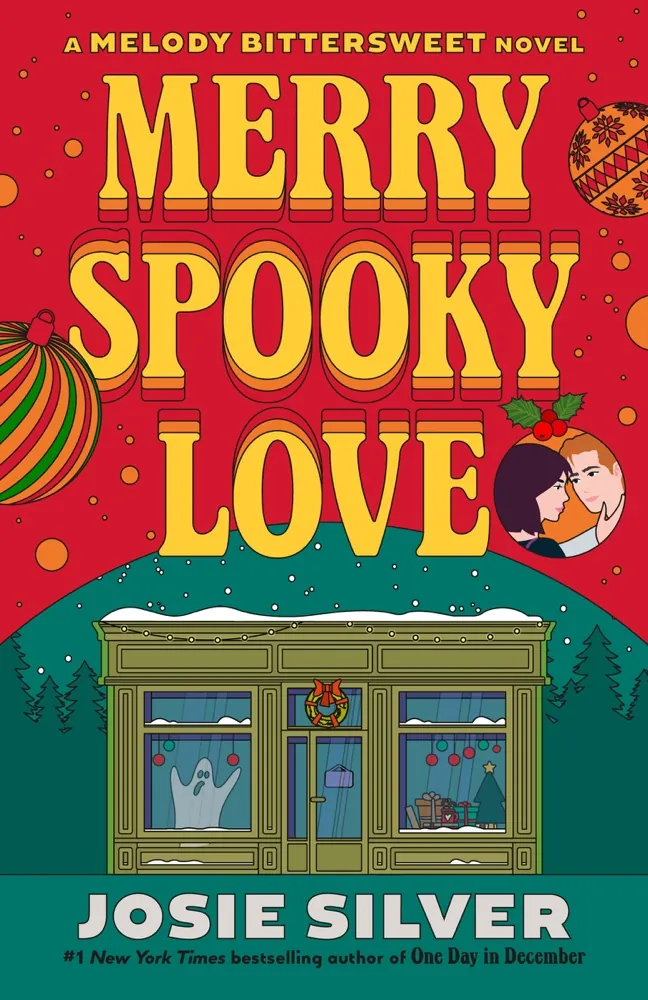
Author: Josie SilverPage Count: UnknownPublication Date: Expected publication 2026-10-13 APL Bilateral negotiations in the Balkans taught me one immutable truth: stubborn bureaucrats will always choose utter ruin over admitting a spectral ledger sheet is balancing itself. Yet Josie Silver expects us to buy that a deceased retail matriarch named Lucy Libertine can haunt her own heirs out of a department store purely out of spite. The Geopolitics of Retail Spite Melody Bittersweet returns in Merry Spooky Love to arbitrate what looks like a hostile corporate takeover executed entirely by ectoplasm. And honestly? I respect the hustle. Real estate disputes usually involve tedious zoning commissions and miserable lawyers in charcoal suits. But throwing a dead aunt into the mix who refuses to let the capitalist machinery grind for sixty days? Utterly diabolical statecraft. Wait. Let me retract that entirely. The real estate clause is a bureaucratic nightmare, not statecraft. It is merely municipal probate law wrapped in cheap cotton shrouds. Silver attempts to fuse the saccharine architecture of holiday romance with the kind of logistical ghost-busting absurdity normally reserved for late-night cable syndication. It gives major Sophie Kinsella energy, if Kinsella suddenly decided to drop serious epistemic nihilism on her readership while keeping the prose aggressively mid. The Skepticism Accord The central diplomatic crisis here is not the ghost. It is Fletcher Gunn. The man refuses to acknowledge the paranormal despite dating an actual practitioner of the ethereal arts. A classic diplomatic impasse. How does one build a coalition with a partner who gaslights your very profession? Their chemistry is allegedly deep, yet the man calls in a rival ghost-hunter just to spite the domestic budget. Red flag? Perhaps. Or perhaps it is simply elite mid-tier relationship gaslighting for clout. The synopsis leans heavily on the ticking clock. Sixty days. Christmas Eve. A department store hanging by a metaphysical thread. It is high-stakes melodrama rendered in pastel shades. My vintage champagne collection needs to be moved to the new cellar. #MerrySpookyLove #GhostBusting #BookTwitter
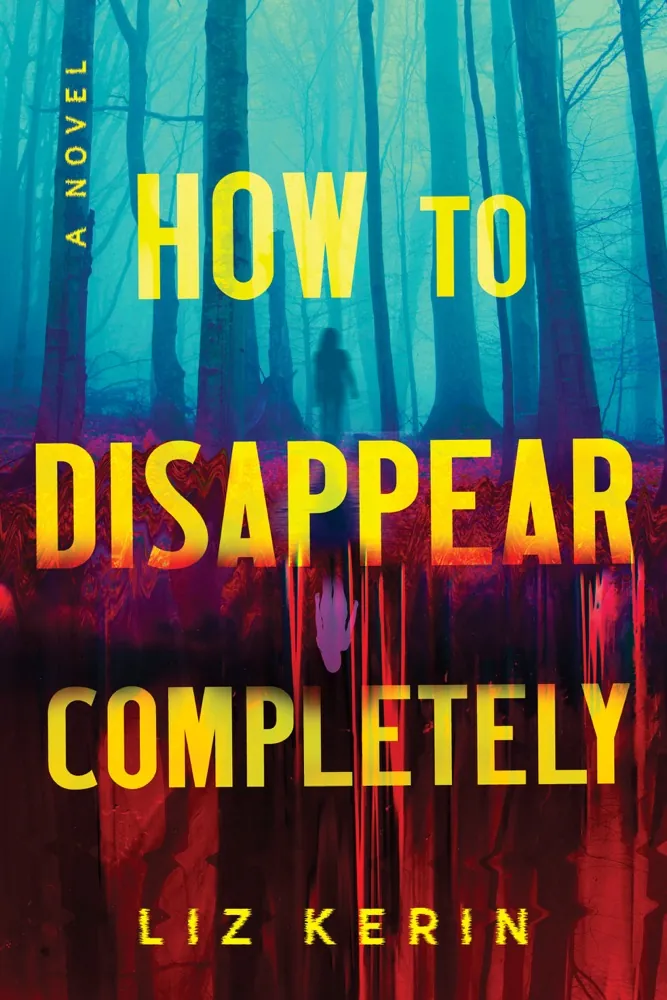
Author: Liz KerinPage Count: UnknownPublication Date: Expected publication 2026 APL The synopsis of How to Disappear Completely is a glittering, half-buried minefield—just like the kind of mystery that makes you suspect the author’s been reading too many True Detective season 1 scripts while sipping something dangerously strong in a dimly lit bar. The premise is a masterclass in controlled ambiguity, the kind of thing that makes you wonder if Liz Kerin’s been playing with the same psychological fire as The Last House on Needless Street but with the emotional temperature cranked up to "slow-burn paranoia." The opening lines—"There’s an explanation for everything. There’s nothing to be afraid of..."—are the literary equivalent of a door creaking open in the middle of the night. You know something’s wrong, but you can’t look away. The structure here is a deliciously unreliable one. Hazel’s journey is framed as both a personal reckoning and a collective descent into something darker, something that feels less like a whodunit and more like a slow-motion collapse into a cult’s basement. The podcast The Satellites is a brilliant narrative device—it’s the modern-day Ouija board, the digital echo chamber where the truth (or whatever passes for it) starts to unravel. But the real genius is in how the synopsis teases the mystery without ever fully committing. Twenty years of grief, cryptic déjà vu, a sister’s disappearance—it’s all there, but the way it’s presented feels like a puzzle missing half its pieces. You can almost hear the author smirking, daring you to fill in the blanks. And then there’s the romance. Oh, the romance. Silas is the kind of character who would make a House of Leaves scholar weep with joy—or at least pause to adjust their glasses in disbelief. The synopsis doesn’t shy away from the tension, but it doesn’t gush either. It’s the quiet, dangerous kind of attraction that feels like it’s happening in the background of a horror movie, the kind that makes you wonder if the real villain isn’t the conspiracy but the way Hazel keeps letting Silas in. It’s the kind of dynamic that could either elevate the book into something like The Only Good Indians (if Kerin leans into the mythic dread) or devolve into the kind of toxic romance that makes you want to throw a book at a wall (but let’s be honest, we all have our guilty pleasures). The thematic weight here is heavy—not in the way of a thesaurus, but in the way of a lead balloon. The book seems to be asking: What happens when memory becomes a weapon? When the past isn’t just a ghost but a living, breathing entity that refuses to stay buried? The synopsis hints at something cosmic, something that feels like it’s been lurking in the Midwest for decades, waiting for Hazel to dig too deep. It’s the kind of setup that makes you think of The Fisherman by John Langan, where the horror isn’t just in the monsters but in the way they’ve been woven into the fabric of human existence. But Kerin’s voice—if this synopsis is any indication—has a sharper edge, a more urban, lesser-known kind of dread. Yet—and here’s where I pivot like a cat who just saw a laser pointer—there’s something too neat about the way the synopsis frames the mystery. The podcast, the dead bodies, the romance—it all feels like it’s been carefully arranged to fit into a genre box. There’s a risk here of the book becoming a very good thriller but not quite the unforgettable one. The synopsis doesn’t quite sell the weirdness of it all, the kind of off-kilter magic that makes The Only Good Indians or Mexican Gothic feel like they’re from another planet. If Kerin doesn’t lean harder into the surreal, the book might just be another entry in the "chilling mystery" canon—competent, but not iconic. But then again, maybe that’s the point. Maybe the beauty of How to Disappear Completely is in its controlled ambiguity, its refusal to give you all the answers upfront. Maybe it’s the kind of book that makes you want to sit down with a glass of something strong and a notebook, ready to take notes like you’re solving a cold case. And if that’s the case, then Kerin’s already won half the battle. Just don’t expect me to wait in line for this one. I’ve got a Monet replica to haggle over. #BookTok #MidwestHorror #LizKerin #ConspiracyFiction #SlowBurnMystery Related InsightsThe Hunger Games Magnetic Bookmark Set of 3 - Magnetic Bookmarks Book Review and Summary Linger Book Review and Summary Harry Potter and the Deathly Hallows Book Review and Summary{ "@context": "https://schema.org", "@type": "FAQPage", "mainEntity": [ { "@type": "Question", "name": "What is the main focus of How to Disappear Completely Book Review and Summary?", "acceptedAnswer": { "@type": "Answer", "text": "Everything you need to know about How to Disappear Completely with our detailed review." } }, { "@type": "Question", "name": "Who authored the comprehensive guide on How to Disappear Completely Book Review and Summary?", "acceptedAnswer": { "@type": "Answer", "text": "This detailed article and its insights were carefully researched and authored by Anna Kowalska." } }, { "@type": "Question", "name": "Where can I find more related content about Books?", "acceptedAnswer": { "@type": "Answer", "text": "You can explore more articles, detailed reviews, and similar insights by browsing the Related Insights section at the bottom of this article or visiting our dedicated Books category page." } } ] }
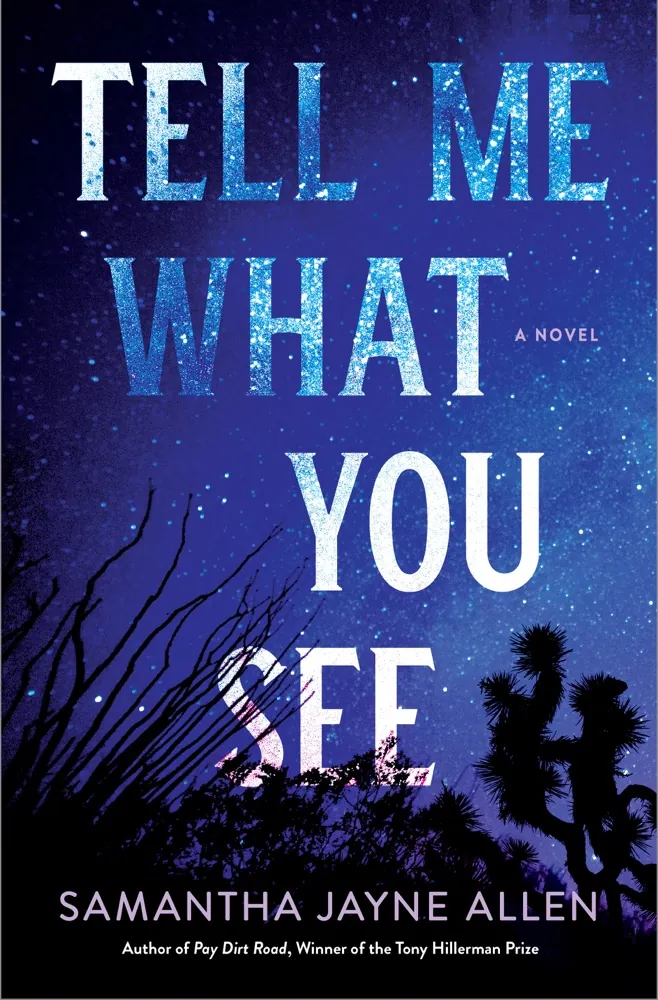
Author: Samantha Jayne AllenPage Count: UnknownPublication Date: Expected publication 2026 APL Another manuscript lands on the mahogany desk, and quite frankly, the collective mediocrity of contemporary suspense writing is making my eye twitch. Let us examine Samantha Jayne Allen’s upcoming Tell Me What You See, a title that sounds suspiciously like every third procedural churned out by a tired ghostwriter in Los Angeles. The Geography of Despair We are dragged—yet again—to a dusty California hamlet, this time Tehachapi. Cheyenne Mitchell runs her late mother's New Age boutique in a strip mall, a setting that reeks of half-baked existential dread and cheap incense. Her mother was a television psychic. The plot kicks off because two women went missing decades apart, and our pragmatic, agnostic protagonist suddenly realizes she has to dig up the past. Groundbreaking stuff. Truly, nobody has ever written a thriller about an estranged daughter returning to a claustrophobic hometown to solve a cold case. It is giving absolute mid-tier Lifetime movie energy, no cap. Ghosts and Strip Malls The thematic core relies on the tired trope of the uncanny echoing across generations. But let us pivot entirely, because perhaps the marketing copy is just profoundly lazy. Allen clearly wants to evoke the atmospheric dread found in The Marsh King's Daughter or the stark isolation of Steph Cha’s work, yet the synopsis leans hard into melodrama. Desert mines. Foggy mountain switchbacks. It is a grab-bag of atmospheric clichés designed to hoodwink readers into mistaking scenic geography for actual tension. Raising the dead as a metaphor for unearthing trauma? Groundbreaking. Utterly revolutionary. The Hereditary Burden Cheyenne’s skepticism versus her maternal inheritance forms the supposed psychological backbone of this enterprise. Yet, the synopsis tells us practically nothing about who Cheyenne is outside of her grief. She is a vessel for exposition, a narrative construct designed to wander into abandoned mines while the publisher slaps a blurb from Kimi Cunningham Grant on the cover to manufacture unwarranted hype. We are expected to care about a protagonist whose defining characteristic is refusing to look away from a mirror she is already staring directly into. The heated seats in my SUV are malfunctioning again, which is a tragedy. #bookchat #thrillerreads #mysterybooks Related InsightsIt's Not What You Think Book Review and Summary Keeper of the Lost Cities Book Review and Summary How to Win Friends & Influence People Book Review and Summary{ "@context": "https://schema.org", "@type": "FAQPage", "mainEntity": [ { "@type": "Question", "name": "What is the main focus of Tell Me What You See Book Review and Summary?", "acceptedAnswer": { "@type": "Answer", "text": "Everything you need to know about Tell Me What You See with our detailed review." } }, { "@type": "Question", "name": "Who authored the comprehensive guide on Tell Me What You See Book Review and Summary?", "acceptedAnswer": { "@type": "Answer", "text": "This detailed article and its insights were carefully researched and authored by Anna Kowalska." } }, { "@type": "Question", "name": "Where can I find more related content about Books?", "acceptedAnswer": { "@type": "Answer", "text": "You can explore more articles, detailed reviews, and similar insights by browsing the Related Insights section at the bottom of this article or visiting our dedicated Books category page." } } ] }
-
 Anna Kowalska
 - 09 Sep, 2026 04:55
The Moonstone Sister (The Sea Stone Sisters, #2) Book Review and Summary
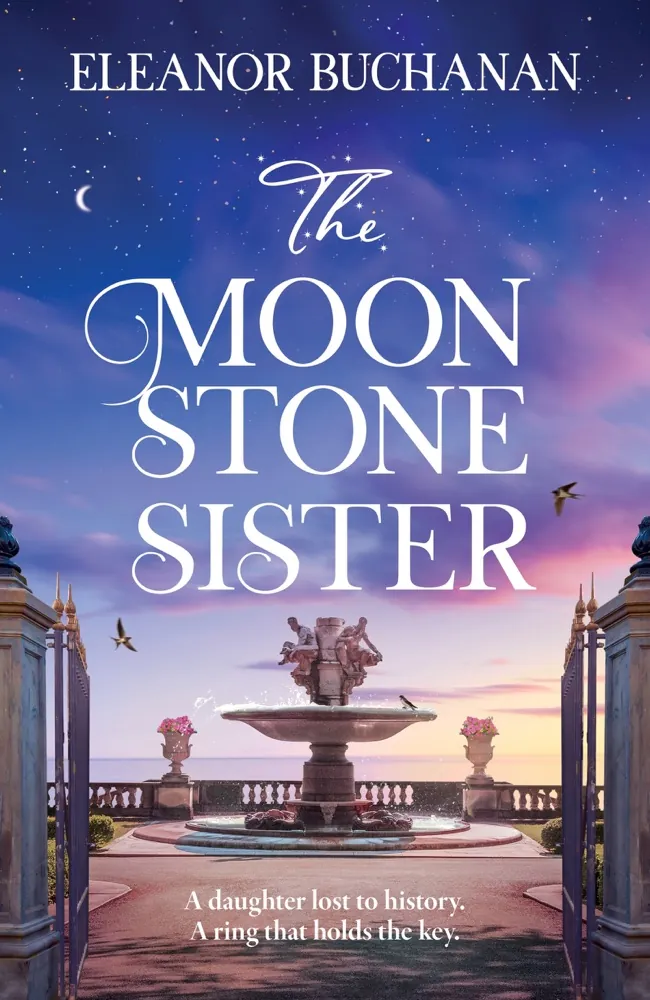
Author: Eleanor BuchananPage Count: UnknownPublication Date: Expected publication 2026 APL Skara is a nice enough sounding fiction, yet another Scottish estate buckling under the grand tradition of aristocratic downsizing. Eleanor Buchanan brings us back to the well in The Moonstone Sister. A ring. Four lost siblings. Naturally. Because nothing says domestic stability quite like a piece of jewelry acting as a psychological anchor for an entire bloodline. Let us discuss the geography of grief. Or rather, the marketing department's version of it. We are promised the French Riviera in 1931. Cannes, specifically. Before the tax shelters ruined the view and the umbrellas turned uniform. Lily Blackmore gets shipped off on the Blue Train—how terribly Orient Express without the corpses—leaving behind the wind-swept Scottish heather for the sun-drenched hedonism of the Mediterranean. The Chronological Shuffle And then, modern day. Clara Gibson. A woman whose life apparently requires an administrative reboot the moment her grandmother kicks the bucket. An unthinkable betrayal! What is it this time? An unexpected codicil leaving the ancestral portrait to a stray cat? An anonymous Swiss bank account funded by bootlegged claret? I guess we're doing this. The contemporary protagonist always needs a catalyst involving a deceased relative with a shadowy past and a convenient penchant for nineteenth-century photography. The parallel is about as subtle as the Costa Concordia docking in a paddle-boat pond. One looks at these blurbs and sighs. The comparison to Lucinda Riley is thrown around like confetti at a third marriage. People want the Seven Sisters formula replicated until the oceans dry up. They want the generational trauma delivered via heirloom accessories and dual-timeline narrative gymnastics. The Hereditary Hardware Jewelry as a custody arrangement. Imagine telling a border guard that your emotional stability is entirely dependent on an antique gemstone gifted by an aunt you have never met. It has the distinct energy of the Duke of Windsor's auction at Sotheby's—expensive, slightly desperate, and historically dubious. Clara stumbles upon a mysterious photographer from 1932 who haunts her research. Naturally. Because archival work in this genre never involves actual microfilm or eye strain; it always leads directly to a handsome, enigmatic stranger or a long-lost diary bound in morocco leather. The prose will no doubt sweep us away. That is the contractual obligation of the genre. Sweeping. Immersive. Unputdownable. Words deployed with the mechanical precision of a Swiss timepiece to mask the fact that Lily and Clara are essentially the same protagonist wearing different decades. One wears a silk slip on the Croisette while watching the fascist storm clouds gather over Europe with quiet stoicism; the other discovers a digital footprint that upends her engagement to a man named something aggressively beige like Julian. Give me the peace of a quiet backwater instead. Give me memoirs written by retired undersecretaries who spend four hundred pages detailing grain quotas in the Balkans. Instead, we get the blue train, the moonstone, and the inevitable journey home. The washing machine just flooded the laundry room. Related InsightsThe Divine (Coven of Bones, 4) Book Review and Summary In Too Deep Book Review and Summary Mistletoe All the Way Book Review and Summary{ "@context": "https://schema.org", "@type": "FAQPage", "mainEntity": [ { "@type": "Question", "name": "What is the main focus of The Moonstone Sister (The Sea Stone Sisters, #2) Book Review and Summary?", "acceptedAnswer": { "@type": "Answer", "text": "Everything you need to know about The Moonstone Sister (The Sea Stone Sisters, #2) with our detailed review." } }, { "@type": "Question", "name": "Who authored the comprehensive guide on The Moonstone Sister (The Sea Stone Sisters, #2) Book Review and Summary?", "acceptedAnswer": { "@type": "Answer", "text": "This detailed article and its insights were carefully researched and authored by Anna Kowalska." } }, { "@type": "Question", "name": "Where can I find more related content about Books?", "acceptedAnswer": { "@type": "Answer", "text": "You can explore more articles, detailed reviews, and similar insights by browsing the Related Insights section at the bottom of this article or visiting our dedicated Books category page." } } ] }
- Anna Kowalska
- 04 Sep, 2026 00:16
Trauma Bonds: How generational trauma shapes, divides and connects us Book Review and Summary
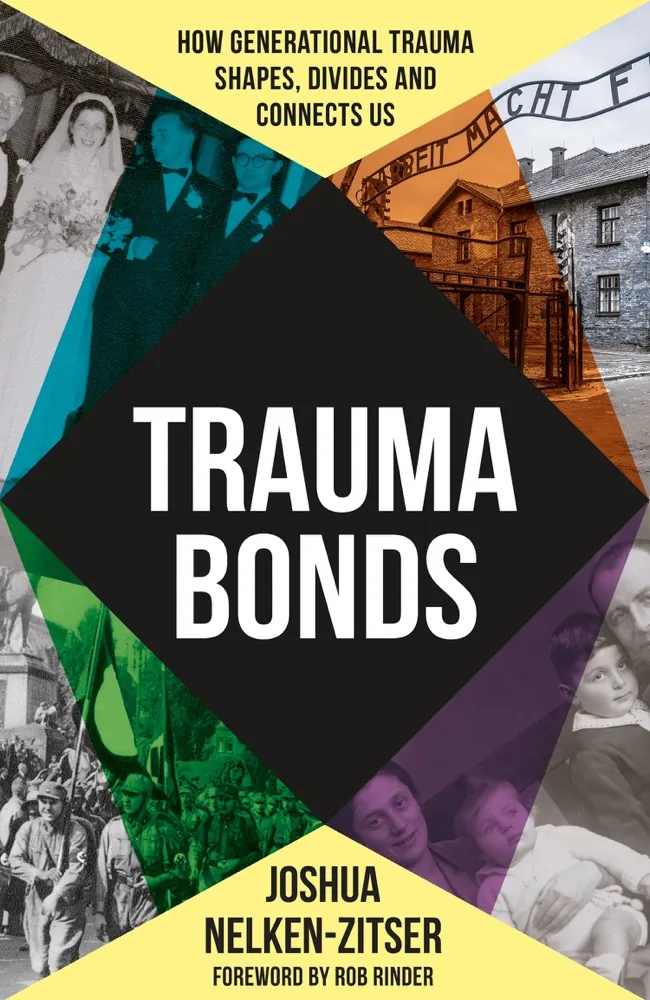
Author: Joshua Nelken-ZitserPage Count: UnknownPublication Date: Expected publication 2026 APL Flight 412 is delayed again, apparently due to some minor mechanical failure in the starboard engine—or perhaps the airline simply enjoys watching exhausted executives slowly lose their minds over lukewarm macchiato. At least the leather armchair here in the private wing provides a tolerable vantage point to dissect the upcoming literary slaughter that will undoubtedly occupy every broadsheet column next spring. Joshua Nelken-Zitser’s Trauma Bonds arrives with a heavy baggage of personal disclosure, masquerading as a grand geopolitical inquiry into how ancestral misery trickles down from the architects of catastrophe and their victims alike. The Inheritance of Shadows The premise is deceptively straightforward. A journalist sitting in a clinic dealing with panic attacks suddenly decides that his grandfather’s wartime survival must somehow dictate his own modern neurosis. But is it genuinely a societal reckoning, or merely another bourgeois exercise in navel-gazing dressed up in the austere garb of investigative journalism? One must wonder. Nelken-Zitser attempts an ambitious juxtaposition here by interviewing both the descendants of Holocaust survivors and the progeny of Nazi perpetrators. Yet, the synopsis tells us remarkably little about how these two disparate psychological lineages actually collide on the page—leaving us to suspect a rather predictable, touch-feely conclusion about reconciliation that completely misses the brutal, messy reality of historical accountability. Geopolitical Whiplash The entire structural architecture of the manuscript pivots awkwardly on the premise that personal somatic responses can explain massive state-sponsored violence. Actually, scratch that—such a reductionist equation is completely fucking cringe, treating centuries of geopolitical trauma like a mild case of seasonal affective disorder. We are promised a rigorous look at how entire nations grapple with inherited guilt, yet the core catalyst remains an individual seeking treatment for an eating disorder. The friction between global atrocities and private clinical diagnostics feels jarring, to say the least. Compare this to the chilling sociological detachment of Gitta Sereny’s work or the sharp, unsparing prose of Philippe Sands in East West Street. Nelken-Zitser wants to bridge the gap between academic rigor and emotive podcast-style storytelling. He previously cut his teeth with short audio pieces, which worries me. Modern readers deserve prose that cuts like a razor, not transcripts meant to be consumed while half-asleep on a commuter train. If the author leans too heavily into the therapeutic buzzwords currently cluttering bestseller lists—phrases like "generational wounds" and "breaking cycles"—the book will age about as well as a cheap bottle of duty-free champagne left out in the terminal sun. Still, one cannot entirely dismiss the sheer audacity of forcing the grandchildren of the Third Reich into dialogue with those whose families barely escaped the ashes. The sociological stakes are undeniably immense, even if the execution risks devolving into a protracted group therapy session for the literary-industrial complex. I am currently struggling to find a decent dry cleaner in Manhattan. #TraumaBonds #Nonfiction #BookCritics #Geopolitics

- Anna Kowalska
- 02 Sep, 2026 21:07
Nineteen Days in Autumn: A New History of 1066 Book Review and Summary
Author: Erin GoeresPage Count: UnknownPublication Date: Expected publication 2026 APL The amuse-bouche has vanished, leaving behind only the ghost of sea salt and chilled Chablis, while the city hums beneath this glass canopy like a badly tuned cello. Chronology of a Coup Erin Goeres intends to dissect the nineteen days between Stamford Bridge and Hastings in Nineteen Days in Autumn. But let us be entirely serious for a single moment. History at this microscopic level—the hyper-focused micro-history trend currently bleeding the trade-publishing houses dry—reads like the diplomatic cables from the 1995 Dayton Accords when everyone involved had already lost their luggage. We are promised the human motivations, the neglected women, and the tragicomic fate of an unfortunate farmer who simply wanted to keep his outerwear. It is the literary equivalent of staging the Titanic disaster from the perspective of the man polishing the cutlery in second class. The Narrowness of Ambition Succession crises are deliciously messy things. Yet focusing exclusively on a three-week window strips away the magnificent, sweeping rot that makes medieval politics worth studying over a proper martini. Give me the generational trauma. Give me the decades of bad marriages and festering border disputes. Instead, we get a snapshot. A polaroid of a falling empire taken by someone standing too close to the blast radius. The Cast of Casualties Matilda of Flanders makes her obligatory appearance as the shadow-monarch pulling the strings. Naturally. One expects nothing less from a modern historical marketing department desperate to hit a quota of perceived agency. It reminds one terribly of the final season of Succession, where everyone paces around a minimalist kitchen shouting Latin phrases until the credits drop, signifying absolutely nothing of permanent value. Goeres drags three distinct nations into the fray—England, Normandy, Scandinavia—and expects us to care about the logistical nightmare of medieval troop movements over muddy English fields. The Verdict on the Horizon Will it illuminate? Hardly. It will likely sit on the mahogany desks of overworked ambassadors who buy it simply because the spine color complements their leather blotters. The synopsis leans heavily on the usual tropes of unravelling tapestries and clashing crowns. Spare me the melodrama of the Norman Conquest. We all know how the treaty ends. My personal assistant has somehow managed to misplace my passport prior to the evening flight to Paris. Related InsightsPoisoner's Ring Book Review and Summary The Strangers Book Review and Summary The Heights Book Review and Summary{ "@context": "https://schema.org", "@type": "FAQPage", "mainEntity": [ { "@type": "Question", "name": "What is the main focus of Nineteen Days in Autumn: A New History of 1066 Book Review and Summary?", "acceptedAnswer": { "@type": "Answer", "text": "Everything you need to know about Nineteen Days in Autumn: A New History of 1066 with our detailed review." } }, { "@type": "Question", "name": "Who authored the comprehensive guide on Nineteen Days in Autumn: A New History of 1066 Book Review and Summary?", "acceptedAnswer": { "@type": "Answer", "text": "This detailed article and its insights were carefully researched and authored by Anna Kowalska." } }, { "@type": "Question", "name": "Where can I find more related content about Books?", "acceptedAnswer": { "@type": "Answer", "text": "You can explore more articles, detailed reviews, and similar insights by browsing the Related Insights section at the bottom of this article or visiting our dedicated Books category page." } } ] }
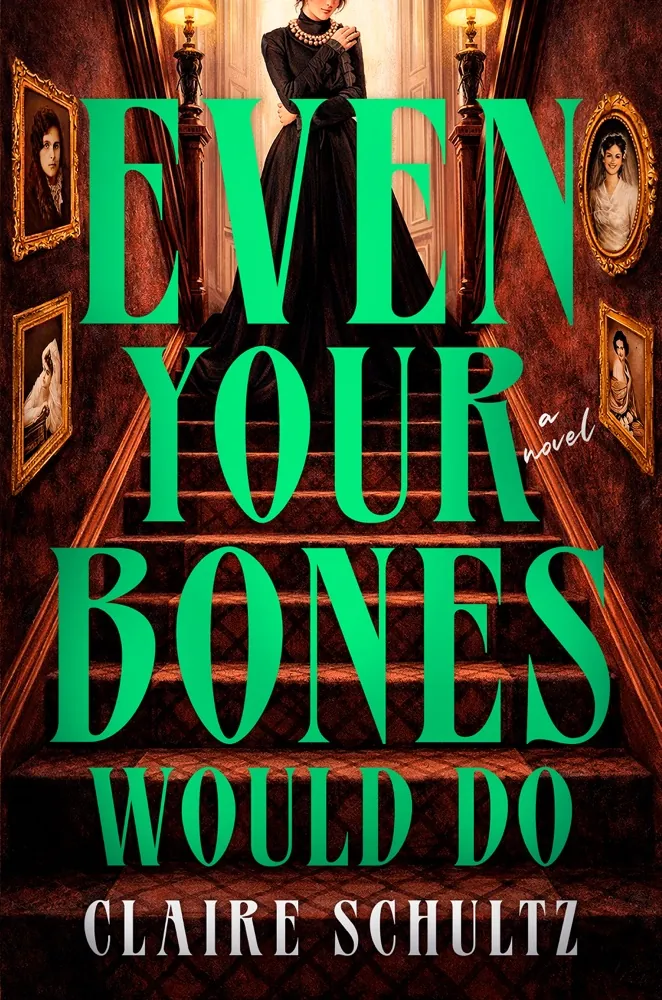
Author: Claire SchultzPage Count: UnknownPublication Date: Expected publication 2026 APL Gilded cages and the blue-black beards of men who think they own the world. It’s an old tune, really. Even Your Bones Would Do promises a Gothic plunge into the 1929 economic collapse, yet it seems determined to recycle the same tired tropes found in a mid-shelf Shirley Jackson knock-off. April Harker—a name that sounds like it was generated by a malfunctioning Victorian porcelain doll—is apparently whisked away from financial ruin into a marriage that screams "I have a basement full of bodies and a very poor understanding of consent." The Aesthetics of Unease Does a house need to move its hallways to be scary? That feels like a cheap parlor trick for a narrative that should be focusing on the crushing desperation of post-Crash survival. If the house is just a shifting labyrinth, why bother with the historical setting? It’s giving "I watched one episode of The Haunting of Hill House and decided I was an auteur." The lipstick-stained teacups feel like a garnish added to a dish that hasn't actually been cooked yet. It is essentially visual flavor-text masquerading as a plot point. Spectral Solidarity The introduction of Marie, this spectral companion, is where my interest—slight as it is—picks up, if only because it suggests a Sapphic escape from the patriarchy. Because God forbid a female protagonist find liberation through anything other than a literal ghost. It’s a bit basic, honestly. The genre is currently infested with "trapped woman discovers husband is a total psycho" narratives, and this feels like it’s chasing that Mexican Gothic vibe without the teeth. Will it be a masterclass in atmospheric dread? Or just a glorified fanfic for people who think wearing velvet is a substitute for a personality? The synopsis is infuriatingly vague about the nature of the "infinite rooms." Is this a metaphor for the infinite ways a man can gaslight his spouse? Probably. I suspect the mid-point will devolve into a messy, CGI-brained spectacle where the house itself becomes the antagonist, leaving the character development to rot in the foyer. I’m predicting a third-act twist that centers on bloodlines or ancestral curses, because originality is currently on sabbatical in the publishing world. It’s a total snooze-fest setup that thinks it’s profound because it throws in some spectral teacups. If you’ve read your Du Maurier, you’ve already read this book, just with less prose-induced nausea. I suppose I’ll have to suffer through the inevitable media blitz when the advance copies start hitting the desks of people who actually get excited by "lyrically haunting" blurbs. My tea is stone cold and my patience is entirely depleted, much like the promise of this plot. I must now turn my attention to reviewing the exhausting itinerary for my European book tour. There are simply too many trains to catch and far too few decent aperitifs on the schedule. Related InsightsBelle Haven Finishing School Book Review and Summary The House Across the Lake Book Review and Summary Food Is Medicine: Healing Our Bodies, Nourishing Our Minds, and Transforming Our Food System Book Review and Summary{ "@context": "https://schema.org", "@type": "FAQPage", "mainEntity": [ { "@type": "Question", "name": "What is the main focus of Even Your Bones Would Do Book Review and Summary?", "acceptedAnswer": { "@type": "Answer", "text": "Everything you need to know about Even Your Bones Would Do with our detailed review." } }, { "@type": "Question", "name": "Who authored the comprehensive guide on Even Your Bones Would Do Book Review and Summary?", "acceptedAnswer": { "@type": "Answer", "text": "This detailed article and its insights were carefully researched and authored by Anna Kowalska." } }, { "@type": "Question", "name": "Where can I find more related content about Books?", "acceptedAnswer": { "@type": "Answer", "text": "You can explore more articles, detailed reviews, and similar insights by browsing the Related Insights section at the bottom of this article or visiting our dedicated Books category page." } } ] }
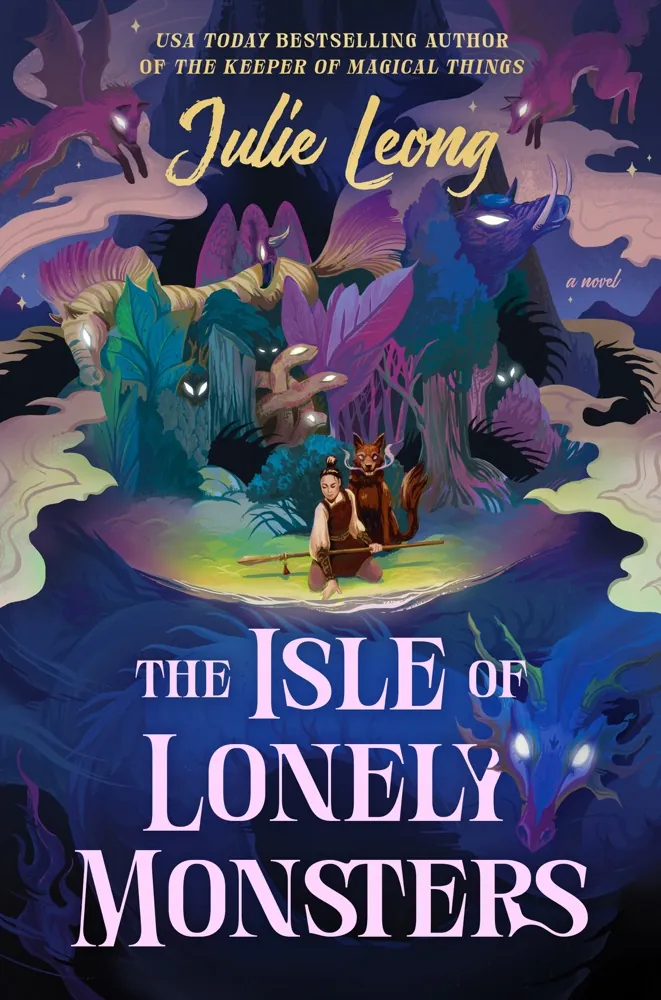
Author: Julie LeongPage Count: UnknownPublication Date: Expected publication 2026 APL The sun bleeds into the city’s skyline like a half-melted candle, the kind you’d find in some Parisian apothecary—expensive, unnecessary, but impossible to resist. The air smells of grilled octopus and the faintest hint of ozone, the kind that clings to your skin after a storm that never quite arrives. Over here, on this rooftop where the wind still carries the weight of summer’s last stubborn heat, I’m trying to decide whether The Isle of Lonely Monsters is the kind of book that belongs in a leather-bound first-edition collection or tucked into a beach bag for that one week in August when you want to pretend you’re not an adult. Meixin’s dilemma—this quiet, gnawing tension between the hunter and the hidden—is the kind of emotional core that makes you wonder if Julie Leong has been secretly reading the private journals of The Night Circus’s own romantic entanglements between the performer and the magician. But where Kelly Link’s work thrives on the uncanny and the surreal, Leong’s strength lies in the way she makes the mundane monstrous. The synopsis doesn’t reveal much beyond the surface—just enough to know this is a story about secrets and the cost of hiding, about the way a person can become both the predator and the prey in their own narrative. Yet the real question isn’t whether the dragon exists or whether Faran’s sorcery is genuine—it’s whether Meixin will ever stop running. And that’s where the synopsis stumbles. It teases the political subtext—the Crownless Kingdom, after all, sounds like a world where the crown is just another kind of cage—but it doesn’t say a damn thing about what happens when the villagers realize their monster hunter is also a monster. Is this a The Bear and the Nightingale moment, where the line between savior and villain is drawn in blood? Or is it something grittier, closer to The Priory of the Orange Tree, where the cost of belonging is measured in lives? The synopsis leaves it all too vague, which is either a sign of restraint or a missed opportunity. Leong has done this kind of slow-burn character study before—see The Keeper of Magical Things—so why not lean harder into the tension? Why not make us feel the weight of Meixin’s choices, instead of just nodding along as she makes them? But then—and this is the pivot—maybe that’s the point. Maybe the beauty of this story isn’t in the grand revelations but in the quiet moments, the way a character like Meixin could exist in a world that’s already written her as a villain. There’s something deeply satisfying about a protagonist who doesn’t need to be redeemed, who just needs to be seen. That’s the kind of emotional labor that makes you think of The House in the Cerulean Sea, where the monsters aren’t the problem—they’re the heart. Yet Leong’s work has always had a sharper edge, a darker undercurrent. If this book follows that trajectory, then Faran isn’t just a love interest; he’s a mirror, reflecting back the parts of Meixin she’s spent a lifetime hiding. The synopsis doesn’t name the stakes, but it does name the ache. And that ache—it’s the kind that lingers after you’ve closed the book, the kind that makes you wonder if you’ve just read something that will sit on your shelf like a well-loved first edition of The Shadow of the Wind. But then again, maybe it’ll just end up in a box in the attic, gathering dust because you couldn’t quite decide if it was worth the price. The real question is whether Leong can make the reader care enough to keep it out. I should probably consult my wealth manager about adding this to the collection. Just in case. Related InsightsConsequences A Dark Wealth and Power Romance Book Review and Summary Hallowed Bones (Sons of Salem #1) Book Review and Summary Vigilante and the Dancer Book Review and Summary{ "@context": "https://schema.org", "@type": "FAQPage", "mainEntity": [ { "@type": "Question", "name": "What is the main focus of The Isle of Lonely Monsters Book Review and Summary?", "acceptedAnswer": { "@type": "Answer", "text": "Everything you need to know about The Isle of Lonely Monsters with our detailed review." } }, { "@type": "Question", "name": "Who authored the comprehensive guide on The Isle of Lonely Monsters Book Review and Summary?", "acceptedAnswer": { "@type": "Answer", "text": "This detailed article and its insights were carefully researched and authored by Anna Kowalska." } }, { "@type": "Question", "name": "Where can I find more related content about Books?", "acceptedAnswer": { "@type": "Answer", "text": "You can explore more articles, detailed reviews, and similar insights by browsing the Related Insights section at the bottom of this article or visiting our dedicated Books category page." } } ] }
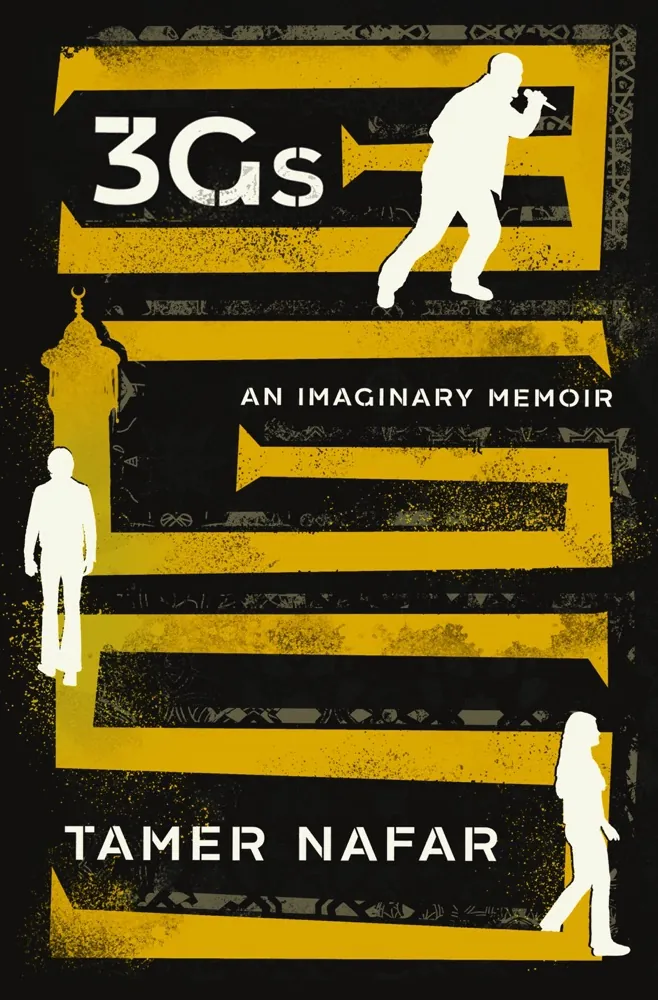
Author: Tamer NafarPage Count: UnknownPublication Date: Expected publication 2026-12-01 APL The air in this August heat is thick with the kind of humidity that makes even the most disciplined mind wander—like a vinyl record skipping on a bad day. And yet, here we are, staring at the synopsis for 3Gs, that imaginary memoir by Tamer Nafar, which arrives like a well-timed but slightly unhinged guest at a diplomatic cocktail party. The kind of guest who shows up with a story about three generations of Palestinians, a town that’s both Lyd and Lod depending on who’s telling it, and a father who can’t read but plays in a wedding band. It’s the kind of premise that makes you wonder if the author’s been reading too many late-night Wikipedia rabbit holes about postcolonial identity. The structure here is deliberately fractal—part oral history, part fable, part something that defies the very idea of memoir. That last bit is either genius or a gimmick, and I’m not sure which yet. It reminds me of The Vegetarian by Han Kang, where the act of writing itself becomes a kind of rebellion, but with the added layer of hip-hop’s rhythmic fury. Chuck D’s influence is already being touted, and for good reason—this isn’t just a memoir; it’s a sonic assault on the idea of linear storytelling. But where 3Gs might falter is in its refusal to clarify what, exactly, it wants to be. Is it a novel? A collection of vignettes? A family tree with more branches than a Palestinian olive grove? The vagueness is almost intentional, but it also risks leaving readers feeling like they’ve been handed a map to a city that’s been erased from the atlas. Fawzi, the father, is the most interesting character by default—because he’s the one who’s not fighting back, at least not in the way his son expects. There’s something haunting about a man who survives by passing as a postman despite being illiterate, only to end up in a wheelchair after an accident. It’s a metaphor for so much: the quiet erosion of dignity, the way oppression doesn’t always come with a gun. But then Tamer, the son, comes along, loud and defiant, spitting out punchlines like they’re landmines. The dynamic between them feels like it could be the backbone of something powerful, but the synopsis doesn’t do enough to show how that tension plays out. Where’s the moment when Fawzi finally speaks? Where’s the scene where Tamer realizes his father’s silence wasn’t weakness? The synopsis skims over these moments like a DJ skipping the breakdown of a song. And then there’s Shaden, the future daughter, who risks returning to Lyd to save its artifacts in “Palestine in the cloud.” That line alone is worth the price of admission—it’s the kind of poetic nonsense that makes you wonder if the author’s been reading too much about digital diasporas and too little about how people actually live. But it also feels like a cop-out. If the book is about loss and oppression, why not ground Shaden’s story in something more tangible? Why not make her a real person with real stakes, instead of a ghost in the machine? It’s the literary equivalent of a politician promising “hope and change” without a plan. But here’s the thing—this is supposed to be an imaginary memoir. So maybe the point is that it’s all just a construct, a shape-shifting pastiche of memory and myth. And if that’s the case, then 3Gs might just be the most ambitious piece of Palestinian literature since The Book of Khaled by Yasmina Khadra, where the act of storytelling itself becomes the rebellion. Yet—yet—there’s a danger in letting the form overshadow the substance. What if the book is so busy being innovative that it forgets to be human? The synopsis leaves more questions than answers, which is fine if the book delivers on the promise of its own ambiguity. But I can’t help but think of the time The Last Days of American Crime by Graham Moore was hyped as a revolutionary take on true crime, only to deliver a mess of half-baked conspiracy theories and a protagonist who felt like a mannequin in a department store window. Will 3Gs be the next great Palestinian novel, or will it be the next great disappointment? Only time—and a lot of espresso—will tell. Right now, I’m operating on three hours of sleep and the kind of caffeine that makes you see halos around streetlights. The world is a mess, the air is thick, and I’m trying to decide if I want to believe in the magic of 3Gs or just go back to bed. #PalestinianLiterature #ImaginaryMemoirs #AugustReading #DiplomaticFiction #ShapeShiftingStories Related InsightsRealm Breaker Book Review and Summary L'Occhio che ha Cambiato il Mondo: L'Ascesa Silenziosa della Fotografia Tascabile Ask for Andrea Book Review and Summary{ "@context": "https://schema.org", "@type": "FAQPage", "mainEntity": [ { "@type": "Question", "name": "What is the main focus of 3Gs: An Imaginary Memoir Book Review and Summary?", "acceptedAnswer": { "@type": "Answer", "text": "Everything you need to know about 3Gs: An Imaginary Memoir with our detailed review." } }, { "@type": "Question", "name": "Who authored the comprehensive guide on 3Gs: An Imaginary Memoir Book Review and Summary?", "acceptedAnswer": { "@type": "Answer", "text": "This detailed article and its insights were carefully researched and authored by Anna Kowalska." } }, { "@type": "Question", "name": "Where can I find more related content about Books?", "acceptedAnswer": { "@type": "Answer", "text": "You can explore more articles, detailed reviews, and similar insights by browsing the Related Insights section at the bottom of this article or visiting our dedicated Books category page." } } ] }
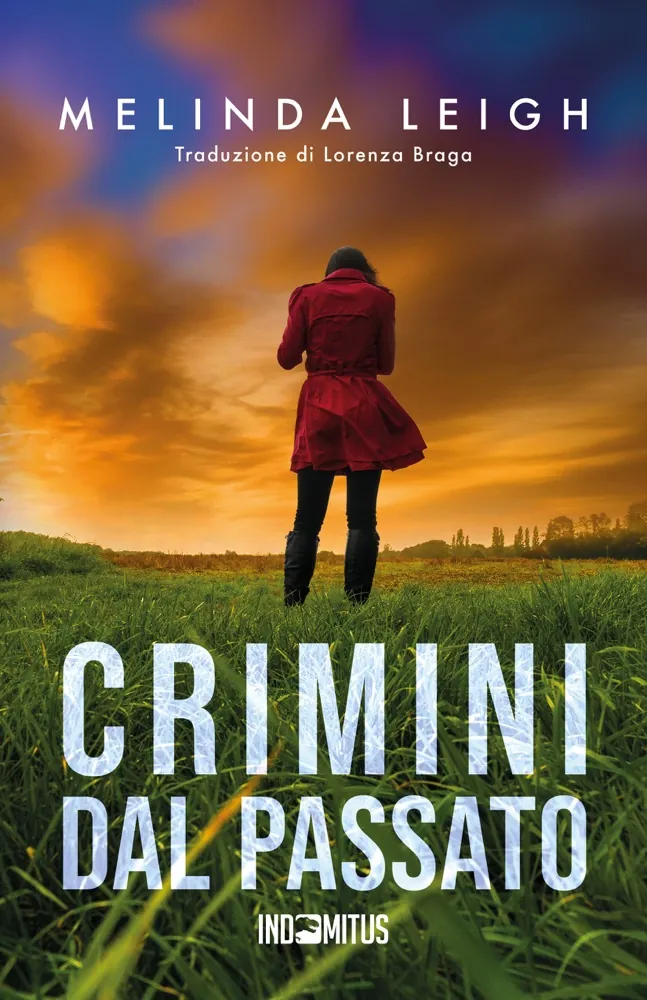
Author: Melinda LeighPage Count: UnknownPublication Date: Expected publication 2026-07-05 APL The discovery of human remains on the long-abandoned Taggert family farm – a gruesome reminder of the dark legacy that haunts Sheriff Bree Taggert. In Kill For Her, Melinda Leigh weaves an intricate narrative that threatens to upend Bree's carefully constructed reality, forcing her to confront the brutal night that has haunted her for most of her life. The echoes of her father's heinous crime – the murder of her mother, followed by his own demise – still linger, a constant reminder of the trauma that Bree has struggled to keep at bay. And now, with the unearthing of two more sets of remains, the past comes flooding back. The investigation, which determines that the murders took place thirty years prior, throws Bree's father into the spotlight as a suspect, compelling her to re-examine the events of that fateful night. But it's not just her father's actions that come under scrutiny – an unlikely occupant of the Taggert farm, who claims to possess secrets about Bree's past, becomes an improbable suspect. Yet, as he vanishes into thin air, and Bree's niece is kidnapped, the stakes are raised, and the old case is rekindled. It's a cat-and-mouse game, with Bree seemingly having antagonized a ruthless killer, who will stop at nothing to keep their identity and motivations hidden. The parallels to Laura Lippman's What the Dead Know are striking – both novels featuring a complex web of secrets and lies, with the past threatening to destroy the present. But while Lippman's work is marked by a more nuanced exploration of the human psyche, Leigh's writing often veers into the realm of the sensational. The result is a narrative that feels more akin to a jigsaw puzzle, with pieces being fitted together to create a larger picture, rather than a thoughtful exploration of the characters' inner lives. And yet, it's this very sensationalism that might just prove to be the novel's greatest strength. In an era where true-crime podcasts have become the norm, Kill For Her taps into our collective fascination with the darker aspects of human nature. It's a thriller that promises to keep readers on the edge of their seats, even as it raises questions about the reliability of memory and the devastating consequences of trauma. But what of the supporting cast? How will Adam, Bree's brother, fare in the midst of this chaos? And what secrets might the occupant of the Taggert farm have been hiding? The synopsis, unfortunately, remains tight-lipped on these matters, leaving us to wonder if Leigh has done enough to flesh out her characters beyond their surface-level motivations. The plot, too, feels somewhat predictable, with the kidnapping of Bree's niece serving as a contrived plot twist. Still, there's something to be said for a narrative that wears its heart on its sleeve, even if that heart is a bit of a mess. Kill For Her is a novel that promises to deliver on its thrills, even if it doesn't quite live up to its full potential. It's a bit like the Hindenburg disaster – a spectacle that's equal parts captivating and terrifying, with the potential to leave readers scarred, but ultimately, it's a wild ride that's worth taking. I need to consult with my wealth manager about acquiring a new art piece – a rare, first-edition of Agatha Christie's And Then There Were None. #thriller #mystery #crimefiction #bookreview Related InsightsThe Traitor Baru Cormorant Book Review and Summary Problematic Summer Romance Book Review and Summary Snow Falling on Cedars Book Review and Summary{ "@context": "https://schema.org", "@type": "FAQPage", "mainEntity": [ { "@type": "Question", "name": "What is the main focus of Kill For Her (Bree Taggert #11) Book Review and Summary?", "acceptedAnswer": { "@type": "Answer", "text": "Everything you need to know about Kill For Her (Bree Taggert #11) with our detailed review." } }, { "@type": "Question", "name": "Who authored the comprehensive guide on Kill For Her (Bree Taggert #11) Book Review and Summary?", "acceptedAnswer": { "@type": "Answer", "text": "This detailed article and its insights were carefully researched and authored by Anna Kowalska." } }, { "@type": "Question", "name": "Where can I find more related content about Books?", "acceptedAnswer": { "@type": "Answer", "text": "You can explore more articles, detailed reviews, and similar insights by browsing the Related Insights section at the bottom of this article or visiting our dedicated Books category page." } } ] }
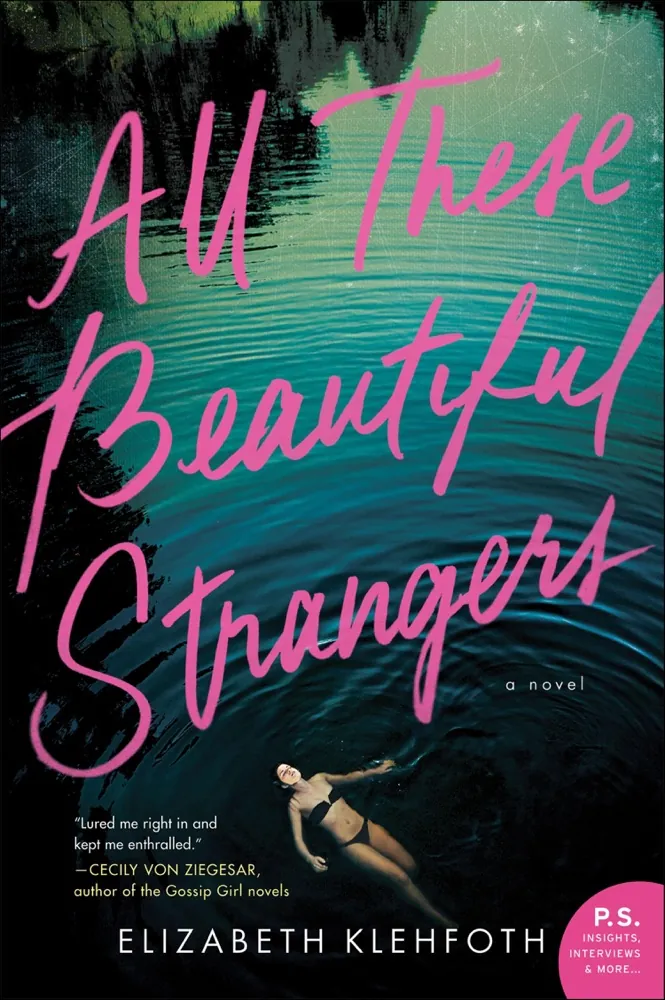
Author: Elizabeth KlehfothPage Count: UnknownPublication Date: Expected publication 2026 APL The air in this August heat is thick with the kind of humidity that clings to the spine like a bad decision—perfect for the kind of story that thrives on suffocating tension, the kind where the real estate mogul’s wife vanishing into thin air isn’t just a plot device but a lifestyle choice for the kind of people who believe tragedy is just another kind of performance art. Every Pretty Thing isn’t just another Gossip Girl knockoff—it’s the kind of book that smells like a summer blockbuster that’s been sitting too long in the sun, its pages curling with the promise of scandal but the weight of something far more insidious: the idea that privilege isn’t just a shield, but a game. Charlie Fairchild, the orphaned heiress of a family name that’s been whispered about in the same breath as the Jeffrey Epstein scandal (because of course it has), is the kind of protagonist who exists in the same social stratum as the girls in The Secret History—only with the added layer of being a child in a world that treats her like a pawn. The A’s aren’t just a secret society; they’re the modern equivalent of the Sorbonne’s infamous 1990s murder ring, but with more TikTok aesthetics and less actual bloodshed. The Game they’re playing isn’t just a scavenger hunt—it’s a psychological experiment designed to see how far the elite will go before they realize they’ve already lost. And yet, the synopsis doesn’t even try to sell it as anything more than a gimmick. Where’s the bite? Where’s the substance? This isn’t The Turn of the Screw—it’s The Bachelor meets American Psycho, and that’s not a compliment. The real tragedy here isn’t that Grace Fairchild disappeared—it’s that her daughter is being groomed to replace her. Charlie isn’t just a victim; she’s a product, and the A’s are the brand that’s going to sell her to the highest bidder. The synopsis doesn’t even acknowledge the irony that the same people who would gaslight a child into believing her mother’s disappearance was her own fault are now treating her like a glamour girl in a psychological thriller. But then again, irony is the last thing Entertainment Weekly cares about when they’re hyping up another it-girl tragedy. The thematic weight here is all surface—family secrets, elite betrayal, the kind of drama that makes Keeping Up with the Kardashians look like a documentary. But where’s the meat? Where’s the depth? The synopsis doesn’t even attempt to grapple with the fact that Charlie’s trauma isn’t just a plot point—it’s the fuel for the entire story. And yet, it’s treated like a side effect, something to be overcome rather than examined. This isn’t The Girl on the Train—it’s The Real Housewives of New England, and that’s not a genre I’m dying to revisit. The A’s aren’t just a secret society—they’re a metaphor, and a lazy one at that. They’re the kind of group that would stage a murder mystery at their annual fundraiser, where the "victim" is always someone who deserved it. But the synopsis doesn’t even try to make it more than that. It’s the literary equivalent of a Chanel perfume ad—beautiful, empty, and designed to make you feel like you’re missing something you can’t quite name. And yet, despite all this, I can’t help but wonder if there’s a kernel of something here. The way the past and present collide isn’t just a trope—it’s a promise. But the synopsis doesn’t deliver. It doesn’t commit. It’s the literary equivalent of a Netflix series that’s been greenlit but hasn’t even started filming yet. And that’s a shame, because if this were written by someone with the gravitas of Gillian Flynn or the psychological precision of Tana French, it could have been something truly terrifying. But no. This is just another book that’s going to get hyped up as the next big thing before it even hits the shelves. And that’s not a surprise—it’s a trend. The elite, the secrets, the games—it’s all been done before, and done better. The only thing missing here is the edge. The only thing missing is the risk. And so, I find myself sighing as I pull up the contract for the film adaptation—because of course there’s going to be one. The question isn’t whether this will be made into a movie; it’s whether it’ll be as hollow as the book itself. #BookTok #EliteDrama #SummerReading Related InsightsThief among the Trees Book Review and Summary Cosmos Book Review and Summary Raven Cycle Series Collection 4 Books Set By Maggie Stiefvater Book Review and Summary{ "@context": "https://schema.org", "@type": "FAQPage", "mainEntity": [ { "@type": "Question", "name": "What is the main focus of Every Pretty Thing: A Novel Book Review and Summary?", "acceptedAnswer": { "@type": "Answer", "text": "Everything you need to know about Every Pretty Thing: A Novel with our detailed review." } }, { "@type": "Question", "name": "Who authored the comprehensive guide on Every Pretty Thing: A Novel Book Review and Summary?", "acceptedAnswer": { "@type": "Answer", "text": "This detailed article and its insights were carefully researched and authored by Anna Kowalska." } }, { "@type": "Question", "name": "Where can I find more related content about Books?", "acceptedAnswer": { "@type": "Answer", "text": "You can explore more articles, detailed reviews, and similar insights by browsing the Related Insights section at the bottom of this article or visiting our dedicated Books category page." } } ] }
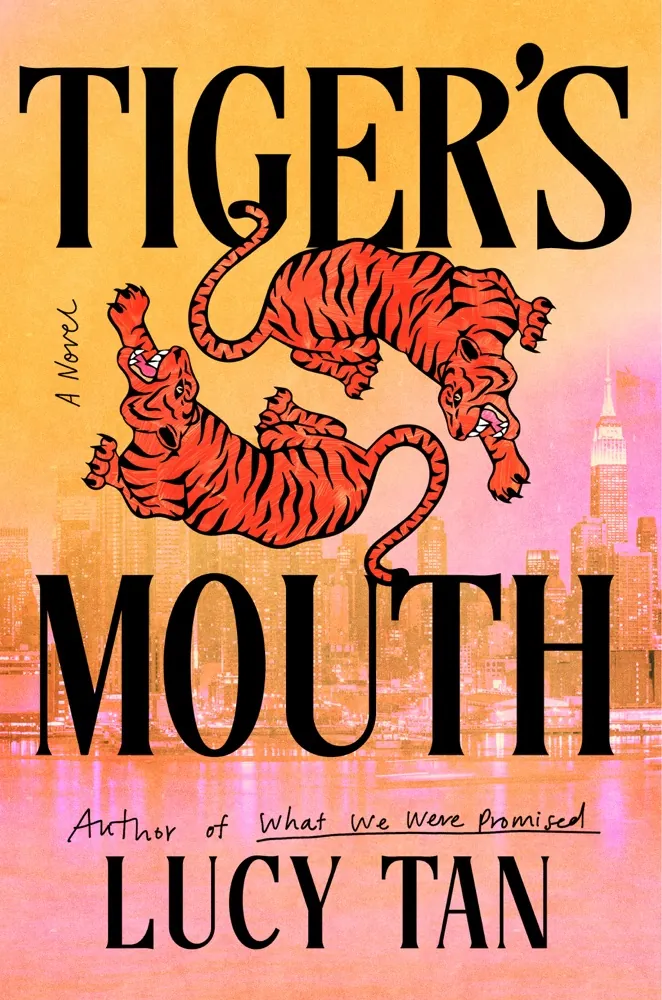
Author: Lucy TanPage Count: UnknownPublication Date: Expected publication 2026-11-17 APL In the grand tradition of novels about privileged elites, Tiger's Mouth promises to deliver a sweeping narrative of ambition, identity, and the cutthroat world of tech giants. Or does it? The synopsis reads like a laundry list of familiar themes and character archetypes: the outsider trying to fake his way into the inner circle, the depressed scion of a wealthy family, and the inevitable clash of egos that ensues. One can't help but wonder if Lucy Tan's latest effort will bring anything new to the table. What's immediately striking about the setup is the way it leans into the binary opposition between Jack Chen and Jack Owens. The former is a self-made man from a humble background, while the latter is a trust-fund kid struggling to find his place in the world. It's a classic tale of the haves and have-nots, with the two Jacks serving as proxies for their respective socioeconomic classes. Yet, the synopsis hints at a more nuanced exploration of their relationship, one that blurs the lines between friendship and competition. It's a delicate balancing act, and one that Tan will need to execute with precision in order to avoid falling into tired clichés. The inclusion of Chen's girlfriend as a third wheel in the dynamic adds an interesting wrinkle to the narrative. Will she serve as a voice of reason, or will she become embroiled in the machinations of the two Jacks? The synopsis doesn't provide much insight into her character, leaving one to wonder if she'll be more than just a plot device. The themes of identity and privilege are timely, to say the least. In an era where the tech industry is increasingly under scrutiny for its lack of diversity and inclusivity, Tiger's Mouth has the potential to offer a scathing critique of the status quo. But will it? The synopsis is curiously vague on this point, leaving one to wonder if Tan will pull her punches or deliver a truly incisive commentary. The writing style, as evidenced by the synopsis, appears to be propulsive and engaging. Tan's prose is described as "nostalgic, heart-wrenching, and propulsive," which suggests a narrative that's both emotionally resonant and intellectually stimulating. Yet, the use of such buzzwords also raises red flags – is this just marketing speak, or does the book truly deliver on its promises? One can't help but think of other novels that have tackled similar themes with greater success. The Secret History, for example, is a masterclass in exploring the darker side of privilege and ambition. Will Tiger's Mouth be able to join the ranks of such esteemed company? Only time will tell. But I'm not holding my breath. The whole thing feels like a rehashing of familiar tropes, a Gatsby for the tech age. And that's a shame, because with a bit more originality and a willingness to take risks, Tiger's Mouth could have been something truly special. Now, if you'll excuse me, I have to review the architectural plans for my new beach house. #PrivilegeCheck #TechNoir #BeachHouseVibes
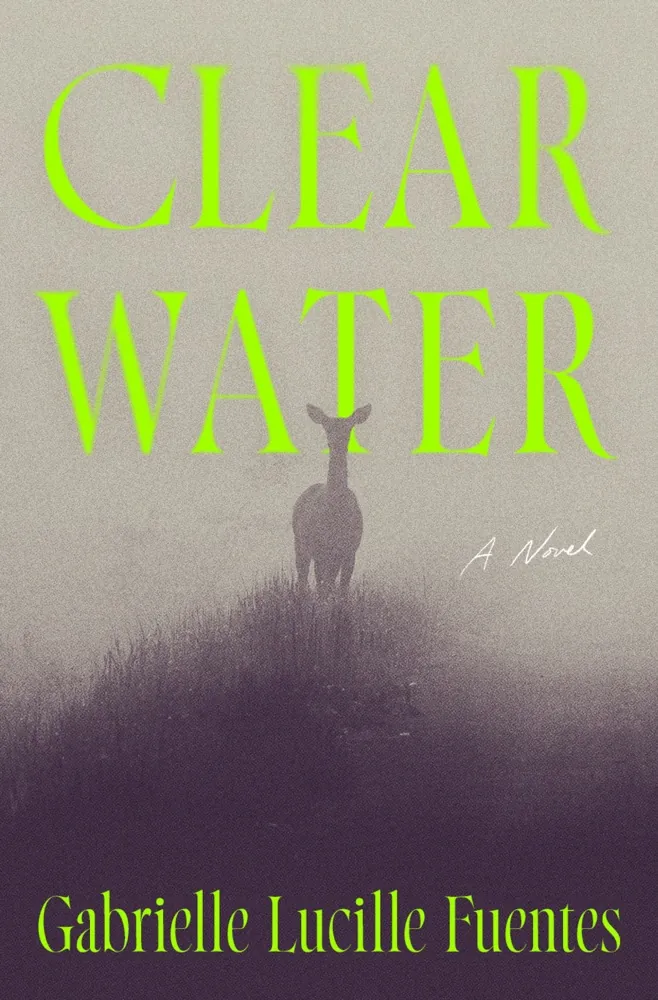
Author: Gabrielle Lucille FuentesPage Count: UnknownPublication Date: Expected publication 2026-11-03 APL Staring out the tall French doors at this suffocating August humidity, watching the neighborhood cicadas commit slow suicide against the glass, one develops a peculiar intolerance for small-town provincial suffering. Give me a grand geopolitical betrayal over domestic grief any day. Yet, the publishing houses insist on dragging us back to the frozen provinces. Or, in the case of Clear Water, to a Wisconsin logging hamlet where the snow apparently never melts from the publisher's imagination, despite the August heat baking the asphalt outside my study. Gabrielle Lucille Fuentes wishes to drag us through the snowdrifts once more. The Geography of Resentment Alma Figueroa sees a girl in white. Naturally. Because no rural mystery can function without ghostly apparition number four hundred and twelve haunting the treeline. The synopsis leans heavily on the kind of atmospheric dread that smells suspiciously like recycled Shirley Jackson crossed with a mid-tier Netflix limited series. We are promised an intersection of noir and myth. What we are actually being handed is the literary equivalent of the Costa Concordia captain steering too close to the rocks just to admire the view. And why must every protagonist return to the exact zip code they swore to abandon? It is the same repetitive geography of trauma that ruined half the Booker longlists of the last decade. Characters fleeing a town only to be sucked back by gravity and bad choices, like ambassadors returning to a failed coup because they left their favorite fountain pen in the drawing-room. The Specter of Ominous Silence The synopsis makes grand claims about these silent girls in the snow. They do not speak. They do not match missing persons files. They are dangerous. Or perhaps they are merely metaphors for addiction, grief, and the failure of municipal zoning boards. One grows profoundly weary of allegorical specters. Give me a flesh-and-blood conspirator who embezzles funds from the embassy pension pot over a mute phantom wandering down Route 9 any afternoon of the week. Fuentes attempts to marry the stark realism of an opioid crisis—Kayla’s tragic disappearance into addiction—with supernatural whimsy. It reads rather like staging Parsifal at a truck stop diner in Racine. The tonal whiplash alone could require cervical traction. Liz Moore managed this delicate balance of class, grief, and rural decay with genuine restraint in Long Bright River, but one wonders if lesser imitators can sustain the weight without collapsing into pure pastiche. A Verdict Cast in Amber Expect breathless blurbs praising the prose as shattering and bracing. They always are. Until the third act dissolves into a misty puddle of ambiguous grief counseling and local historical cover-ups. We will learn that the real monster was the municipal water supply all along. Or perhaps the patriarchal structures of the logging industry. I would prefer an alien abduction. At least it would show some administrative imagination. My tailor has just arrived with the new charcoal wools for the autumn galas, smelling faintly of chalk and steam, which means I must endure thirty minutes of polite conversation about lapel widths before I can legally pour a gin and tonic. Worse still, the annual endowment subcommittee is convening in the east wing in twenty minutes to debate the landscaping budget for the sculpture garden. Related InsightsJohn Adams Book Review and Summary Ficciones Book Review and Summary The Collector Book Review and Summary{ "@context": "https://schema.org", "@type": "FAQPage", "mainEntity": [ { "@type": "Question", "name": "What is the main focus of Clear Water Book Review and Summary?", "acceptedAnswer": { "@type": "Answer", "text": "Everything you need to know about Clear Water with our detailed review." } }, { "@type": "Question", "name": "Who authored the comprehensive guide on Clear Water Book Review and Summary?", "acceptedAnswer": { "@type": "Answer", "text": "This detailed article and its insights were carefully researched and authored by Anna Kowalska." } }, { "@type": "Question", "name": "Where can I find more related content about Books?", "acceptedAnswer": { "@type": "Answer", "text": "You can explore more articles, detailed reviews, and similar insights by browsing the Related Insights section at the bottom of this article or visiting our dedicated Books category page." } } ] }
- Anna Kowalska
- 21 Aug, 2026 19:40
Murder of a Merry Gentleman: A Mystery (Lady Petra Inquires, 4) Book Review and Summary
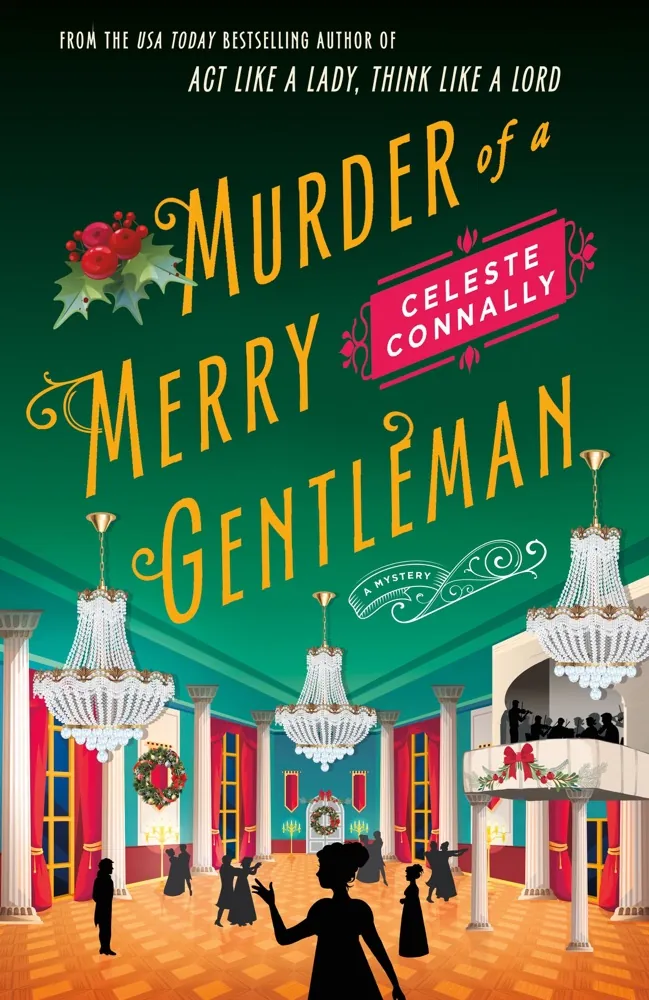
Author: Celeste ConnallyPage Count: UnknownPublication Date: Expected publication 2026-11-10 APL December 1815 in London brings frost to the cobblestones, yet here I sit perspiring through a heavy linen shirt while a relentless August sun bakes the parquet floor. The mind wanders away from the stifling heat of late summer toward Murder of a Merry Gentleman, Celeste Connally's upcoming fourth chapter in the Lady Petra Inquires series. It is a premise dripping in frost and privilege—Regency matchmaking mechanics colliding abruptly with homicide at Almack’s. Almack's and Assassination Matchmaking auctions disguised as charity dances? Absolutely based. The aristocratic marriage market has always functioned as a velvet-lined chop shop anyway, so adding an actual corpse beneath a balcony feels entirely appropriate. Connally leans hard into the Bridgerton gloss while trying to steal Agatha Christie’s magnifying glass. But let us be entirely serious for a fleeting moment. A lady of breeding forced to pretend she wants to bed five eligible bachelors named the Merry Gentlemen just to sniff out a killer? That is straight-up peak cringe, no cap, absolutely down bad for narrative convenience. Yet the sociological undercurrents here genuinely fascinate me. Statecraft and courtly espionage taught me long ago that the most vicious power struggles always happen behind a facade of polite dancing. Petra must deploy lock picks and defensive martial arts while wearing Almack-approved muslin. Because nothing screams high society quite like a left hook to a duelist's jaw. The Spyglass and the Ledger Or perhaps the locked-room mechanics won't even matter because historical cozies live and die on the strength of their snark. Connally attempts a balancing act between empirical science and Regency etiquette. Actually, scratch that entire observation. Science has zero business existing in a ballroom full of snobs trading daughters for titles, and pretending otherwise is just lazy world-building. The synopsis relies heavily on tired tropes about independent heroines who find constraint annoying. Oh no, the headstrong aristocrat has to scream internally while flirting. Peak suffering. Real statecraft involves poisoning your allies at a summit in Vienna, not faking giggles for a bachelor named after a holiday carol. Readers looking for Georgette Heyer prose mixed with a body count will undoubtedly eat this garbage up when it drops in November. It’s mid lit, but honestly? Sometimes mid lit hits different when the AC is broken and the news is entirely bleak. I need a distraction that does not involve geopolitical collapse or treaty negotiations that failed before the ink even dried. Closing my laptop on this Regency nonsense, I am going to browse real estate listings in Tuscany to cleanse my palate. Related InsightsDare Me... to Want You Book Review and Summary On Writing: A Memoir of the Craft Book Review and Summary Shadowfever Book Review and Summary{ "@context": "https://schema.org", "@type": "FAQPage", "mainEntity": [ { "@type": "Question", "name": "What is the main focus of Murder of a Merry Gentleman: A Mystery (Lady Petra Inquires, 4) Book Review and Summary?", "acceptedAnswer": { "@type": "Answer", "text": "Everything you need to know about Murder of a Merry Gentleman: A Mystery (Lady Petra Inquires, 4) with our detailed review." } }, { "@type": "Question", "name": "Who authored the comprehensive guide on Murder of a Merry Gentleman: A Mystery (Lady Petra Inquires, 4) Book Review and Summary?", "acceptedAnswer": { "@type": "Answer", "text": "This detailed article and its insights were carefully researched and authored by Anna Kowalska." } }, { "@type": "Question", "name": "Where can I find more related content about Books?", "acceptedAnswer": { "@type": "Answer", "text": "You can explore more articles, detailed reviews, and similar insights by browsing the Related Insights section at the bottom of this article or visiting our dedicated Books category page." } } ] }
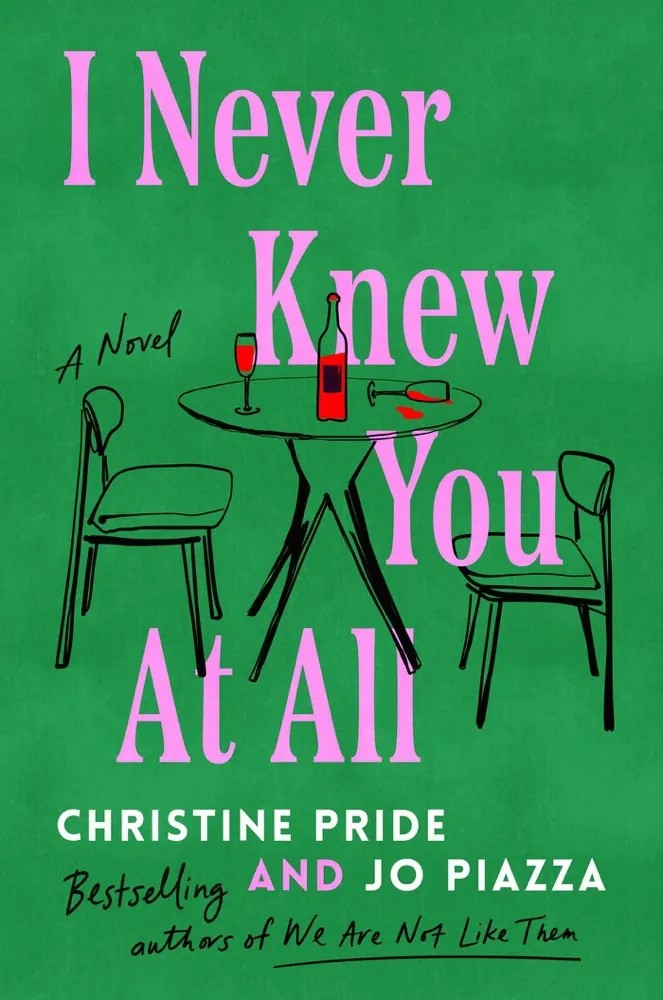
Author: Christine PridePage Count: UnknownPublication Date: Expected publication 2026-10-13 APL The complexities of marriage, the weight of family secrets, and the blurred lines between loyalty and truth. I Never Knew You at All, the latest novel from Christine Pride, promises to deliver a gripping narrative that challenges the very foundations of relationships. Or so it seems. As I pour over the synopsis, I find myself drawn to the character of Simone Hartwell – a Black woman who has made the difficult choice of giving up her promising career as a journalist to support her husband, Alex, and their son, Langston. The echoes of compromise and sacrifice resonate deeply, and I am reminded of the works of authors like Tayari Jones and Celeste Ng, who have so masterfully explored the intricacies of marriage and identity. But as I delve deeper into the synopsis, I begin to feel a sense of unease. The plot seems to rely heavily on convenient coincidences – Kwame, Simone's college ex and first love, resurfacing in her life, investigating a decades-old murder tied to Alex's family. It's a contrived setup, one that feels like a lazy attempt to inject drama into the narrative. I'm literally begging for a new plot. And yet, despite my reservations, I am drawn to the themes that Pride seems to be exploring. The tension between Simone's desire for a comfortable life and her lingering passion for journalism is a compelling one, and I am reminded of the works of authors like Jennifer Weiner and Emily Giffin, who have so skillfully explored the complexities of women's lives. But what truly sets my teeth on edge is the way the synopsis glosses over the issues of racism and privilege that are so deeply ingrained in the narrative. The fact that Alex's family has attended the elite Tate School for generations, while Kwame is investigating a murder tied to that very same institution, raises so many questions about power and privilege. And yet, the synopsis barely scratches the surface of these issues. As I continue to read, I find myself growing increasingly frustrated with the lack of depth and nuance in the synopsis. It's a surface-level exploration of complex themes, one that fails to truly engage with the issues at hand. I am reminded of the works of authors like Jesmyn Ward and Angela Flournoy, who have so masterfully explored the complexities of racism and identity in their writing. And so, I am left with a sense of disappointment and frustration. I Never Knew You at All promises to deliver a gripping narrative, but the synopsis falls flat. It's a shallow exploration of complex themes, one that fails to truly engage with the issues at hand. But I suppose that's what makes me so intrigued. Despite my reservations, I am drawn to the possibilities that this novel presents. Will Pride be able to deliver a nuanced and thoughtful exploration of the themes she has set out to tackle? Or will the narrative fall flat, relying on convenient coincidences and shallow character development? I suppose I'll just have to wait and see. But for now, I have to put this aside and review a tedious legal contract for my film adaptation. #bookreview #literaryfiction #newrelease Related InsightsComer para adelgazar / Eat to Beat Your Diet: Burn Fat, Heal Your Metabolism, and Live Longer Book Review and Summary The Palace Spy Book Review and Summary Atmosphere Book Review and Summary{ "@context": "https://schema.org", "@type": "FAQPage", "mainEntity": [ { "@type": "Question", "name": "What is the main focus of I Never Knew You at All Book Review and Summary?", "acceptedAnswer": { "@type": "Answer", "text": "Everything you need to know about I Never Knew You at All with our detailed review." } }, { "@type": "Question", "name": "Who authored the comprehensive guide on I Never Knew You at All Book Review and Summary?", "acceptedAnswer": { "@type": "Answer", "text": "This detailed article and its insights were carefully researched and authored by Anna Kowalska." } }, { "@type": "Question", "name": "Where can I find more related content about Books?", "acceptedAnswer": { "@type": "Answer", "text": "You can explore more articles, detailed reviews, and similar insights by browsing the Related Insights section at the bottom of this article or visiting our dedicated Books category page." } } ] }

Author: Amy EwingPage Count: UnknownPublication Date: Expected publication 2026-10-20 APL It's been a long day, and the world outside seems to be spinning faster than I can keep up with. I need a respite, a chance to escape into a world of fiction. And so, I find myself drawn to The Plus-One List, a novel that promises a steamy vacation romance, replete with the vibrant backdrop of Mexico City. At its core, this story seems to revolve around the intricate dance of deception and trust. Eloise, our protagonist, is a woman struggling with anxiety, who finds solace in the company of her senior rescue dogs. Her life is turned upside down when her best friend announces her wedding, and Eloise is forced to find a plus-one. Enter Agustín, a charming journalist with a hidden agenda. Their arrangement is meant to be transactional, a mutually beneficial partnership. But as they navigate the streets of Mexico City, sampling cocktails and street food, Eloise begins to let her guard down. And Agustín is faced with the daunting task of revealing his true motives, lest he risk losing the trust he's worked so hard to build. But what does it mean to trust someone, really? Is it a fragile thing, a delicate flower that can be crushed by the slightest deception? Or is it something more resilient, a bond that can weather even the most turbulent of storms? These are the questions that The Plus-One List seems to be grappling with, and I, for one, am eager to see how it all plays out. And yet, as I read the synopsis, I couldn't help but feel a sense of unease. The plot seems to rely heavily on the trope of the "hidden agenda," a device that can be both compelling and clichéd. Will Agustín's deception be the catalyst for a deeper exploration of trust and relationships, or will it devolve into a predictable game of cat and mouse? Only time will tell. But I must admit, the setting of Mexico City is a tantalizing one. The vibrant culture, the rich history, the sultry atmosphere – it's the perfect backdrop for a romance novel. And Amy Ewing's writing, from what I've gathered, is evocative and immersive. She has a way of drawing the reader in, of making them feel like they're right there with the characters. As I ponder the themes and tropes of The Plus-One List, I'm reminded of the works of Christina Lauren, whose novels often explore the complexities of relationships and trust. The Paradise Problem, in particular, comes to mind, with its lush setting and nuanced character dynamics. And yet, I sense that The Plus-One List is something more, something that will carve out its own unique niche in the world of romance novels. But I'm getting ahead of myself. The truth is, I haven't read the book yet, and I'm basing all of this on a synopsis that's tantalizingly vague. Perhaps I'm reading too much into it, perhaps I'm projecting my own desires onto the narrative. But that's the beauty of it, isn't it? The anticipation, the speculation, the thrill of discovery – it's all part of the reading experience. And so, I'll wait patiently for The Plus-One List to hit the shelves, eager to dive into its world of deception and trust. In the meantime, I'll brew a cup of lapsang souchong and ponder my existential dread. #ThePlusOneList #AmyEwing #RomanceNovels #MexicoCity #BookLovers Related InsightsWe Who Will Rise (Empire of Blood, #2) Book Review and Summary The Hitchhiker's Guide to the Galaxy: The Illustrated Edition Book Review and Summary Souls Unfractured Book Review and Summary{ "@context": "https://schema.org", "@type": "FAQPage", "mainEntity": [ { "@type": "Question", "name": "What is the main focus of The Plus-One List: A Novel Book Review and Summary?", "acceptedAnswer": { "@type": "Answer", "text": "Everything you need to know about The Plus-One List: A Novel with our detailed review." } }, { "@type": "Question", "name": "Who authored the comprehensive guide on The Plus-One List: A Novel Book Review and Summary?", "acceptedAnswer": { "@type": "Answer", "text": "This detailed article and its insights were carefully researched and authored by Anna Kowalska." } }, { "@type": "Question", "name": "Where can I find more related content about Books?", "acceptedAnswer": { "@type": "Answer", "text": "You can explore more articles, detailed reviews, and similar insights by browsing the Related Insights section at the bottom of this article or visiting our dedicated Books category page." } } ] }
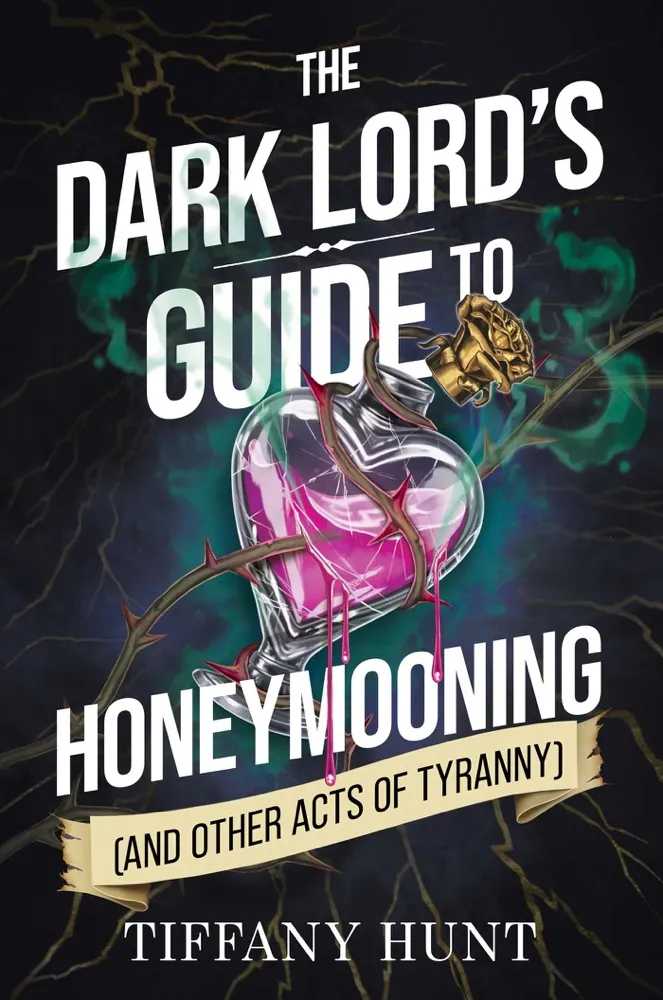
Author: Gretchen Powell FoxPage Count: UnknownPublication Date: Expected publication 2026-09-08 APL The saccharine glow of newlywed bliss, forever tainted by the dark allure of power and the crushing weight of demonic possession. Kazimir and Arabella, the star-crossed lovers of Gretchen Powell Fox's Shadow and Son, are about to embark on a honeymoon that promises to be as treacherous as it is tantalizing. It's a little disconcerting that the synopsis doesn't quite commit to the darker aspects of Kazimir's past, instead choosing to dance around them with an air of mystery. One can't help but wonder if this is a deliberate choice, meant to preserve the air of intrigue that surrounds these two villainous lovebirds, or if it's simply a case of the author not wanting to show her hand too early. Whatever the reason, it's a move that leaves this critic feeling more than a little skeptical. And yet, despite this vagueness, there's something undeniably alluring about the world that Fox has created. A world where the boundaries between good and evil are blissfully blurred, and the only constant is the pursuit of power. It's a world that feels almost... familiar, like a twisted echo of the Assistant to the Villain series, or perhaps the deliciously wicked Dreadful. One can almost imagine the sardonic wit of Kazimir and Arabella's banter, the way they dance around each other with a mixture of affection and animosity. But what truly sets Shadow and Son apart is its unapologetic embracing of the 'villainous' trope. These are characters who are unashamedly, unapologetically evil, and yet... they're also somehow likable. It's a delicate balancing act, one that requires a deft hand and a deep understanding of the complexities of human nature. And if the synopsis is any indication, Fox seems more than up to the task. Or does she? The more one reads the synopsis, the more one begins to wonder if Fox is simply relying on the same old tropes, rather than truly subverting them. Is Kazimir's demonic past merely a convenient plot device, or is it something more? And what of Arabella's stolen memories - are they a genuine source of tension, or simply a contrived way to create conflict? But I suppose that's the thing about Shadow and Son - it's a book that promises to be as much about the journey as the destination. A journey that's fraught with peril, and yet somehow, impossibly, romantic. It's a journey that I, for one, am more than a little eager to embark on. And now, if you'll excuse me, I have a private flight to London that's been delayed by an hour. Again. #FantasyRomance #VillainousLove #DelayedFlightsAreTheWorst Related InsightsIt Happened One Summer Book Review and Summary From Goethe to the Silver Screen: The Ever‑Evolving Journey of the Bildungsroman Hunger Like No Other Book Review and Summary{ "@context": "https://schema.org", "@type": "FAQPage", "mainEntity": [ { "@type": "Question", "name": "What is the main focus of Shadow and Son (Shattered Crown, #3) Book Review and Summary?", "acceptedAnswer": { "@type": "Answer", "text": "Everything you need to know about Shadow and Son (Shattered Crown, #3) with our detailed review." } }, { "@type": "Question", "name": "Who authored the comprehensive guide on Shadow and Son (Shattered Crown, #3) Book Review and Summary?", "acceptedAnswer": { "@type": "Answer", "text": "This detailed article and its insights were carefully researched and authored by Anna Kowalska." } }, { "@type": "Question", "name": "Where can I find more related content about Books?", "acceptedAnswer": { "@type": "Answer", "text": "You can explore more articles, detailed reviews, and similar insights by browsing the Related Insights section at the bottom of this article or visiting our dedicated Books category page." } } ] }
- Anna Kowalska
- 16 Aug, 2026 08:45
When Forever Falls Apart (Cinnamon Springs #2) Book Review and Summary
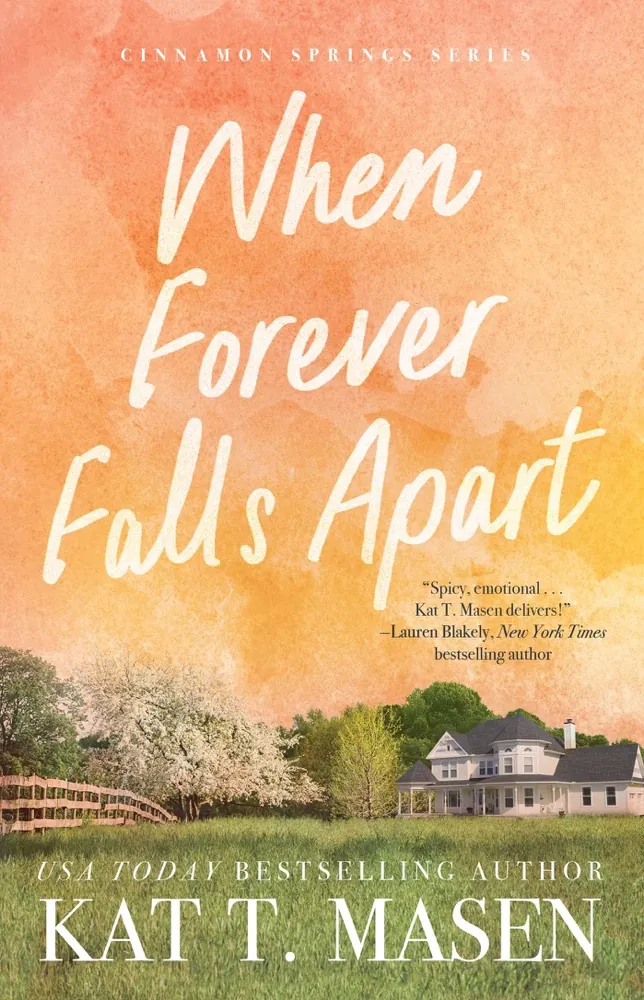
Author: Kat T. MasenPage Count: UnknownPublication Date: Expected publication 2026-09-22 APL Staring at this newly minted blurb for When Forever Falls Apart, a wave of peculiar melancholy washes over me, smelling faintly of stale pipe tobacco and old parchment left too long in a damp mahogany desk. Cinnamon Springs. What an aggressively quaint moniker for a municipality. It sounds less like a functional township and more like a scented candle engineered to extract disposable income from the terminally sentimental. Kat T. Masen is returning to this pastoral purgatory for a second installment, dragging us right back into the exhausting theater of small-town surveillance. And by the sound of it, we are in for a staggering masterclass in interpersonal cowardice. The Architecture of Regret Look at the mechanics here. Maddy Beaumont—truly, a protagonist whose surname demands a monocle and a sigh—bolts from the altar, flees an entire continent, and then discovers the cardinal sin of rural life: gossip outlives passport stamps. Months evaporate, and suddenly she is back in the crucible. Wait. Let me rephrase that entirely. Actually, the geographical flight to Europe wasn't even a cowardly act; it was perhaps the only intellectually honest decision made by anyone in this fictional zip code. Why she felt the compulsive urge to crawl back and subject herself to the local tribunal of judgmental grocers and church ladies is beyond comprehension. Yet, back she goes. Naturally. Because narrative convenience requires proximity. The synopsis leans heavily on the oldest crutch in the romantic comedy manual: the fake-dating mandate. Enter Elliot, the resident pastry chef and brother of the obligatory best friend. One assumes flour dust clings to his forearms like tragic poetry. The Saccharine Contrivance Let us examine the thematic weight of a man who bakes for a living being deployed as a tactical weapon against jealousy. It is almost insulting in its predictability. The synopsis breathlessly informs us that holding hands and pretending to look in love might suddenly—gasp!—blur the lines of fiction and reality. Who could possibly have foreseen this seismic narrative earthquake? Certainly not anyone who has ever opened a paperback printed after the invention of the steam engine. We are wading knee-deep in Emily Henry territory here, minus the linguistic agility. Yet, perhaps the pastry chef angle offers a fleeting crumb of social commentary. Or perhaps it is merely a flimsy excuse to put two moderately attractive people in close proximity until biology forces their hands. The art of diplomacy taught me that nations fall because leaders refuse to speak plainly. This book exists entirely because Maddy and Myles refused to have a ten-minute conversation before ordering a three-tier cake. The subway rumble is vibrating right through the padding of these over-ear headphones, rattling the teacup on my saucer and threatening to shatter what little peace remains of this gray Tuesday afternoon.
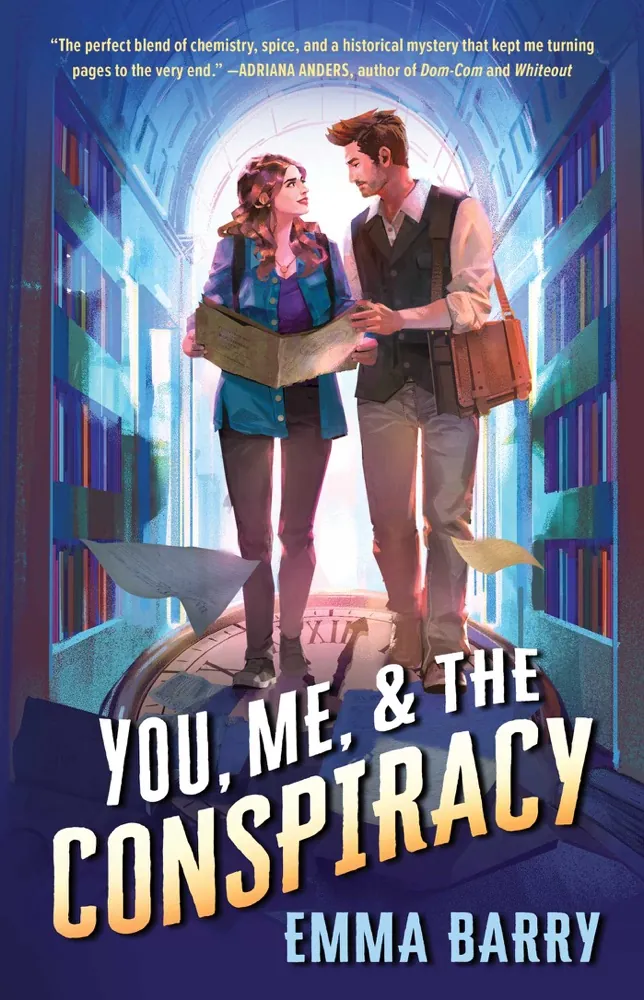
Author: Emma BarryPage Count: UnknownPublication Date: Expected publication 2026-11-10 APL The espresso is entirely too bitter this morning, much like the prospect of another academic romance masquerading as high-stakes espionage. Let us look past the polished slate of the table and examine the mess Emma Barry intends to deliver this November. You, Me, & the Conspiracy arrives with blurbs comparing it to the works of Jo Segura and Rachel Grant—a trinity of modern thrill-seeking prose that usually trades genuine geopolitical intrigue for predictable bedroom gymnastics behind library stacks. The Archive Dust and the Tenure Panic Consider the setup. A tenure-track historian faces rejection and suddenly stumbles upon a coded founding-father document capable of upending American history. How terribly convenient. Real archival research involves moldy leather, unresponsive archivists, and hours squinting at eighteenth-century handwriting that looks like a dying spider dipped in ink. Yet here, a rejected book proposal serves as the catalyst for an international manhunt orchestrated by a shadowy fraternity. It feels remarkably like the plot of National Treasure, except Nicholas Cage has been replaced by two desperate academics whose primary motivation appears to be avoiding adjunct poverty while exchanging heavy-lidded glances over microfilm. The Chemistry of Desperation And what of the romance? We are promised a cocktail of academic rivalry and mortal peril. One protagonist thought the other’s theories were absurd until convenience demanded otherwise. How quickly professional skepticism dissolves when a clandestine fraternity starts leaving bodies in the faculty lounge. The synopsis leans heavily on the forced-proximity dynamic, dragging a disgraced Harvard PhD student back into the fray alongside an ambitious historian fighting for her professional life. They will dodge bullets, decode ciphers, and somehow find time to register their mutual physical attraction while dodging assassins in the rare books room. It is the literary equivalent of the Titanic rearranging deck chairs while the band plays a tango. One suspects the shadow organization lacks the ruthless efficiency of the Entebbe hostage rescue, given how easily these two amateurs manage to unravel centuries of state-sponsored secrecy between grading midterms. The Verdict on the Ink Perhaps I am being ungenerous. The genre thrives on this precise brand of academic escapism where tenure politics carry the weight of the Cold War. But the stakes feel entirely hollow when the backdrop of historical research is merely a scaffolding for romantic tension. Give me genuine bureaucratic treachery over a cabal of murderous frat boys any day. My driver is waiting downstairs, and I am already dangerously late for a wretched charity gala where I must pretend to enjoy the canapés while listening to real estate developers talk about modern art.
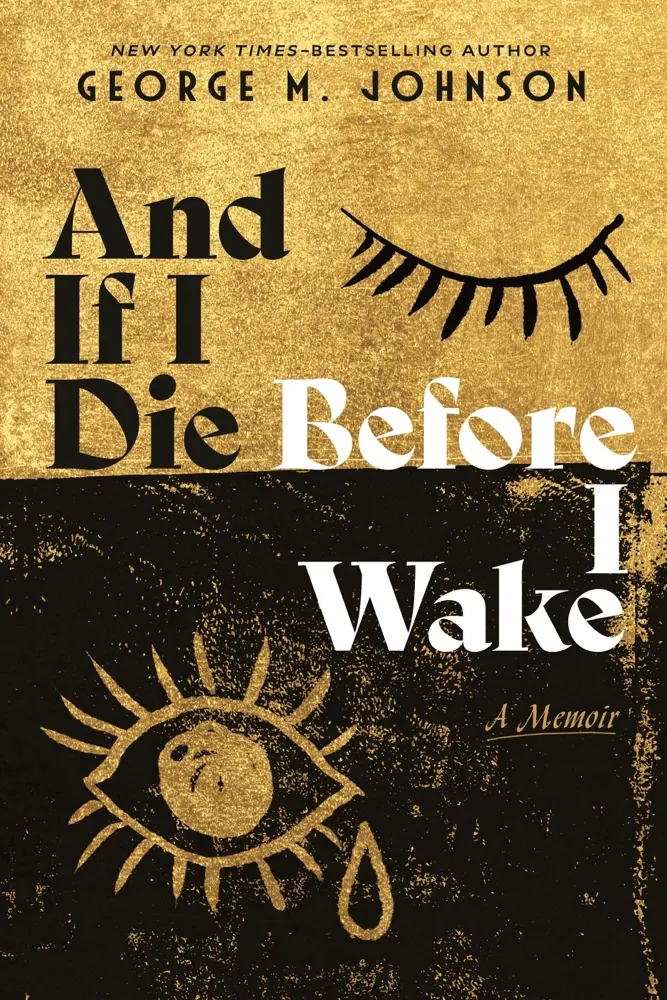
Author: George M. JohnsonPage Count: UnknownPublication Date: Expected publication 2026-11-10 APL George M. Johnson's And If I Die Before I Wake is shaping up to be the literary equivalent of a tabloid headlines. 'HIV diagnosis, alcoholism, tremendous loss, and nationwide book bans' – you had me at 'HIV diagnosis', actually, but it's this laundry list of suffering that makes me wonder: can this memoir possibly be anything more than a litany of grievances? Yet, the author promises a 'testament' – and if that means what I think it does, we're about to get a searing, unvarnished account of what it's like to be human in a world designed to silence you. The problem is, the language around it is curiously, almost aggressively vague. 'Transformation, healing, and hope' is all very inspiring, but what, exactly, does that look like in the context of Johnson's life? The parallels with authors like Toni Morrison and Ta-Nehisi Coates are obvious, and it's telling that Johnson cites these writers – Morrison's mastery of the painful and the beautiful, Coates's unwavering commitment to the Black experience. But is And If I Die Before I Wake more than just a well-made imitation? I'm skeptical, given the way the synopsis feels designed to elicit a Pavlovian response from potential readers. This isn't exactly subtle – and that's precisely what makes it so effective as a marketing tool. Still, for all my reservations, there's something undeniably compelling about witnessing an author grapple with the darkness that's been thrust upon them. The question, of course, is whether Johnson will use this platform to explore the genuinely profound and the merely dramatic. It's a tightrope we've seen many authors walk before, but one that requires an unflinching commitment to honesty – and a willingness to confront the abyss head-on. 'Disintegrating Under the Weight of Its Own Significance' Johnson mentions the 'Black family' as a recurring theme, but what does that even mean anymore? Hasn't this concept been endlessly dissected and reinterpreted by every author who's followed the Coates-Morrison-Ward triumvirate? It's becoming clear that what's needed is some fresh blood, some bold experiments in storytelling – not just another memoir about the author's unending struggles, however well-written it may be. Speaking of fresh blood, have you seen that notorious 1979 opera, Ragtime? That was a bold experiment in fusion, bringing together disparate elements from different worlds to create something entirely new. Not that I see Johnson following in Harrison Birtwistle's footsteps just yet... 'A Memoir Without Metaphor' I should mention that the author's use of metaphor in this synopsis feels curiously underdeveloped – there's no grand overarching narrative or even a particularly strong thread of symbolism tying the various elements together. It's all very grounded, very concrete, but in a way that feels oddly, almost willfully, bare-bones. Now, I'm about to make a truly outrageous prediction: Johnson's book will be compared to Jesmyn Ward's The Song of Achilles at some point in the near future. Not because the two books have any obvious thematic connections, but because they both deal with trauma in a way that feels almost shockingly, almost disturbingly, honest. And if that's the case – if Johnson's memoir is more about the brutal, unvarnished truth of suffering than about making some grand point about the human condition – then I might just have to revise my opinion of this book entirely. At any rate, I need to get back to the stacks – I've got to reorganize these towering chaos of reference books before I lose my mind entirely. All this talk of And If I Die Before I Wake has given me an existential crisis about my own writing process... Related InsightsAtlas Shrugged Book Review and Summary Mammoth Adventure (the Princess Rules) Book Review and Summary I Hope This Email Finds You in Hell Book Review and Summary{ "@context": "https://schema.org", "@type": "FAQPage", "mainEntity": [ { "@type": "Question", "name": "What is the main focus of And If I Die Before I Wake: A Memoir Book Review and Summary?", "acceptedAnswer": { "@type": "Answer", "text": "Everything you need to know about And If I Die Before I Wake: A Memoir with our detailed review." } }, { "@type": "Question", "name": "Who authored the comprehensive guide on And If I Die Before I Wake: A Memoir Book Review and Summary?", "acceptedAnswer": { "@type": "Answer", "text": "This detailed article and its insights were carefully researched and authored by Anna Kowalska." } }, { "@type": "Question", "name": "Where can I find more related content about Books?", "acceptedAnswer": { "@type": "Answer", "text": "You can explore more articles, detailed reviews, and similar insights by browsing the Related Insights section at the bottom of this article or visiting our dedicated Books category page." } } ] }
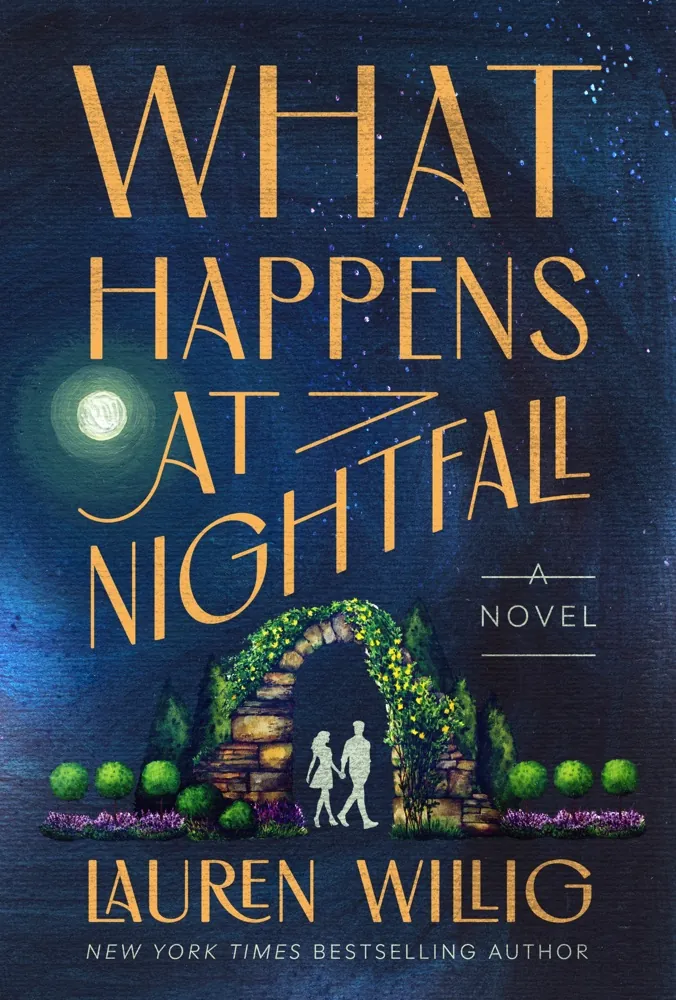
Author: Lauren WilligPage Count: UnknownPublication Date: Expected publication 2026-10-06 APL The treaty table was always easier to manage when the opposing signatories were simply greedy rather than possessed by ancient, Gilded Age malice. Lauren Willig drops us straight into the limestone mausoleums of Brooklyn in What Happens at Nightfall, and honestly, the diplomatic immunity of the deceased is about to be violently revoked. Send help. Jess is down on her luck—laid off, untethered, and dragged into a nocturnal excursion among the dead by a well-meaning friend. Typical. But then she finds a strange, ancient key. And a gaggle of terrified boys. And a distractingly competent arborist named Adam who is trying to raise grieving children while wrestling with municipal flora and generational curses. The Mortuary Bureaucracy of Grief We are looking at a classic structural friction here. On one side, the suffocating weight of domestic widowhood and structural unemployment. On the other, literal demons rising from a century-long slumber because nobody bothered to read the fine print on the Vanderwilt family's real estate deed. It gives me serious vibes of T. Kingfisher meeting a gothic rom-com at a cocktail party where everyone is heavily medicated. Yet, I worry the supernatural elements will get sidelined for endless banter about whether Adam can handle his kids' existential dread while flirting near a headstone. Wait. Let me rephrase that entirely. The banter is actually the entire point of the exercise, so scrap my previous worry about narrative focus. Willig is leaning hard into the historical-paranormal zeitgeist currently dominating the bestseller lists—think of the cozy yet lethal energy we saw in The Very Secret Society of Irregular Witches, scaled up to a sprawling cemetery with a high body count. The juxtaposition of a Gilded Age socialite ghost and a modern corporate layoff victim trying to find spark in a boneyard is brilliant, provided the prose doesn't devolve into toothless whimsy. The stakes must remain lethal, or the demons are just overpriced estate taxes. The Geopolitics of the Afterlife Adam has more to protect than just the leafy residents of Green-Wood. He has his children, he has his wounded heart, and apparently, he has a demonic pact that stretches across generations. Which brings me to my core grievance with contemporary fiction: why must every man grieving his late wife also double as an amateur exorcist? It is entirely extra. Peak romantic-suspense behavior, but entirely extra. The synopsis promises that the line between the living and the dead blurs, forcing Jess to confront a shocking connection to the past. Vague? Excessively so. It reads like a bureaucratic boilerplate draft written by a terrified junior attaché who hasn't read the annex. But Willig usually delivers a tight, witty plot that balances historical texture with genre thrills. If she manages to keep the pacing sharp and prevents the demon-hunting from getting bogged down by domestic melodrama, this will be an absolute banger of a read. I must dash now. I am hopelessly late for brunch with my former college roommate who is now a senator, and if I keep him waiting, he will use congressional oversight to audit my tea collection.