The Art of Turkish Coffee
#UNESCO designated Turkish coffee as an Intangible Cultural Heritage of Humanity in 2013, a title that perfectly encapsulates its significance. Turkish coffee (Türk kahvesi) is not merely a method of caffeine delivery; it is an institution, a ceremonial practice, and a symbol of hospitality that has endured for nearly five centuries. Introduced to #Istanbul in the 1550s during the reign of Suleiman the Magnificent by the Ottoman governor of Yemen, coffee quickly moved from the imperial palace into the streets, spawning the world’s first public coffeehouses in the Tahtakale district.
The Preparation Method
What makes Turkish coffee entirely unique is its preparation. It is the oldest method of brewing coffee in the world. The beans, typically of the Arabica variety, are roasted and then pulverized into a powder so fine it resembles cocoa dust. Unlike espresso or drip coffee, Turkish coffee is completely unfiltered.
The brewing process requires a specialized piece of equipment: a small, long-handled pot traditionally made of hammered copper or brass, known as a cezve (or ibrik). The ultra-fine coffee, cold water, and sugar (which must be added before brewing, never after) are combined in the cezve. The mixture is then slowly heated over a low flame or hot sand. The goal is to bring the coffee to the precipice of boiling without letting it spill over, creating a thick, luxurious layer of foam (köpük) on top. A cup served without this foam is considered a failure in Turkish hospitality.
The Ritual of Drinking
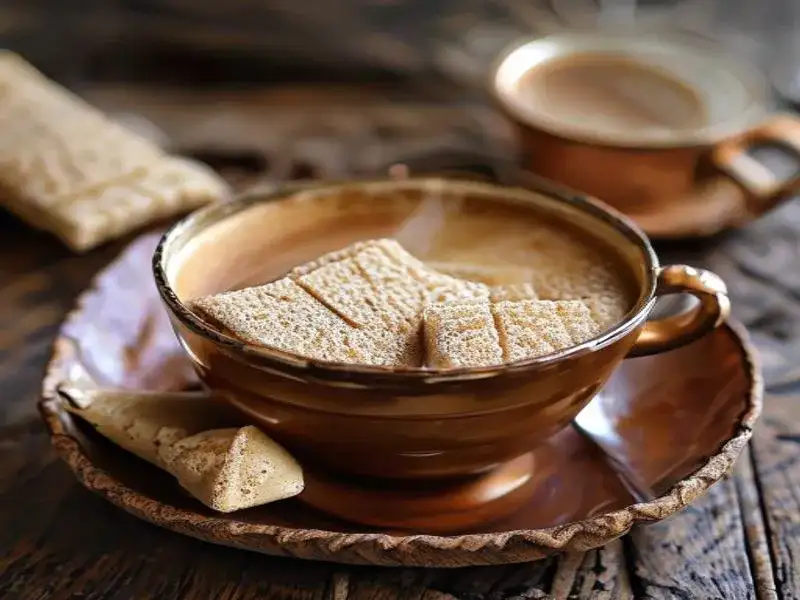
Serving Turkish coffee is steeped in tradition. It is presented in small, ornate cups called fincan, accompanied by a glass of water and a piece of Turkish Delight (lokum). The water is meant to be sipped first to cleanse the palate, allowing the drinker to fully appreciate the robust, earthy flavor of the coffee. Because it is unfiltered, the grounds settle at the bottom of the cup, meaning one must stop sipping before reaching the muddy residue.
Fortune Telling and Social Bonds
The sludge left behind serves a fascinating cultural purpose: tasseography, or coffee ground fortune telling (fal). Once finished, the drinker places the saucer over the cup, makes a wish, and flips the cup upside down. The grounds run down the sides, leaving intricate patterns that a skilled reader (or an imaginative friend) interprets to predict the drinker’s future.
Whether finalizing a business deal, gossiping with neighbors, or asking for a prospective bride’s hand in marriage, Turkish coffee remains the dark, velvety glue that binds Turkish society together.
#TurkishCoffee #Cezve #Kahve #CoffeeCulture #OttomanHistory #Tasseography #CoffeeFortune #IntangibleHeritage #UNESCO #TurkishHospitality
#turkishfood #recipe #theartofturkishcoffee #anatoliancuisine #demirsef #delicious #food