El color púrpura / The Color Purple Book Review and Summary
-
 Olya Shevchenko
 - 30 May, 2026 22:02
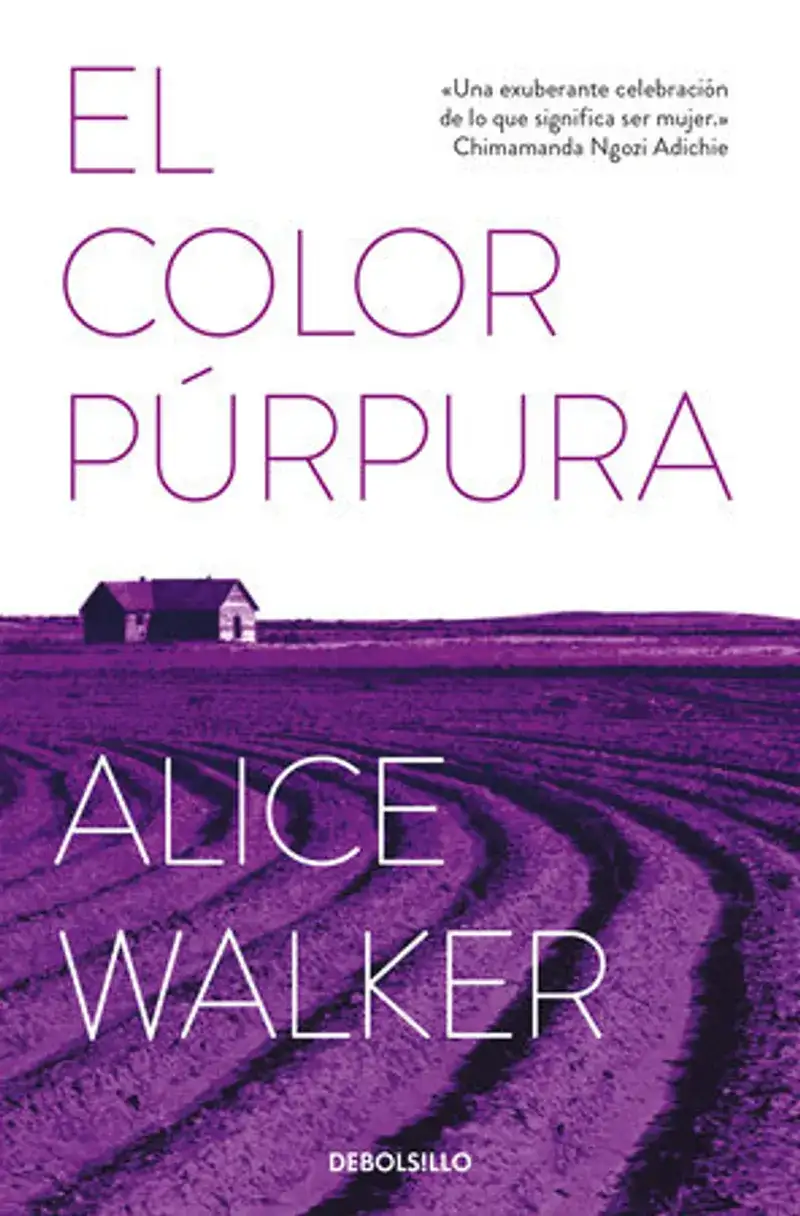
El color púrpura / The Color Purple
Author: Alice Walker
Page Count: Unknown
Publication Date: 2018-PRH
The Color Purple by Alice Walker is not just a book—it is a seismic eruption of raw emotion, a defiant scream against oppression, and a soaring anthem of resilience that shakes the foundations of storytelling itself. Since its publication in 1982, it has stood as a towering monument in American literature, a work that dares to give voice to the voiceless and dignity to the shattered. Winner of the Pulitzer Prize and the National Book Award, this epistolary novel is both a mirror and a weapon, reflecting the brutal realities of Black women in the early 20th-century South while wielding the power to heal and transform those who read it.
At its heart, The Color Purple is a story about survival. It is a chronicle of Celie, a Black woman born into poverty, abuse, and silence. From the moment we meet her—an innocent girl raped by the man she believes is her father, bearing children she is forced to give away—we are immersed in a world that seeks to erase her humanity. Celie’s voice, initially timid and stifled, is the novel’s greatest revelation. Through her letters to God (and later, to her sister Nettie), she documents a life of unspeakable pain: physical violence, emotional degradation, and the crushing weight of a society that treats her as less than human. Yet, in Walker’s hands, Celie’s suffering is not an end in itself. It is the crucible in which her spirit is forged.
What makes this novel extraordinary is Walker’s unflinching honesty. She does not romanticize suffering; she forces us to confront it. The oppression Celie endures is not just racial or gendered—it is a compounded violence that renders her invisible. Her husband, Mr. __, is a grotesque symbol of patriarchal control, a man who sees her only as a servant and a sexual object. Yet, Walker refuses to let us look away. Instead, she crafts a narrative that is as brutal as it is beautiful, where even the smallest act of defiance—like Celie’s quiet decision to speak her truth—becomes revolutionary.
The arrival of Shug Avery, Mr. __’s glamorous and rebellious mistress, is a turning point. Shug is not a savior; she is a mirror. Through her, Celie begins to see her own worth. Shug’s sensuality, her defiance of societal norms, and her unapologetic joy are contagious. She teaches Celie that love is not just something men take—but something women can give to each other. Their relationship is tender, complicated, and utterly human, a testament to Walker’s ability to portray queer love with the same depth and nuance as any heterosexual romance. This is no small feat in a novel written in the 1980s, where such themes were still largely taboo.
Equally powerful is the parallel story of Nettie, Celie’s sister, who escapes to Africa as a missionary. Nettie’s letters—hidden from Celie for decades—reveal a world of beauty and resilience, where Black women in the Olinka tribe live with dignity and purpose. Her journey contrasts sharply with Celie’s, offering a glimpse of liberation that Celie can only imagine. Yet, their bond remains unbroken, a thread of hope that sustains Celie through her darkest years.
Walker’s prose is deceptively simple, yet every word carries weight. The epistolary format gives the novel an intimate, confessional quality, as if we are reading someone’s most private thoughts. There are no unnecessary flourishes—just the raw, unfiltered voice of a woman who has been silenced for too long. The language is earthy, poetic, and often laced with humor, even in the darkest moments. Walker understands that survival requires laughter as much as tears.
The Color Purple is more than a historical novel; it is a living, breathing challenge to the systems that seek to destroy marginalized people. It is a story about the power of sisterhood, the beauty of self-discovery, and the unbreakable will to love despite everything. It is a book that demands to be read, discussed, and passed from hand to hand. And it is a book that changes you—because once you have walked with Celie from her lowest moments to her hard-won triumph, you can never unsee the world the same way again.
Alice Walker does not just tell a story—she crafts an experience. The Color Purple is not a book you read; it is a book that reads you back, leaving scars and light in equal measure.
#TheColorPurple #AliceWalker #FeministLiterature #BlackWomenWriters #EpistolaryNovel #SpeakYourTruth