From Ancient Spice Routes to Modern Digital Nomad Havens: A Deep Dive into Istanbul’s Timeless Allure
-
 Yumi Tanaka
 - 24 Aug, 2026 07:40
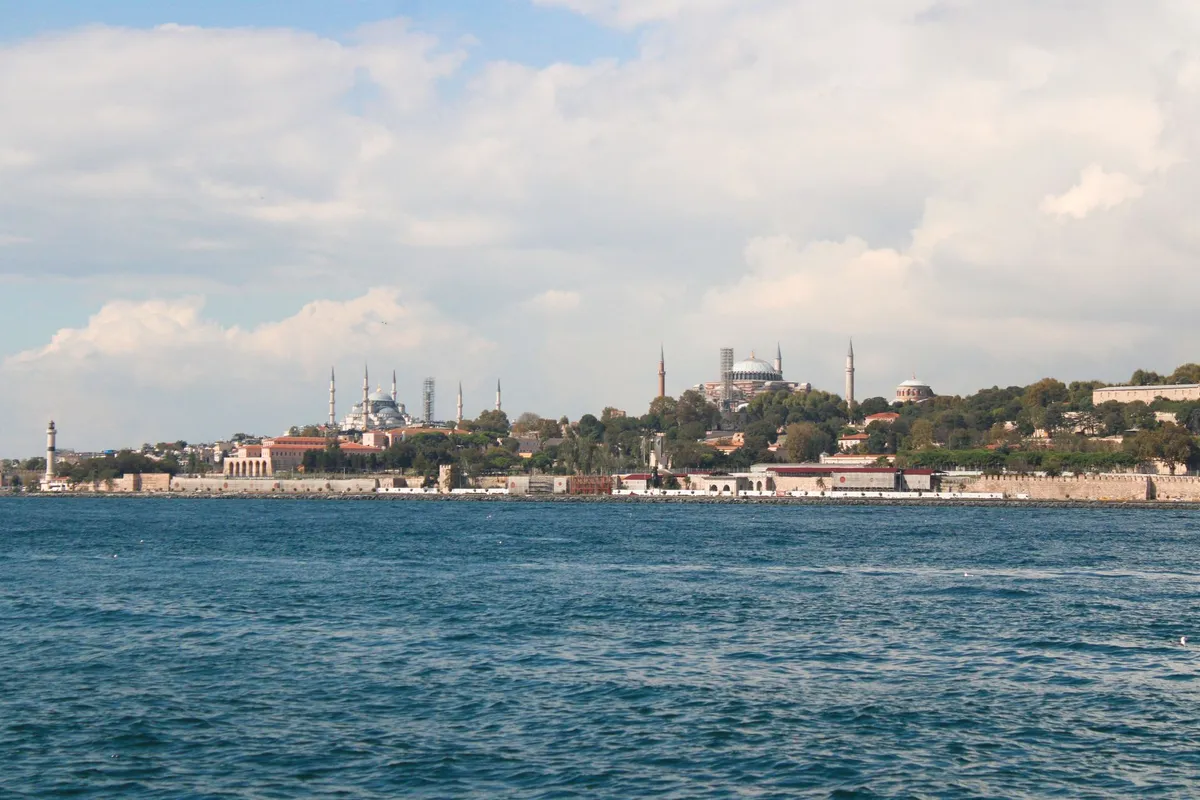
Where the continents collide and centuries whisper through cobblestone alleys, Istanbul stands as a living museum of human ambition. This city, straddling Europe and Asia, has been the stage for empires—Roman, Byzantine, Ottoman—each leaving indelible marks on its culture, architecture, and cuisine. Beyond its postcard-perfect mosques and bazaars, Istanbul is a dynamic metropolis where the past and present coexist in a symphony of flavors, sounds, and stories. Whether you’re a history buff tracing the footsteps of sultans, a foodie chasing the perfect kebab, or a digital nomad seeking affordability and connectivity, Istanbul offers a tapestry woven with threads of tradition and innovation.
The Cradle of Empires: A Journey Through Istanbul’s Layered Past
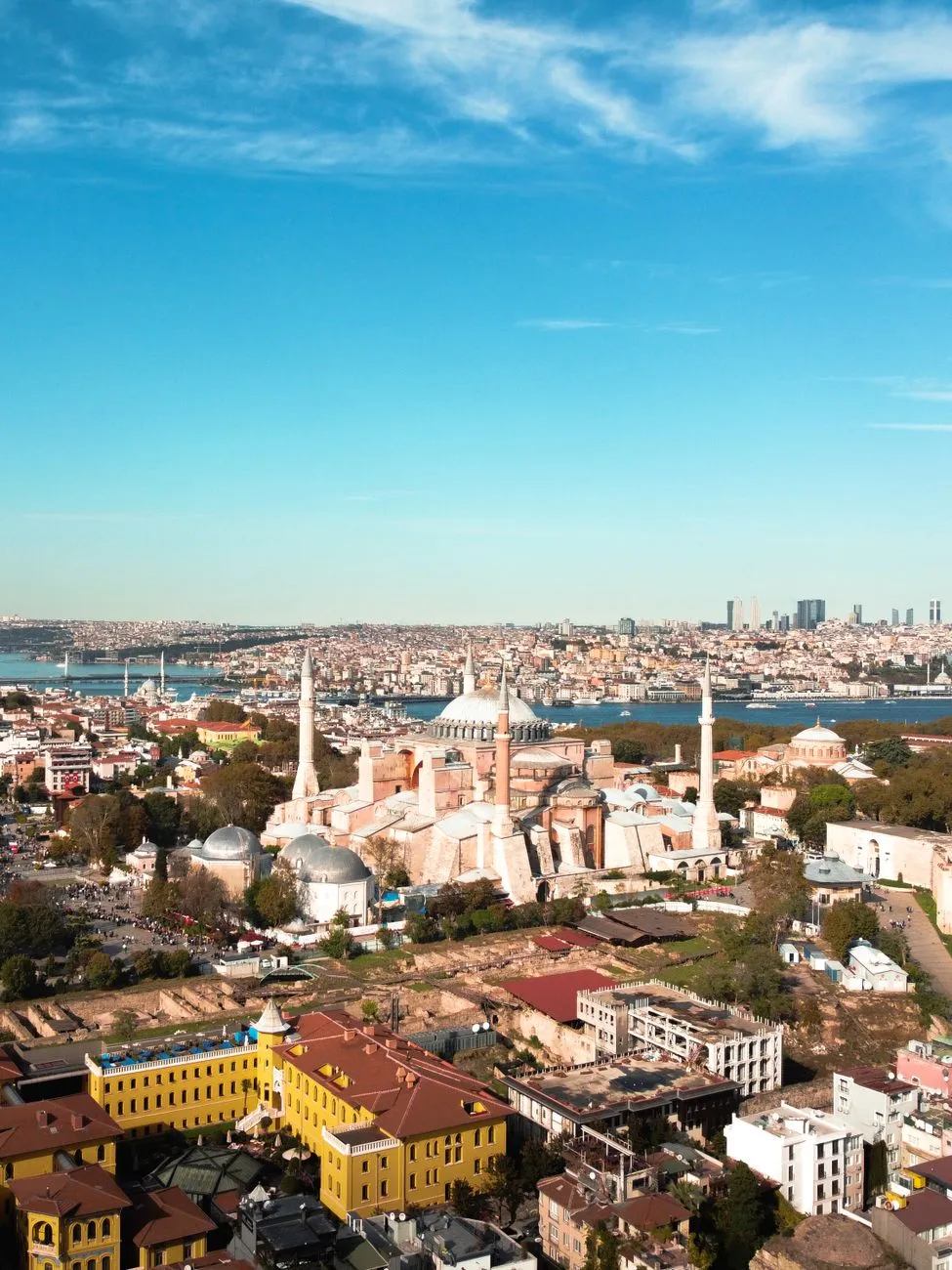
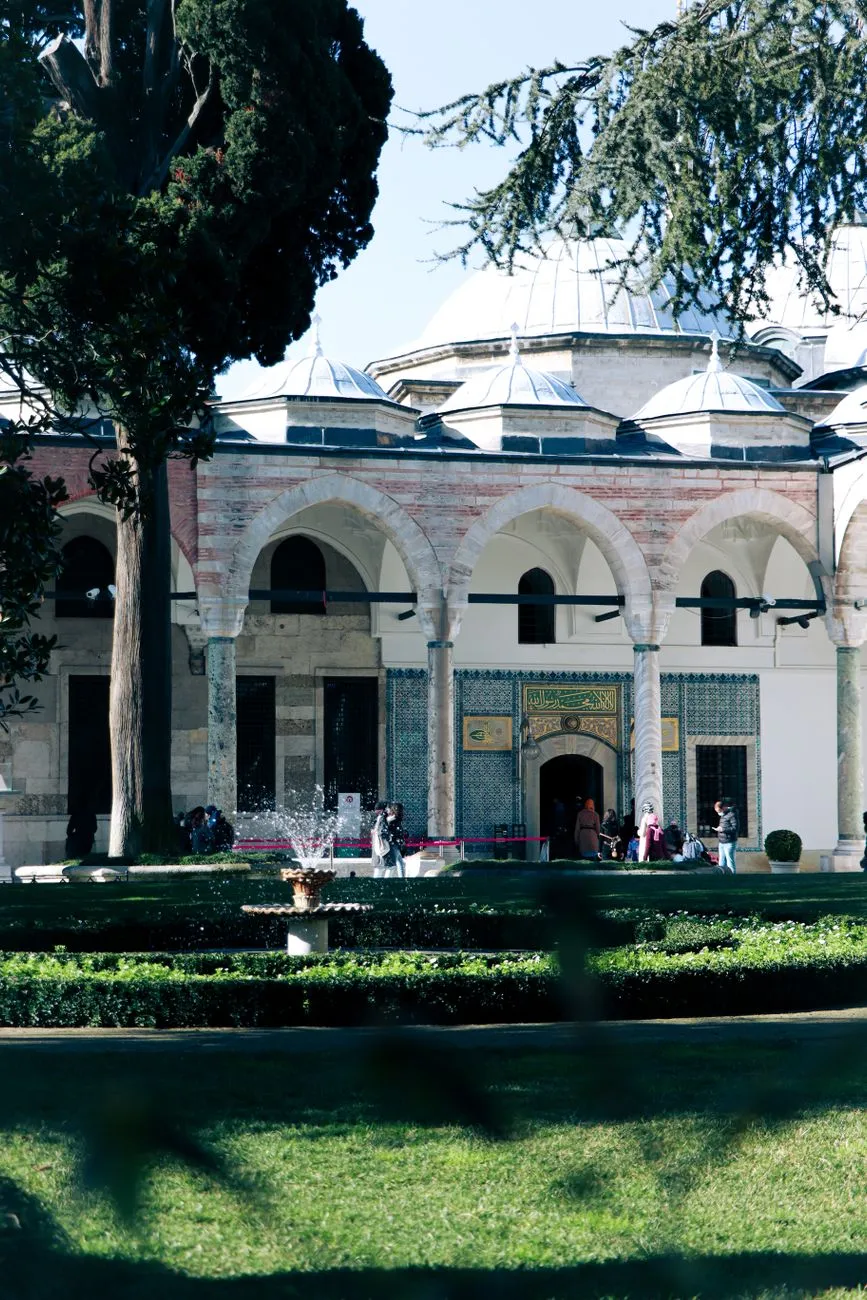
Istanbul’s history is not just a chronicle—it’s an archaeological palimpsest. The city, originally founded as Byzantium in 660 BCE, became Constantinople in 330 CE under Emperor Constantine the Great, transforming into the glittering capital of the Byzantine Empire. For over a thousand years, it was the heart of Christendom, home to the Hagia Sophia, a marvel of engineering that defied gravity with its massive dome. When the Ottomans conquered the city in 1453, they redefined its spiritual and cultural identity, turning churches into mosques and adorning the skyline with minarets. The Topkapi Palace, built in the 15th century, became the nerve center of an empire that stretched from Budapest to Baghdad.
The city’s strategic location made it a crossroads of trade, culture, and conflict. The Silk Road ended here, where spices from India, silk from China, and ivory from Africa were exchanged for European goods. This melting pot of influences birthed a cuisine that is as diverse as its history—think of baklava layered with phyllo dough from Central Asia, stuffed eggplants inspired by Middle Eastern flavors, and baklava-like desserts perfected under Ottoman rule. Even the city’s name reflects its layered identity: Istanbul, derived from the Greek phrase “eis tin Polin” (“to the City”), was the colloquial name long before it became official in 1930.
Walking through Sultanahmet, the historic peninsula, is like flipping through the pages of a history book. The Hagia Sophia, with its Byzantine mosaics and Ottoman calligraphy, embodies the city’s religious evolution. The Blue Mosque, built in the early 17th century, stands as a testament to Ottoman architectural genius, its interior adorned with 20,000 handmade Iznik tiles. Nearby, the Basilica Cistern, an underground reservoir built in the 6th century, holds columns salvaged from ancient temples, a silent witness to the city’s endurance through earthquakes and sieges.
For those seeking to delve deeper, the Istanbul Archaeological Museums house over a million artifacts, including the Alexander Sarcophagus and the Treaty of Kanish, one of the earliest known international treaties. The city’s layers are not just visible—they are palpable in every corner, from the Roman walls that once encircled the city to the Ottoman-era mansions along the Bosphorus.
Flavors of the Bosphorus: A Culinary Expedition Through Istanbul’s Markets and Kitchens
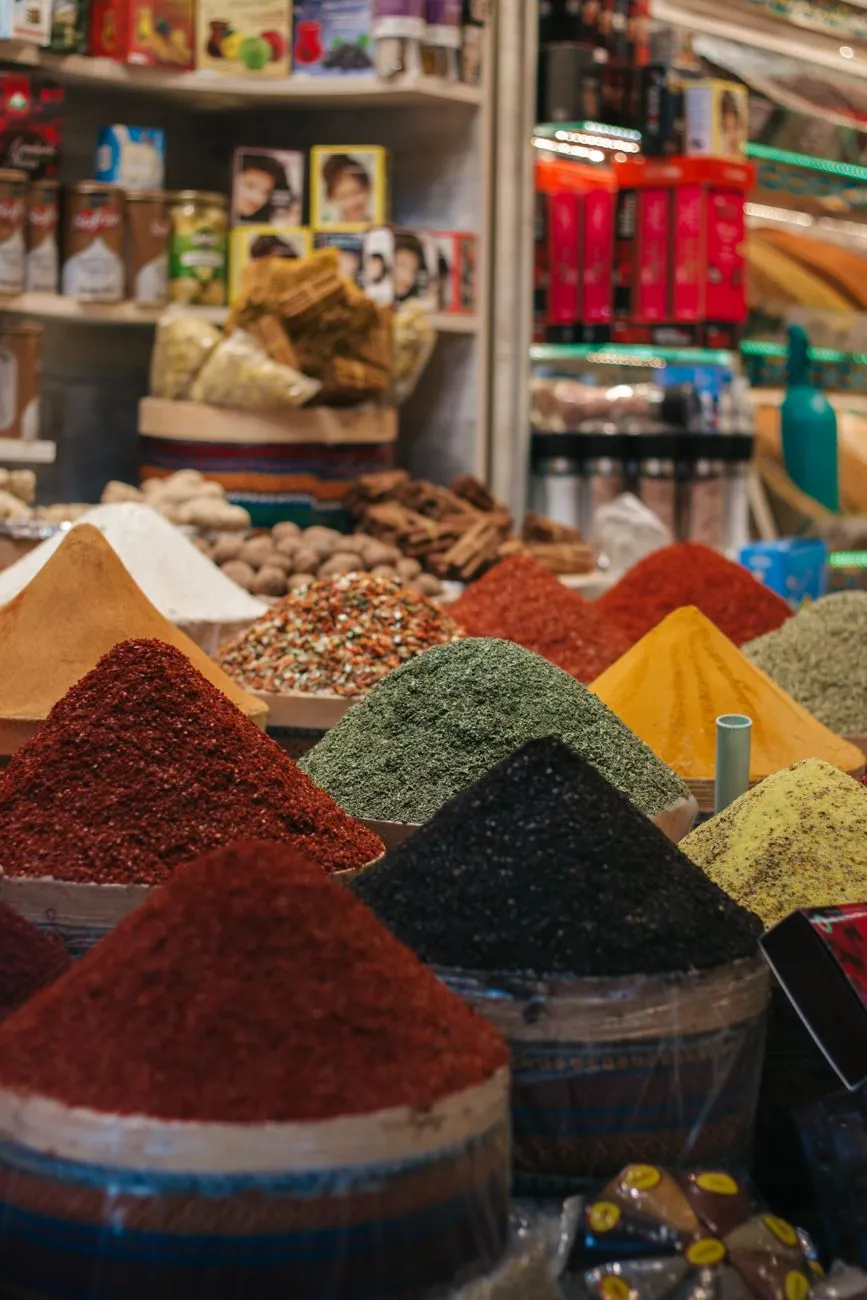
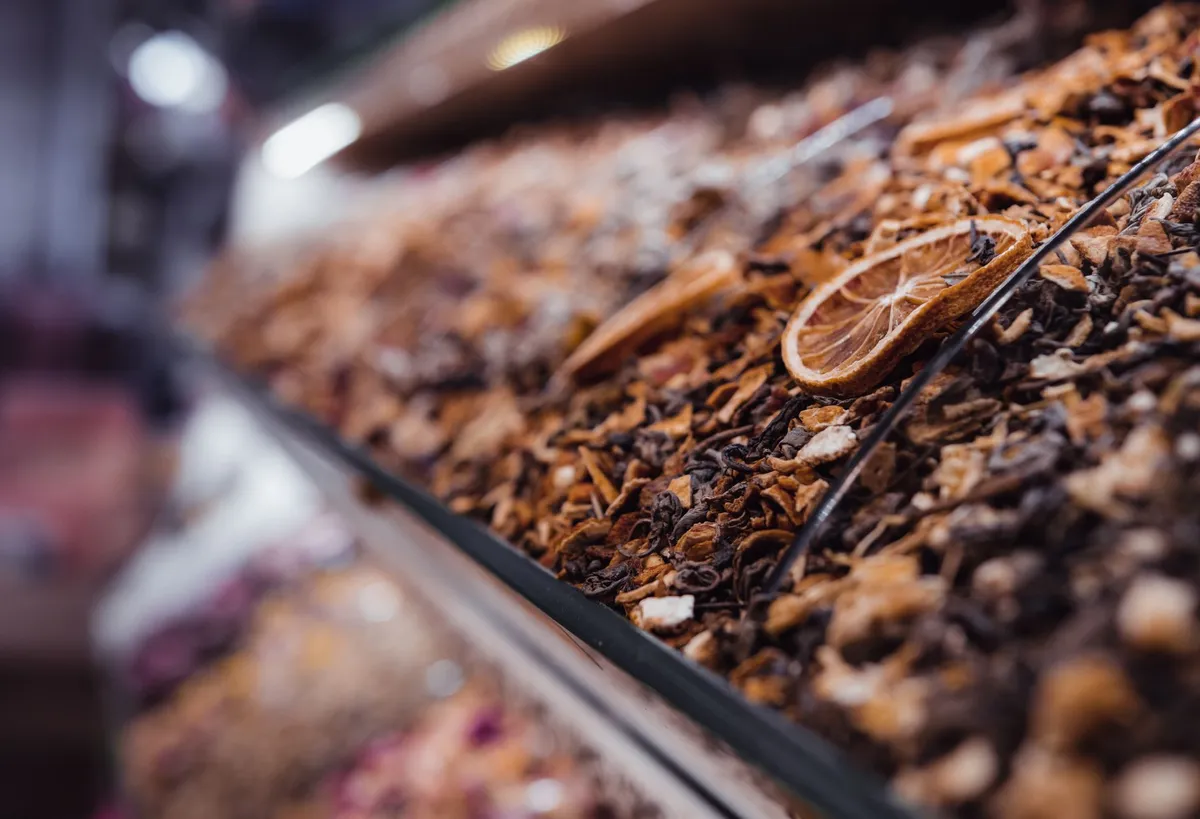
Istanbul’s cuisine is a celebration of migration, trade, and innovation. It’s a cuisine where a single dish can tell a story of conquest, adaptation, and creativity. At the heart of this culinary universe is the Spice Bazaar, or Misir Çarşısı, a labyrinth of stalls where the air is thick with the scent of saffron, sumac, and dried apricots. Here, vendors sell Turkish delight infused with rosewater, pul biber (Aleppo pepper), and bundles of dried herbs that have traveled thousands of miles to reach these shelves.
One of the most iconic dishes is kebabs, which vary as widely as the regions they come from. The Adana kebab, named after the city of Adana in southern Turkey, is a spicy minced lamb skewer grilled over charcoal, its heat balanced by the cool yogurt that often accompanies it. The şiş kebab, on the other hand, features cubes of marinated meat grilled on skewers, a technique that dates back to the nomadic Turkic tribes of Central Asia. For a vegetarian twist, manti, or Turkish dumplings, are stuffed with spiced ground meat or pumpkin and drizzled with garlic yogurt and melted butter—a dish that migrated from Central Asia to Anatolia and beyond.
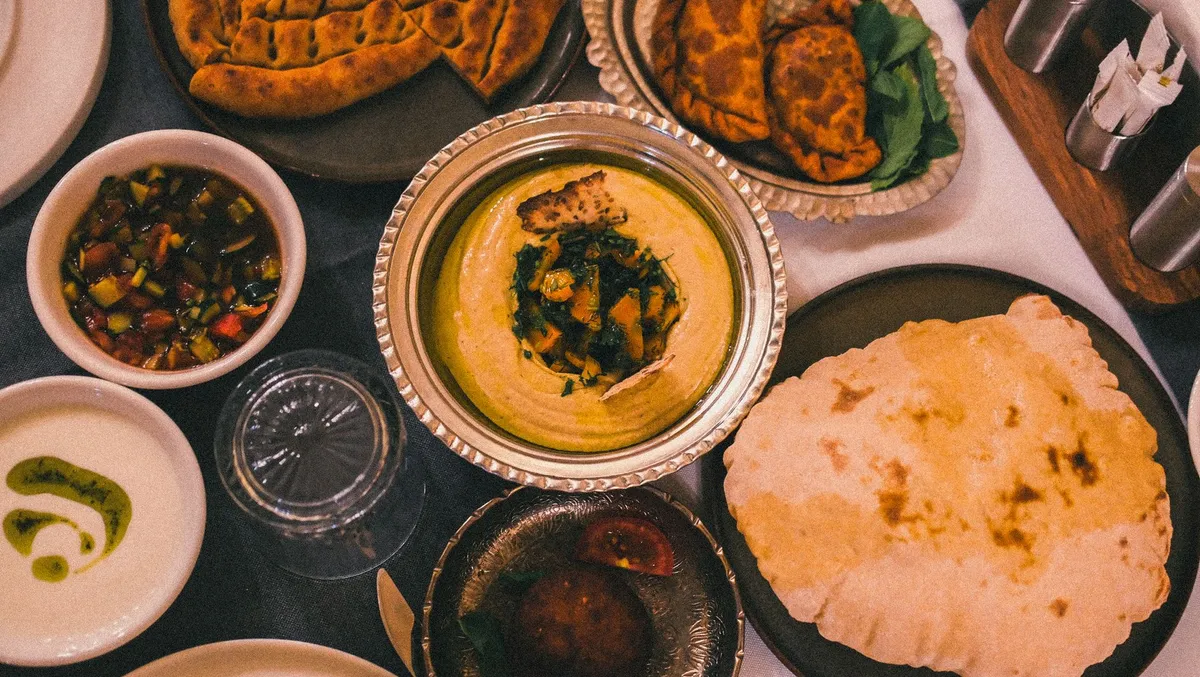
Seafood is another cornerstone of Istanbul’s cuisine, thanks to its location on the Bosphorus. Balık ekmek, or fish bread, is a street food staple: fresh mackerel grilled and served in a crusty roll with onions and a squeeze of lemon. The Bosphorus fish restaurants in neighborhoods like Ortaköy and Kumkapı offer a more refined take, where fish is grilled to perfection and served with meze—a selection of small dishes like fried mussels, stuffed mussels, and eggplant salad. The meze culture is deeply rooted in Ottoman traditions, where dining was a leisurely affair of sampling dozens of small plates paired with rakı, an anise-flavored spirit.
No exploration of Istanbul’s food scene is complete without indulging in its sweets. Baklava, with its layers of phyllo dough, chopped nuts, and syrup, is a dessert that transcends borders, with regional variations like Anatolian baklava (thinner layers) and Gaziantep baklava (thicker, with pistachios). Lokum, or Turkish delight, is another confection with a storied past—legend has it that it was invented in a workshop near the Grand Bazaar in the 18th century. For a modern twist, künefe, a cheese pastry soaked in syrup and topped with pistachios, is a must-try, especially in the city of Hatay, where it originated.
To truly understand Istanbul’s culinary identity, one must venture beyond the tourist hotspots. The Karaköy district, once the heart of the city’s financial district, is now a hub for food innovation. Here, you’ll find Karaköy Lokantası, a modern take on the traditional Ottoman kitchen, serving dishes like hünkar beğendi (lamb stew served over smoked eggplant purée) and ali nazik (a smoky eggplant and minced meat dish). The Çiya Sofrası in Kadıköy is a legendary spot for home-style cooking, where dishes like etli kuru fasulye (white bean stew with meat) and iç pilav (stuffed rice with liver) are served in a no-frills setting that feels like a grandmother’s kitchen.
Living Like a Local: The Practical Side of Istanbul for Travelers and Digital Nomads
Istanbul is not just a city to visit—it’s a city to live in, even if only for a few weeks or months. For digital nomads, expats, and long-term travelers, the city offers a unique blend of affordability, connectivity, and cultural richness. But like any major metropolis, it requires a bit of planning to navigate its complexities.
Cost of Living: Where Your Money Goes Further
According to Numbeo, Istanbul is significantly more affordable than other global cities like London, Paris, or New York, but costs can vary widely depending on your lifestyle and neighborhood. Here’s a breakdown of essential expenses for a single person (as of mid-2026 data):
| Expense Category | Cost (USD) | Notes |
|---|---|---|
| Rent (1-bedroom apt) | $300–$800 | Varies by district; cheaper in Üsküdar, pricier in Beyoğlu |
| Utilities (monthly) | $100–$150 | Includes electricity, heating, water, internet |
| Groceries (monthly) | $150–$250 | Fresh produce, meat, and dairy are affordable; imported goods cost more |
| Dining Out (per meal) | $5–$20 | Street food is cheap; mid-range restaurants average $10–$15 |
| Public Transport | $0.50–$2 | Istanbulkart (reloadable transit card) covers buses, trams, metro, and ferries |
| Coworking Space | $100–$200 | Spaces like Anticafé or Workinton offer daily/weekly passes |
| SIM Card/Data | $10–$20 | Major providers: Turkcell, Vodafone, or Türk Telekom |

Istanbul’s affordability is one of its biggest draws for digital nomads. A monthly budget of $1,200–$1,800 can comfortably cover rent in a decent neighborhood, meals out, coworking spaces, and leisure activities. However, costs rise in the European side (especially Beyoğlu, Beşiktaş, and Şişli) compared to the Asian side (Kadıköy, Üsküdar), where rents are lower but commutes to the city center take longer.
Neighborhoods: Where to Stay and Why
Choosing where to stay in Istanbul depends on your priorities—proximity to historical sites, nightlife, affordability, or a local vibe.
- Beyoğlu (European Side): The cultural and artistic heart of Istanbul, home to the Istiklal Street, Taksim Square, and the Galata Tower. This area is ideal for those who love nightlife, live music, and a bohemian atmosphere. Rents are higher here, but the energy is unmatched.
- Kadıköy (Asian Side): A trendy, laid-back district with a strong local identity. Kadıköy is known for its street art, independent cafes, and vibrant markets. It’s more affordable than Beyoğlu and offers a slower pace of life while still being well-connected via ferry.
- Sultanahmet: The historic core of the city, perfect for first-time visitors who want to be within walking distance of the Hagia Sophia, Blue Mosque, and Grand Bazaar. However, it’s touristy and lacks the local flavor of other neighborhoods.
- Üsküdar: A quieter, more residential area on the Asian side, offering stunning views of the Bosphorus and a slower pace of life. It’s ideal for those seeking affordability and a local experience.
- Bakırköy: A middle-class neighborhood with a mix of residential and commercial areas. It’s well-connected to the city center and offers good value for money.
Transportation: Navigating the City Like a Pro
Istanbul’s public transport system is extensive, efficient, and affordable. The Istanbulkart, a reloadable smart card, is your best friend—it works on buses, trams, metros, ferries, and even some taxis. Here’s a quick guide:
- Metro: The M1, M2, M4, and M6 lines connect key areas like the airport, Taksim, and Kadıköy. Trains run frequently (every 5–10 minutes) and are the fastest way to cross the city.
- Tram: The T1 line runs from Kabataş to Zeytinburnu, passing through Sultanahmet and the Grand Bazaar. It’s a scenic way to see the city.
- Ferries: The Bosphorus ferries are a must-do, offering stunning views of the city’s skyline. The Üsküdar-Eminönü route is a popular commuter line, while the Anadolu Kavağı route takes you to the northern end of the Bosphorus.
- Dolmuş: Shared minibuses that follow fixed routes. They’re faster than buses but less comfortable.
- Taxis: Use BiTaksi or Uber for metered rides to avoid scams. Fares are reasonable, but traffic can be brutal during rush hour.
Safety and Quality of Life
Istanbul is generally safe for travelers, but like any major city, it’s important to stay aware of your surroundings. Petty theft (pickpocketing, bag snatching) can occur in crowded areas like the Grand Bazaar, Taksim Square, and public transport. Violent crime is rare, but scams targeting tourists (overcharging in taxis, fake tour guides) are not uncommon.
According to Numbeo’s 2026 data, Istanbul ranks moderate in safety compared to other global cities. Violent crime is low, but concerns about petty theft and corruption (e.g., police stops for minor infractions) are higher than in cities like Tokyo or Singapore. The quality of life is rated good in terms of healthcare, education, and infrastructure, but air pollution and traffic congestion are notable drawbacks.
For digital nomads, healthcare is affordable and of good quality. Turkey has a universal healthcare system, and expats can access public hospitals with a residence permit. Private hospitals like Acıbadem and Medipol offer high-quality care at a fraction of Western prices.
Beyond the Tourist Trail: Hidden Gems and Local Secrets
Istanbul’s true magic lies in its hidden corners—places where the city’s soul reveals itself to those willing to stray from the beaten path.
The Princes’ Islands: A Step Back in Time
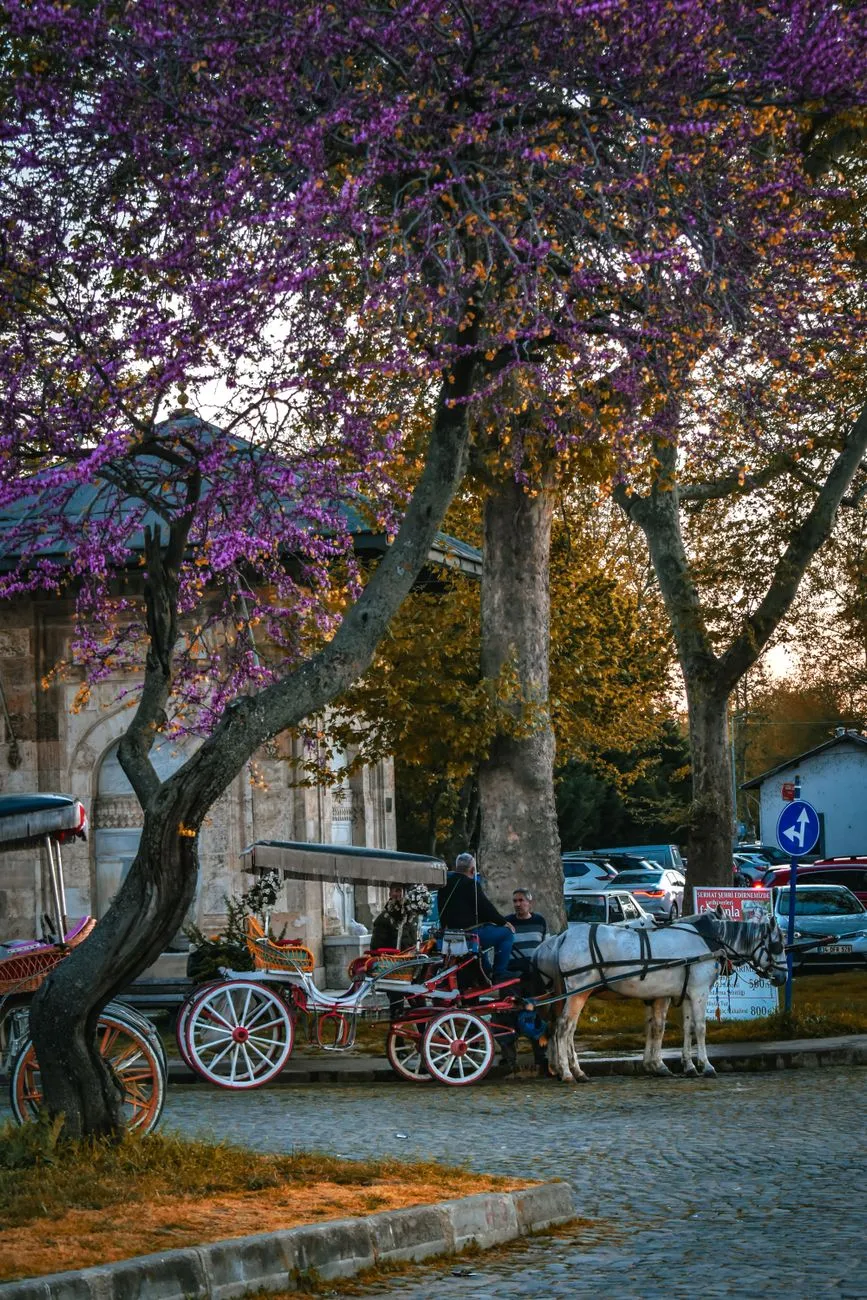
Just a short ferry ride from Istanbul lies the Princes’ Islands (Adalar), a group of nine car-free islands in the Sea of Marmara. The largest, Büyükada, is a retreat from the city’s hustle and bustle, with horse-drawn carriages as the primary mode of transport. The islands were once exile destinations for Byzantine princes, and their architecture reflects this history—wooden mansions, Orthodox churches, and quiet beaches. A day trip here offers a glimpse of old Istanbul, where time seems to stand still.
Chora Church: A Byzantine Masterpiece
While the Hagia Sophia and Blue Mosque dominate the tourist radar, the Chora Church (Kariye Museum) is a lesser-known gem. This 14th-century church is adorned with some of the finest Byzantine mosaics and frescoes in the world, depicting scenes from the life of Christ and the Virgin Mary. The intricate details and vivid colors make it a must-visit for art lovers.
Süreyya Opera House: Art Deco Elegance in Kadıköy
Tucked away in Kadıköy, the Süreyya Opera House is a stunning example of Art Deco architecture, built in the 1920s. Once a cinema, it’s now a cultural hub hosting concerts, theater performances, and exhibitions. The building itself is a work of art, with its geometric patterns and lavish interiors.
Balıkçı Sabahattin: A Legendary Fish Restaurant
For an authentic Istanbul dining experience, head to Balıkçı Sabahattin in the Sultanahmet district. This unassuming restaurant has been serving fresh fish since 1954, and its levrek (sea bass) grilled over charcoal is legendary. Pair it with a glass of rakı and a side of meze, and you’ll understand why this place has stood the test of time.
The Moda Neighborhood: Istanbul’s Brooklyn
If Kadıköy is Istanbul’s trendiest district, Moda is its bohemian heart. This neighborhood is packed with independent cafes, boutique shops, and street art, making it a favorite among locals and expats. Don’t miss Moda Pier, a scenic spot to watch the sunset over the Marmara Sea.
The Digital Nomad’s Istanbul: Work, Play, and Everything in Between
Istanbul is rapidly becoming a hotspot for digital nomads, thanks to its affordable cost of living, fast internet, and vibrant expat community. But thriving in a new city requires more than just a laptop and a good Wi-Fi connection—it’s about finding the right balance between productivity and exploration.
Coworking Spaces: Where to Set Up Shop
Istanbul has a growing number of coworking spaces that cater to remote workers, freelancers, and entrepreneurs. Here are some of the best:
- Anticafé (Beyoğlu): A stylish space with a library-like atmosphere, offering free coffee and tea. Ideal for those who need a quiet place to work.
- Workinton (Levent): A modern coworking space with meeting rooms, event spaces, and a community of like-minded professionals.
- The Hive (Kadıköy): A trendy spot with a rooftop terrace, perfect for those who want to work with a view.
- 1000 Volts (Karaköy): A creative hub with a focus on design and tech, offering workshops and networking events.
Internet and Connectivity
Istanbul’s internet infrastructure is robust, with speeds averaging 50–100 Mbps in most areas. Major providers like Turkcell, Vodafone, and Türk Telekom offer affordable SIM cards with generous data plans. For those who need a reliable connection, eSIMs from providers like Airalo or Holafly are a convenient option.
Social Life and Networking
Joining Facebook groups like Digital Nomads Istanbul or Expats in Istanbul is a great way to connect with like-minded individuals. The city also hosts meetups, language exchanges, and tech events throughout the year. **Cafes like Mandabatmaz (a historic coffee shop in Sultanahmet) and Fazıl Bey (a traditional Turkish coffee spot in Beyoğlu) are popular hangouts for remote workers.
Day Trips and Weekend Getaways
Istanbul’s location makes it an ideal base for exploring Turkey’s diverse landscapes. Here are a few ideas for weekend trips:
- Bursa: A city at the foot of Mount Uludağ, known for its Ottoman architecture, thermal baths, and ski resorts.
- Çanakkale: Home to the ancient city of Troy and the Dardanelles Strait, where you can take a ferry to Gallipoli to explore WWI battlefields.
- Bursa and Uludağ: A perfect combo of history and nature—visit the Green Mosque and Great Mosque in Bursa, then take the cable car up Mount Uludağ for stunning views.
- Pamukkale: A surreal landscape of white travertine terraces filled with thermal waters, located in southwestern Turkey.
A City That Never Stops Evolving
Istanbul is a city that defies easy definition. It’s a place where a 15th-century Ottoman palace stands beside a 21st-century skyscraper, where a street vendor selling simit (sesame bread rings) shares a sidewalk with a trendy café serving avocado toast. It’s a city of contrasts—noisy and serene, ancient and modern, affordable and luxurious.
For travelers, Istanbul is a feast for the senses—a symphony of calls to prayer, the sizzle of kebabs on a grill, the scent of spices in the air, and the sight of a sunset over the Bosphorus that leaves you breathless. For digital nomads, it’s a playground of possibility—a place where you can work by day and explore a hidden Byzantine church by night. For historians, it’s a living museum where every cobblestone has a story to tell.
But perhaps the most magical thing about Istanbul is its ability to surprise. No matter how many times you visit, there’s always a new alley to explore, a new dish to taste, or a new perspective to discover. It’s a city that doesn’t just welcome you—it enchants you.
So pack your bags, book your flight, and let Istanbul weave its spell on you. Whether you stay for a week or a year, this city will leave an indelible mark on your soul.
#IstanbulDiaries #TravelTurkey #DigitalNomadLife #FoodAndCulture #HiddenGems
Related Insights
- Antigua and Barbuda Unveiled: A Digital Nomad’s Paradise of Turquoise Waters, Spice-Infused Cuisine, and Colonial Charm
- Savoring the Soul of West Africa: A Journey Through Senegalese Street Food & Culinary Traditions
- Awadhi Cuisine: A Royal Legacy on Your Plate – The Untold Story of Lucknow’s Flavors