Antigua and Barbuda Unveiled: A Digital Nomad’s Paradise of Turquoise Waters, Spice-Infused Cuisine, and Colonial Charm
-
 Sofía Torres
 - 28 Aug, 2026 02:18
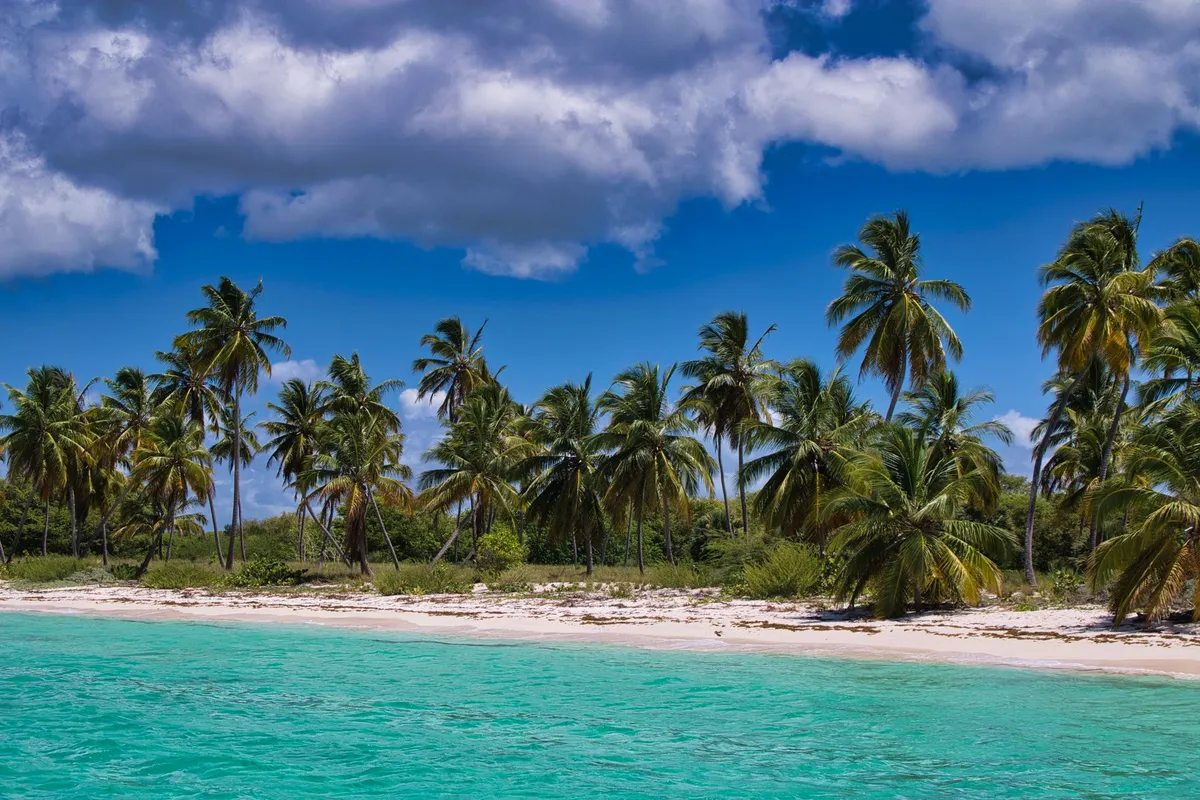
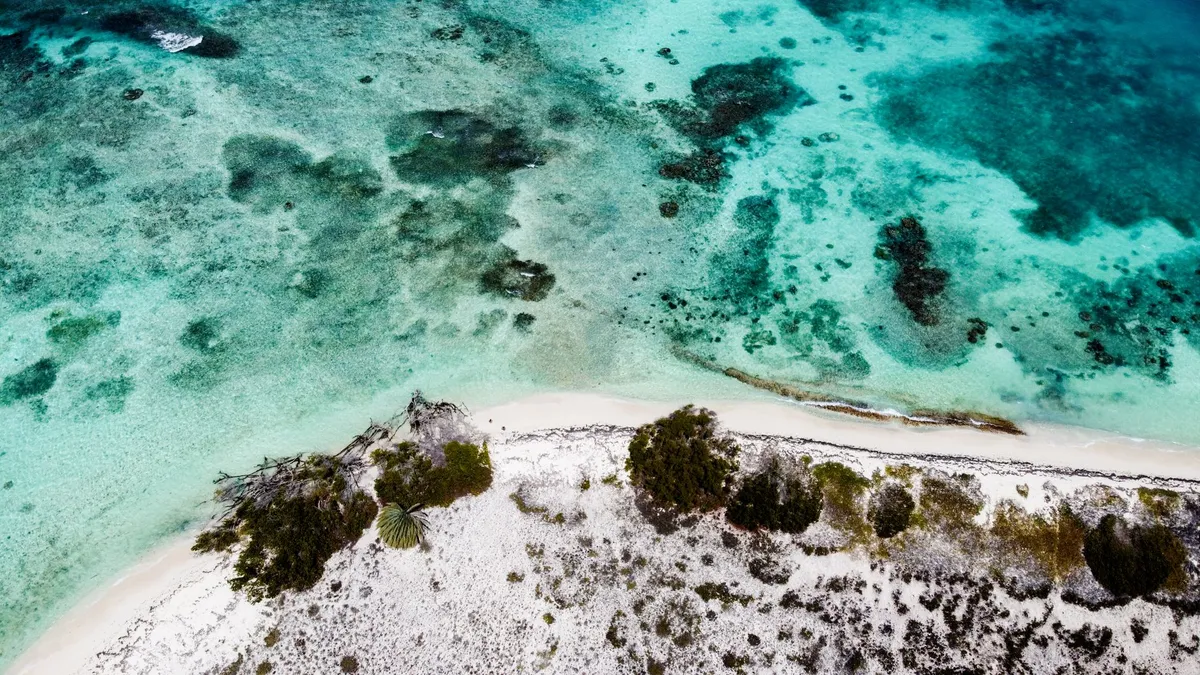
Where the Caribbean whispers history through its spice-scented breezes and hums with the rhythm of steel drums under endless sunshine
Nestled in the heart of the Caribbean, Antigua and Barbuda are twin jewels that have long captivated travelers with their powder-white beaches, coral reefs teeming with marine life, and a cultural tapestry woven from African, British, and indigenous influences. For digital nomads seeking a paradise where work and wanderlust intertwine seamlessly, these islands offer more than just postcard-perfect scenery—they provide a vibrant, affordable, and culturally rich lifestyle. Whether you’re sipping a rum punch on a secluded cove or typing away in a breezy café overlooking the harbor, Antigua and Barbuda promise an experience that transcends the ordinary.
But beyond the allure of turquoise waters and swaying palm trees lies a practical question: How much will it cost to live here? Thanks to Numbeo’s crowdsourced data and real-time market insights, we can now answer that with precision. This guide dives deep into the cost of living, cultural gems, and culinary delights of Antigua and Barbuda, tailored specifically for the modern remote worker.
Why Antigua and Barbuda Are the Ultimate Digital Nomad Retreat
The Caribbean has emerged as a top destination for digital nomads, and Antigua and Barbuda stand out for several reasons. First, the islands boast a stable internet infrastructure, with high-speed broadband available in most urban areas and coworking spaces dotting the landscape. Second, the cost of living, while not as low as some Southeast Asian destinations, is competitive for the Caribbean, especially when compared to nearby islands like the British Virgin Islands or St. Lucia. Third, the islands’ compact size makes it easy to explore everything from historic Nelson’s Dockyard to the lush rainforests of Barbuda—all within a short drive or ferry ride.
According to Numbeo’s 2026 cost-of-living guide, a solo digital nomad in St. John’s, Antigua’s capital, can expect to spend approximately $1,800 to $2,500 USD per month, including rent, food, transportation, and leisure activities. This figure is slightly higher than in some Central American destinations but significantly lower than in the U.S. or Europe. For those willing to venture to Barbuda, the cost drops further, with rents and dining options often 20-30% cheaper due to the island’s quieter, more rural nature.
But cost is only part of the equation. Antigua and Barbuda offer a unique blend of history, adventure, and relaxation. The islands were once the heart of the British sugar trade, and their colonial architecture, rum distilleries, and maritime museums tell a story of resilience and cultural fusion. Meanwhile, the local cuisine—heavy on seafood, tropical fruits, and fiery pepper sauces—reflects the islands’ African and indigenous roots. For food-loving nomads, Antigua and Barbuda are a playground of flavors waiting to be explored.
Navigating the Cost of Living: A Breakdown for Remote Workers
For digital nomads, understanding the cost of living is crucial to planning a sustainable stay. Below is a detailed breakdown of monthly expenses in Antigua and Barbuda, based on Numbeo’s 2026 data and real-time market trends. Keep in mind that prices can vary depending on the season (peak tourist months from December to April are more expensive) and your lifestyle choices.
| Expense Category | Monthly Cost (USD) | Notes |
|---|---|---|
| Rent (1-bedroom apartment) | $800 - $1,500 | St. John’s is pricier; Barbuda offers lower rates (~$600-$1,000). |
| Utilities (electricity, water, internet) | $150 - $250 | Internet speeds average 50-100 Mbps; power outages are rare but possible. |
| Groceries | $300 - $500 | Local markets (e.g., St. John’s Public Market) offer fresh produce at lower prices. |
| Dining Out | $400 - $800 | Mid-range restaurants cost $15-$30 per meal; street food is $5-$10. |
| Transportation | $100 - $300 | Taxis are expensive; renting a car costs ~$50/day. Ferries to Barbuda: $50 round-trip. |
| Coworking Space | $100 - $200 | Spaces like The Office Antigua offer day passes for $20. |
| Leisure (beach days, tours) | $200 - $400 | Snorkeling tours: $50-$80; boat charters: $100-$200. |
| Total (Approx.) | $1,800 - $2,500 | Can be reduced by sharing rent or cooking at home. |
One of the biggest expenses for nomads is accommodation. In St. John’s, a modern one-bedroom apartment in a safe neighborhood like Fitches Creek or English Harbour will set you back $1,200-$1,500 per month. For those willing to live slightly outside the city center or in smaller towns like All Saints, prices drop to $800-$1,000. Barbuda, with its laid-back vibe, offers even better deals, with beachfront cottages available for $600-$900 per month.
Utilities are another consideration. Electricity in Antigua and Barbuda is relatively expensive due to the islands’ reliance on imported fuel, with monthly bills averaging $150-$250. Internet is reliable but can be spotty in rural areas; a 100 Mbps connection costs around $80-$120 per month. For nomads who need a consistent signal, coworking spaces like The Office Antigua or Antigua Business Centre provide high-speed Wi-Fi and a professional environment for $100-$200 per month.
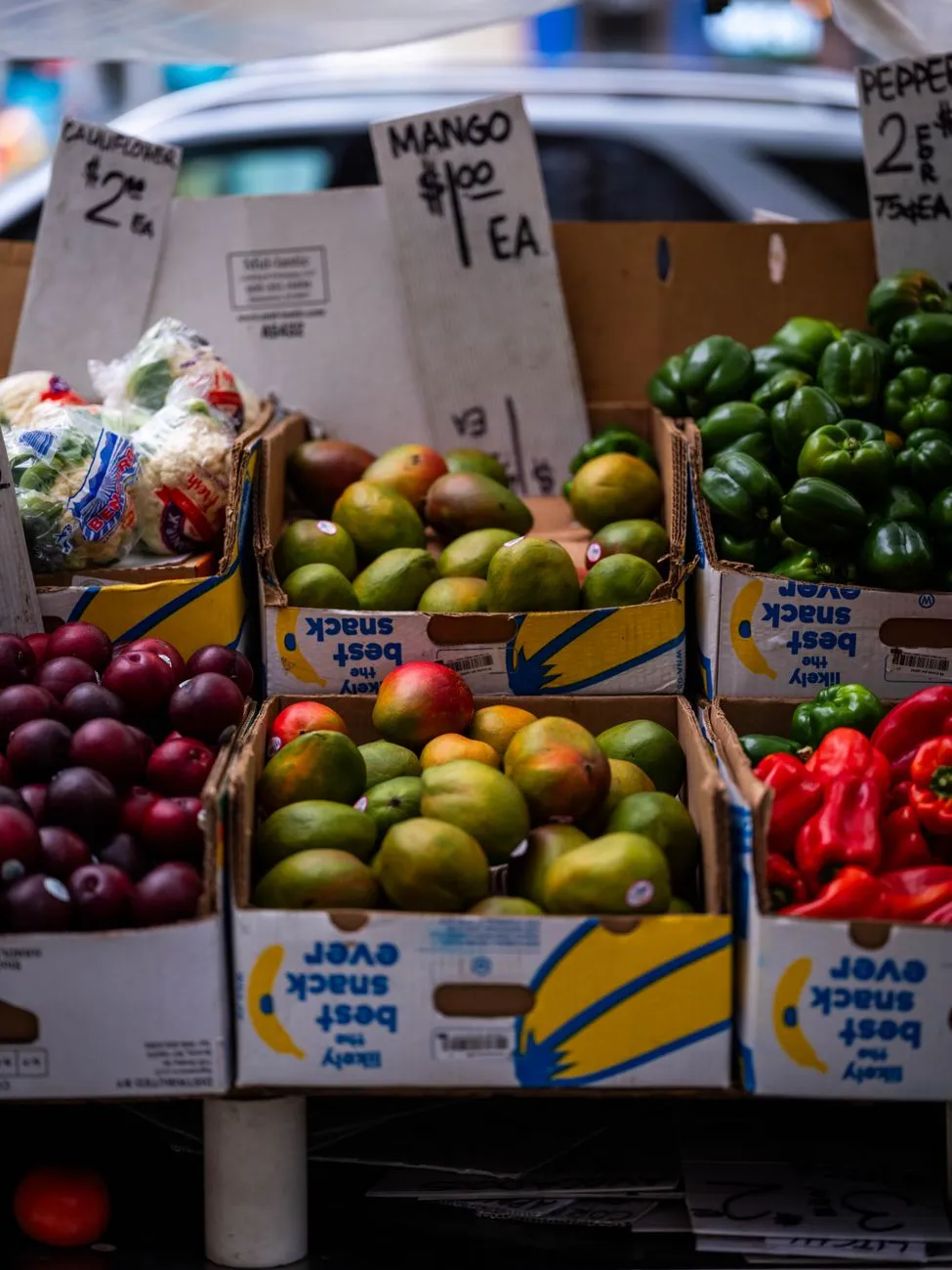
Food costs vary widely depending on whether you cook at home or dine out. Groceries in Antigua are affordable if you shop at local markets. A weekly haul of fresh produce (mangoes, plantains, breadfruit), eggs, and local fish will cost $50-$80, while imported goods (cheese, pasta, wine) are pricier. Dining out is a highlight of life in Antigua and Barbuda, with options ranging from $5 street food (e.g., doubles—a Trinidadian-inspired flatbread with curried chickpeas) to $30-$50 meals at upscale restaurants like Café des Artistes or Sheer Rocks. For budget-conscious nomads, cooking at home and limiting restaurant visits to once or twice a week can cut food costs by 40-50%.
Transportation is another area where nomads can save. Taxis are convenient but expensive, with rides between St. John’s and English Harbour costing $30-$50. Renting a car is a better option for those planning to explore the islands, with daily rates starting at $50. Ferries to Barbuda depart from St. John’s and cost $50 round-trip, with the journey taking about 90 minutes. For short trips, local buses (called “jitneys”) are a bargain at $1-$3 per ride, though they can be crowded and unreliable.
Finally, leisure activities—while not essential—are a big part of the Antigua and Barbuda experience. Snorkeling at Cades Reef, hiking Shirley Heights for sunset views, or taking a day trip to Barbuda’s Frigate Bird Sanctuary will set you back $50-$200, depending on the tour. For nomads on a tight budget, the islands’ public beaches (like Dickenson Bay or Half Moon Bay) are free and perfect for a day of relaxation.
From Rum Punch to Pepper Sauce: A Culinary Journey Through Antigua and Barbuda
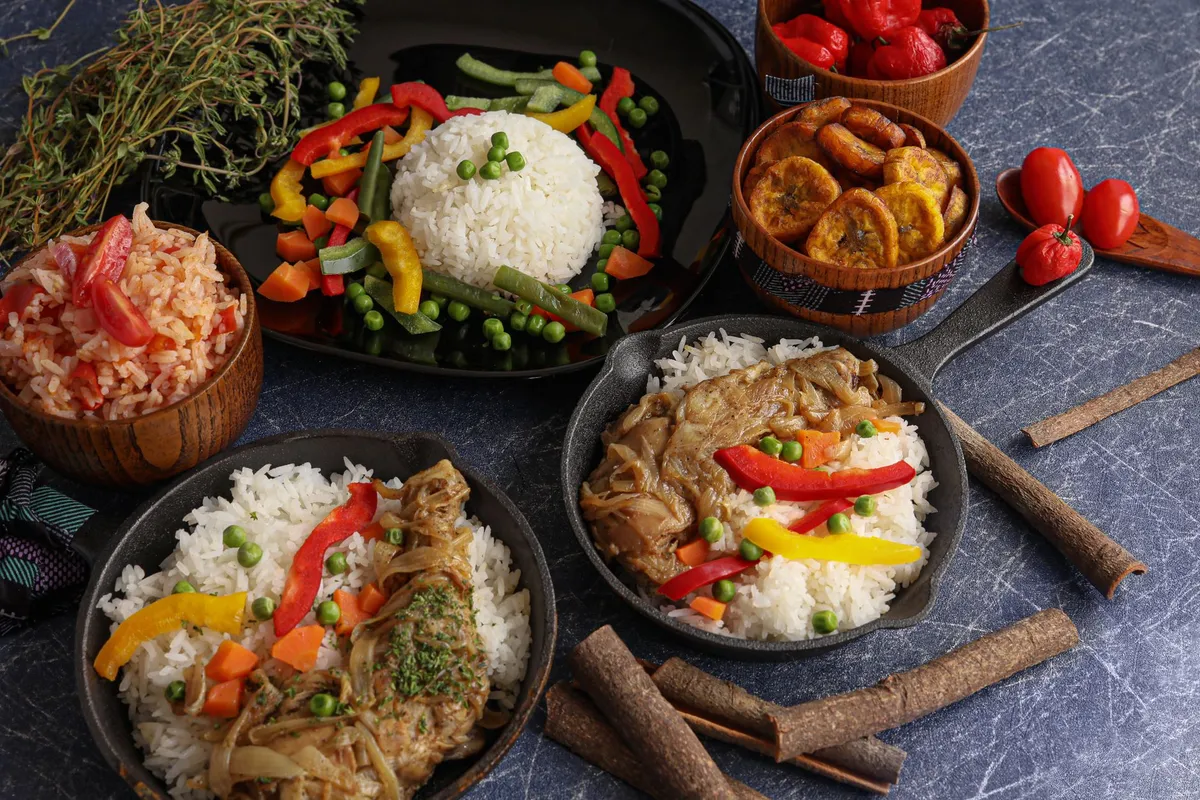
The food of Antigua and Barbuda is a vibrant reflection of the islands’ history and geography. African slaves brought okra, plantains, and callaloo (a leafy green similar to spinach), while British colonizers introduced salted meats, pies, and rum. Indigenous Arawak influences are seen in dishes like fungie (a cornmeal-based side dish) and ducana (a sweet potato dumpling). The result is a cuisine that is hearty, spicy, and deeply flavorful—perfect for food-loving nomads.
Must-Try Dishes:
- Jerk Chicken/Pork – The islands’ take on Jamaica’s famous jerk seasoning is a must-try. Look for roadside stands or restaurants like The Lighthouse in St. John’s, where the meat is slow-cooked over pimento wood for a smoky, spicy flavor.
- Fungee and Pepper Pot – A staple of Antiguan cuisine, fungie is a thick, polenta-like dish made from cornmeal, often served with pepper pot, a rich stew of salted meat, okra, and spices. Try it at Shepherd’s Restaurant in St. John’s.
- Ducana – A sweet, spiced dumpling made from grated sweet potato and coconut, typically served with saltfish or as a side dish. Betty’s Hope Estate often features it in their Sunday buffet.
- Conch – A delicacy in the Caribbean, conch is often served raw in ceviche, fried in fritters, or stewed in curry. The Copper Lime in English Harbour offers an excellent conch chowder.
- Rum Punch – Antigua is home to some of the Caribbean’s best rum, including English Harbour Rum and Wadadli Rum. A classic rum punch consists of rum, lime juice, sugar, nutmeg, and Angostura bitters—best enjoyed at Café des Artistes while watching the sunset.
Where to Eat Like a Local:
- St. John’s Public Market – A bustling hub for fresh produce, spices, and street food. Try the doubles (curried chickpeas in fried flatbread) from a vendor like Doubles King.
- Shirley Heights Lookout – Famous for its Sunday sunset parties, this spot offers stunning views and grilled seafood.
- Barbuda’s Beach Bars – On Barbuda, beachside shacks serve the freshest lobster and grilled fish, often caught that morning.
For nomads looking to cook at home, local markets are the best place to stock up on ingredients. The St. John’s Public Market is open daily and offers everything from fresh fish to homemade pepper sauces. For imported goods, supermarkets like Eddie’s Supermarket or Riteway have a good selection, though prices are higher.
Beyond the Beach: Cultural Gems and Hidden Adventures
While Antigua and Barbuda are synonymous with beaches, the islands offer a wealth of cultural and historical experiences that go far beyond sunbathing. For nomads seeking a deeper connection to the islands, these are the must-visit spots:
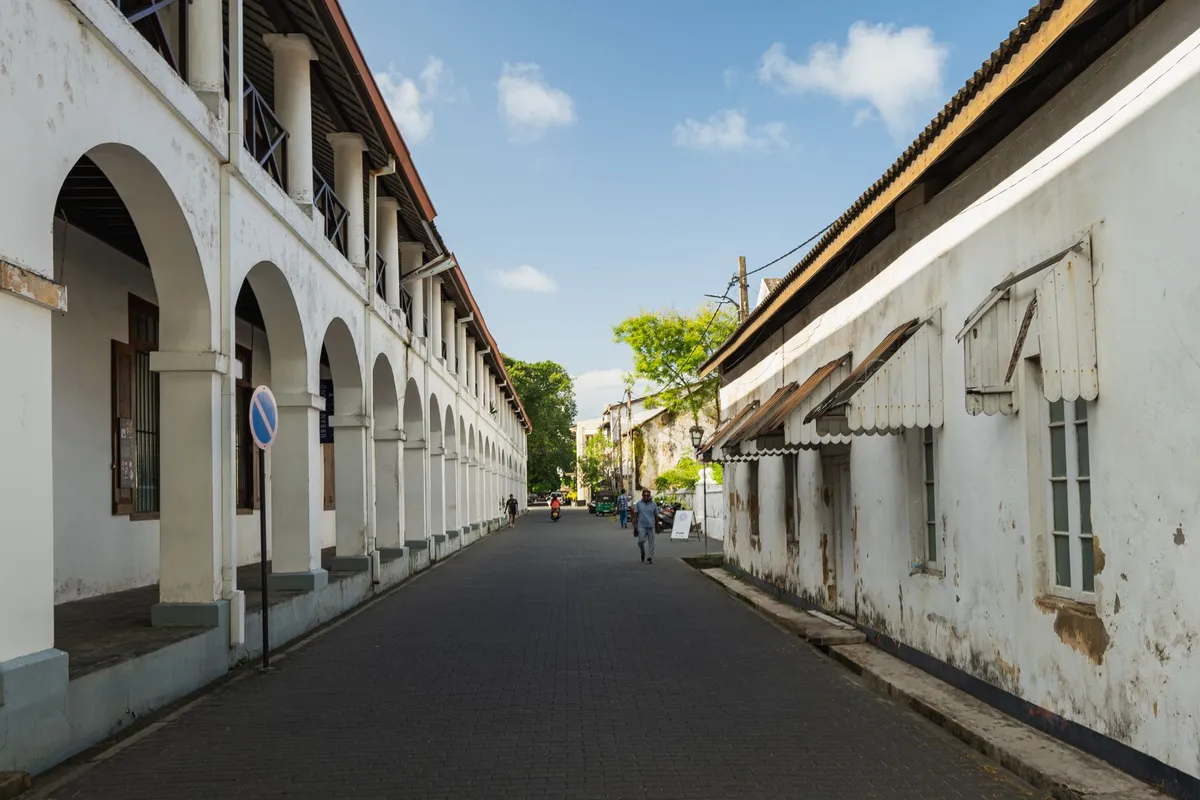
1. Nelson’s Dockyard National Park A UNESCO World Heritage Site, Nelson’s Dockyard is a living museum of Antigua’s colonial past. Built in the 18th century as a British naval base, the dockyard is home to restored wooden ships, historic buildings, and a museum detailing the islands’ maritime history. The on-site Admiral’s Inn offers a glimpse into the past with its colonial-era dining room and rum bar.
2. Shirley Heights Perched on a hill overlooking English Harbour, Shirley Heights is famous for its Sunday sunset parties, where locals and visitors gather for live music, grilled food, and panoramic views of the harbor. The site also offers hiking trails with stunning vistas, including the Galleon Beach Trail, which leads to a secluded beach.
3. Betty’s Hope Estate Once a sugar plantation, Betty’s Hope is now a museum and agricultural site where visitors can learn about Antigua’s sugar industry and sample local rum. The estate’s rum tasting room offers a chance to try Antigua’s finest rums, including English Harbour Rum and Wadadli Rum.
4. Devil’s Bridge A natural limestone arch on Antigua’s northeast coast, Devil’s Bridge is a geological wonder where the Atlantic’s waves crash dramatically against the rocks. Locals say the bridge is haunted by the spirits of enslaved Africans who jumped to their deaths rather than face slavery. The site also offers hiking trails and a small beach.
5. Barbuda’s Frigate Bird Sanctuary Accessible only by boat, Barbuda’s Frigate Bird Sanctuary is home to the world’s largest colony of frigate birds. Visitors can take a guided boat tour to see these magnificent birds up close, as well as Barbuda’s pristine beaches and coral reefs.
6. Local Festivals and Events Antigua and Barbuda’s calendar is packed with vibrant festivals that offer a taste of the islands’ culture:
- Antigua Carnival (late July to early August) – A two-week celebration of music, dance, and masquerade, culminating in the Grand Parade.
- Sailing Week (late April) – A world-famous regatta featuring yacht races, beach parties, and live music.
- Barbuda’s Lobster Fest (June) – A celebration of Barbuda’s most famous export, featuring grilled lobster, music, and dancing.
For nomads looking to immerse themselves in the local culture, volunteering is a great option. Organizations like The Antigua and Barbuda Humane Society or Barbuda’s Environmental Awareness Group welcome short-term volunteers to help with animal care or conservation projects.
Living Like a Local: Practical Tips for Digital Nomads
Moving to a new country—even temporarily—requires adaptability and preparation. Here are some practical tips to help digital nomads settle into life in Antigua and Barbuda:
1. Visa and Legal Requirements Antigua and Barbuda offer a 30-day visa-free stay for citizens of the U.S., Canada, the U.K., and most EU countries. For longer stays, nomads can apply for a temporary residency permit (valid for up to 12 months) or a digital nomad visa, which is currently in development. Check the latest requirements on the Antigua and Barbuda government website before traveling.
2. Banking and Payments The local currency is the Eastern Caribbean Dollar (XCD), which is pegged to the U.S. dollar at a 1:2.7 rate. While U.S. dollars are widely accepted, it’s best to carry small bills for local markets and taxis. ATMs are available in St. John’s and English Harbour, but rural areas may have limited access. Credit cards are accepted in most hotels and restaurants, but cash is king in local markets and small shops.
3. Healthcare Antigua and Barbuda have a public healthcare system, but for serious medical needs, expats and nomads typically use private hospitals like Mount St. John’s Medical Centre in St. John’s. Travel insurance is highly recommended, as medical care can be expensive. Pharmacies are widely available, but bring any prescription medications with you, as local options may be limited.
4. Safety Antigua and Barbuda are generally safe for tourists and nomads, with petty crime (e.g., pickpocketing) being the most common issue. Avoid walking alone at night in isolated areas, and keep valuables secure. Barbuda is particularly safe, with a low crime rate and a tight-knit community.
5. Language English is the official language, so communication is easy. However, locals often speak a creole-influenced patois, especially in rural areas. Learning a few phrases like “Wah gwaan?” (What’s up?) or “Mi deh yah” (I’m here) will endear you to the locals.
6. Transportation Hacks
- Rent a car for flexibility, but be prepared for aggressive driving and narrow roads.
- Use ferries to explore Barbuda—book in advance during peak season.
- Try the jitneys for short trips, but confirm the route with the driver first.
- Bike rentals are available in some areas, but the hilly terrain can be challenging.
7. Social Life and Networking Antigua and Barbuda have a growing digital nomad community, with meetups often organized at coworking spaces or beach bars. Facebook groups like “Antigua and Barbuda Expats & Digital Nomads” are great for connecting with others. For a more local experience, attend church services or community events—Antiguans are warm and welcoming to visitors.
8. Sustainability The islands are working to reduce plastic waste, so bring a reusable water bottle and shopping bag. Support local businesses and eco-friendly tours to minimize your environmental impact.
The Antigua and Barbuda Lifestyle: Work, Wander, and Unwind
What does a typical day look like for a digital nomad in Antigua and Barbuda? It might start with a sunrise swim at Dickenson Bay, followed by a morning of work at a coworking space like The Office Antigua. After lunch—perhaps a fresh seafood salad at The Copper Lime—you might explore the historic streets of St. John’s or take a ferry to Barbuda for a day of snorkeling and beachcombing. As the sun sets, you could enjoy a rum punch at Shirley Heights or a quiet dinner at Café des Artistes, watching the stars reflect off the turquoise water.
The key to making the most of life in Antigua and Barbuda is balance. The islands encourage a slow, mindful pace—where work is important, but so is savoring a fresh coconut, dancing to a steel drum, or losing yourself in the rhythm of the waves. For nomads tired of the hustle of big cities, this is a chance to reconnect with nature, culture, and themselves.
Why Antigua and Barbuda Could Be Your Next Home Away from Home
In a world where remote work is becoming the norm, Antigua and Barbuda offer a compelling alternative to the usual digital nomad hotspots. They combine affordability, reliable infrastructure, and a rich cultural experience with the kind of natural beauty that inspires creativity and relaxation. Whether you’re here for a month or a year, the islands have a way of getting under your skin—leaving you with memories of turquoise waters, spicy flavors, and the warmth of its people.
For those ready to trade the ordinary for the extraordinary, Antigua and Barbuda await. Pack your laptop, your swimsuit, and an appetite for adventure—this is a journey you won’t want to miss.
#CaribbeanLiving #DigitalNomadLife #AntiguaAndBarbuda #WorkFromParadise #CaribbeanCuisine